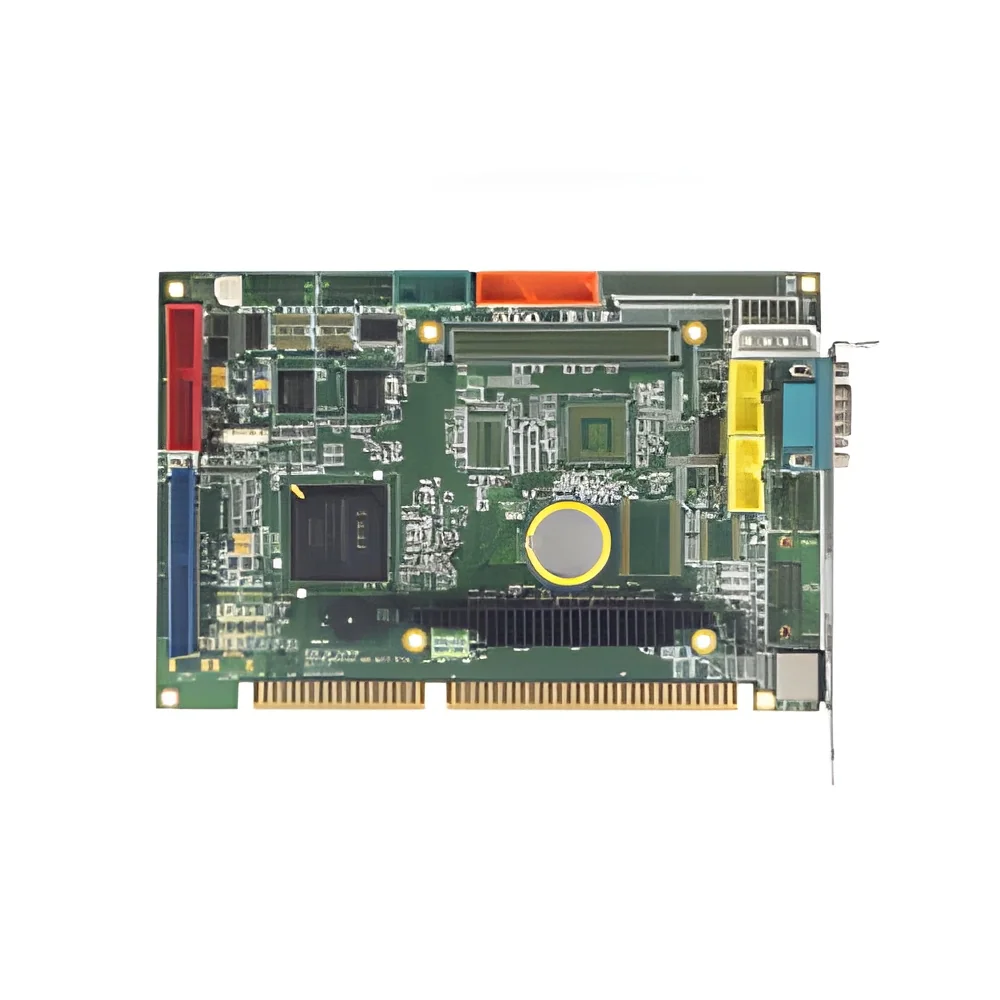
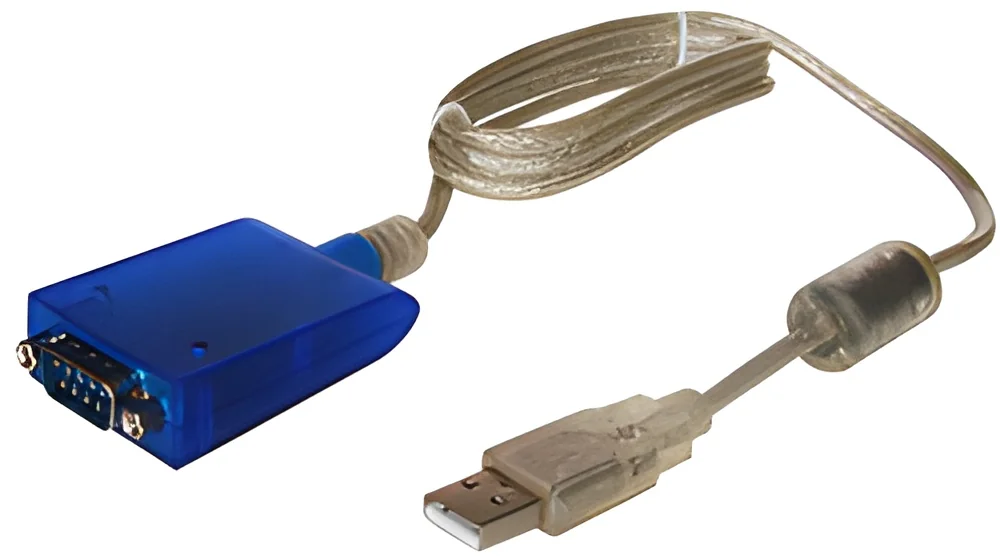
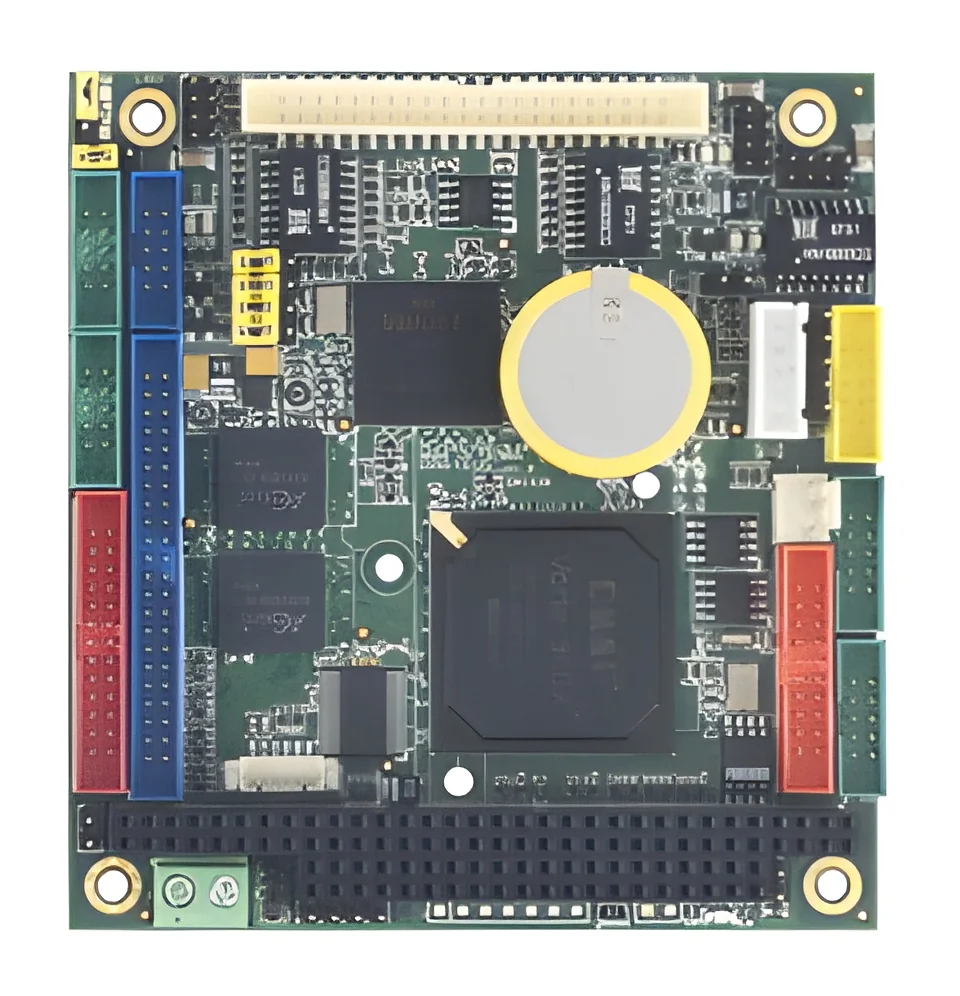
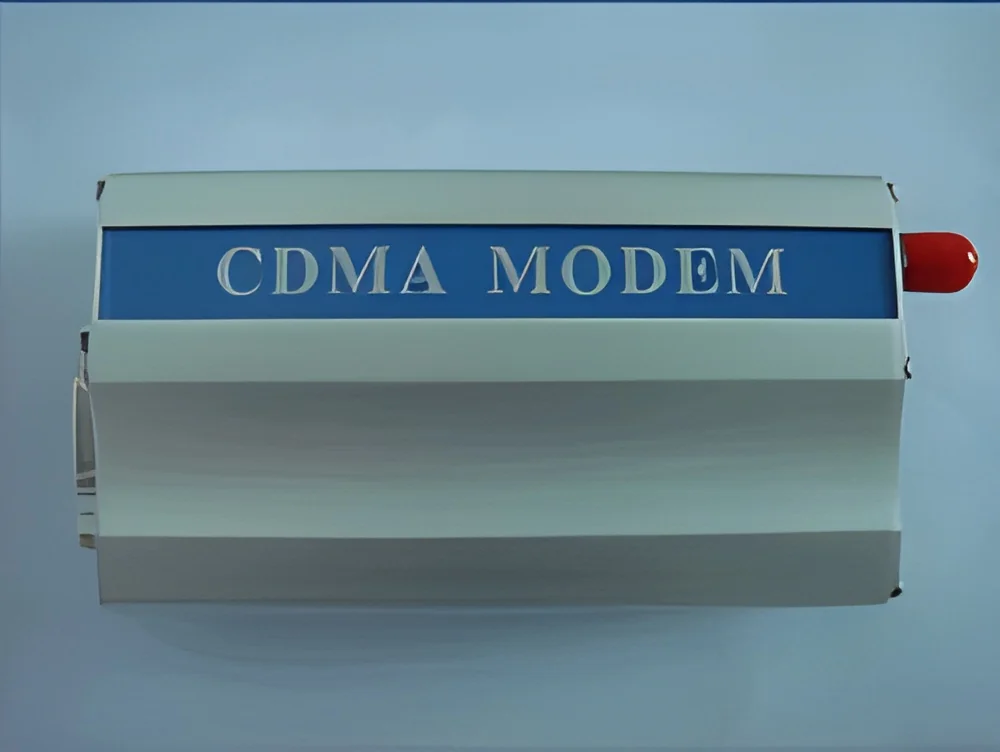
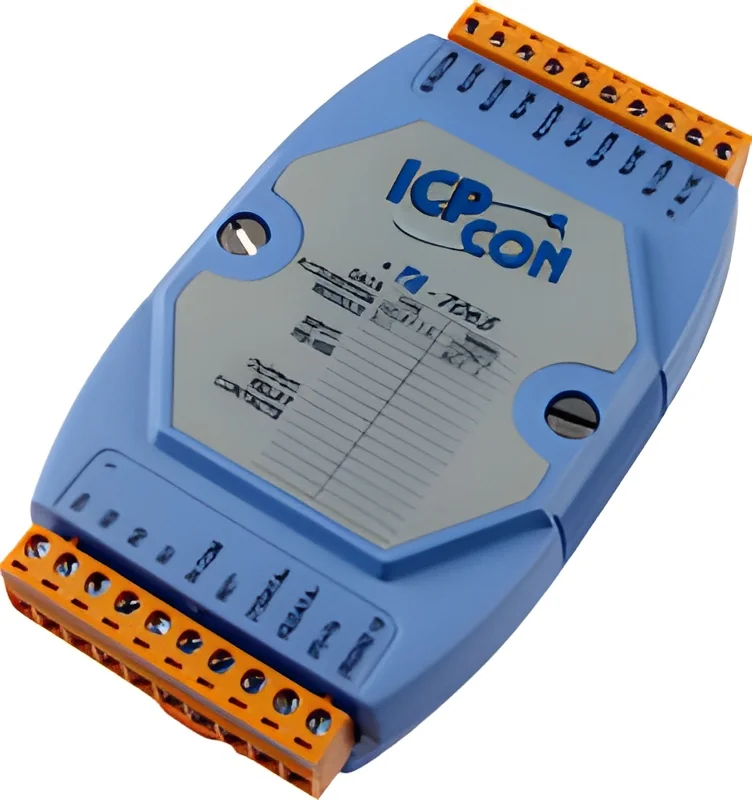
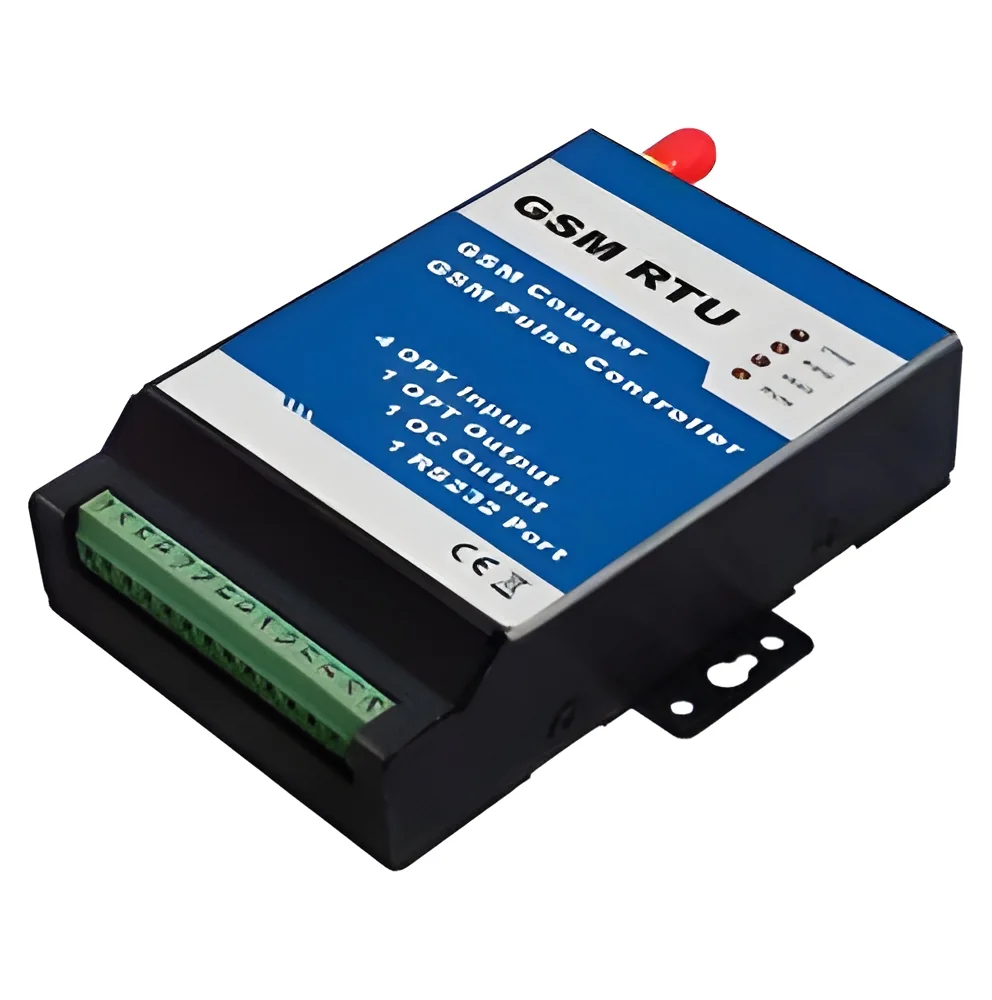
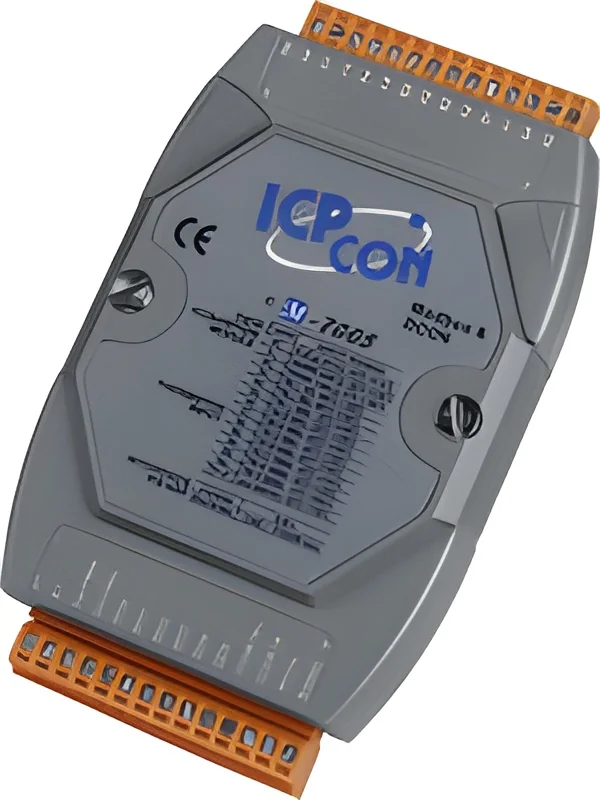
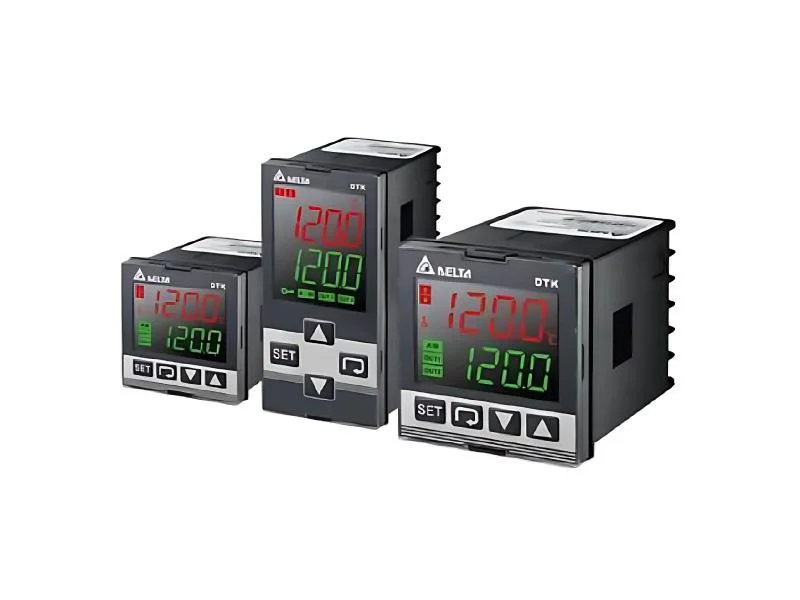
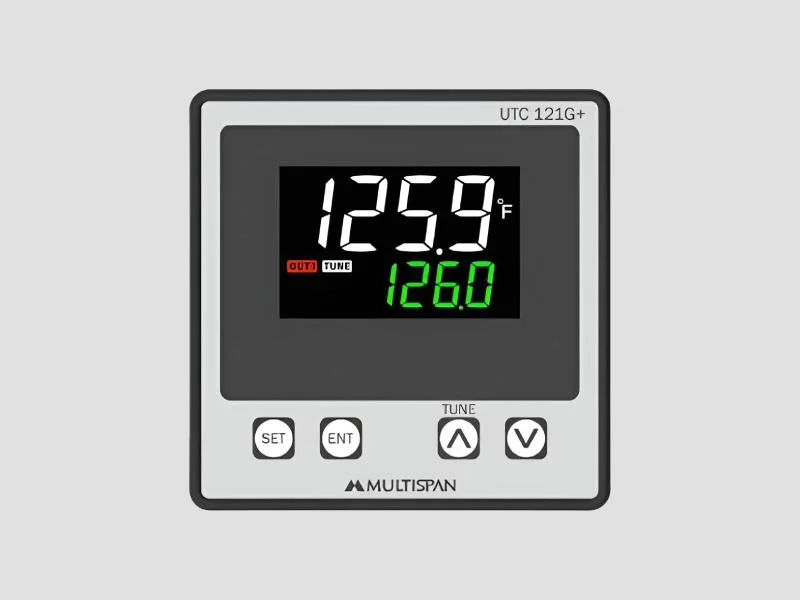
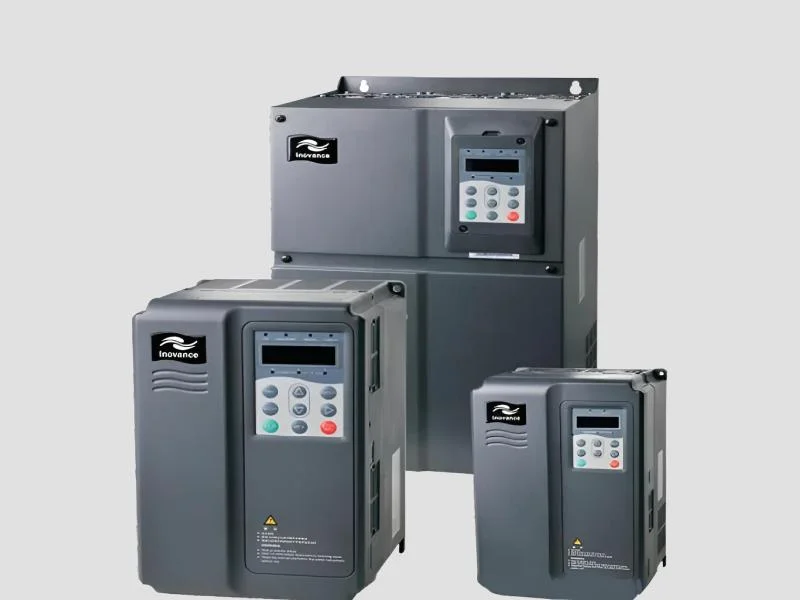
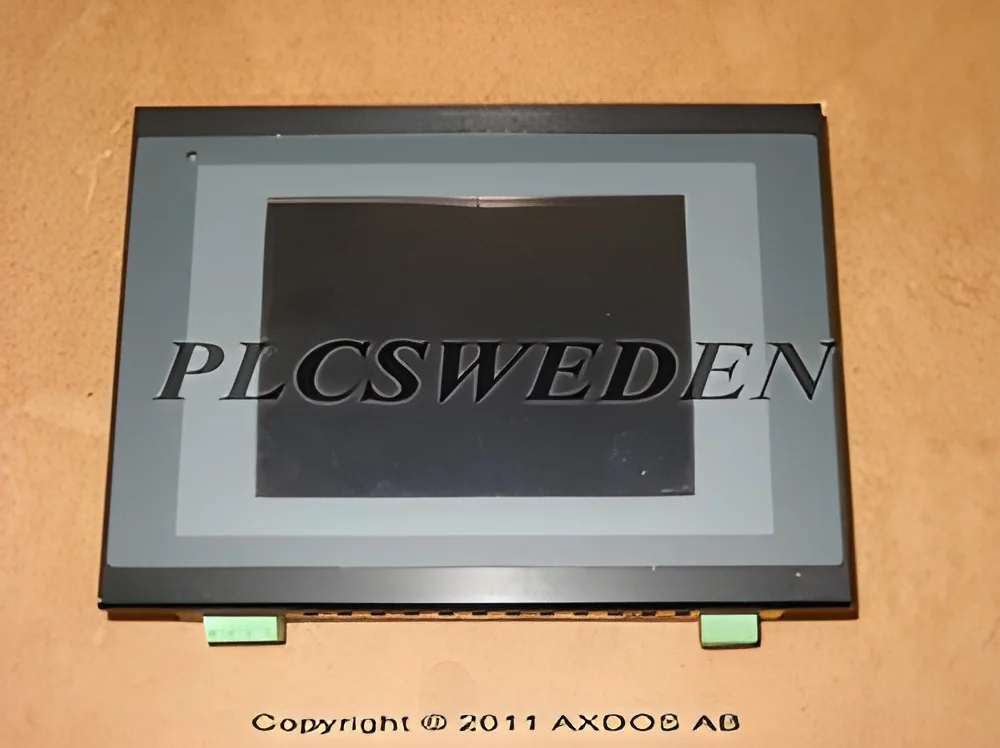
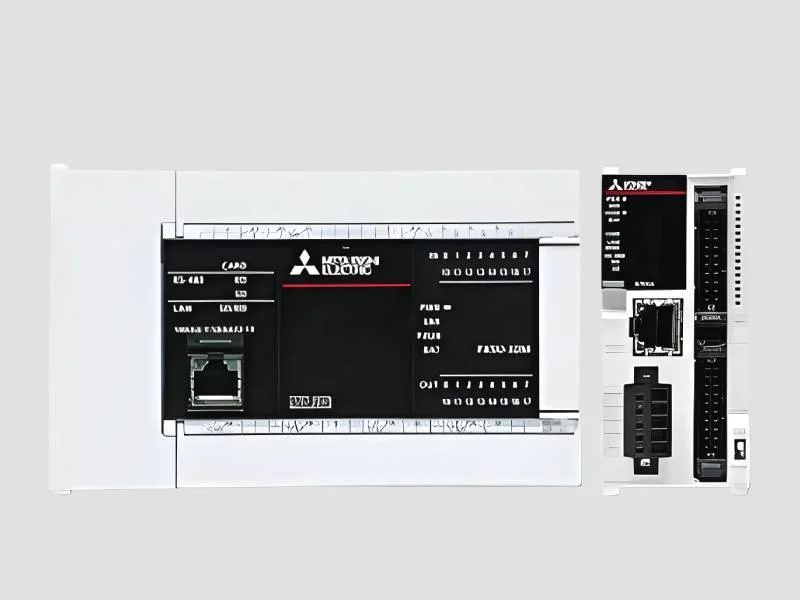
𝗪𝗵𝗮𝘁 𝗮𝗿𝗲 𝗔𝘂𝘁𝗼𝗺𝗮𝘁𝗶𝗼𝗻 & 𝗖𝗼𝗻𝘁𝗿𝗼𝗹 𝗦𝘆𝘀𝘁𝗲𝗺𝘀?
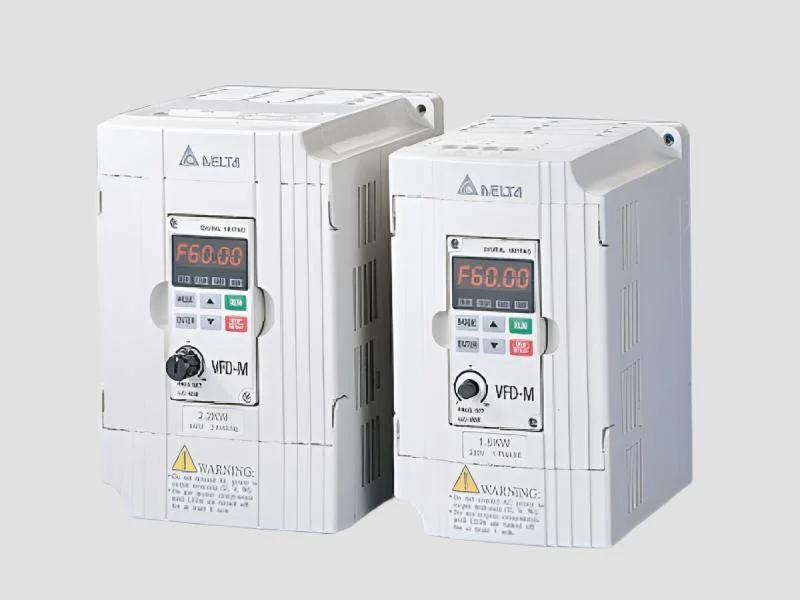
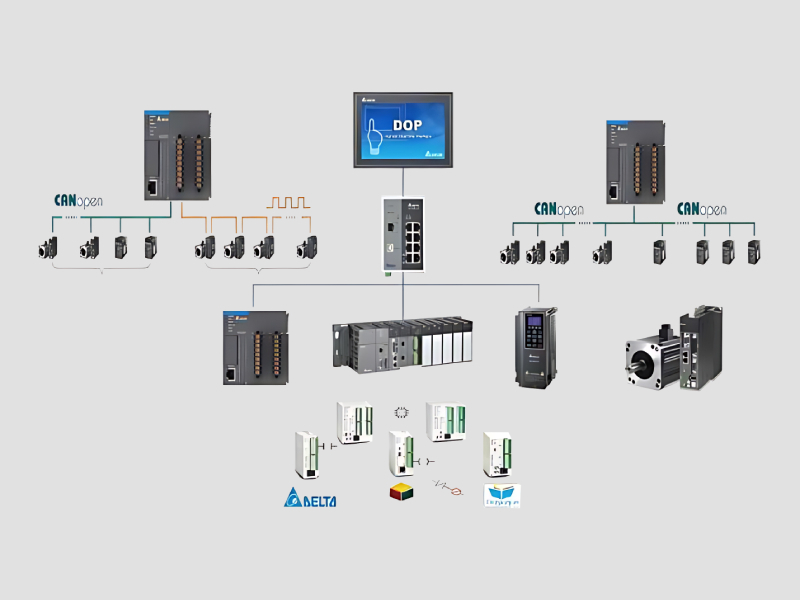
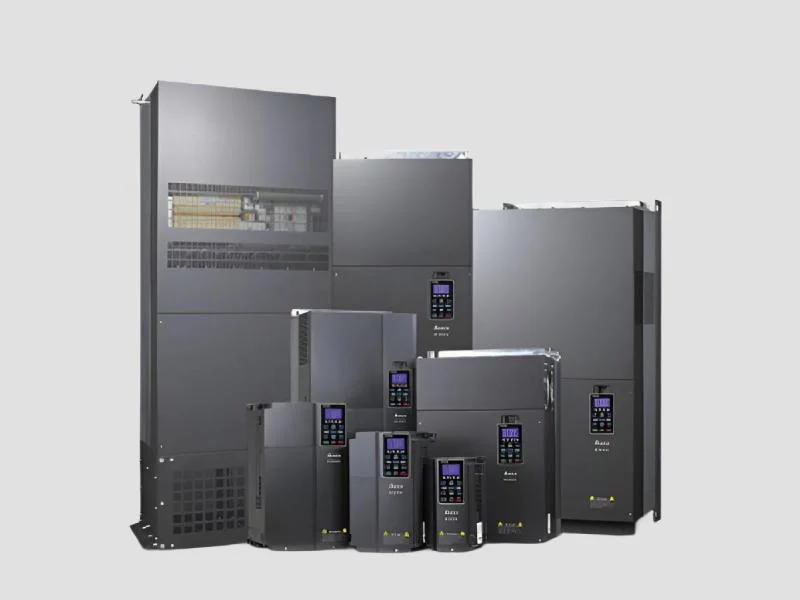
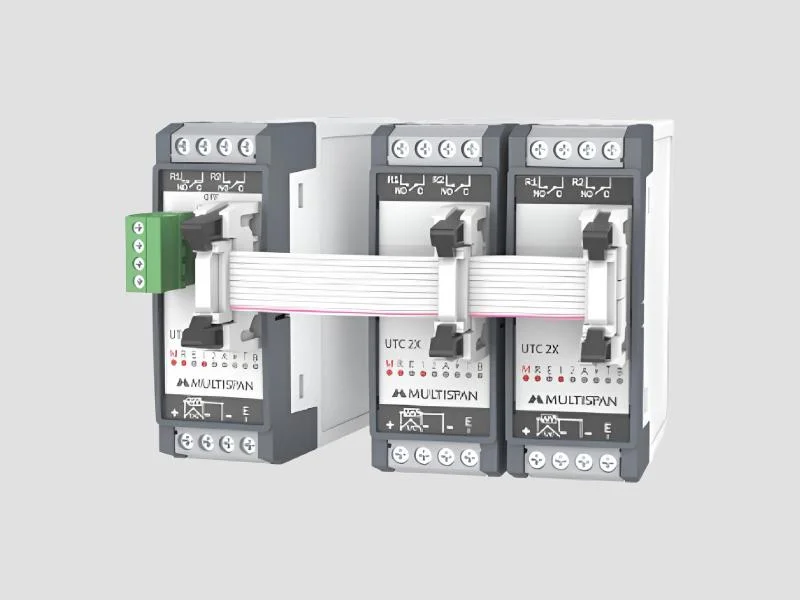
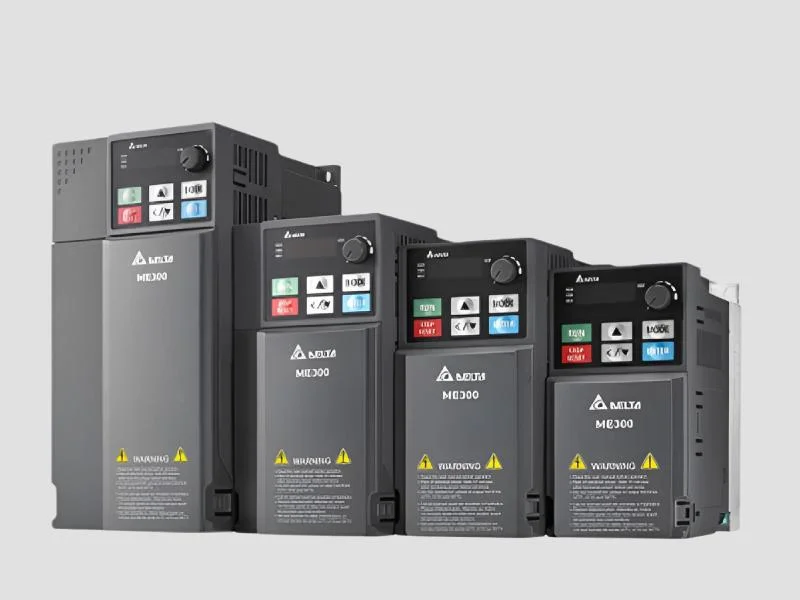
Automation and control systems refer to a set of technologies and processes designed to manage and control various industrial operations automatically. These systems integrate hardware and software to monitor and control machinery, equipment, and processes, allowing for efficient production and operational management. The primary goal is to enhance productivity, improve accuracy, and reduce human intervention in repetitive tasks.
These systems are widely used in manufacturing, energy production, transportation, and other sectors where precise control is critical. Businesses implement automation and control systems to streamline operations, minimize downtime, and optimize resource use. With the shift towards Industry 4.0, these systems have become increasingly relevant, incorporating advanced technologies such as the Internet of Things (IoT) and artificial intelligence (AI) to enable smarter decision-making.
In the current market, automation and control systems are becoming essential for companies aiming to stay competitive. The growing demand for efficiency, safety, and scalability in industrial processes drives the adoption of these technologies across various industries. As businesses prioritize digital transformation, understanding automation and control systems becomes vital for strategic planning and operational success.
𝗞𝗲𝘆 𝗙𝗲𝗮𝘁𝘂𝗿𝗲𝘀 𝗮𝗻𝗱 𝗦𝗽𝗲𝗰𝗶𝗳𝗶𝗰𝗮𝘁𝗶𝗼𝗻𝘀
Automation and control systems come equipped with numerous features that enhance their functionality and applicability across different industries. These specifications are crucial for businesses to evaluate and select the right systems for their needs.
Key specifications include:
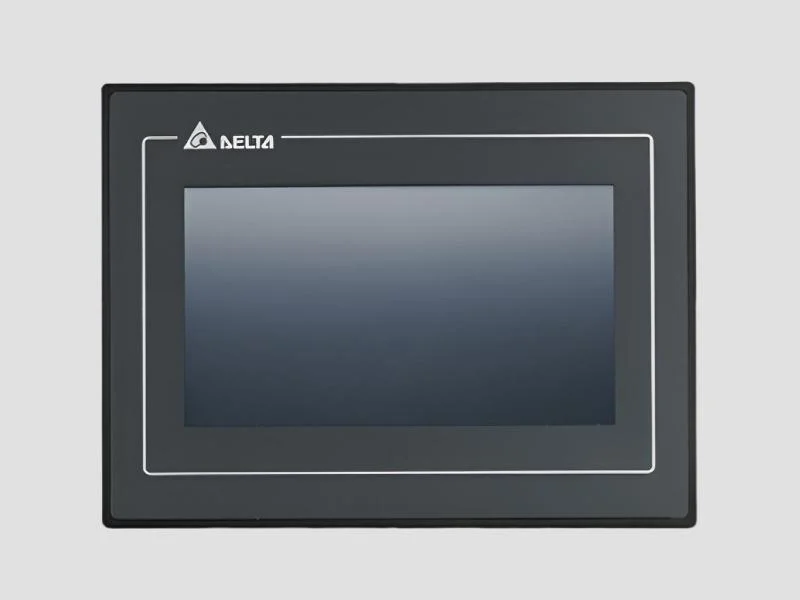
1. Control Interface
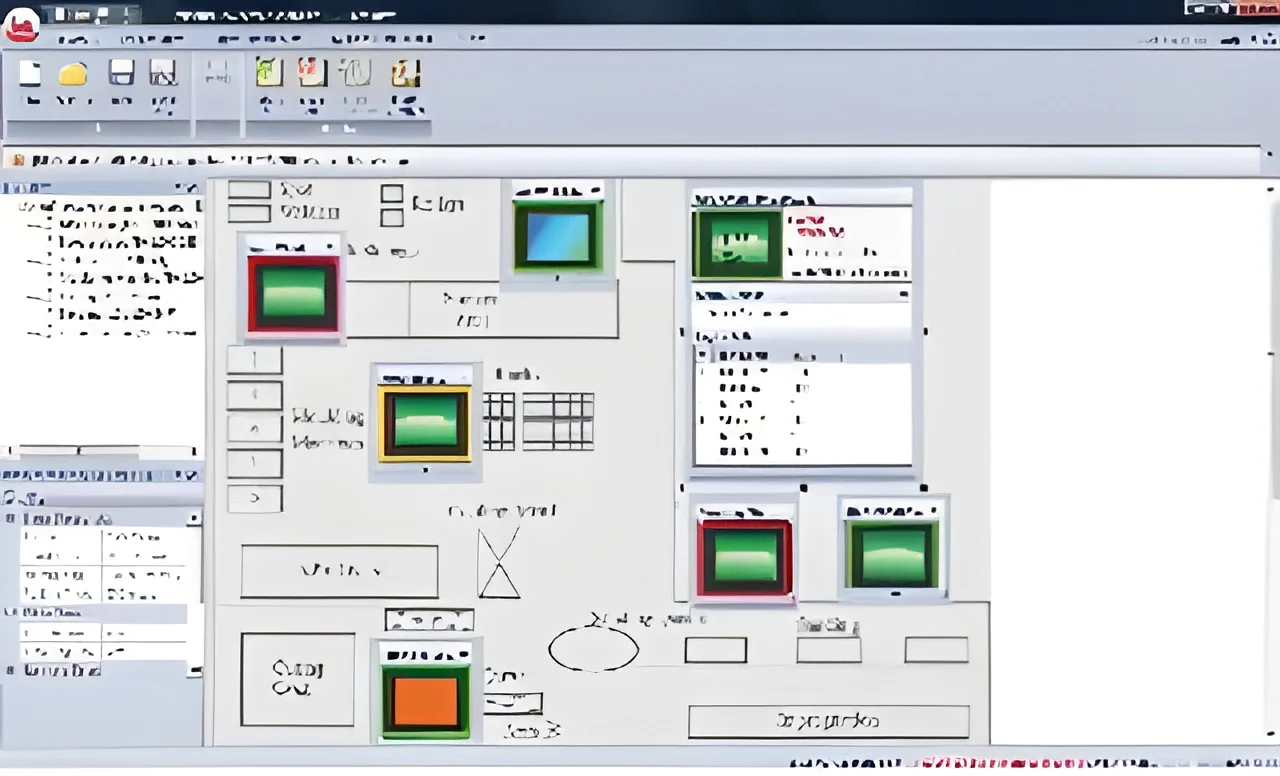
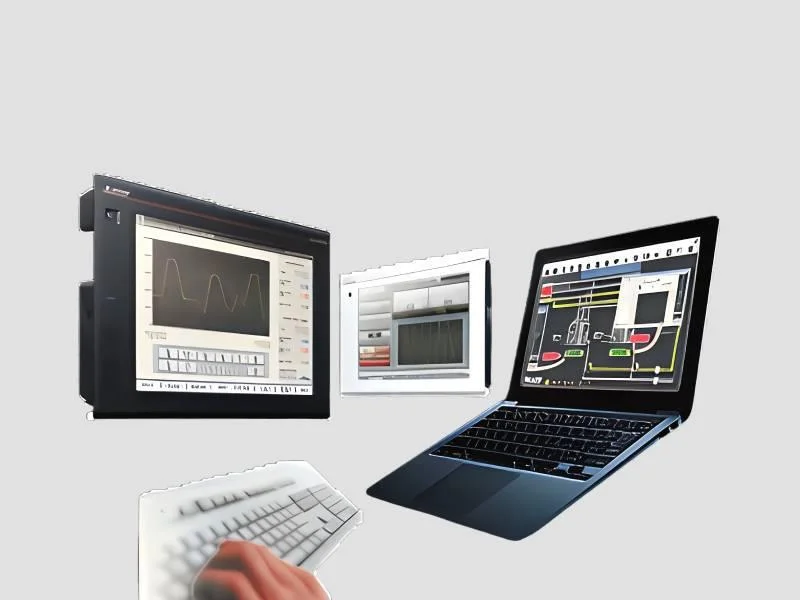
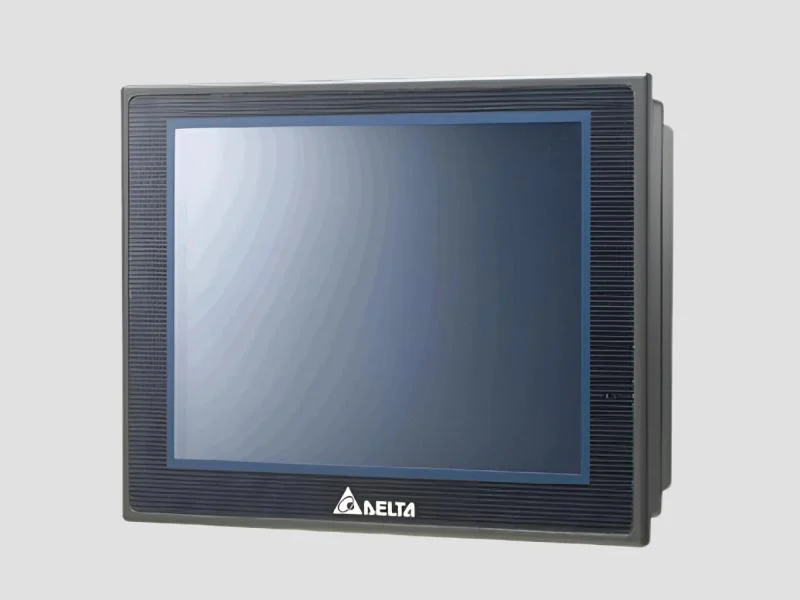
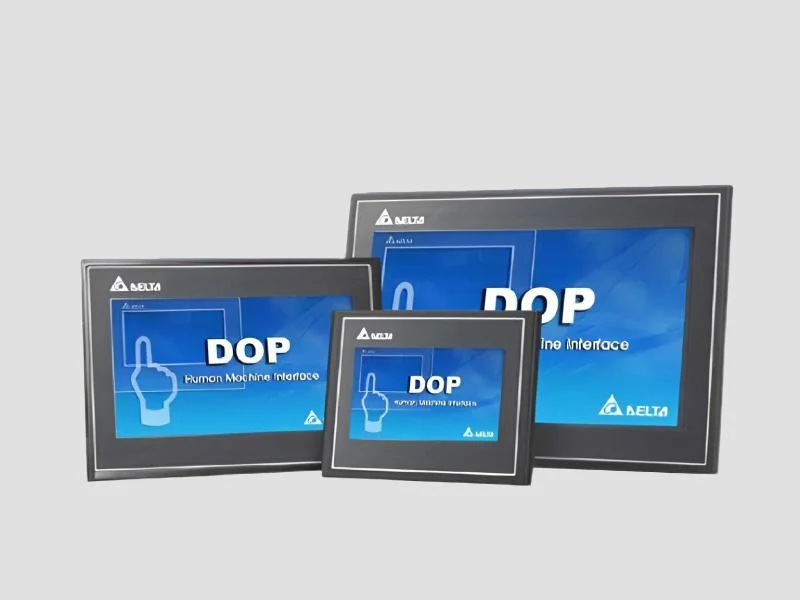
- User-friendly graphical interface for easy operation
- Compatibility with various devices and platforms
2. Communication Protocols
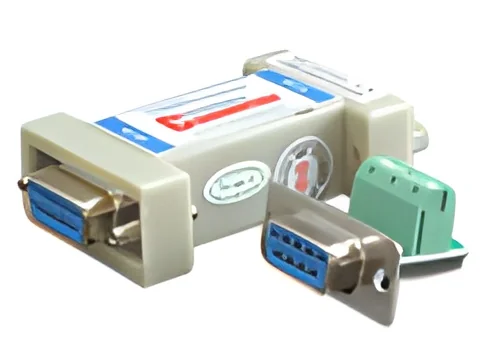
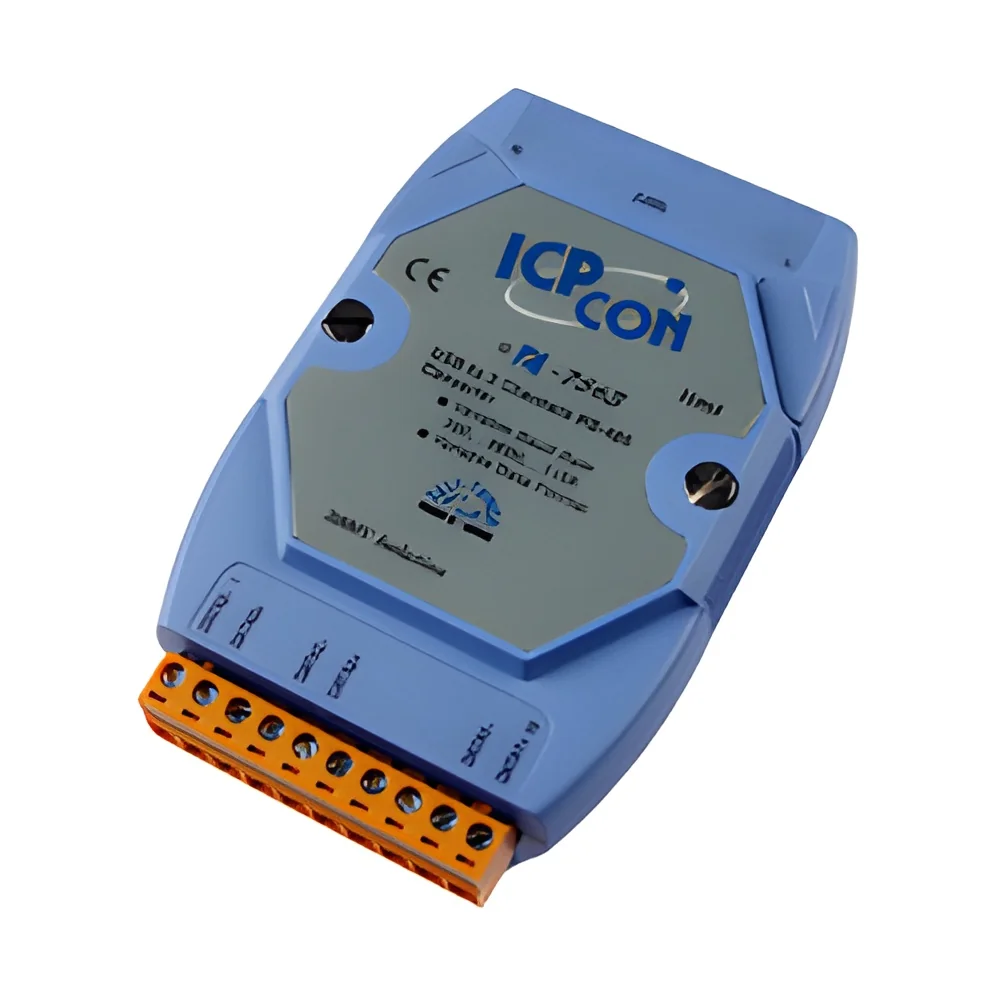
- Support for multiple communication standards such as Modbus, CAN, and Ethernet
- Seamless integration with existing systems
3. Input/Output Capabilities
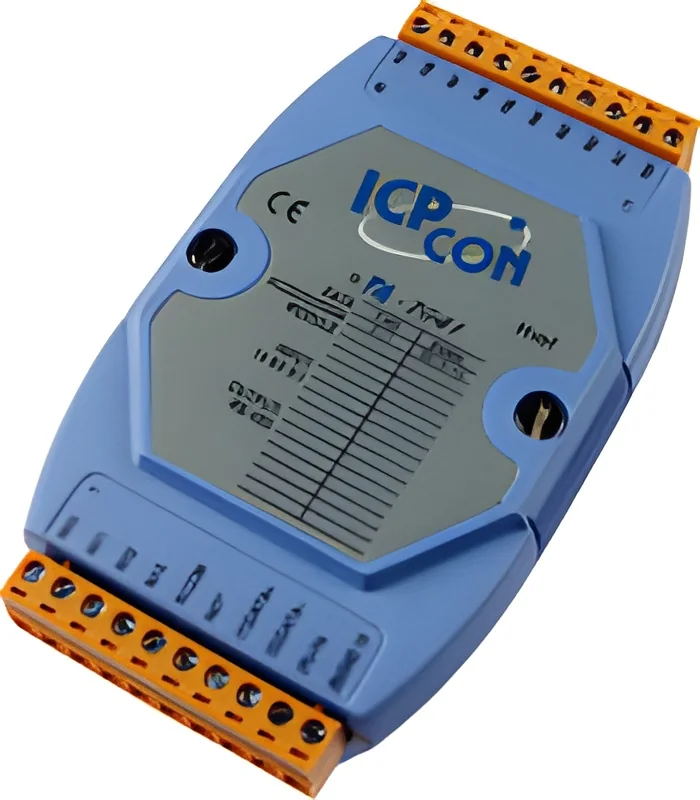
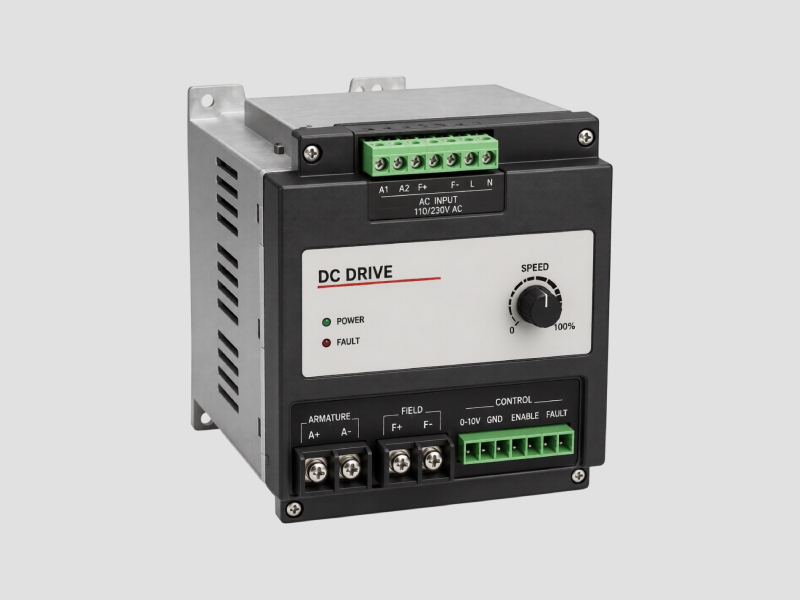
- Digital and analog inputs and outputs for versatile applications
- Configurable I/O options to suit specific operational requirements
4. Data Logging and Monitoring
- Real-time data collection for performance analysis
- Historical data storage for trend analysis and reporting
5. System Scalability
- Ability to expand the system as operational needs grow
- Modular design for easy upgrades and modifications
6. Security Features
- Built-in cybersecurity measures to protect against unauthorized access
- Regular software updates for enhanced security
7. Energy Efficiency
- Optimized controls to reduce energy consumption
- Features that support sustainable practices
8. Compliance and Certification
- Adherence to industry standards and regulations
- CE certification for safety and reliability
In summary, the key features and specifications of automation and control systems play a significant role in their effectiveness and adaptability to different industrial environments.
𝗖𝗼𝗺𝗺𝗼𝗻 𝗔𝗽𝗽𝗹𝗶𝗰𝗮𝘁𝗶𝗼𝗻𝘀 𝗮𝗻𝗱 𝗨𝘀𝗲 𝗖𝗮𝘀𝗲𝘀
Automation and control systems serve a wide range of industries, each with unique applications that drive efficiency and productivity.
1. Manufacturing: Automation systems are used in assembly lines to control machinery, monitor production processes, and ensure quality control through precise measurements.
2. Energy: In power generation, control systems manage the distribution of electricity, monitor grid stability, and optimize resource utilization in renewable energy sources.
3. Transportation: These systems are implemented in traffic management to regulate flow, minimize congestion, and improve safety through real-time monitoring.
4. Food and Beverage: Automation solutions are utilized for process control, ensuring consistent quality, safety, and compliance with health regulations in production.
5. Pharmaceuticals: Control systems monitor critical parameters in drug manufacturing, ensuring adherence to stringent regulatory standards and quality assurance.
6. Water Treatment: Automation is essential in monitoring and controlling water purification processes, ensuring compliance with environmental regulations.
7. HVAC Systems: Automation and control systems regulate heating, ventilation, and air conditioning to optimize energy use and maintain comfort levels.
𝗣𝗿𝗼𝗱𝘂𝗰𝘁 𝗩𝗮𝗿𝗶𝗮𝗻𝘁𝘀 𝗮𝗻𝗱 𝗦𝘂𝗯𝗰𝗮𝘁𝗲𝗴𝗼𝗿𝗶𝗲𝘀
Automation and control systems encompass a variety of variants tailored to specific industry needs and applications.
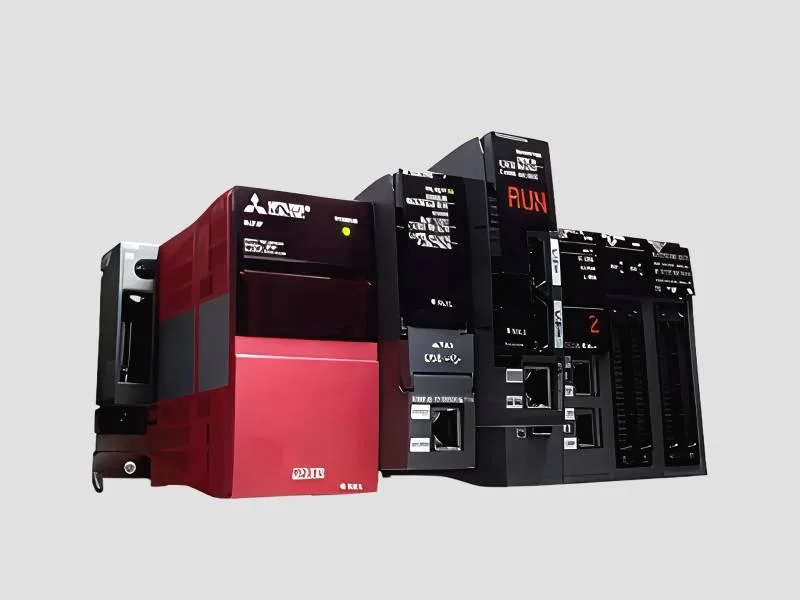
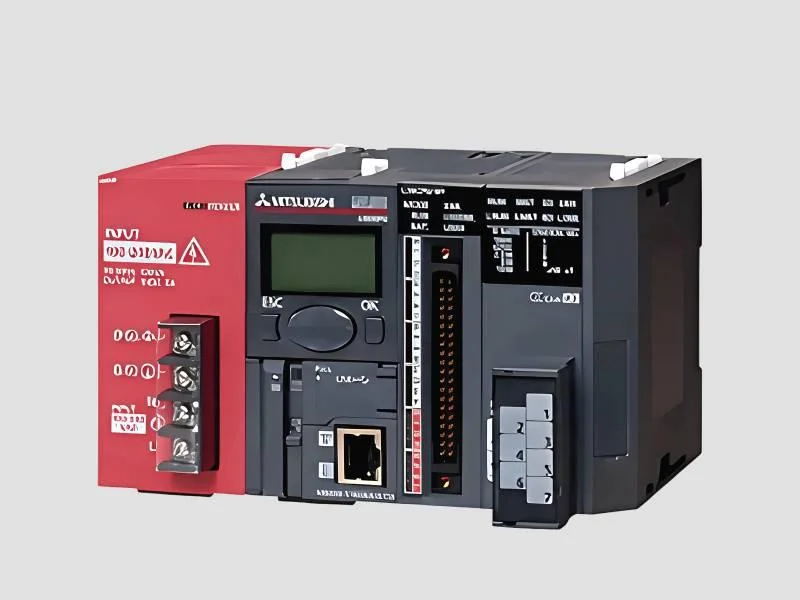
Programmable Logic Controllers (PLCs)
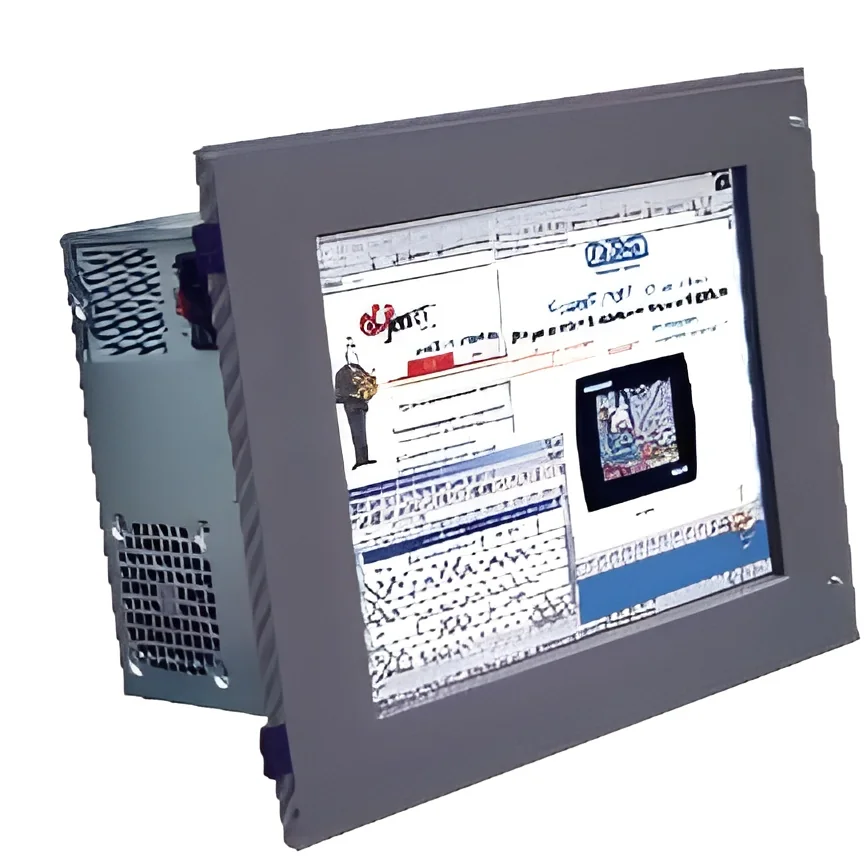
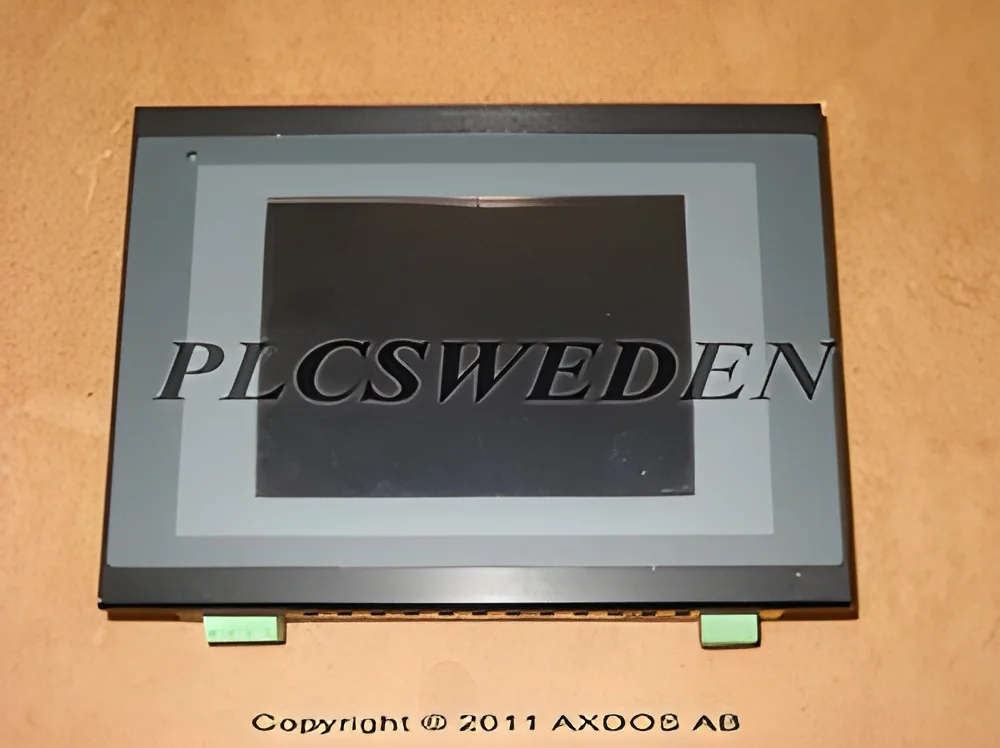
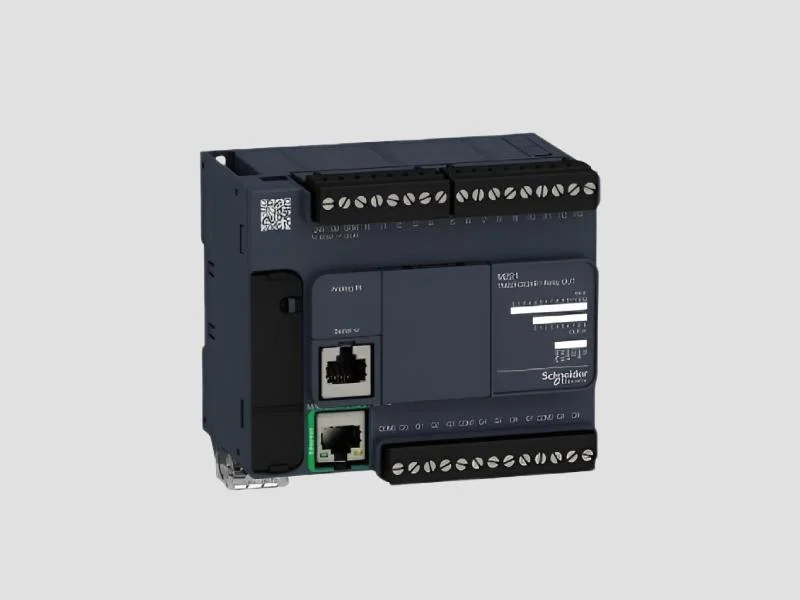
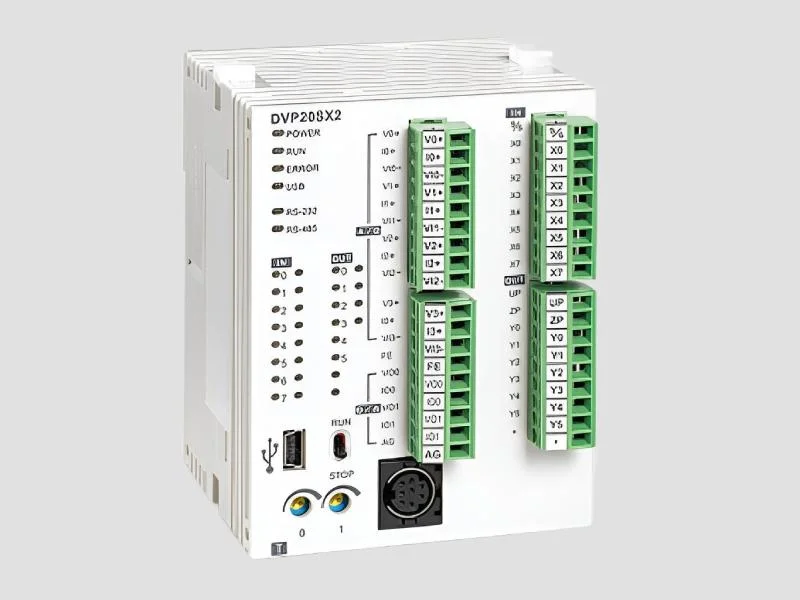
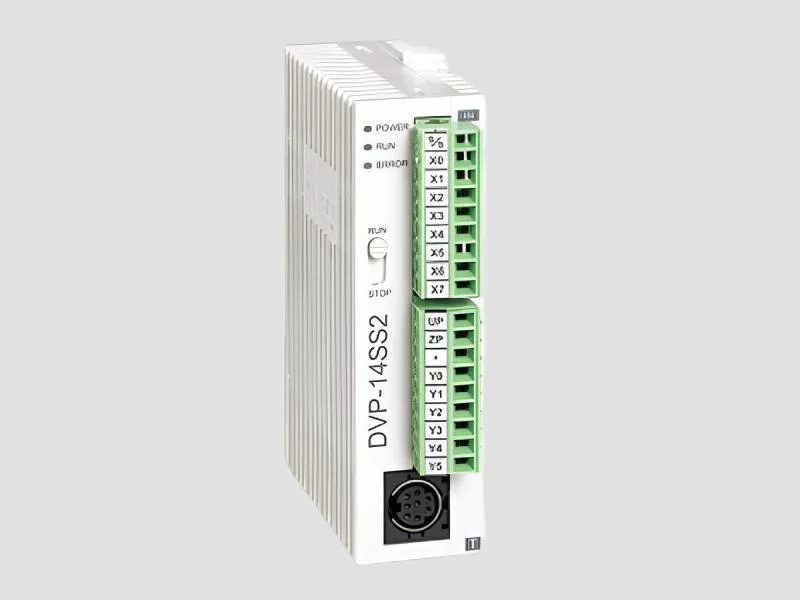
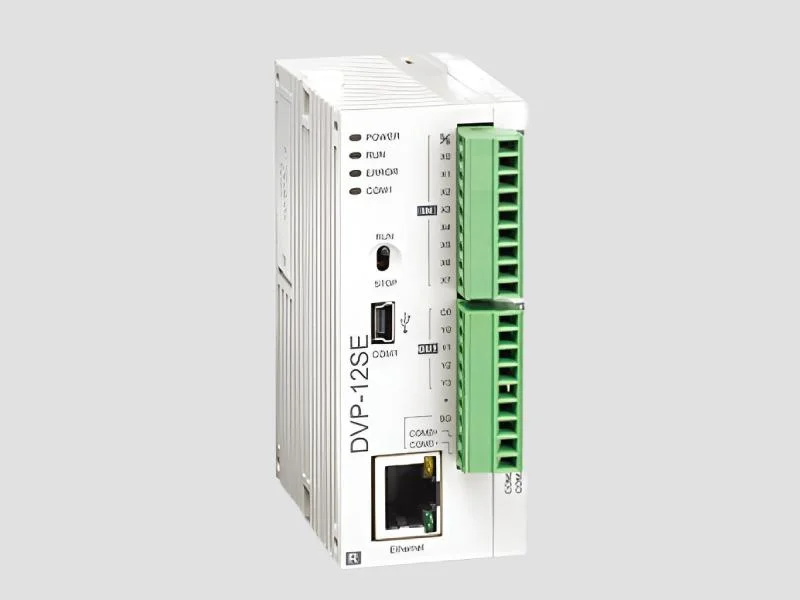
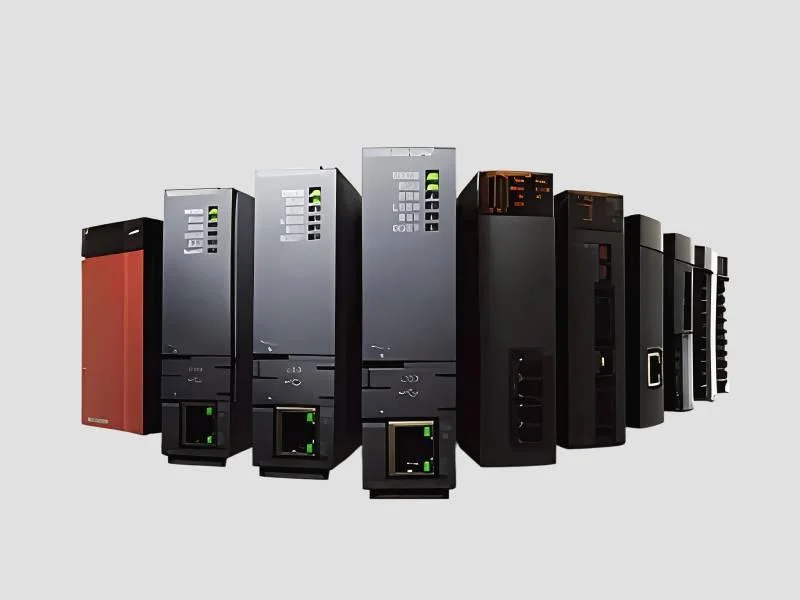
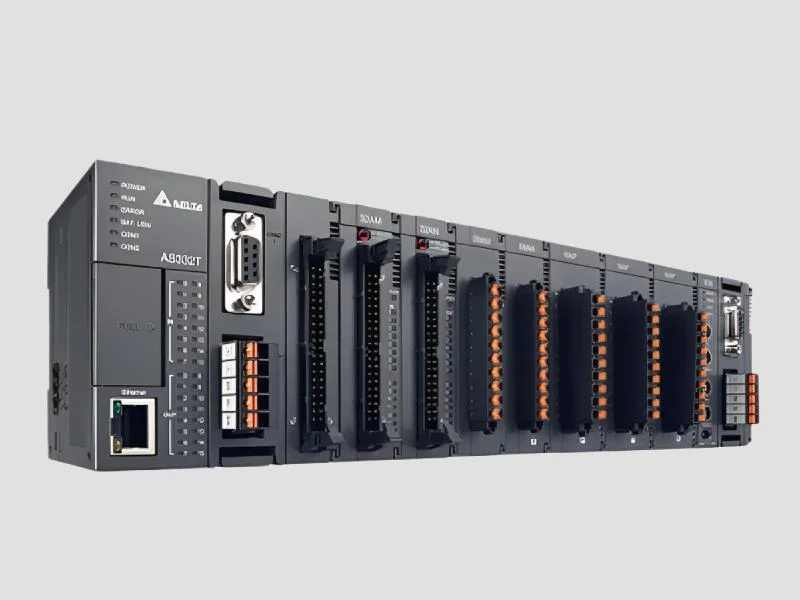
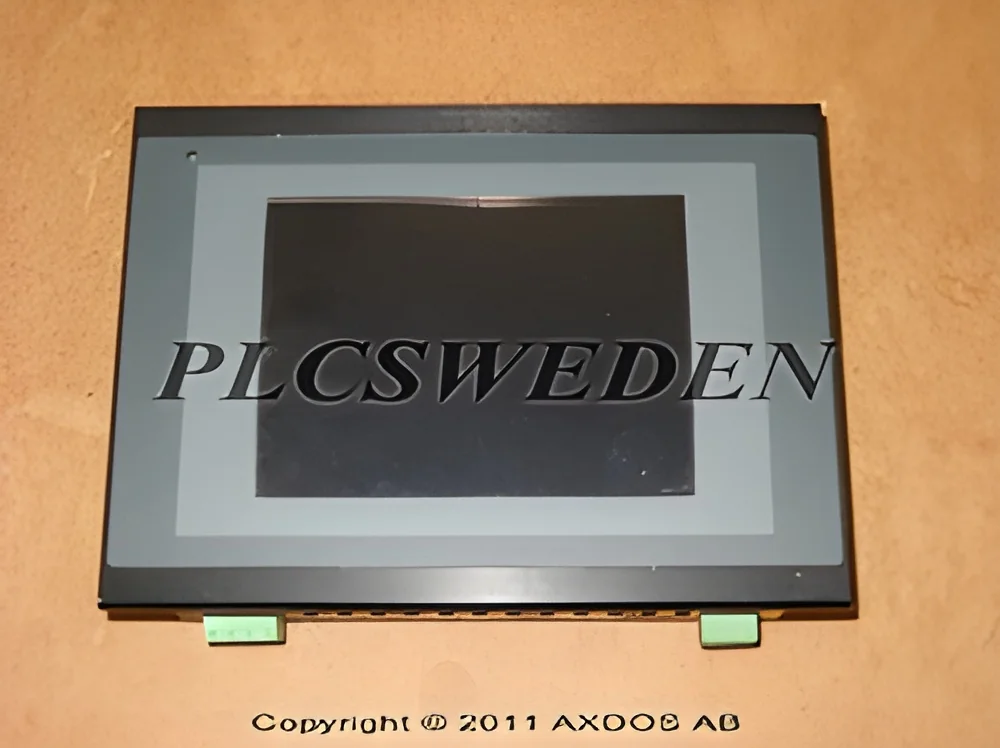
PLCs are highly versatile automation devices used to control machinery and processes in manufacturing. They offer robust programming capabilities and are ideal for complex control tasks.
Distributed Control Systems (DCS)
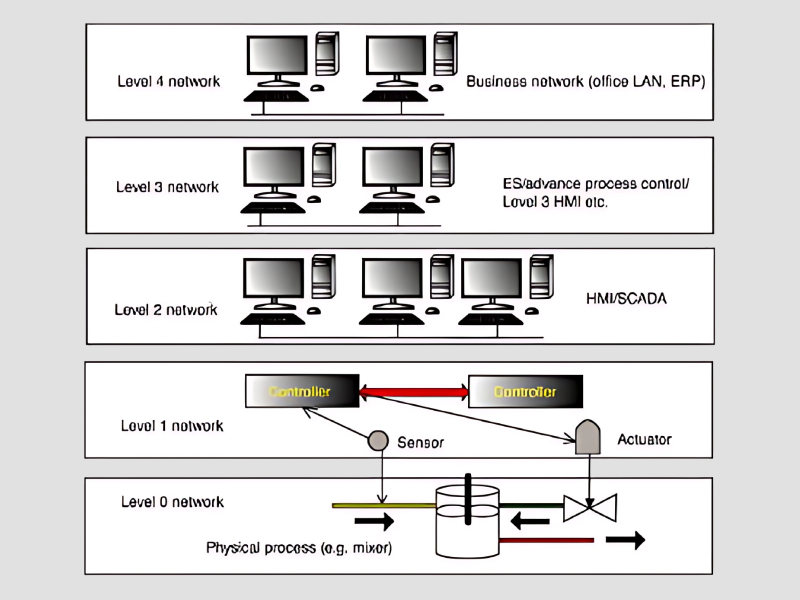
DCS are designed for large-scale industrial processes, providing centralized control over multiple operations. They enhance process visibility and facilitate real-time data analysis.
Supervisory Control and Data Acquisition (SCADA)
SCADA systems are used for remote monitoring and control of industrial processes. They enable operators to visualize data, make informed decisions, and respond to system changes promptly.
𝗕𝗲𝗻𝗲𝗳𝗶𝘁𝘀 𝗮𝗻𝗱 𝗔𝗱𝘃𝗮𝗻𝘁𝗮𝗴𝗲𝘀
Automation and control systems offer numerous advantages that contribute to operational efficiency and business growth.
Key benefits include:
1. Increased Efficiency: Automation streamlines processes, reducing the time and effort required for manual tasks.
2. Enhanced Accuracy: Automated systems minimize human errors, leading to improved product quality and consistency.
3. Cost Savings: Reduced labor costs and optimized resource use result in significant savings for businesses.
4. Improved Safety: Automation reduces the risk of accidents by controlling hazardous processes and environments more effectively.
5. Real-Time Monitoring: Continuous data collection allows for quick response to issues, ensuring smooth operations.
6. Scalability: Businesses can easily expand their automation systems as their needs grow, providing flexibility in operations.
𝗕𝘂𝘆𝗶𝗻𝗴 𝗚𝘂𝗶𝗱𝗲 𝗳𝗼𝗿 𝗕𝟮𝗕 𝗕𝘂𝘆𝗲𝗿𝘀
When sourcing automation and control systems, it is essential to consider several key factors to ensure a successful purchase.
1. Quality Assessment: Evaluate the technology and components used in the systems. Look for certifications and quality standards that ensure reliability and performance.
2. Supplier Verification: Research potential suppliers to verify their reputation, experience, and capabilities. Request references and check for industry certifications.
3. Pricing and MOQ: Understand the pricing structure and minimum order quantities. Compare quotes from different suppliers to find the best value.
4. Delivery and Lead Times: Clarify delivery schedules and lead times to ensure timely implementation. Factor in logistics when planning your procurement.
5. Compliance Requirements: Ensure that the systems meet industry-specific regulations and standards. This includes safety certifications and environmental compliance.
𝗖𝗼𝗺𝗽𝗹𝗶𝗮𝗻𝗰𝗲 𝗮𝗻𝗱 𝗖𝗲𝗿𝘁𝗶𝗳𝗶𝗰𝗮𝘁𝗶𝗼𝗻𝘀
Compliance and certifications are critical components of automation and control systems. Adhering to relevant quality standards such as ISO 9001 ensures that products meet customer and regulatory requirements. This standard focuses on continuous improvement and customer satisfaction.
Industry certifications like CE are also vital, indicating that the products comply with European safety, health, and environmental protection standards. Compliance with such regulations helps businesses mitigate risks associated with non-compliance.
Additionally, safety and testing requirements must be met to ensure the reliability of automation systems. This includes regular inspections and adherence to safety protocols. Regional compliance considerations may vary, so understanding local regulations is essential for successful implementation.
𝗪𝗵𝘆 𝗦𝗼𝘂𝗿𝗰𝗲 𝗔𝘂𝘁𝗼𝗺𝗮𝘁𝗶𝗼𝗻 & 𝗖𝗼𝗻𝘁𝗿𝗼𝗹 𝗦𝘆𝘀𝘁𝗲𝗺𝘀 𝗳𝗿𝗼𝗺 𝗣𝗲𝗽𝗮𝗴𝗼𝗿𝗮?
Pepagora provides a trusted platform for sourcing automation and control systems, offering several key advantages that benefit B2B buyers.
Verified Supplier Network: Pepagora has established a comprehensive network of verified suppliers. This ensures that businesses can access high-quality products from reputable manufacturers.
Streamlined RFQ Process: The Request for Quotation (RFQ) process is designed to be user-friendly, enabling buyers to quickly request quotes and receive competitive pricing from multiple suppliers.
Trade Assurance and Support: Pepagora offers trade assurance to protect buyers, ensuring that transactions are secure and reliable. Support is available throughout the purchasing process to address any concerns.
Regional Coverage: With a strong presence in India, the GCC, and Southeast Asia, Pepagora provides extensive geographic reach. This allows businesses to source products that meet their specific regional needs while benefiting from local market insights.

 IN
IN