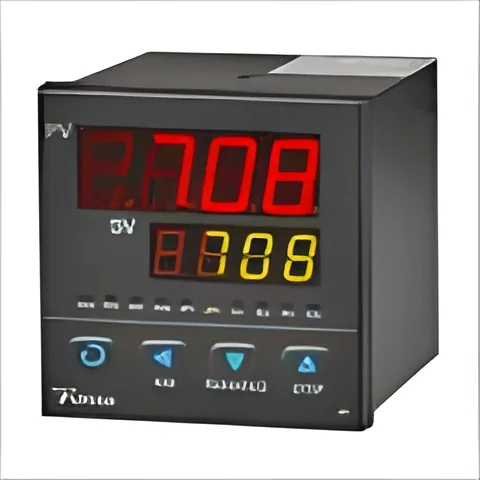
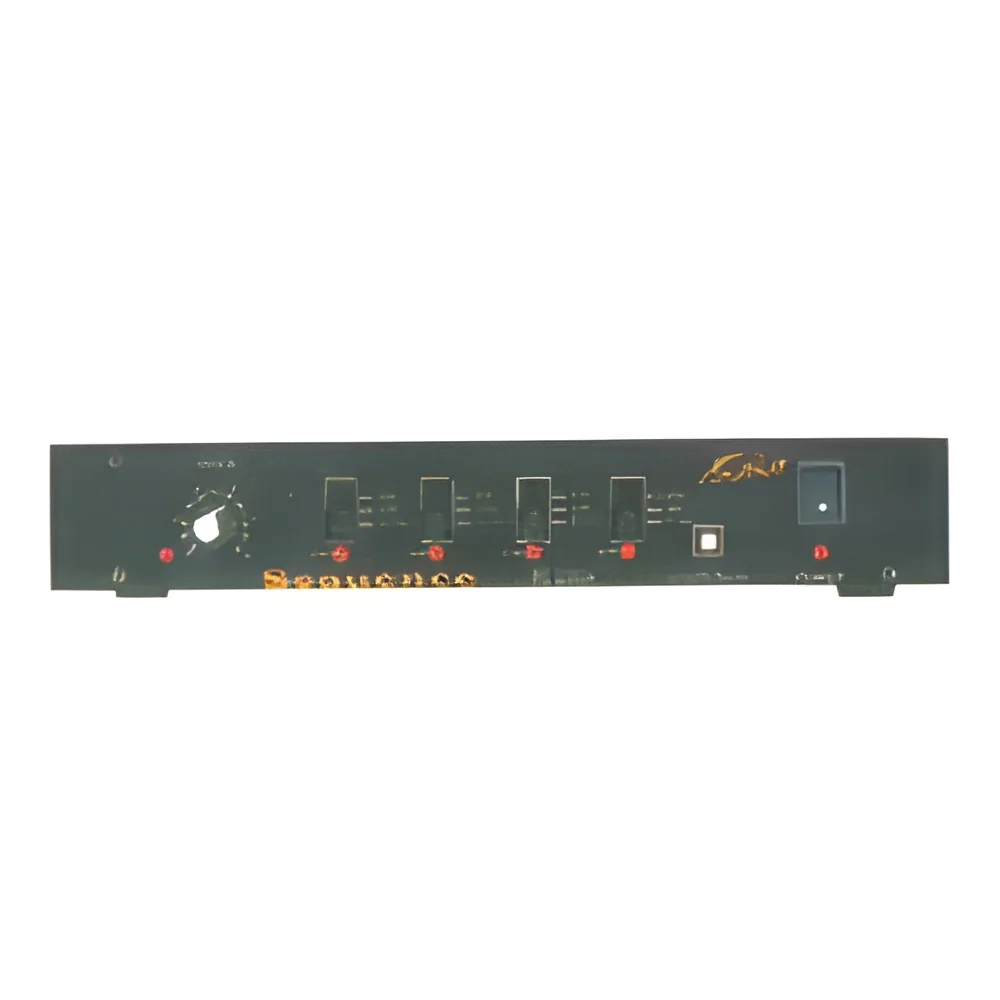
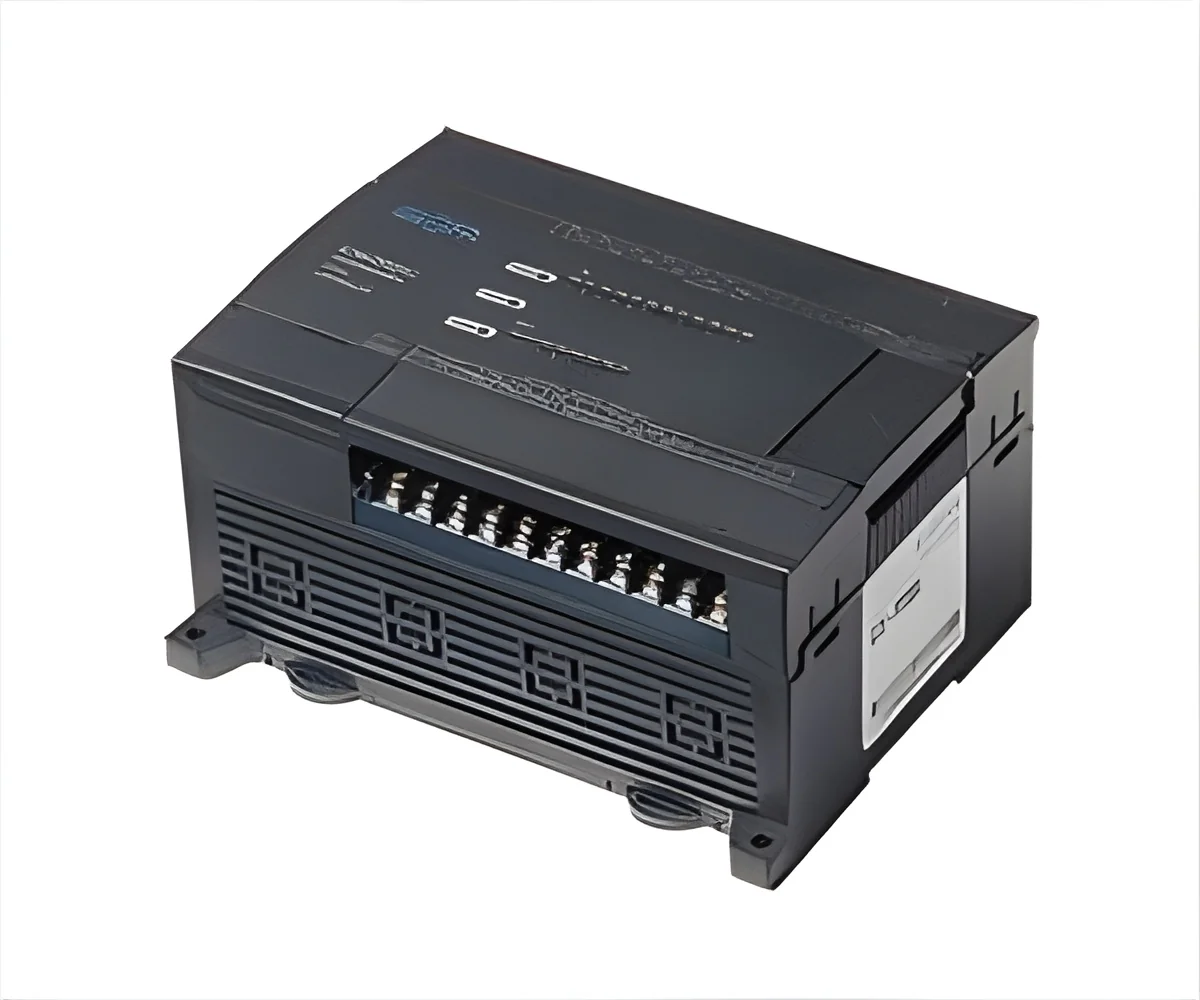
What are Industrial Automation Controllers?
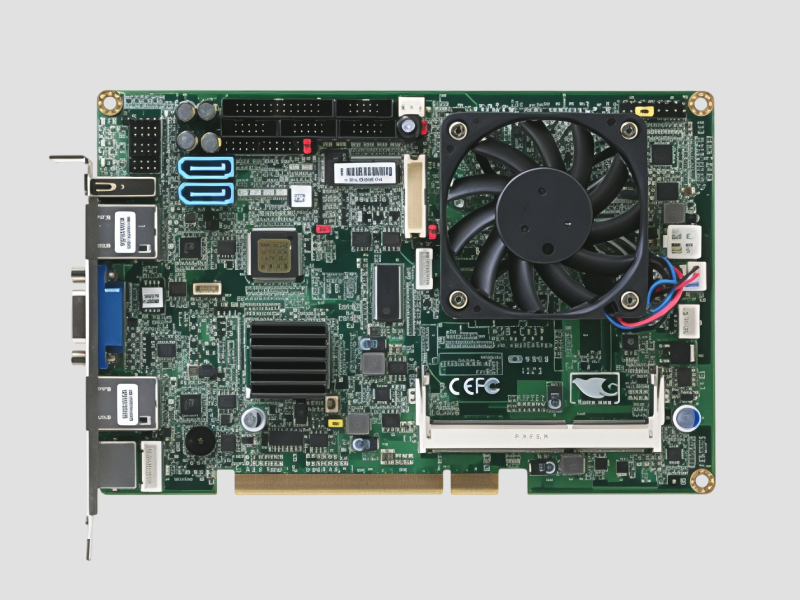
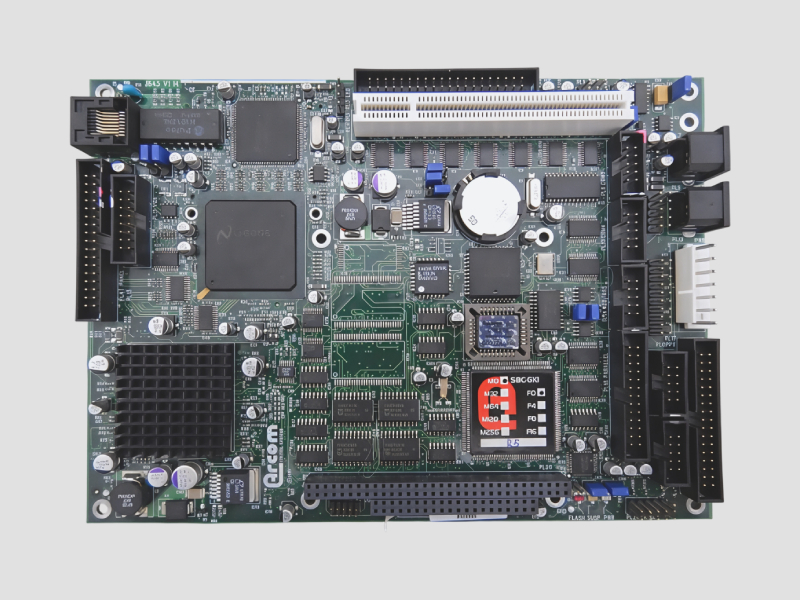
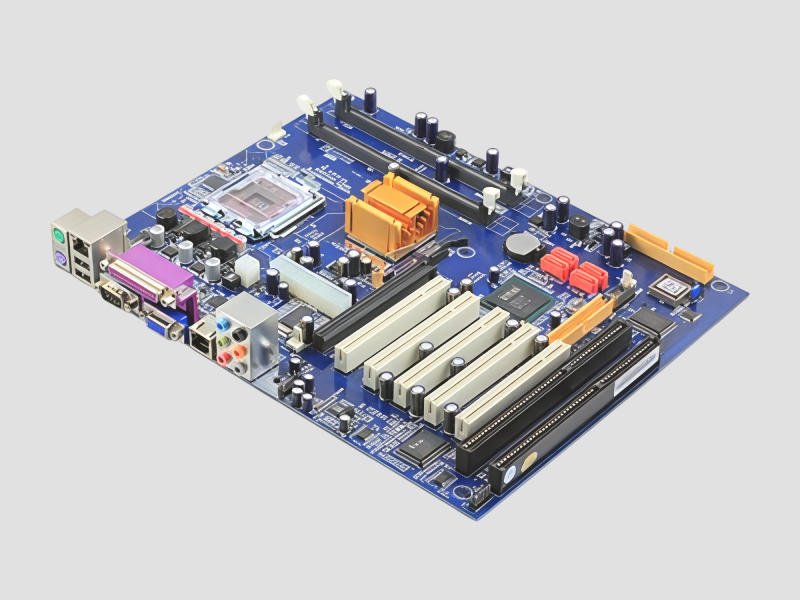
Industrial automation controllers are advanced devices used to automate industrial processes. They serve as the brain of various machinery and equipment, controlling operations based on programmed instructions. These controllers can process information from sensors and other input devices, execute control commands, and communicate with other systems for effective management of industrial operations.
These controllers find extensive application across various sectors, including manufacturing, energy, and transportation. They help streamline production processes, improve efficiency, and enhance safety by automating routine tasks. Businesses leverage these controllers to optimize operations, reduce labor costs, and minimize human error, leading to increased productivity and profitability.
The relevance of industrial automation controllers in today’s market is undeniable, as industries increasingly adopt automation to remain competitive. The demand for these controllers is growing due to advancements in technology, the increasing complexity of machinery, and the need for real-time data analytics. As businesses strive for enhanced operational efficiency, the role of automation controllers continues to expand, making them integral to modern industrial environments.
Key Features and Specifications
Industrial automation controllers come equipped with a range of features that enhance their functionality and adaptability. They are designed to meet the unique demands of various industrial applications.
Key specifications include:
1. Processing Speed
- Refers to the speed at which the controller processes input data and executes commands.
- Typically measured in microseconds or milliseconds.
2. Input/Output Channels
- Indicates the number of inputs and outputs the controller can handle.
- Common configurations include digital, analog, and pulse-width modulation (PWM) channels.
3. Communication Protocols
- Supports various protocols like Ethernet, Modbus, and Profibus for seamless integration with other systems.
- Essential for networked environments and remote monitoring.
4. Memory Capacity
- Determines the amount of data the controller can store for processing.
- Ranges from kilobytes to megabytes depending on the model.
5. Power Supply Options
- Offers flexibility with options for AC or DC power supply.
- Ensures compatibility with different industrial setups.
6. Operating Temperature Range
- Specifies the temperature limits within which the controller can function optimally.
- Common ranges are -20°C to 70°C.
7. Safety Features
- Includes built-in safety protocols to prevent system failures.
- May feature redundancy and fault-tolerant capabilities.
8. User Interface
- Provides options for user interaction, such as touch screens or physical buttons.
- Aids in monitoring and control of processes in real time.
These specifications enable businesses to select the right automation controller that meets their operational needs.
Common Applications and Use Cases
Industrial automation controllers are versatile and applicable across multiple industries.
1. Manufacturing: In manufacturing, these controllers manage assembly lines, monitor equipment performance, and optimize production processes. They ensure consistent output and quality control.
2. Energy: In the energy sector, controllers are used for grid management, renewable energy systems, and monitoring power distribution. They help balance supply and demand efficiently.
3. Transportation: These controllers play a crucial role in traffic management systems, controlling signals and monitoring vehicle flow to enhance safety and efficiency.
4. Food and Beverage: In this industry, controllers manage processing lines, ensuring compliance with safety standards and maintaining product quality.
5. Pharmaceuticals: Automation controllers oversee production processes, ensuring precision in dosage and adherence to regulatory requirements.
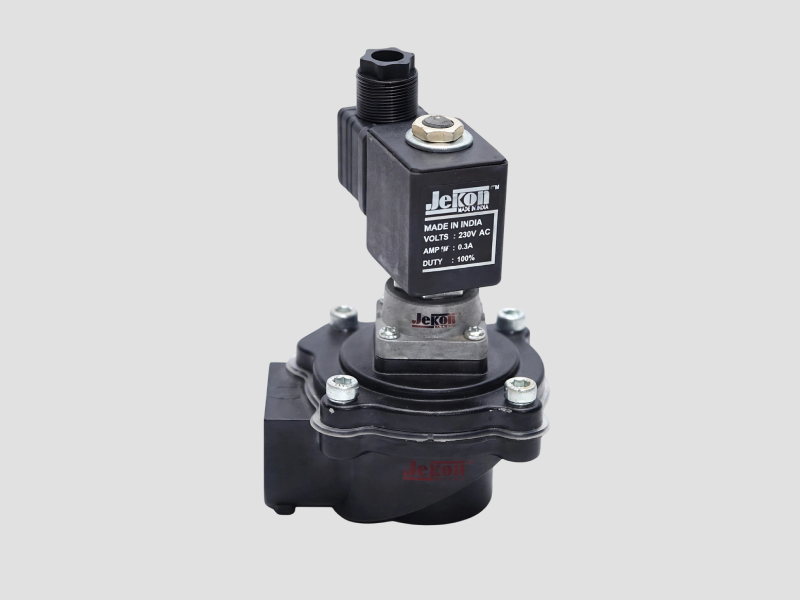
6. Water Treatment: They are essential in managing the operation of pumps and valves in water treatment plants, ensuring efficient water quality management.
7. HVAC Systems: Controllers in HVAC applications optimize heating and cooling processes, enhancing energy efficiency and comfort.
Product Variants and Subcategories
Industrial automation controllers come in various forms to suit different applications.
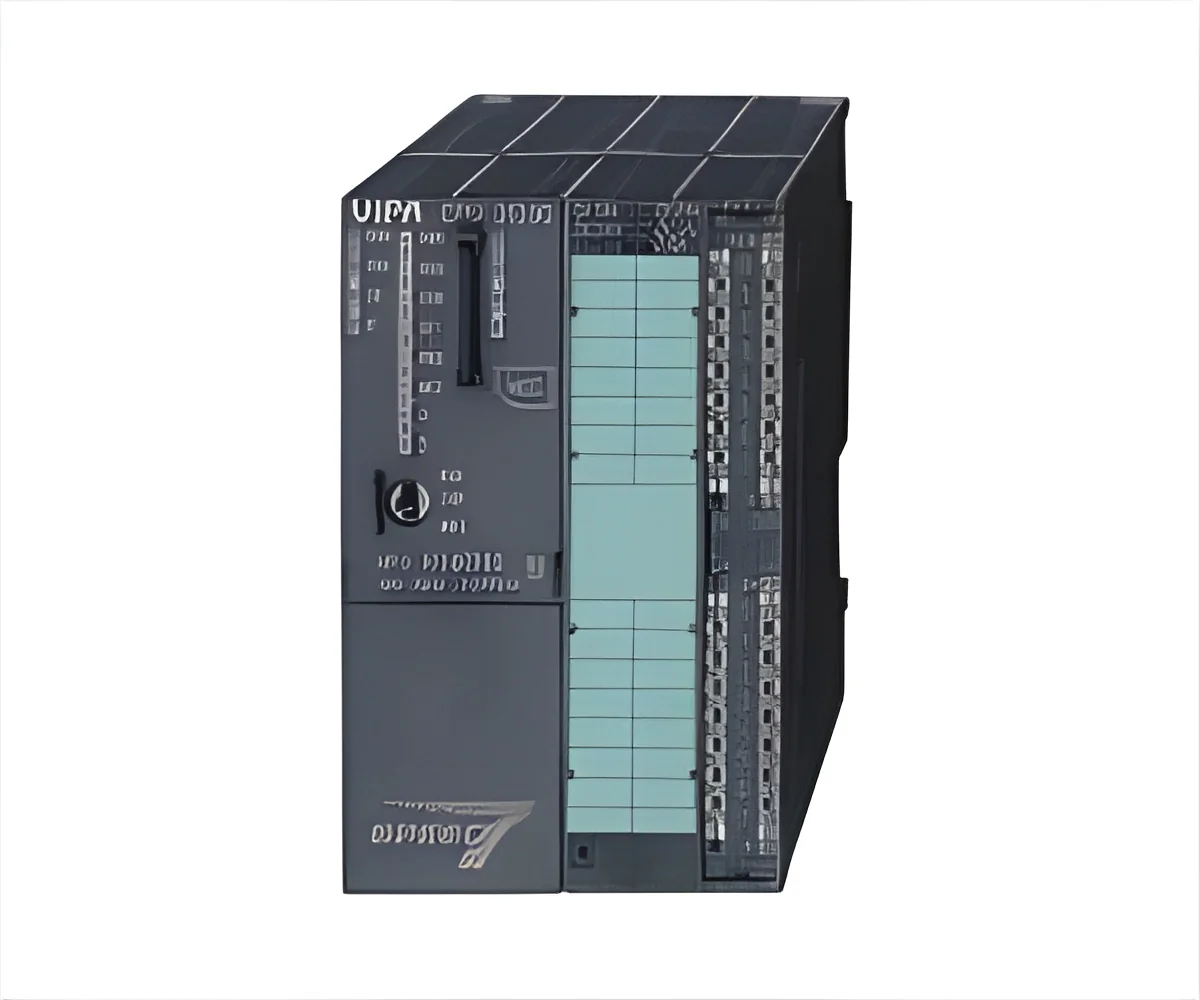
Programmable Logic Controllers (PLCs): PLCs are widely used in industrial settings for their robustness and ease of programming. They excel in controlling machinery on factory floors and can handle complex operations efficiently.
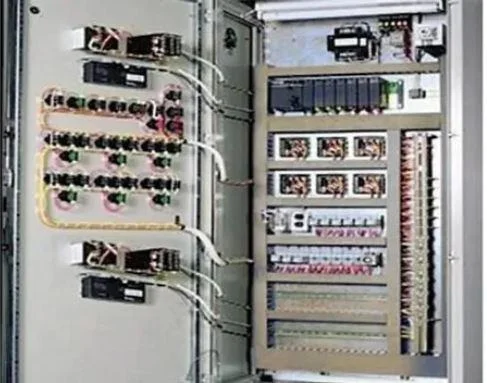
Distributed Control Systems (DCS): DCS are employed in large-scale processes, such as oil refining or chemical production. They provide centralized control and monitoring capabilities, making them suitable for extensive industrial operations.
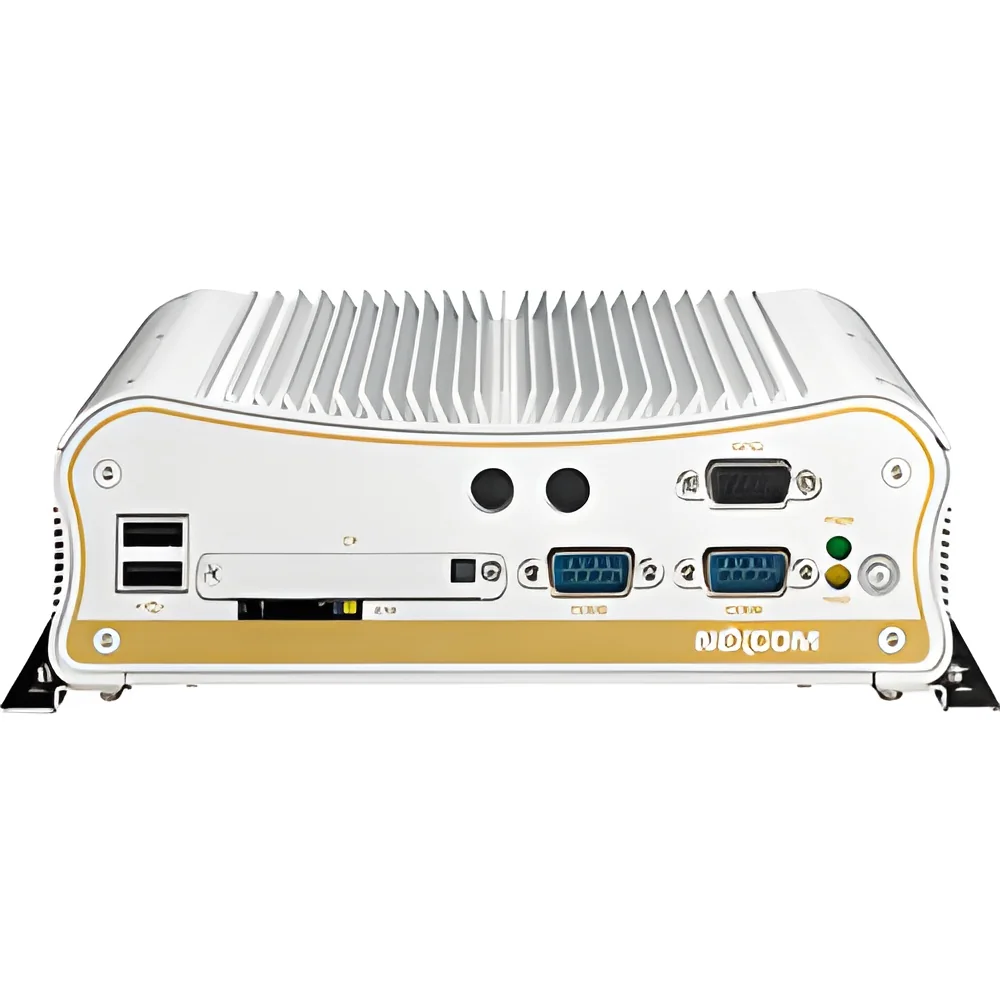
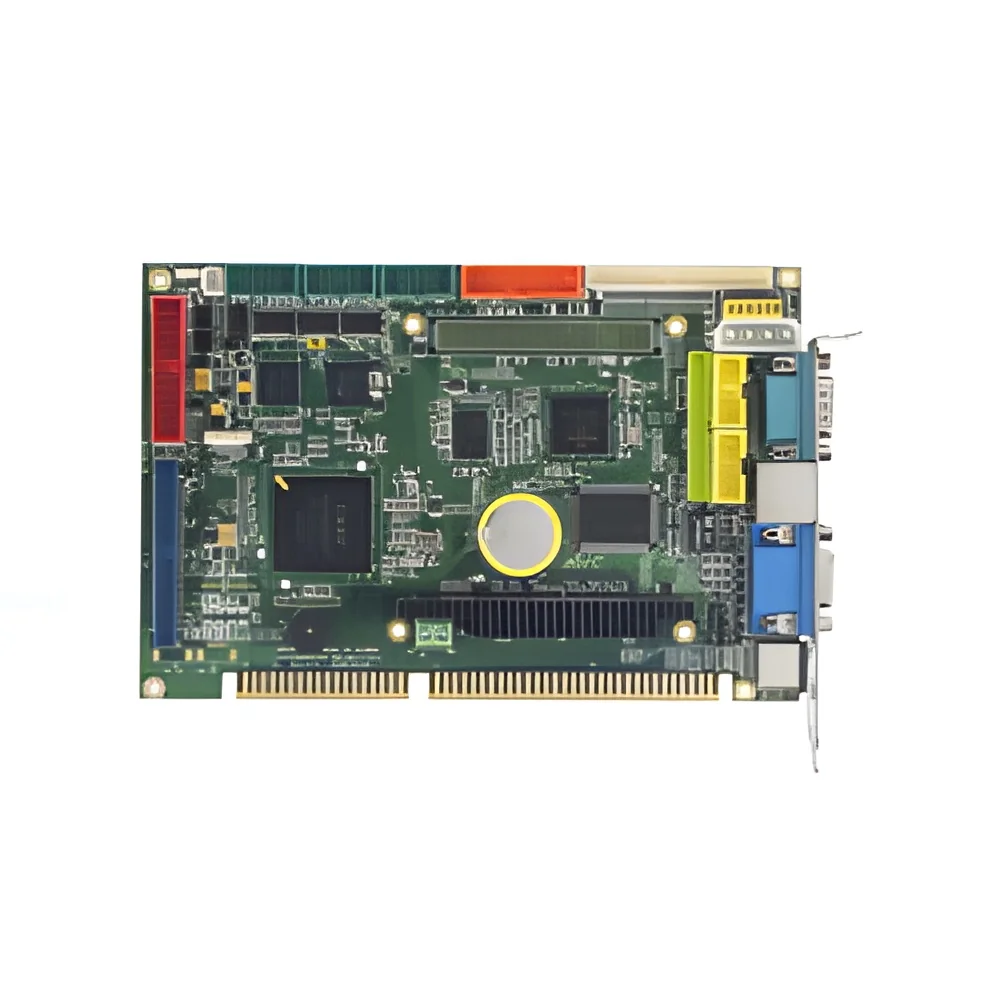
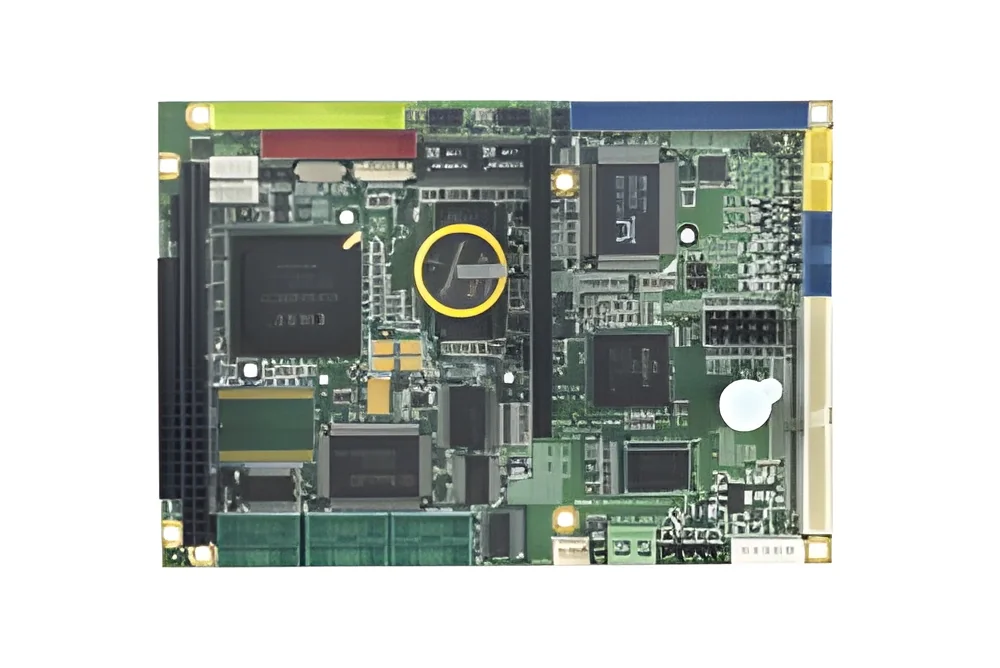
Embedded Controllers: These compact controllers are designed for specific applications, such as robotics or embedded systems. They offer high performance in a small footprint, making them ideal for specialized tasks.
Benefits and Advantages
Investing in industrial automation controllers offers several key benefits.
1. Increased Efficiency: Automation controllers streamline processes, reducing manual intervention and improving operational speed.
2. Enhanced Accuracy: They minimize human error, ensuring precise control of machinery and processes.
3. Cost Savings: By automating tasks, businesses can reduce labor costs and decrease waste, leading to significant savings.
4. Improved Safety: Automation enhances workplace safety by taking over hazardous tasks and monitoring equipment for potential failures.
5. Real-Time Monitoring: These controllers provide real-time data on system performance, enabling quick decision-making and prompt maintenance.
6. Scalability: Industrial automation controllers can be easily scaled to accommodate growing operational demands, making them a flexible solution for businesses.
Buying Guide for B2B Buyers
When sourcing industrial automation controllers, several factors should be considered to ensure the best fit for your operations.
1. Quality Assessment: Evaluate the quality standards of the controllers, ensuring they meet industry benchmarks. Look for certifications such as CE that indicate compliance with safety and performance standards.
2. Supplier Verification: Vet potential suppliers by checking their reputation, customer reviews, and industry experience. A reliable supplier will provide support and after-sales service.
3. Pricing and MOQ: Consider the pricing structure and minimum order quantity (MOQ) set by suppliers. Assess your budget and anticipated usage to make informed purchasing decisions.
4. Delivery and Lead Times: Understand the logistics involved in obtaining the controllers. Be aware of lead times to avoid disruptions in your operations.
5. Compliance Requirements: Ensure that the controllers comply with relevant regulatory requirements specific to your industry. This includes safety, environmental, and operational standards.
Compliance and Certifications
Industrial automation controllers must adhere to various quality standards to ensure reliability and safety. Relevant standards include ISO 9001, which sets the criteria for a quality management system, ensuring consistent quality in production processes.
In addition to quality standards, industry certifications such as CE are crucial. CE marking indicates compliance with European safety, health, and environmental protection standards, making it essential for products sold in European markets.
Safety and testing requirements are also critical, as controllers must undergo thorough testing to guarantee performance under specified conditions. Regional compliance considerations may vary, so it is vital to understand local regulations and ensure your controllers meet these requirements.
Why Source Industrial Automation Controllers from Pepagora?
Pepagora provides a trusted platform for sourcing industrial automation controllers, offering several key advantages to B2B buyers.
Verified Supplier Network: Pepagora connects buyers with a network of verified suppliers, ensuring that you are sourcing from reputable companies. This reduces the risk of subpar products and enhances your purchasing experience.
Streamlined RFQ Process: The platform simplifies the request for quotation (RFQ) process, allowing buyers to easily compare prices and features from multiple suppliers. This efficiency saves time and helps in making informed decisions.
Trade Assurance and Support: Pepagora offers trade assurance, providing buyers with protection and support throughout the purchasing process. This ensures that transactions are secure and that any issues can be resolved promptly.
Regional Coverage: With a strong presence in India, GCC, and Southeast Asia, Pepagora offers extensive regional coverage. This allows businesses in these areas to access a wide range of industrial automation controllers tailored to their specific needs.

 IN
IN