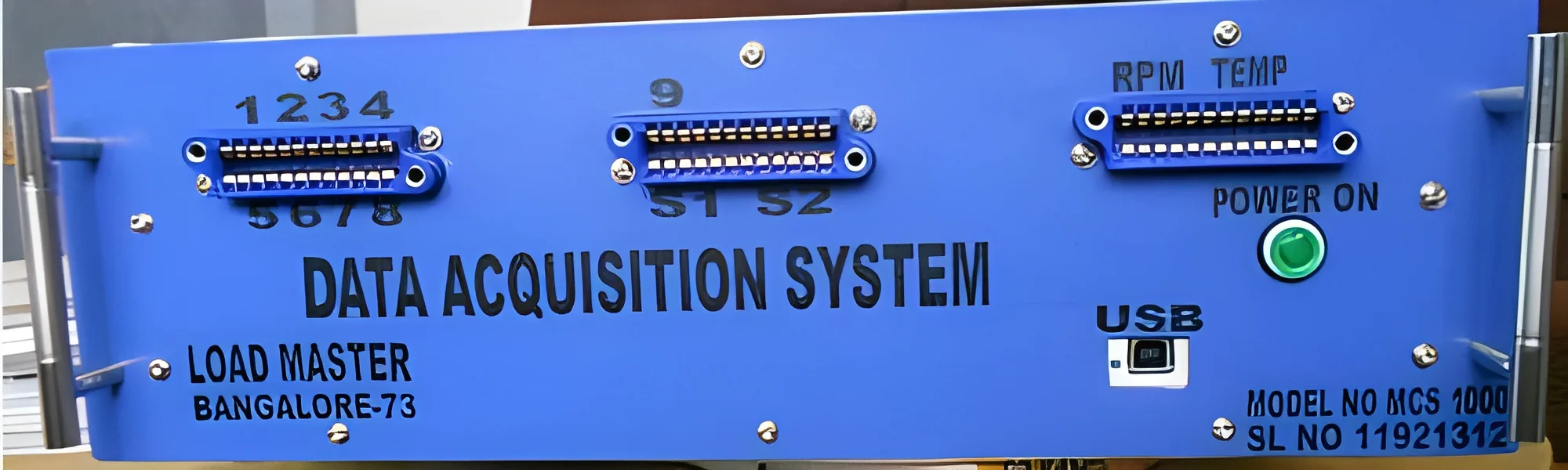
What are Industrial IoT Devices?
Industrial IoT (Internet of Things) devices refer to a range of interconnected sensors, actuators, and software that collect and exchange data within industrial environments. These devices enable real-time monitoring, data analysis, and automation, significantly enhancing operational efficiency. By connecting machinery and equipment to the internet, Industrial IoT devices allow for improved data-driven decision-making and predictive maintenance.
These devices find primary applications across various sectors including manufacturing, logistics, energy management, and supply chain optimization. They are utilized for tasks such as asset tracking, environmental monitoring, and equipment diagnostics. The integration of Industrial IoT devices in these industries leads to streamlined processes, reduced downtime, and increased productivity. As industries continue to embrace digital transformation, the relevance of Industrial IoT devices in enhancing performance and operational insights is becoming increasingly essential.
The Industrial IoT market is expanding rapidly, driven by advancements in connectivity and data analytics. Companies are investing in these technologies to gain a competitive edge and meet the demands of a more connected world. According to market research, the growth of Industrial IoT devices is anticipated to be significant in the coming years, making it a crucial area for businesses looking to innovate and optimize their operations.
Key Features and Specifications
Industrial IoT devices are designed with a variety of features that enhance their functionality and usability in industrial settings. These features allow for efficient monitoring, data collection, and integration with existing systems.
Key specifications include:
1. Connectivity Options
- Support for Wi-Fi, Bluetooth, LoRaWAN, and cellular networks
- Ensures seamless data transmission from the device to the cloud
2. Data Processing Capabilities
- On-device processing for real-time analytics
- Reduces latency and improves response times
3. Power Consumption
- Low power usage for extended battery life
- Energy-efficient designs to reduce operational costs
4. Environmental Resilience
- Designed to withstand harsh industrial conditions
- Resistance to dust, moisture, and extreme temperatures
5. Security Features
- Built-in encryption and secure data transmission protocols
- Protects sensitive industrial data from unauthorized access
6. Scalability
- Ability to integrate additional devices and sensors
- Supports growing operational needs without major overhauls
7. User Interface
- Intuitive dashboards for easy monitoring and control
- Customizable alerts and notifications for proactive management
8. Compliance with Standards
- Meets industry-specific regulatory requirements
- Ensures reliability and safety in operations
In summary, the key specifications of Industrial IoT devices focus on connectivity, processing capabilities, environmental resilience, and adherence to industry standards, making them a vital tool for industrial operations.
Common Applications and Use Cases
Industrial IoT devices have a wide range of applications across different industries, providing solutions that enhance productivity and efficiency.
1. Manufacturing: These devices are used for real-time monitoring of production lines, enabling predictive maintenance and reducing downtime. They help in tracking machine performance and optimizing workflows.
2. Logistics: In supply chain management, Industrial IoT devices facilitate asset tracking and inventory management. They provide visibility into shipment conditions and locations, ensuring timely deliveries.
3. Energy Management: These devices are instrumental in monitoring energy consumption and optimizing usage. They assist in identifying inefficiencies and managing resources more effectively.
4. Agriculture: IoT devices in agriculture help in precision farming by monitoring soil conditions, weather patterns, and crop health. This data allows farmers to make informed decisions to enhance yield.
5. Smart Buildings: In building management, Industrial IoT devices monitor environmental conditions and energy usage. They enable automated control of heating, ventilation, and air conditioning systems, improving comfort and efficiency.
6. Oil and Gas: These devices monitor equipment health and pipeline conditions, enhancing safety and preventing leaks. They provide critical data for decision-making in exploration and production.
7. Water Management: Industrial IoT devices assist in monitoring water quality and usage. They help in detecting leaks and optimizing water distribution in urban and rural areas.
Product Variants and Subcategories
Industrial IoT devices offer a variety of options tailored to specific industry needs. Although subcategories are not available, the diversity within Industrial IoT devices allows for customization to suit various applications.
Sensor Devices: These devices are designed to monitor environmental conditions such as temperature, humidity, and pressure. They are widely used in manufacturing and agriculture for process optimization.
Gateway Devices: These act as communication hubs that connect multiple sensors and devices to the internet. They facilitate data aggregation and transmission to cloud platforms for analysis.
Edge Computing Devices: These devices process data near the source rather than sending it to the cloud. They are ideal for applications requiring real-time analysis and quick decision-making.
Wearable Devices: In industrial settings, wearables enhance worker safety by monitoring health metrics and environmental conditions. They can alert workers to potential hazards in real-time.
Benefits and Advantages
Industrial IoT devices offer numerous benefits that enhance operational efficiency and decision-making capabilities.
Key benefits include:
1. Improved Operational Efficiency: Automation and real-time monitoring streamline processes, reducing manual intervention and increasing productivity.
2. Cost Savings: Predictive maintenance minimizes downtime and repair costs, leading to significant savings over time.
3. Enhanced Data Insights: Continuous data collection and analysis provide valuable insights for informed decision-making and strategic planning.
4. Increased Safety: Monitoring equipment and environmental conditions reduces risks and enhances worker safety in industrial settings.
5. Better Resource Management: Optimization of energy and material use leads to more sustainable operations and reduced waste.
6. Scalability and Flexibility: The ability to easily integrate additional devices allows businesses to adapt to changing needs and scale operations efficiently.
Buying Guide for B2B Buyers
When sourcing Industrial IoT devices, it is essential to consider several key factors to ensure optimal purchasing decisions.
1. Quality Assessment: Evaluate the quality of devices based on reliability, performance, and durability. Look for proven track records and customer testimonials to gauge effectiveness.
2. Supplier Verification: Vet suppliers thoroughly to ensure they have a solid reputation and offer quality products. Check for industry certifications and customer reviews to validate their expertise.
3. Pricing and MOQ: Understand pricing structures and minimum order quantities (MOQ) before making purchases. Compare different suppliers to find competitive rates while ensuring quality.
4. Delivery and Lead Times: Assess the logistics capabilities of suppliers, including delivery times and shipping options. Timely delivery is critical to maintaining operational continuity.
5. Compliance Requirements: Ensure that the devices meet relevant regulatory and safety standards. Compliance with industry-specific certifications is essential for operational legality and safety.
Compliance and Certifications
Industrial IoT devices must adhere to various compliance standards to ensure safety, quality, and reliability in industrial applications. Key quality standards include ISO 9001, which focuses on quality management systems, and HACCP for food safety processes. Additionally, compliance with Good Distribution Practices (GDP) is crucial for devices used in supply chain logistics.
Industry certifications, such as CE marking, indicate that products meet European safety, health, and environmental protection standards. This certification is essential for devices marketed in European markets, ensuring they are safe for use.
Safety and testing requirements vary by application and industry. It is important for manufacturers to conduct thorough testing to verify that devices can withstand environmental conditions and perform reliably under operational stresses.
Regional compliance considerations are also significant. Different regions may have specific regulations governing the deployment of Industrial IoT devices, necessitating awareness of local laws and standards.
Why Source Industrial IoT Devices from Pepagora?
Pepagora offers a reliable platform for sourcing Industrial IoT devices, providing several advantages that facilitate better purchasing decisions for businesses.
Verified Supplier Network: Pepagora ensures that all suppliers are thoroughly vetted for quality and reliability. This verification process helps buyers access a network of trusted manufacturers and suppliers.
Streamlined RFQ Process: The platform simplifies the Request for Quotation (RFQ) process, allowing buyers to easily compare offers from multiple suppliers. This efficiency saves time and ensures competitive pricing.
Trade Assurance and Support: Buyers are protected through trade assurance measures that safeguard their transactions. Pepagora provides support throughout the purchasing process to address any concerns.
Regional Coverage: With a strong geographic presence in India, the GCC, and Southeast Asia, Pepagora can facilitate sourcing for businesses operating in diverse markets. This regional coverage ensures that buyers can access Industrial IoT devices tailored to local needs and compliance requirements.

 IN
IN