IN
IN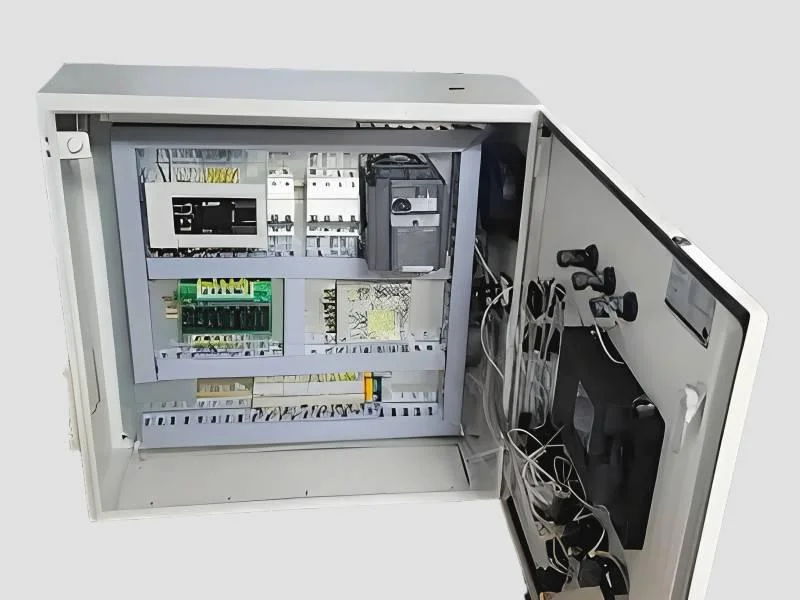
Description
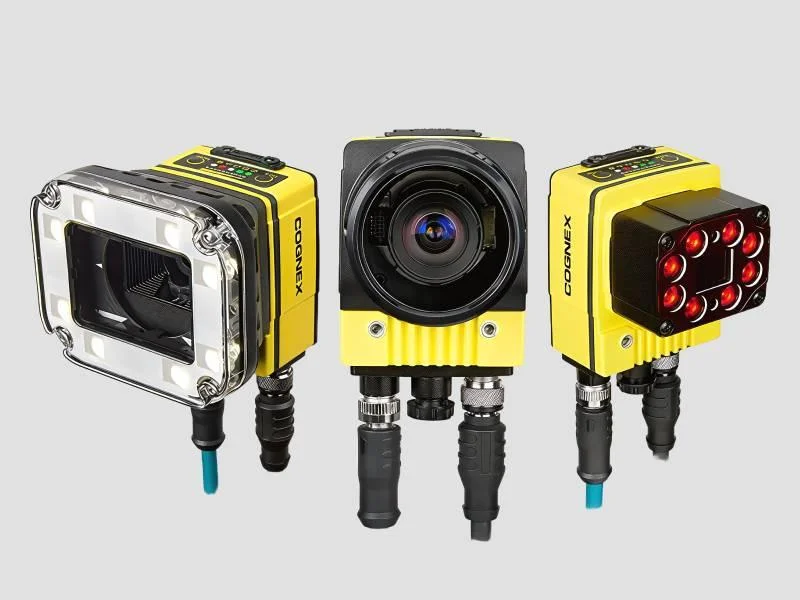
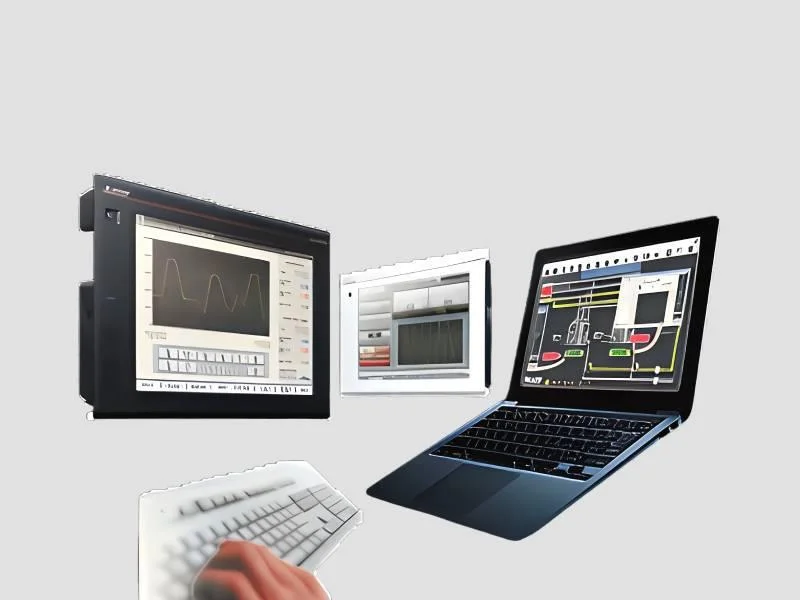
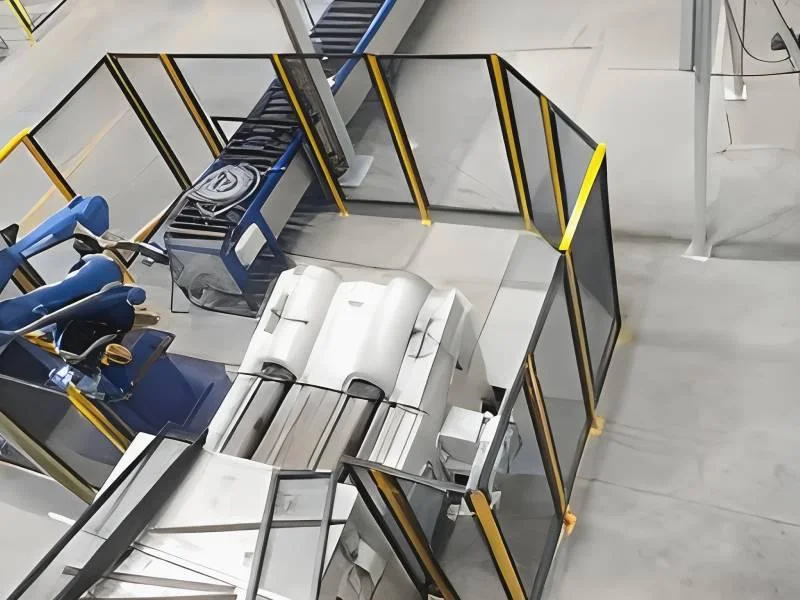
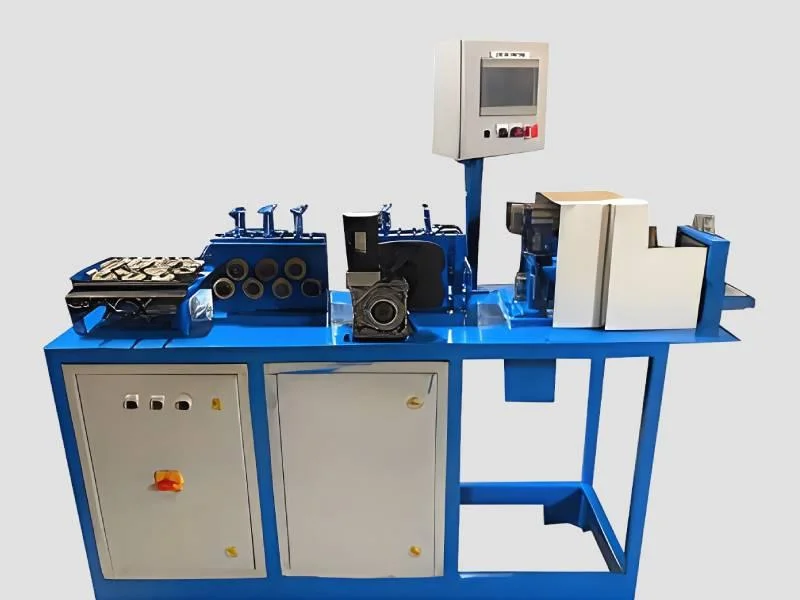
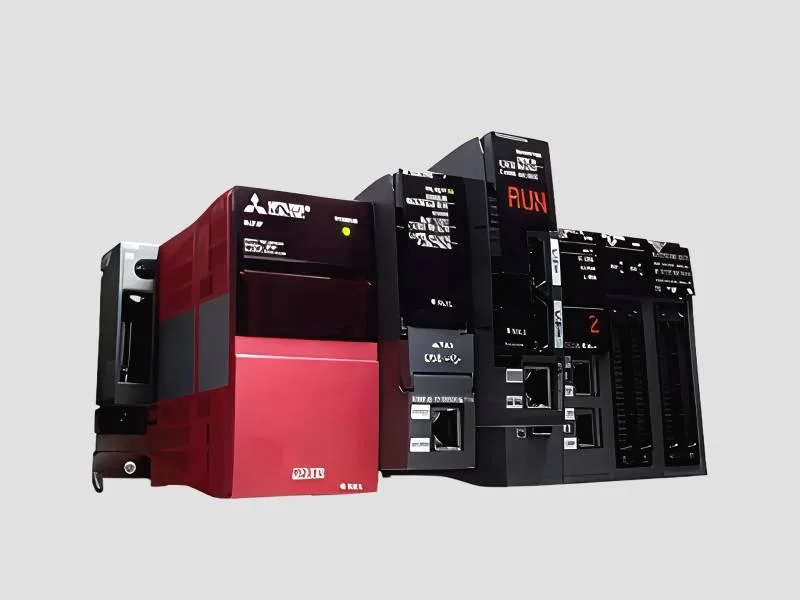
The Servo Based Control System represents a comprehensive industrial automation solution, designed to bring precision, safety, and efficiency to complex processes. At its core, it combines a robust Programmable Logic Controller (PLC) with an intuitive Human-Machine Interface (HMI) and powerful SCADA software for supervisory control. This integration allows for seamless communication between machine components, sensors, and operators. The system is built to operate on standard industrial power supplies of 230V and 415V AC, ensuring broad compatibility. Its support for multiple industry-standard communication protocols—Modbus, Profibus, RS-485, and Ethernet—guarantees that it can be integrated into both new installations and legacy systems without extensive retrofitting. The inclusion of manual control modes provides essential flexibility for setup, maintenance, and troubleshooting, giving operators direct command when needed.
Specifications
| Additional Information | |
|---|---|
| SKU | 1 |
| Country of Origin | India |
Application
Trade Details
| Production Lead Time | 4-7 Days |
| Available Stock | In Stock |
| Production Capacity | 1 pieces/ monthly |
| Sample Availability | No |
Payment Terms
| Payment Terms |
|
| Payment Methods |
|
Shipping & Logistics
| Shipping Internationally | No | |
| Methods |
|
Company Profile

 Tamil Nadu, India
₹1 Crore – ₹5 Crore
Factory Details
Main Markets
Frequently Asked Questions
What is an Industrial Automation Servo Control System?
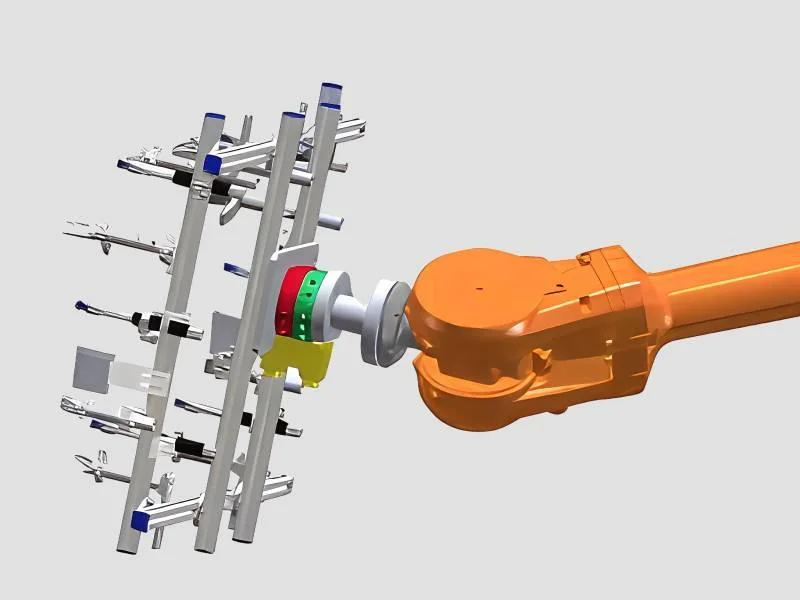
An Industrial Automation Servo Control System is a sophisticated control mechanism that uses servo motors and drives to precisely manage the movement and operation of machinery in various industrial applications.
How does PLC integrate with HMI and SCADA systems?
PLC (Programmable Logic Controller) serves as the brain for controlling machines, while HMI (Human-Machine Interface) allows operators to interact with the system. SCADA (Supervisory Control and Data Acquisition) provides monitoring and control capabilities from a centralized location, enabling efficient management of industrial processes.
What kind of payment methods do you accept for this product?
We accept payments via credit cards and cash for the purchase of the Industrial Automation Servo Control System.
Is technical support available after purchasing the system?
Yes, we provide technical support to customers after purchase to assist with any installation or operational questions regarding the Industrial Automation Servo Control System.
Can this automation system be customized for specific industries?
Absolutely! The Industrial Automation Servo Control System can be tailored to meet the unique needs of different industries such as manufacturing, packaging, food processing, and more.
Industrial Automation Servo Control System PLC HMI SCADA Integration
Servo Based Control System for industrial automation with PLC, HMI, and SCADA integration. Features Modbus, Profibus, RS-485, and Ethernet protocols for reliable 230V/415V AC process control and precision operation.
Shipping
Shipping fee and delivery date to be negotiated. Contact supplier now for more details.
 Tamil Nadu, India