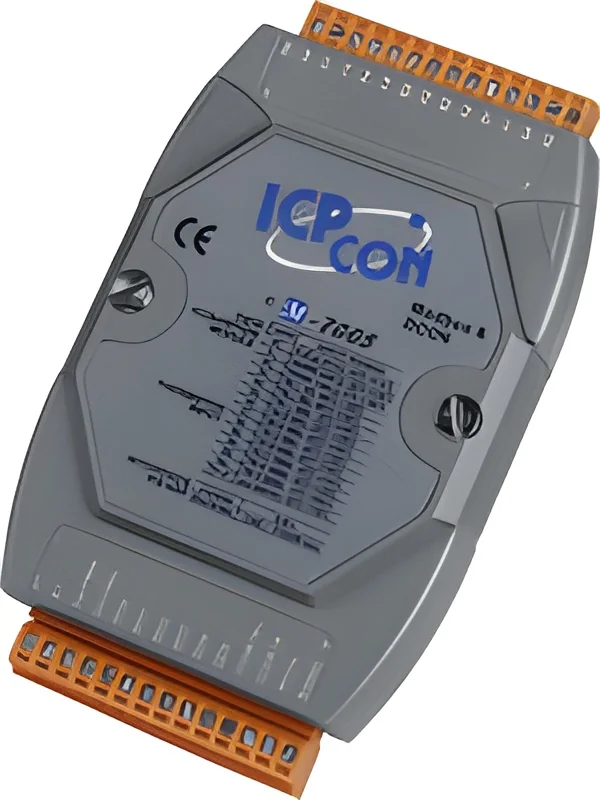
What are Sensor Modules?
Sensor modules are integrated devices designed to collect and transmit data from various physical phenomena. They consist of sensors, signal processors, and communication interfaces, allowing them to convert analog signals into digital data. This data is essential for monitoring, controlling, and optimizing processes in various applications.
These modules are primarily used in industrial automation, environmental monitoring, and smart building systems. They play a crucial role in enabling real-time data collection and analysis, which helps businesses enhance efficiency and make informed decisions. By utilizing sensor modules, organizations can improve operational performance, reduce costs, and ensure safety across their operations.
In the current market, the demand for sensor modules is driven by the growing emphasis on automation and data-driven decision-making. As industries increasingly adopt digital technologies, sensor modules are becoming integral to modern systems, providing the necessary data for analytics and process improvement.
Key Features and Specifications
Sensor modules come equipped with a variety of features that cater to the needs of different applications. Their specifications vary depending on the type of sensor and its intended use.
Key specifications include:
1. Measurement Range
- Indicates the minimum and maximum values that the sensor can accurately measure.
- Technical parameters or ranges vary by sensor type.
2. Output Signal Type
- Defines the format of the data output from the sensor module.
- Common types include analog voltage, current, or digital signals.
3. Power Supply Requirements
- Specifies the voltage and current needed for the sensor module to operate effectively.
- Typical ranges include low-voltage DC options.
4. Operating Temperature Range
- Indicates the temperature limits within which the sensor can function properly.
- Specific ranges depend on the sensor design.
5. Humidity Tolerance
- Details the levels of humidity the sensor can withstand without performance degradation.
- Tolerance levels can vary widely among sensors.
6. Response Time
- Measures how quickly the sensor can detect changes in the environment.
- Typical response times are expressed in milliseconds.
7. Communication Protocols
- Lists the protocols supported for data transfer between the sensor and other systems.
- Common protocols include I2C, SPI, and UART.
8. Calibration Requirements
- Outlines the need for periodic calibration to maintain accuracy.
- Some sensors may have self-calibration features.
In summary, understanding these specifications is essential for selecting the right sensor module for specific applications and ensuring optimal performance.
Common Applications and Use Cases
Sensor modules are versatile and serve various industries effectively.
1. Manufacturing: In manufacturing, sensor modules monitor machine performance and operational efficiency. They help in predictive maintenance and quality control.
2. Agriculture: Farmers use sensor modules for precision farming. They monitor soil moisture, temperature, and humidity, enabling better resource management.
3. Healthcare: In healthcare, sensor modules track patient vitals and environmental conditions. They enhance patient monitoring systems and contribute to better healthcare outcomes.
4. Transportation: Sensor modules play a critical role in vehicle tracking and fleet management. They provide real-time data on location, speed, and fuel consumption.
5. Smart Homes: In smart home applications, sensor modules manage lighting, security, and energy consumption. They contribute to enhanced comfort and convenience.
6. Environmental Monitoring: These modules are used to monitor air and water quality. They help in assessing environmental conditions and compliance with regulations.
7. Energy Management: In energy sectors, sensor modules are utilized for monitoring consumption and optimizing energy use. They support sustainability initiatives.
Product Variants and Subcategories
Sensor modules are available in various configurations to meet diverse needs.
Temperature Sensor Module
This variant measures temperature variations in different environments. It is commonly used in HVAC systems and industrial processes for temperature regulation.
Humidity Sensor Module
Designed to measure humidity levels, this variant is vital for applications in agriculture and climate control. It provides accurate data for optimizing conditions.
Pressure Sensor Module
This module measures atmospheric or fluid pressure, widely used in automotive and aerospace industries. It ensures safe operation and efficient performance.
Gas Sensor Module
Gas sensor modules detect specific gases in the environment. They are crucial for safety applications in industrial settings and environmental monitoring.
Benefits and Advantages
Sensor modules offer significant benefits to businesses looking to enhance operations.
1. Enhanced Efficiency: They enable real-time monitoring, allowing businesses to optimize processes and reduce downtime.
2. Improved Accuracy: Sensor modules provide precise measurements, leading to more reliable data for decision-making.
3. Cost Reduction: By streamlining operations, these modules can help lower operational costs through better resource management.
4. Increased Safety: They monitor critical parameters, helping to mitigate risks and enhance workplace safety.
5. Data-Driven Insights: Sensor modules facilitate data collection, enabling organizations to analyze trends and make informed strategic decisions.
6. Scalability: Businesses can easily integrate sensor modules into existing systems, allowing for scalable solutions as needs evolve.
Buying Guide for B2B Buyers
When sourcing sensor modules, B2B buyers should consider several critical factors to ensure they select the right products.
1. Quality Assessment: Evaluate the quality of the sensor modules by reviewing manufacturer certifications and product reviews. Look for compliance with industry standards to ensure reliability.
2. Supplier Verification: Vet suppliers to confirm their credibility and track record. Check for references and their ability to meet delivery and support requirements.
3. Pricing and MOQ: Understand the pricing structure and minimum order quantities. Assess whether the costs align with budget constraints and project needs.
4. Delivery and Lead Times: Inquire about the expected lead times for delivery. Consider logistics to ensure timely availability of the products.
5. Compliance Requirements: Be aware of any regulatory compliance required for your specific industry. Ensure that the sensors meet necessary safety and performance standards.
Compliance and Certifications
Sensor modules must adhere to various quality standards to ensure their reliability and safety in applications.
ISO 9001 is a widely recognized standard that outlines criteria for a quality management system. Compliance with this standard indicates that the manufacturer consistently provides products that meet customer and regulatory requirements.
CE marking signifies that a product meets European health, safety, and environmental protection standards. This certification is crucial for sensor modules sold in the European market.
UL certification indicates that a product has been tested and meets safety standards set by Underwriters Laboratories. This certification provides assurance regarding the safety and reliability of sensor modules.
Safety and testing requirements vary by application and region. Buyers should ensure that the sensor modules they choose comply with relevant safety regulations in their operational areas.
Why Source Sensor Modules from Pepagora?
Pepagora offers a trusted platform for sourcing sensor modules, providing numerous advantages for businesses.
Verified Supplier Network: Pepagora has established a network of verified suppliers, ensuring that buyers have access to reputable manufacturers. This reduces the risk of sourcing low-quality products.
Streamlined RFQ Process: The platform features a user-friendly quotation system that simplifies the request for quotation process. Buyers can easily compare offers and select the best options.
Trade Assurance and Support: With trade assurance measures in place, Pepagora protects buyers against risks associated with transactions. This support fosters confidence in the purchasing process.
Regional Coverage: Pepagora’s geographic reach spans India, the GCC, and Southeast Asia, making it an ideal sourcing platform for businesses operating in these regions. This broad coverage ensures accessibility to a diverse range of sensor modules.

 IN
IN