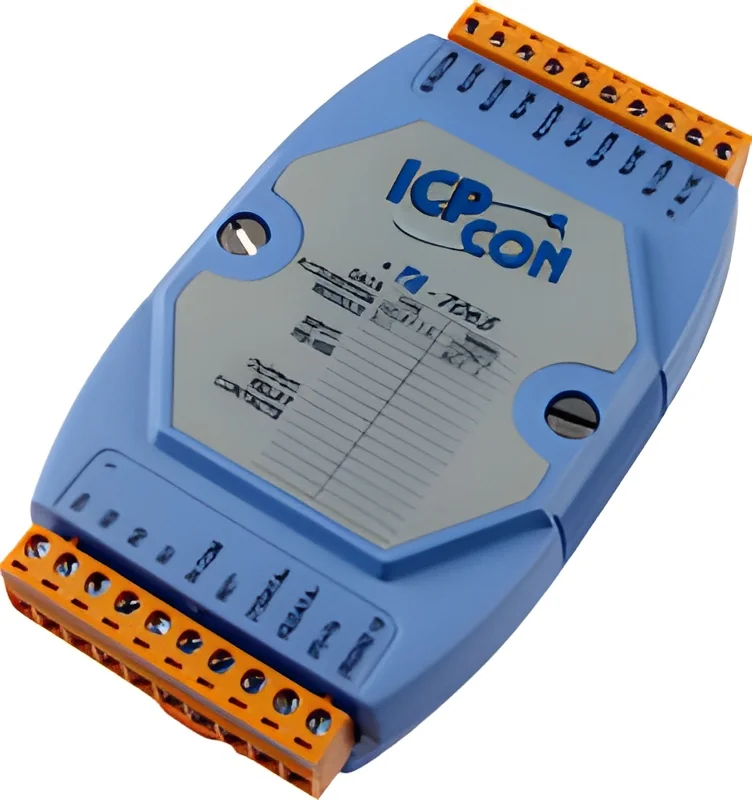
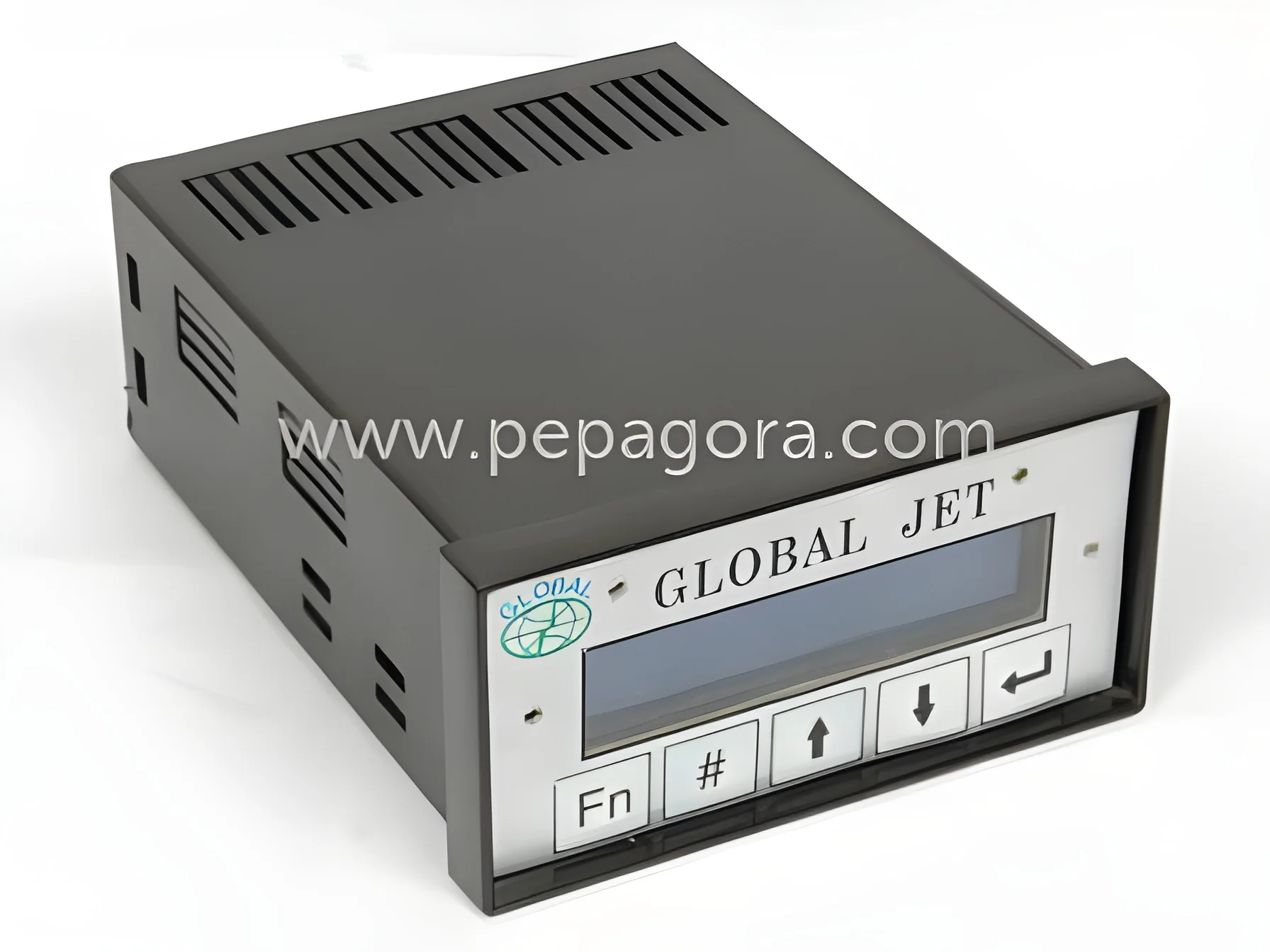
What are Smart Relays?
Smart relays are advanced devices that function as control systems in various industrial applications. They are designed to automate processes and provide real-time monitoring and management of electrical systems. Unlike traditional relays, smart relays incorporate programmable logic capabilities, allowing users to customize operations according to specific needs. This makes them a versatile solution for a wide range of applications, from simple control tasks to complex automation systems.
These devices are primarily used in industries such as manufacturing, energy management, and building automation. They serve to enhance operational efficiency by automating routine tasks, thereby reducing labor costs and minimizing human error. Smart relays can be integrated with various sensors and devices, enabling seamless communication and control of machinery and processes. Their relevance in today’s industrial landscape is underscored by the increasing demand for smart solutions that contribute to digital transformation and Industry 4.0 initiatives.
Key Features and Specifications
Smart relays come with a variety of features and specifications that enhance their performance and usability. These devices are designed to meet the rigorous demands of industrial environments while providing flexibility for integration and customization.
Key specifications include:
1. Input Voltage Range
- Typically operates within a specified range to accommodate different power sources.
- Common ranges include 24V to 240V AC/DC.
2. Number of Inputs and Outputs
- Varies based on model and application needs.
- Can range from 4 to 32 digital inputs and outputs.
3. Communication Protocols
- Supports various protocols for network integration.
- Common protocols include Modbus, Ethernet/IP, and CANopen.
4. Programming Options
- Offers user-friendly programming interfaces.
- Can be programmed using ladder logic, function block diagrams or structured text.
5. Operating Temperature Range
- Designed to function in diverse environmental conditions.
- Typical ranges are from -20°C to +60°C.
6. Memory Capacity
- Varies based on the complexity of applications.
- Typically ranges from 32KB to 512KB of memory for program storage.
7. Display Features
- May include built-in displays for user interaction.
- Options can vary from simple LED indicators to full LCD screens.
8. Safety Features
- Equipped with safety mechanisms to prevent overload or failure.
- Includes features such as short circuit protection and overload protection.
Smart relays are essential tools for modern industrial applications, offering robust features that support efficient management and control.
Common Applications and Use Cases
Smart relays find applications across a range of industries due to their flexibility and efficiency.
1. Manufacturing: In this sector, smart relays automate machinery control, providing real-time monitoring and reducing downtime through predictive maintenance.
2. Building Automation: Smart relays are used to control lighting, HVAC systems, and security systems, enhancing energy efficiency and user comfort.
3. Water Treatment: These devices help manage pumps and filtration systems, ensuring optimal performance and compliance with environmental regulations.
4. Energy Management: Smart relays monitor and control electrical loads, facilitating energy savings and load balancing in industrial and commercial settings.
5. Agriculture: In agricultural operations, they automate irrigation systems and greenhouse controls, improving crop yields and resource management.
6. Transportation: Smart relays are implemented in traffic management systems, optimizing traffic flow and enhancing safety measures.
7. HVAC Systems: They control heating, ventilation, and air conditioning units, maintaining optimal climate conditions in buildings.
Product Variants and Subcategories
Smart relays are available in various configurations to meet diverse application needs.
Compact Smart Relays: These variants are designed for space-constrained environments. They offer essential features without sacrificing performance, making them ideal for small-scale applications.
Advanced Smart Relays: These models provide comprehensive features including extensive I/O options and advanced programming capabilities. They are suited for complex automation tasks in large industrial systems.
Modular Smart Relays: These variants allow for customization through additional modules. Users can expand functionality based on specific requirements, making them versatile for various applications.
Benefits and Advantages
Smart relays provide numerous advantages that enhance operational efficiency and effectiveness.
1. Increased Efficiency: By automating processes, smart relays reduce the time and effort required for manual operations.
2. Customization: They offer programmable features that allow businesses to tailor operations to specific needs, enhancing flexibility.
3. Real-time Monitoring: These devices provide immediate feedback on system performance, allowing for quick adjustments and troubleshooting.
4. Cost Savings: Reducing manual labor and optimizing energy consumption leads to significant cost reductions over time.
5. Enhanced Safety: Built-in safety features help prevent equipment damage and ensure safe operational practices.
6. Scalability: As business needs grow, smart relays can be easily adapted or expanded to meet increasing demands.
Buying Guide for B2B Buyers
When sourcing smart relays, B2B buyers should consider several key factors to ensure they make informed decisions.
1. Quality Assessment: Evaluate products based on performance metrics, durability, and manufacturer reputation. Look for devices that meet industry standards.
2. Supplier Verification: Conduct thorough checks on potential suppliers, ensuring they have a history of reliability and compliance with industry regulations.
3. Pricing and MOQ: Understand the pricing structure and minimum order quantities (MOQ) to align with budget constraints and project requirements.
4. Delivery and Lead Times: Assess logistics capabilities, ensuring suppliers can meet delivery timelines that match production schedules.
5. Compliance Requirements: Ensure that the smart relays comply with relevant industry standards and certifications, such as CE marking, to ensure safety and reliability.
Compliance and Certifications
Smart relays must adhere to various quality and safety standards to ensure they perform reliably in industrial applications. ISO 9001 is a crucial quality management standard that outlines requirements for consistent product quality and service. Compliance with HACCP (Hazard Analysis Critical Control Point) focuses on ensuring safety in food production processes, where smart relays are often used.
Additionally, industry certifications such as CE indicate that the products meet the necessary European safety standards. Safety and testing requirements typically include rigorous assessments to ensure the devices can operate safely under specified conditions. Regional compliance considerations may vary, so businesses should verify compliance with local regulations in their operating areas.
Why Source Smart Relays from Pepagora?
Pepagora stands out as a trusted platform for sourcing smart relays, offering several key advantages to B2B buyers.
Verified Supplier Network: The platform connects businesses with a network of verified suppliers, ensuring that buyers can trust the quality and reliability of the products they purchase.
Streamlined RFQ Process: Pepagora features a user-friendly request for quotation (RFQ) system, allowing buyers to compare offers from multiple suppliers easily and efficiently.
Trade Assurance and Support: Buyers benefit from trade assurance programs that provide protection throughout the transaction process, enhancing confidence in their purchasing decisions.
Regional Coverage: With a strong presence in India, the GCC, and Southeast Asia, Pepagora facilitates access to a wide array of smart relay solutions tailored to the needs of various industries across these regions.

 IN
IN