What are Industrial Robots & Robotic Arms?
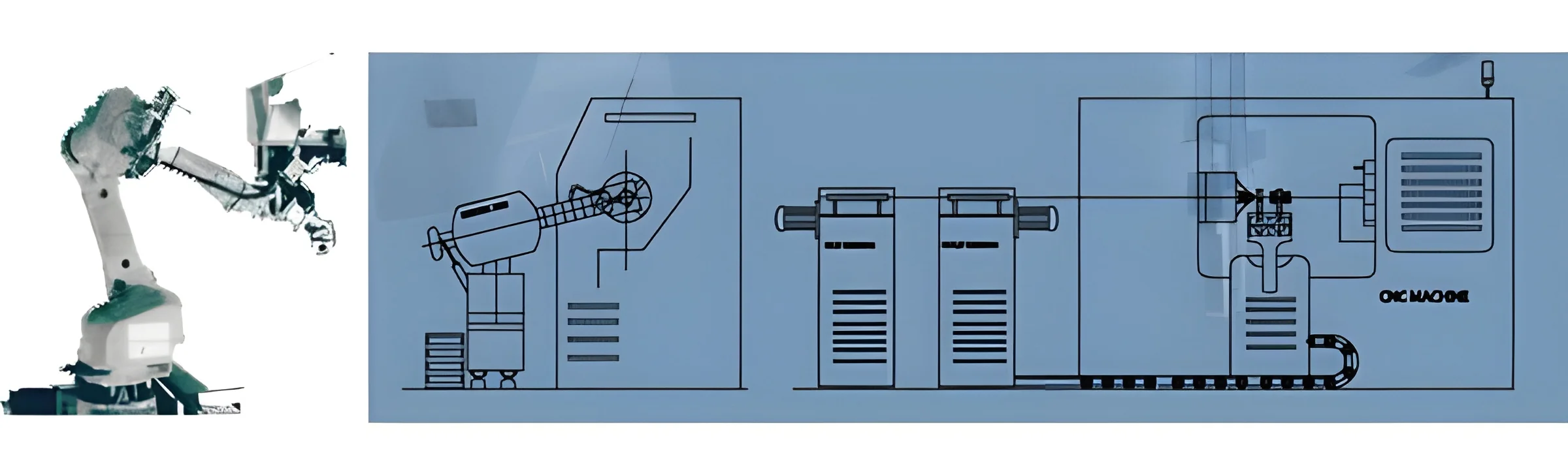
Industrial robots and robotic arms are automated machines designed to perform specific tasks in manufacturing and production environments. These devices can be programmed to carry out repetitive actions with high precision and speed. They are equipped with sensors, control systems, and end effectors that enable them to handle various materials and components, making them essential tools in modern industrial operations.
The primary uses of industrial robots and robotic arms span several sectors, including automotive, electronics, consumer goods, and food processing. They are commonly employed for tasks such as assembly, welding, painting, packaging, and material handling. Businesses utilize these machines to increase productivity, reduce labor costs, and improve safety by automating hazardous or physically demanding tasks. The growing demand for automation and efficiency is driving the expansion of the industrial robotics market globally.
As industries continue to evolve, the relevance of industrial robots and robotic arms becomes increasingly significant. With advancements in technology, including artificial intelligence and machine learning, these robots are becoming more capable and versatile. The market for industrial robotics is projected to grow significantly in the coming years, reflecting the ongoing trend towards automation in various sectors.
Key Features and Specifications
Industrial robots and robotic arms come with various key features that enhance their functionality and efficiency. Understanding these specifications is crucial for businesses looking to implement automation solutions.
Key specifications include:
1. Payload Capacity
- The maximum weight the robot can handle.
- Typically ranges from a few kilograms to several tons, depending on the model.
2. Reach
- The maximum distance the robot can extend its arm to perform tasks.
- Ranges from 500 mm to over 3,000 mm.
3. Degrees of Freedom
- The number of independent movements the robot can make.
- Commonly ranges from 4 to 6 degrees of freedom for most industrial applications.
4. Speed
- The maximum speed at which the robot can operate.
- Can vary from 1 m/s to 3 m/s, depending on the task.
5. Accuracy
- The precision with which the robot can perform tasks.
- Typical accuracy levels range from ±0.01 mm to ±0.5 mm.
6. Control System
- The technology used for programming and controlling the robot.
- Options include teach pendants, programming software, and remote control capabilities.
7. Operating Environment
- Conditions under which the robot is designed to operate.
- Includes temperature ranges, humidity control, and dust resistance.
8. Safety Features
- Mechanisms to ensure safe operation.
- May include emergency stop buttons, safety sensors, and collision detection systems.
In summary, the specifications of industrial robots and robotic arms play a vital role in their performance and suitability for various applications. Businesses must evaluate these features to select the appropriate robots for their operations.
Common Applications and Use Cases
Industrial robots and robotic arms are utilized across a wide array of industries, enhancing productivity and efficiency.
1. Automotive: In the automotive industry, robots are used for assembly line tasks, such as welding, painting, and component assembly. They ensure high precision and speed, contributing to increased production rates.
2. Electronics: In electronics manufacturing, robots handle delicate components with accuracy. They are often employed for soldering, assembly, and testing of electronic devices.
3. Food Processing: Robots in the food industry assist in packaging, sorting, and quality control, ensuring hygiene and efficiency in food production.
4. Pharmaceuticals: In the pharmaceutical sector, robots are used for handling materials, filling, and packaging drugs, minimizing the risk of contamination.
5. Aerospace: In aerospace manufacturing, robotic arms are essential for assembling complex components, ensuring high precision and reducing production time.
6. Metal Fabrication: Robots are utilized in metal fabrication for tasks such as cutting, welding, and bending metals, improving efficiency and safety.
7. Construction: In construction, robotic arms assist with tasks such as bricklaying and material handling, streamlining workflows and increasing job site safety.
Product Variants and Subcategories
Industrial robots and robotic arms come in various types, each designed for specific tasks and industries. The diversity of these products enables businesses to choose the most suitable options for their needs.
Articulated Robots
Articulated robots are designed with rotating joints, allowing for a wide range of motion. They are ideal for tasks such as welding, painting, and assembly due to their flexibility.
SCARA Robots
SCARA (Selective Compliance Assembly Robot Arm) robots are known for their speed and precision in horizontal movements. They are typically used for assembly and packaging applications.
Delta Robots
Delta robots feature a unique design that allows for high-speed movements. They are commonly used in picking, packing, and sorting applications, particularly in the food and pharmaceutical industries.
Collaborative Robots (Cobots)
Collaborative robots are designed to work alongside human operators safely. They are ideal for tasks that require human-robot interaction, making them suitable for small and medium-sized enterprises.
Benefits and Advantages
Investing in industrial robots and robotic arms offers numerous advantages for businesses looking to improve their operations.
Key benefits include:
1. Increased Productivity: Robots can operate continuously and perform tasks faster than human workers, significantly enhancing production rates.
2. Improved Accuracy: Industrial robots provide high precision in tasks, reducing errors and ensuring consistent quality in production.
3. Cost Savings: By automating repetitive tasks, businesses can reduce labor costs and minimize the risk of injuries, leading to long-term savings.
4. Enhanced Safety: Robots can handle hazardous tasks, reducing the risk of workplace accidents and improving overall safety for employees.
5. Flexibility: Many industrial robots can be reprogrammed for different tasks, allowing businesses to adapt to changing production needs.
6. Better Utilization of Space: Robots can operate in smaller areas compared to traditional machinery, optimizing workspace and increasing efficiency.
Buying Guide for B2B Buyers
When considering the purchase of industrial robots and robotic arms, businesses should evaluate several critical factors to make informed decisions.
1. Quality Assessment: Assess the quality of the robots by reviewing specifications, durability, and past performance. Look for models that meet industry standards and have positive reviews.
2. Supplier Verification: Vet potential suppliers to ensure they are reputable and have a track record of providing reliable products. Check for customer testimonials and industry certifications.
3. Pricing and MOQ: Understand the pricing structure and minimum order quantities (MOQ) required by suppliers. This information is crucial for budgeting and ensuring that the purchase meets business needs.
4. Delivery and Lead Times: Clarify lead times for delivery to avoid disruptions in production. Timely delivery is essential for maintaining operational efficiency.
5. Compliance Requirements: Ensure that the robots meet relevant regulatory and compliance standards. This may include safety certifications and quality assurance protocols.
Compliance and Certifications
Compliance and certifications play a vital role in ensuring the quality and safety of industrial robots and robotic arms. Adherence to relevant standards is crucial for manufacturers and buyers alike.
One important quality standard is ISO 9001, which establishes criteria for quality management systems. This certification ensures that manufacturers consistently provide products that meet customer and regulatory requirements.
In addition to ISO certifications, CE marking is a critical industry certification in Europe. It indicates that the product meets the essential health and safety requirements set forth by European legislation, ensuring a high level of safety and compliance.
Safety and testing requirements are also paramount in the robotics industry. Robots must undergo rigorous testing to ensure they operate safely in various environments. Compliance with safety standards protects both the operators and the equipment.
Regional compliance considerations must also be taken into account. Different regions may have specific regulations governing the use of industrial robots, and adherence to these regulations is essential for market entry and operational success.
Why Source Industrial Robots & Robotic Arms from Pepagora?
Pepagora offers a comprehensive platform for sourcing industrial robots and robotic arms, providing businesses with numerous advantages.
Verified Supplier Network: Pepagora works with a network of verified suppliers, ensuring that buyers have access to high-quality products from trusted manufacturers. This verification process helps mitigate risks associated with sourcing.
Streamlined RFQ Process: The request for quotation (RFQ) process on Pepagora is designed to be user-friendly, allowing buyers to easily request quotes from multiple suppliers. This efficiency aids in comparing prices and product offerings.
Trade Assurance and Support: Pepagora provides trade assurance, which protects buyers in their transactions. This added layer of support ensures that businesses can source equipment with confidence, knowing they are safeguarded against potential issues.
Regional Coverage: With a strong presence in India, the GCC, and Southeast Asia, Pepagora enables businesses to connect with suppliers across these regions. This geographic reach facilitates access to a diverse range of products and services tailored to meet local market demands.

 IN
IN