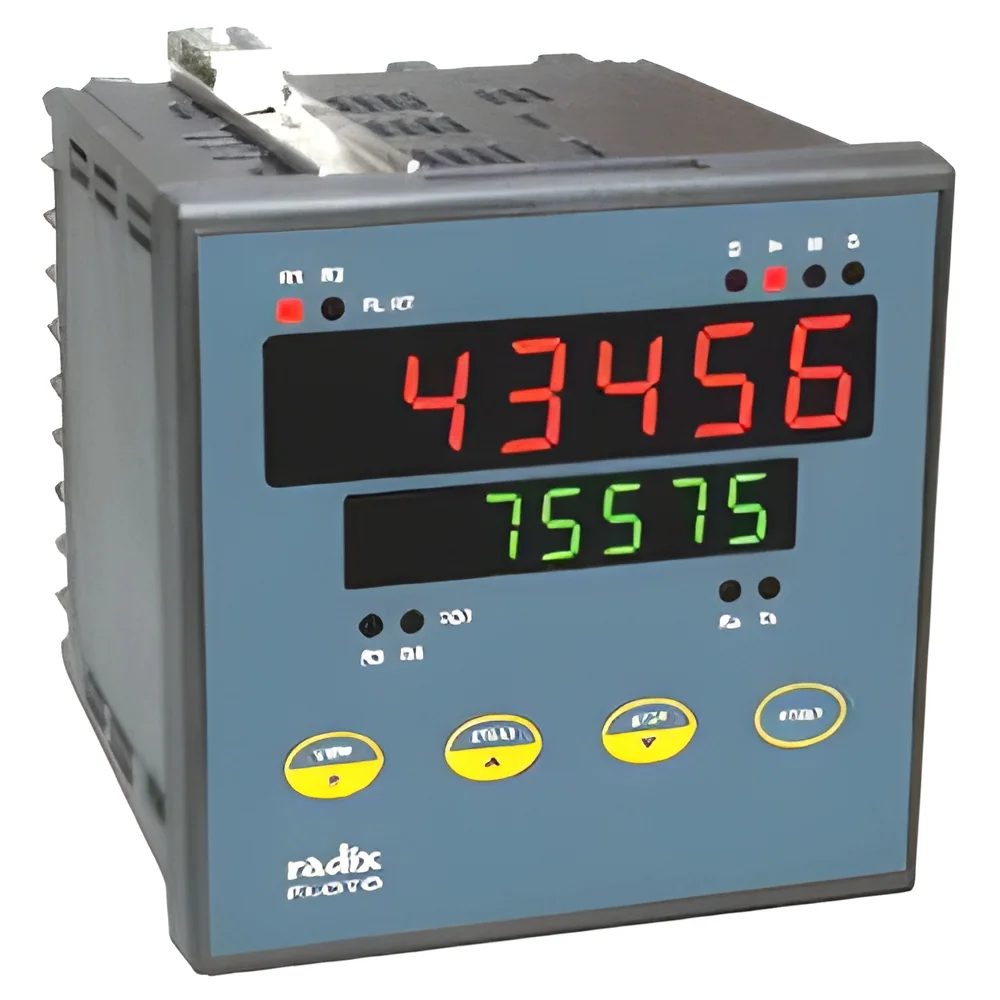
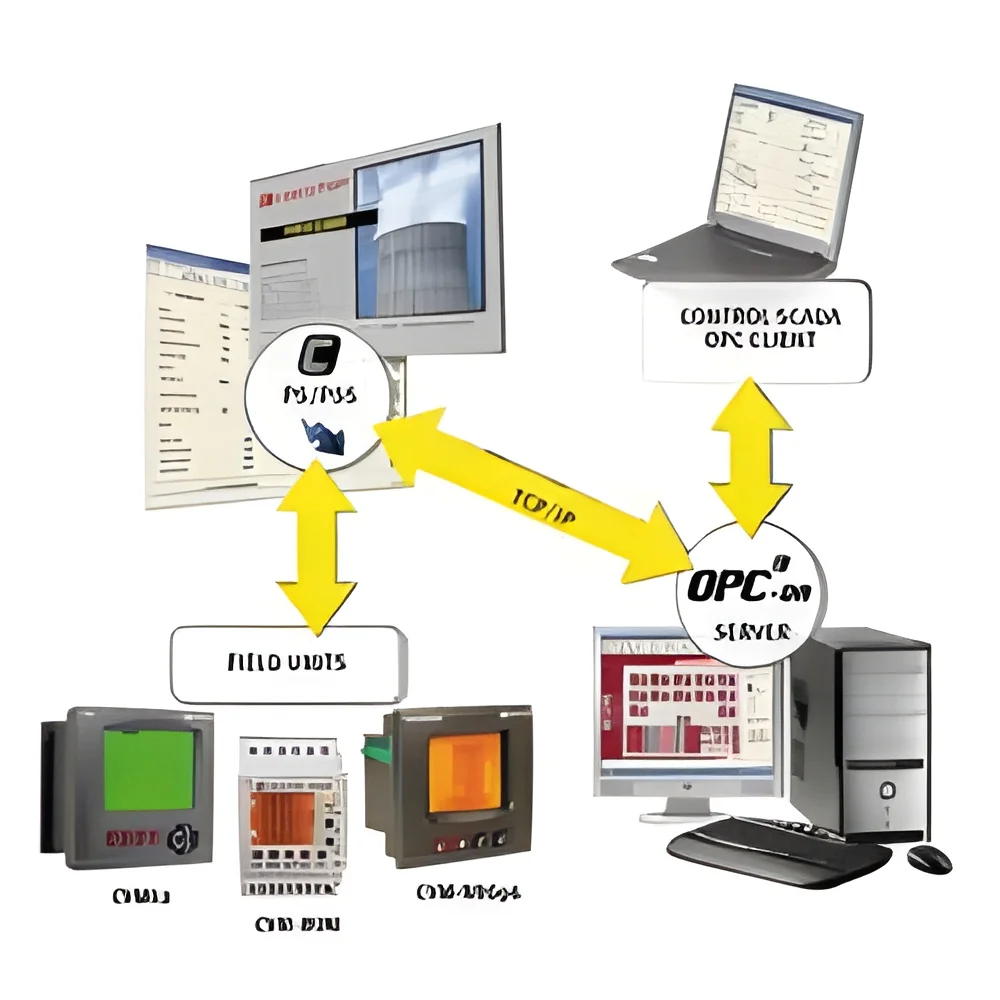
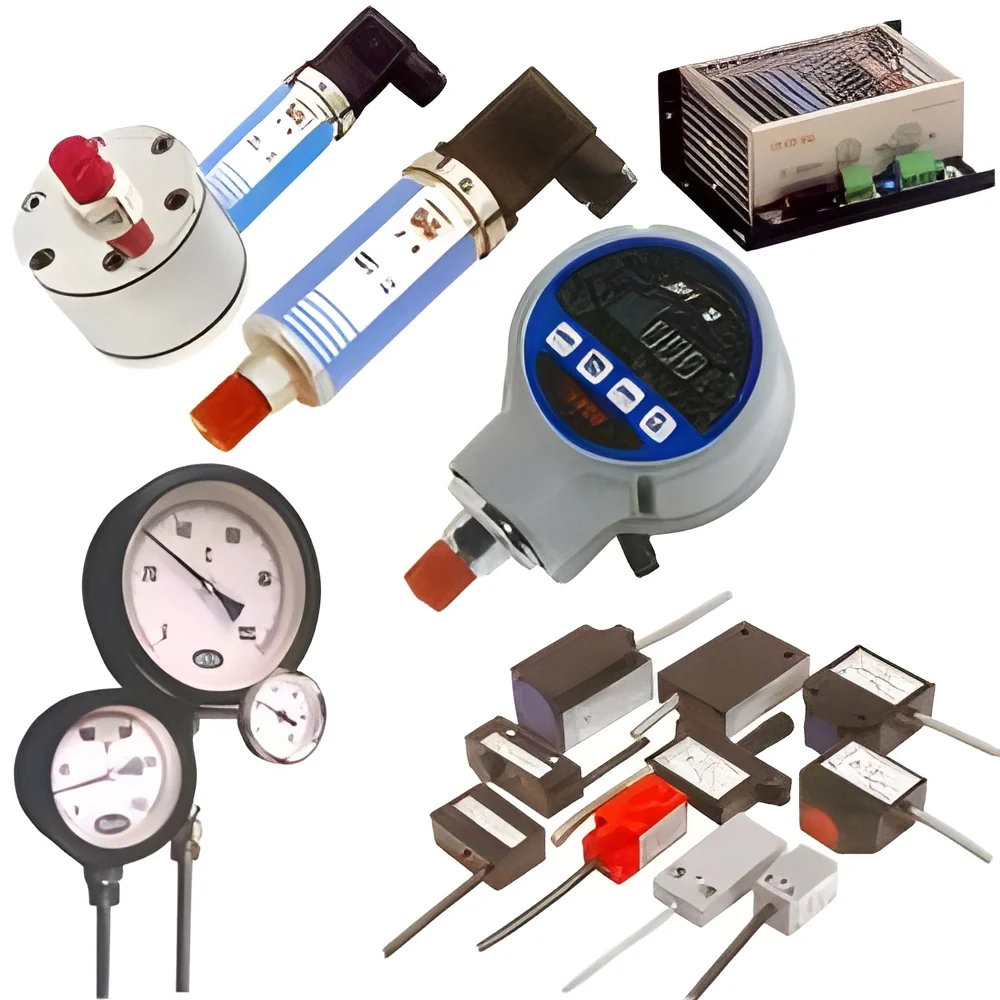
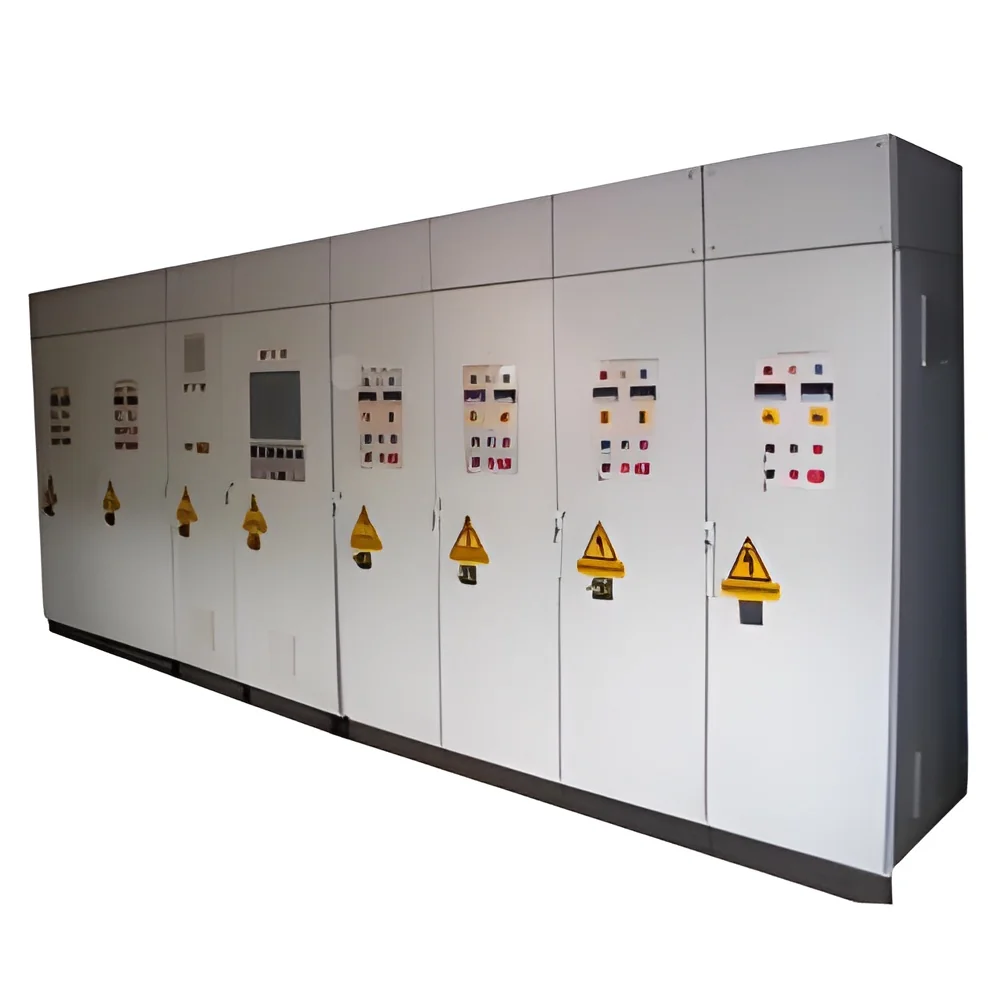
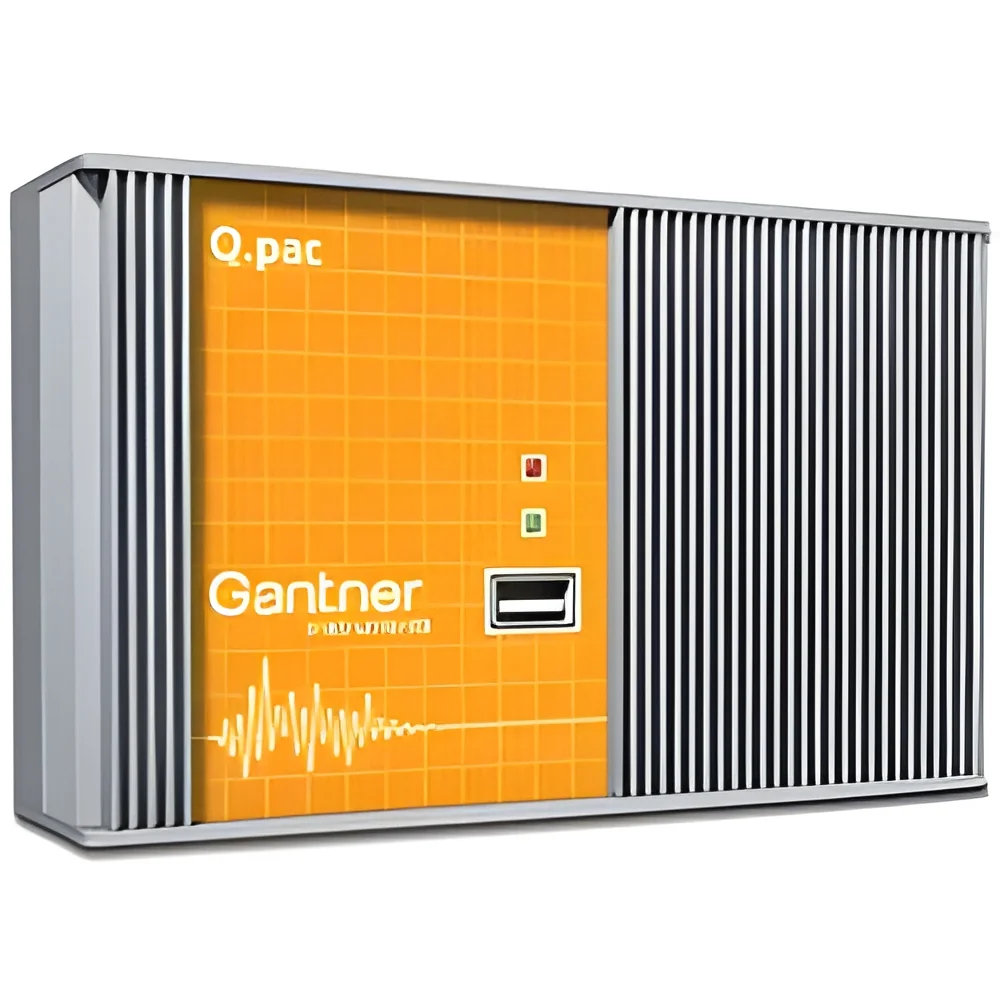
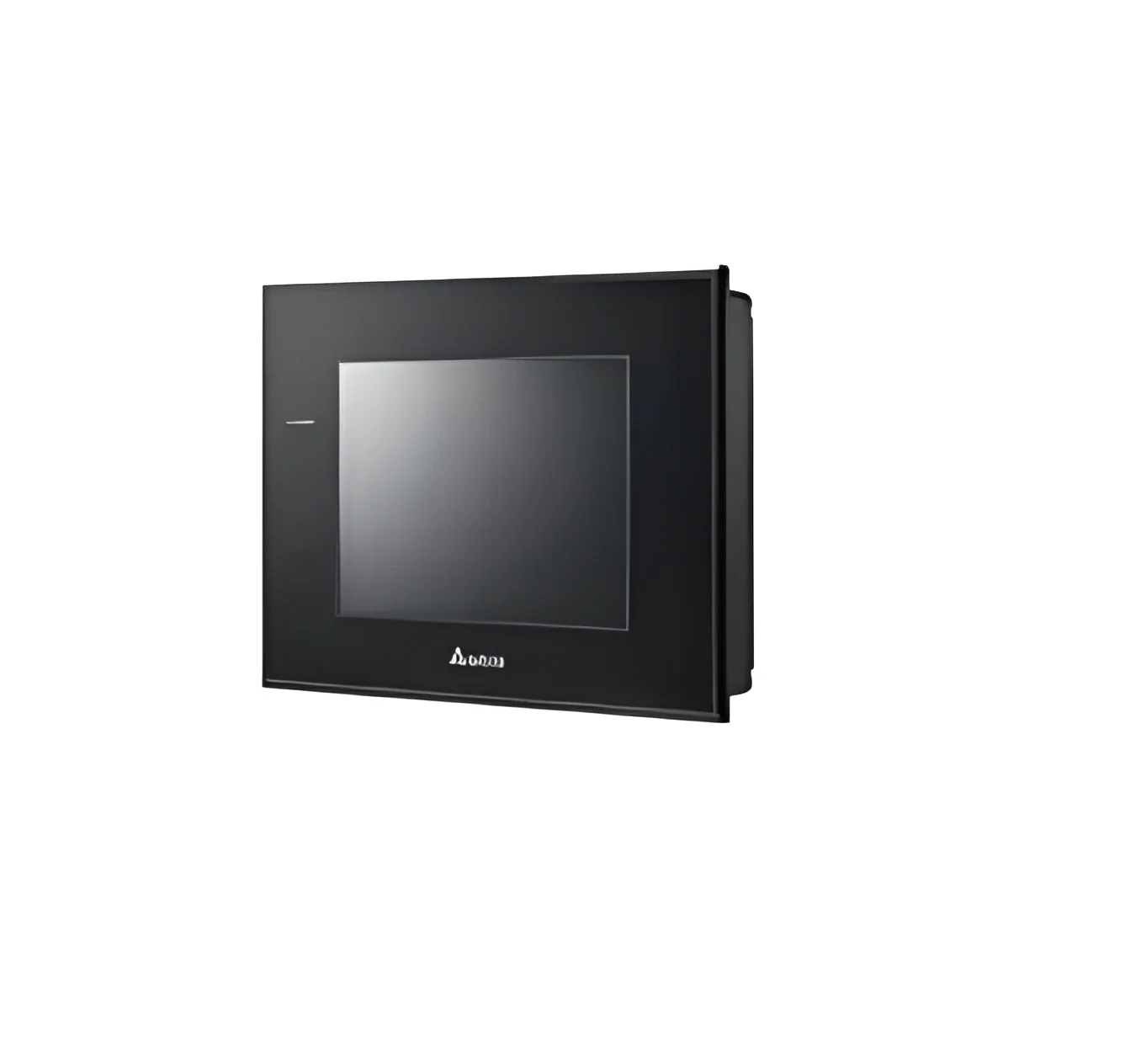
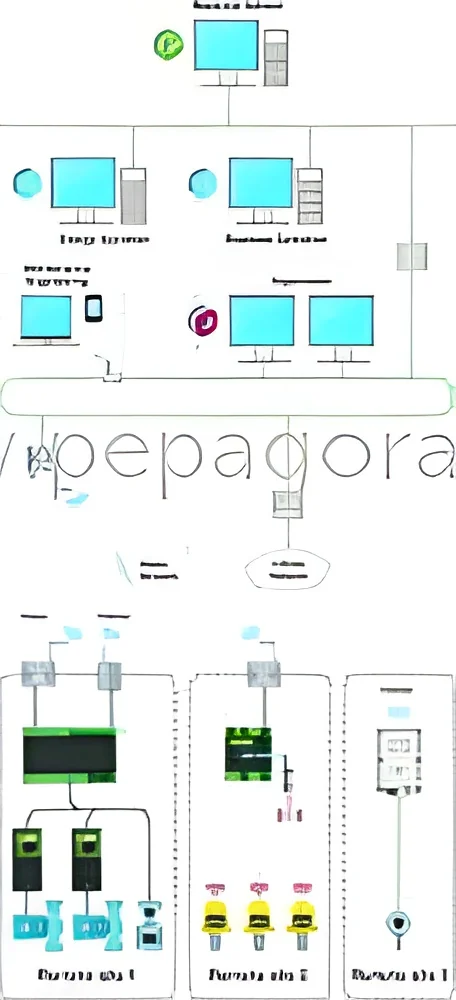
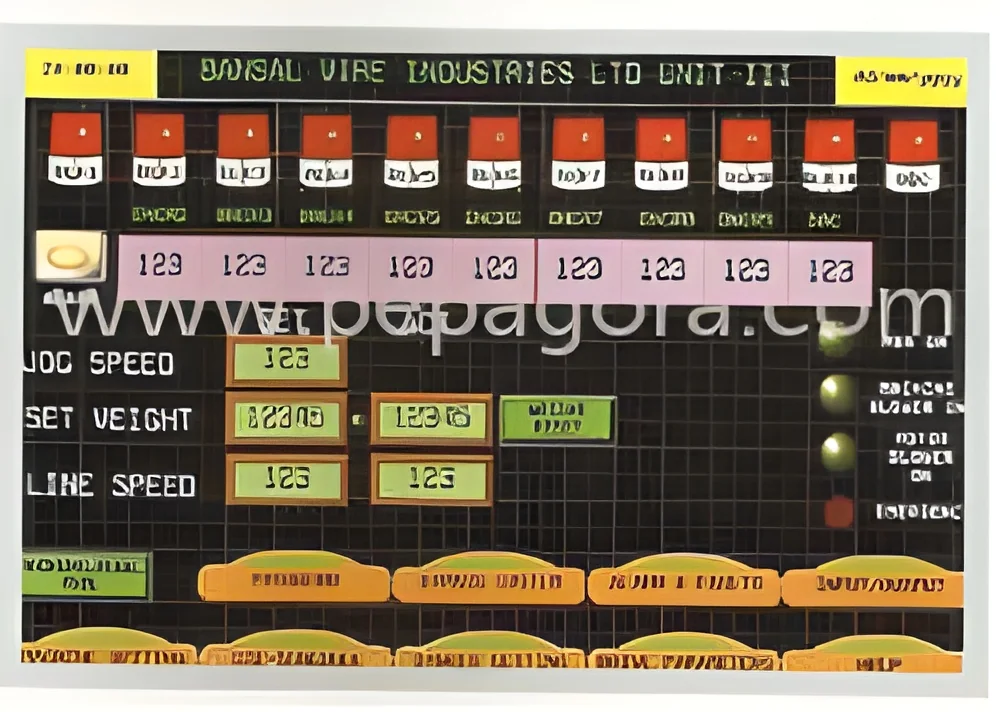
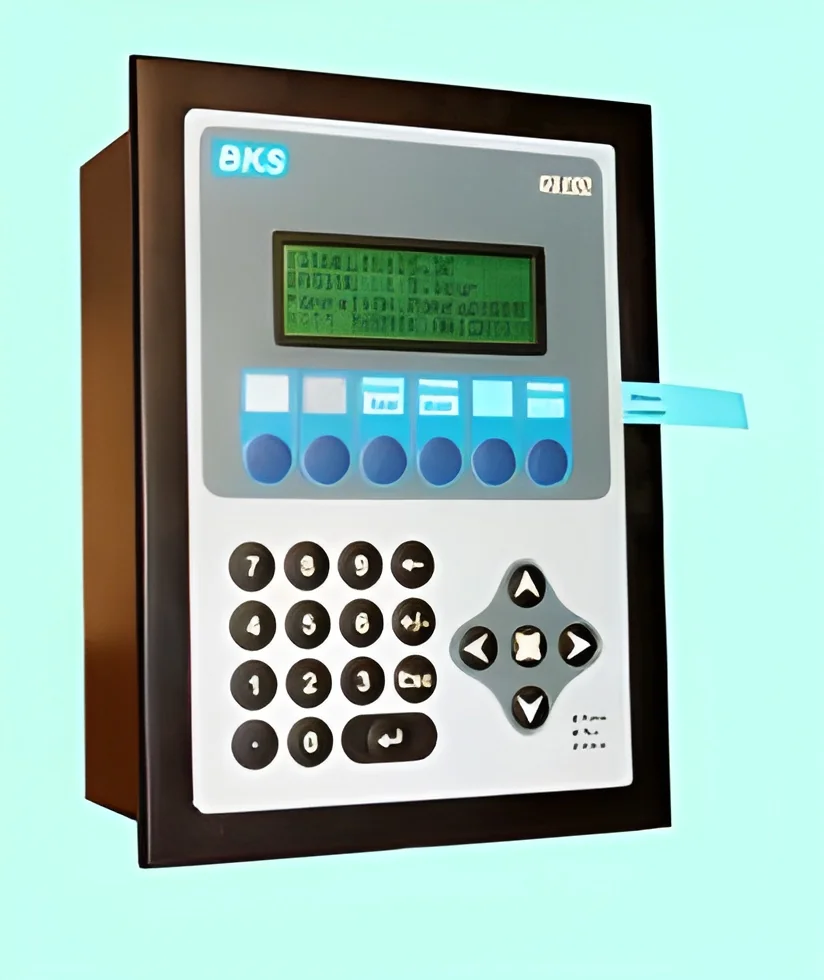
What are SCADA Systems?
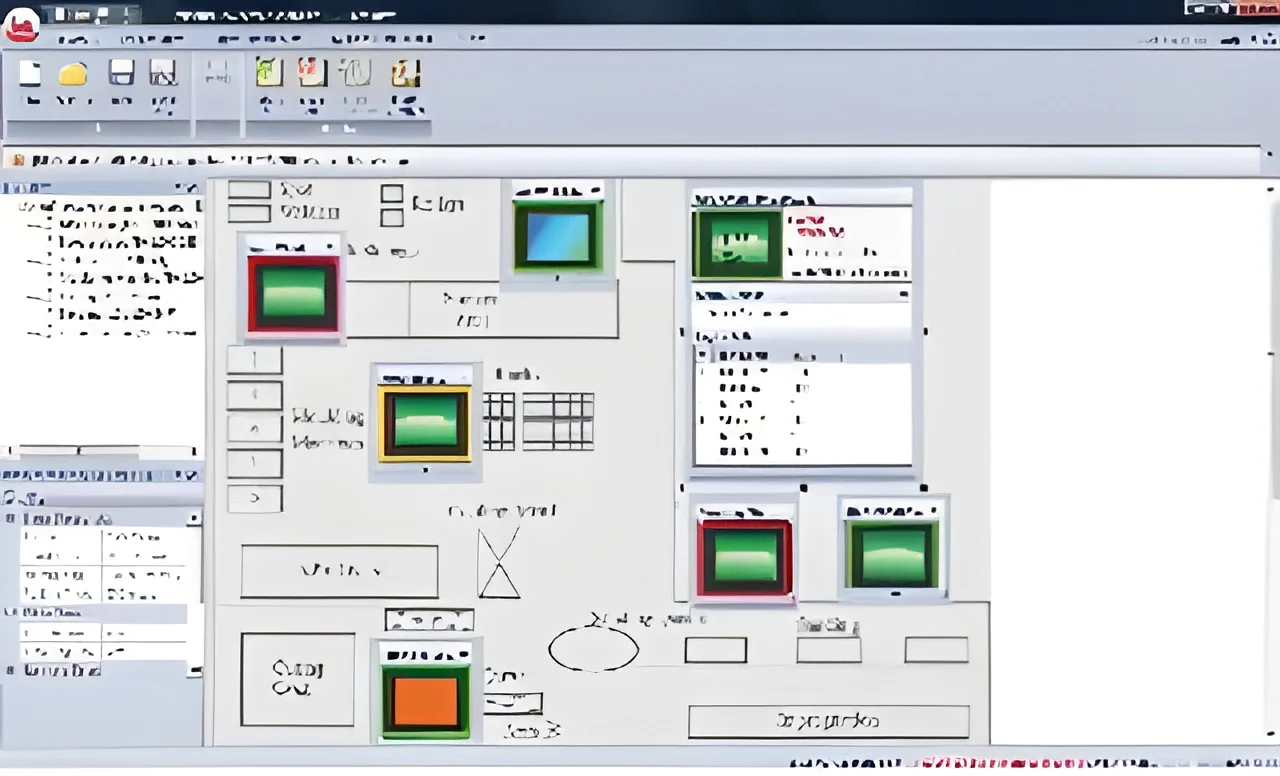
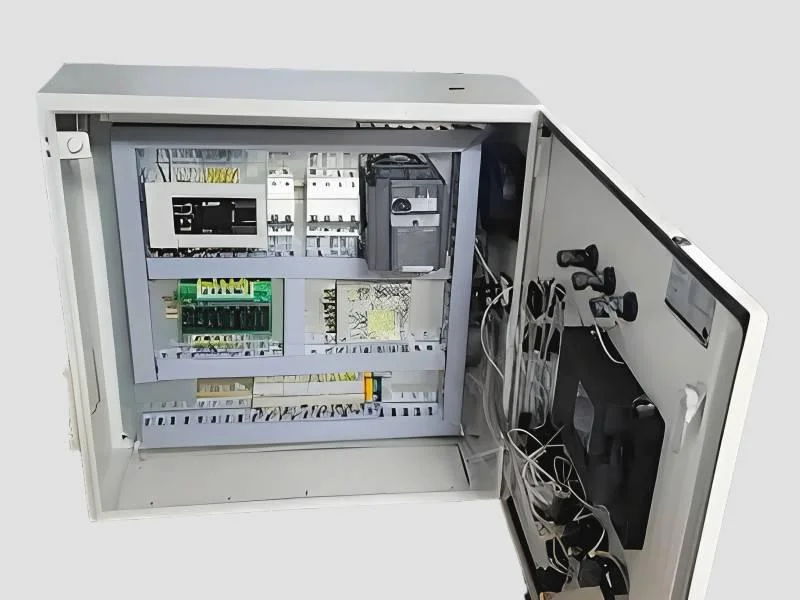
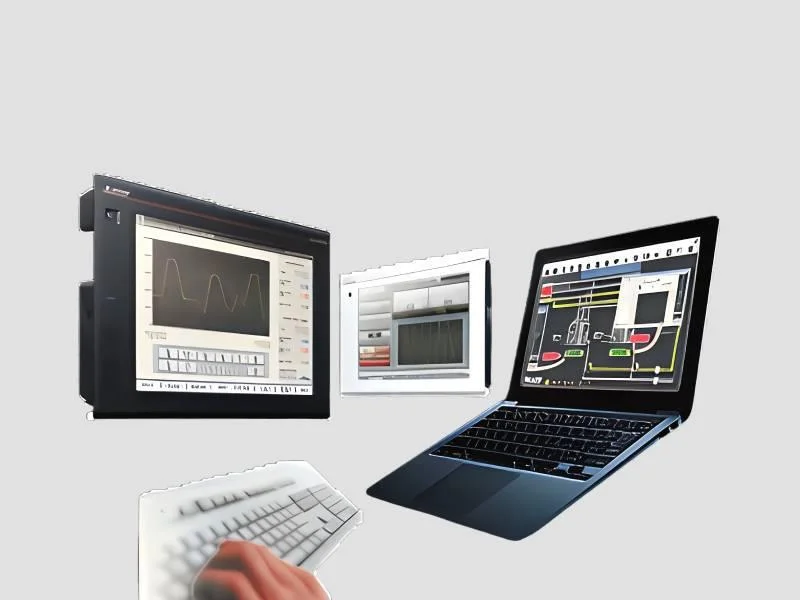
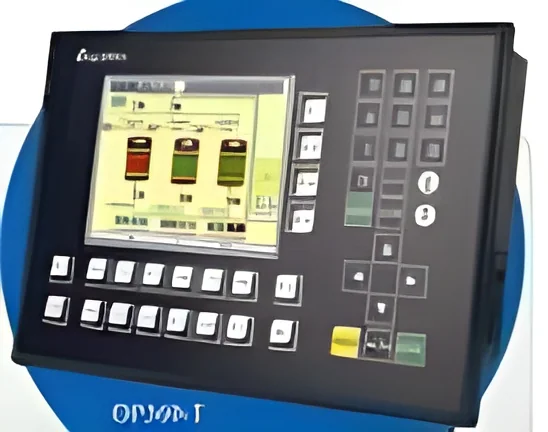
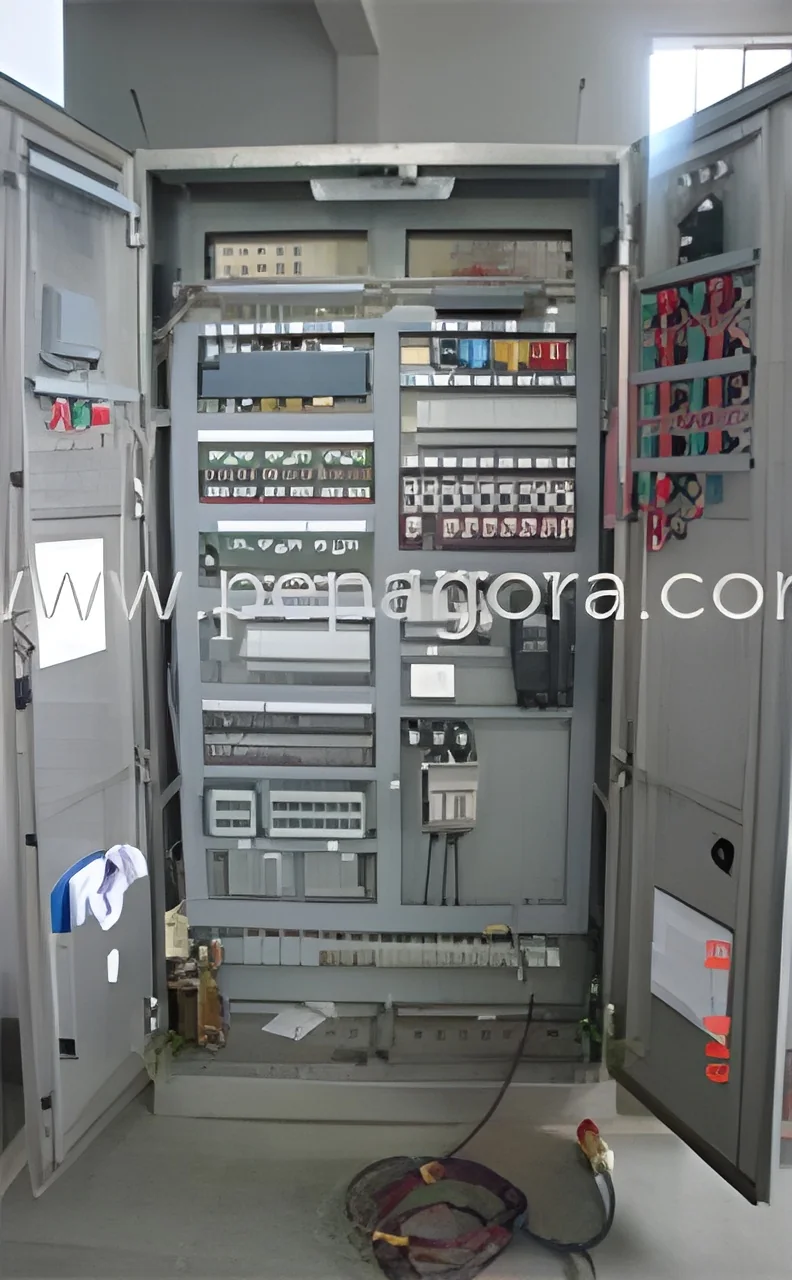
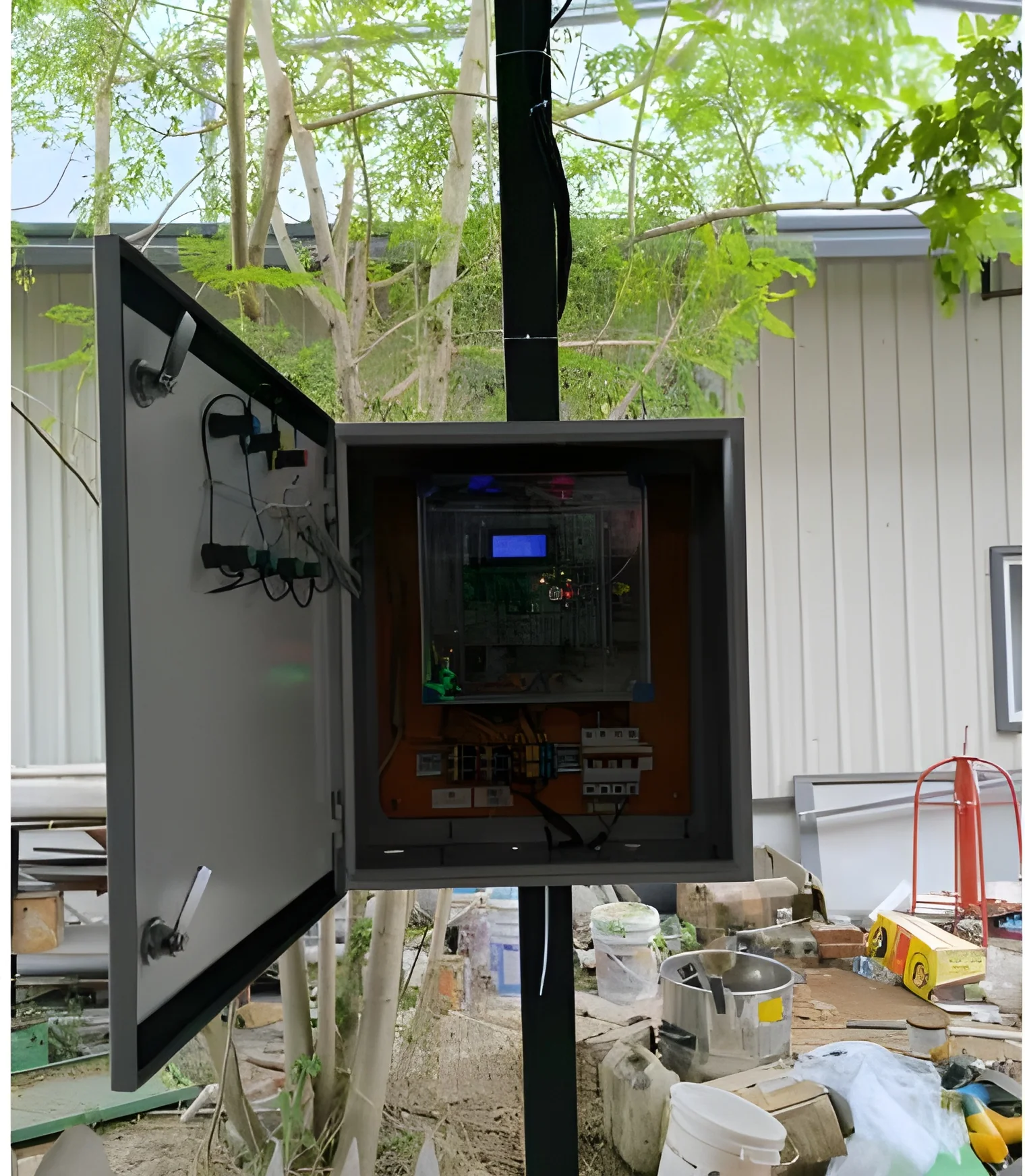
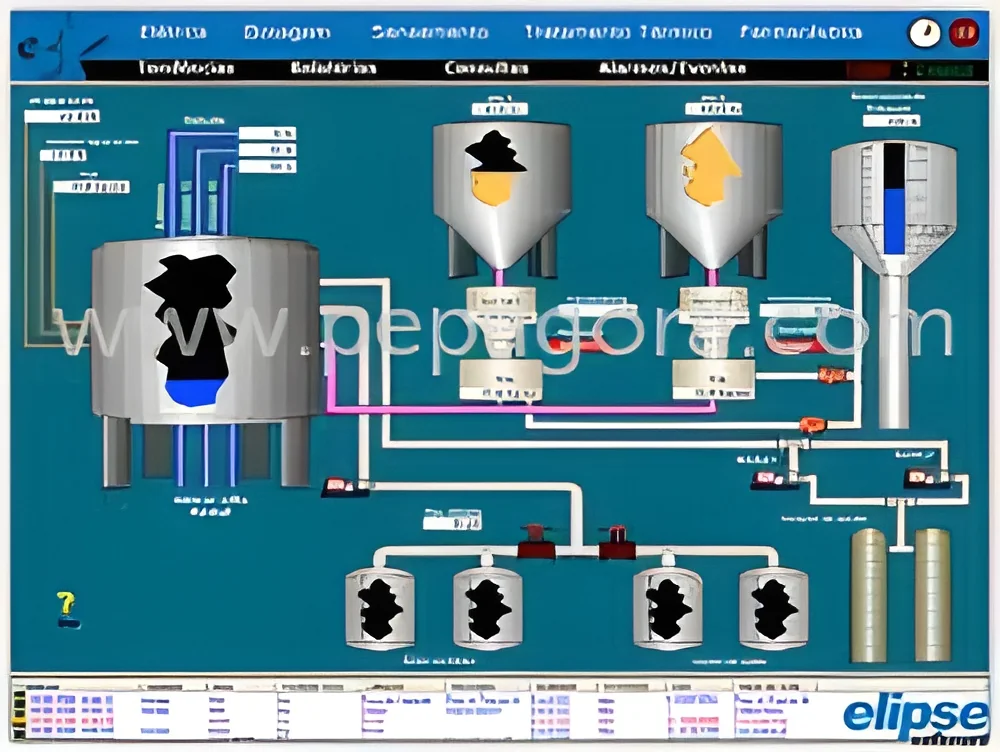
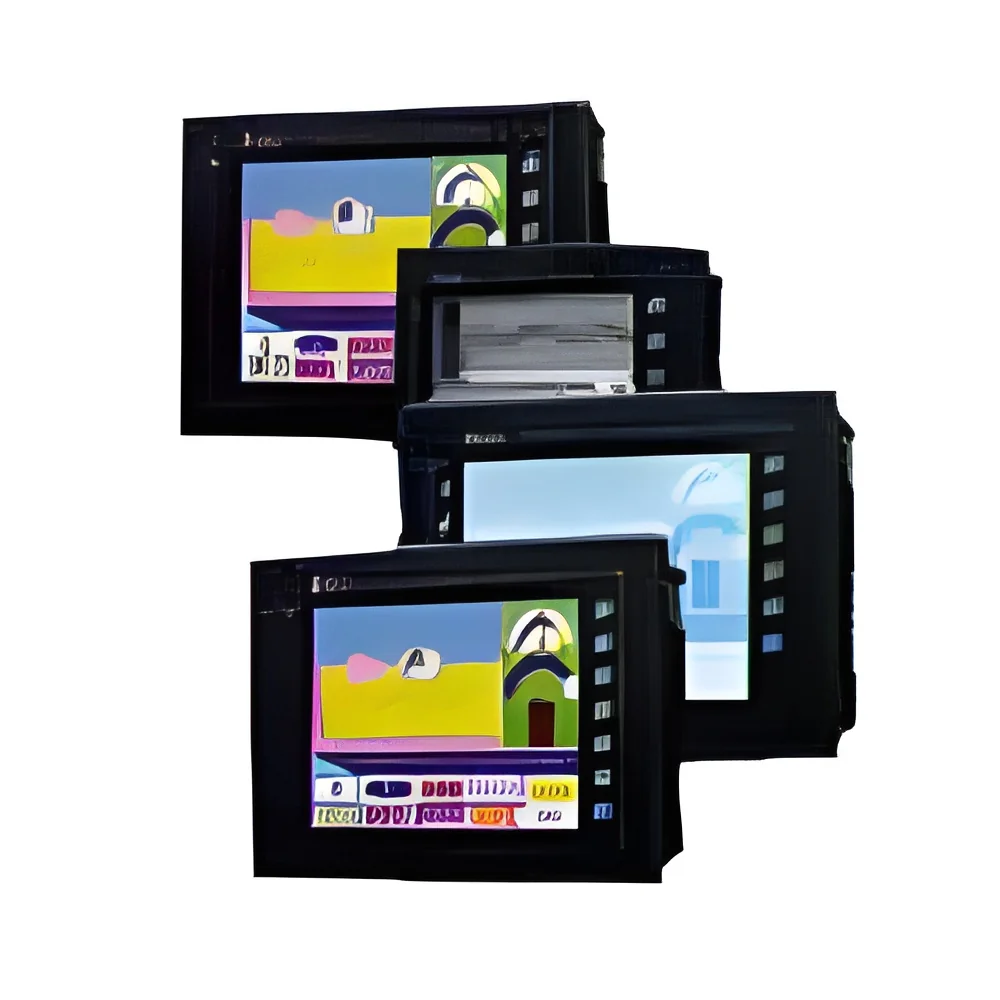
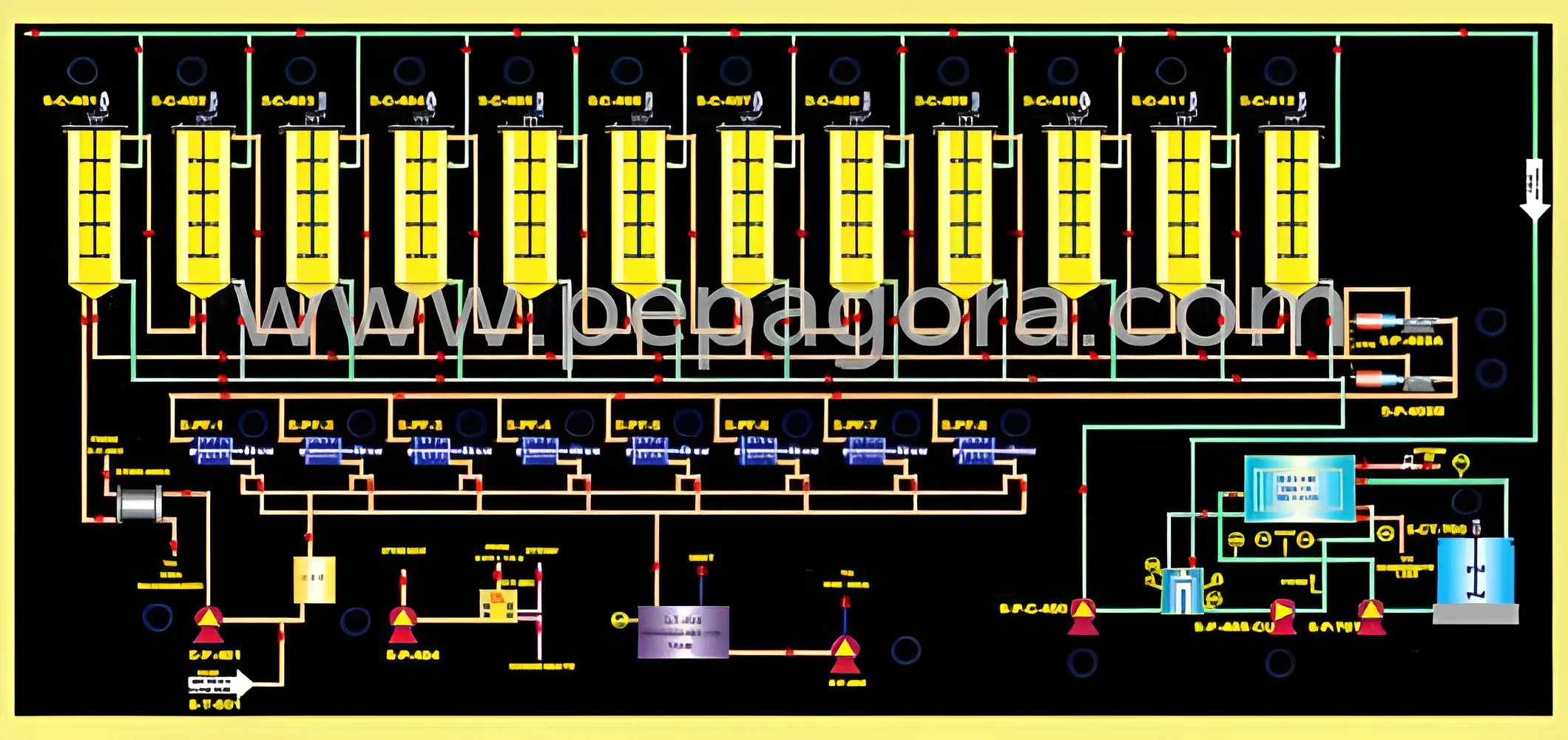
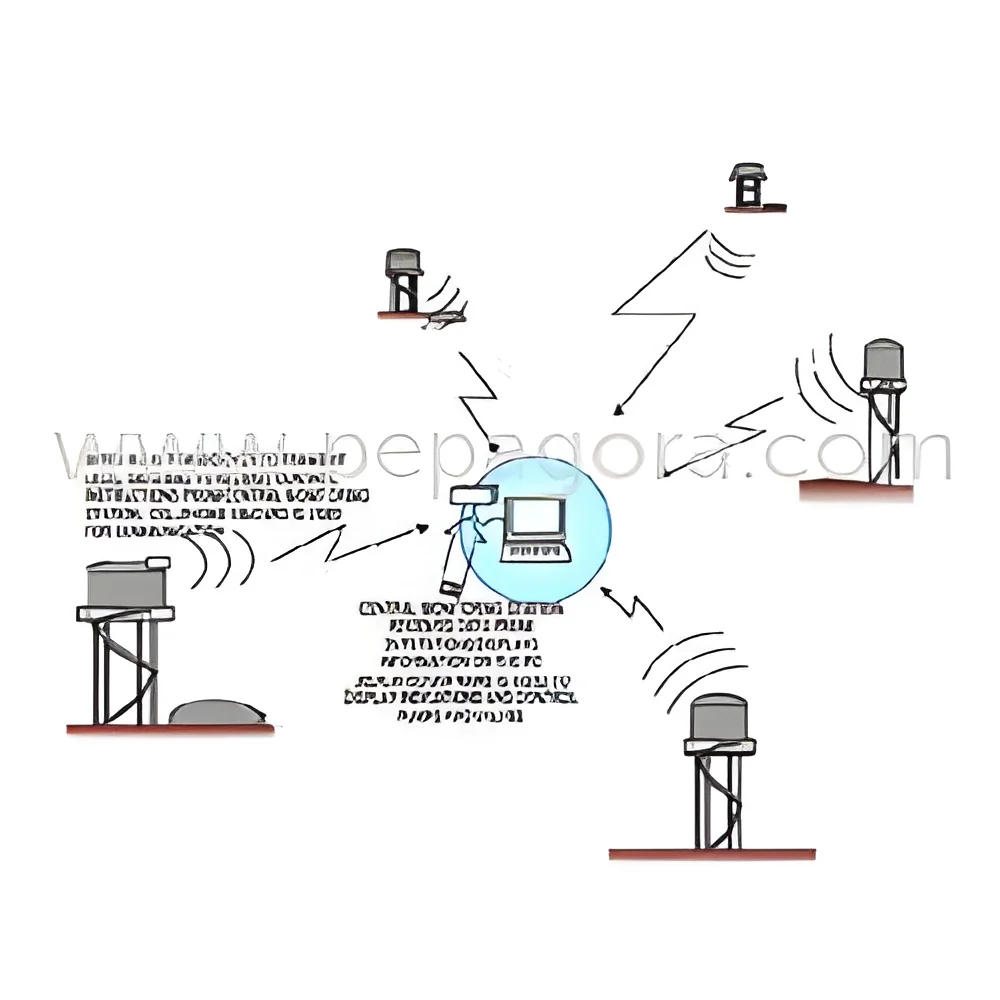
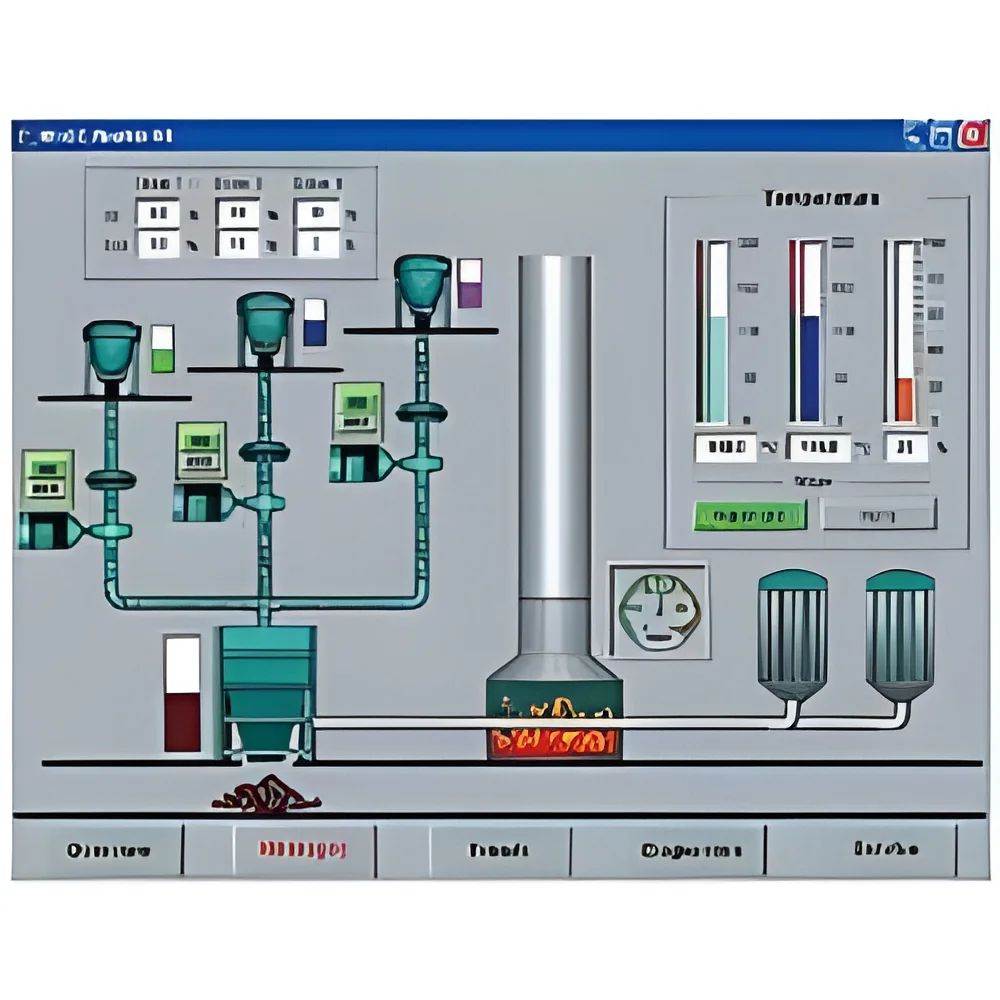
SCADA systems, or Supervisory Control and Data Acquisition systems, are crucial in industrial automation. They allow for the monitoring and control of industrial processes in real-time. SCADA systems collect data from various sensors and devices, enabling operators to visualize and manage operations efficiently. This technology integrates hardware and software components to facilitate the collection, analysis, and presentation of data.
SCADA systems are widely used in industries such as manufacturing, energy, water treatment, and transportation. They provide operators with the ability to monitor equipment performance, detect faults, and make data-driven decisions to enhance productivity. By streamlining operations and ensuring efficient resource management, these systems are vital for businesses aiming to improve operational efficiency and reduce downtime. As industries increasingly embrace automation, the relevance of SCADA systems continues to grow, driving advancements in technology and market expansion.
Key Features and Specifications
SCADA systems come equipped with numerous features that enhance their functionality and adaptability to diverse industrial applications. These features are designed to provide comprehensive monitoring and control in real-time, making them essential tools for various industries.
Key specifications include:
1. Data Acquisition
- Real-time collection of data from sensors and devices
- High-frequency sampling rates for accurate monitoring
2. User Interface
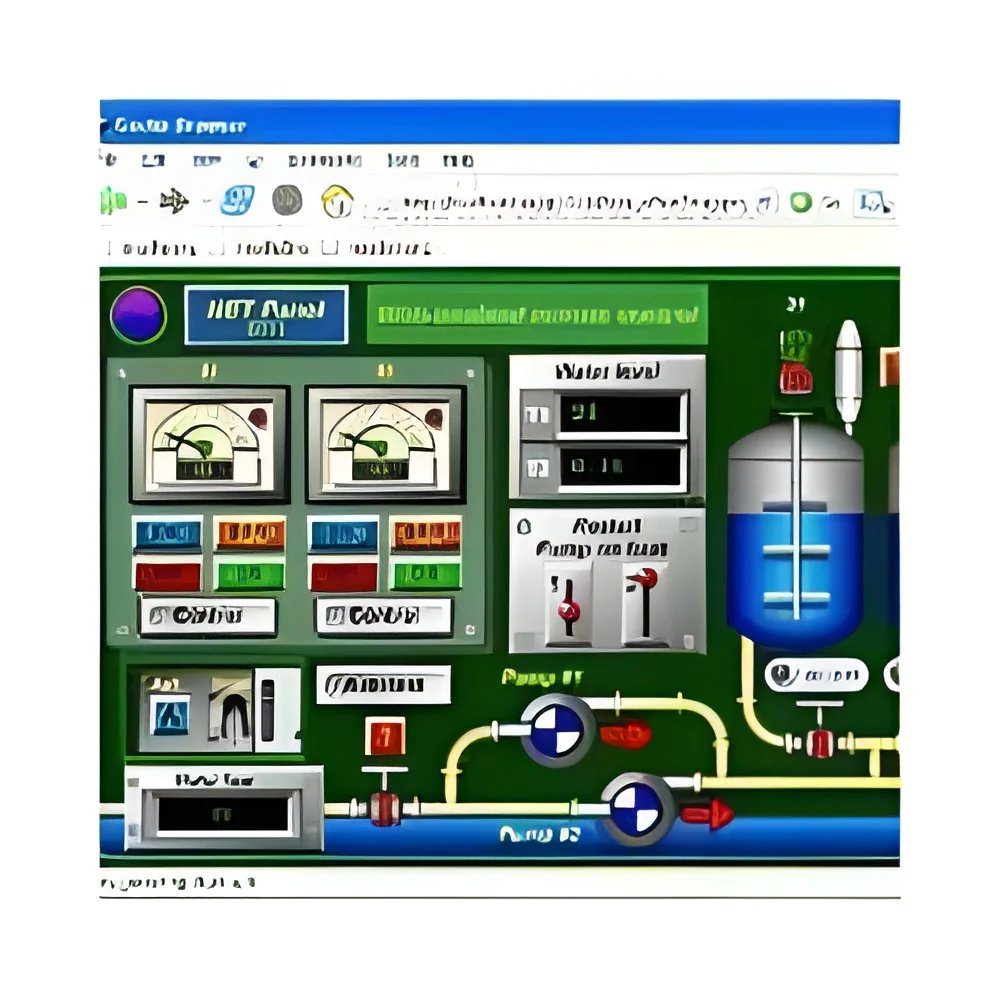
- Intuitive graphical displays for easy navigation
- Customizable dashboards for tailored user experience
3. Alarm Management
- Real-time alerts for system anomalies
- Configurable thresholds for proactive response
4. Reporting and Analytics
- Automated generation of operational reports
- Advanced analytics tools for performance optimization
5. Communication Protocols
- Support for multiple communication standards (e.g., Modbus, OPC)
- Compatibility with various devices and systems
6. Security Features
- Robust cybersecurity measures to protect data integrity
- User authentication and role-based access controls
7. Scalability
- Ability to expand the system as operational needs grow
- Integration capabilities with new devices and technologies
8. Historical Data Storage
- Long-term data retention for analysis and compliance
- Easy retrieval of historical performance data
In summary, SCADA systems are characterized by their comprehensive features and specifications, making them indispensable tools for modern industrial operations.
Common Applications and Use Cases
SCADA systems serve a multitude of industries, each benefiting from the capabilities these systems provide.
1. Water and Wastewater Management: SCADA systems monitor water levels, flow rates, and quality parameters in treatment plants, enabling efficient operations and timely responses to issues.
2. Oil and Gas: In this sector, SCADA systems are used for pipeline monitoring, leak detection, and remote management of drilling operations, ensuring safety and operational efficiency.
3. Manufacturing: SCADA systems help manufacturers track production processes, manage equipment performance, and enhance quality control, leading to improved productivity.
4. Energy Management: Utilities use SCADA systems to monitor electrical grids, manage load distribution, and ensure reliable energy delivery to consumers.
5. Transportation: SCADA systems manage traffic control, monitor transportation infrastructure, and ensure the safe operation of railways and highways.
6. Building Automation: In commercial buildings, SCADA systems control HVAC systems, lighting, and security, optimizing energy consumption and enhancing occupant comfort.
7. Food and Beverage: SCADA systems track production lines, monitor temperature and humidity, and ensure compliance with safety standards in food processing environments.
Product Variants and Subcategories
SCADA systems are diverse, allowing for customization to meet specific industry needs. While specific subcategories are not available, several variants can be highlighted.
Cloud-Based SCADA
Cloud-based SCADA systems offer remote access to data and control capabilities, enabling operators to monitor operations from anywhere. This variant is particularly beneficial for businesses with multiple locations.
On-Premises SCADA
On-premises SCADA systems are installed within a company's infrastructure, providing complete control over data and security. This variant is ideal for industries with strict compliance requirements.
Hybrid SCADA
Hybrid SCADA systems combine on-premises and cloud functionalities, allowing for flexibility in data management and operational control. This variant is suited for businesses looking to leverage the advantages of both environments.
Benefits and Advantages
SCADA systems present numerous benefits that enhance operational efficiency and decision-making.
Key benefits include:
1. Enhanced Monitoring: SCADA systems provide real-time monitoring of industrial processes, allowing for quick identification of issues and minimizing downtime.
2. Improved Decision-Making: With access to accurate data and analytics, operators can make informed decisions that optimize performance and resource allocation.
3. Increased Safety: Alarm management and real-time alerts help in detecting anomalies, reducing risks and ensuring worker safety.
4. Cost Savings: By improving efficiency and reducing energy consumption, SCADA systems lead to significant cost savings for businesses.
5. Regulatory Compliance: SCADA systems assist in maintaining compliance with industry regulations by providing accurate reporting and data management.
6. Scalability: Businesses can easily expand their SCADA systems to accommodate growth and changing operational needs.
Buying Guide for B2B Buyers
When sourcing SCADA systems, it is essential to consider various factors to ensure the right choice for your business.
1. Quality Assessment: Evaluate the quality of the SCADA system by reviewing product specifications, case studies, and customer feedback. A reliable system will have proven performance and durability.
2. Supplier Verification: Vet potential suppliers carefully. Look for verified suppliers with a track record in providing high-quality SCADA systems and excellent customer support.
3. Pricing and MOQ: Understand the pricing structure and minimum order quantities offered by suppliers. It is important to find a balance between cost and the features provided.
4. Delivery and Lead Times: Inquire about delivery schedules and lead times. Timely delivery is crucial for maintaining operational efficiency.
5. Compliance Requirements: Ensure that the SCADA system meets relevant industry compliance standards and certifications, which can be vital for regulatory adherence.
Compliance and Certifications
Compliance and certifications are critical for SCADA systems to ensure safety, quality, and regulatory adherence. Relevant quality standards, such as ISO 9001, govern the quality management processes of SCADA systems, ensuring that products meet consistent quality benchmarks.
Industry certifications, such as CE, signify that the SCADA systems comply with European safety, health, and environmental protection standards. These certifications are essential for businesses operating in regions requiring compliance with specific regulations.
Additionally, SCADA systems must meet safety and testing requirements to ensure reliable performance in industrial environments. Regional compliance considerations may vary, so it is important to understand the specific requirements applicable to your operational area.
Why Source SCADA Systems from Pepagora?
Pepagora offers a trusted platform for sourcing SCADA systems, providing multiple advantages for buyers in the industrial sector.
Verified Supplier Network: Pepagora features a network of verified suppliers, ensuring that buyers have access to reliable and high-quality SCADA systems. This network facilitates better supplier selection and reduces procurement risks.
Streamlined RFQ Process: The platform provides a streamlined request for quotation (RFQ) process, allowing buyers to obtain competitive quotes from multiple suppliers quickly. This efficiency helps in making informed purchasing decisions.
Trade Assurance and Support: Pepagora offers trade assurance and comprehensive support to buyers, ensuring that transactions are secure and that post-purchase assistance is readily available.
Regional Coverage: With a strong presence in markets like India, the GCC, and Southeast Asia, Pepagora provides access to a wide array of SCADA systems tailored to regional needs, ensuring that buyers find the right solutions for their specific requirements.

 IN
IN