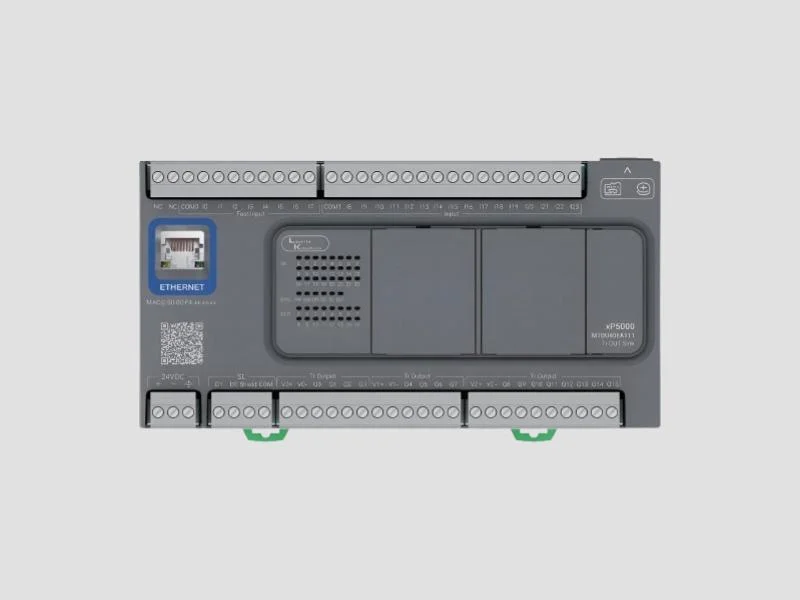
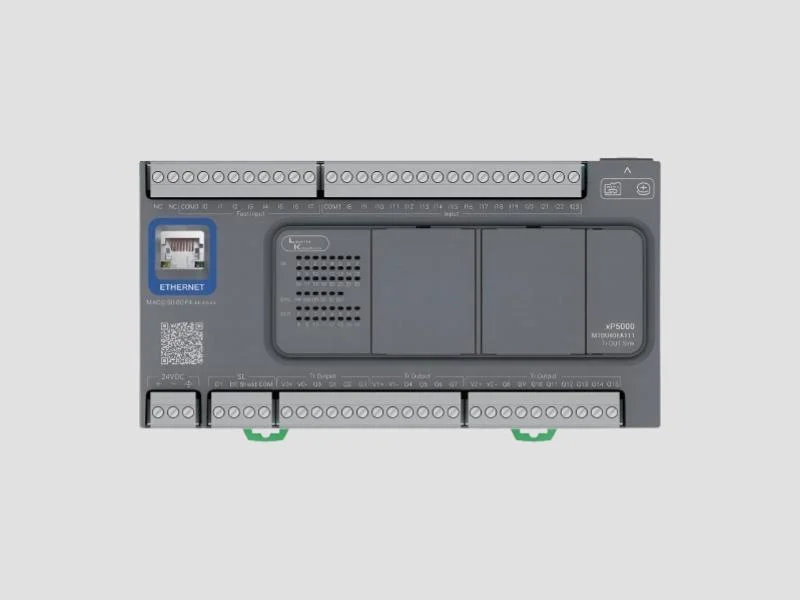
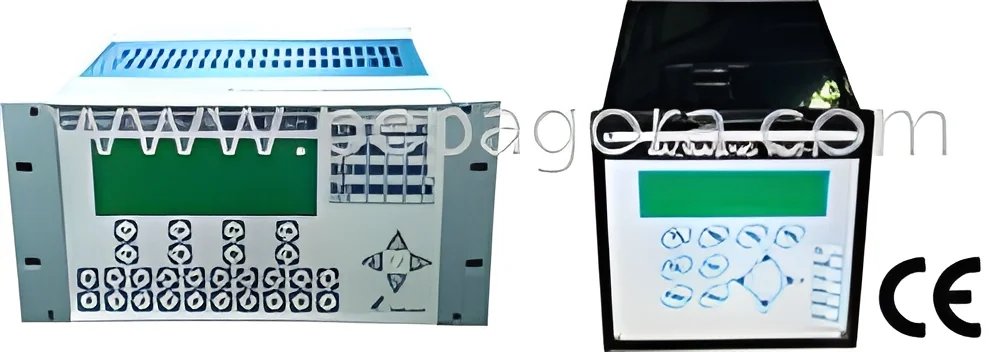
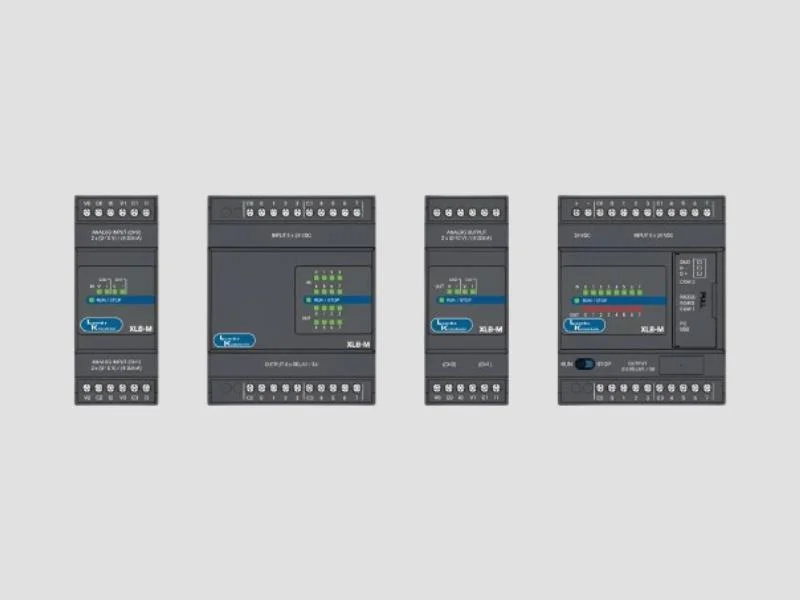
Key Features and Specifications
PLCs are equipped with various features and specifications that enhance their functionality and versatility. These specifications are essential for businesses to evaluate when selecting a suitable PLC for their applications.
Key specifications include:
1. Input/Output Channels
- Determines the number of devices that can be connected.
- Ranges from a few to several hundred channels depending on the model.
2. Processing Speed
- Refers to the time taken to execute instructions.
- Typically ranges from milliseconds to microseconds per instruction cycle.
3. Memory Capacity
- Indicates the amount of program and data storage.
- Can range from several kilobytes to several megabytes.
4. Communication Protocols
- Supports various protocols for device communication.
- Common protocols include Ethernet, Modbus, and Profibus.
5. Expansion Capability
- Ability to add modules for increased functionality.
- Offers flexibility for future upgrades or changes in application.
6. Environmental Ratings
- Specifies operational conditions like temperature and humidity.
- Often rated for industrial environments, ensuring durability and reliability.
7. Power Supply Options
- Availability of different power supply requirements.
- Can operate on AC or DC power depending on the model.
8. Programming Languages
- Supports multiple programming languages such as Ladder Logic, Structured Text, and Function Block Diagram.
- Enables customized programming for specific applications.
In summary, understanding these key specifications helps businesses choose the right PLC to meet their unique automation needs.
Common Applications and Use Cases
PLCs are utilized across a wide range of industries, reflecting their versatility and importance in industrial automation.
1. Manufacturing: PLCs are widely used to control machinery on assembly lines, ensuring synchronized operations and high efficiency in production processes.
2. Food and Beverage: In this industry, PLCs manage processes such as mixing, packaging, and quality control, helping maintain consistent product quality and compliance with safety standards.
3. Automotive: PLCs play a crucial role in automotive assembly, controlling robotic arms and conveyor systems to streamline vehicle production.
4. Oil and Gas: They are deployed to monitor and control drilling operations, pipeline management, and safety systems, ensuring efficient and safe extraction processes.
5. Pharmaceuticals: PLCs are essential in monitoring production and packaging lines, ensuring adherence to strict regulatory compliance in drug manufacturing.
6. Water Treatment: In this sector, PLCs control pumps and valves, optimizing water flow and ensuring effective treatment processes.
7. HVAC Systems: PLCs manage heating, ventilation, and air conditioning systems, providing efficient climate control in commercial and industrial buildings.
Product Variants and Subcategories
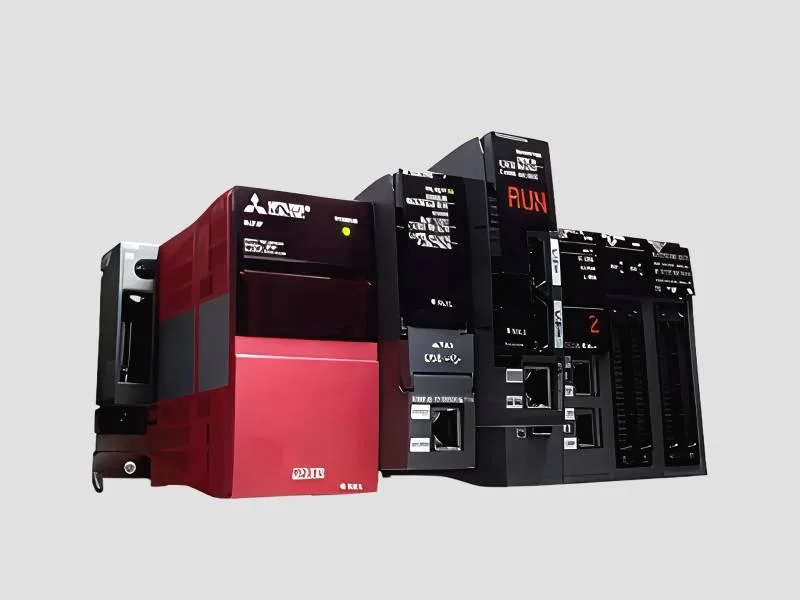
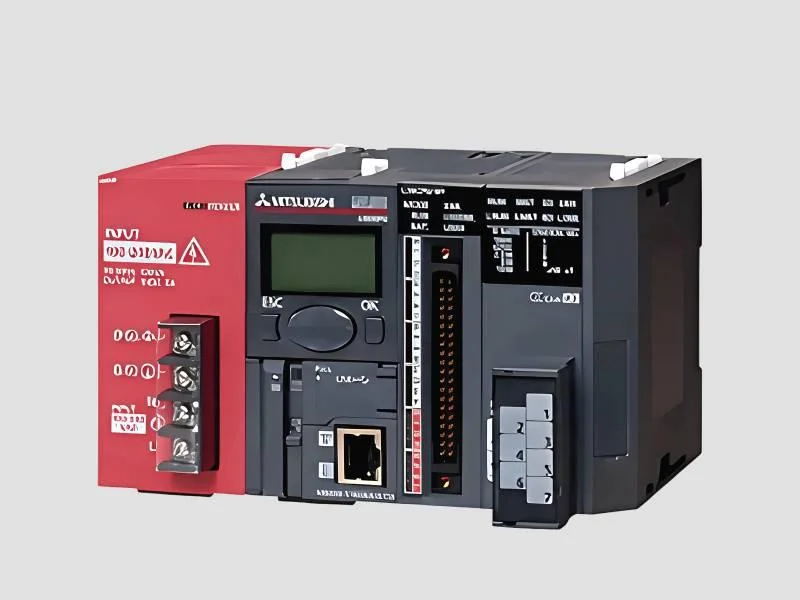
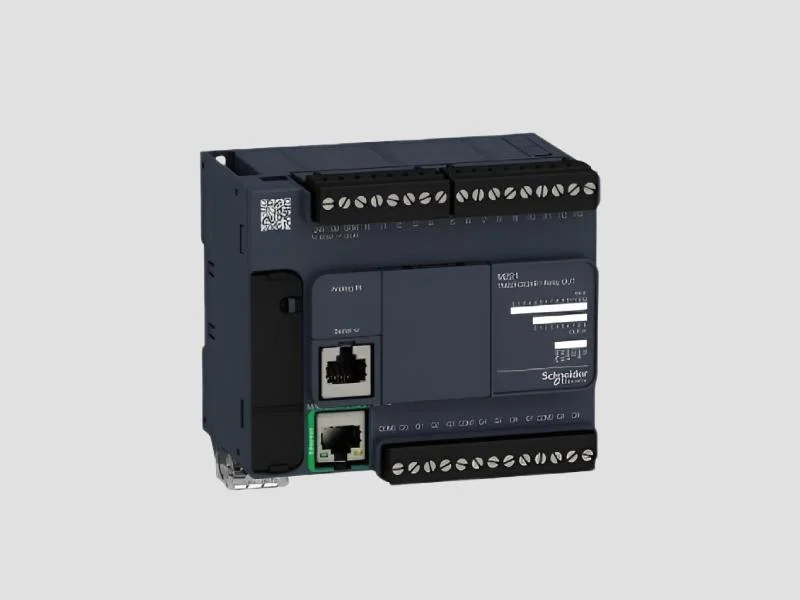
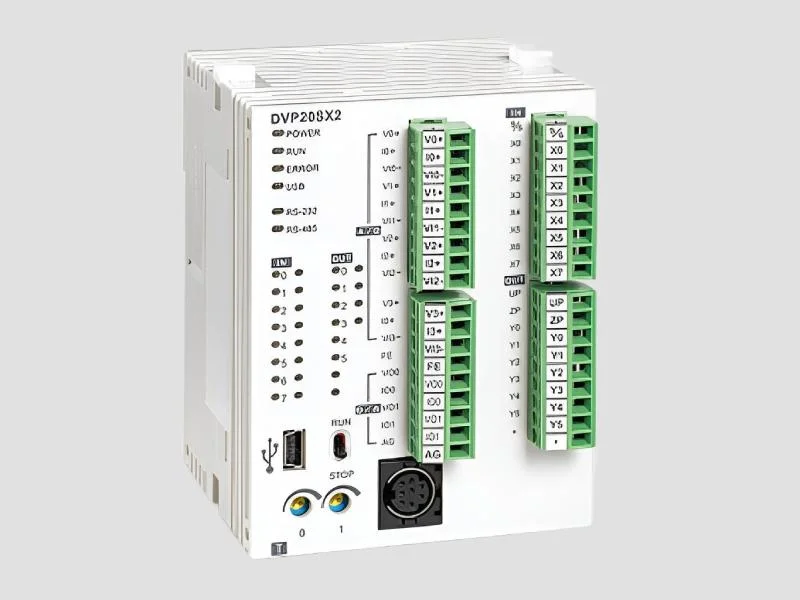
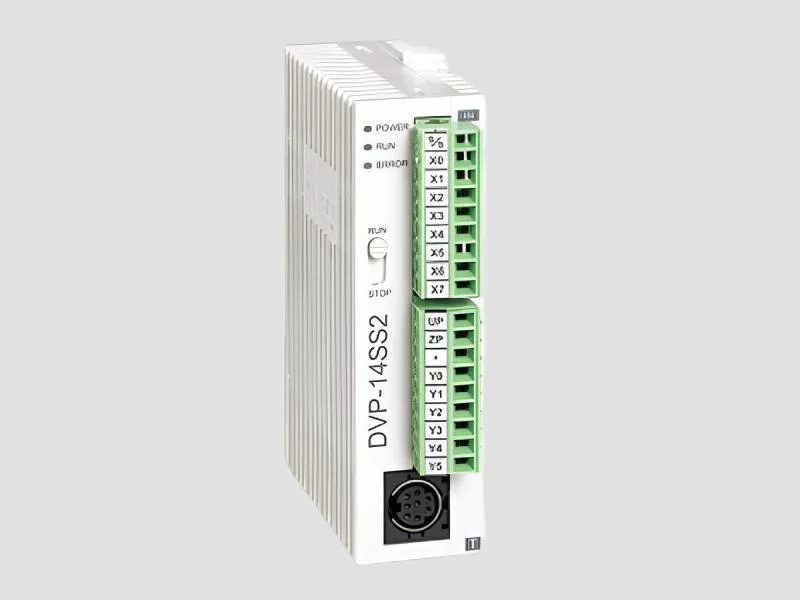
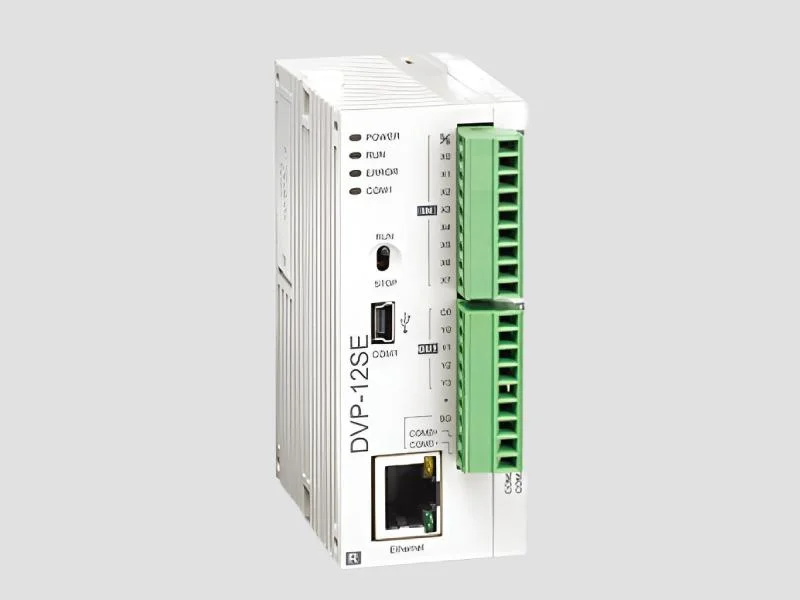
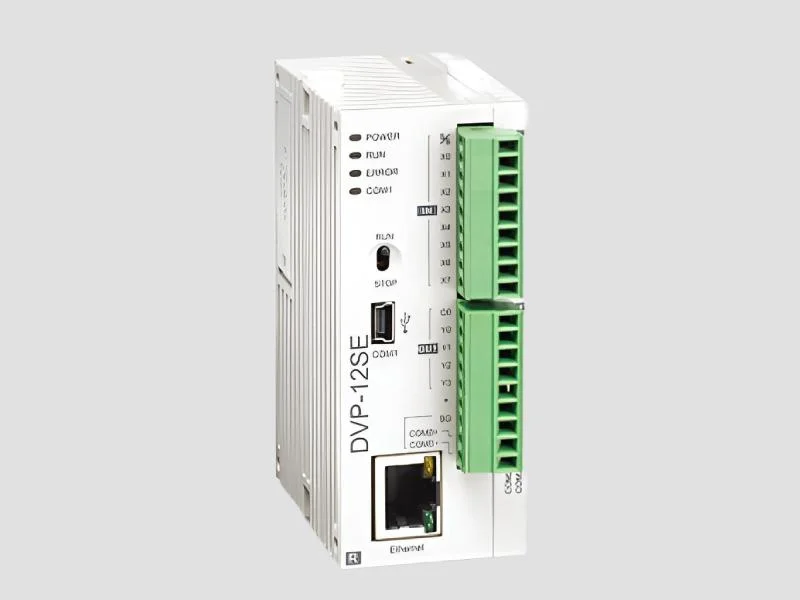
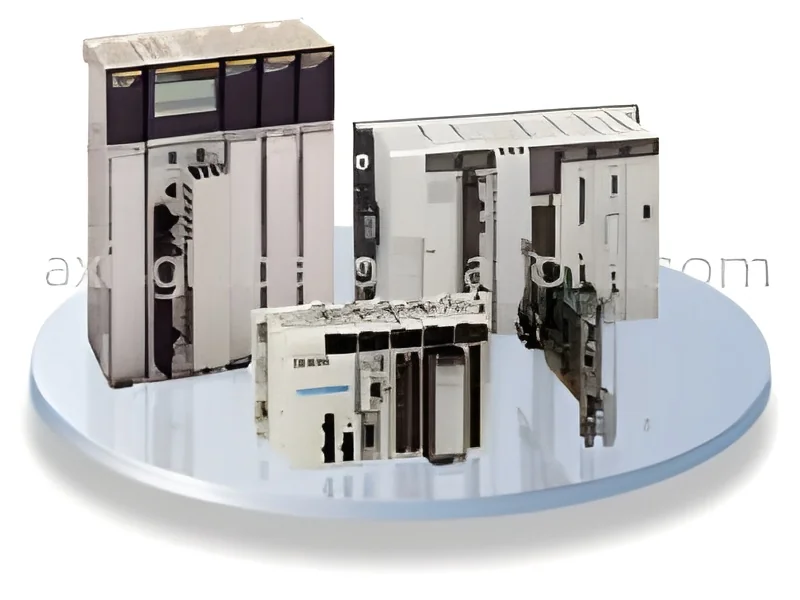
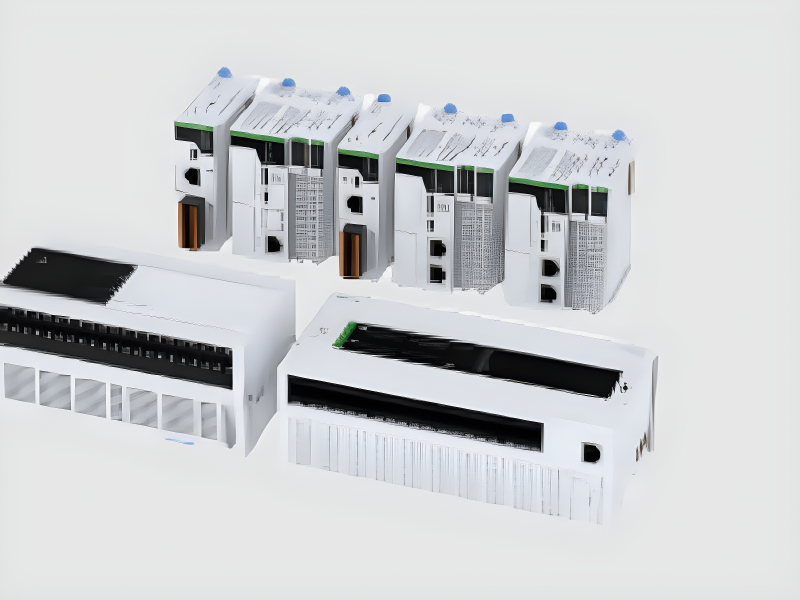
Programmable Logic Controllers (PLCs) come in diverse variants tailored to different industrial needs and environments.
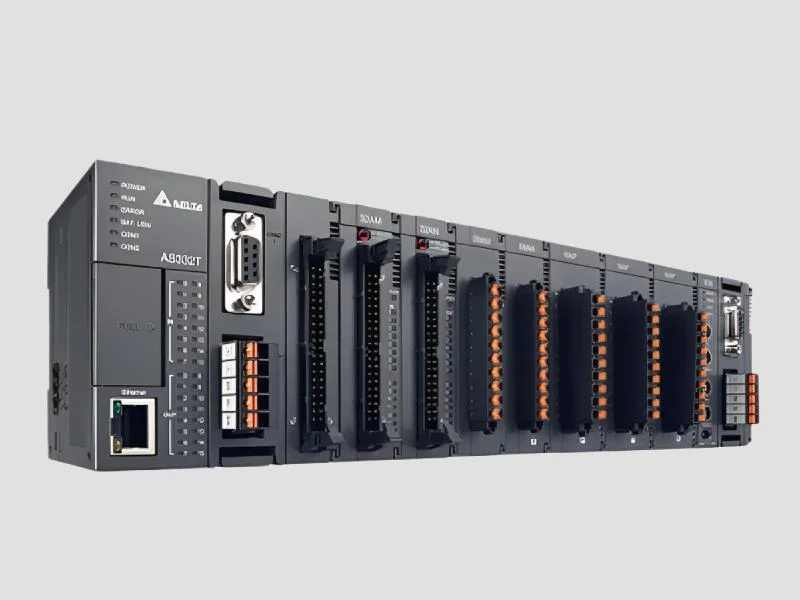
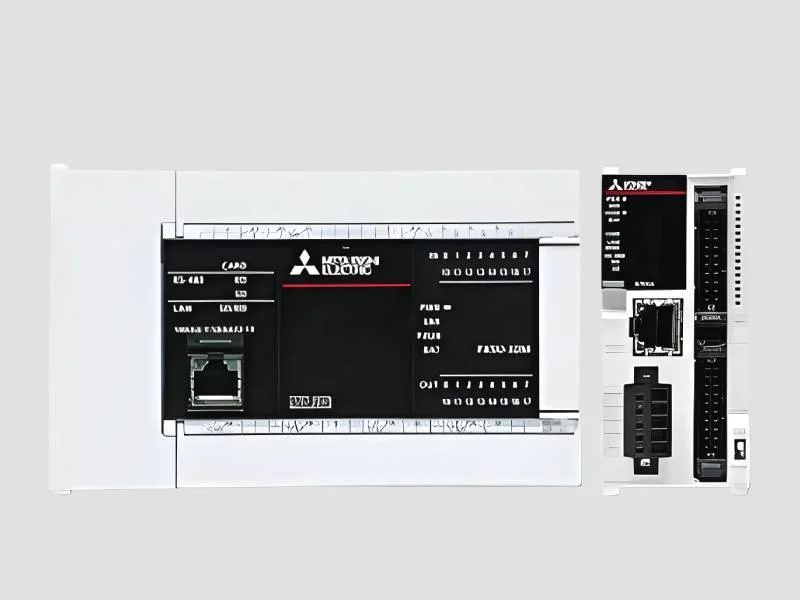
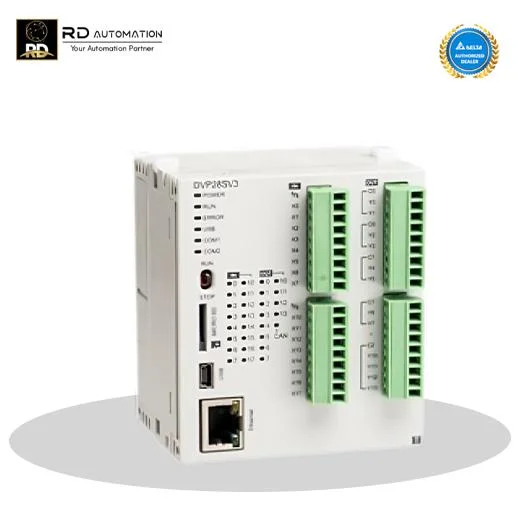
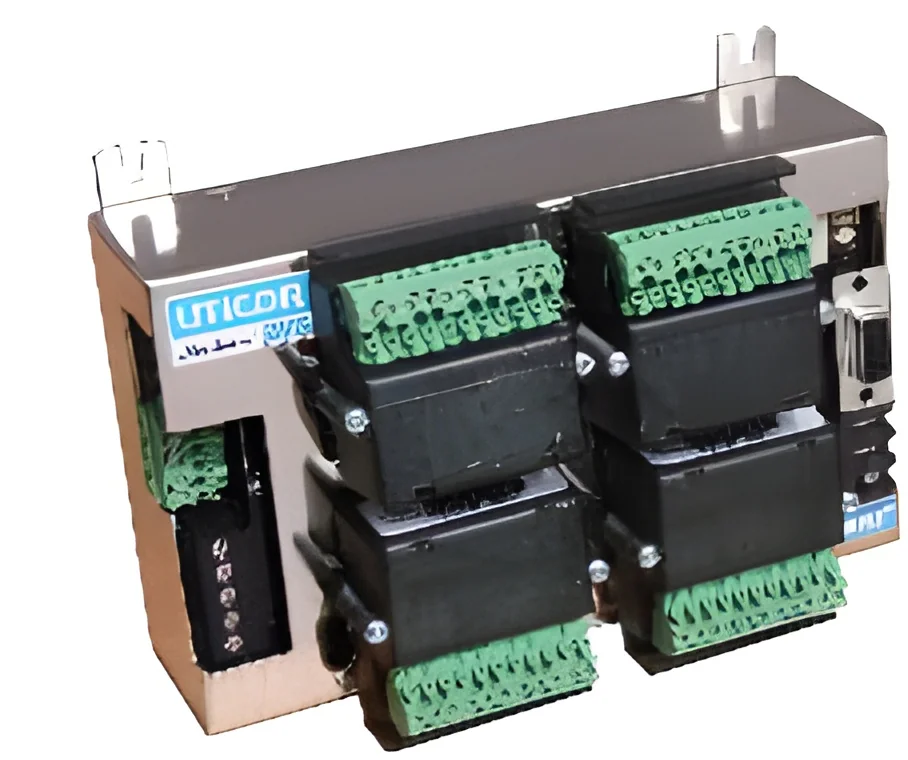
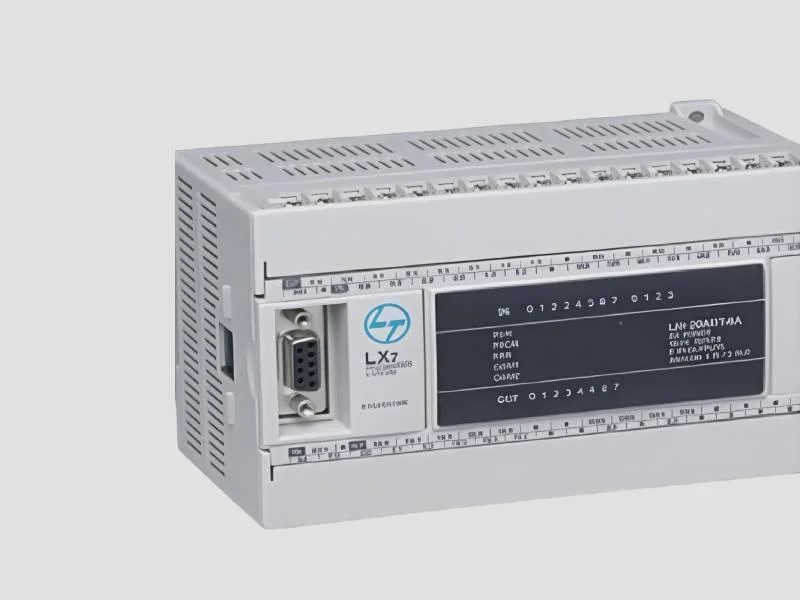
Compact PLCs
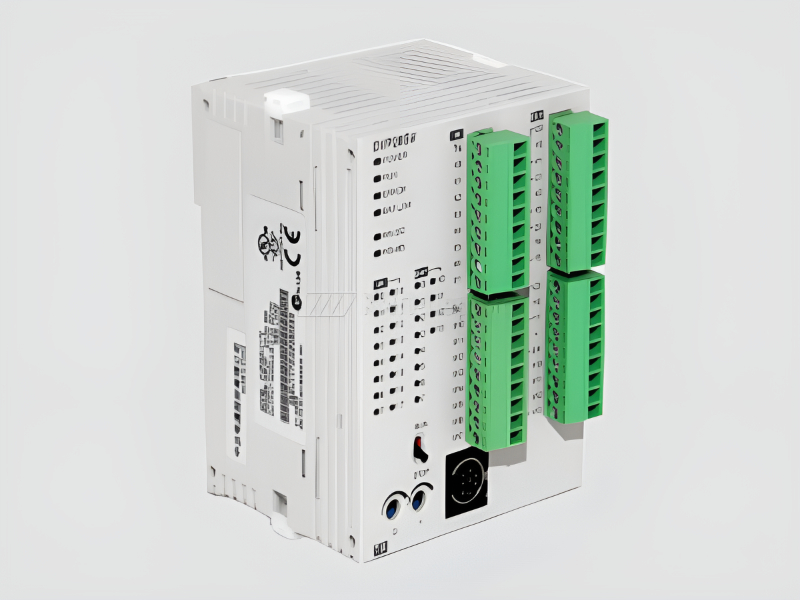
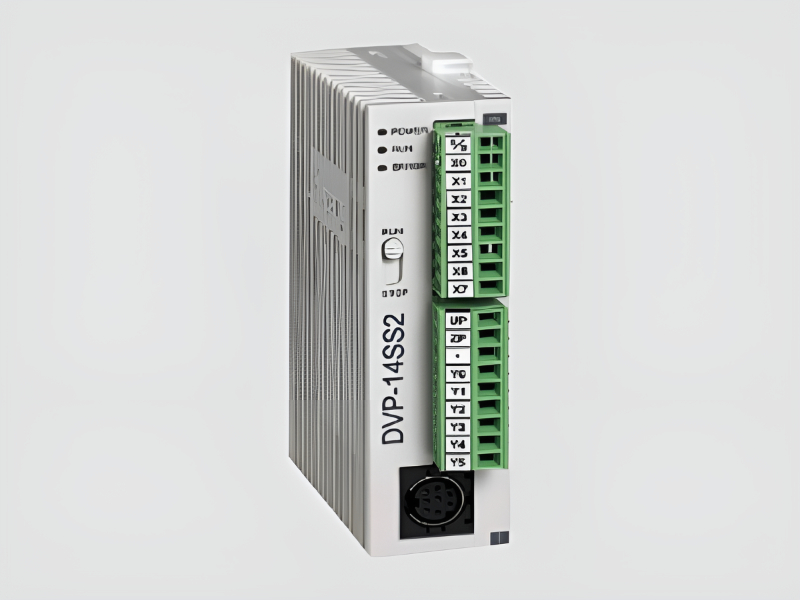
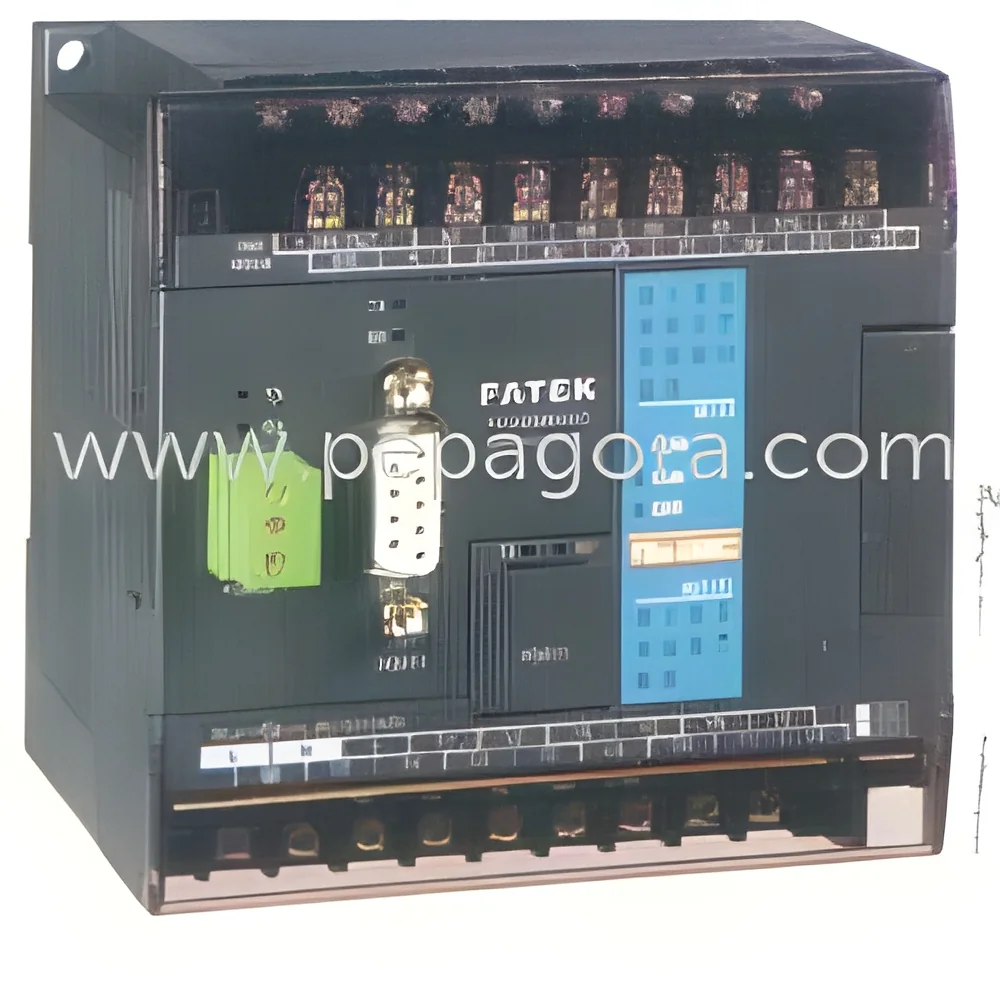
These are smaller, cost-effective units designed for simple automation tasks. They are ideal for small-scale applications where space is limited and basic control is sufficient.
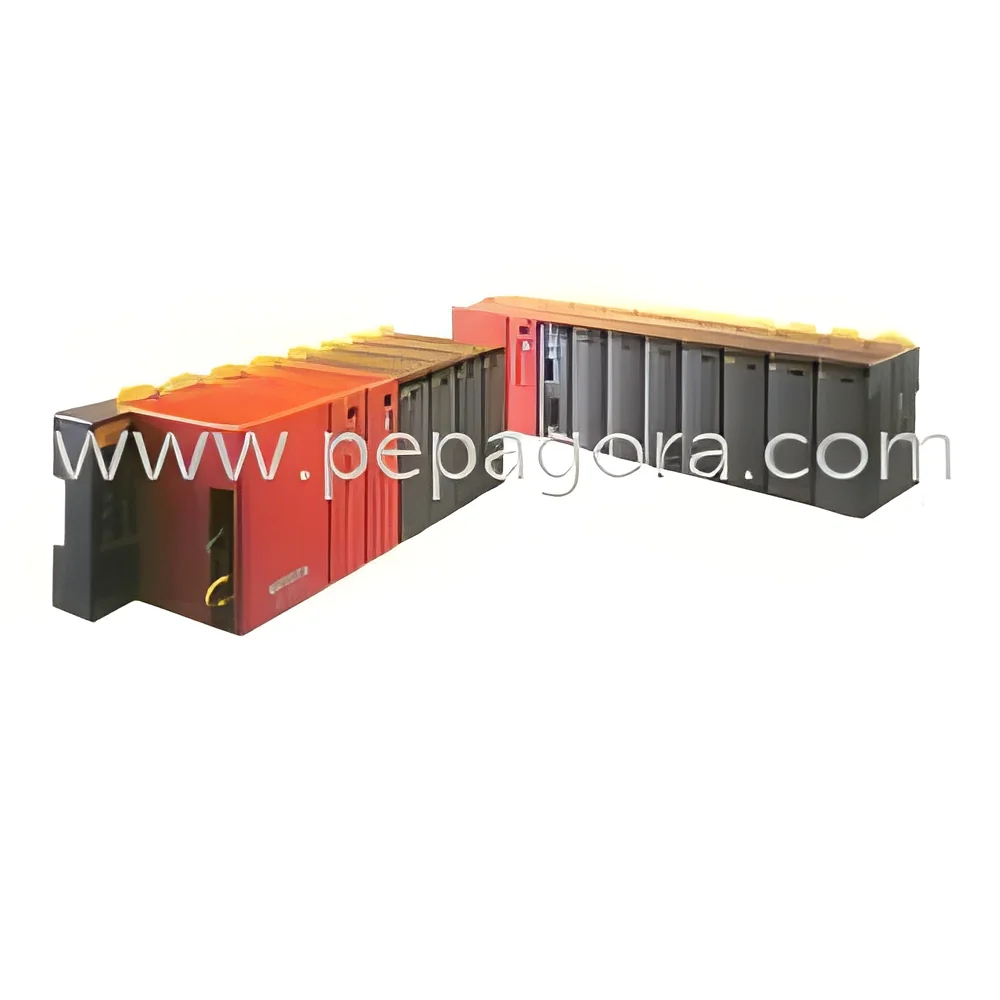
Modular PLCs
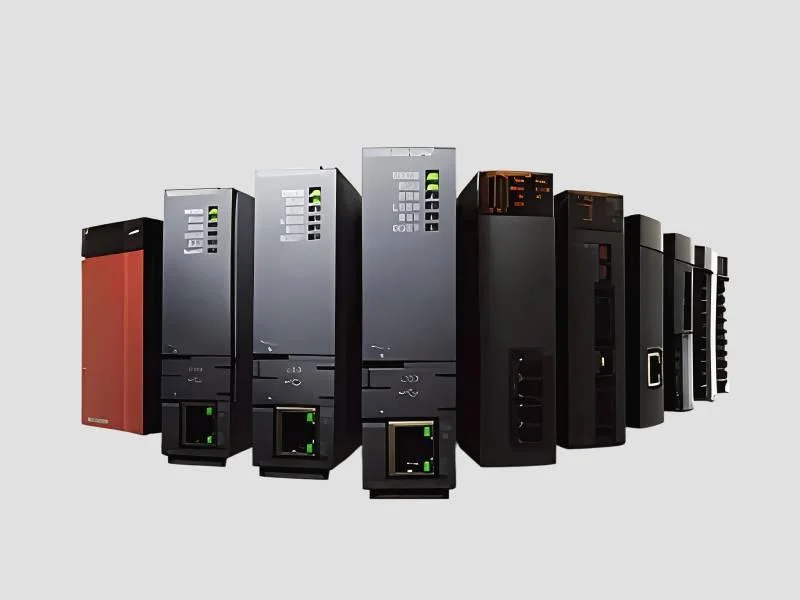
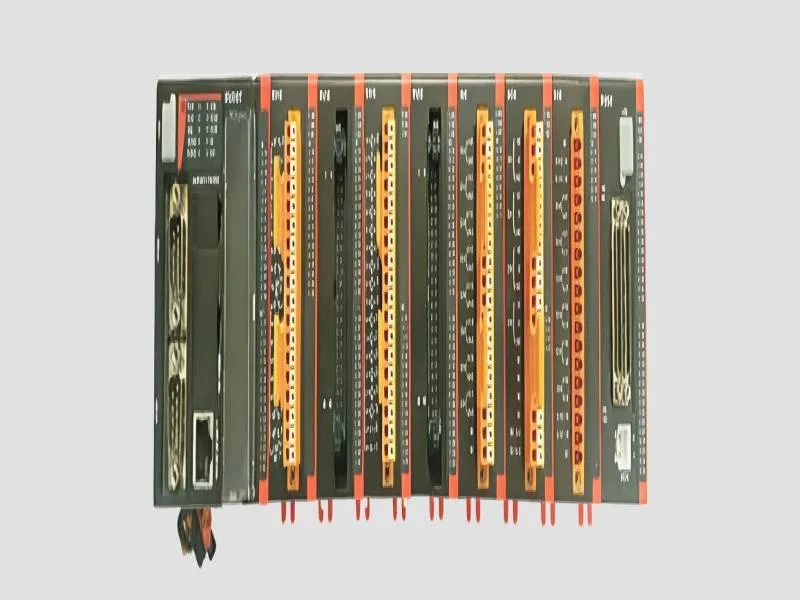
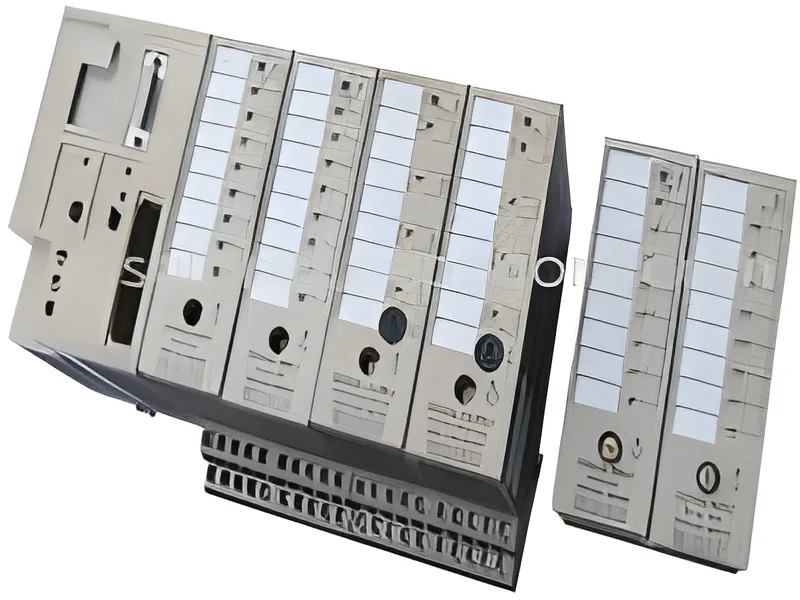
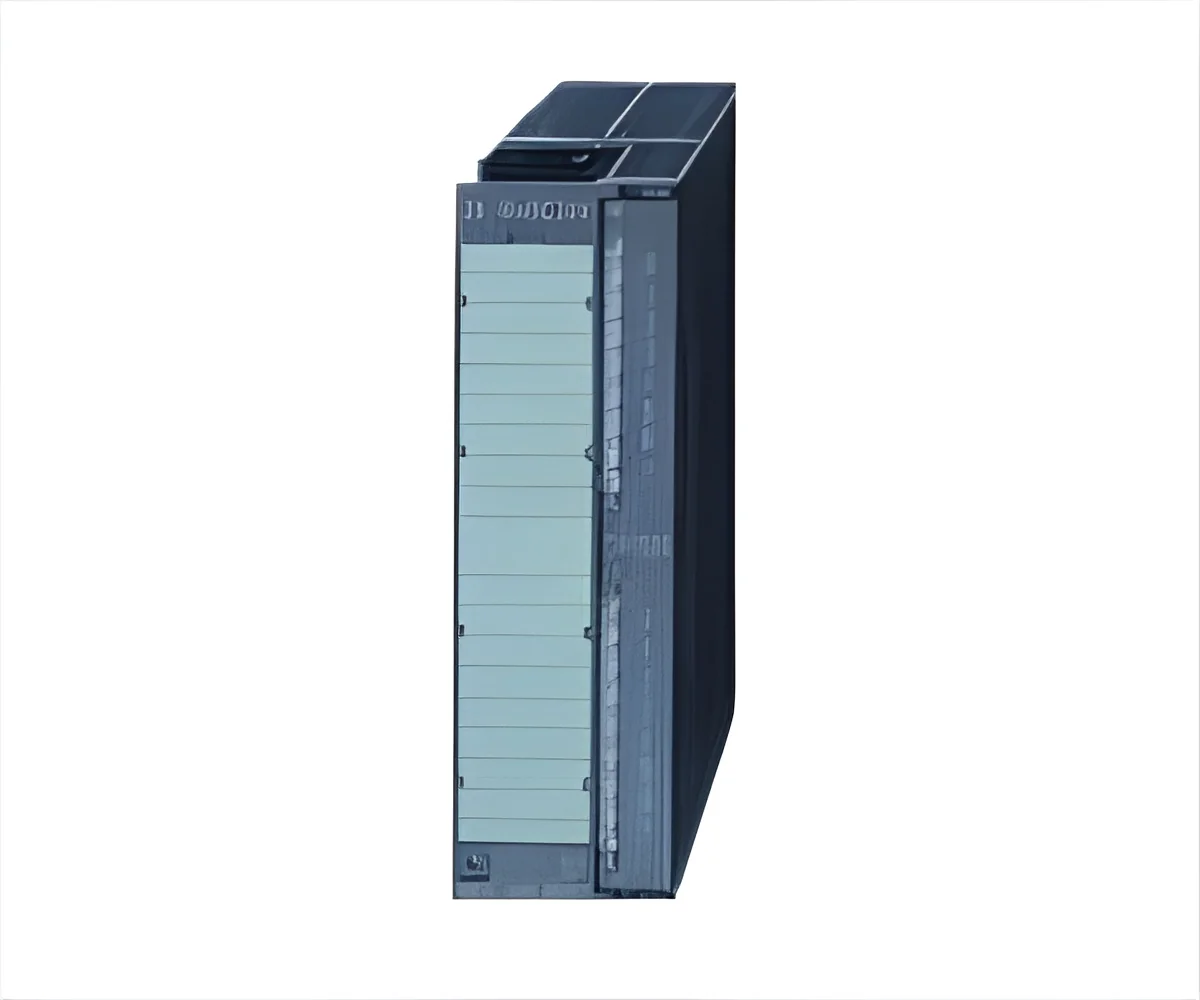
Modular PLCs offer flexibility through expandable components, allowing businesses to customize their systems to meet specific operational requirements. They are suited for complex applications that require extensive input/output management.
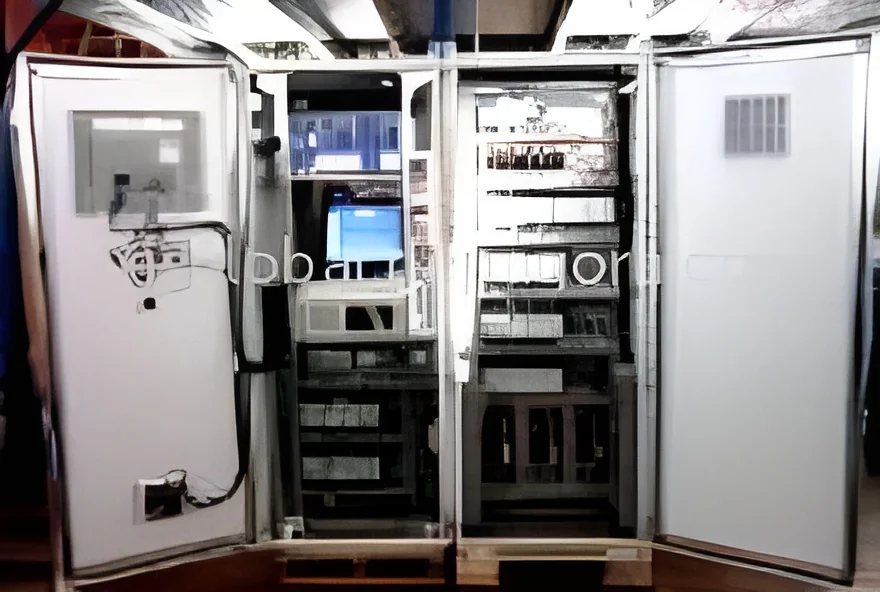
Distributed Control Systems (DCS)
DCS are advanced PLC systems used for large-scale operations. They provide centralized control over multiple processes across various locations, making them ideal for industries such as oil and gas or chemical processing.
Benefits and Advantages
Investing in Programmable Logic Controllers (PLCs) provides numerous benefits to businesses seeking automation solutions.
1. Increased Efficiency: PLCs streamline operations by automating repetitive tasks, reducing the need for manual intervention and increasing overall productivity.
2. Improved Accuracy: With programmable logic, PLCs minimize human error, ensuring precise control over processes and enhancing product quality.
3. Flexibility: PLCs can be reprogrammed to accommodate changes in production processes, allowing businesses to adapt quickly to market demands.
4. Real-Time Monitoring: PLCs enable constant monitoring of processes, providing immediate feedback and facilitating prompt decision-making.
5. Cost Savings: By improving efficiency and reducing downtime, PLCs can lead to significant cost savings in labor and operational expenses.
6. Enhanced Safety: PLCs can incorporate safety features that monitor equipment status, reducing the risk of accidents and ensuring a safer working environment.
Buying Guide for B2B Buyers
When sourcing Programmable Logic Controllers (PLCs), it is crucial for B2B buyers to consider several factors to ensure they select the most appropriate solution.
1. Quality Assessment: Evaluate the quality of the PLC based on the manufacturer’s reputation and compliance with industry standards. Look for certifications that demonstrate reliability.
2. Supplier Verification: Vet potential suppliers by reviewing their track record, customer testimonials, and industry presence. Ensure they have a history of providing quality products and support.
3. Pricing and MOQ: Analyze the pricing structure and minimum order quantities (MOQ) offered by suppliers. Consider total cost of ownership and budget constraints when making decisions.
4. Delivery and Lead Times: Understand the logistics involved in sourcing PLCs, including lead times for delivery. Timely procurement is essential to avoid production delays.
5. Compliance Requirements: Be aware of any regulatory compliance needed for the specific industry. Ensure that the PLCs meet necessary standards for safety and operation.
Compliance and Certifications
Programmable Logic Controllers (PLCs) must adhere to various compliance standards and certifications that ensure their reliability and safety in industrial applications.
ISO 9001 is a fundamental quality management standard that many PLC manufacturers comply with, demonstrating their commitment to quality assurance and continuous improvement processes.
CE certification indicates that the PLCs meet European Union safety, health, and environmental protection standards. This certification is crucial for ensuring that products are safe for use in various industrial applications.
Safety and testing requirements vary by industry but often include rigorous testing to ensure that PLCs can operate safely in demanding environments. Manufacturers should provide documentation that outlines adherence to these safety protocols.
Regional compliance considerations are vital for businesses operating in multiple markets. Ensure that the PLCs selected meet local regulations and standards for operation, as failure to comply can result in legal and operational challenges.
Why Source Programmable Logic Controllers (PLCs) from Pepagora?
Pepagora offers a reliable platform for sourcing Programmable Logic Controllers (PLCs), providing B2B buyers with several key advantages.
Verified Supplier Network: Pepagora connects buyers with a network of verified suppliers, ensuring that all listed products meet high standards of quality and reliability. This reduces the risk of sourcing from unverified manufacturers.
Streamlined RFQ Process: The platform simplifies the request for quotation (RFQ) process, allowing buyers to easily compare multiple suppliers and make informed decisions based on price and product specifications.
Trade Assurance and Support: Pepagora provides trade assurance, ensuring that buyers are protected throughout the sourcing process. This includes support for any potential disputes, enhancing buyer confidence.
Regional Coverage: With a strong presence in India, the GCC, and Southeast Asia, Pepagora offers extensive regional coverage. This allows businesses to access a broad range of suppliers and products tailored to their specific needs and market conditions.

 IN
IN