
 IN
INDistributed Control Systems (DCS)
24 products available
Key Features and Specifications
Common Applications and Use Cases
Product Variants and Subcategories
Benefits and Advantages
Buying Guide for B2B Buyers
Compliance and Certifications


Frequently Asked Questions
What are Distributed Control Systems (DCS)?
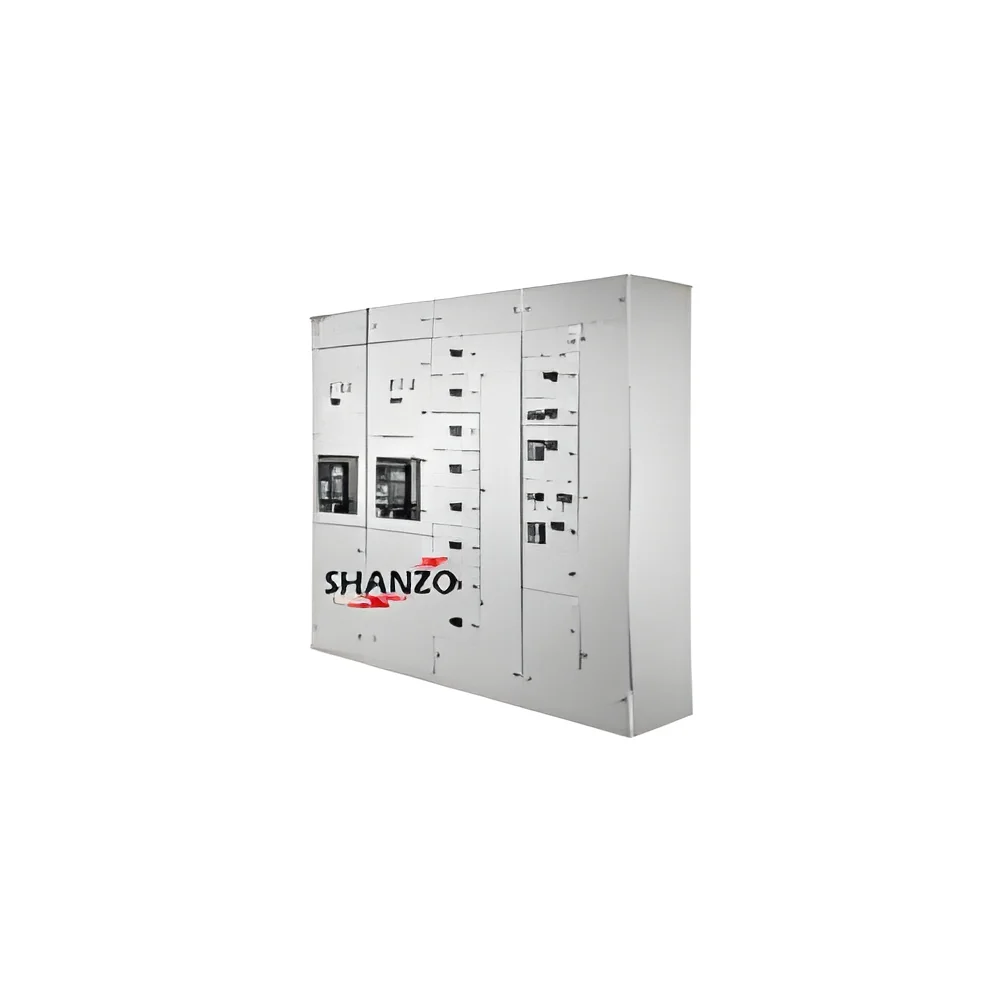
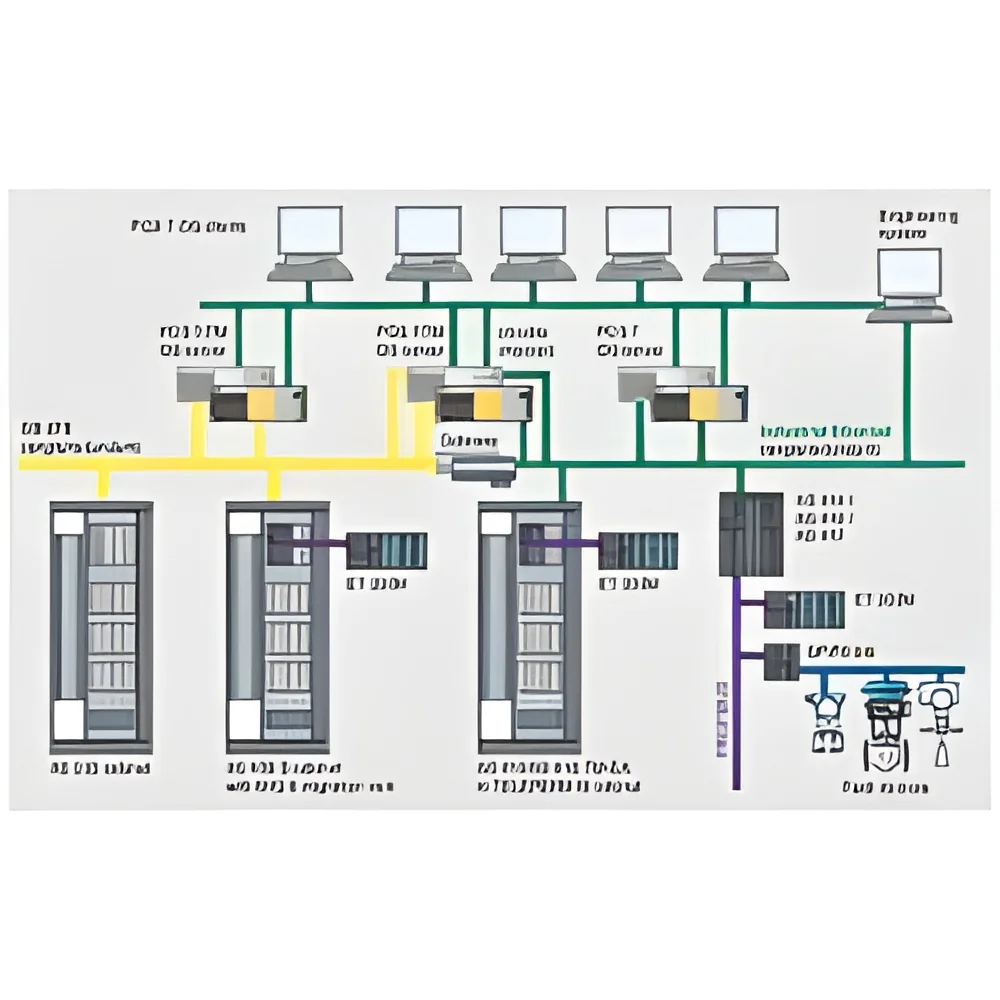
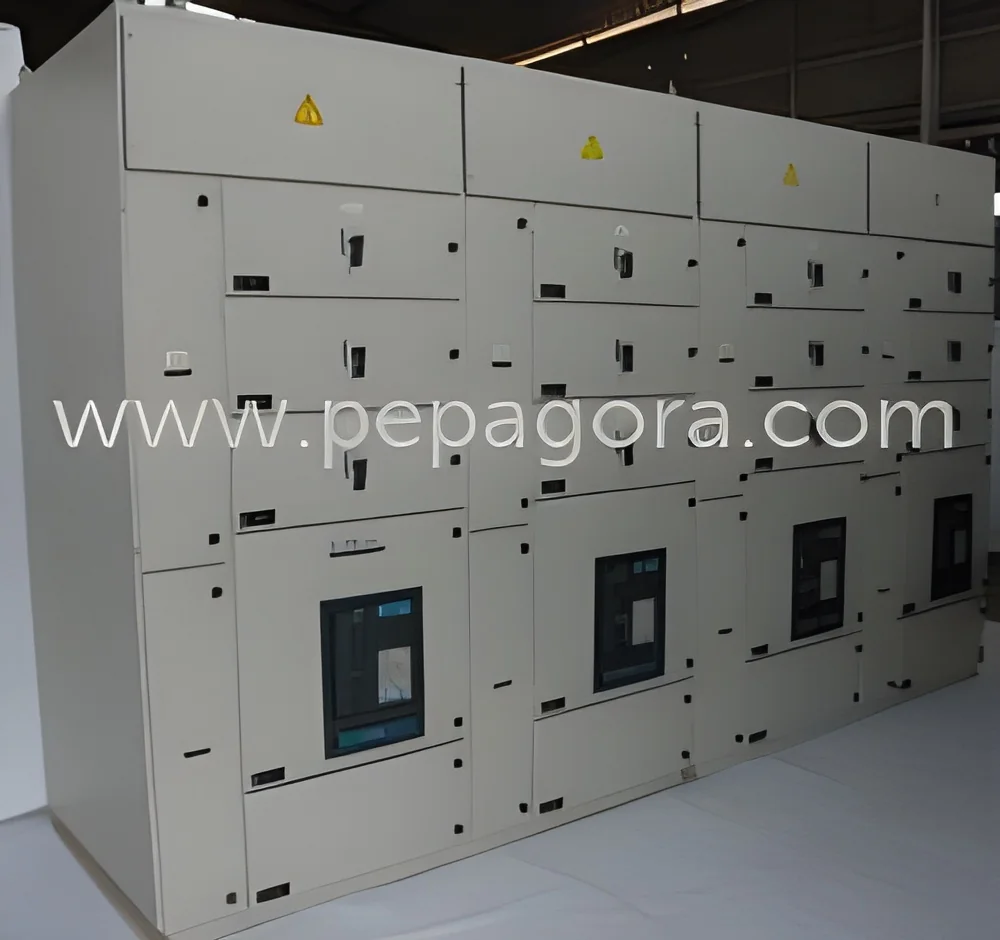
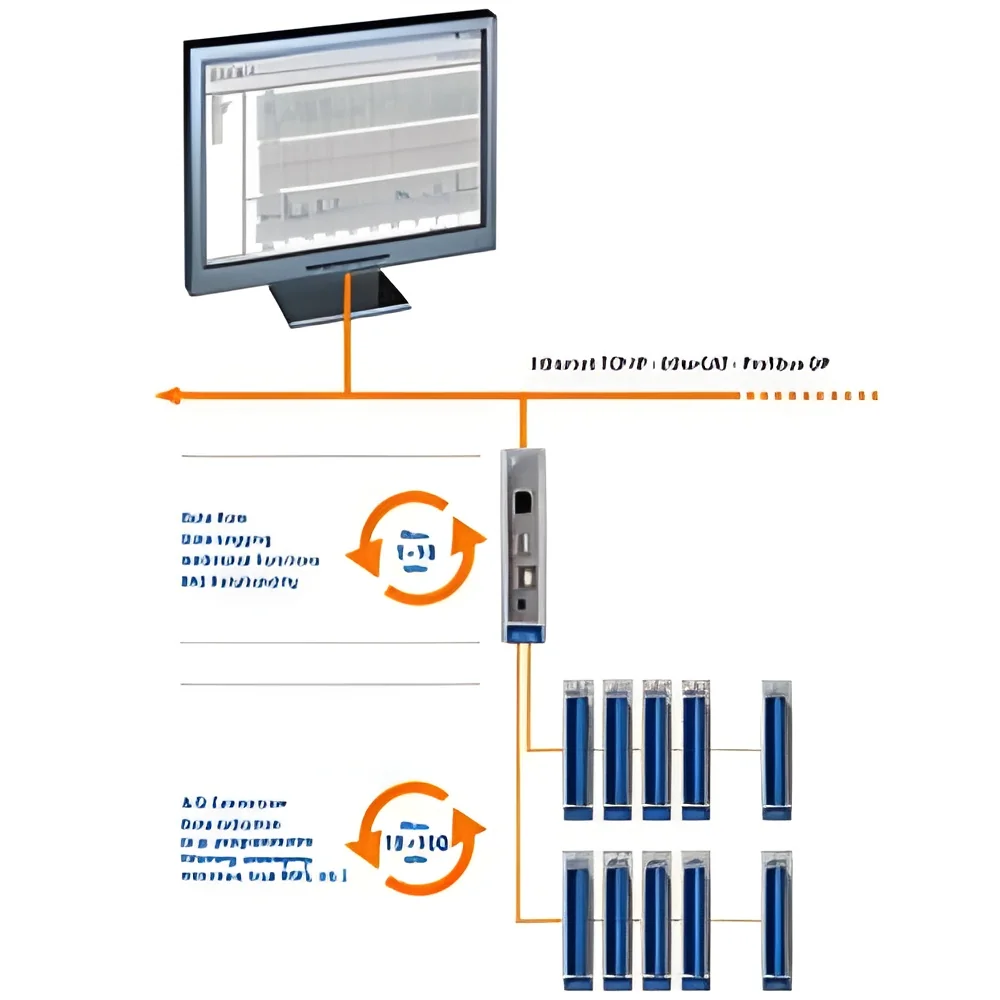
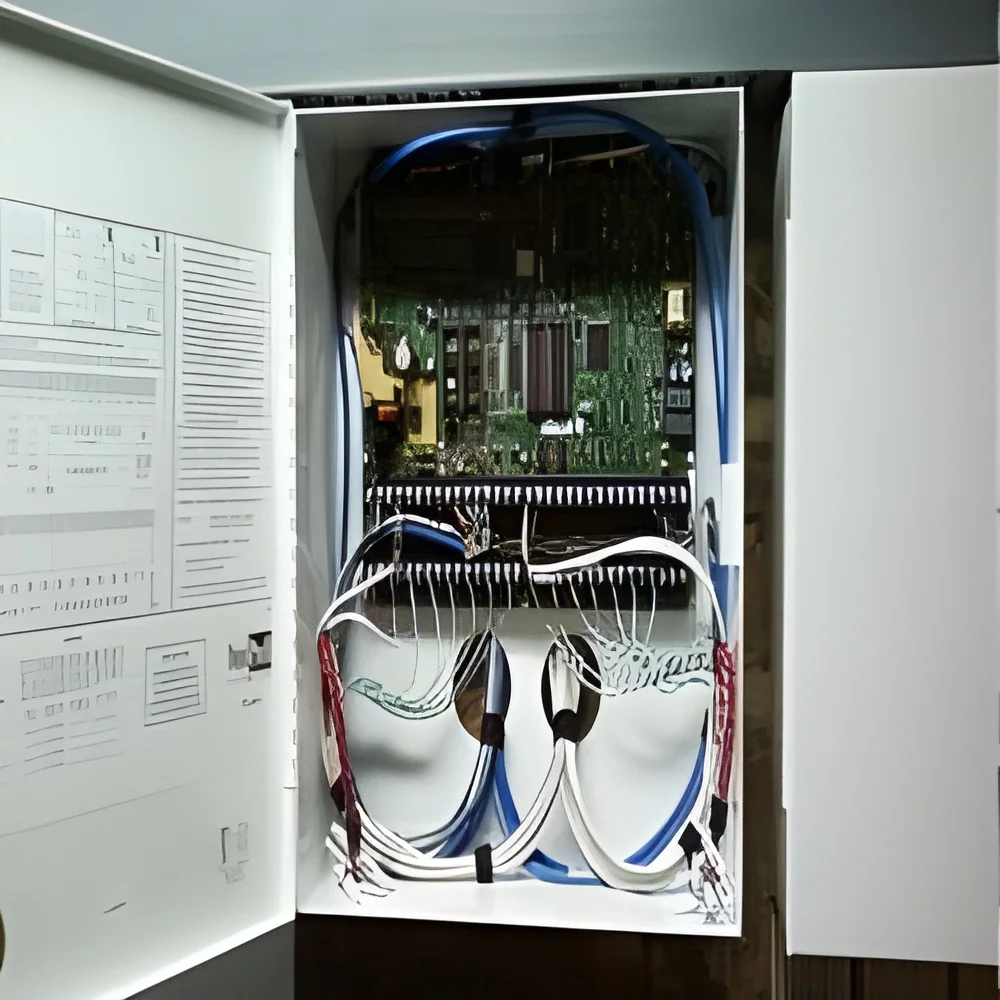
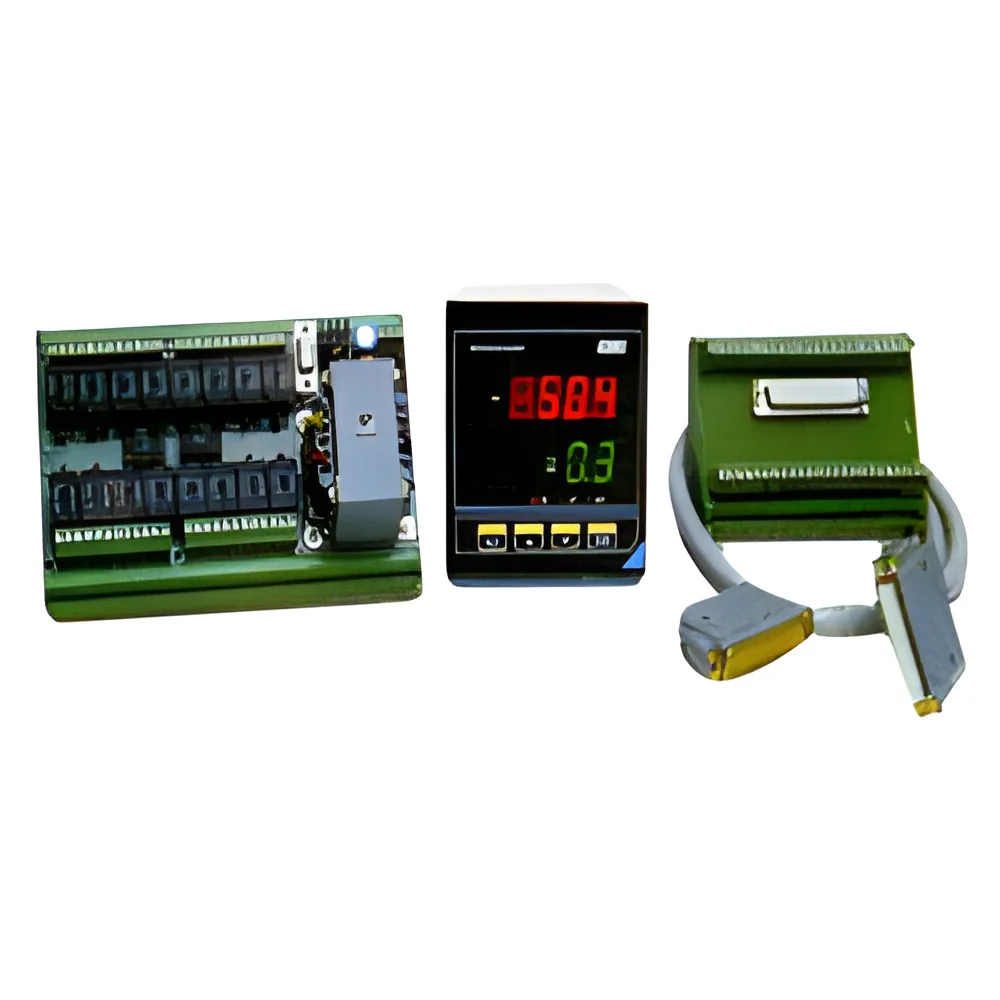
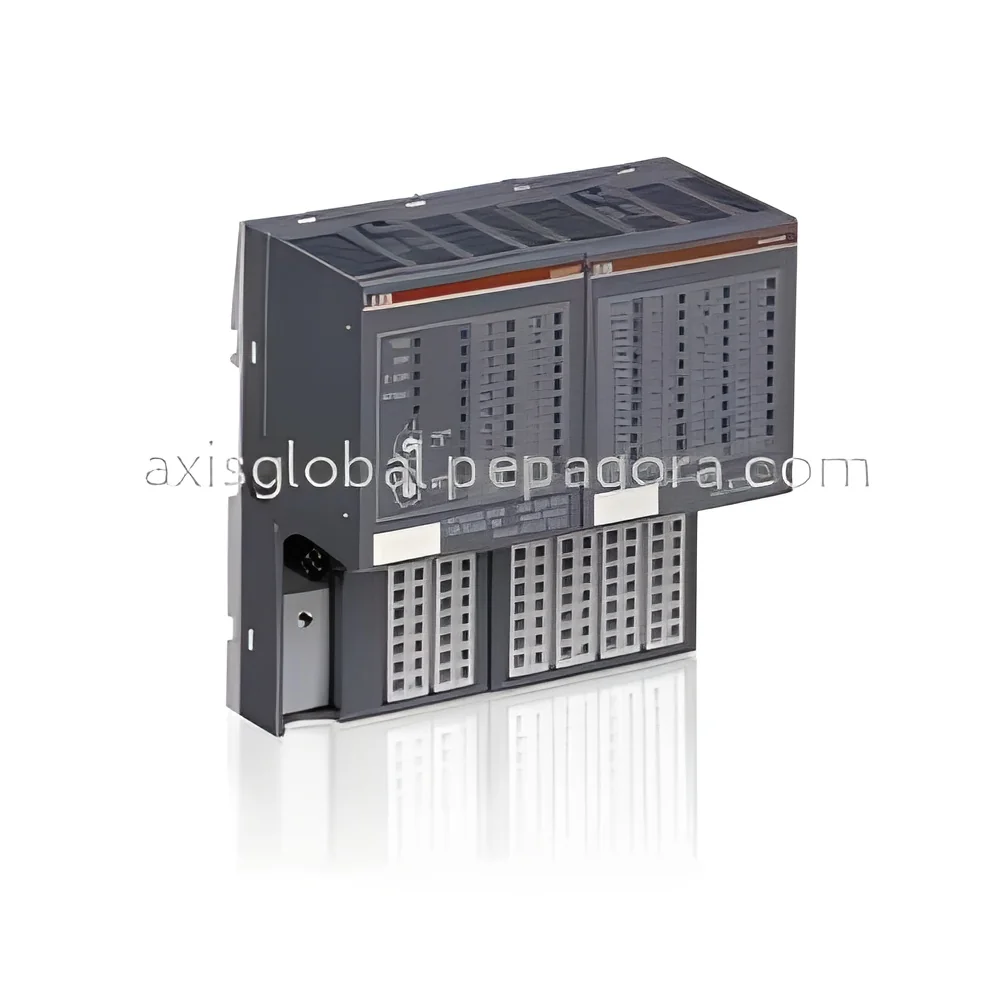
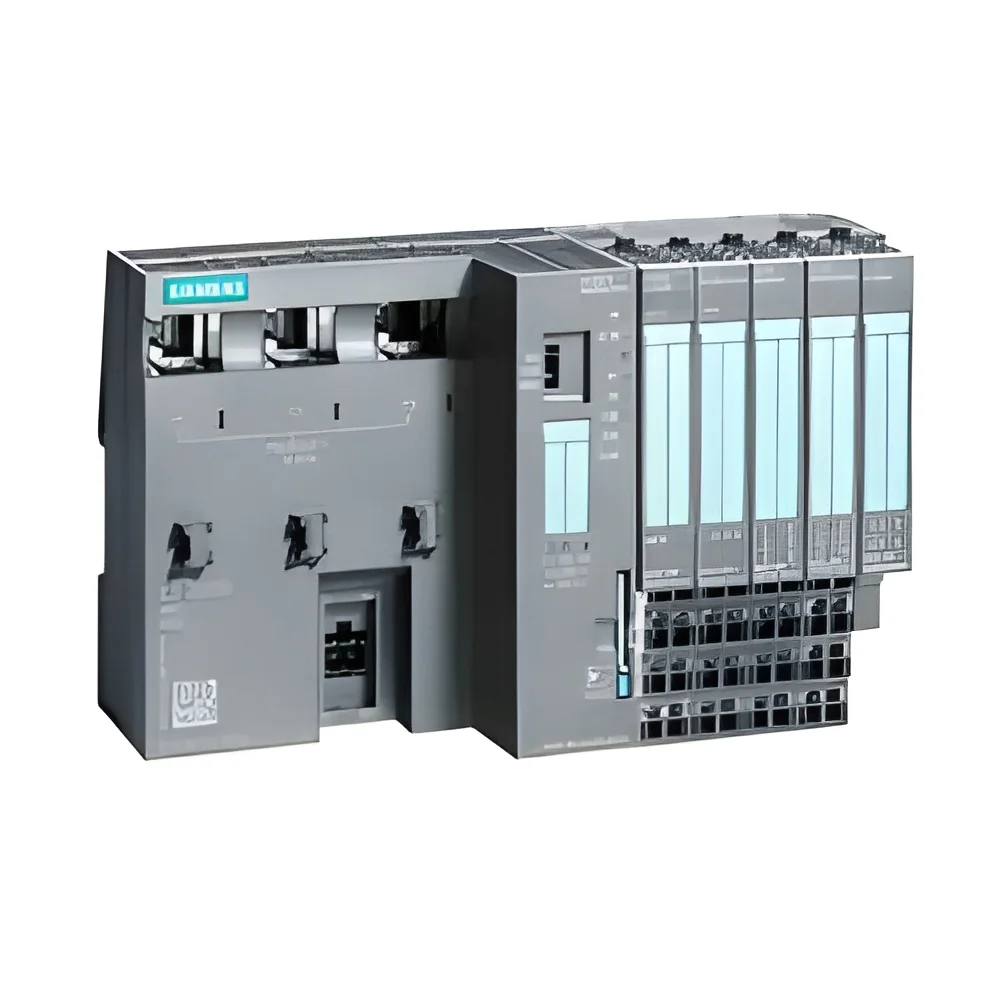
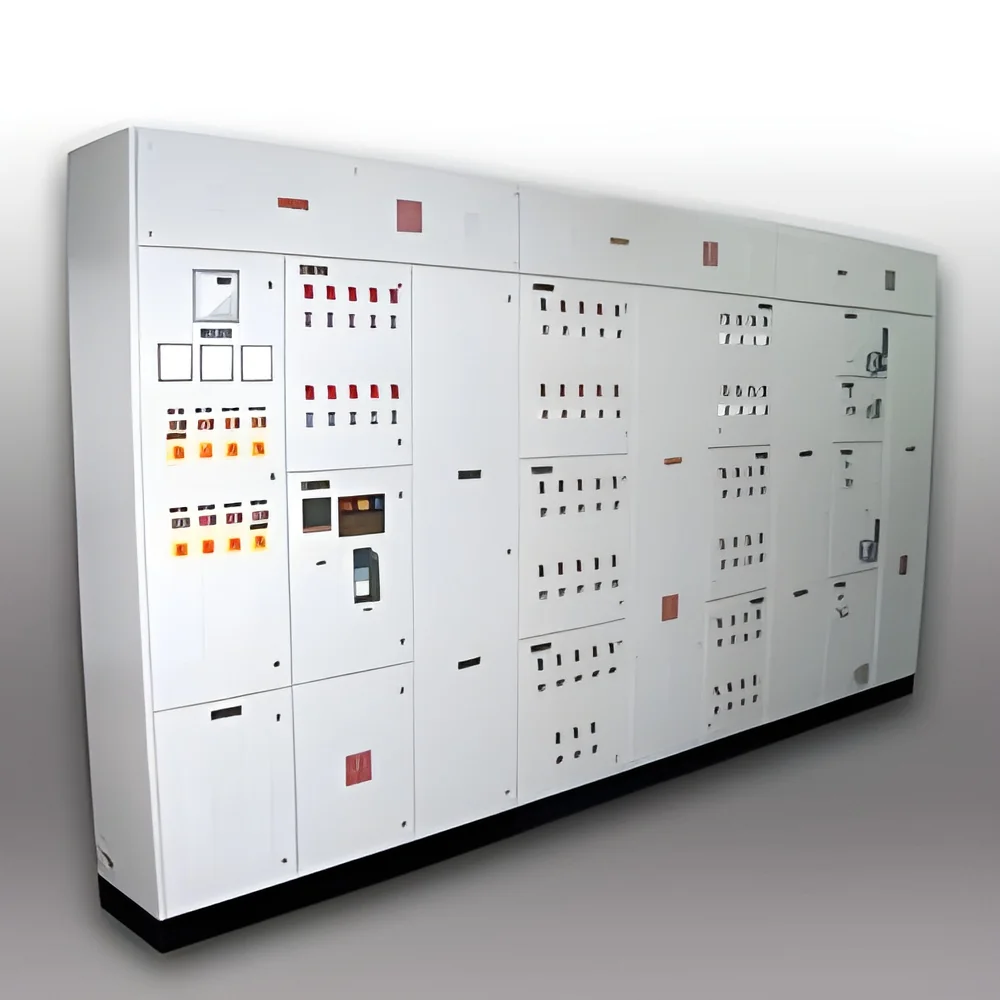
Distributed Control Systems (DCS) are automated control systems that manage and control production processes by distributing control functions across multiple control elements. Unlike centralized control systems, DCS allows for local control and monitoring while providing a unified approach to process management.
What are the different types of Distributed Control Systems (DCS)?
There are several types of Distributed Control Systems (DCS), including process DCS, safety instrumented systems (SIS), and hybrid systems that combine DCS with programmable logic controllers (PLCs). Each type is designed to meet specific industrial needs, from continuous process control to batch processing.
How do I choose the right Distributed Control Systems (DCS)?
Choosing the right Distributed Control System (DCS) involves evaluating your specific process requirements, including scalability, integration with existing systems, and ease of use. Additionally, consider support and service options offered by the manufacturer to ensure long-term operational efficiency.
What are the standard specifications for Distributed Control Systems (DCS)?
Standard specifications for Distributed Control Systems (DCS) typically include features such as network architecture, input/output capacity, redundancy options, and communication protocols. Moreover, specifications may vary based on the application, so it's essential to refer to manufacturer documentation for detailed information.
What is the price range for Distributed Control Systems (DCS)?
The price range for Distributed Control Systems (DCS) can vary widely, typically starting from a few thousand dollars for basic systems to several hundred thousand dollars for advanced solutions with extensive features. Factors such as system complexity, brand, and additional components can significantly influence the overall cost.
What quality standards apply to Distributed Control Systems (DCS)?
Quality standards for Distributed Control Systems (DCS) often include compliance with international standards such as ISO 9001 for quality management and IEC 61508 for functional safety. Adherence to these standards ensures reliability and performance in critical industrial applications.
Where can I find Distributed Control Systems (DCS) suppliers in India?
You can find Distributed Control Systems (DCS) suppliers in India through various channels including online B2B marketplaces, industry trade shows, and manufacturer directories. Websites like Pepagora.com can connect you with reputable suppliers and manufacturers across the country.
Can Distributed Control Systems (DCS) be customized?
Yes, Distributed Control Systems (DCS) can be customized to fit specific operational requirements, including tailored software configurations, unique input/output setups, and integration with existing systems. Many manufacturers offer customization options to enhance the system's functionality and efficiency.
What is the typical minimum order quantity for Distributed Control Systems (DCS)?
The typical minimum order quantity (MOQ) for Distributed Control Systems (DCS) can vary by supplier and system type, often ranging from one unit for smaller systems to larger quantities for complex installations. It's advisable to check with individual suppliers for their specific MOQ policies.
What is the typical lead time for Distributed Control Systems (DCS)?
The typical lead time for Distributed Control Systems (DCS) can range from a few weeks to several months, depending on the system's complexity and customization requirements. Factors such as manufacturing schedules and shipping logistics also play a significant role in determining the delivery timeframe.
Why Businesses Trust Pepagora
Thousands of companies trust Pepagora to source smarter and sell faster
Expand Your Sales Globally

Source Smarter,Grow Faster
