
 IN
Industrial Gateways
12 products available
What are Industrial Gateways?
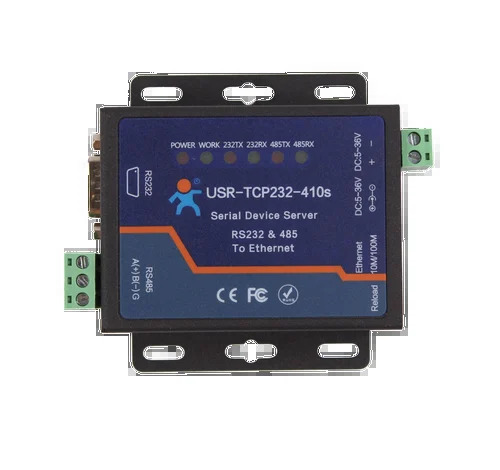
Industrial Gateways are devices that facilitate communication between various industrial equipment and systems. They serve as a bridge, enabling data transfer and interoperability between different protocols and networks. These gateways can convert data formats and manage protocol translation, ensuring seamless connectivity within an industrial environment.
In practice, Industrial Gateways find application in various sectors, including manufacturing, transportation, and energy. They play a crucial role in connecting devices such as sensors, controllers, and enterprise systems. By providing real-time data exchange, Industrial Gateways enhance operational efficiency, facilitate remote monitoring, and support automation processes.
The market for Industrial Gateways is expanding, driven by the increasing adoption of Internet of Things (IoT) technologies in industrial settings. As industries strive for digitization and improved data analytics, the demand for reliable gateways is on the rise. This trend underscores the importance of these devices in modern industrial operations.
Key Features and Specifications
Industrial Gateways come equipped with numerous features designed to enhance connectivity and data management. The specifications of these devices vary according to the intended applications and industry requirements.
Key specifications include:
1. Communication Protocols
- Support for multiple protocols such as MQTT, Modbus, and OPC UA.
- Facilitates integration with diverse equipment and systems.
2. Data Throughput
- High data transmission rates to ensure timely communication.
- Typically ranges from several kilobytes to megabits per second, depending on the model.
3. Connectivity Options
- Various connectivity interfaces such as Ethernet, Wi-Fi, and cellular.
- Enables flexibility in installation and network design.
4. Power Supply
- Options for AC and DC power supply.
- Typically operates within a wide voltage range to accommodate different environments.
5. Environmental Ratings
- Designed to withstand harsh industrial conditions.
- Common ratings include IP65 for dust and water resistance.
6. Security Features
- Advanced security measures such as encryption and authentication.
- Protects sensitive data and prevents unauthorized access.
7. User Interface
- Intuitive web-based or software interfaces for easy management.
- Allows users to configure settings and monitor device performance.
8. Diagnostic and Monitoring Tools
- Built-in tools for real-time monitoring and diagnostics.
- Helps in proactive maintenance and troubleshooting.
These features collectively enhance the functionality and reliability of Industrial Gateways, making them essential for modern industrial applications.
Common Applications and Use Cases
Industrial Gateways are versatile devices utilized across various sectors.
1. Manufacturing: In manufacturing, Industrial Gateways connect machines on the production floor to centralized monitoring systems. They enable real-time data collection and help optimize production processes.
2. Transportation: In transportation, these gateways facilitate communication between vehicles and traffic management systems. They support fleet management and improve operational efficiency.
3. Energy: In the energy sector, Industrial Gateways connect renewable energy systems to grid management platforms. They allow for better integration of solar and wind energy sources.
4. Smart Buildings: In smart building applications, these gateways manage HVAC systems and lighting controls. They enhance energy efficiency and occupant comfort.
5. Agriculture: In agriculture, gateways link various IoT devices for precision farming. They enable data-driven decision-making for crop management.
6. Water Management: In water treatment facilities, Industrial Gateways monitor and control various processes. They ensure quality and efficiency in water distribution.
7. Mining: In mining operations, these gateways improve communication between remote equipment and central monitoring stations. They enhance safety and operational oversight.
Product Variants and Subcategories
Industrial Gateways come in various configurations to meet different industry needs.
Variant 1: Standard Industrial Gateway
This variant supports multiple communication protocols and is ideal for general industrial applications. It is designed for easy integration into existing systems and offers robust security features.
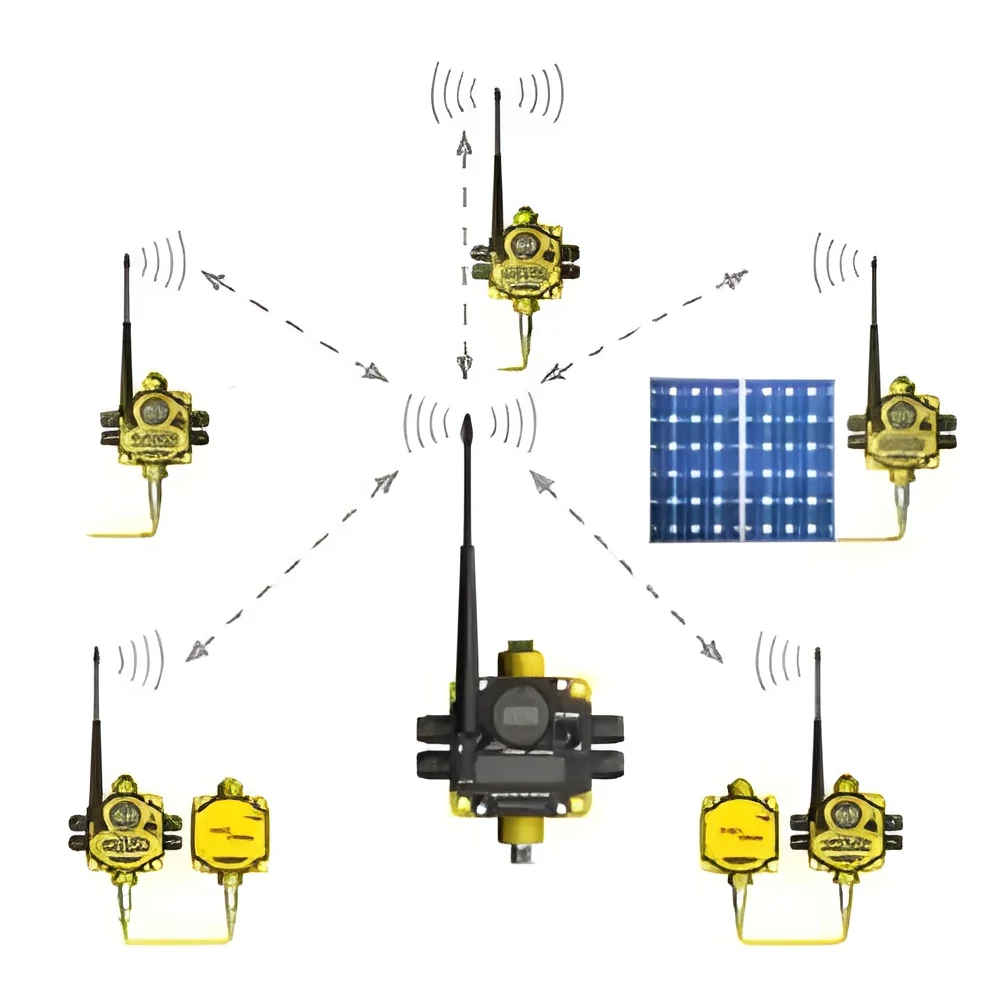
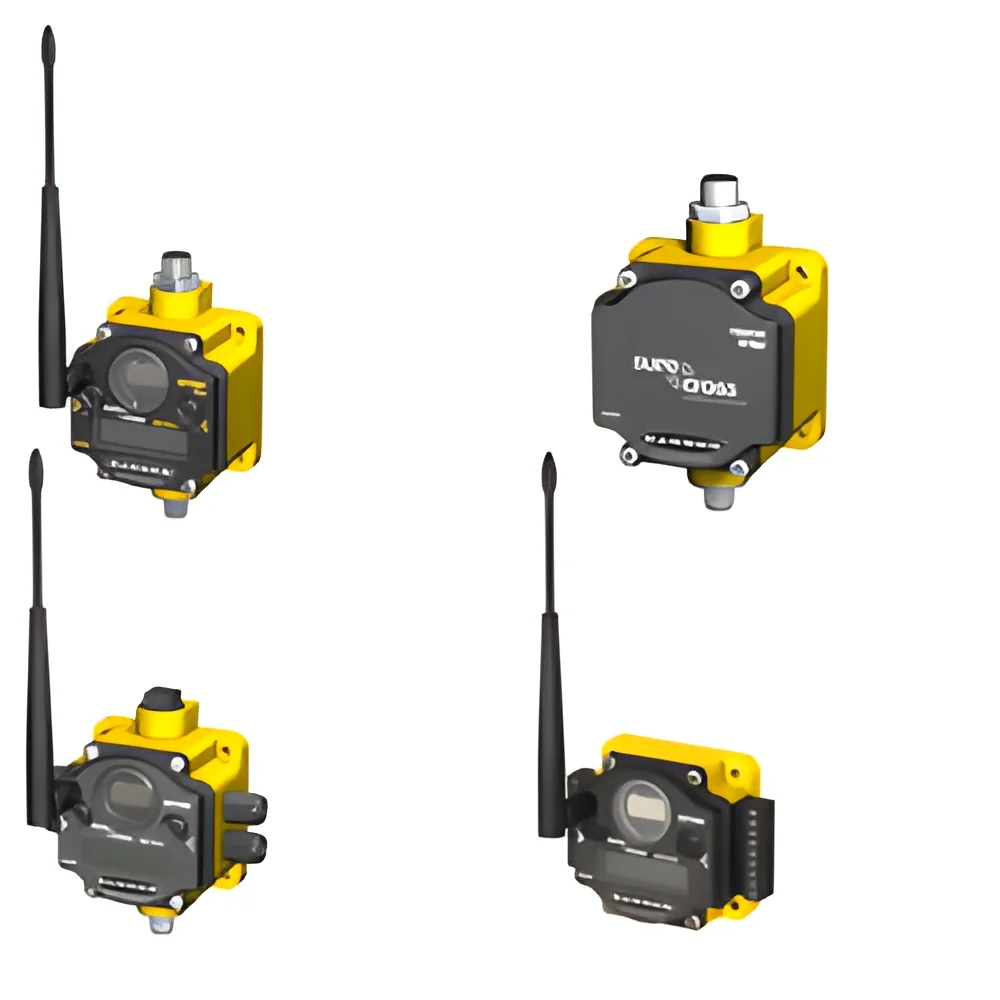
Variant 2: Wireless Industrial Gateway
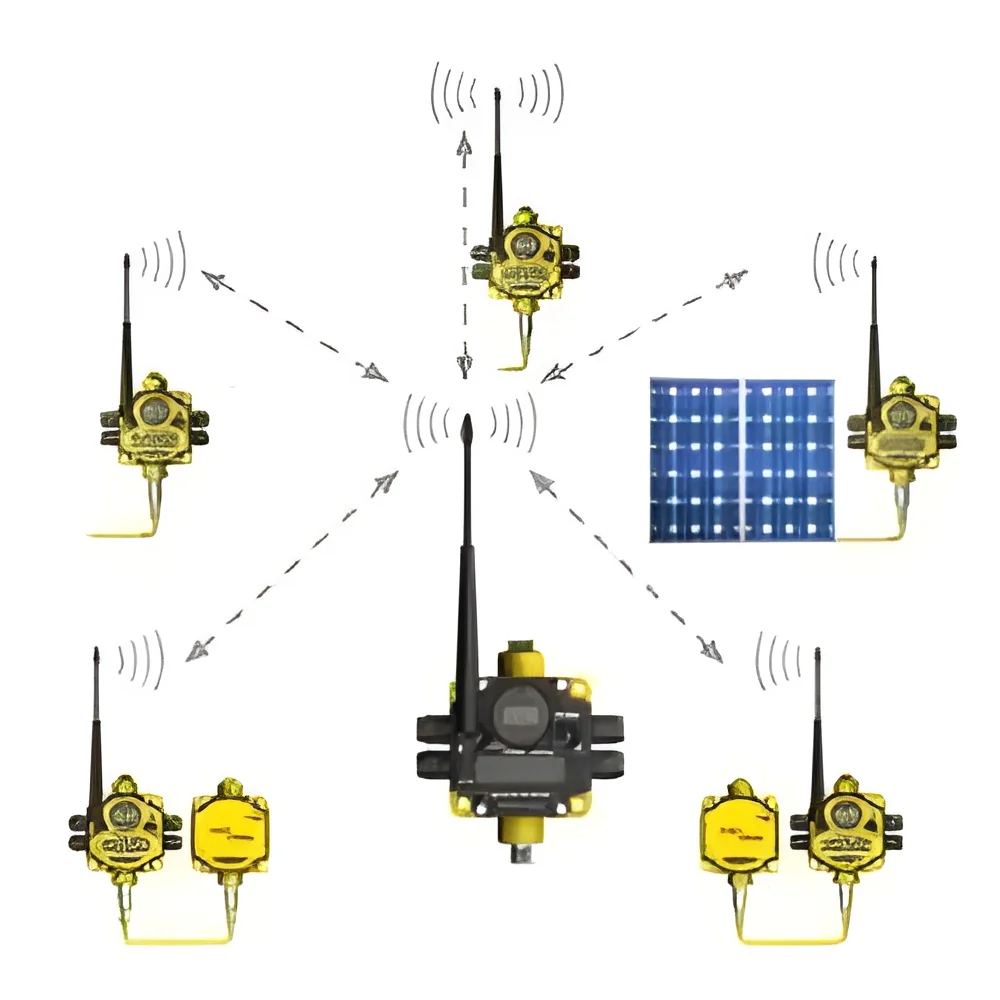
This variant provides wireless connectivity options, making it suitable for applications where wired connections are impractical. It is often used in remote monitoring and IoT deployments.
Variant 3: Rugged Industrial Gateway
Designed for harsh environments, this variant features enhanced durability and environmental ratings. It is commonly used in sectors like mining and oil and gas.
Variant 4: Cloud-Enabled Industrial Gateway
This variant integrates cloud connectivity, allowing for data storage and analytics in a cloud environment. It is beneficial for businesses looking to leverage big data.
Benefits and Advantages
Industrial Gateways offer numerous advantages that contribute to improved operational performance.
1. Enhanced Connectivity: Industrial Gateways facilitate seamless communication between diverse systems, enhancing overall connectivity.
2. Improved Data Management: By translating various data protocols, these devices streamline data management and analytics processes.
3. Increased Operational Efficiency: Real-time data transmission allows for faster decision-making and process optimization.
4. Scalability: Industrial Gateways can easily adapt to changing business needs, making them suitable for growing operations.
5. Cost Savings: By improving efficiency and reducing downtime, these gateways can lead to significant cost savings over time.
6. Remote Monitoring: Many gateways support remote access, allowing for monitoring and management from anywhere, which enhances operational oversight.
Buying Guide for B2B Buyers
When sourcing Industrial Gateways, it is essential to consider several key factors.
1. Quality Assessment: Ensure the gateways meet industry standards and perform reliably under expected conditions. Look for certifications that validate product quality.
2. Supplier Verification: Vet potential suppliers to confirm their credibility and reliability. This includes checking references and reviewing their performance history.
3. Pricing and MOQ: Understand the pricing structure and minimum order quantities. Compare quotes from different suppliers to ensure competitive pricing.
4. Delivery and Lead Times: Consider logistics and delivery timelines when placing orders. Ensure that suppliers can meet your project deadlines.
5. Compliance Requirements: Verify that the gateways comply with relevant regulations and standards pertinent to your industry. This may involve certifications such as CE.
Compliance and Certifications
Industrial Gateways are subject to various quality standards and certifications that ensure their reliability and safety in industrial applications. Notable standards include ISO 9001, which focuses on quality management systems, and HACCP, which addresses food safety management.
Additionally, CE certification is crucial for products marketed in Europe, indicating compliance with health, safety, and environmental protection standards.
Safety and testing requirements are also paramount, ensuring that the gateways operate safely in industrial environments. Depending on the region, there may be additional compliance considerations that manufacturers must address to meet local regulations.
Why Source Industrial Gateways from Pepagora?
Pepagora provides a trusted platform for sourcing Industrial Gateways, offering several key advantages to B2B buyers.
Verified Supplier Network: Pepagora has established a network of verified suppliers, ensuring that buyers can source high-quality products from reputable manufacturers. This network enhances trust and reliability in the sourcing process.
Streamlined RFQ Process: The platform features a streamlined Request for Quotation (RFQ) process, allowing buyers to easily request quotes from multiple suppliers. This simplifies the procurement process and fosters competitive pricing.
Trade Assurance and Support: Pepagora offers trade assurance to protect buyers throughout the procurement process. This includes support for dispute resolution and ensuring timely delivery of products.
Regional Coverage: With a strong presence in regions like India, GCC, and Southeast Asia, Pepagora facilitates international trade and provides access to a diverse range of suppliers and products. This regional coverage enhances options for buyers looking for Industrial Gateways.







Frequently Asked Questions
What are Industrial Gateways?
Industrial Gateways are network devices that connect industrial equipment and systems to a network, facilitating communication and data exchange. They serve as a bridge between different communication protocols, enabling seamless integration of devices within an industrial environment.
What are the different types of Industrial Gateways?
There are several types of Industrial Gateways, including protocol gateways, cloud gateways, and IoT gateways. Each type is designed for specific applications, such as connecting legacy systems to modern networks or enabling remote monitoring and control.
How do I choose the right Industrial Gateways?
When selecting Industrial Gateways, consider factors such as compatibility with existing systems, supported protocols, and scalability. Additionally, assess the specific requirements of your application, including data throughput and security features.
What are the standard specifications for Industrial Gateways?
Standard specifications for Industrial Gateways typically include network interface types, supported communication protocols, processing power, and environmental ratings. Other important specifications may include power supply options and dimensions.
What is the price range for Industrial Gateways?
The price of Industrial Gateways can vary significantly based on their features and capabilities. Generally, prices range from a few thousand to several tens of thousands of Indian Rupees, depending on the complexity and specifications of the device.
What quality standards apply to Industrial Gateways?
Industrial Gateways must comply with various quality standards, including ISO certifications and industry-specific regulations. These standards ensure reliability, safety, and performance in challenging industrial environments.
Where can I find Industrial Gateways suppliers in India?
You can find Industrial Gateways suppliers in India through online B2B marketplaces like Pepagora.com, industry trade shows, and local distributors. Conducting research and comparing suppliers will help you identify the best options for your needs.
Can Industrial Gateways be customized?
Yes, many manufacturers offer customization options for Industrial Gateways to meet specific application requirements. Customizations may include modifications to hardware, firmware, or support for additional protocols.
What is the typical minimum order quantity for Industrial Gateways?
The typical minimum order quantity (MOQ) for Industrial Gateways can vary by manufacturer, but it generally ranges from 1 to 50 units. It is advisable to check with individual suppliers for their specific MOQ policies.
What is the typical lead time for Industrial Gateways?
The typical lead time for Industrial Gateways varies based on factors such as supplier location and customization requirements. Generally, lead times can range from a few days to several weeks for standard products.
Why Businesses Trust Pepagora
Thousands of companies trust Pepagora to source smarter and sell faster
Expand Your Sales Globally

Source Smarter,Grow Faster
