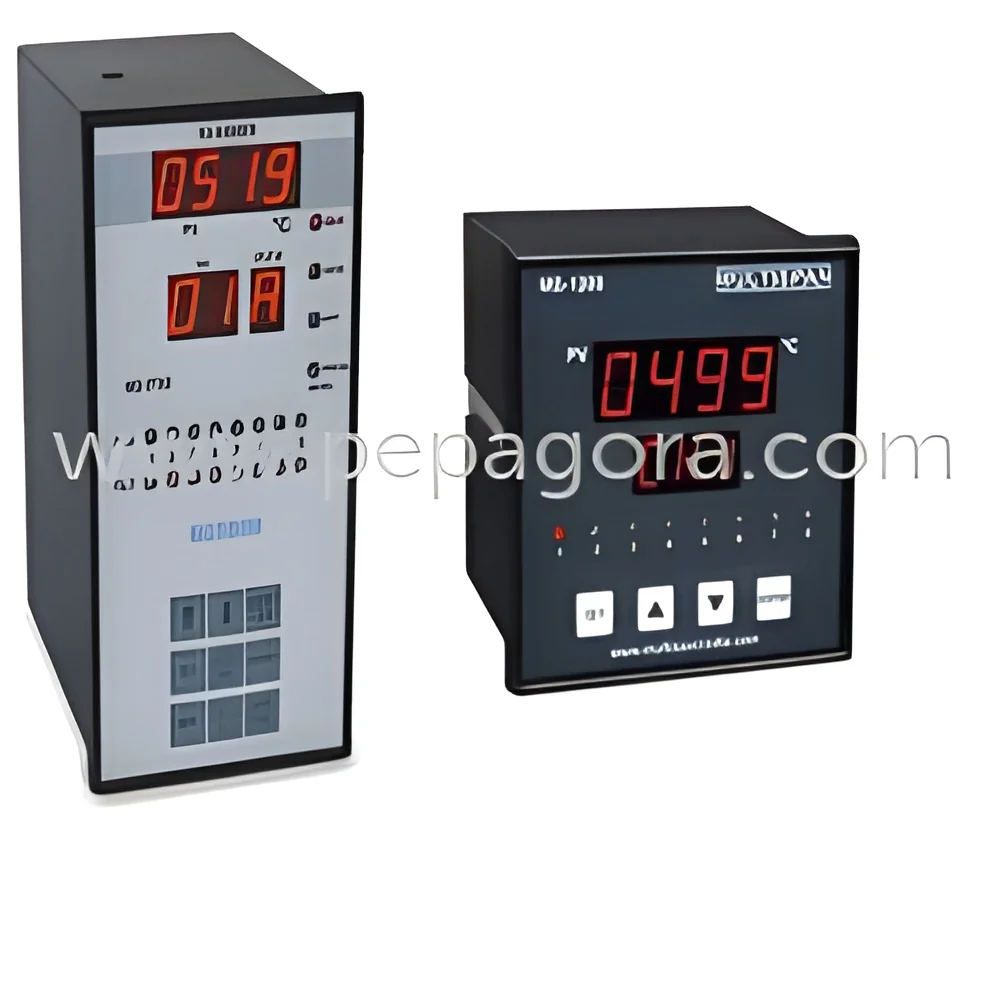
Key Features and Specifications
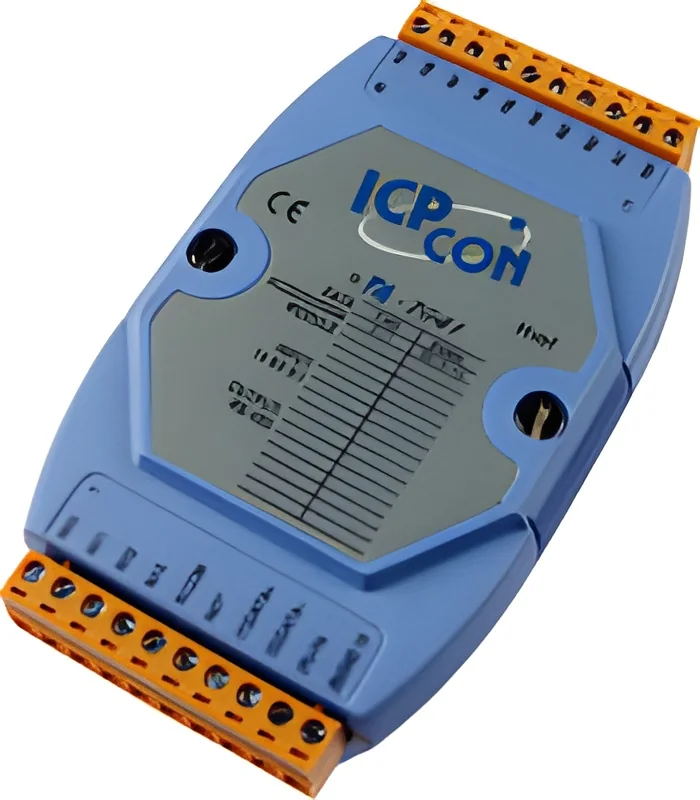
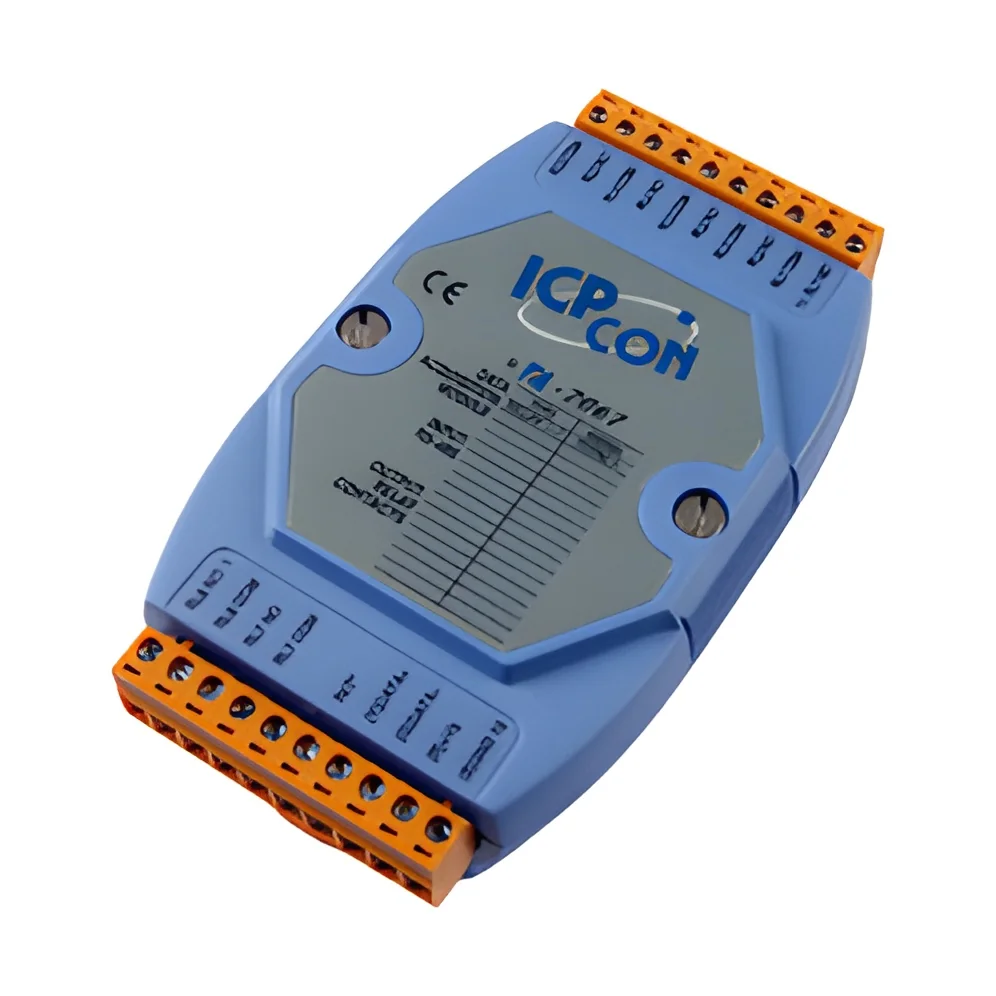
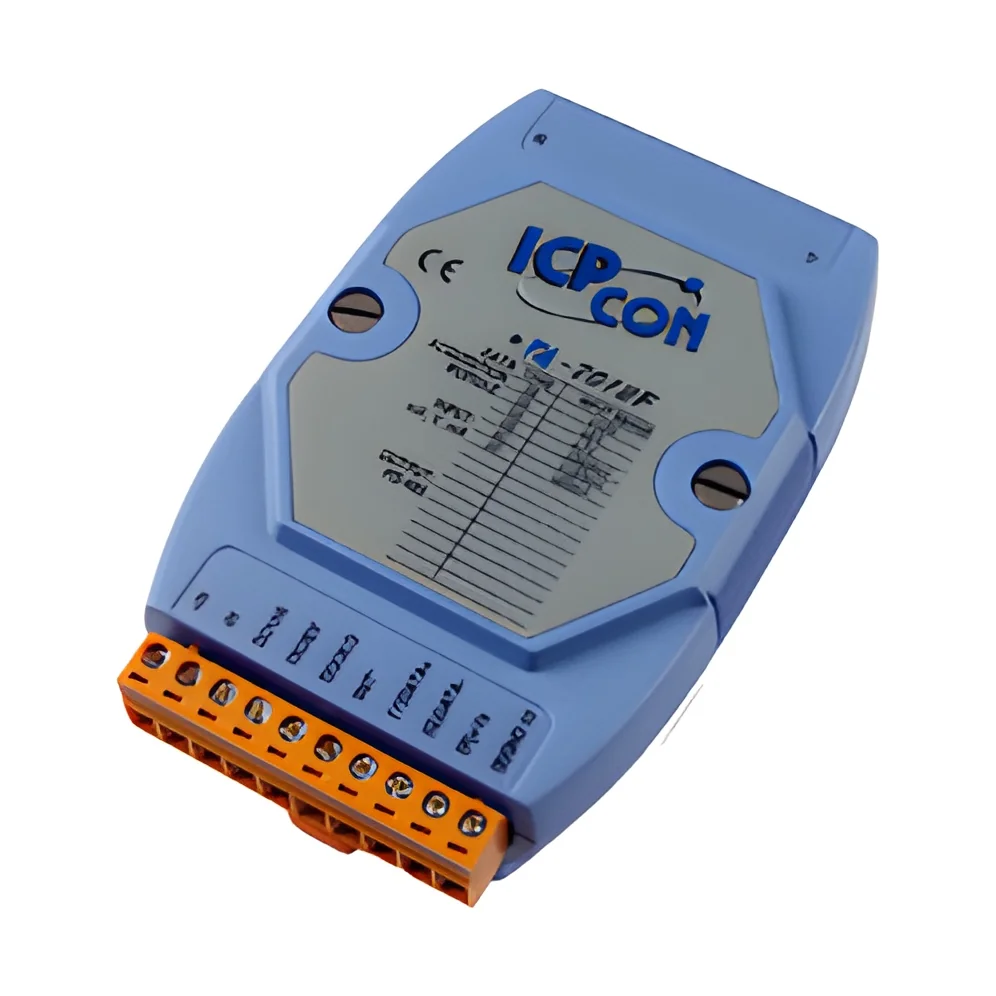
Data Acquisition Systems are equipped with various features designed to meet the diverse needs of different industries. Understanding these features is crucial for selecting the right system for specific applications.
Key specifications include:
1. Input Channels
- Number of channels for data input
- Ranges typically vary from a few to several hundred channels
2. Sampling Rate
- Frequency at which data is collected
- Ranges from a few samples per second to several million samples per second
3. Analog-to-Digital Conversion
- Resolution of the conversion process
- Typically ranges from 12 to 24 bits
4. Communication Interfaces
- Types of connections supported
- Common interfaces include USB, Ethernet, and wireless options
5. Data Storage Capacity
- Amount of data that can be stored locally
- Varies from a few megabytes to several terabytes
6. Software Compatibility
- Types of software that can be used for data analysis
- Compatibility with popular platforms like LabVIEW or MATLAB
7. Power Requirements
- Voltage and current specifications required for operation
- Ranges from low-voltage USB-powered devices to industrial-grade power supplies
8. Environmental Tolerance
- Operating conditions that the system can withstand
- Includes temperature and humidity ranges, which can vary significantly
In summary, understanding the key features and specifications of DAQ systems is vital for making informed purchasing decisions and ensuring that the selected system meets the specific needs of an organization.
Common Applications and Use Cases
Data Acquisition Systems serve a multitude of industries, each with specific applications that benefit from accurate data collection and analysis.
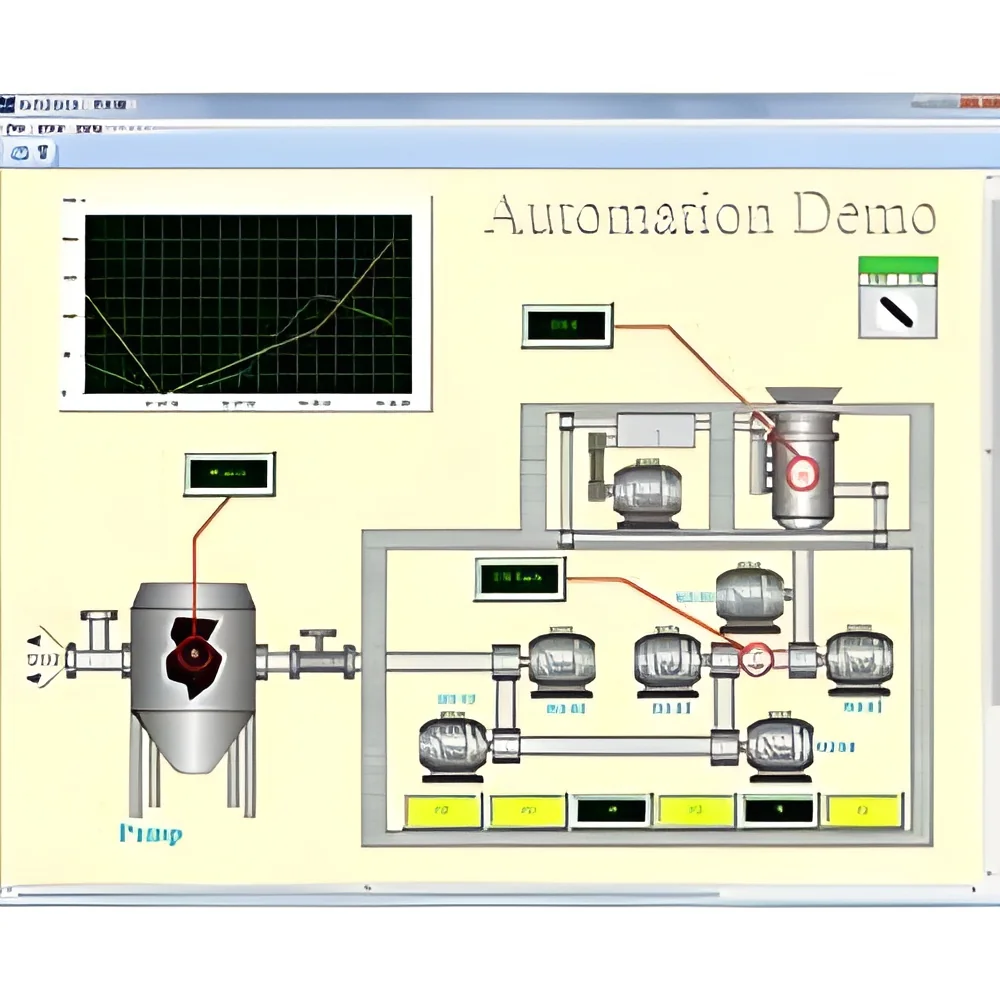
1. Manufacturing: In the manufacturing sector, DAQ systems are used for process control, quality assurance, and equipment monitoring to ensure efficient operations and minimize waste.
2. Environmental Monitoring: DAQ systems collect data related to air and water quality, enabling regulatory compliance and supporting research in environmental science.
3. Automotive: In the automotive industry, DAQ systems are utilized for testing vehicle performance, analyzing engine parameters, and conducting crash tests.
4. Healthcare: DAQ systems play a crucial role in medical device testing, patient monitoring, and clinical research, allowing for the collection of critical health data.
5. Aerospace: In aerospace applications, DAQ systems are essential for testing and monitoring flight data, ensuring performance and safety in aircraft operations.
6. Energy: DAQ systems monitor energy consumption and generation, helping companies optimize energy use and comply with sustainability initiatives.
7. Research: In academic and industrial research settings, DAQ systems are used to gather data for experiments, facilitating advancements in technology and science.
Product Variants and Subcategories
Data Acquisition Systems encompass a diverse range of products designed to meet different industrial needs. The variety of DAQ systems available allows businesses to select solutions tailored to their specific requirements.
USB Data Acquisition Systems: These compact systems are ideal for portable applications and are often used for simple data logging tasks. They connect directly to a computer via USB and are user-friendly, making them suitable for basic monitoring needs.
Modular DAQ Systems: Modular systems offer flexibility by allowing users to configure the system based on their specific inputs and outputs. This adaptability makes them popular in complex applications requiring multiple types of sensors.
Stand-Alone Data Loggers: These devices operate independently and are designed for long-term data collection in remote locations. They are often equipped with built-in storage and can operate on batteries, making them suitable for environmental monitoring.
Benefits and Advantages
Investing in Data Acquisition Systems comes with numerous benefits that can enhance operational performance and decision-making processes.
1. Improved Data Accuracy: DAQ systems provide precise measurements, reducing errors associated with manual data collection and enhancing reliability.
2. Real-Time Monitoring: With the capability to monitor data in real-time, businesses can quickly identify issues and take corrective actions, leading to minimized downtime.
3. Enhanced Efficiency: Automating data collection reduces the time and labor required, allowing staff to focus on more strategic tasks.
4. Comprehensive Analysis: DAQ systems enable thorough data analysis, providing insights that can drive innovation and improve processes.
5. Regulatory Compliance: Many industries are subject to strict regulations. DAQ systems help ensure compliance by providing accurate documentation and reporting capabilities.
6. Scalability: As businesses grow, DAQ systems can easily be scaled to accommodate increasing data collection needs without significant upgrades.
Buying Guide for B2B Buyers
When sourcing Data Acquisition Systems, it is essential to consider several factors to ensure that the chosen solution meets the specific needs of your business.
1. Quality Assessment: Evaluate the quality of the DAQ systems by looking for industry standards and user reviews. A well-constructed system will offer greater reliability and performance.
2. Supplier Verification: Vet potential suppliers thoroughly. Look for certifications, customer feedback, and a solid track record in delivering DAQ systems.
3. Pricing and MOQ: Understand the pricing structure, including any minimum order quantities. This will help in budgeting and ensuring that you are getting value for your investment.
4. Delivery and Lead Times: Consider the logistics involved in acquiring the systems. Reliable suppliers should provide clear timelines for delivery and installation.
5. Compliance Requirements: Ensure that the DAQ systems comply with relevant industry regulations and standards. This is crucial for maintaining operational integrity and avoiding penalties.
Compliance and Certifications
Data Acquisition Systems are subject to various compliance and certification standards that ensure quality and safety. Key standards include ISO 9001, which focuses on quality management systems, ensuring consistent quality in products and services.
Industry certifications such as CE mark signify that the product meets European safety, health, and environmental protection standards. These certifications are crucial for businesses operating within regulated markets.
Safety and testing requirements are also vital, as they ensure that the systems can operate safely within specified environmental conditions. Additionally, regional compliance considerations may vary, so it is essential to understand the local regulatory landscape when sourcing DAQ systems.
Why Source Data Acquisition Systems (DAQ) from Pepagora?
Pepagora offers a trusted platform for sourcing Data Acquisition Systems, providing several key advantages for B2B buyers.
Verified Supplier Network: Pepagora ensures that all suppliers are thoroughly vetted, offering buyers confidence in the quality and reliability of the products being offered.
Streamlined RFQ Process: The platform facilitates a smooth request for quotation process, allowing businesses to quickly gather competitive pricing and product information.
Trade Assurance and Support: Buyers benefit from trade assurance, which protects their investments and offers support throughout the purchasing process, ensuring satisfaction.
Regional Coverage: Pepagora has a strong presence in key markets such as India, the GCC, and Southeast Asia, providing access to a wide range of suppliers and products tailored to the needs of businesses in these regions.

 IN
IN