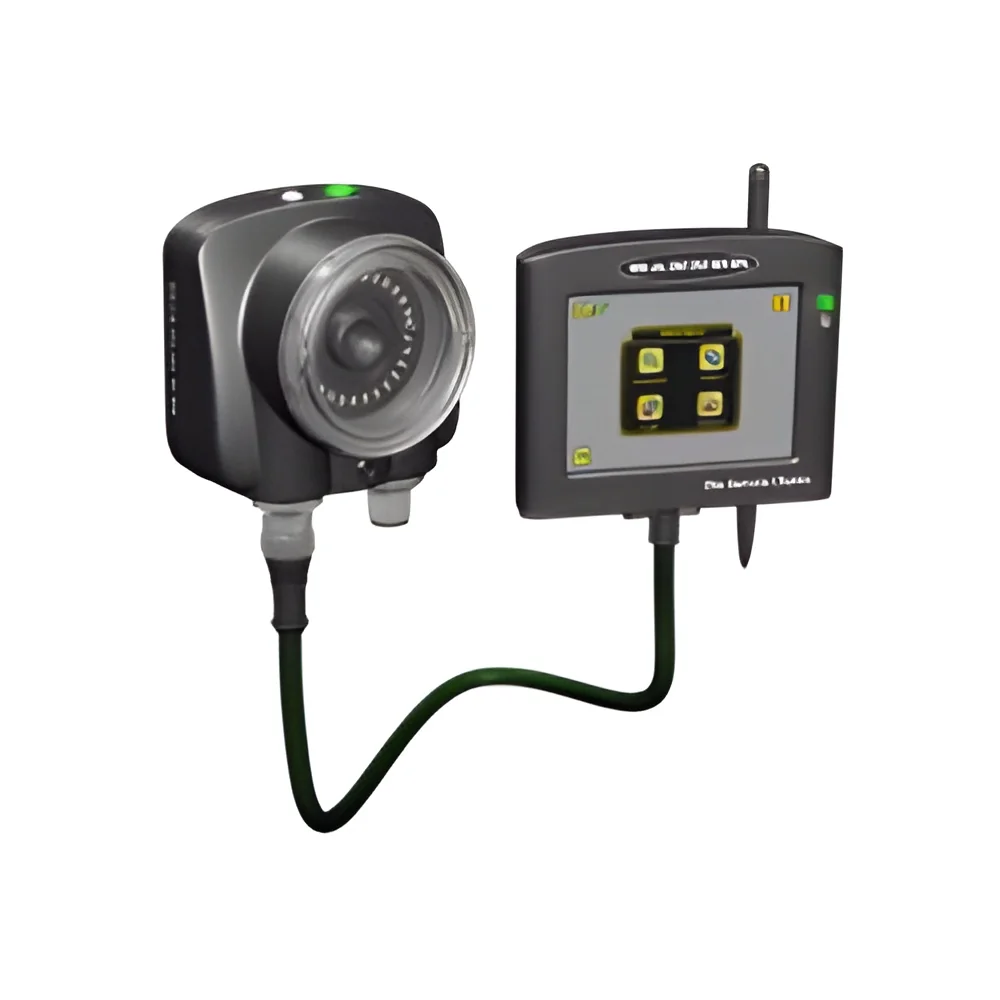
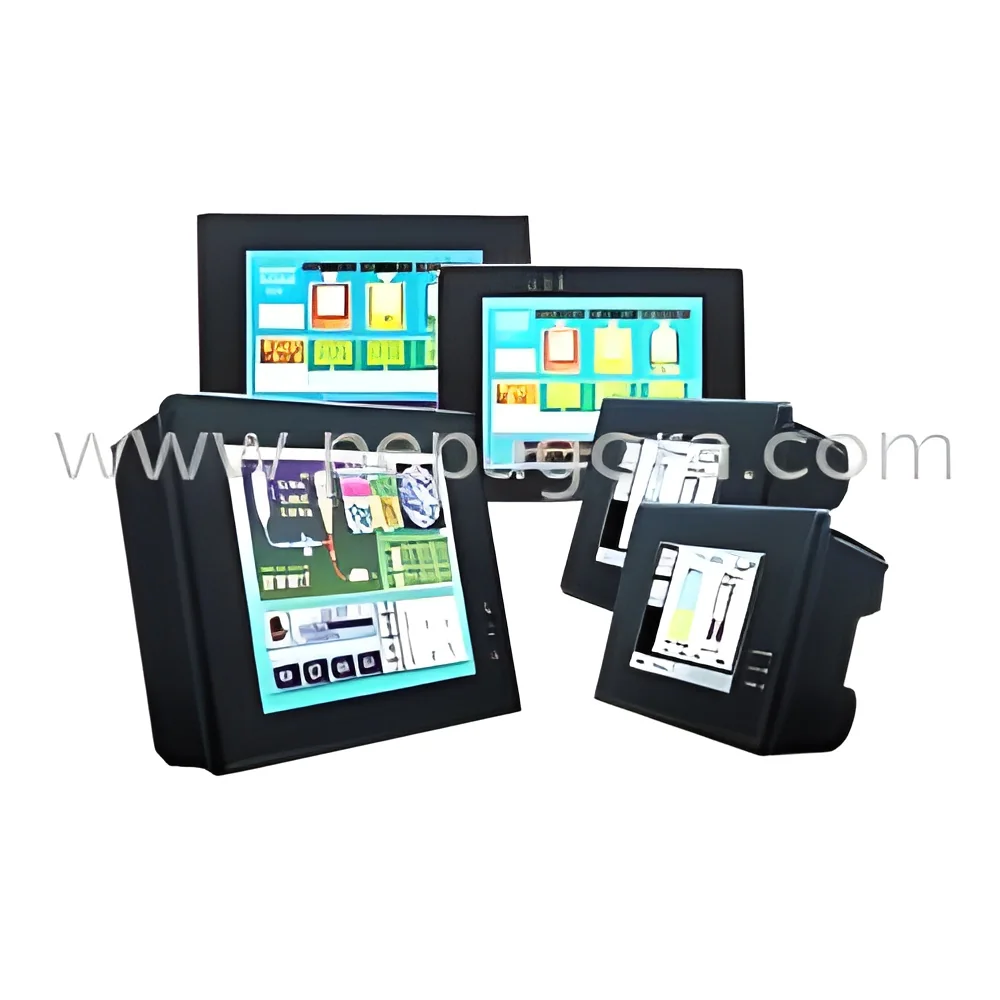
Key Features and Specifications
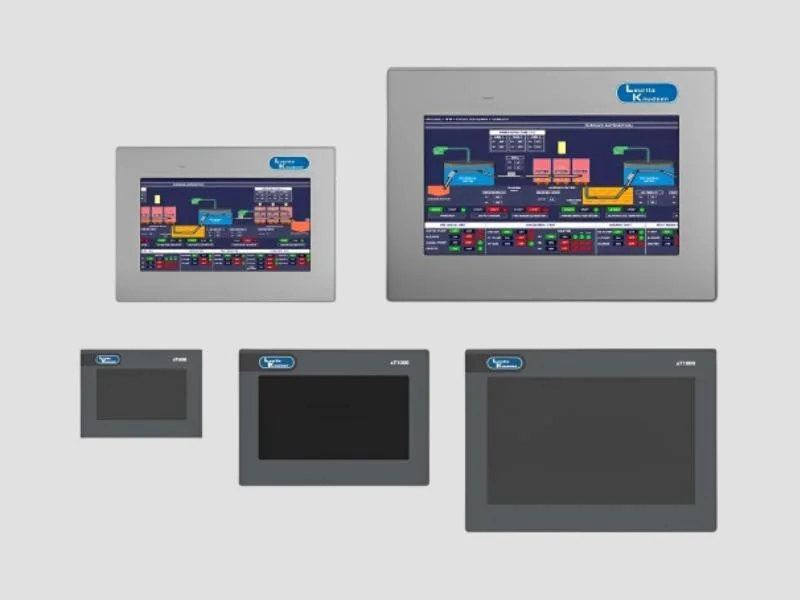
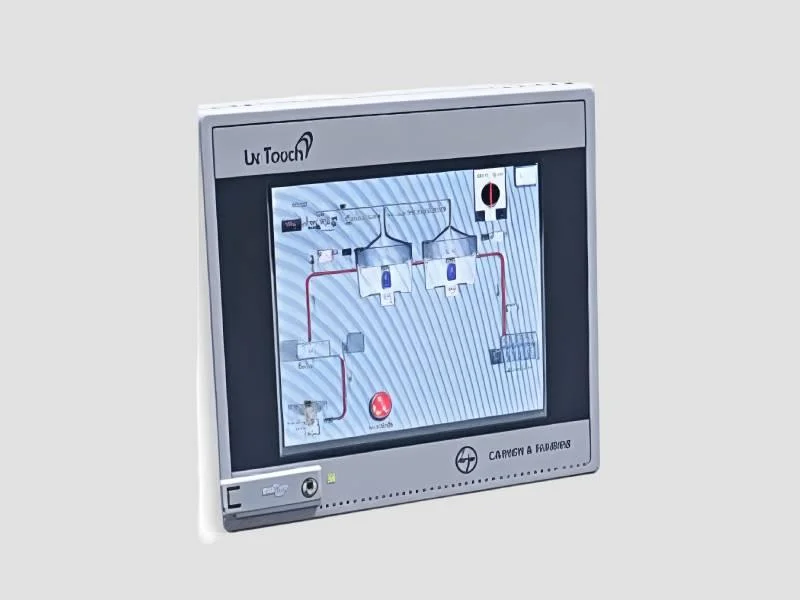
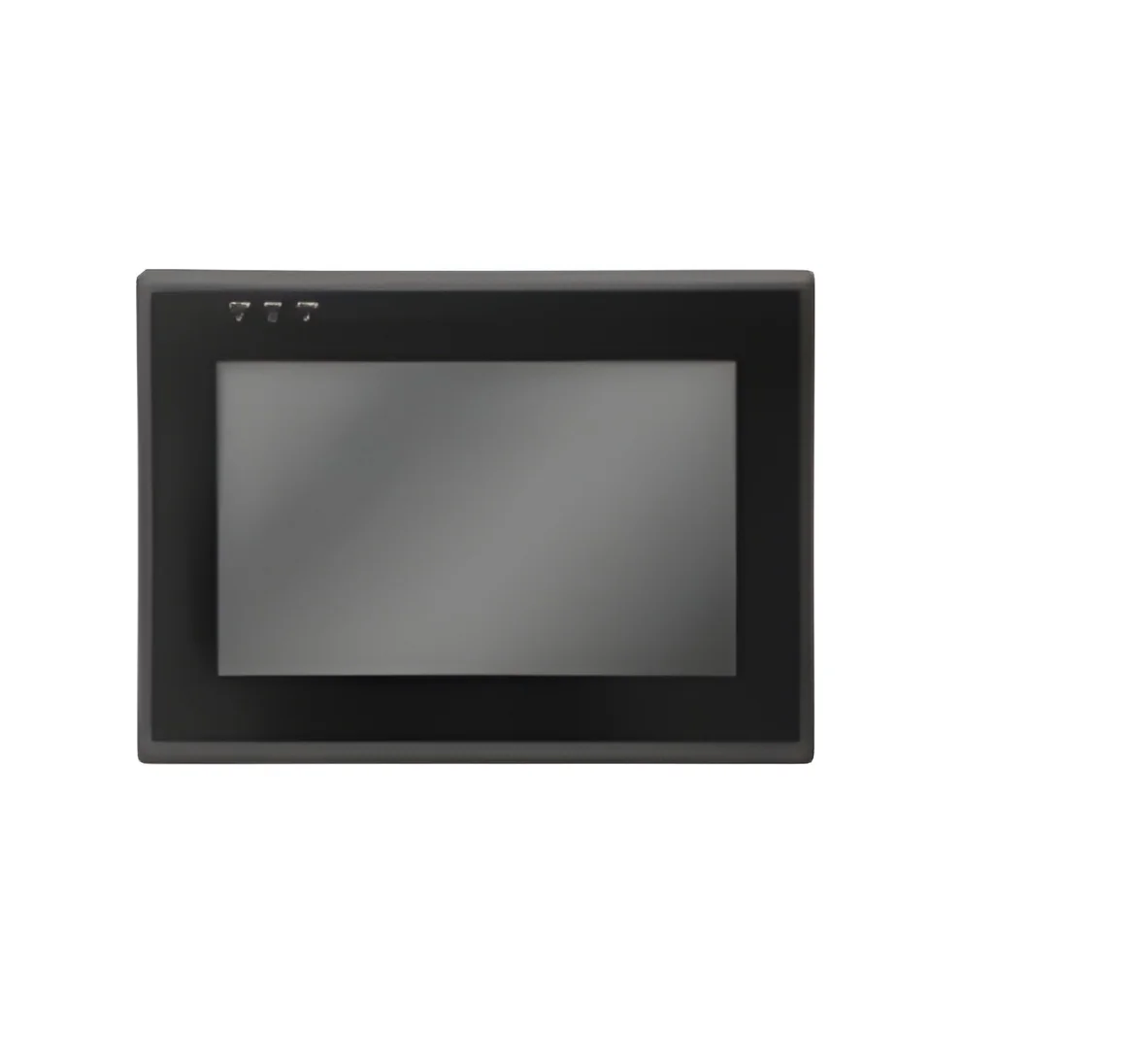
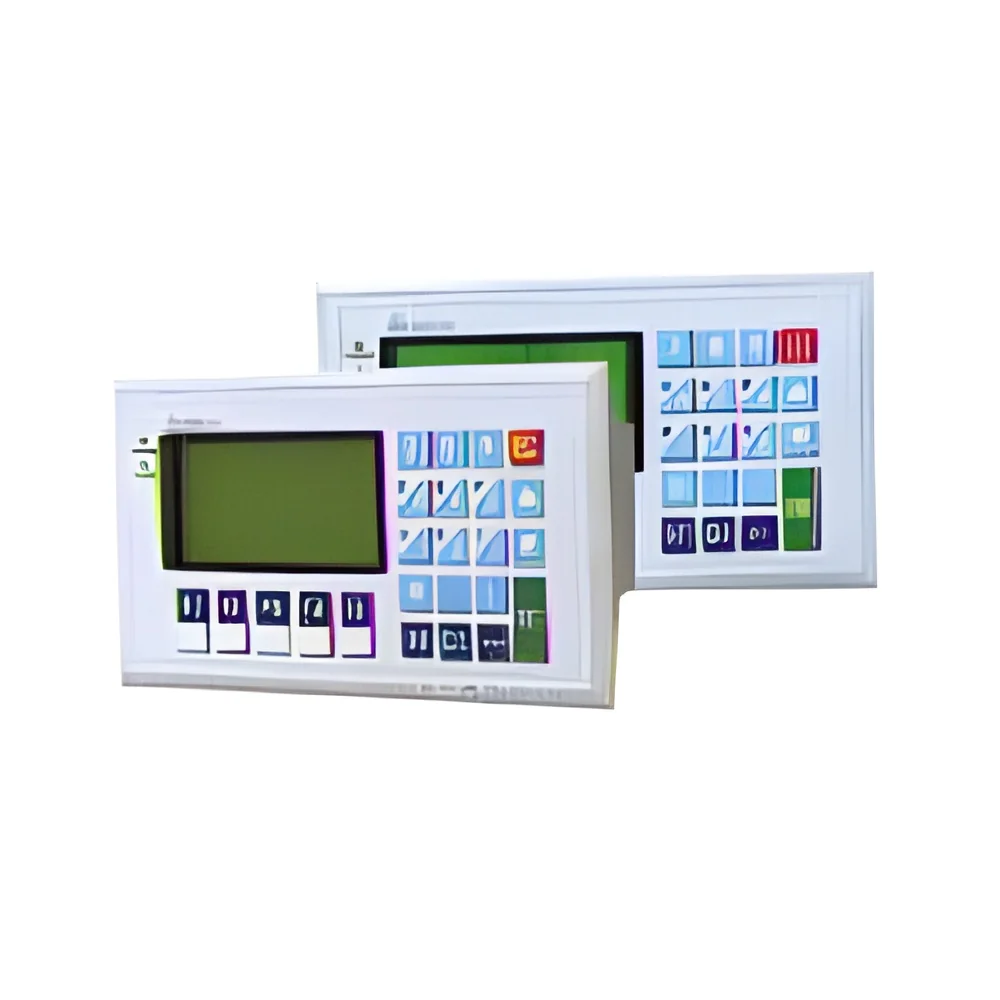
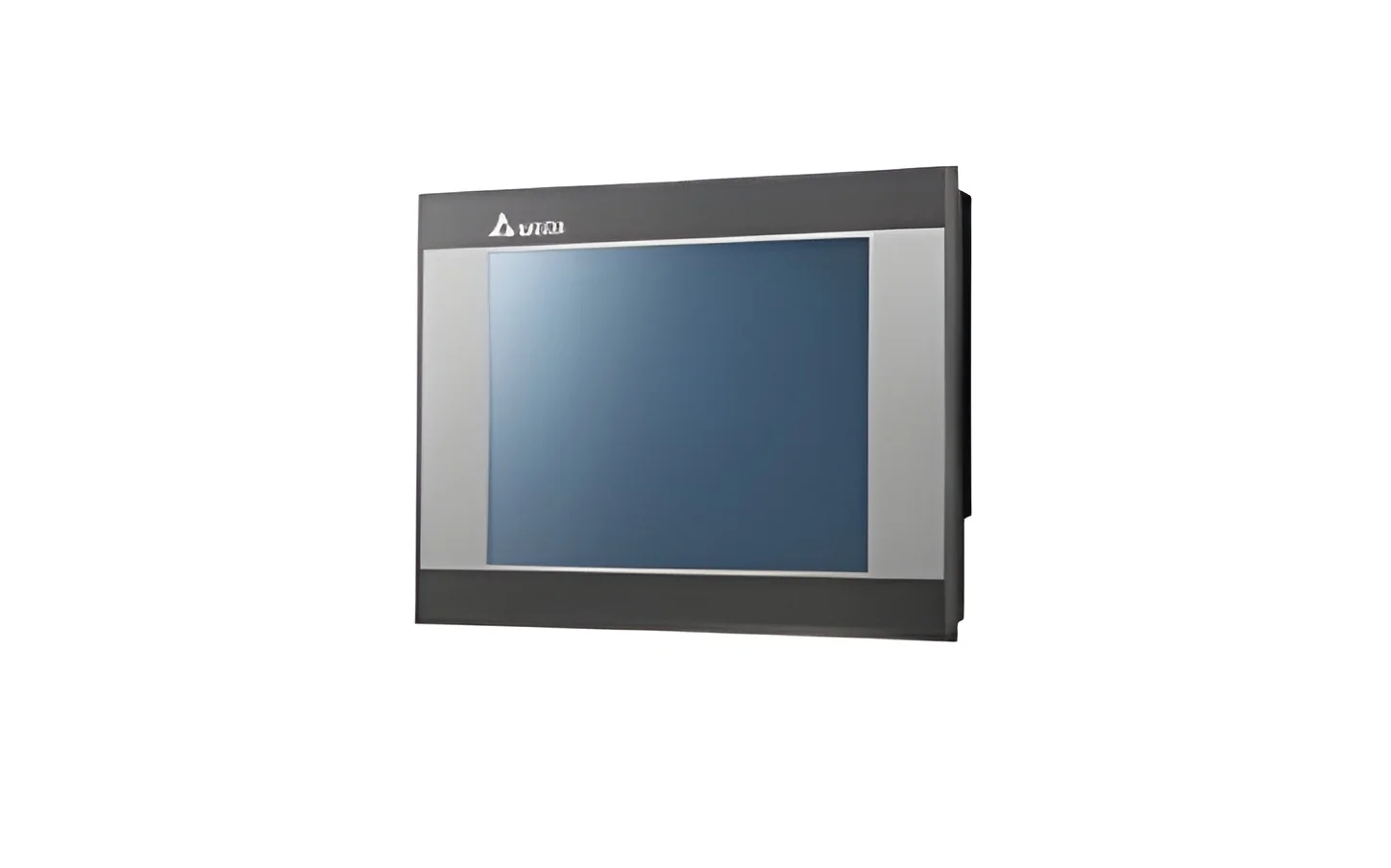
Human Machine Interfaces come with various features and specifications that enhance their functionality and usability. Understanding these key specifications is vital for selecting the right HMI for your operational needs.
Key specifications include:
1. Display Type
- Various options such as LCD, LED, and OLED.
- Ranges from monochrome to full-color displays.
2. Screen Size
- Available in various sizes to fit different applications.
- Typically ranges from 4 inches to over 15 inches.
3. Resolution
- Higher resolution offers better clarity of graphics and data.
- Common resolutions include 800 x 600 and 1920 x 1080 pixels.
4. Input Methods
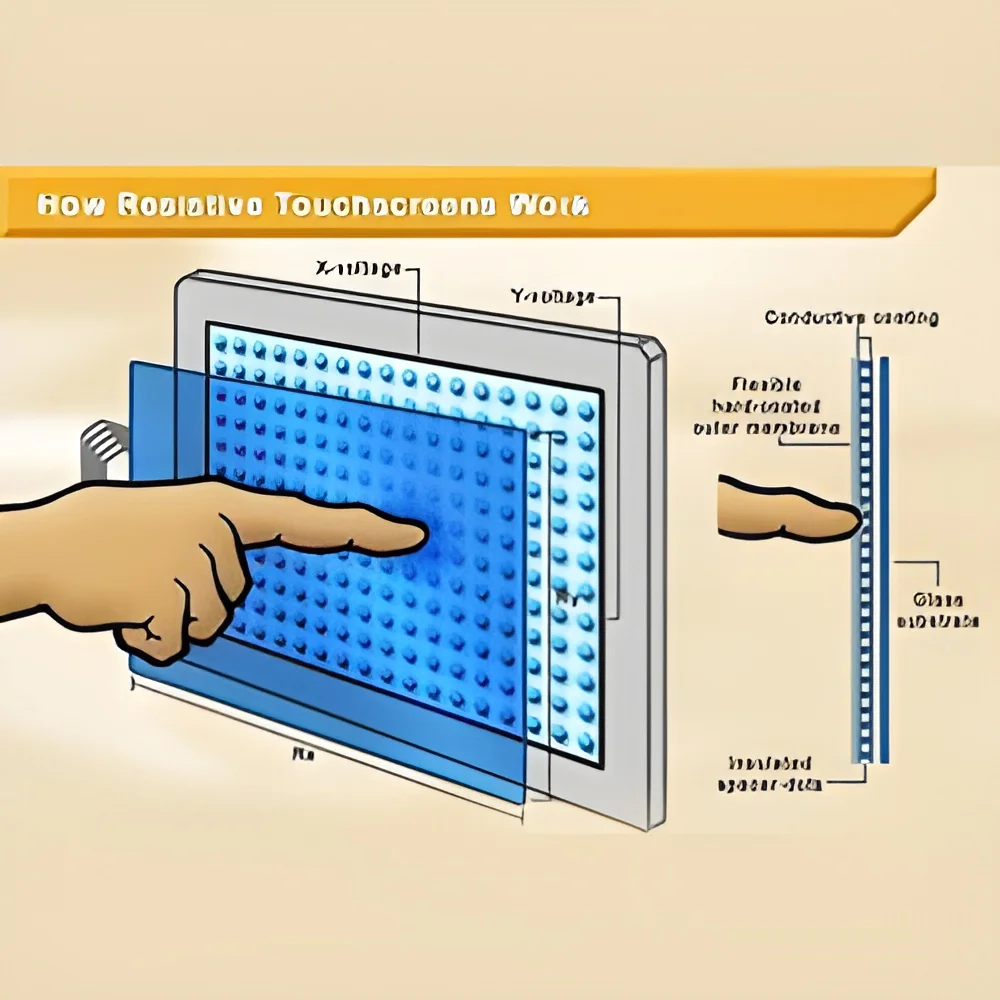
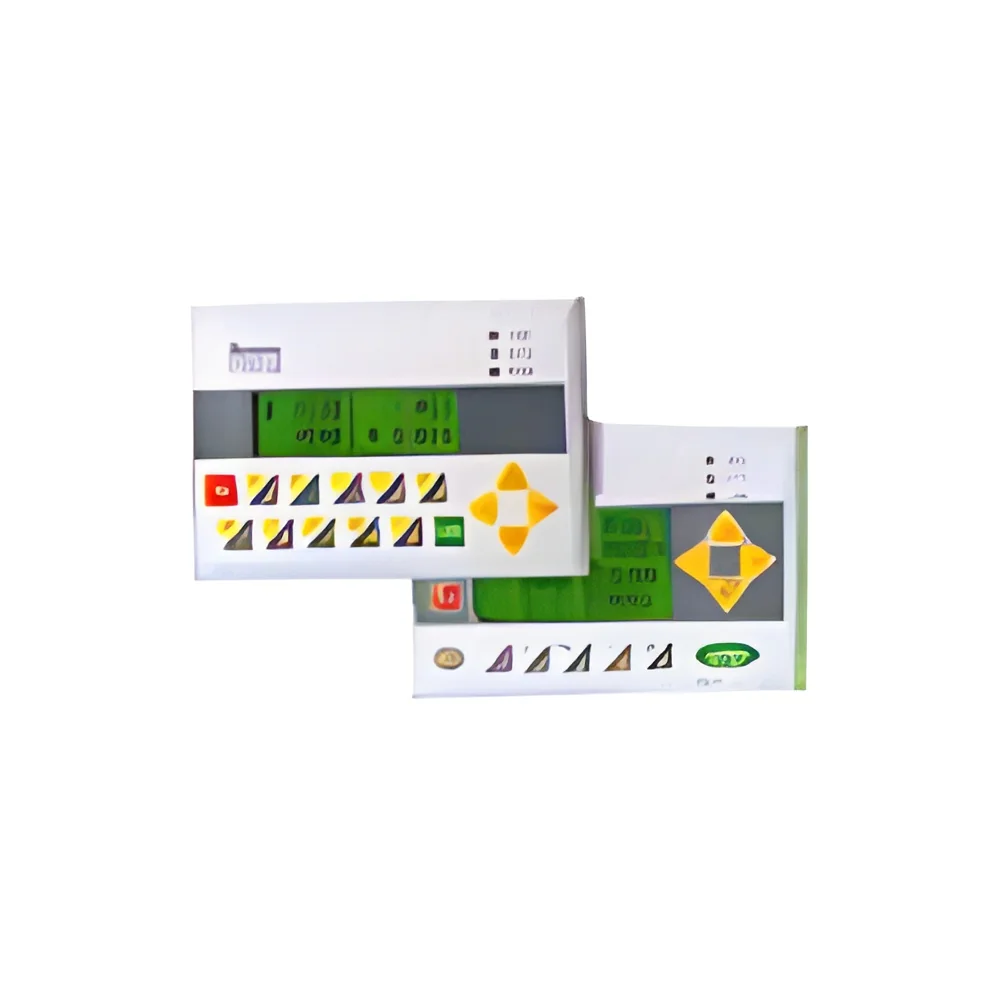
- Options include touch screens, physical buttons, and stylus input.
- Touch screens may support multi-touch capabilities.
5. Connectivity Options
- Includes Ethernet, USB, and serial communication protocols.
- Enables integration with other devices and networks.
6. Operating Temperature
- Designed to function within specific temperature ranges.
- Typical operating ranges can vary, with some models rated for extreme environments.
7. Power Supply
- Various power requirements, including AC and DC options.
- Some models may offer power over Ethernet (PoE).
8. Protection Rating
- Ingress Protection (IP) ratings indicate resistance to dust and water.
- Common ratings include IP65 and IP67 for rugged environments.
Overall, understanding these specifications helps in selecting an HMI that aligns with the operational environment and user requirements.
Common Applications and Use Cases
Human Machine Interfaces are utilized in a wide range of industries, showcasing their versatility and adaptability.
1. Manufacturing: HMIs are used to monitor machinery, control production lines, and visualize real-time data, enhancing operational efficiency.
2. Energy: In power plants, HMIs facilitate the management of energy production processes, allowing operators to monitor system performance and respond to alerts.
3. Transportation: HMIs are integrated into vehicles and transport systems for navigation, vehicle diagnostics, and user interaction.
4. Food and Beverage: These interfaces help in managing production processes, ensuring quality control, and adhering to safety standards.
5. Pharmaceuticals: HMIs are crucial in monitoring processes, maintaining compliance with regulations, and ensuring product quality.
6. Building Automation: HMIs control various building systems, including HVAC, lighting, and security, providing centralized management.
7. Water Treatment: HMIs monitor and control water treatment processes, ensuring compliance with health standards and operational efficiency.
Product Variants and Subcategories
Human Machine Interfaces come in diverse variants, catering to specific industry needs and applications.
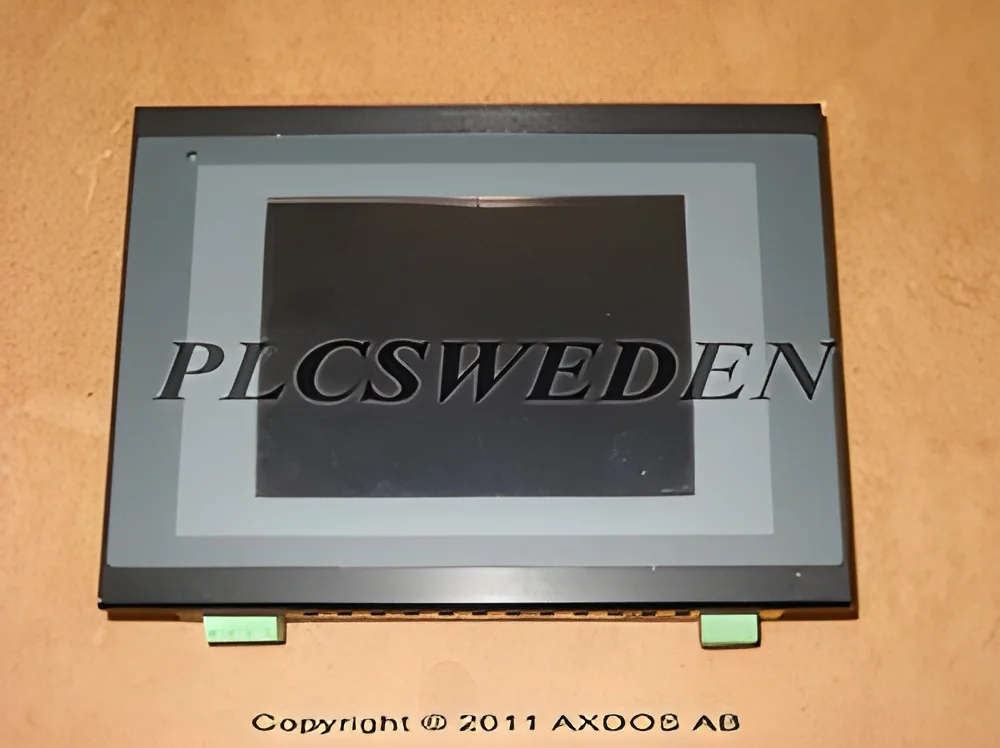
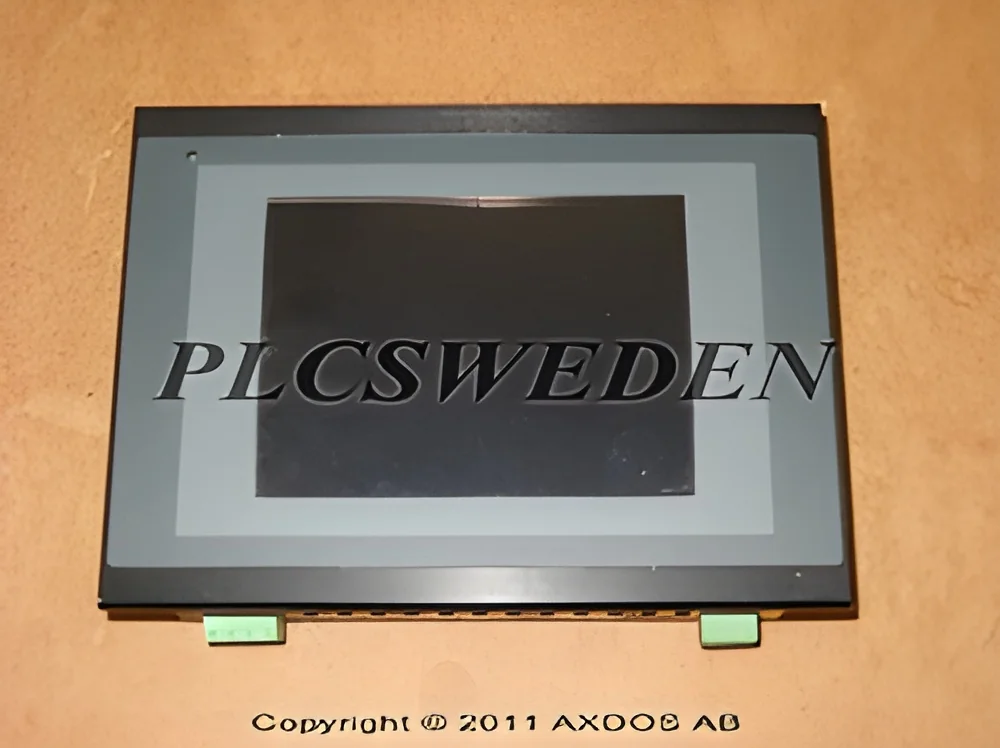
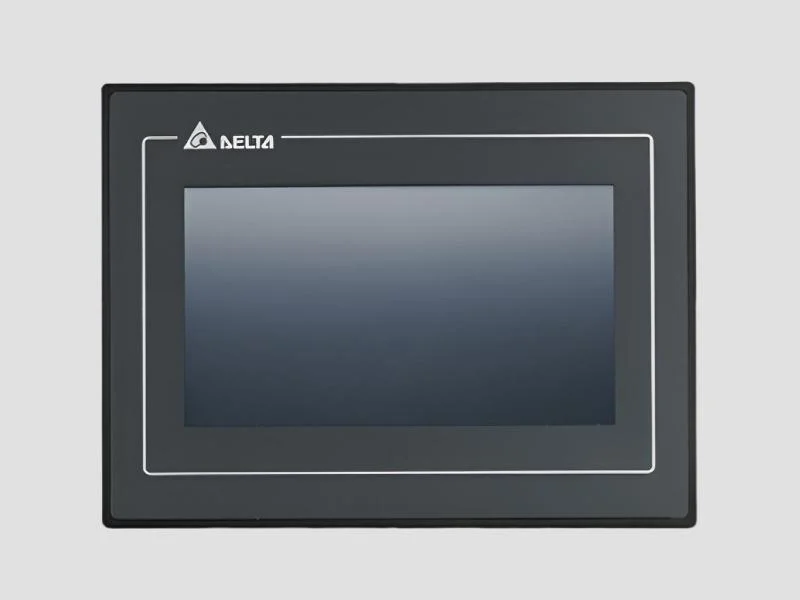
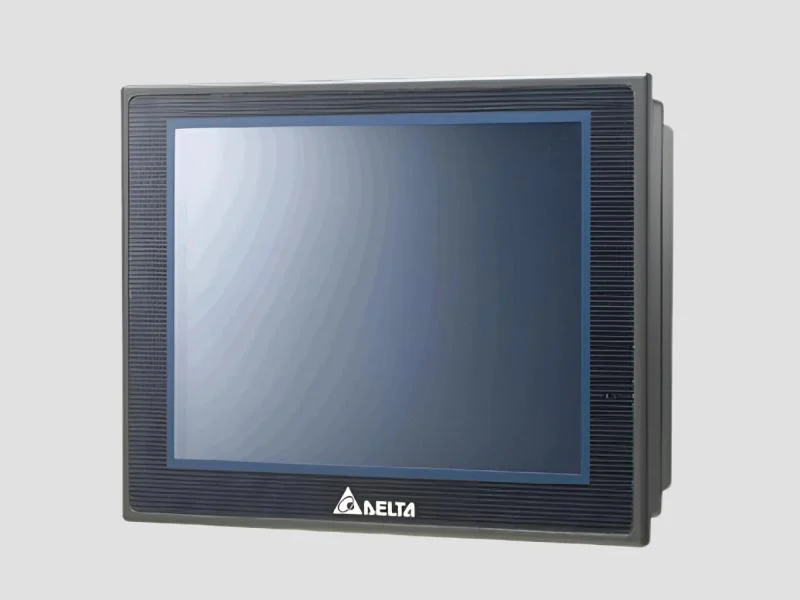
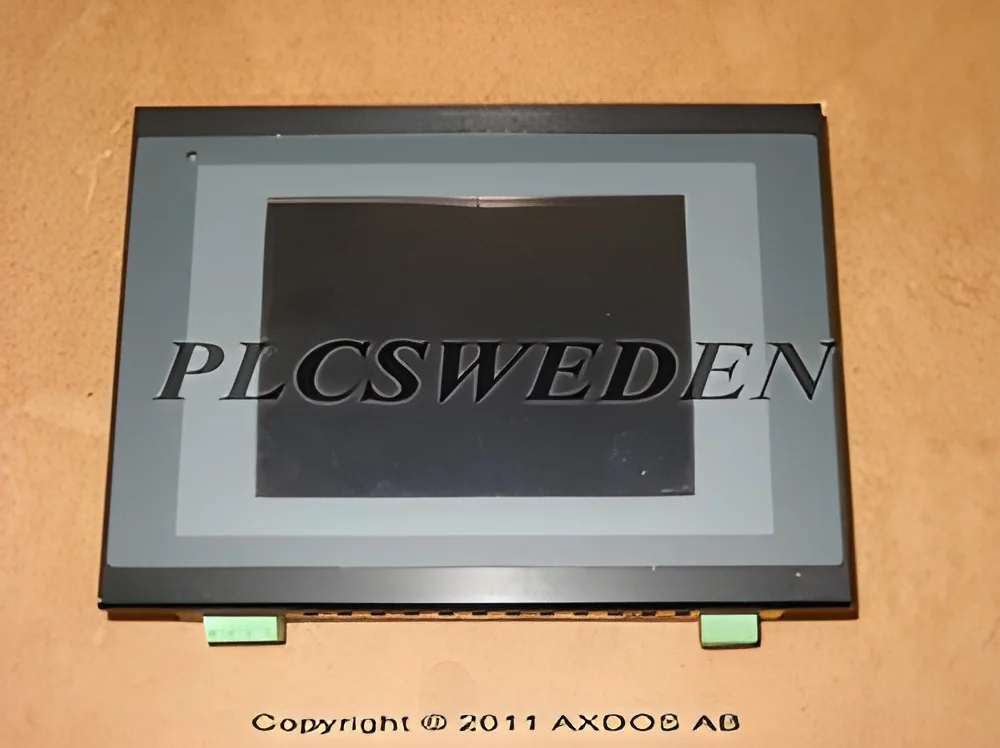
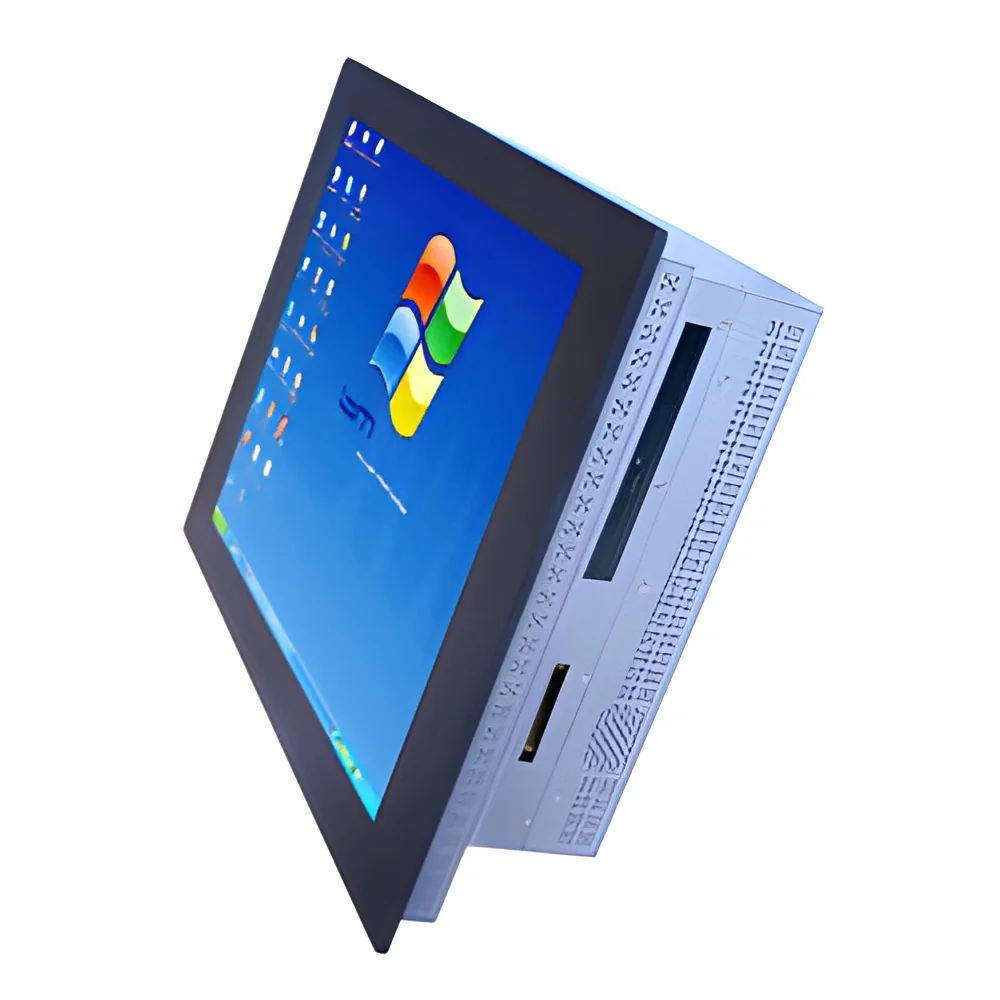
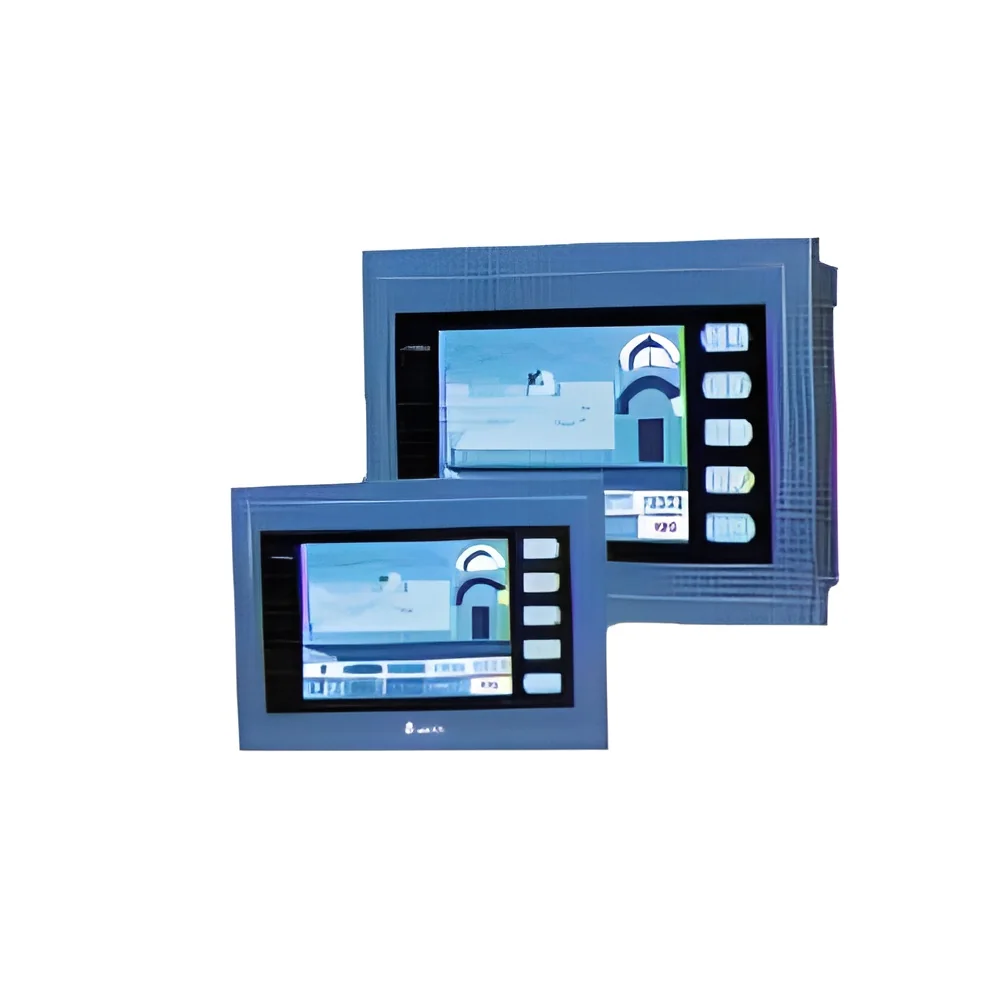
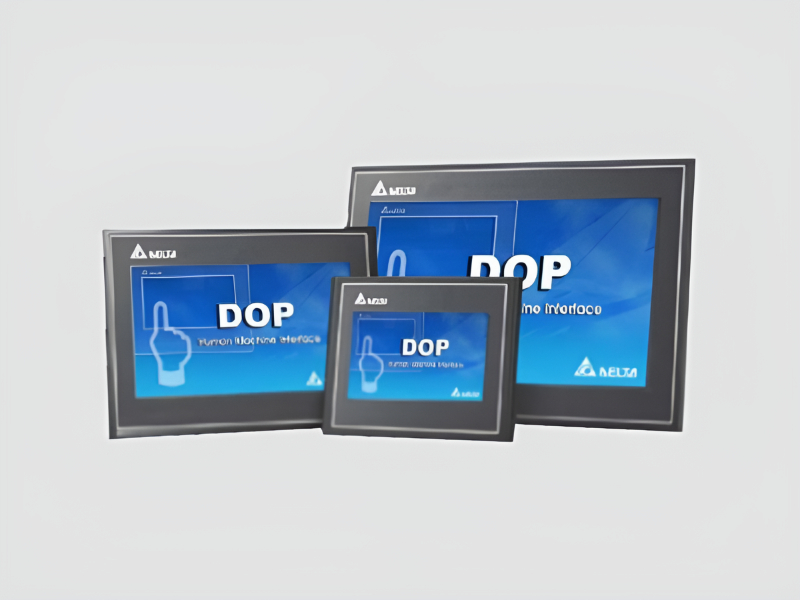
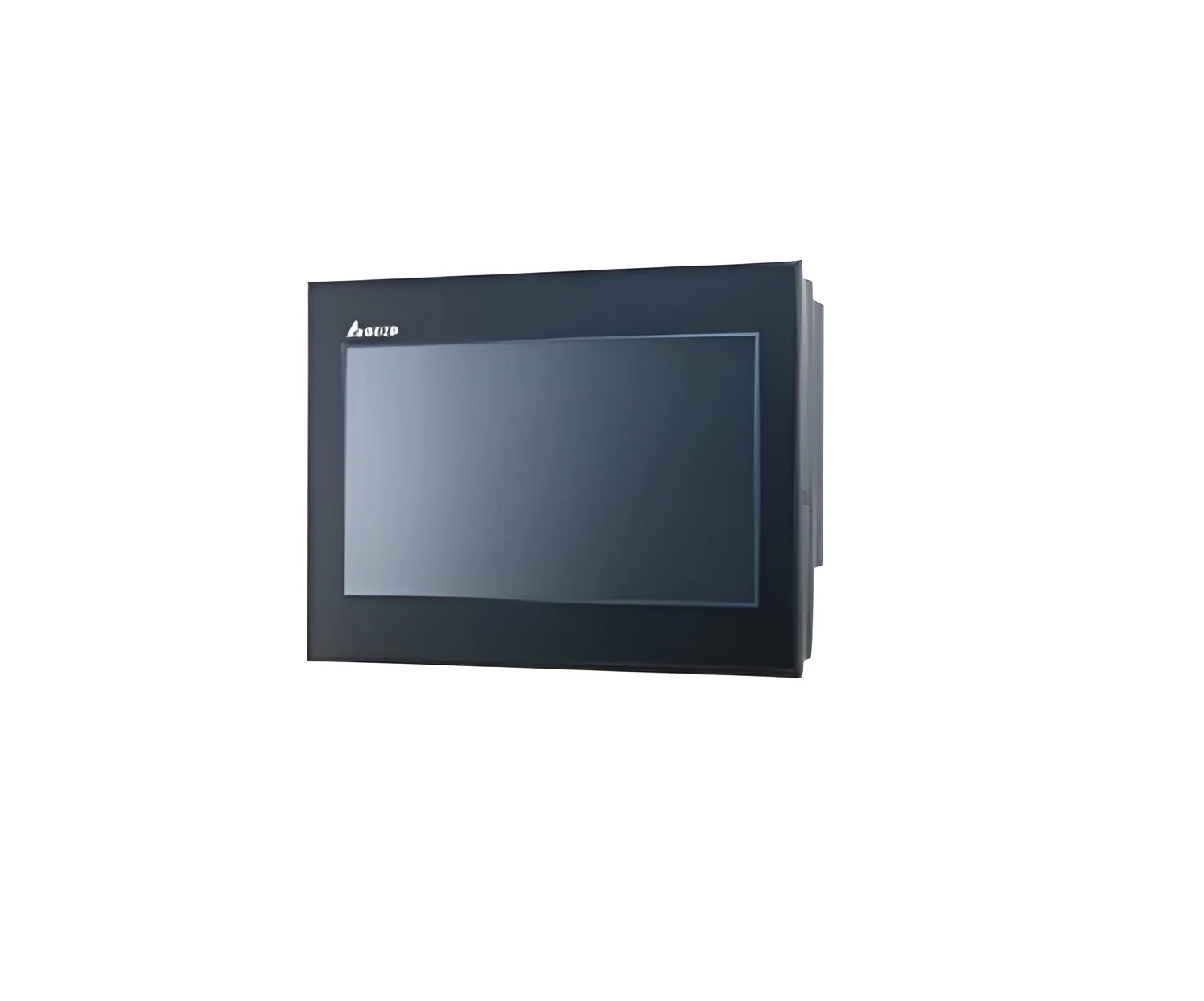
Panel-Mounted HMIs: These are typically installed directly onto control panels. They offer a compact solution with essential controls and displays for monitoring applications in manufacturing and process control.
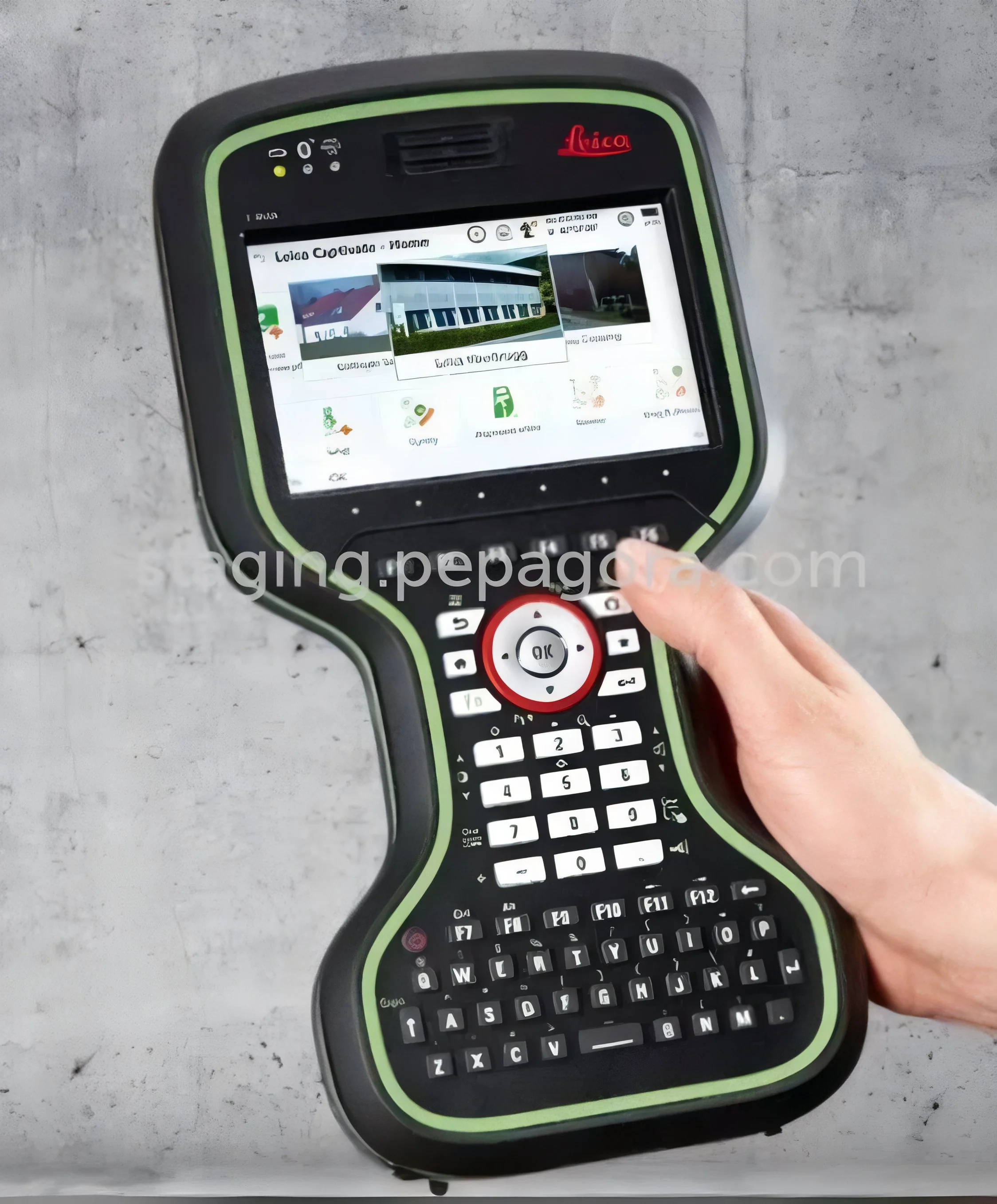
Portable HMIs: Designed for mobility, portable HMIs allow operators to interact with machinery on the go. They are often used in maintenance and troubleshooting scenarios.
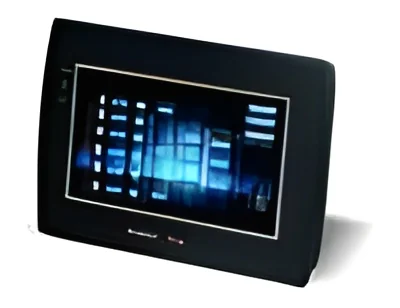
Wall-Mounted HMIs: These interfaces are fixed to walls or equipment, providing easy access for operators in various industrial settings. They are suitable for environments where space is limited.
Benefits and Advantages
Human Machine Interfaces offer numerous benefits that enhance operational efficiency and user interaction.
1. Increased Efficiency: HMIs streamline operations, allowing quicker response times and reducing manual errors.
2. Enhanced User Experience: Intuitive designs and interactive displays improve the user experience, making it easier for operators to monitor and control processes.
3. Real-Time Monitoring: With real-time data visualization, operators can make informed decisions promptly, improving overall productivity.
4. Customizability: Many HMIs can be customized to meet specific operational needs, ensuring that users have access to the relevant information.
5. Improved Safety: By providing critical alerts and monitoring capabilities, HMIs enhance workplace safety and minimize risks.
6. Cost Savings: Efficient operations translate to reduced downtime and lower operational costs, providing a strong return on investment.
Buying Guide for B2B Buyers
When sourcing Human Machine Interfaces, it is essential for buyers to consider several factors to ensure they make informed decisions.
1. Quality Assessment: Evaluate the quality of HMIs by checking for certifications and compliance with industry standards. High-quality HMIs are typically more reliable and durable.
2. Supplier Verification: Vet suppliers by reviewing their reputation, customer feedback, and track record. A verified supplier can provide assurance of product quality and support.
3. Pricing and MOQ: Understand the pricing structure and minimum order quantities (MOQ) set by suppliers. This ensures that the purchasing decision aligns with budgetary considerations.
4. Delivery and Lead Times: Assess the logistics involved in the procurement process, including expected delivery times. Timely delivery is crucial for maintaining operational efficiency.
5. Compliance Requirements: Ensure that the HMIs meet relevant regulatory and industry compliance standards. This is critical for avoiding potential legal and operational issues.
Compliance and Certifications
Compliance and certifications are essential in ensuring that Human Machine Interfaces meet industry standards and safety requirements.
Relevant quality standards such as ISO 9001 ensure that products are manufactured under strict quality management systems. This certification signifies reliability and consistency in production processes.
Industry certifications like CE mark compliance indicate that the product meets European safety, health, and environmental protection standards. This is particularly important for HMIs used in regulated industries.
Safety and testing requirements must also be adhered to, including rigorous testing for environmental factors such as temperature and humidity. HMIs that pass these tests are deemed suitable for use in various industrial applications.
Additionally, regional compliance considerations vary by market. Buyers must ensure their selected HMIs comply with local regulations to prevent operational disruptions.
Why Source Human Machine Interfaces from Pepagora?
Pepagora provides a trusted platform for sourcing Human Machine Interfaces with several key advantages that benefit B2B buyers.
Verified Supplier Network: Pepagora connects buyers with a network of verified suppliers, ensuring that all providers have been thoroughly vetted for quality and reliability. This network helps buyers find the best products available in the market.
Streamlined RFQ Process: The request for quotation (RFQ) process on Pepagora is designed for efficiency. Buyers can easily submit their requirements and receive quotes from multiple suppliers, simplifying the decision-making process.
Trade Assurance and Support: Pepagora offers trade assurance, providing buyers with protection during transactions. This includes support for resolving disputes and ensuring that products meet the specified standards.
Regional Coverage: With a strong presence in markets such as India, the GCC, and Southeast Asia, Pepagora caters to a wide geographic area. This regional coverage enables buyers to find HMIs suitable for their specific operational needs and local regulations.

 IN
IN