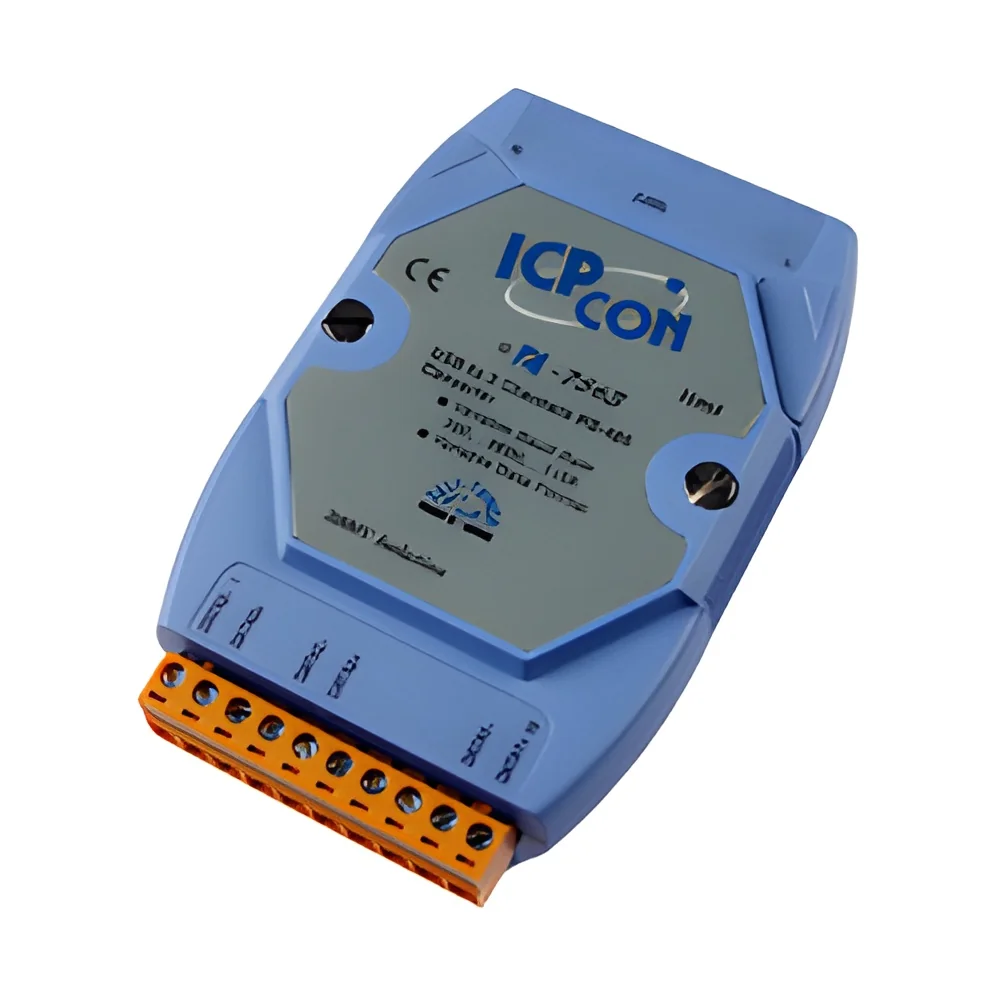
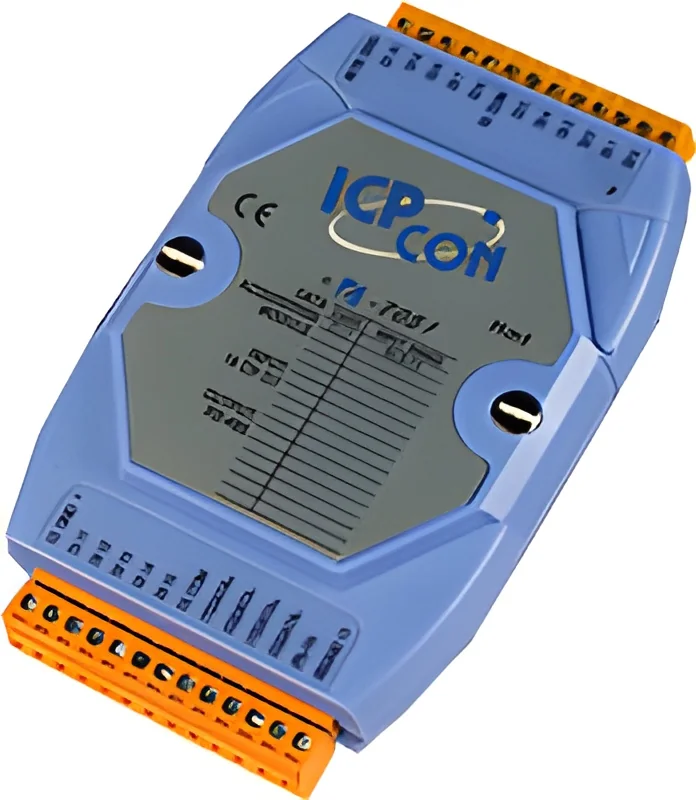
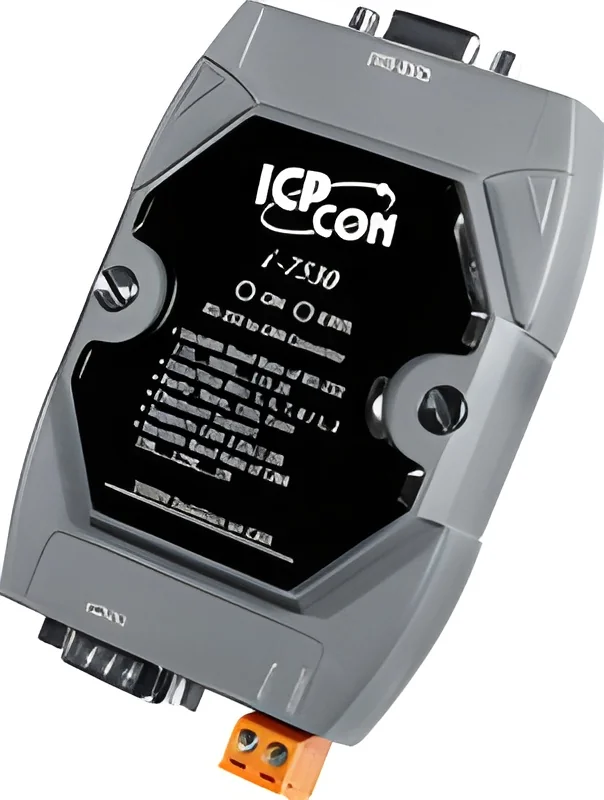
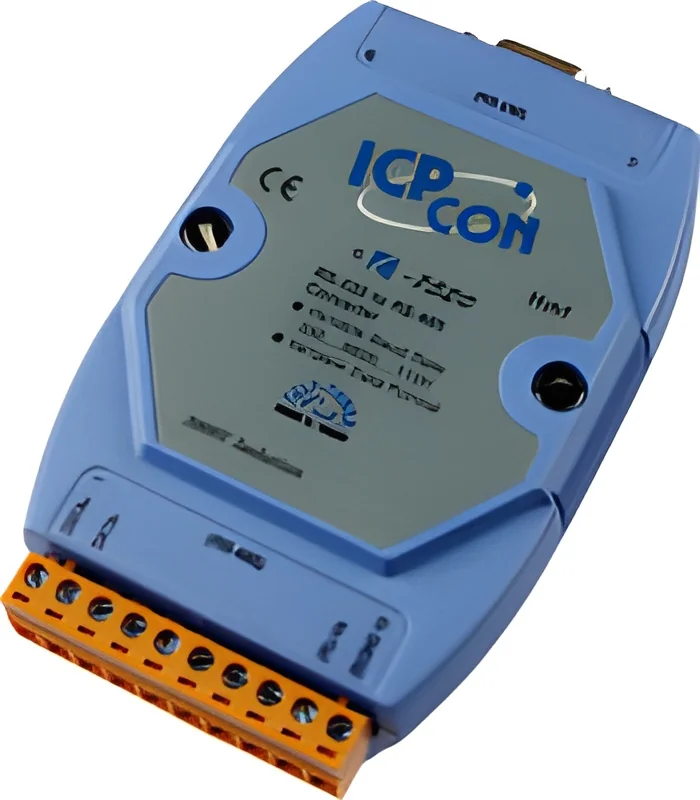
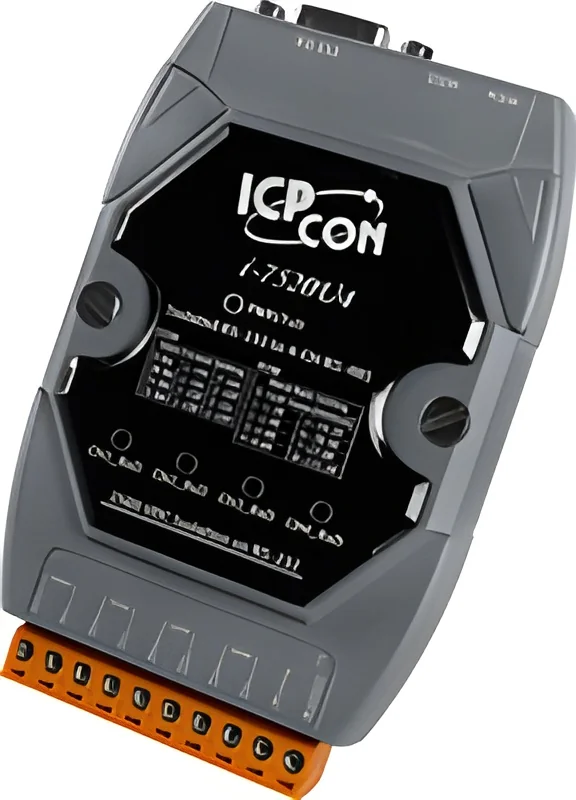
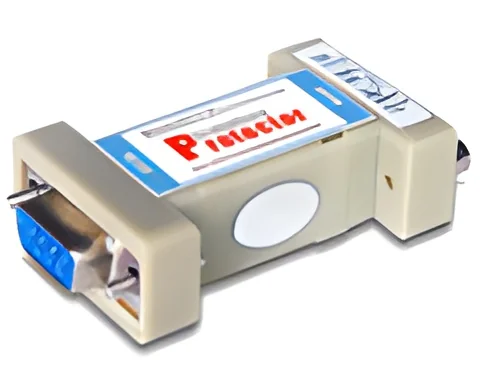
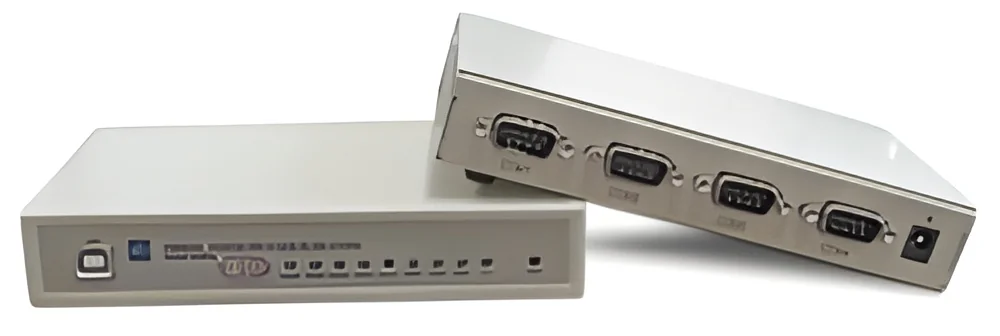
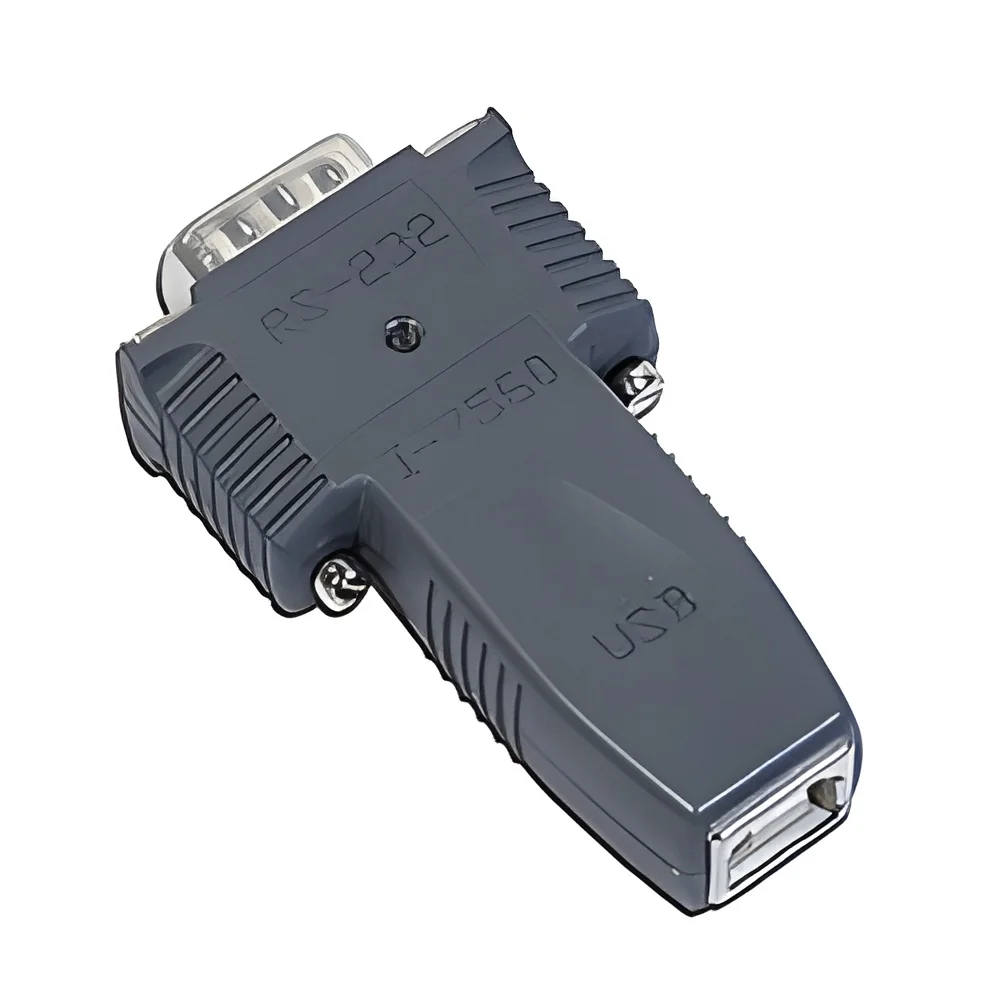
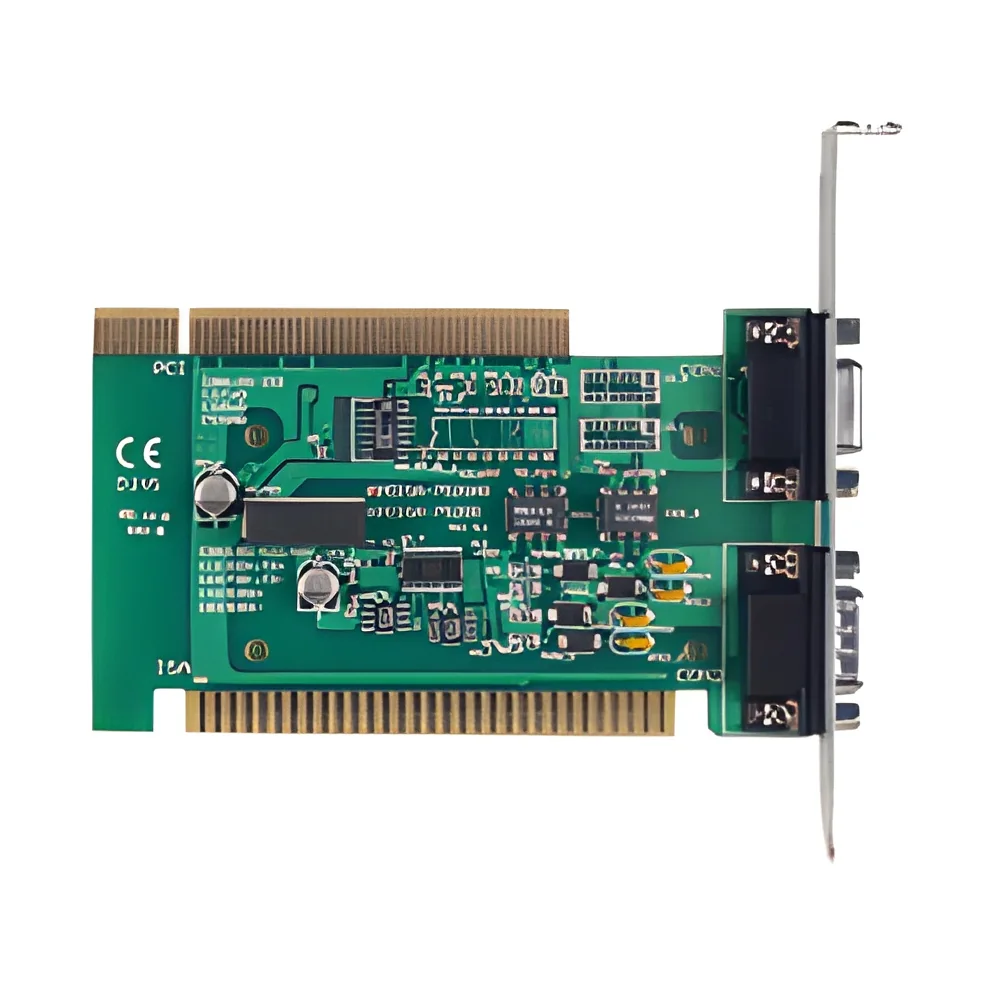
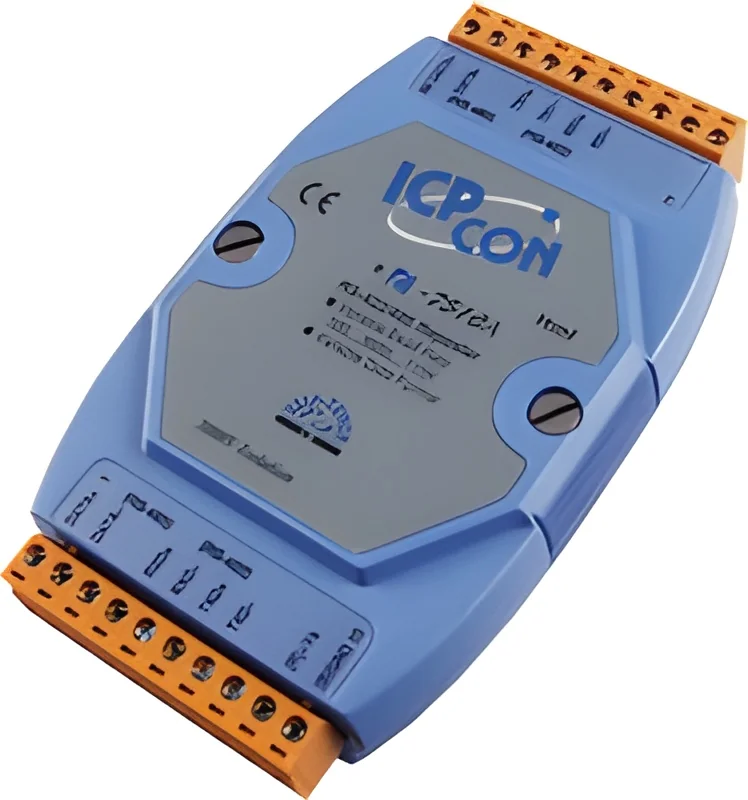
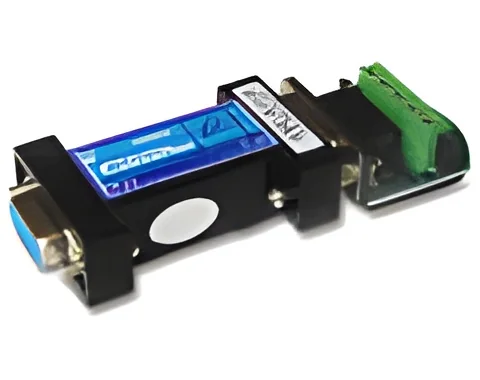
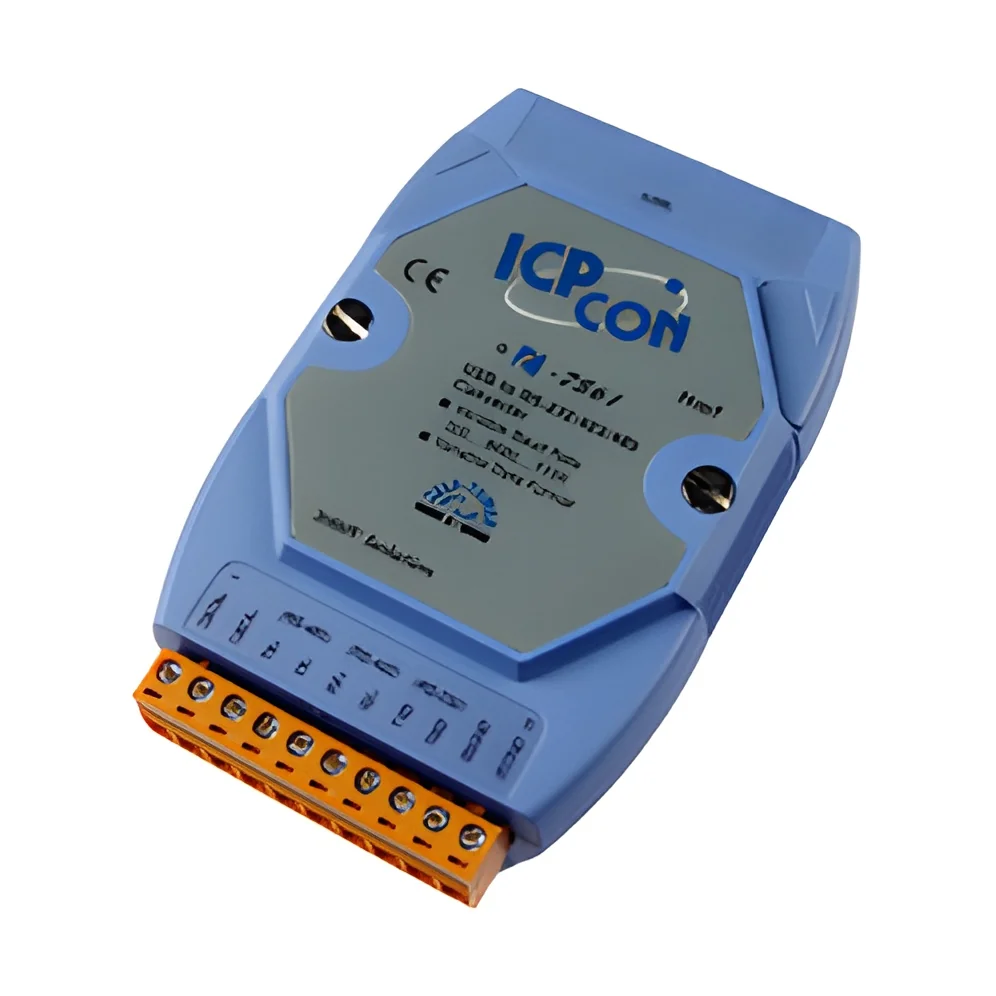
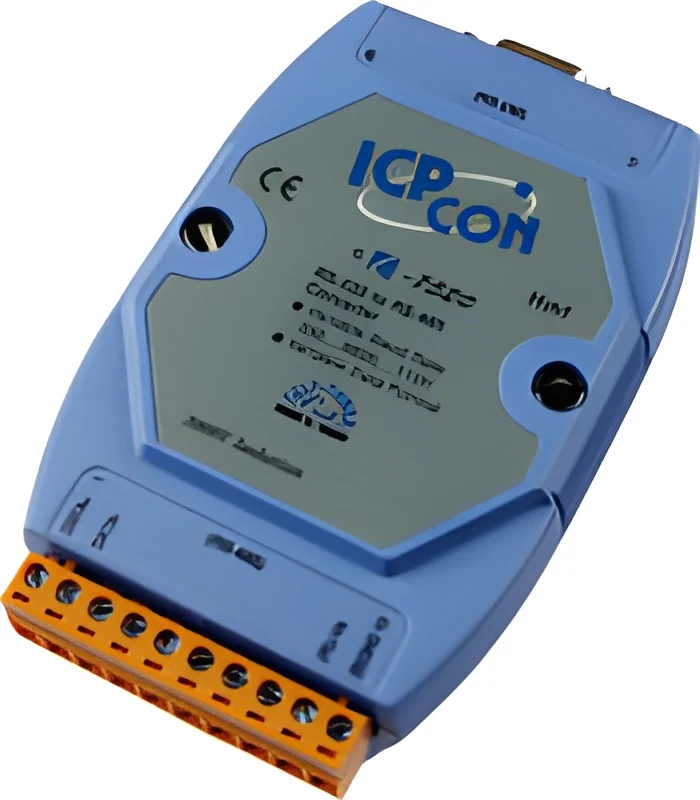
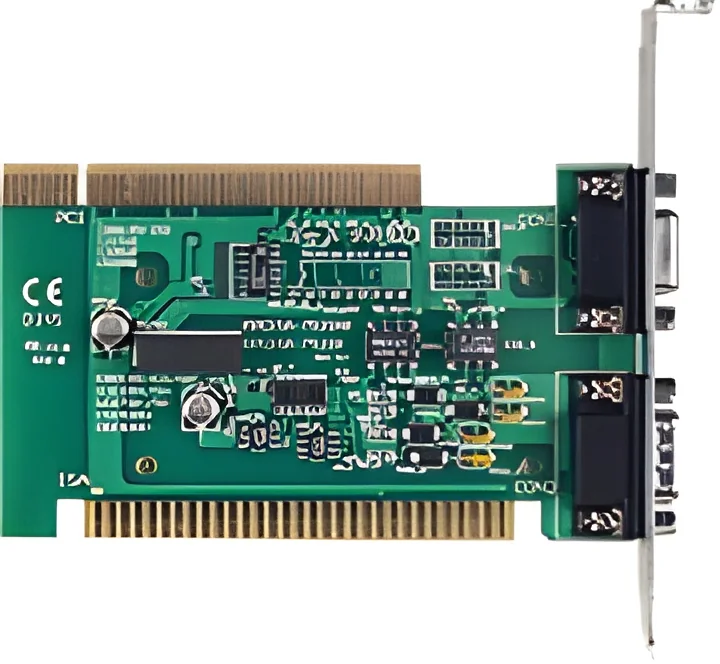
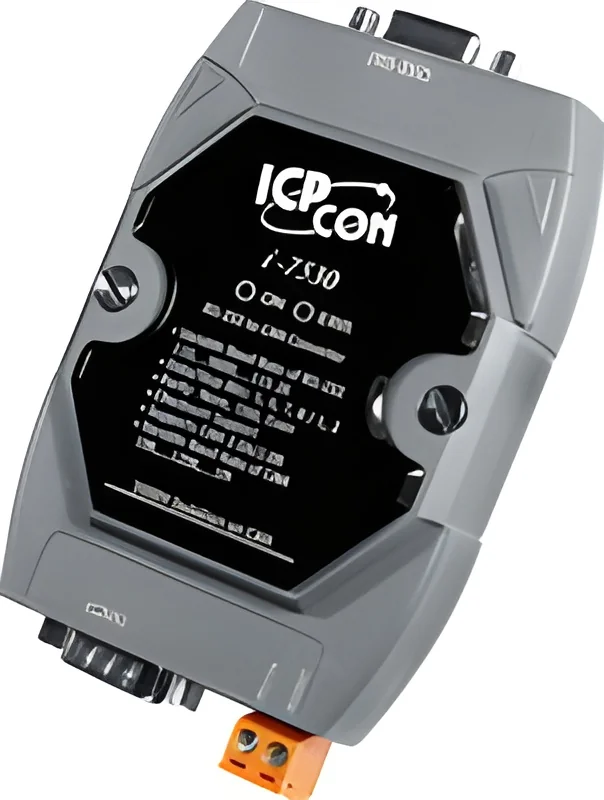
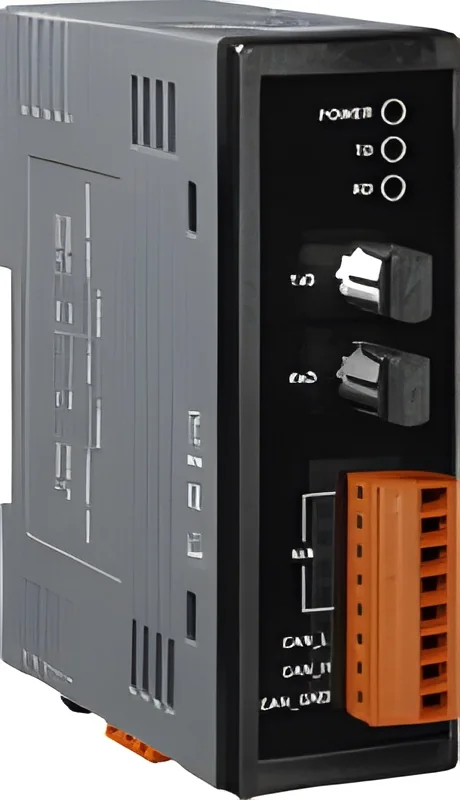
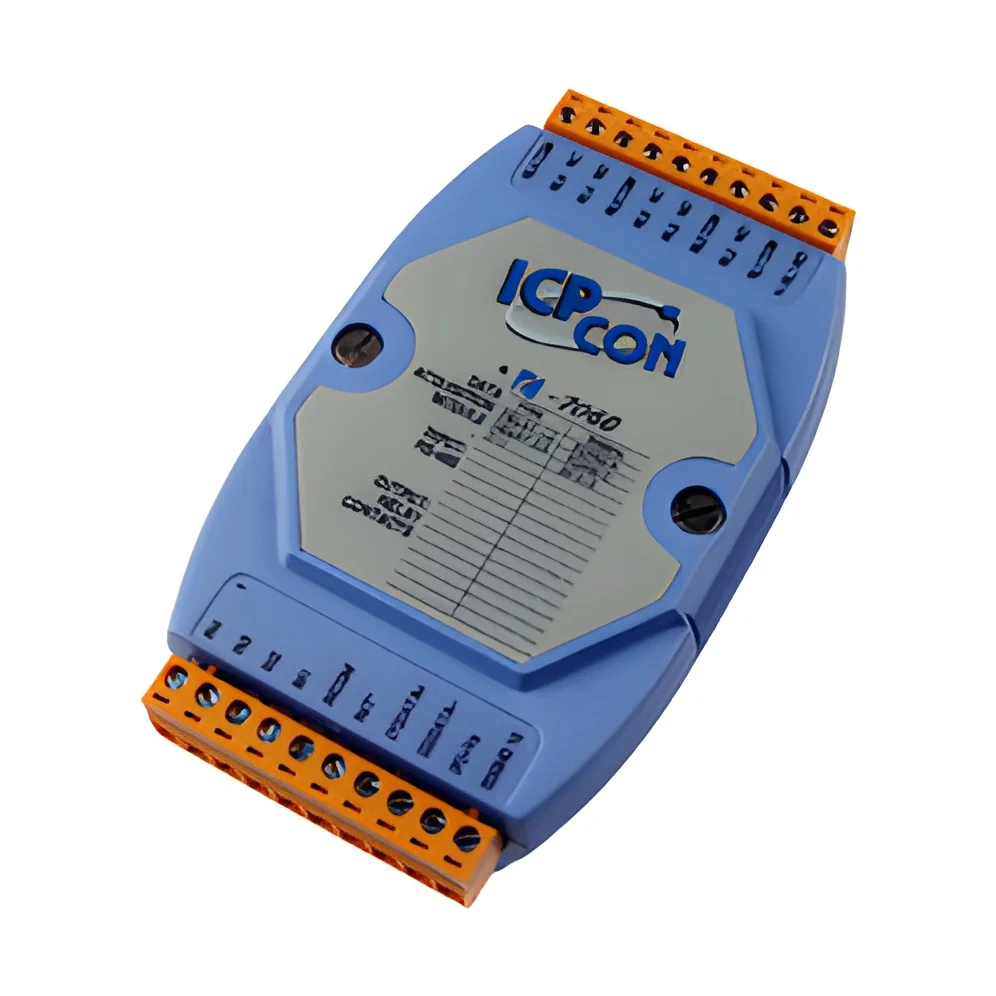
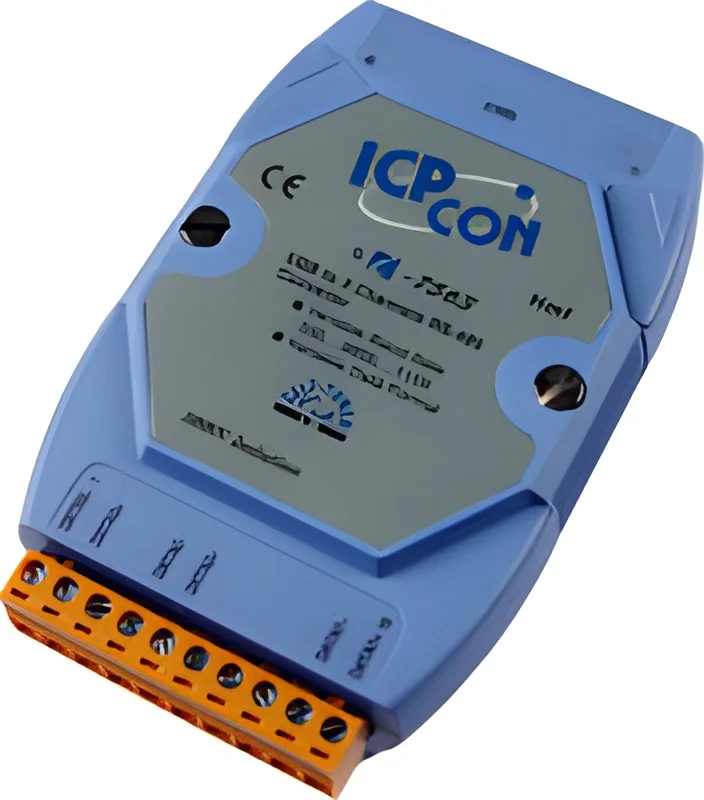
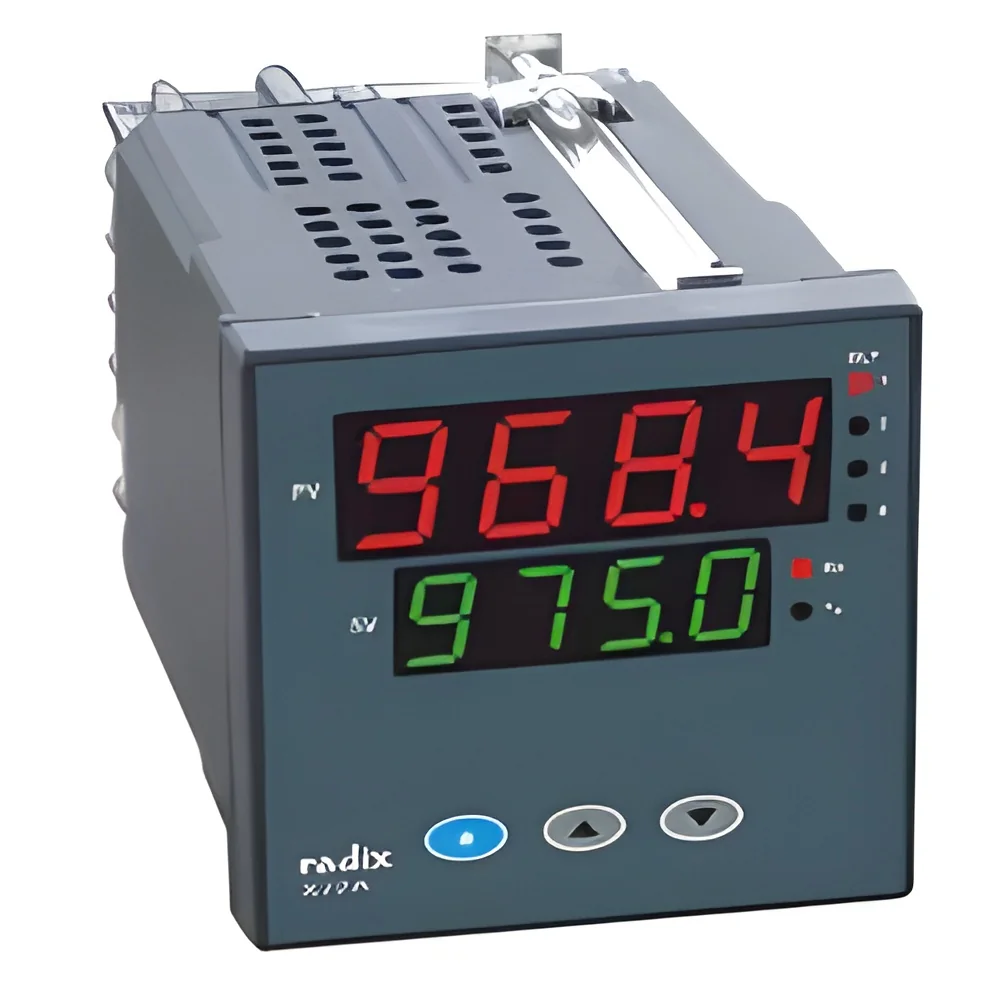
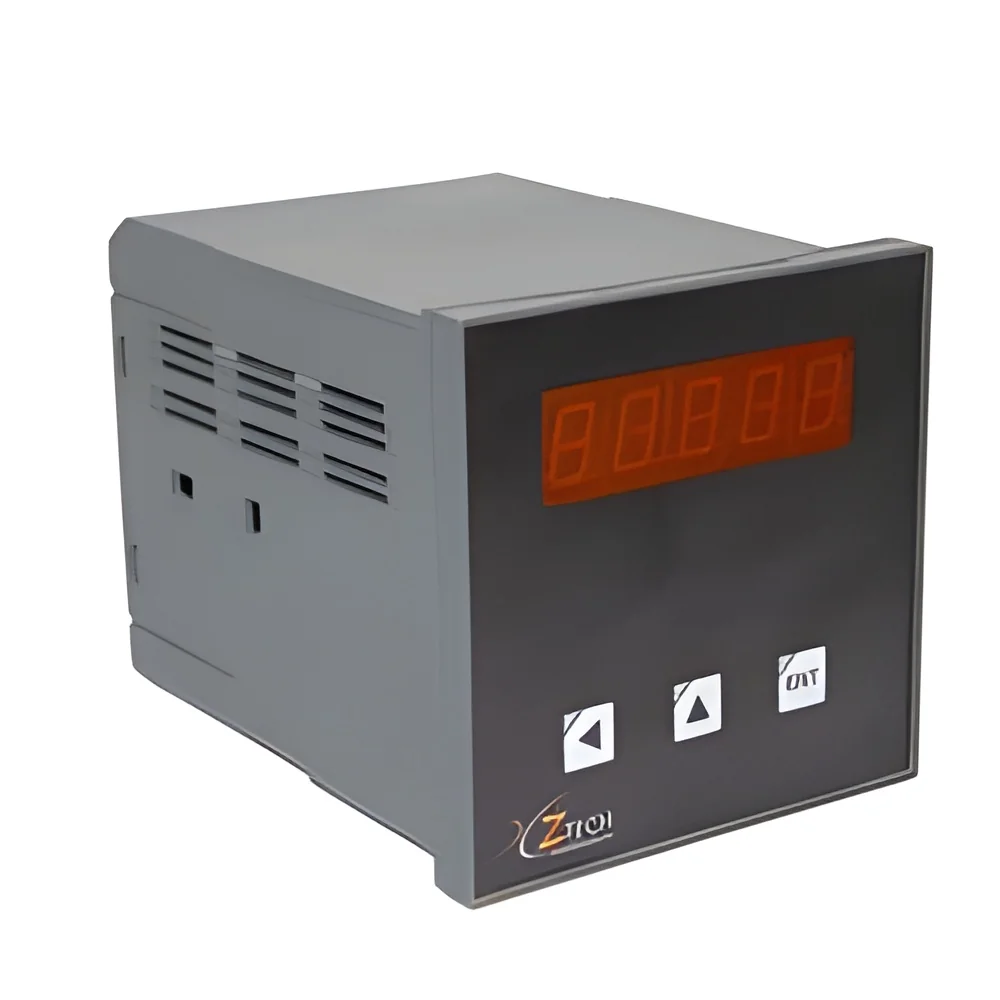
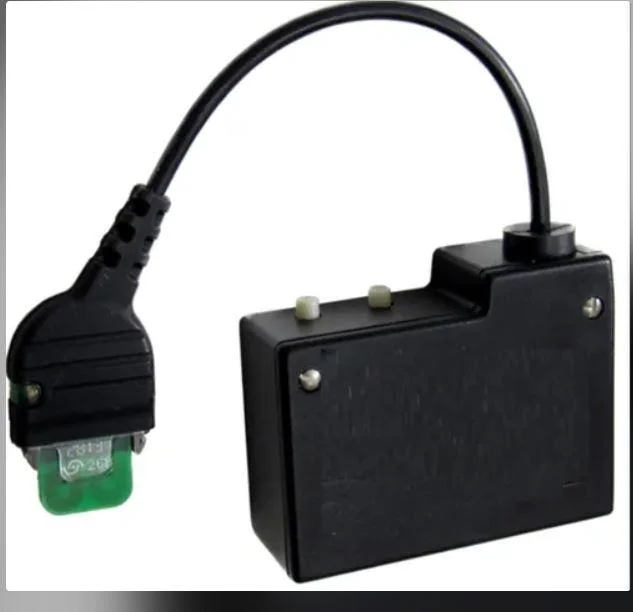
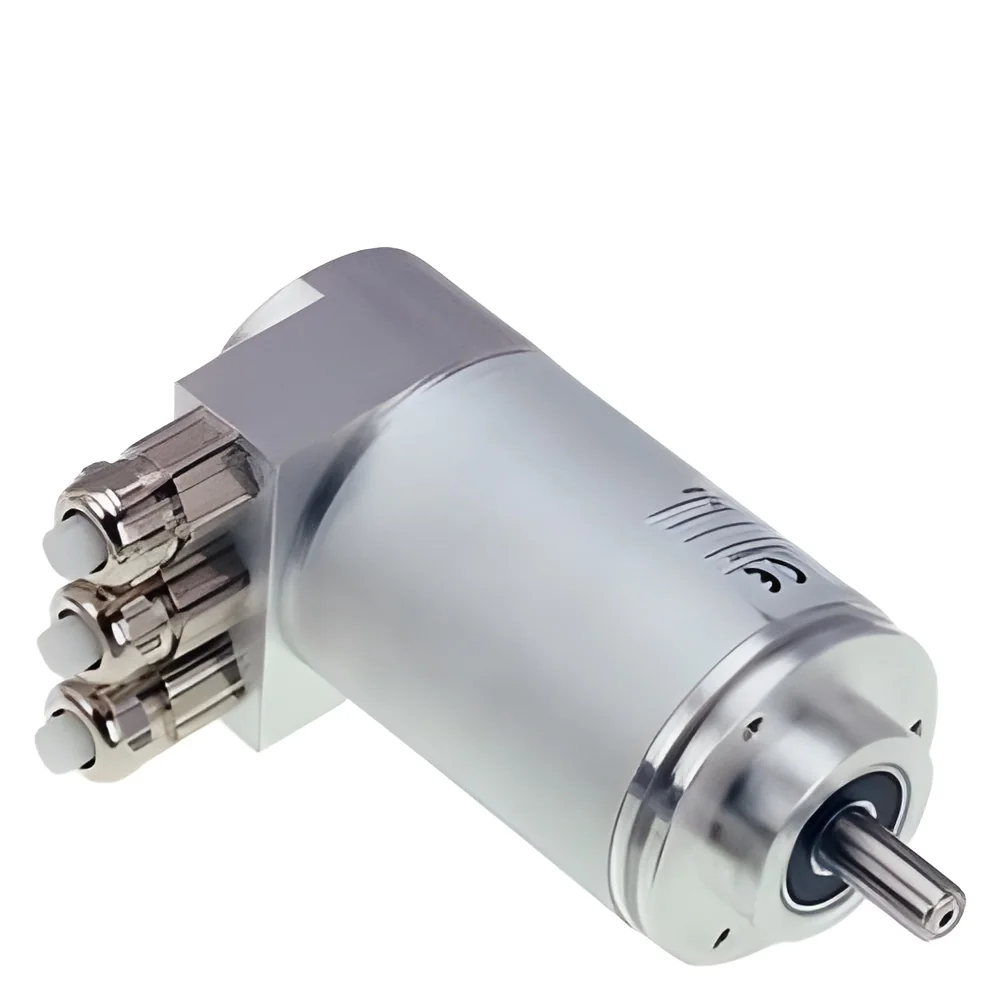
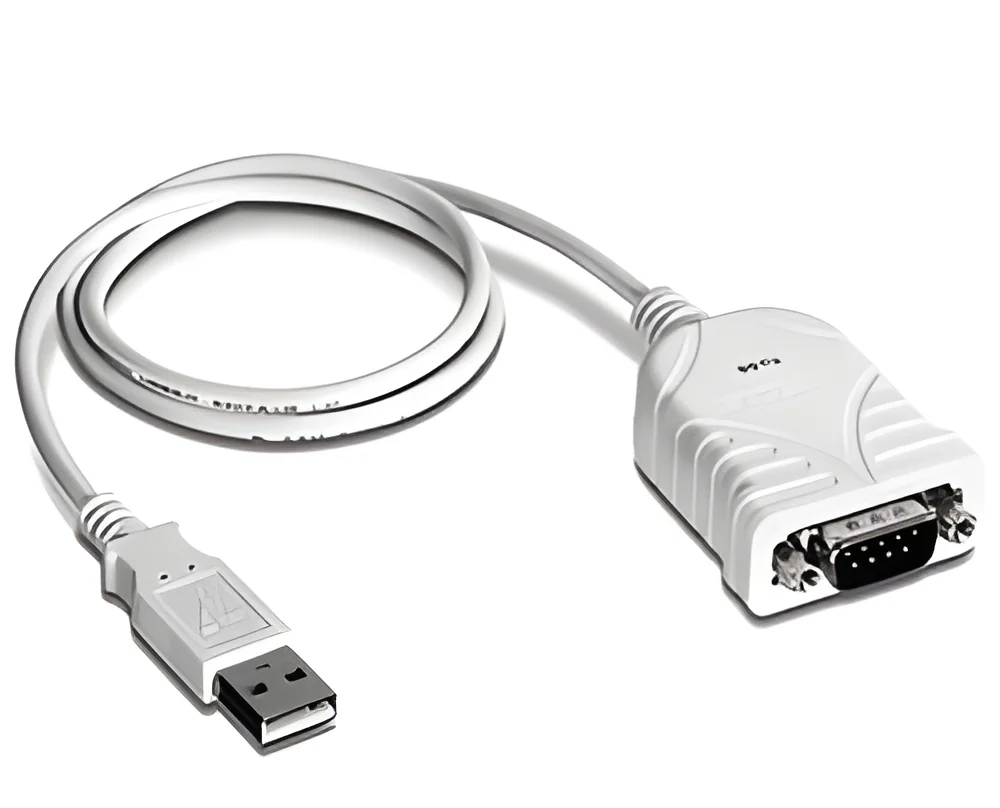
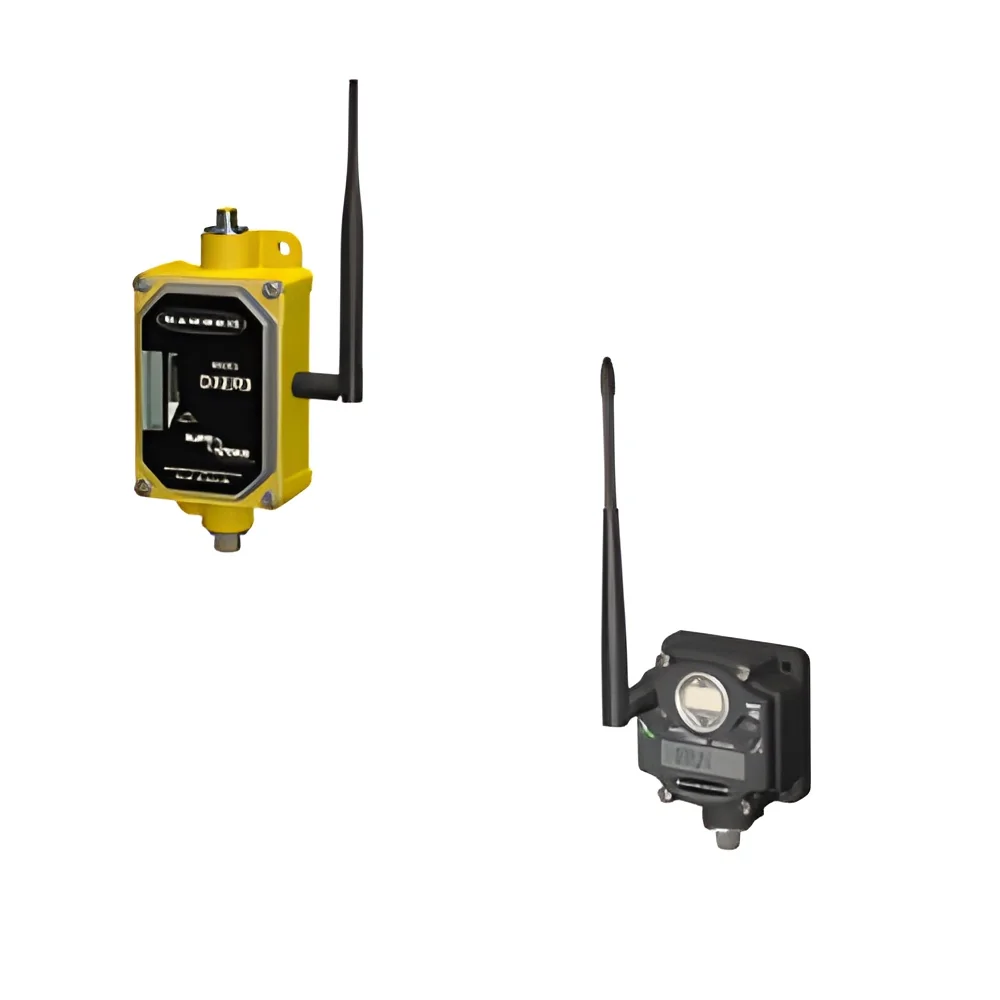
Key Features and Specifications
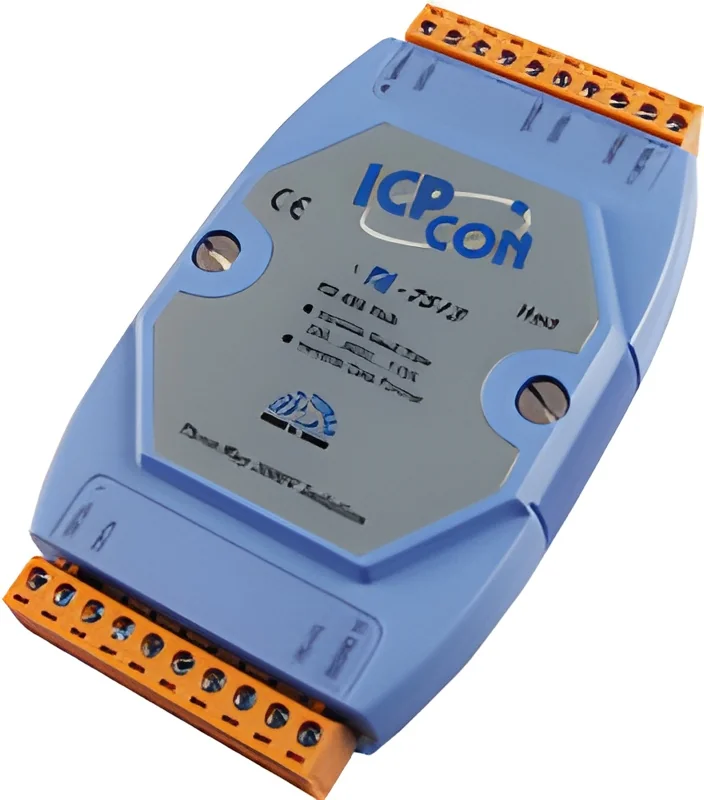
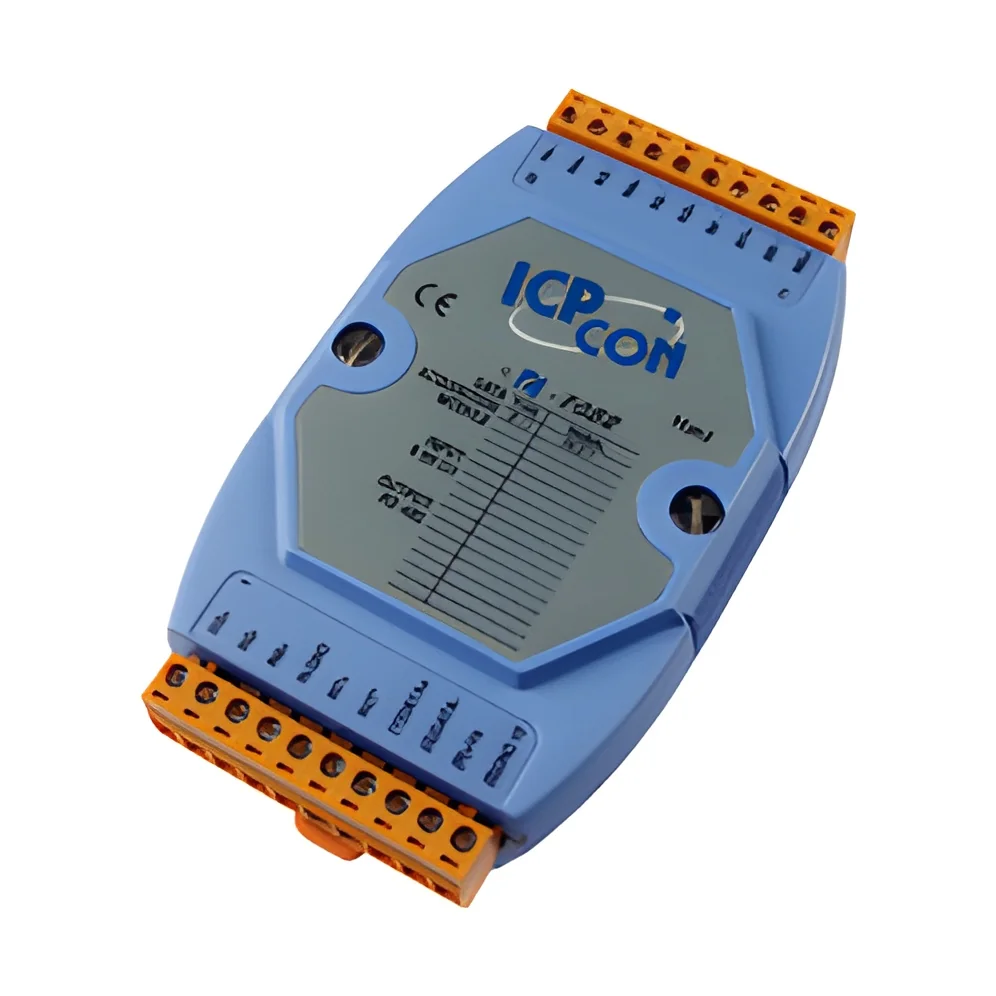
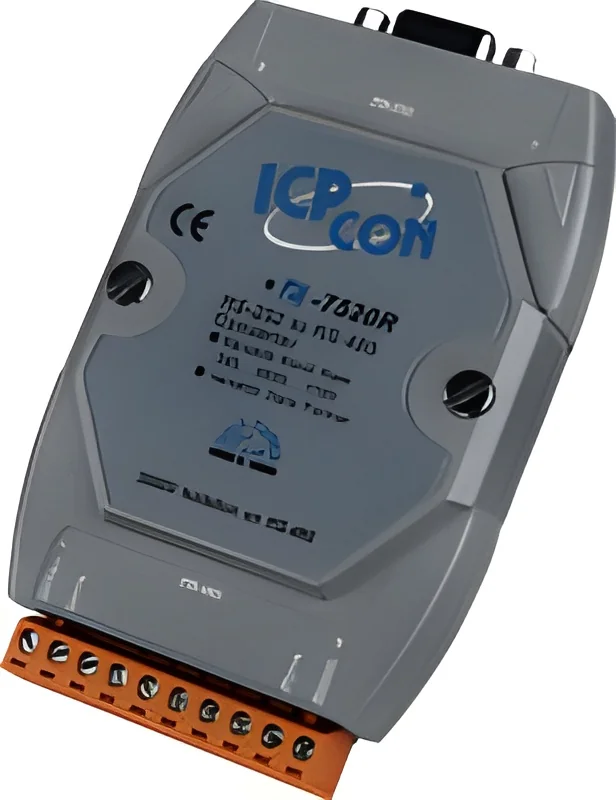
Industrial Communication Protocol Devices are designed with several key features that enhance their functionality and usability. Understanding these specifications is vital for businesses looking to implement effective communication solutions within their operations.
Key specifications include:
1. Communication Protocol
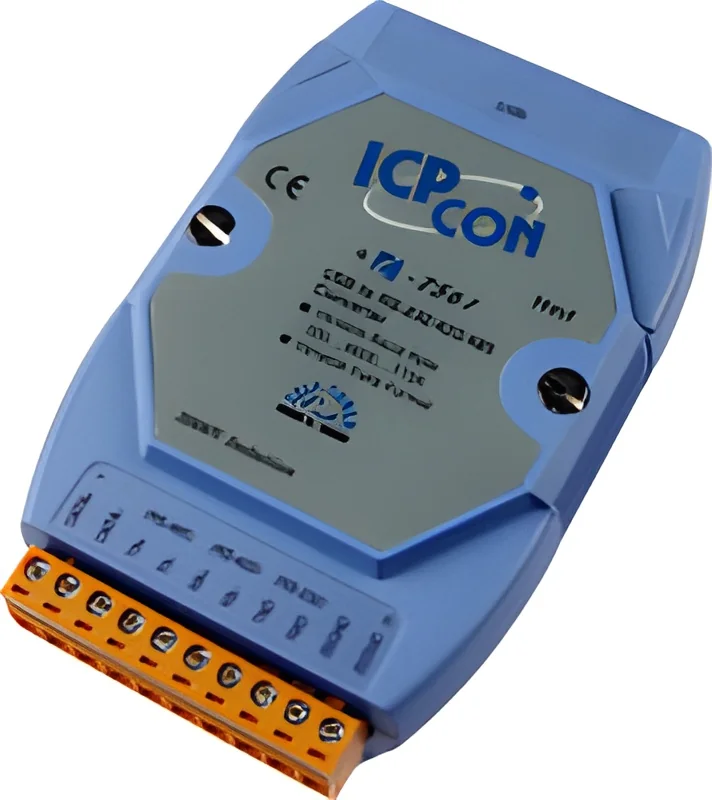
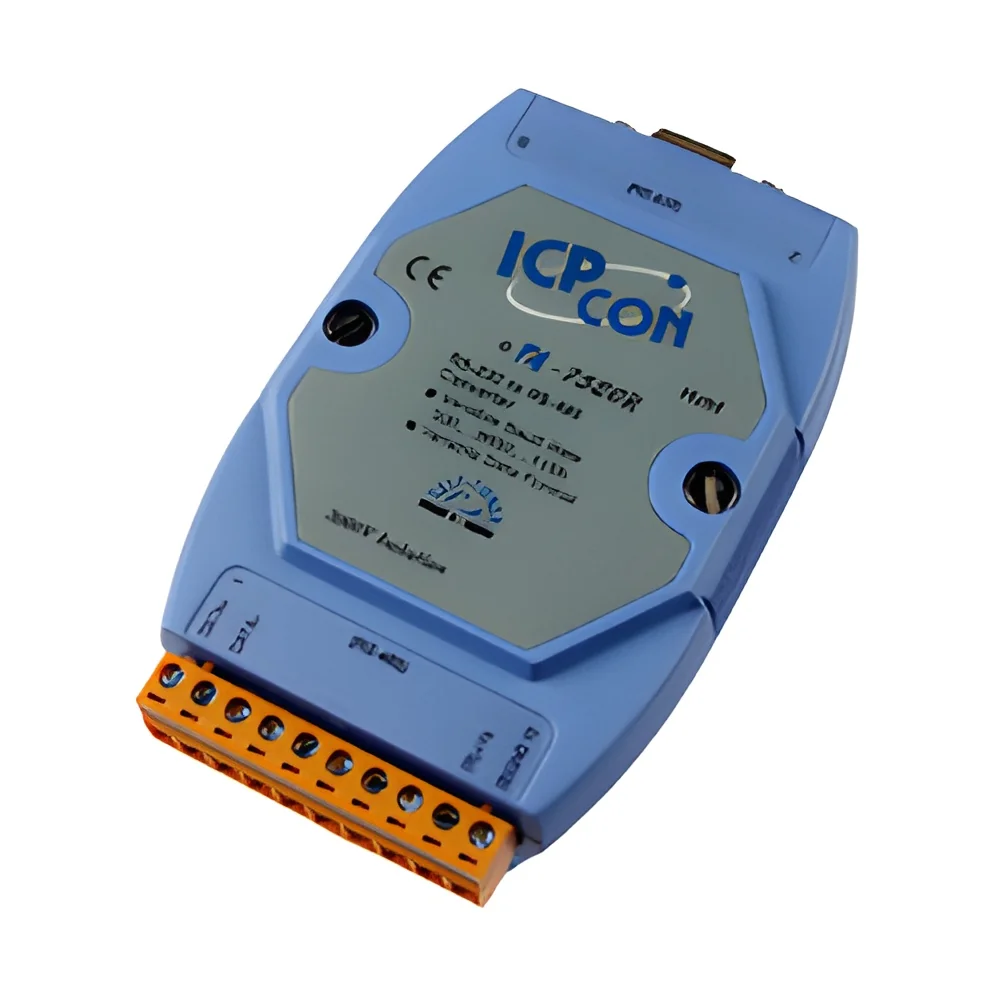
- Supports Modbus RTU, Modbus TCP/IP, and Profibus DP.
- Enables interoperability between devices from different manufacturers.
2. Data Transmission Rate
- Modbus typically supports up to 115.2 Kbps.
- Profibus can achieve speeds of up to 12 Mbps depending on the configuration.
3. Connection Type
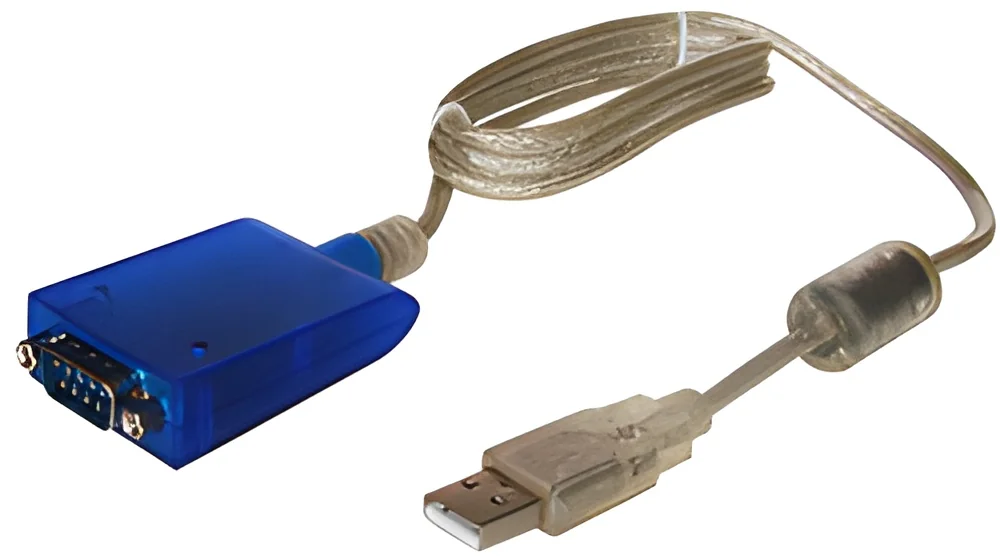
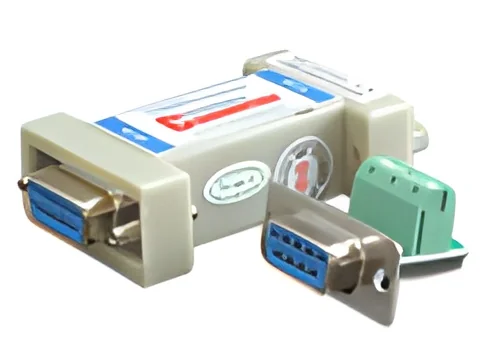
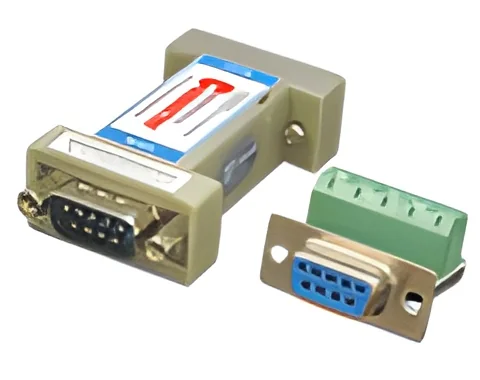
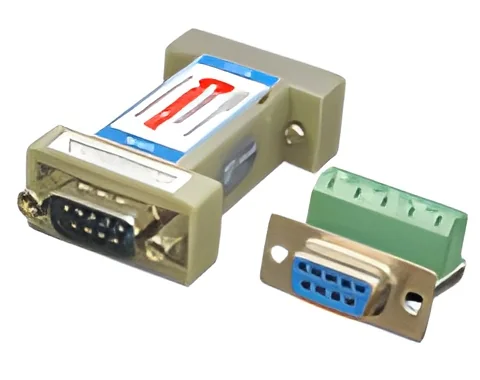
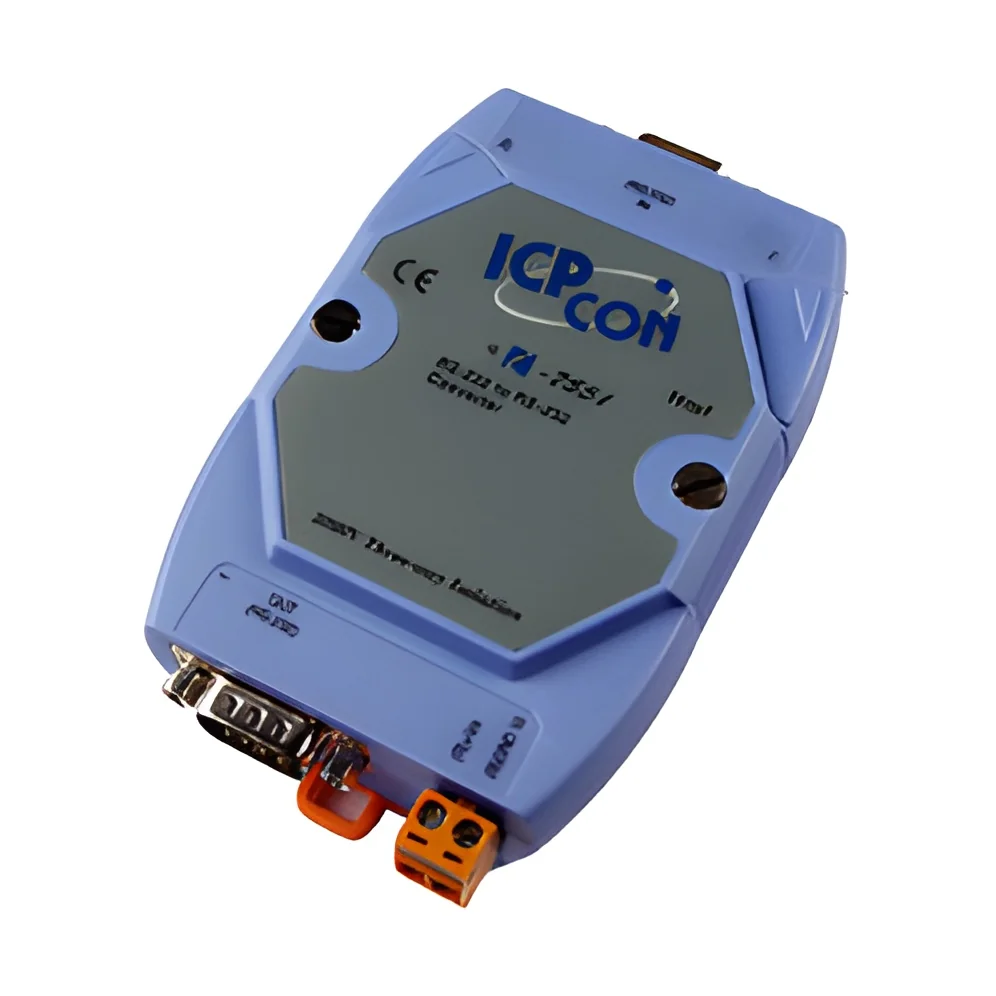
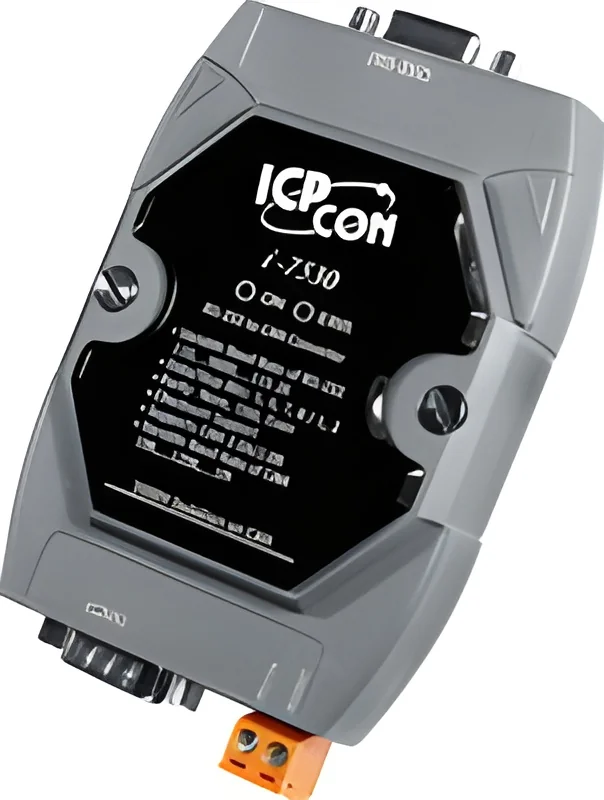
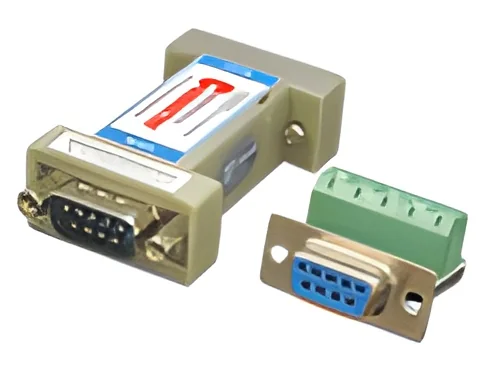
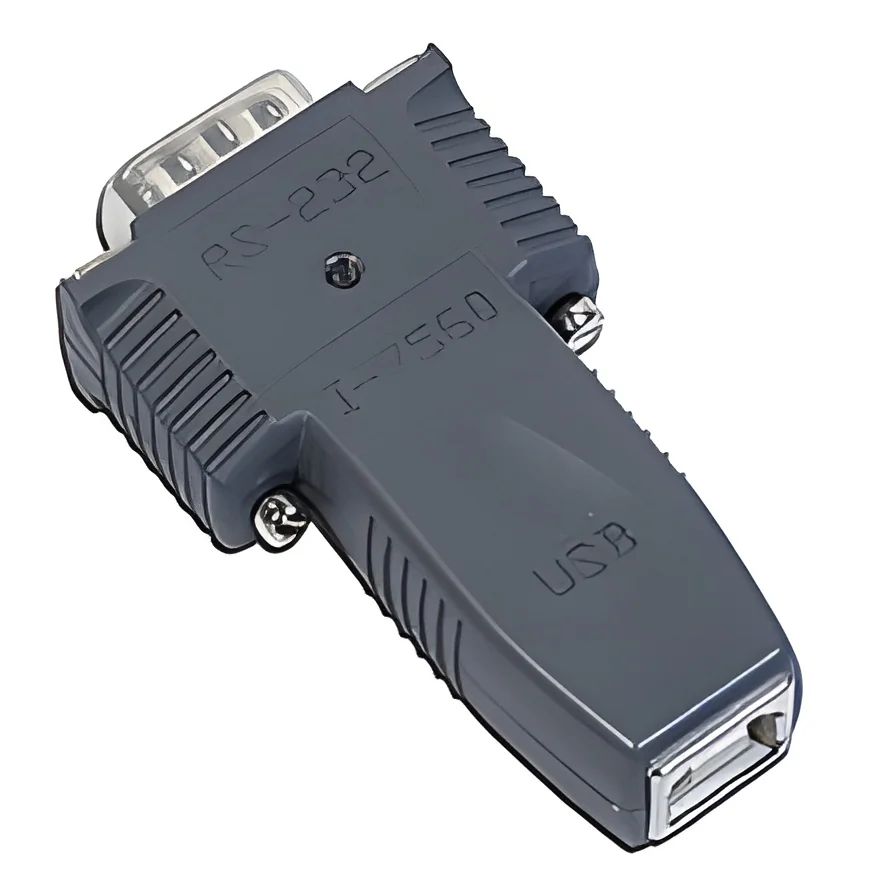
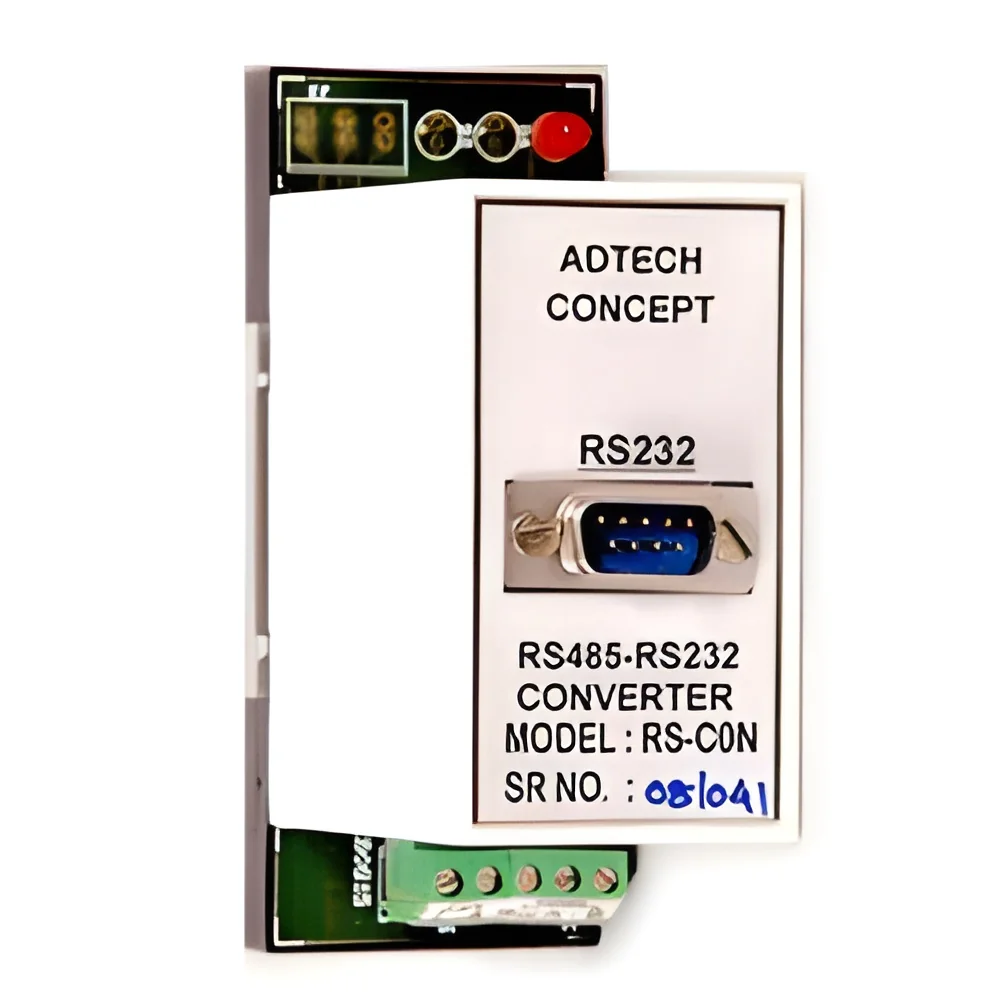
- Serial communication (RS-232, RS-485) for Modbus.
- High-speed bus topology for Profibus.
4. Maximum Device Count
- Modbus supports up to 247 devices on a single network.
- Profibus allows for a greater number of devices, depending on the network configuration.
5. Operating Temperature Range
- Data not available for specific temperature ranges.
6. Humidity Control
- Data not available for specific humidity control specifications.
7. Monitoring Features
- Data not available for specific monitoring features.
8. Compliance
- Devices certified to CE standards ensuring quality and safety.
In summary, these specifications play a crucial role in determining the compatibility and performance of Industrial Communication Protocol Devices within industrial applications.
Common Applications and Use Cases
Industrial Communication Protocol Devices have a broad range of applications across various industries, facilitating efficient communication and control.
1. Manufacturing: In manufacturing, these devices enable real-time monitoring of machinery and processes. They help in data collection for performance analysis and predictive maintenance.
2. Energy: In the energy sector, devices using Modbus and Profibus protocols facilitate communication between energy management systems and various equipment like smart meters and grid controllers.
3. Transportation: These protocols are utilized in transportation systems for monitoring traffic signals and controlling railway signaling systems, enhancing safety and efficiency.
4. Water Treatment: In water treatment facilities, these devices help in managing water quality and flow control by integrating sensors and control systems for better operational oversight.
5. HVAC: In heating, ventilation, and air conditioning systems, these protocols enable the integration of various control devices, improving energy efficiency and system performance.
6. Building Automation: They are essential in smart buildings, allowing for the control of lighting, security, and energy management systems.
7. Food and Beverage: In the food industry, these devices ensure compliance with safety regulations by monitoring processing conditions and facilitating traceability.
Product Variants and Subcategories
Industrial Communication Protocol Devices come in various configurations to meet the specific needs of different applications. Their diversity allows businesses to select the most suitable option for their requirements.
Modbus Gateway
This variant connects Modbus devices to Ethernet networks, facilitating communication between legacy systems and modern IT infrastructures. It allows for remote monitoring and control of devices.
Profibus Coupler
A Profibus coupler enables the integration of various field devices into a Profibus network. It supports multiple device types and ensures reliable data exchange across devices.
Modbus TCP/IP Device
This version utilizes Ethernet technology for Modbus communication, providing higher data transfer speeds and simplified wiring compared to traditional serial connections.
Remote I/O Module
This type of module expands the I/O capabilities of a system by allowing remote data collection from various sensors and actuators, enhancing system flexibility.
Benefits and Advantages
Sourcing Industrial Communication Protocol Devices comes with numerous benefits that can significantly improve operational efficiency.
1. Enhanced Interoperability: These devices allow for seamless communication between equipment from different manufacturers, reducing integration challenges.
2. Real-time Data Access: They provide immediate access to critical data, enabling timely decision-making and improved process control.
3. Scalability: The ability to connect multiple devices makes it easy to scale operations as business needs grow.
4. Improved Reliability: With robust communication protocols like Modbus and Profibus, businesses can ensure consistent and reliable data transmission.
5. Cost-effective Solutions: Utilizing these devices can lead to significant cost savings by optimizing resource usage and reducing downtime.
6. Compliance with Standards: Devices that meet industry standards ensure safety and reliability, enhancing overall operational credibility.
Buying Guide for B2B Buyers
When sourcing Industrial Communication Protocol Devices, it is essential for buyers to consider several key factors to make informed purchasing decisions.
1. Quality Assessment: Evaluate the quality of the devices by reviewing certifications and customer feedback. Ensure they meet industry standards for performance and safety.
2. Supplier Verification: Vet suppliers to confirm their reliability and reputation. Check for references and previous projects to gauge their expertise in providing these devices.
3. Pricing and MOQ: Understand the pricing structures and minimum order quantities. Compare prices across different suppliers to find the best value for your investment.
4. Delivery and Lead Times: Inquire about delivery schedules and lead times to ensure timely procurement. Factor these into your project timelines.
5. Compliance Requirements: Ensure that the devices comply with relevant regulatory standards in your region, such as CE marking and other industry-specific certifications.
Compliance and Certifications
Compliance and certifications are vital aspects of Industrial Communication Protocol Devices. They ensure that products meet established quality and safety standards, which is crucial for operational integrity.
Relevant quality standards like ISO 9001 emphasize a commitment to quality management and continuous improvement. Compliance with these standards assures customers of the reliability and effectiveness of the devices.
Industry certifications, such as CE, indicate that the products adhere to European safety and health regulations. This certification is critical for businesses operating in regions where compliance is mandatory.
Safety and testing requirements must also be met to ensure the devices perform reliably under various operational conditions. Manufacturers should conduct rigorous testing to validate performance claims and ensure long-term durability.
Regional compliance considerations are essential as regulations may vary by location. It is important for buyers to understand the specific compliance requirements applicable to their operational regions.
Why Source Industrial Communication Protocol Devices (Modbus, Profibus) from Pepagora?
Pepagora offers a trusted platform for sourcing Industrial Communication Protocol Devices, providing several key advantages for B2B buyers.
Verified Supplier Network: Pepagora ensures that all suppliers are thoroughly vetted, providing buyers with confidence in the quality and reliability of the products offered.
Streamlined RFQ Process: The platform simplifies the request for quotation process, allowing buyers to quickly compare options and select the best fit for their needs.
Trade Assurance and Support: Pepagora offers trade assurance, protecting buyers against potential risks and providing support throughout the purchasing process.
Regional Coverage: With a strong presence in regions such as India, the GCC, and Southeast Asia, Pepagora facilitates access to a diverse range of suppliers and products, catering to the needs of businesses across various markets.

 IN
IN