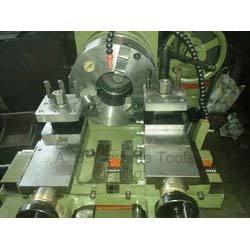
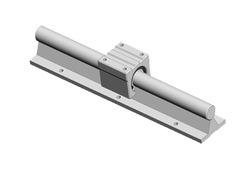
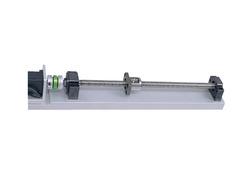
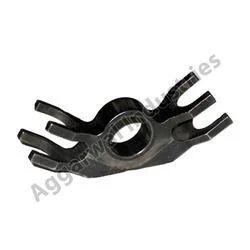
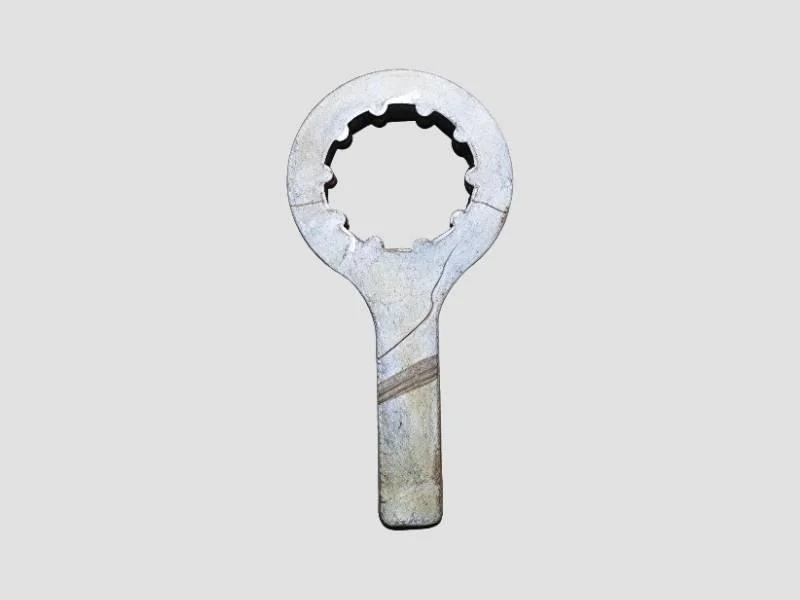
𝗪𝗵𝗮𝘁 𝗮𝗿𝗲 𝗪𝗼𝗿𝗸 𝗛𝗼𝗹𝗱𝗶𝗻𝗴 𝗗𝗲𝘃𝗶𝗰𝗲𝘀?
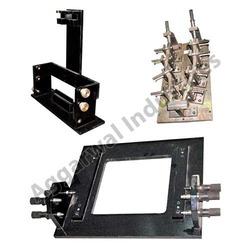
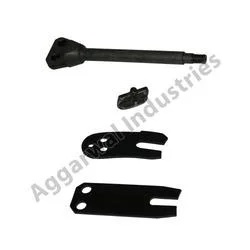
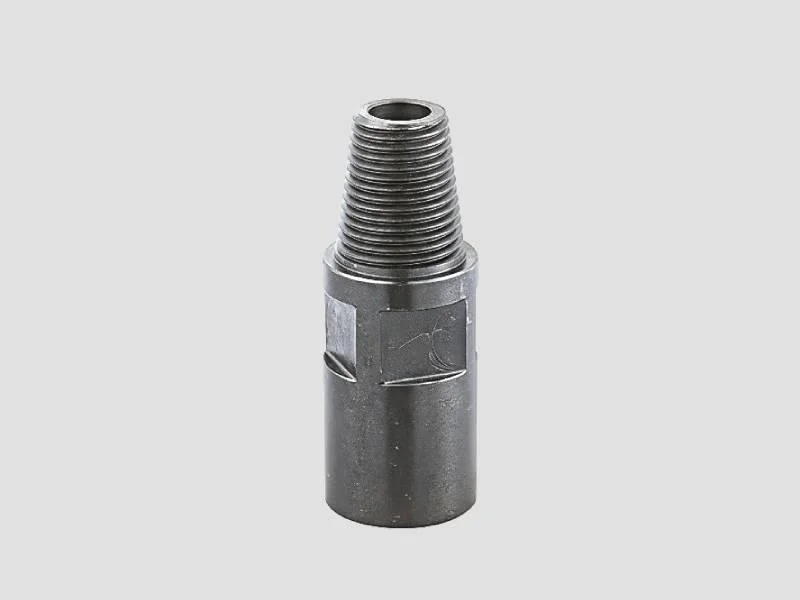
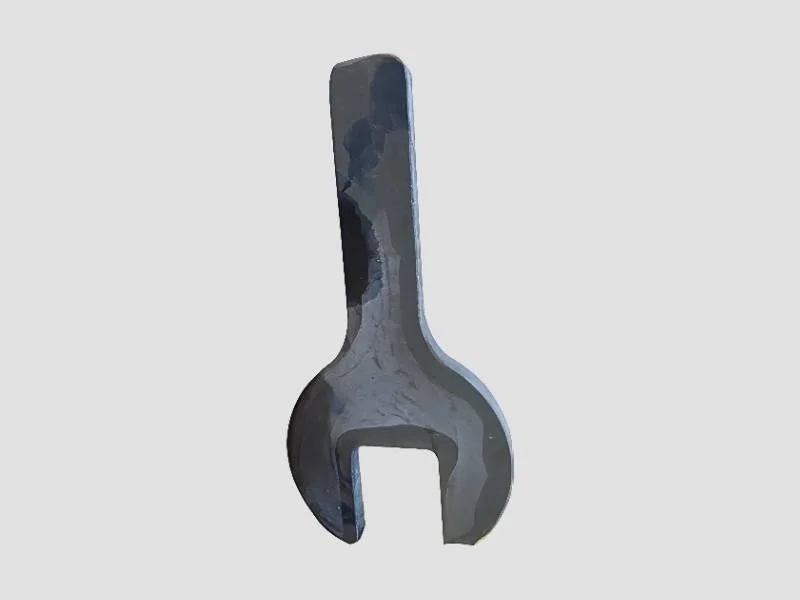
Work holding devices are essential tools used in various manufacturing and machining processes to securely hold workpieces in place. These devices ensure stability and precision during operations such as machining, assembly, and inspection. By providing a fixed point of reference, work holding devices reduce movement and vibration, which can lead to inaccuracies and defects in the final product.
These tools find extensive use in industries such as automotive, aerospace, and metalworking. Their primary applications include clamping, positioning, and securing materials for further processing. Businesses utilize work holding devices to enhance productivity, improve safety, and maintain quality control throughout manufacturing operations. As industries continue to evolve, the demand for efficient and reliable work holding solutions remains strong, driving innovation and development in this sector.
𝗞𝗲𝘆 𝗙𝗲𝗮𝘁𝘂𝗿𝗲𝘀 𝗮𝗻𝗱 𝗦𝗽𝗲𝗰𝗶𝗳𝗶𝗰𝗮𝘁𝗶𝗼𝗻𝘀
Work holding devices come with a variety of features designed to meet the specific needs of different applications. Understanding these key specifications is crucial for selecting the right device for your operations.
Key specifications include:
1. Clamping Force
- The amount of force applied to secure the workpiece
- Typically ranges from a few hundred pounds to several tons, depending on the device type
2. Material Composition
- The materials used in construction, which can include steel, aluminum, or composite materials
- Affects durability, weight, and corrosion resistance
3. Adjustment Mechanism
- The method by which the device can be adjusted to accommodate different sizes or shapes of workpieces
- Can be manual or automated, with varying degrees of precision
4. Mounting Options
- The ways in which the device can be mounted to machinery or work surfaces
- Options include T-slots, threaded holes, or magnetic systems
5. Size and Dimensions
- The physical size of the device, which affects its compatibility with different machinery
- Should be selected based on the workpiece size and workspace constraints
6. Safety Features
- Built-in features designed to prevent accidental release or movement during operation
- May include locking mechanisms or fail-safes
7. Temperature Tolerance
- The range of temperatures the device can withstand without compromising performance
- Important for applications involving high heat
8. Compliance Standards
- Adherence to industry standards such as CE certification
- Ensures reliability and safety for end users
In summary, understanding the key features and specifications of work holding devices can significantly impact the efficiency and safety of manufacturing operations.
𝗖𝗼𝗺𝗺𝗼𝗻 𝗔𝗽𝗽𝗹𝗶𝗰𝗮𝘁𝗶𝗼𝗻𝘀 𝗮𝗻𝗱 𝗨𝘀𝗲 𝗖𝗮𝘀𝗲𝘀
Work holding devices serve a wide range of industries, each with unique applications.
1. Automotive: In automotive manufacturing, work holding devices are used for assembling components and ensuring accurate machining of parts. They help in maintaining precision during processes such as welding and painting.
2. Aerospace: In the aerospace sector, these devices are critical for holding complex and often large components during machining. They ensure that tolerances are met, which is vital for safety and performance.
3. Metalworking: Metalworking shops utilize work holding devices for various tasks, including milling, drilling, and grinding. They are essential in ensuring that metal pieces remain stable during intricate operations.
4. Woodworking: In woodworking, devices such as clamps and jigs are used to hold pieces in place for cutting and shaping. This helps achieve clean and accurate cuts.
5. Electronics: In the electronics industry, work holding devices are used for assembly processes. They secure delicate components to prevent damage during handling.
6. Medical Device Manufacturing: For medical devices, precision is crucial. Work holding devices ensure that components are positioned correctly during assembly and testing.
7. Robotics: In robotic applications, work holding devices are integrated into automated systems to ensure parts are positioned accurately for robotic arms during assembly processes.
𝗣𝗿𝗼𝗱𝘂𝗰𝘁 𝗩𝗮𝗿𝗶𝗮𝗻𝘁𝘀 𝗮𝗻𝗱 𝗦𝘂𝗯𝗰𝗮𝘁𝗲𝗴𝗼𝗿𝗶𝗲𝘀
Work holding devices come in various forms to cater to different manufacturing needs. This diversity allows manufacturers to choose devices that best suit their specific applications.
Vise Clamps: Vise clamps are commonly used in machining operations. They provide a secure grip on the workpiece and can be adjusted for various sizes. Their versatility makes them a staple in workshops.
Magnetic Work Holders: These devices utilize magnetic force to hold ferrous materials in place. They are ideal for quick setups and adjustments, making them popular in metalworking applications.
Fixture Plates: Fixture plates are used for holding multiple workpieces simultaneously. They are designed for complex machining operations and enhance productivity by reducing setup times.
Vacuum Work Holders: Ideal for holding flat or delicate materials, vacuum holders use suction to secure the workpiece. They are widely used in woodworking and electronics assembly.
𝗕𝗲𝗻𝗲𝗳𝗶𝘁𝘀 𝗮𝗻𝗱 𝗔𝗱𝘃𝗮𝗻𝘁𝗮𝗴𝗲𝘀
Investing in work holding devices offers numerous advantages that can significantly enhance manufacturing processes.
Key benefits include:
1. Increased Efficiency: Work holding devices streamline operations by providing secure holds, reducing setup times, and minimizing changes during machining.
2. Enhanced Precision: These devices minimize movement and vibration, ensuring that workpieces are held accurately, which is critical for high-precision tasks.
3. Improved Safety: By securely holding materials in place, work holding devices reduce the risk of accidents, ensuring a safer working environment for operators.
4. Versatility: Many work holding devices can be adjusted or reconfigured to accommodate various workpieces, making them suitable for diverse applications.
5. Cost-Effectiveness: By enhancing productivity and reducing defects, work holding devices can lead to significant cost savings over time.
6. Quality Assurance: Consistent clamping and holding enhance the overall quality of the finished product, meeting industry standards and customer expectations.
𝗕𝘂𝘆𝗶𝗻𝗴 𝗚𝘂𝗶𝗱𝗲 𝗳𝗼𝗿 𝗕𝟮𝗕 𝗕𝘂𝘆𝗲𝗿𝘀
When sourcing work holding devices, it is essential for B2B buyers to consider several critical factors to ensure the best fit for their operations.
1. Quality Assessment: Evaluate the quality of the devices by reviewing manufacturer specifications, material composition, and performance metrics. Quality assurance can significantly impact long-term reliability.
2. Supplier Verification: Vet potential suppliers by checking their reputation, experience, and customer reviews. A reliable supplier can provide better support and product quality.
3. Pricing and MOQ: Understand the pricing structures and minimum order quantities. Compare prices among different suppliers while considering the total cost of ownership.
4. Delivery and Lead Times: Assess lead times for delivery based on the supplier's capabilities. Timely availability of work holding devices is crucial for maintaining production schedules.
5. Compliance Requirements: Ensure that the devices meet relevant industry regulations and certification standards. Compliance with safety and quality standards is essential for operational integrity.
𝗖𝗼𝗺𝗽𝗹𝗶𝗮𝗻𝗰𝗲 𝗮𝗻𝗱 𝗖𝗲𝗿𝘁𝗶𝗳𝗶𝗰𝗮𝘁𝗶𝗼𝗻𝘀
Compliance and certifications play a vital role in the manufacturing of work holding devices. Adhering to quality standards like ISO 9001 ensures that products meet consistent quality benchmarks. These standards focus on quality management systems, promoting continuous improvement and customer satisfaction.
Industry certifications such as CE indicate that products meet European safety, health, and environmental protection standards. These certifications provide assurance to B2B buyers regarding the reliability and safety of the devices.
In addition to these certifications, safety and testing requirements are crucial in ensuring that work holding devices perform reliably under various conditions. Regional compliance considerations may also vary, so it is essential for manufacturers to be aware of local regulations and standards.
𝗪𝗵𝘆 𝗦𝗼𝘂𝗿𝗰𝗲 𝗪𝗼𝗿𝗸 𝗛𝗼𝗹𝗱𝗶𝗻𝗴 𝗗𝗲𝘃𝗶𝗰𝗲𝘀 𝗳𝗿𝗼𝗺 𝗣𝗲𝗽𝗮𝗴𝗼𝗿𝗮?
Pepagora provides a trusted platform for sourcing work holding devices, offering several key advantages that benefit B2B buyers.
Verified Supplier Network: Pepagora has established a network of verified suppliers, ensuring that buyers have access to high-quality products. This network allows buyers to make informed decisions based on supplier credibility.
Streamlined RFQ Process: The platform features a streamlined request for quotation (RFQ) process that simplifies sourcing. Buyers can easily compare offerings and receive competitive quotes, saving time and effort.
Trade Assurance and Support: Pepagora offers trade assurance, providing buyers with protection against potential disputes. Comprehensive support throughout the purchasing process enhances buyer confidence.
Regional Coverage: With a broad geographic reach that includes India, the GCC, and Southeast Asia, Pepagora connects buyers with suppliers across these regions, facilitating efficient sourcing. This coverage ensures that buyers can find the right work holding devices tailored to their specific needs.

 IN
IN
 India
India