
 IN
Wooden Pallets
64 products available
What are Wooden Pallets?
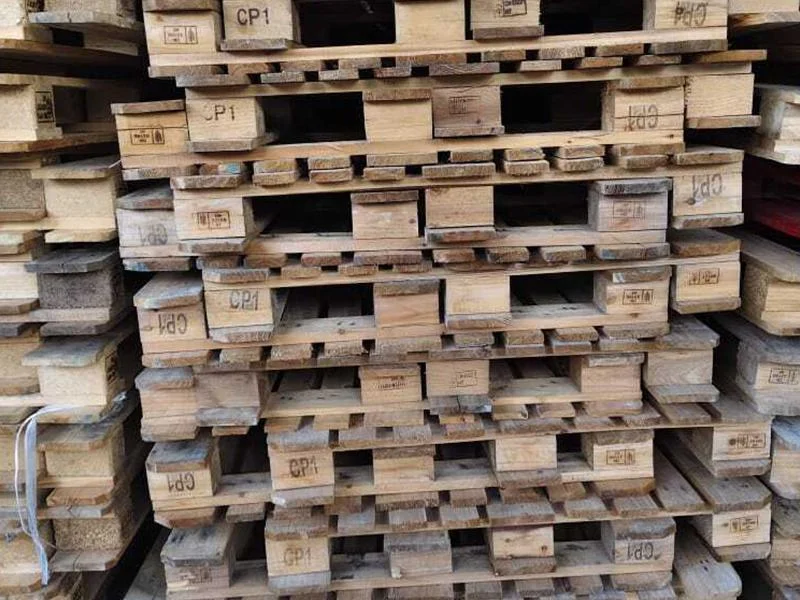
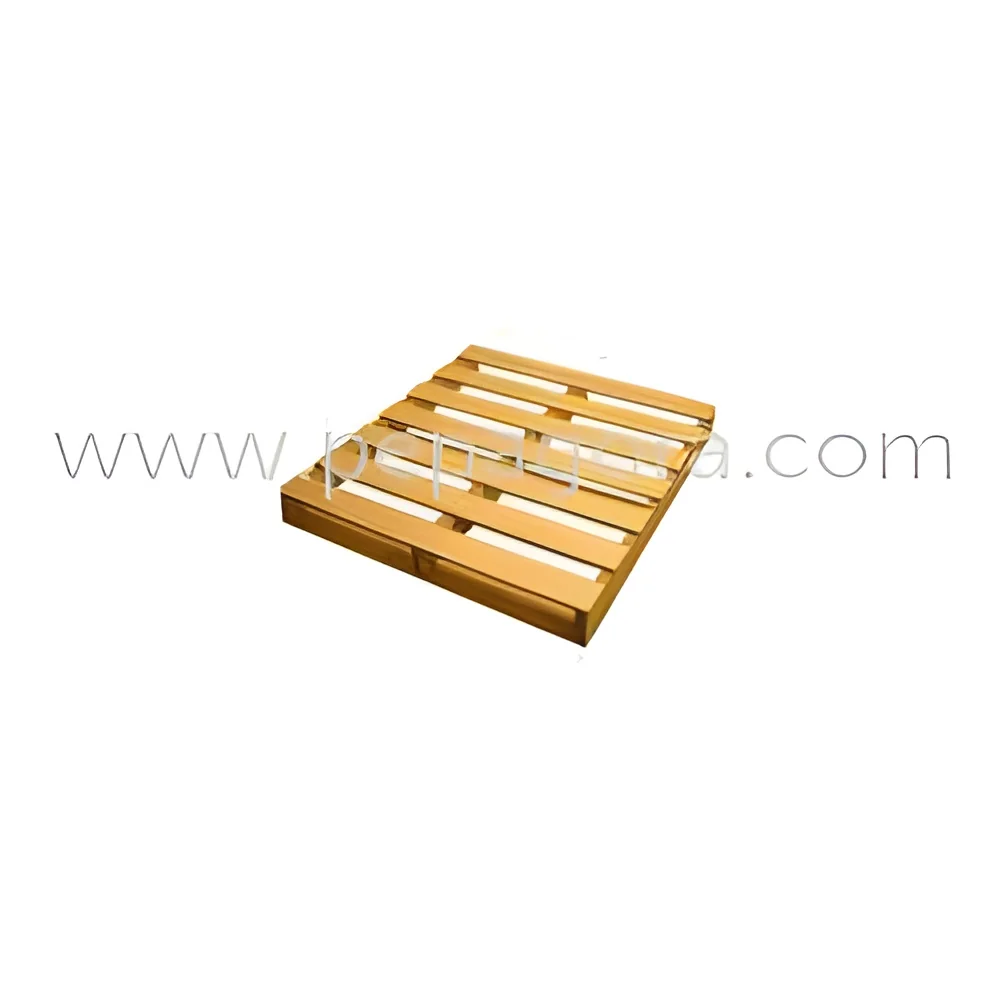
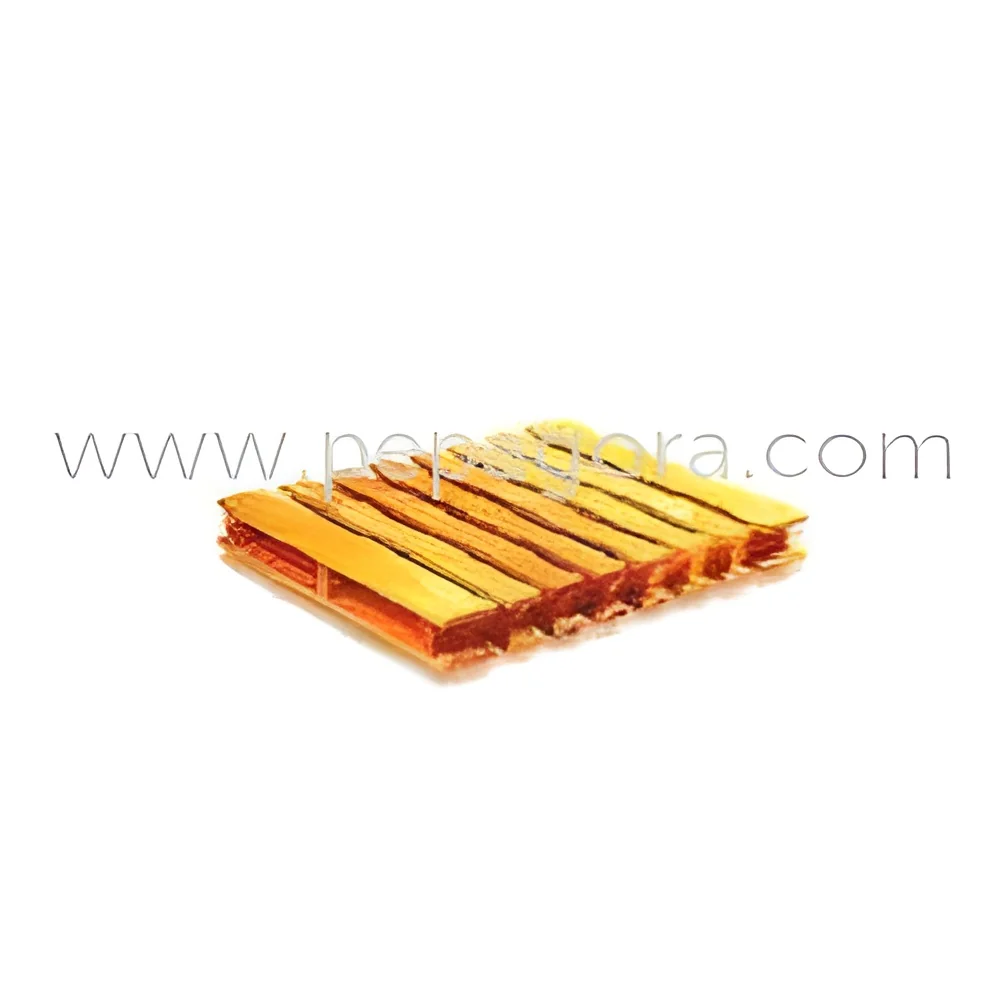
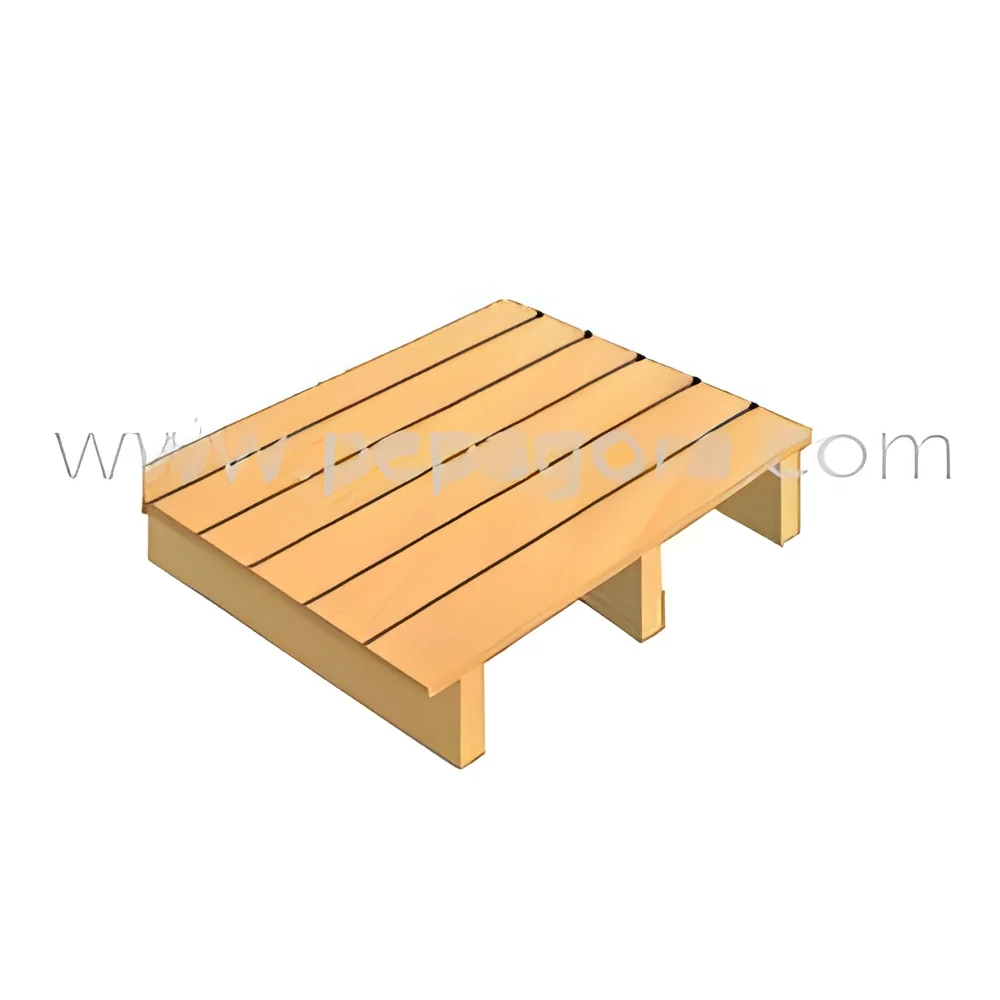
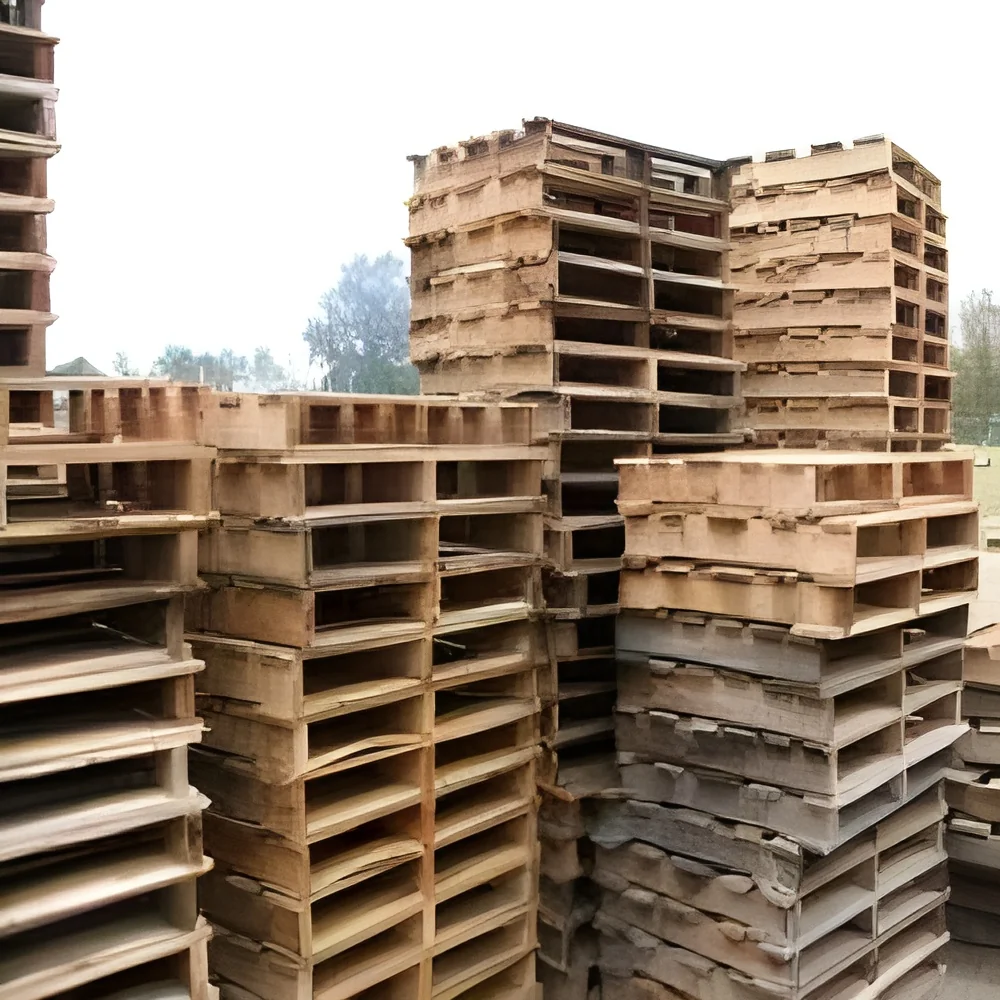
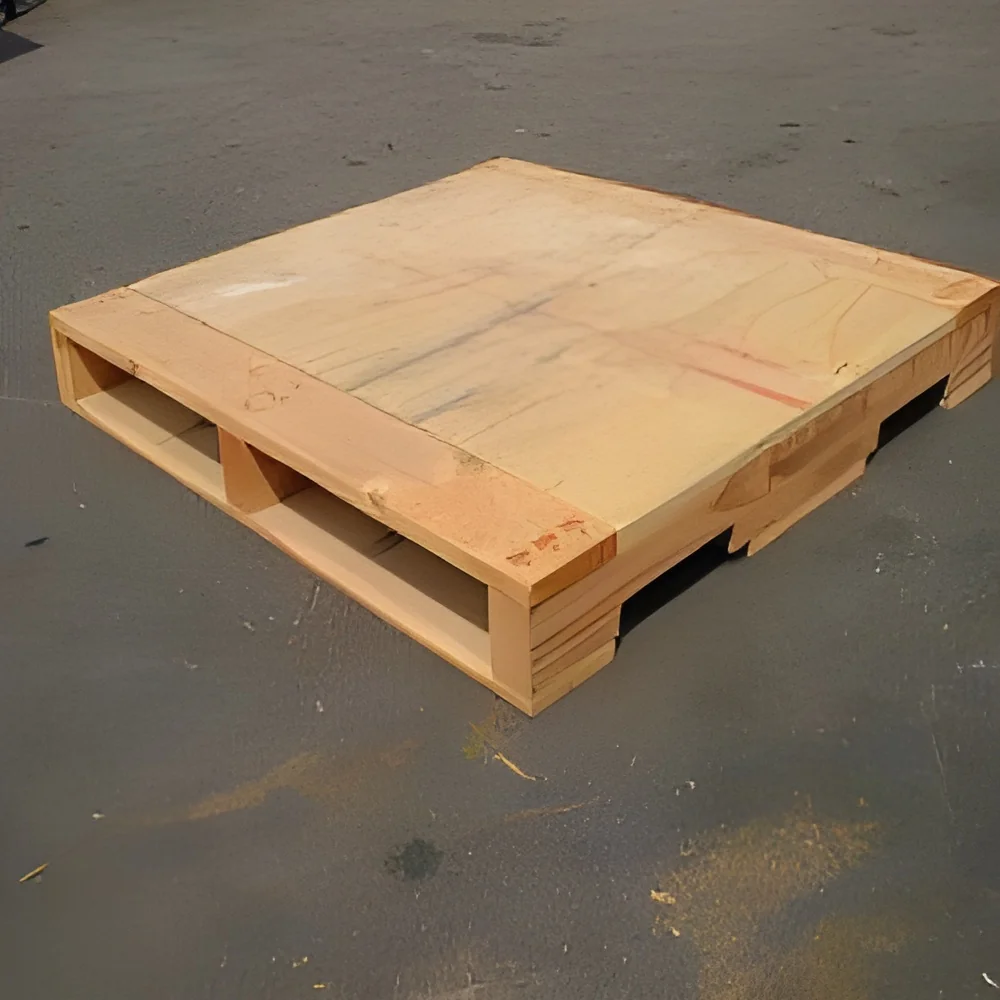
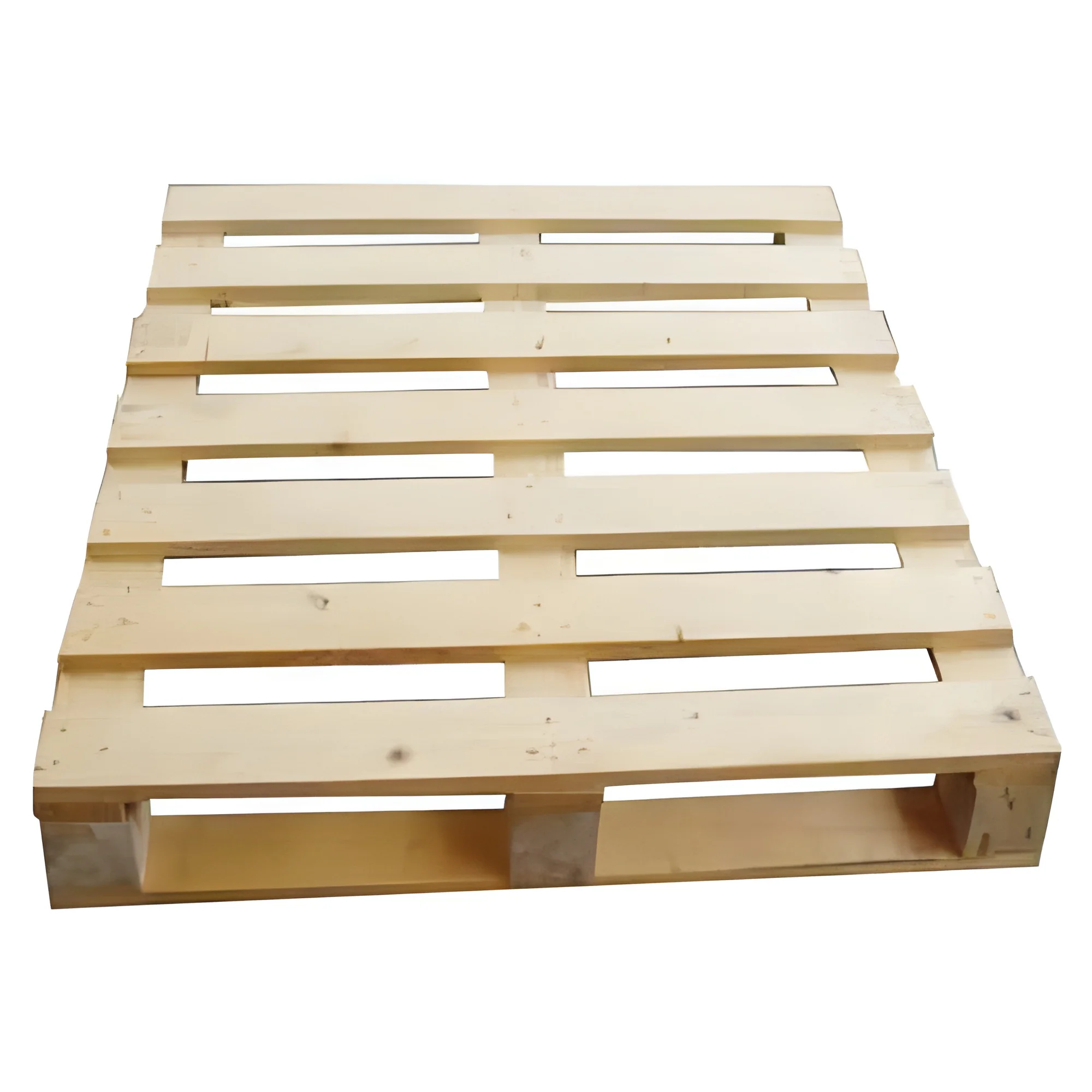
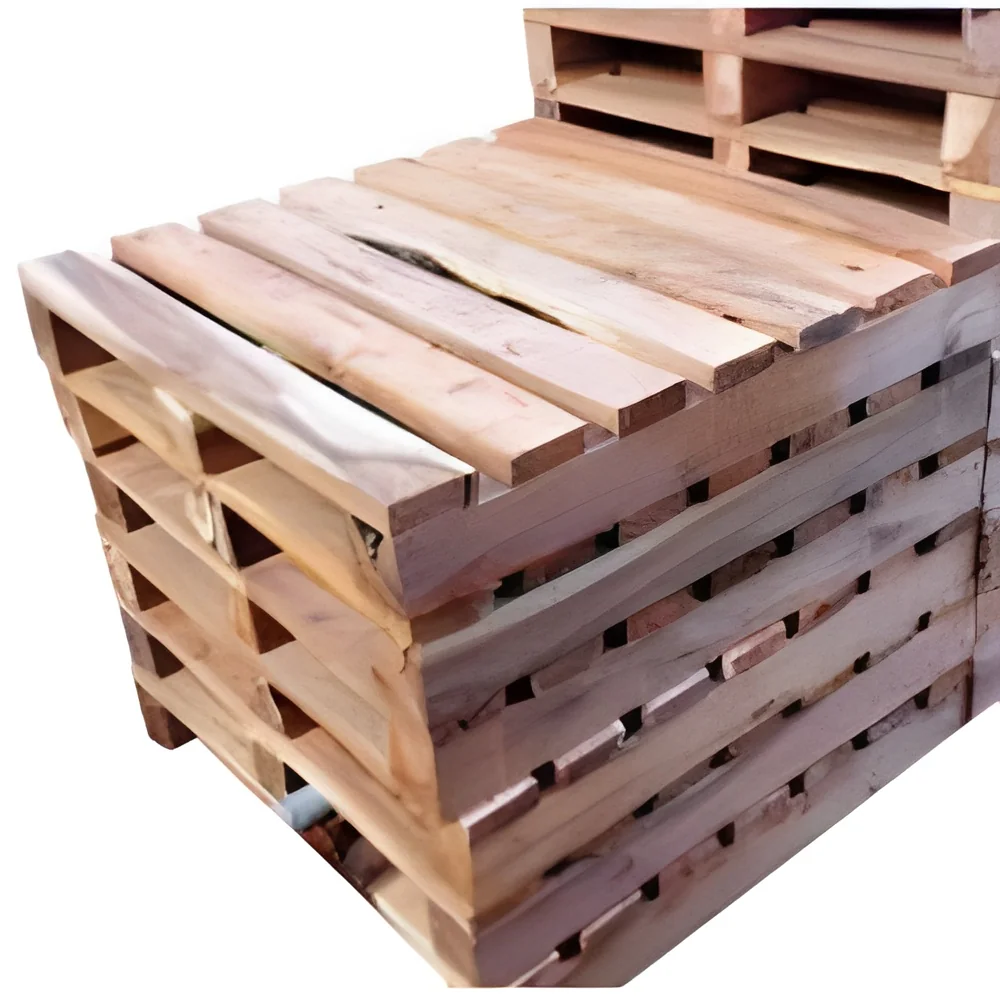
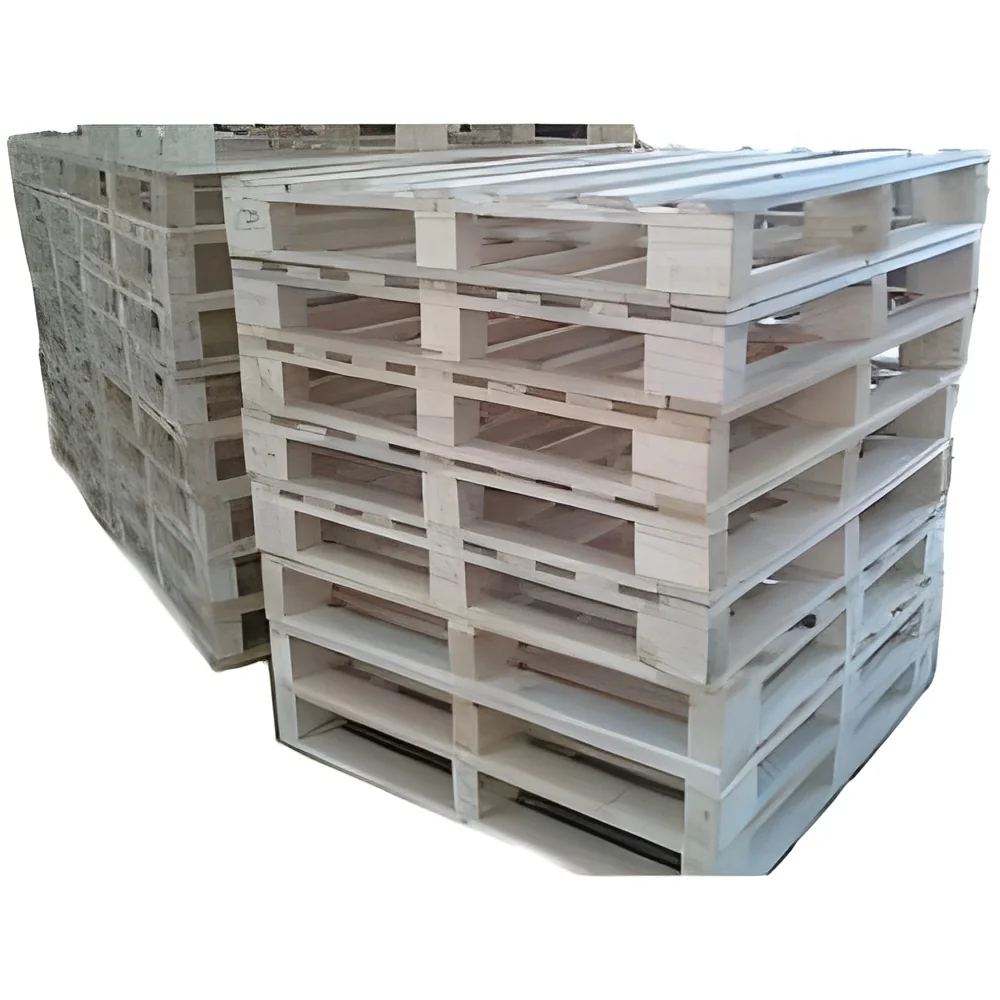
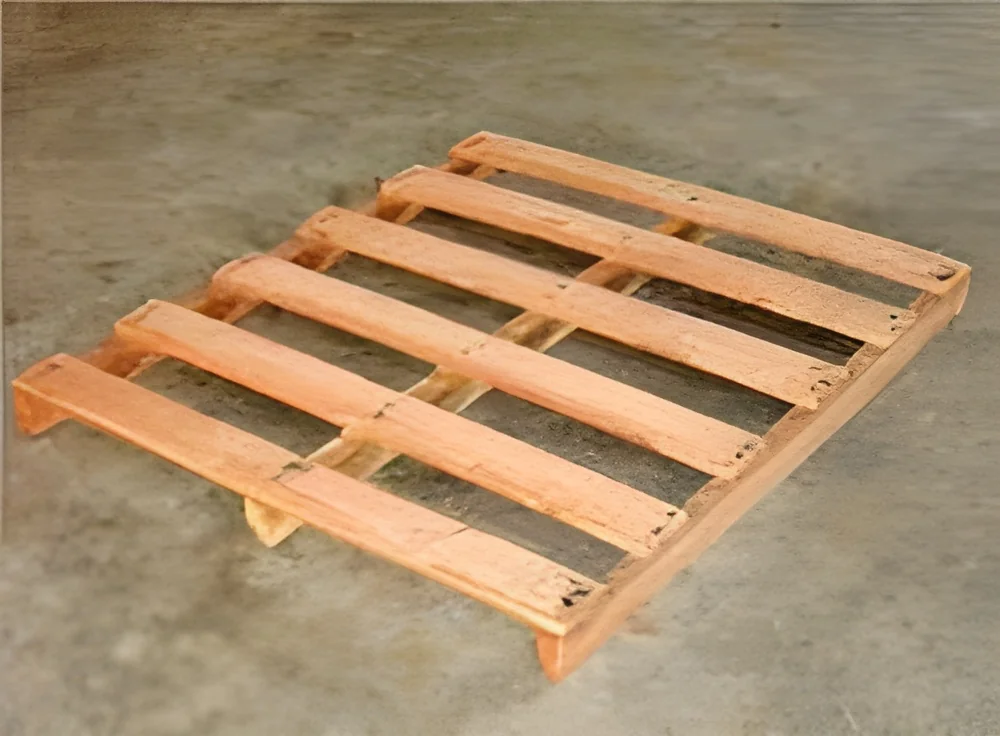
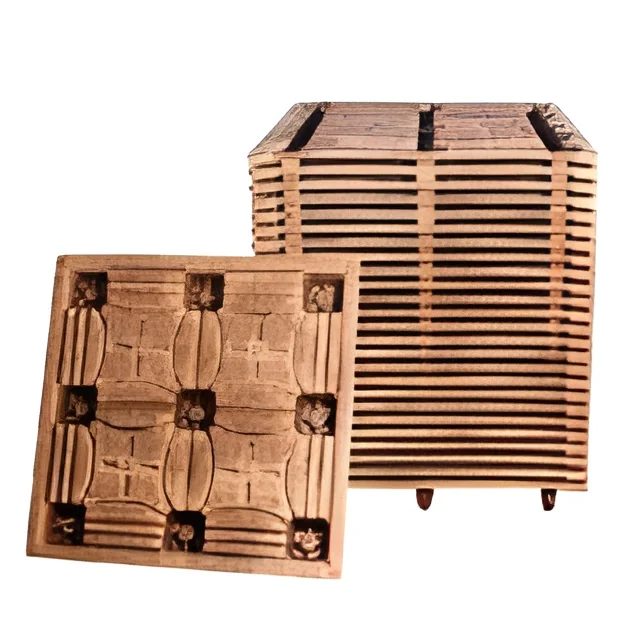
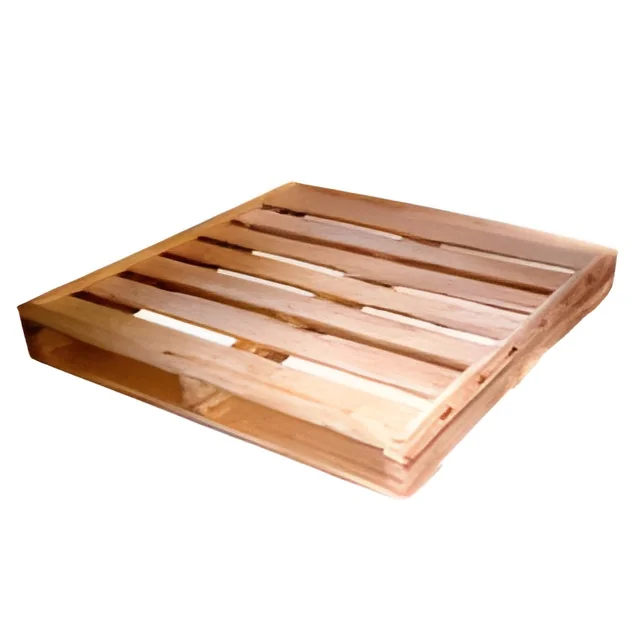
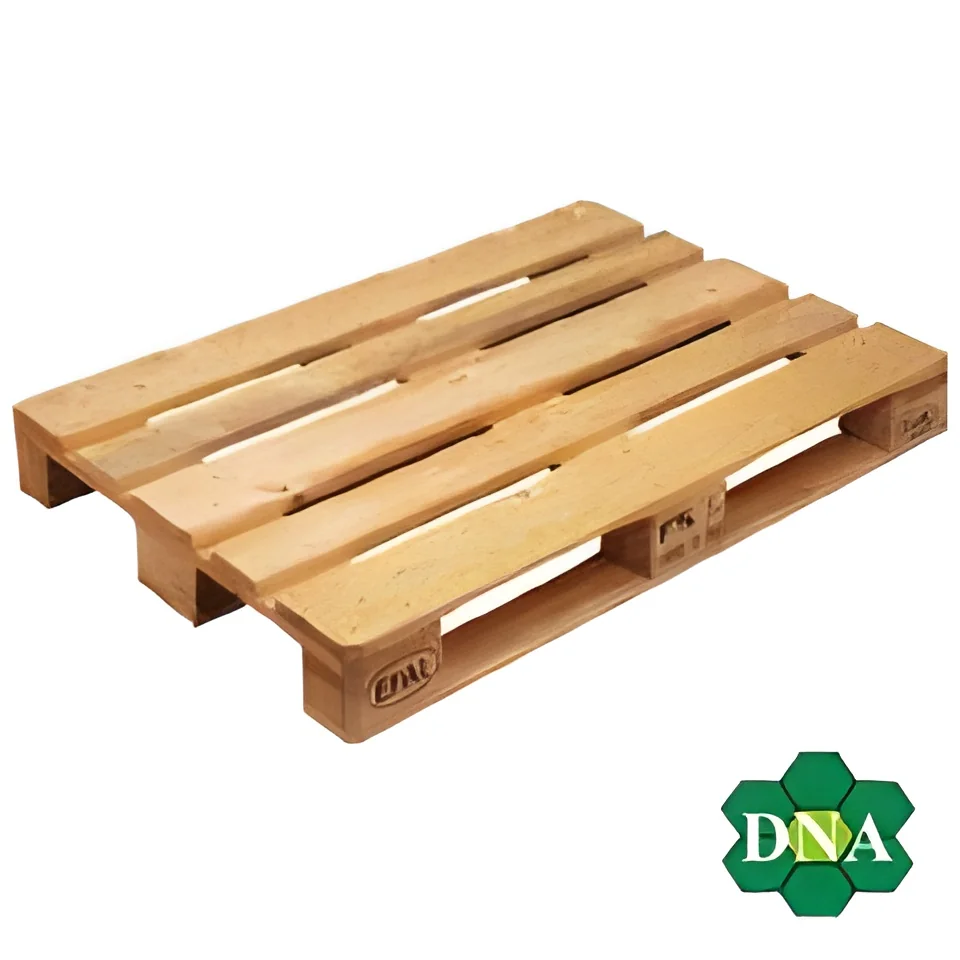
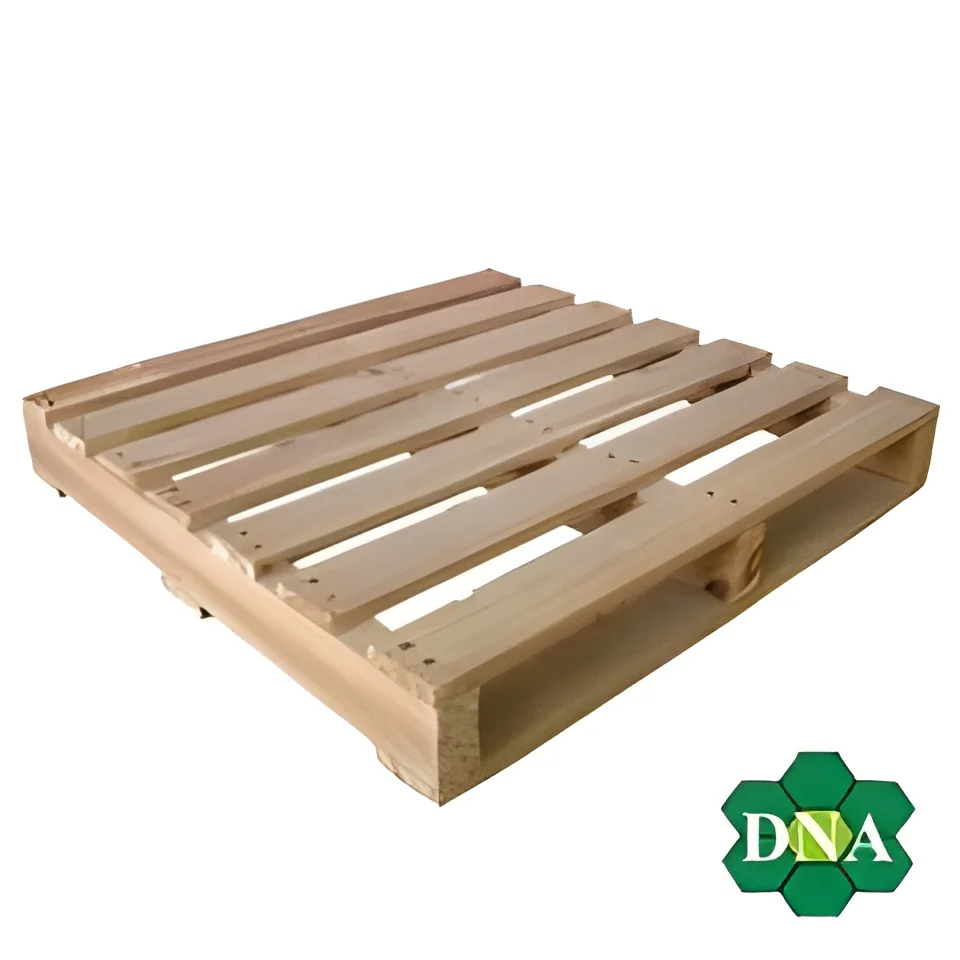
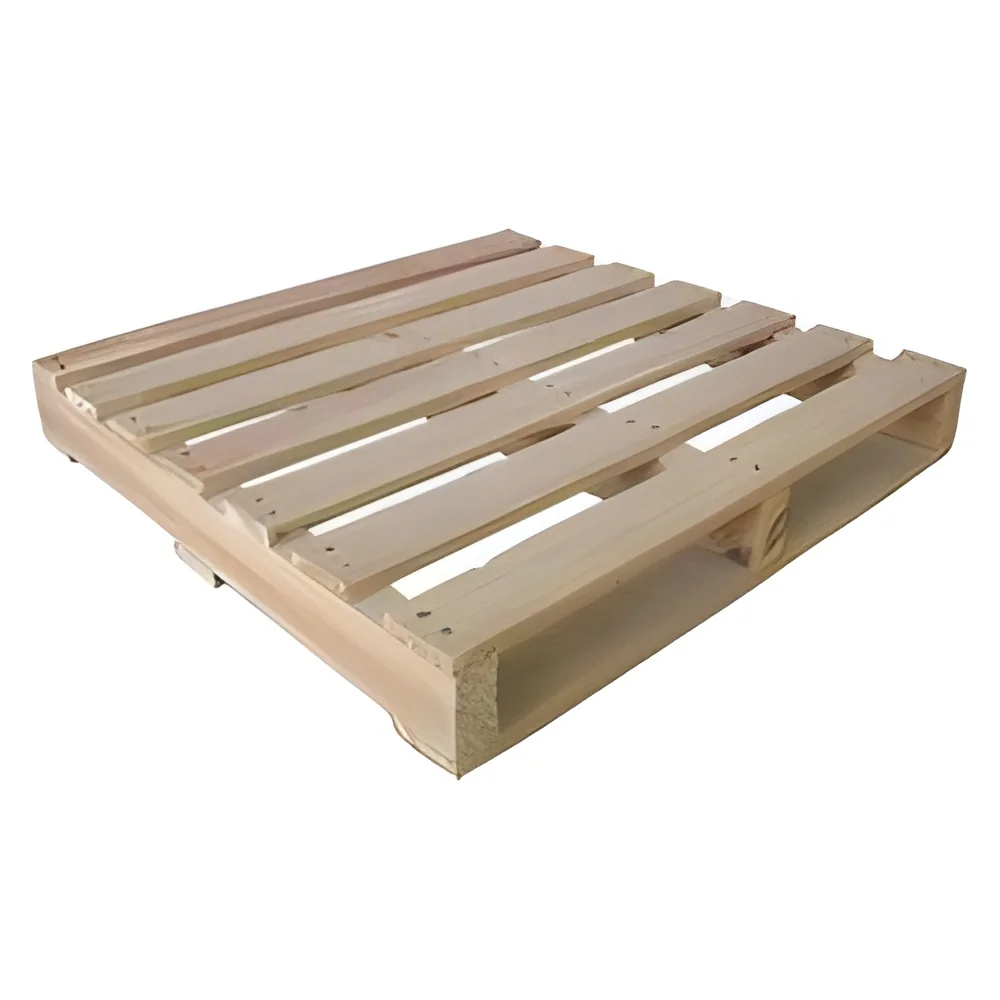
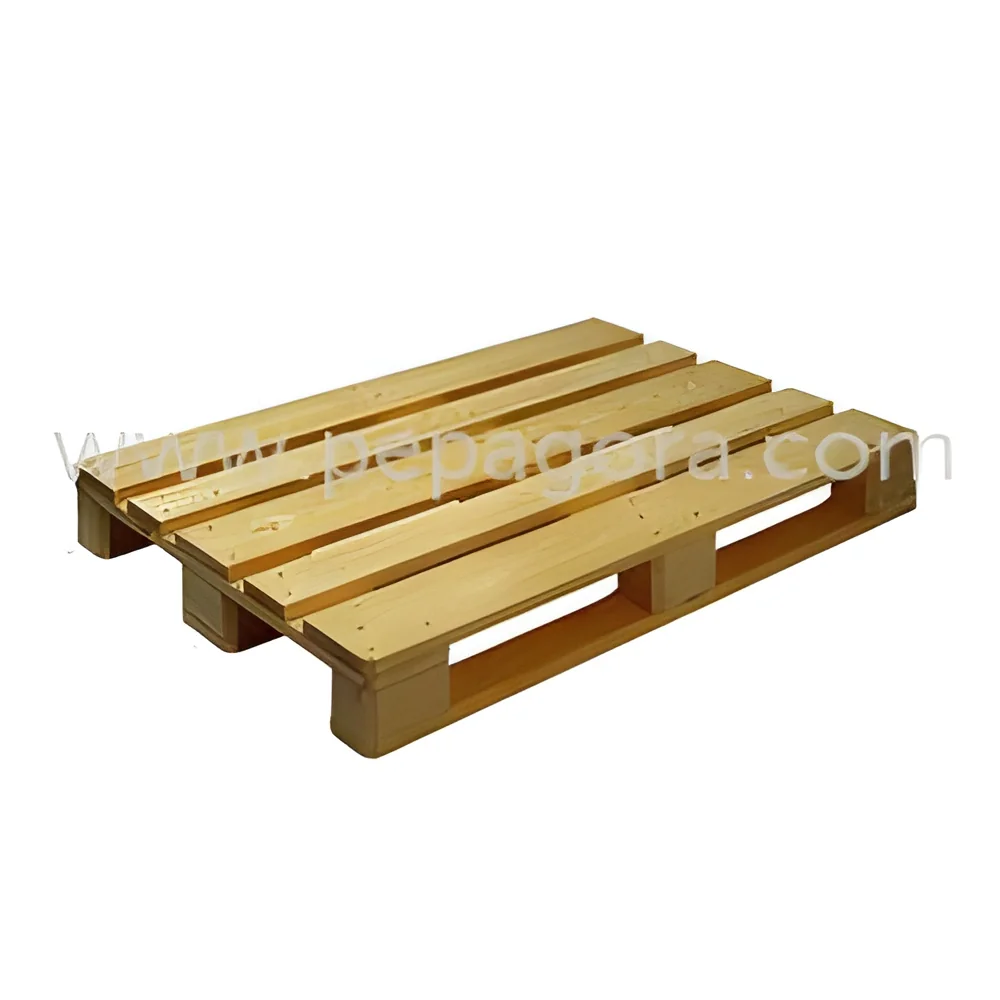
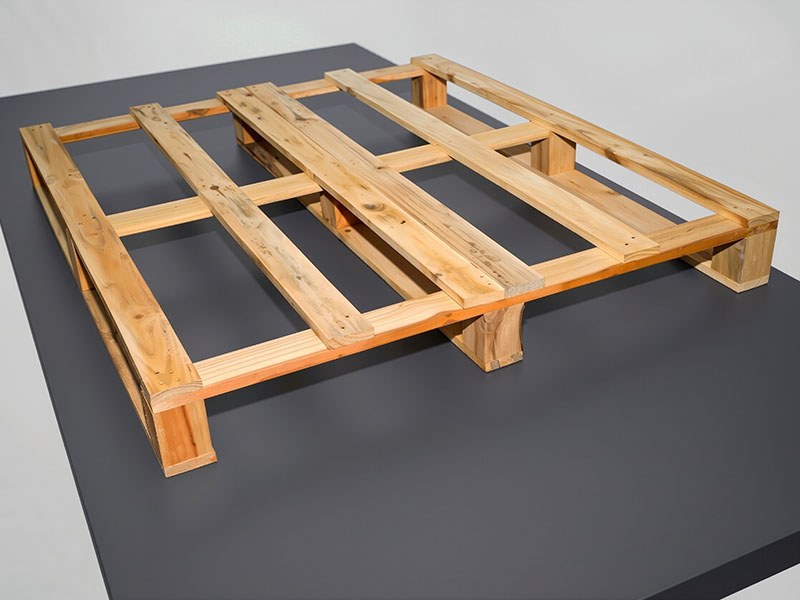
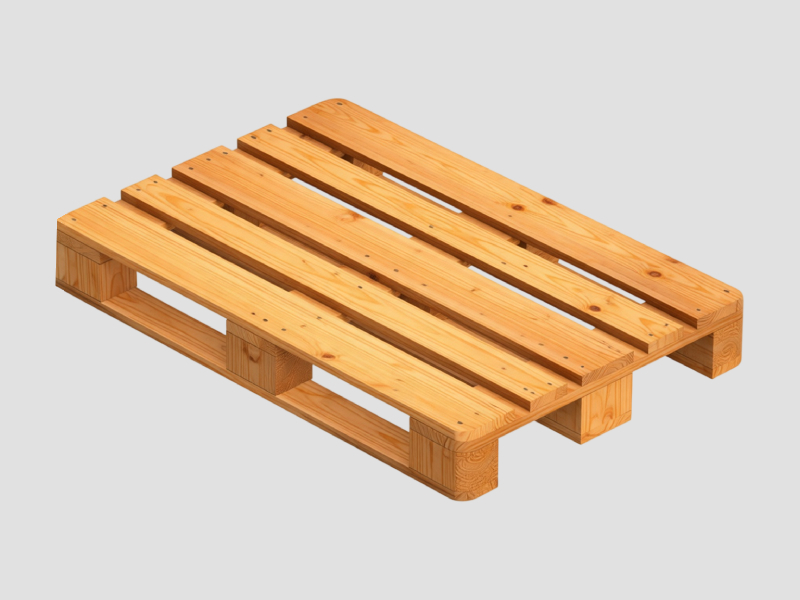
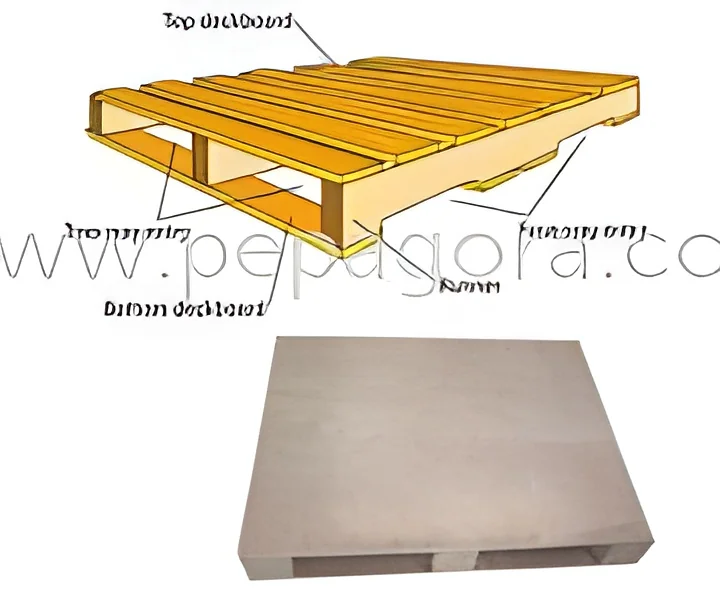
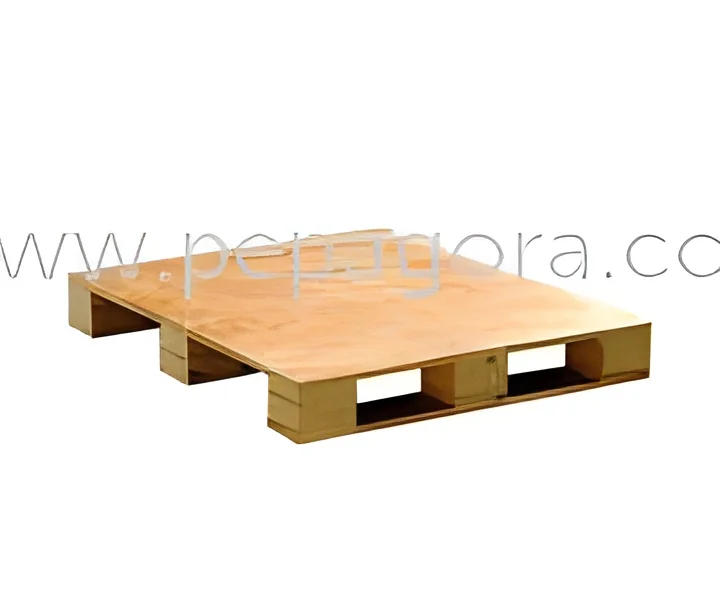
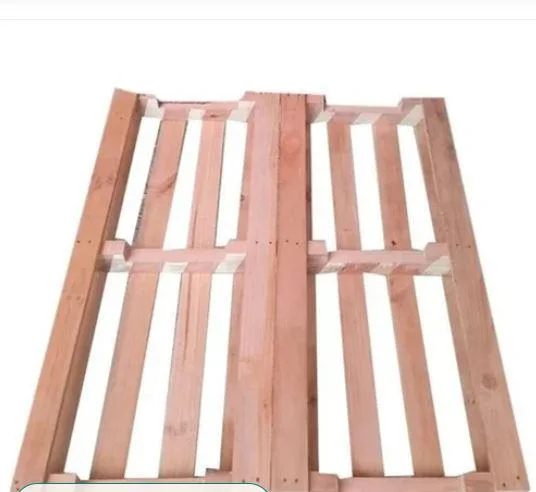
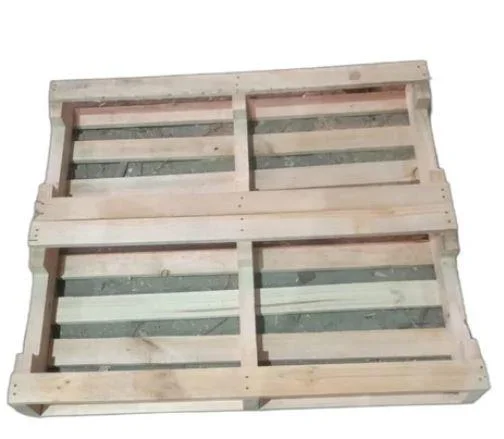
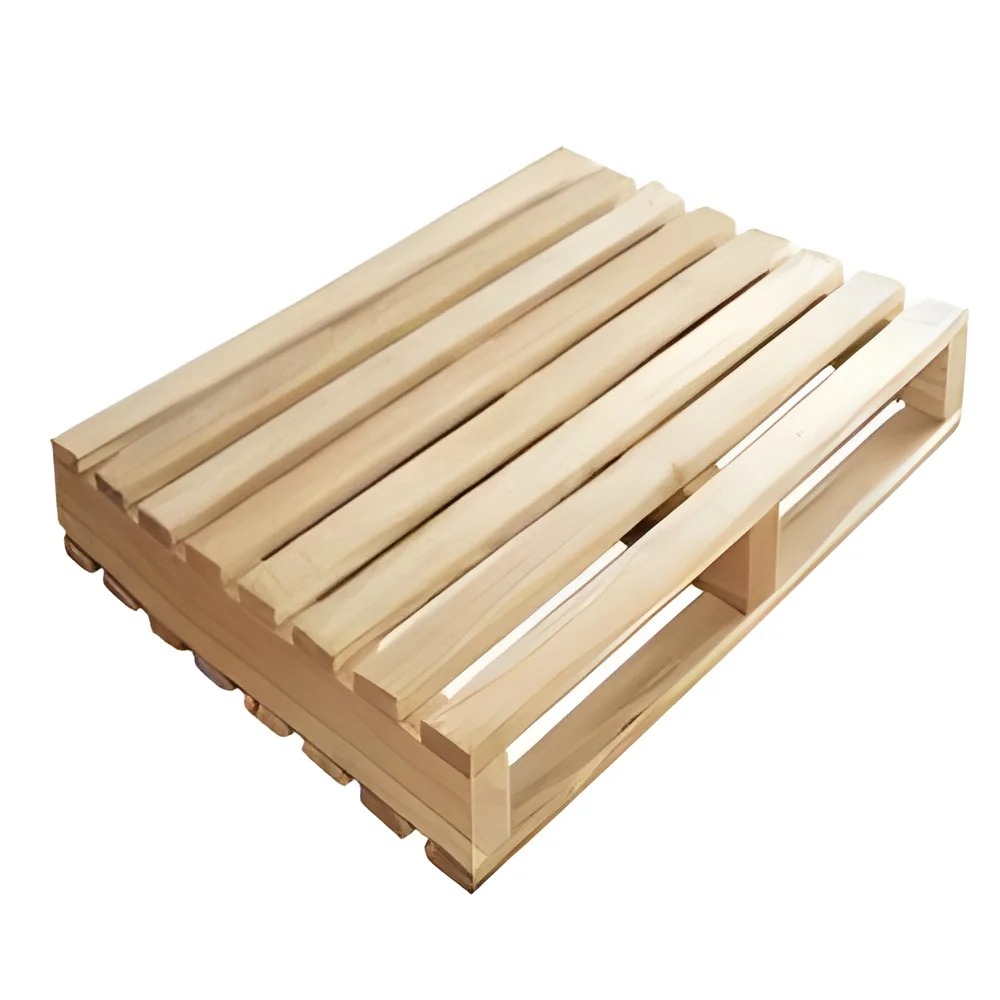
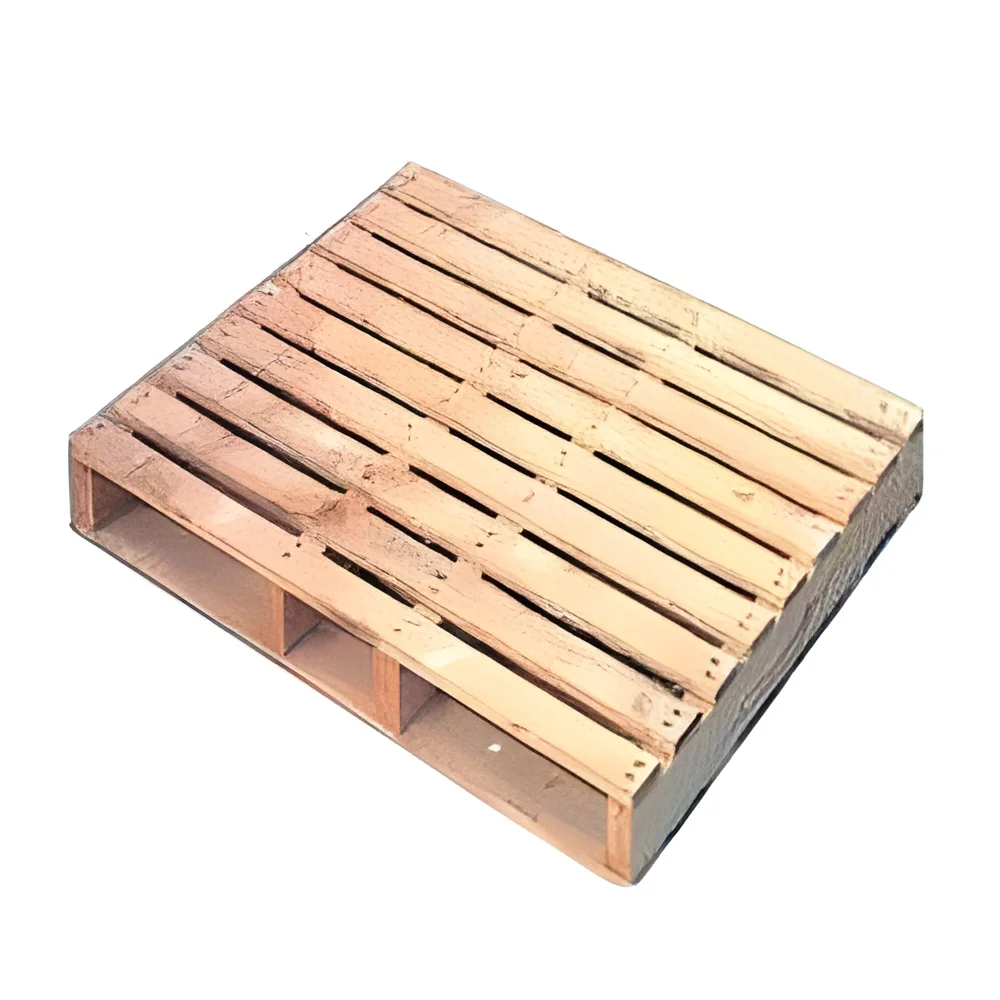
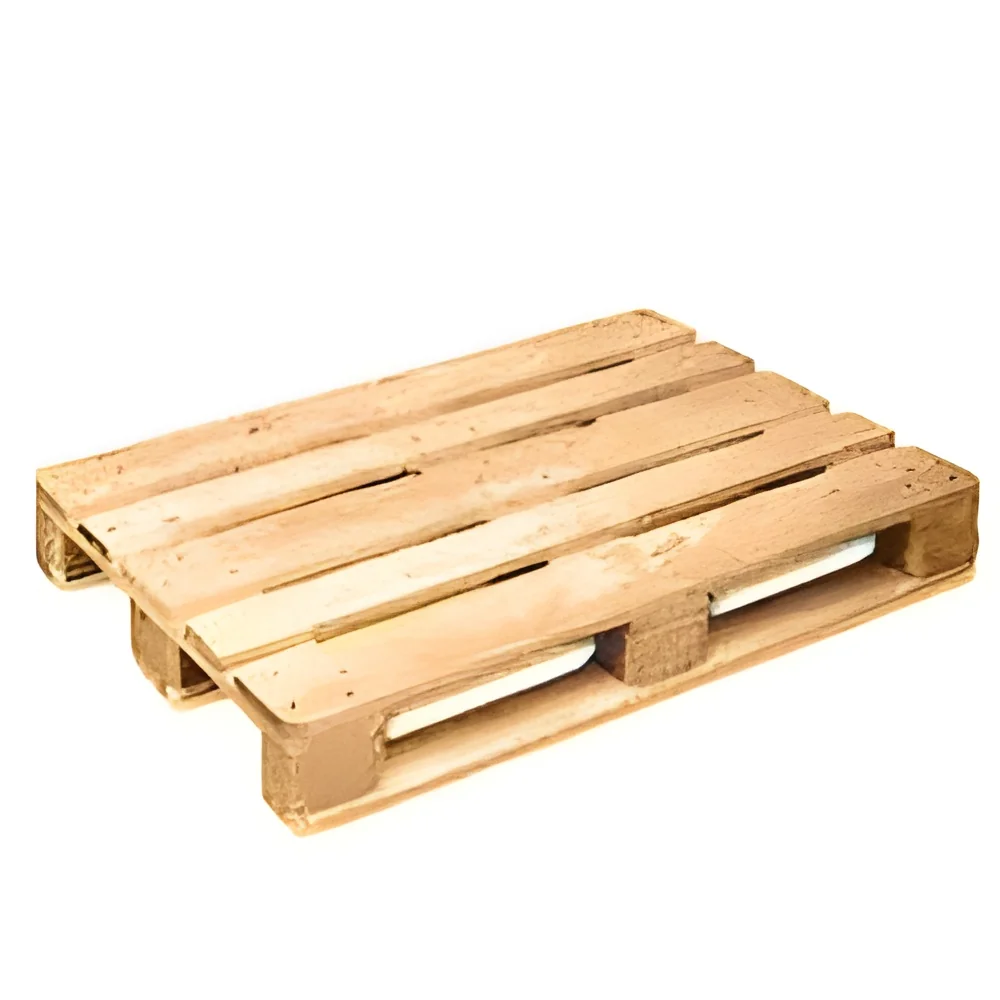
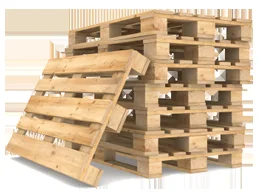
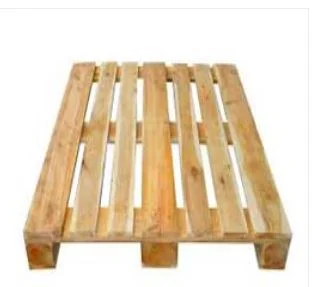
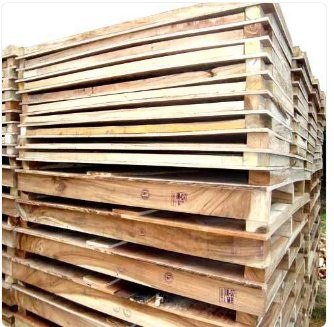
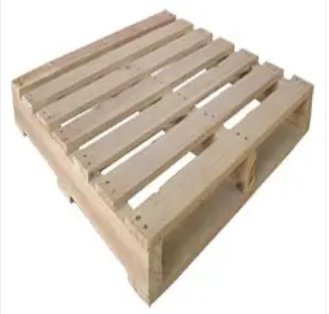
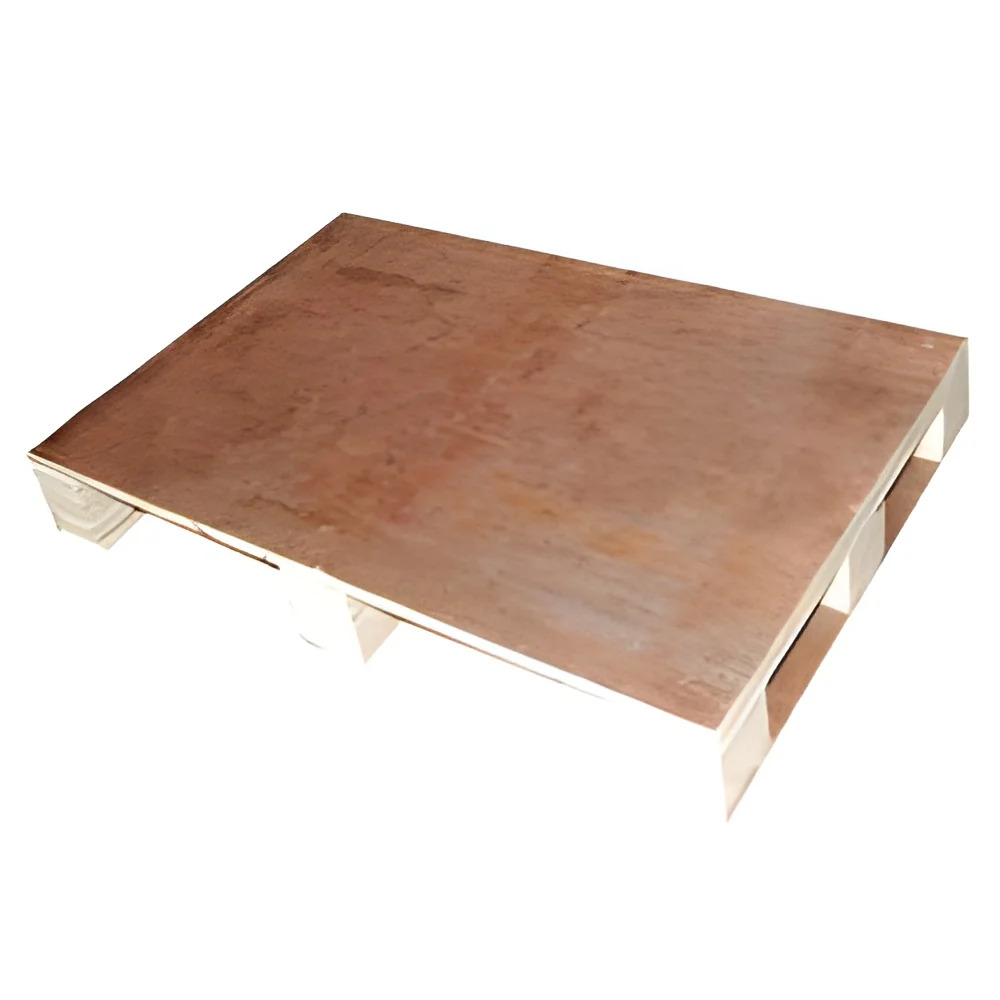
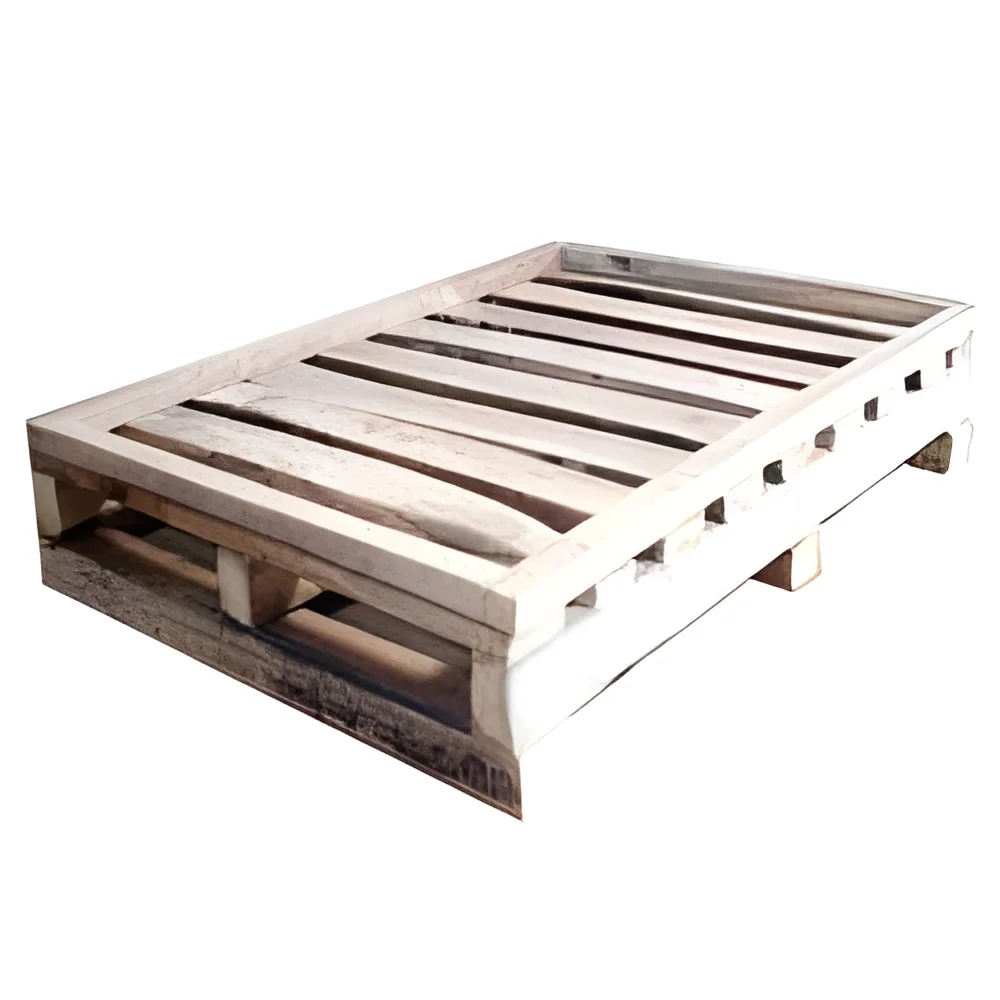
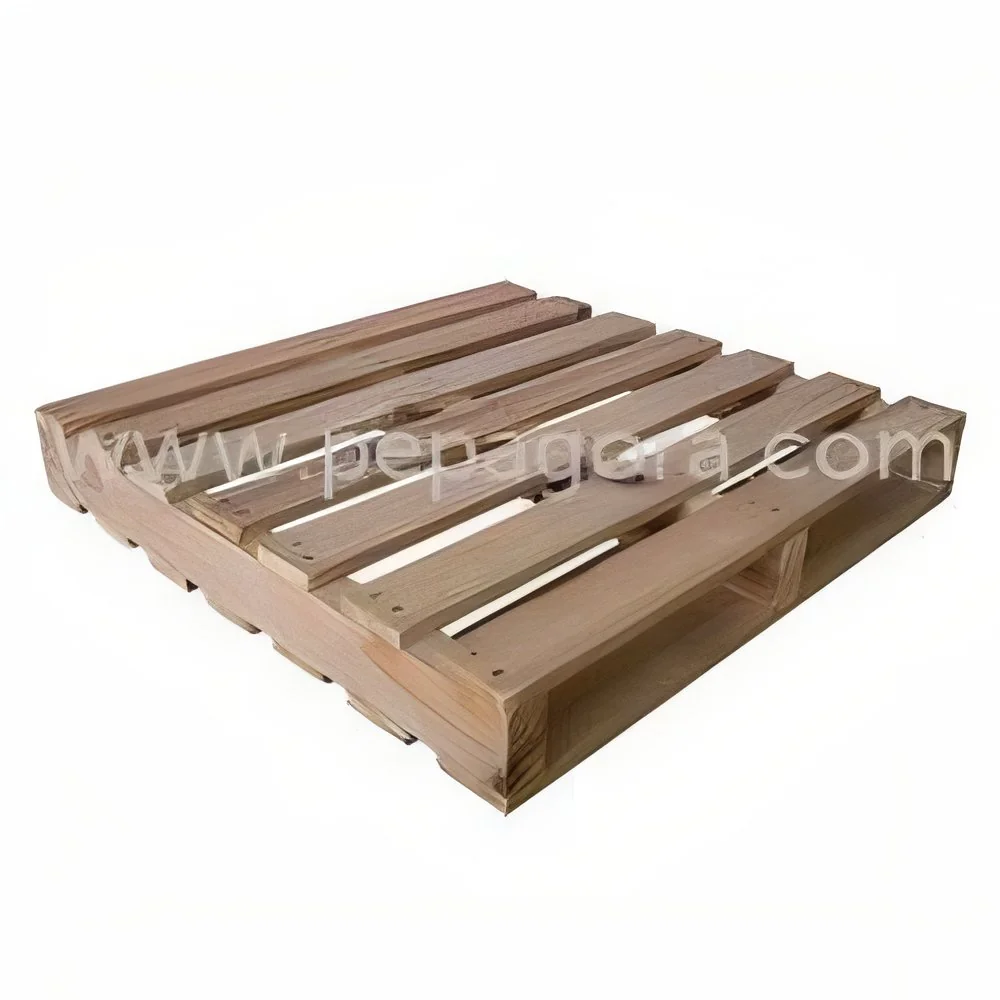
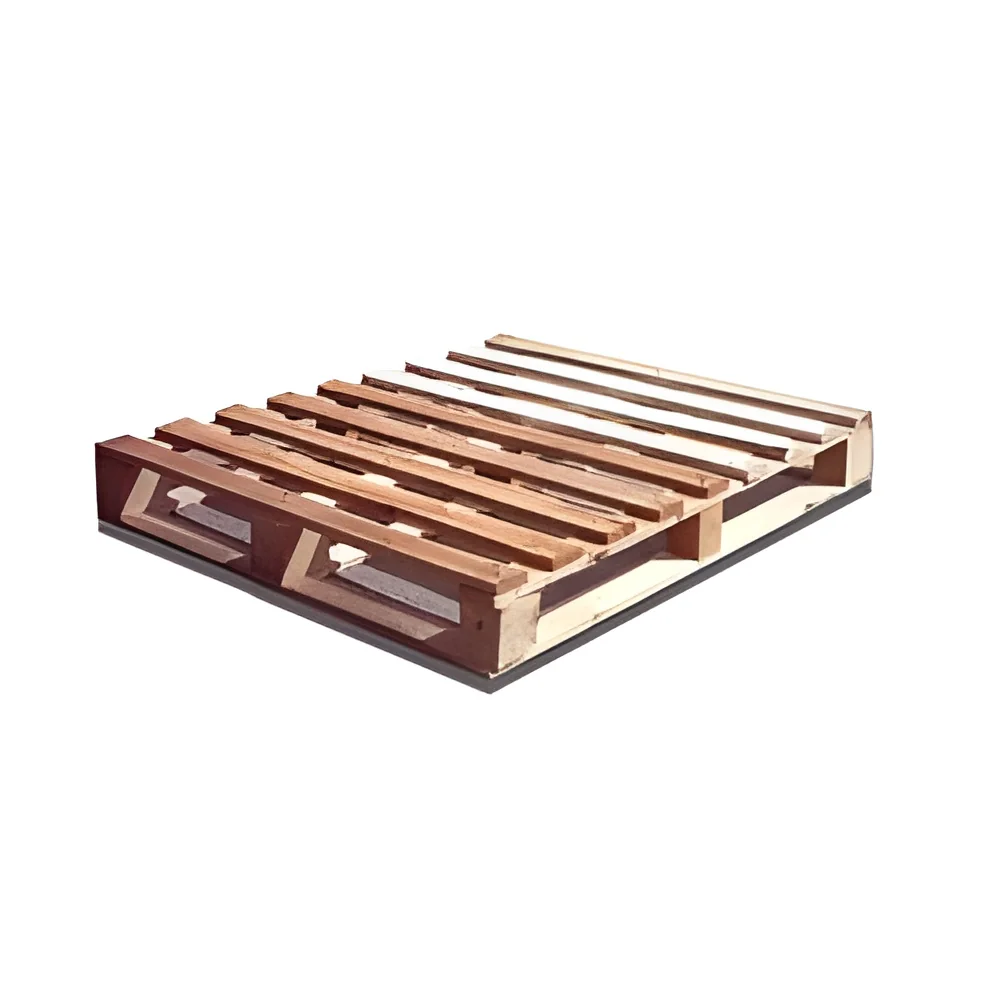
Wooden pallets are flat structures made from timber that serve as a base for transporting goods. These pallets are designed to facilitate the storage and handling of products in various industries. They provide a stable platform for stacking items, making them easier to move with forklifts, pallet jacks, or other handling equipment.
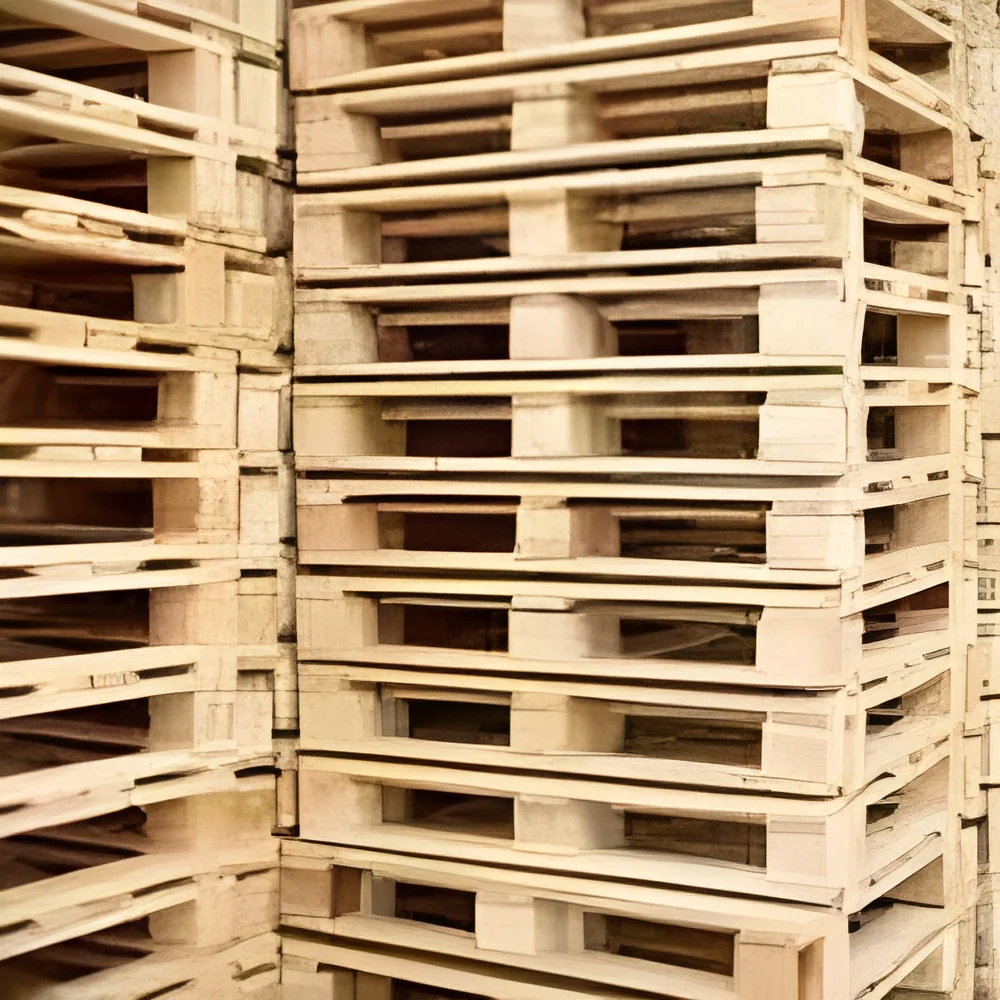
The primary uses of wooden pallets include shipping, warehousing, and distribution. They are commonly used in industries such as manufacturing, agriculture, and retail to transport bulk materials and packaged goods. Their versatility makes them an essential component of supply chain operations. The wooden pallet market is significant, with high demand driven by the need for efficient logistics and sustainable packaging solutions.
Key Features and Specifications
Wooden pallets come with various features and specifications that enhance their utility in business operations. These specifications help businesses choose the right pallets for their specific needs and ensure they meet industry standards.
Key specifications include:
1. Load Capacity
- Wooden pallets can typically support loads ranging from 1,000 to 5,000 pounds, depending on their design and material used.
2. Dimensions
- Standard pallet sizes include 48 x 40 inches for North America and 1200 x 800 mm for Europe, although custom sizes are available.
3. Material Type
- Most wooden pallets are made from softwoods such as pine or fir, but hardwood options are also available for increased durability.
4. Treatment Process
- Many wooden pallets undergo heat treatment or chemical treatment to prevent pest infestation and comply with international shipping regulations.
5. Weight
- The weight of wooden pallets typically ranges from 30 to 70 pounds, depending on the design and materials used.
6. Lifespan
- Wooden pallets generally have a lifespan of 3 to 5 years, depending on usage and maintenance.
7. Environmental Impact
- Wooden pallets are recyclable and biodegradable, making them a more sustainable option compared to plastic pallets.
8. Customization Options
- Businesses can customize wooden pallets for branding or specific applications, such as adding features for better product protection.
In summary, wooden pallets offer a range of features that cater to various shipping and storage needs, making them a staple in logistics and supply chain management.
Common Applications and Use Cases
Wooden pallets are utilized across a broad spectrum of industries due to their versatility and efficiency.
1. Manufacturing: In manufacturing, wooden pallets are used to transport raw materials and finished products within factories and to distribution centers.
2. Agriculture: Farmers and agricultural businesses use wooden pallets to move crops and other products, ensuring safe transport from fields to markets.
3. Retail: Retailers rely on wooden pallets for stock replenishment and distribution of goods to stores, making inventory management more efficient.
4. Food and Beverage: The food and beverage industry uses wooden pallets to transport packaged products while adhering to safety and hygiene standards.
5. Construction: In the construction sector, wooden pallets are often used to transport building materials, tools, and equipment to job sites.
6. Pharmaceuticals: Pharmaceutical companies utilize wooden pallets for transporting sensitive products while ensuring compliance with safety regulations.
7. E-commerce: E-commerce businesses benefit from wooden pallets for shipping orders efficiently and cost-effectively to customers.
Product Variants and Subcategories
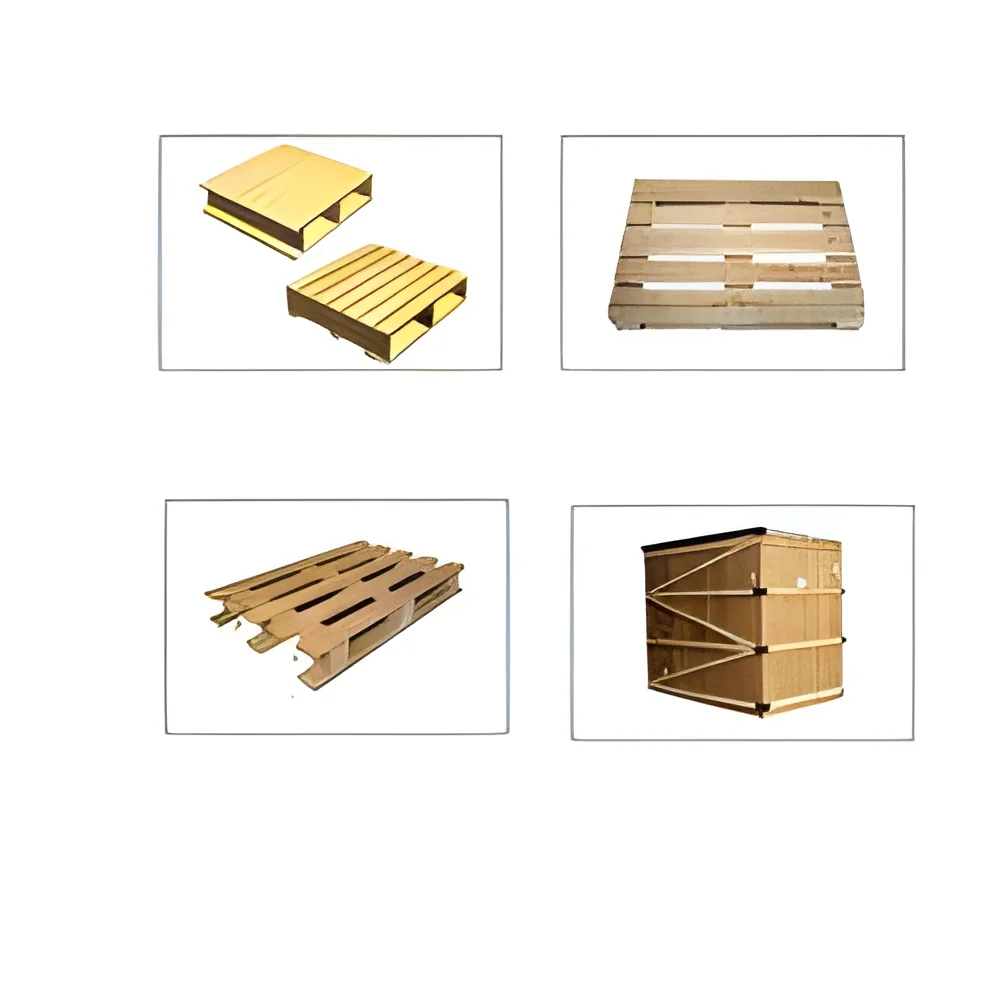
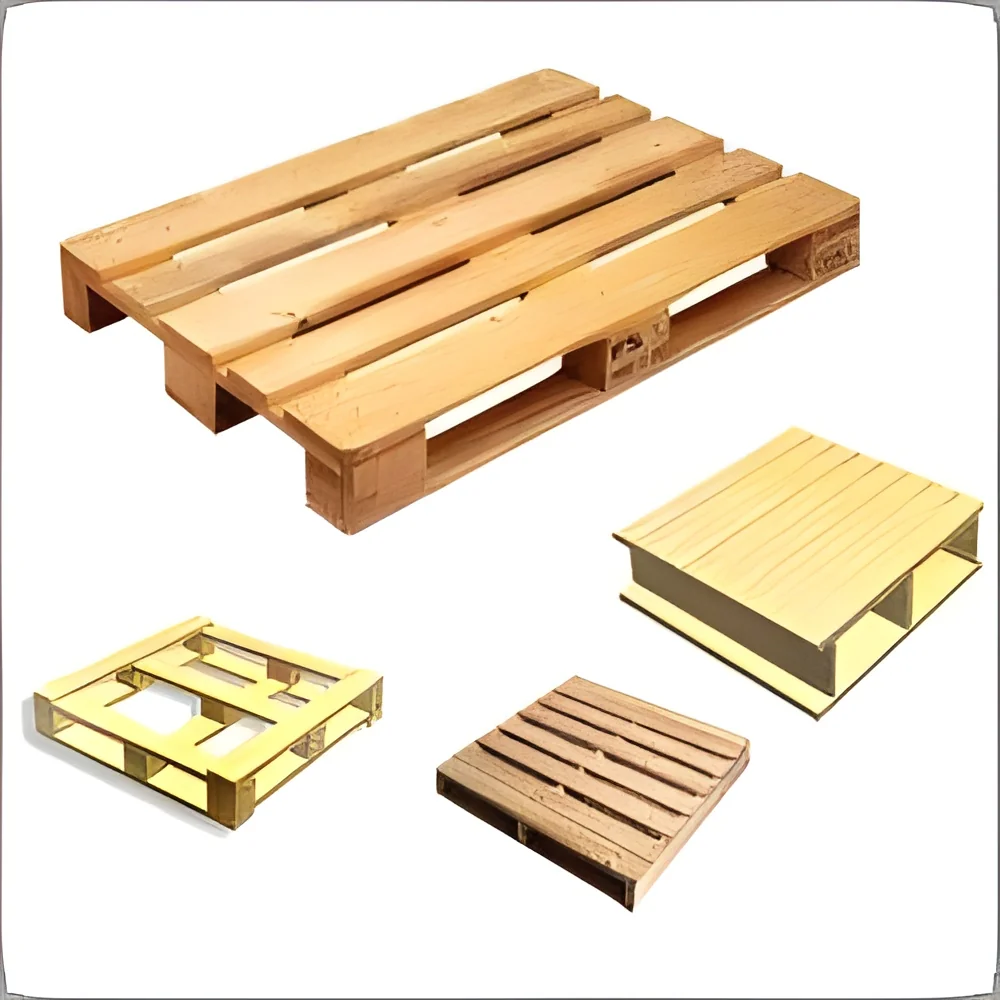
Wooden pallets come in various forms to meet different business needs. Their diversity allows companies to select pallets based on specific applications.
Standard Wooden Pallets
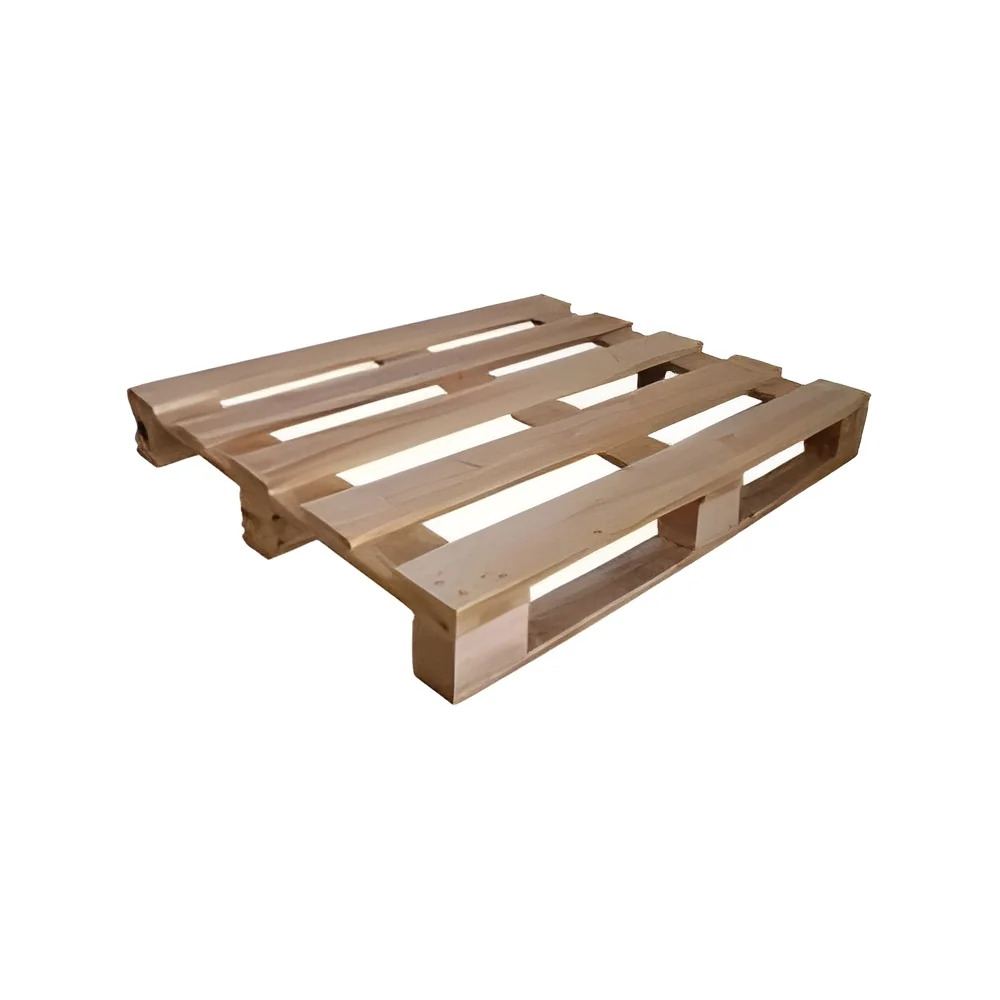
These are the most commonly used pallets designed for general purpose. They are suitable for various industries and can be used for transporting different types of products.
Heavy-Duty Wooden Pallets
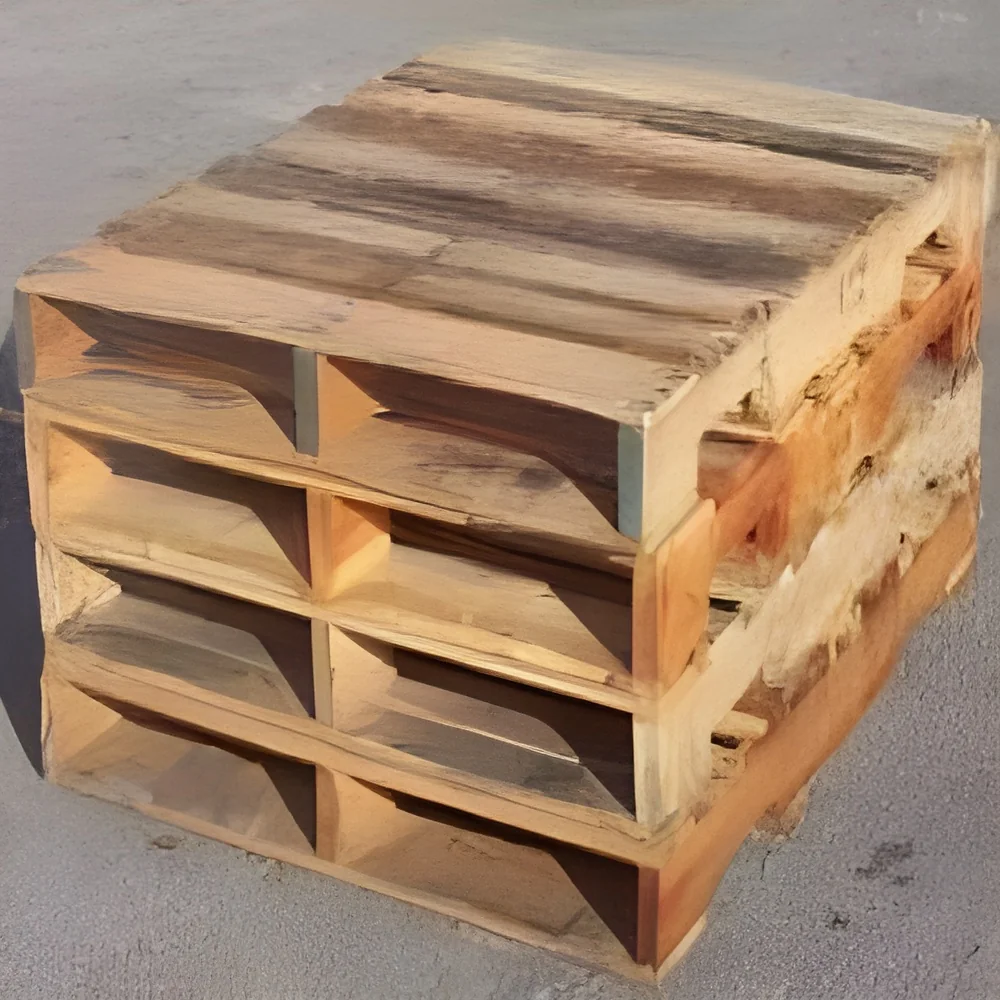
These pallets are built to handle larger loads and are often used in industries that require transporting heavy materials, such as manufacturing and construction.
Custom Wooden Pallets
Some businesses opt for custom wooden pallets that are tailored to fit specific products or branding requirements. These pallets can include additional features such as unique dimensions or added protection during transport.
Benefits and Advantages
Wooden pallets provide several key benefits that enhance their appeal in the B2B marketplace.
1. Cost-Effectiveness: Wooden pallets are generally less expensive than alternative materials, making them a budget-friendly option for businesses.
2. Durability: With proper maintenance and care, wooden pallets can support substantial weight and withstand multiple trips, offering a good return on investment.
3. Sustainability: As a renewable resource, wooden pallets are more eco-friendly compared to plastic pallets, appealing to companies focused on sustainability.
4. Easy Handling: Wooden pallets are compatible with most material handling equipment, facilitating efficient loading and unloading processes.
5. Customization: The ability to customize wooden pallets allows businesses to enhance their branding and meet specific operational needs.
6. Recyclability: At the end of their lifecycle, wooden pallets can be recycled into other products, reducing waste and promoting a circular economy.
Buying Guide for B2B Buyers
When sourcing wooden pallets, businesses should consider several essential factors to ensure they make informed purchasing decisions.
1. Quality Assessment: It is crucial to assess the quality of wooden pallets, focusing on their construction, treatment processes, and overall durability to ensure they meet operational demands.
2. Supplier Verification: Vetting suppliers is necessary to establish credibility and reliability. Look for suppliers with a proven track record and positive reviews in the industry.
3. Pricing and MOQ: Understand the pricing structure and minimum order quantities (MOQ) to find a balance between cost and supply requirements.
4. Delivery and Lead Times: Factor in delivery schedules and lead times when planning inventory needs to avoid disruptions in the supply chain.
5. Compliance Requirements: Ensure that the wooden pallets meet relevant regulatory and safety standards, which can vary by region and industry.
Compliance and Certifications
Wooden pallets must adhere to various compliance standards to ensure safety and quality in their use. Relevant quality standards include ISO 9001, which outlines management requirements for quality assurance.
Additionally, industry certifications such as CE ensure that products meet essential safety standards within the European market. Compliance with safety and testing requirements is crucial, especially for industries such as food and pharmaceuticals.
Regional compliance considerations vary, with some regions requiring specific treatments for exported pallets to prevent pest movement. Businesses should stay informed about these regulations to ensure their pallets are compliant in all operational areas.
Why Source Wooden Pallets from Pepagora?
Pepagora serves as a trusted platform for sourcing wooden pallets, offering a range of advantages for B2B buyers.
Verified Supplier Network: Pepagora connects buyers with verified suppliers, ensuring quality and reliability. This network allows businesses to source pallets from reputable manufacturers who meet industry standards.
Streamlined RFQ Process: The request for quotation (RFQ) process is designed for efficiency, allowing buyers to quickly compare prices and specifications from multiple suppliers in one place.
Trade Assurance and Support: Pepagora provides trade assurance, protecting buyers throughout the purchasing process. This support helps build trust and confidence in supplier transactions.
Regional Coverage: With a strong presence in India, the GCC, and Southeast Asia, Pepagora offers extensive geographic reach, ensuring that businesses can find suitable wooden pallets regardless of their location.



 India
 India
 India
 India
 India
 India
 India
 India
 India
 India
 India
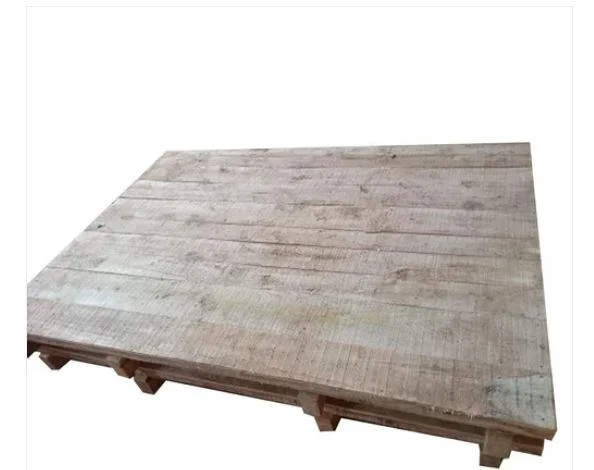 India
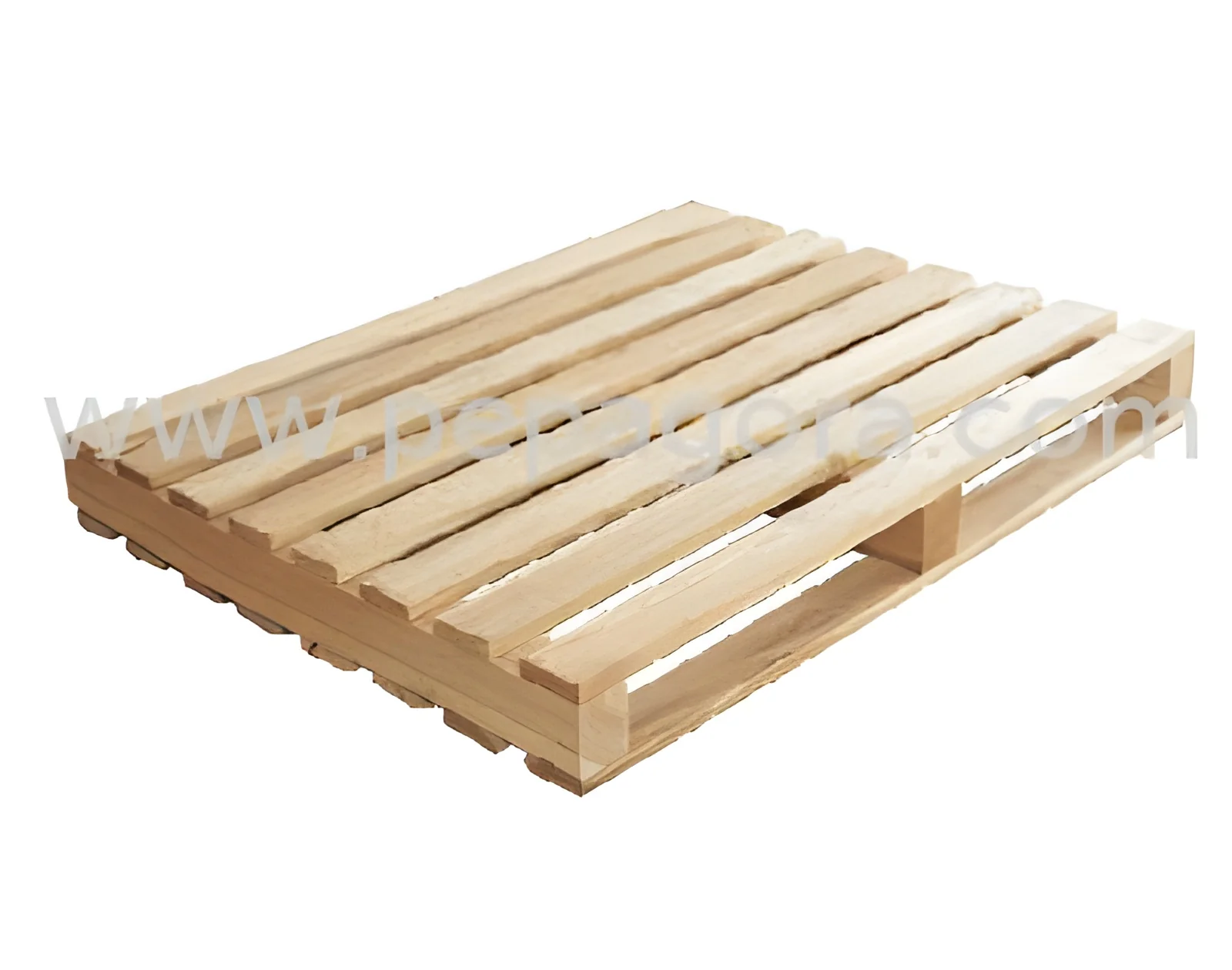
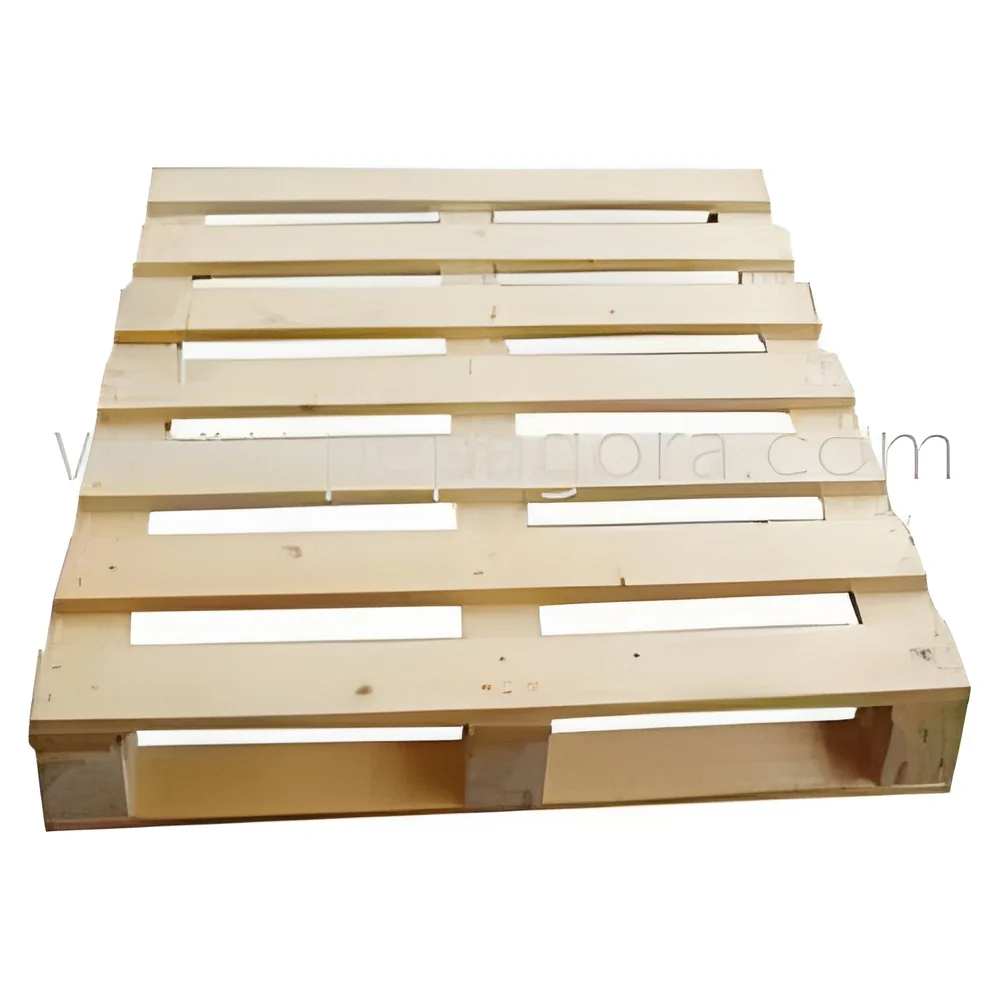
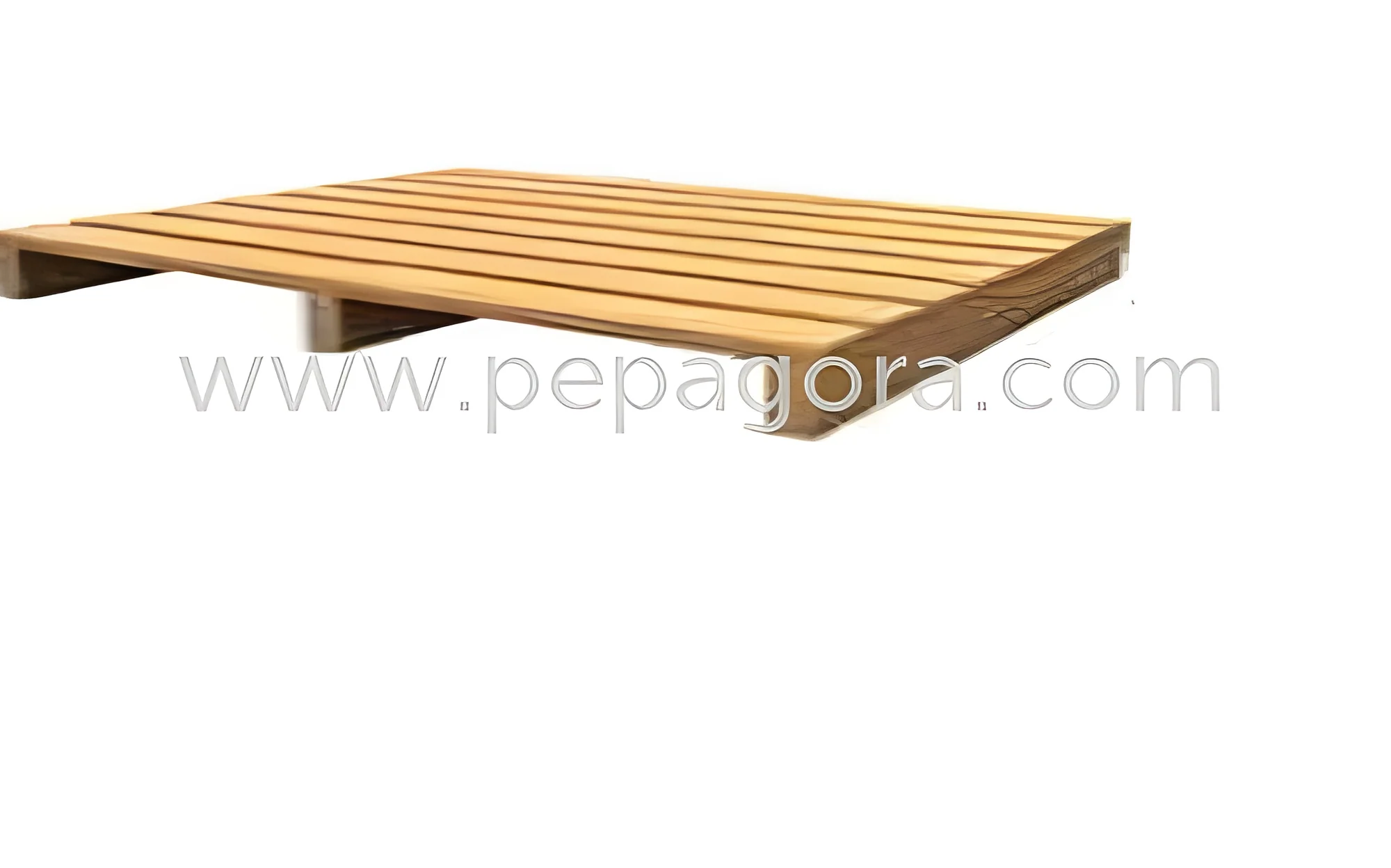 India
 India

 India
 India
 India


 India

 India
 India

Frequently Asked Questions
What are Wooden Pallets?
Wooden pallets are flat structures made from wood, designed to support goods during storage and transportation. They are commonly used in warehouses and shipping to facilitate the handling and movement of products.
What are the different types of Wooden Pallets?
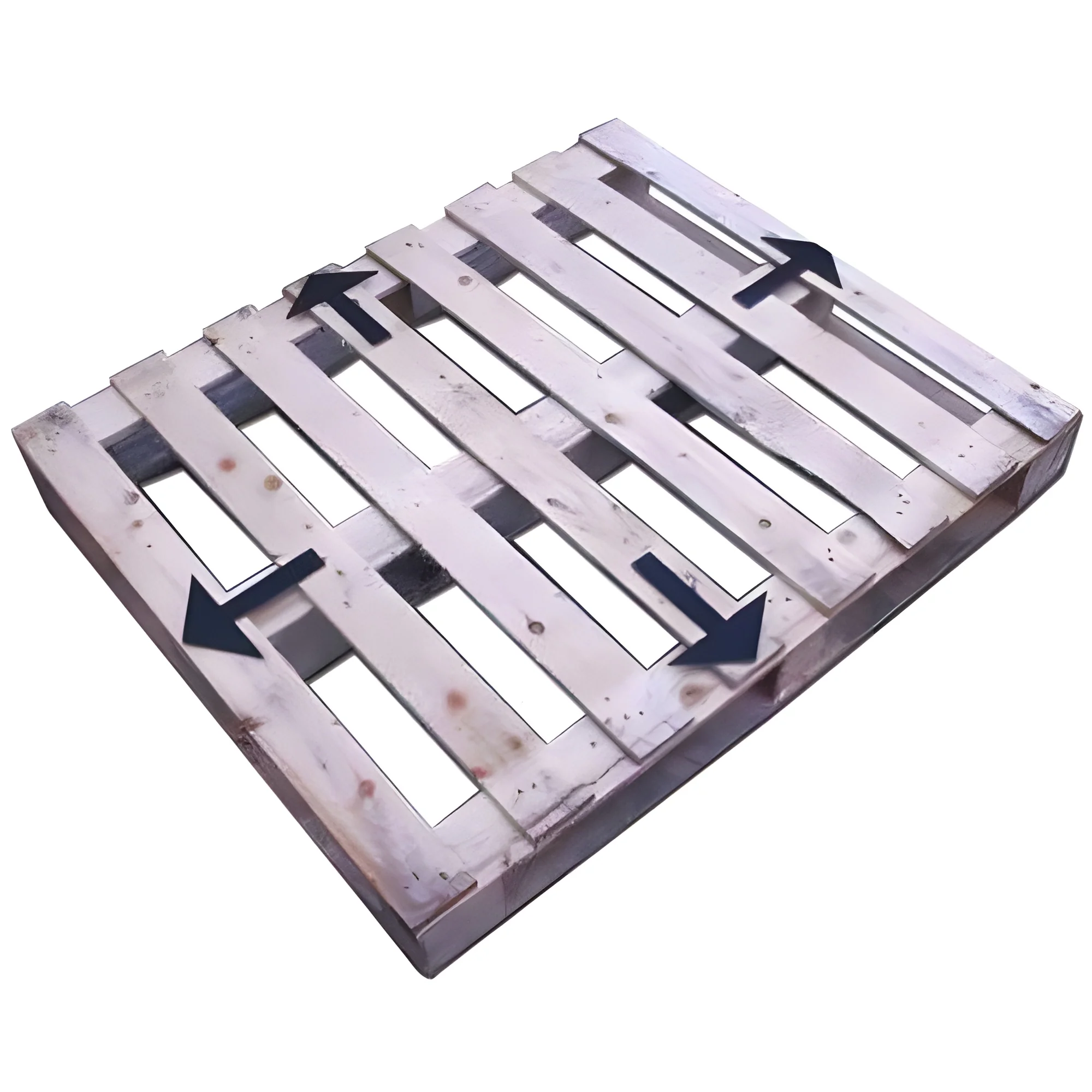
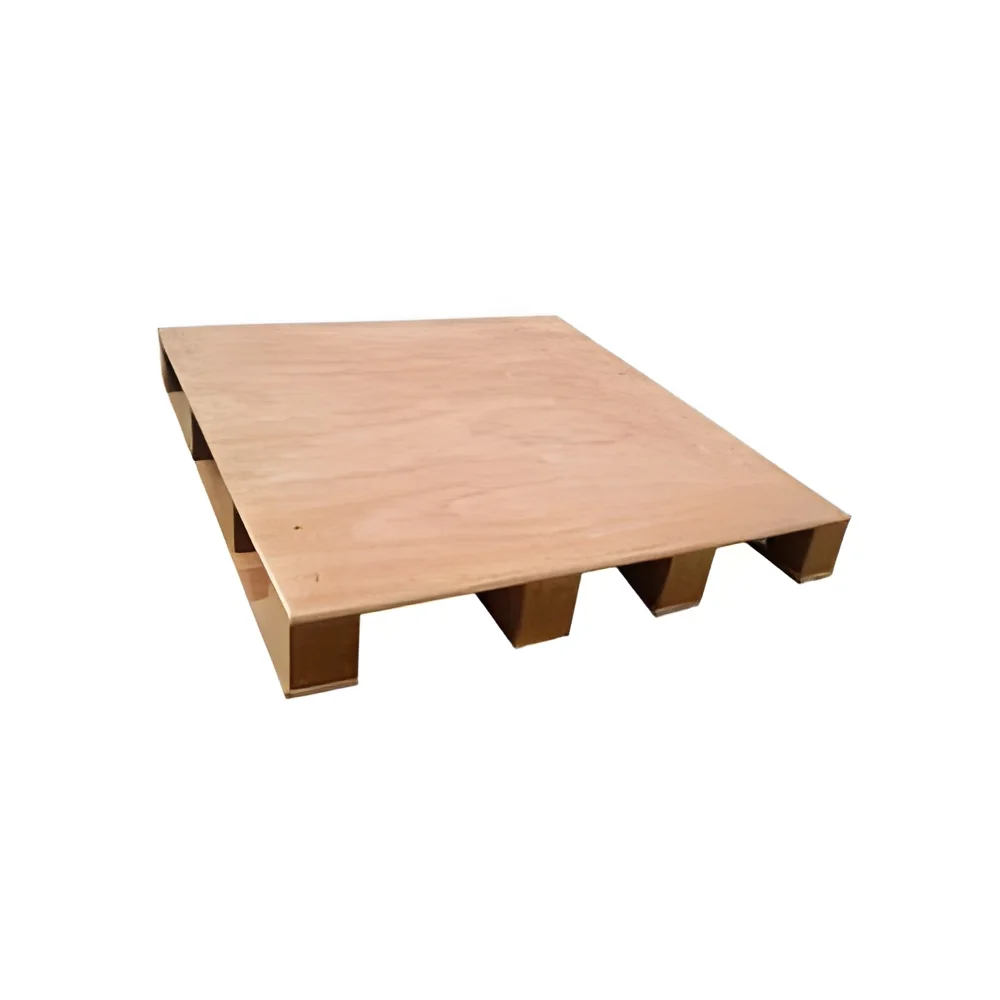
The main types of wooden pallets include standard, block, and stringer pallets. Standard pallets have a simple design, block pallets provide stability, and stringer pallets consist of parallel supports for enhanced load-bearing capacity.
How do I choose the right Wooden Pallets?
When selecting wooden pallets, consider the weight capacity, dimensions, and the type of goods you will be transporting. Additionally, assess environmental factors such as humidity and temperature, as they can affect the material's durability.
What are the standard specifications for Wooden Pallets?
Standard wooden pallets typically measure 48x40 inches, but sizes can vary based on regional and industry standards. They are generally rated for specific weight capacities, which can range from 1,500 to 5,000 pounds depending on their design.
What is the price range for Wooden Pallets?
The price of wooden pallets can vary widely based on size, type, and quality, typically ranging from ₹200 to ₹1,500 per unit. Customization and special treatments may also influence the overall cost.
What quality standards apply to Wooden Pallets?
Wooden pallets must meet certain quality standards such as ISPM 15 for international shipping, which requires treatment to prevent pest infestations. Compliance with these standards ensures safe and reliable transportation.
Where can I find Wooden Pallets suppliers in India?
You can find wooden pallet suppliers in India through online B2B marketplaces, local directories, and trade shows. Websites like Pepagora offer a platform to connect with various manufacturers and suppliers across the country.
Can Wooden Pallets be customized?
Yes, wooden pallets can be customized to meet specific requirements such as size, load capacity, and branding. Many manufacturers offer customization options to cater to various business needs.
What is the typical minimum order quantity for Wooden Pallets?
The minimum order quantity (MOQ) for wooden pallets can vary by supplier but generally ranges from 50 to 200 pallets. It's essential to check with individual suppliers for their specific MOQs.
What is the typical lead time for Wooden Pallets?
The typical lead time for wooden pallets can range from 1 to 4 weeks, depending on the supplier's inventory and manufacturing capabilities. Custom orders may require additional time for production.
Why Businesses Trust Pepagora
Thousands of companies trust Pepagora to source smarter and sell faster
Expand Your Sales Globally

Source Smarter,Grow Faster
