
 IN
Wooden Crates
143 products available
What are Wooden Crates?
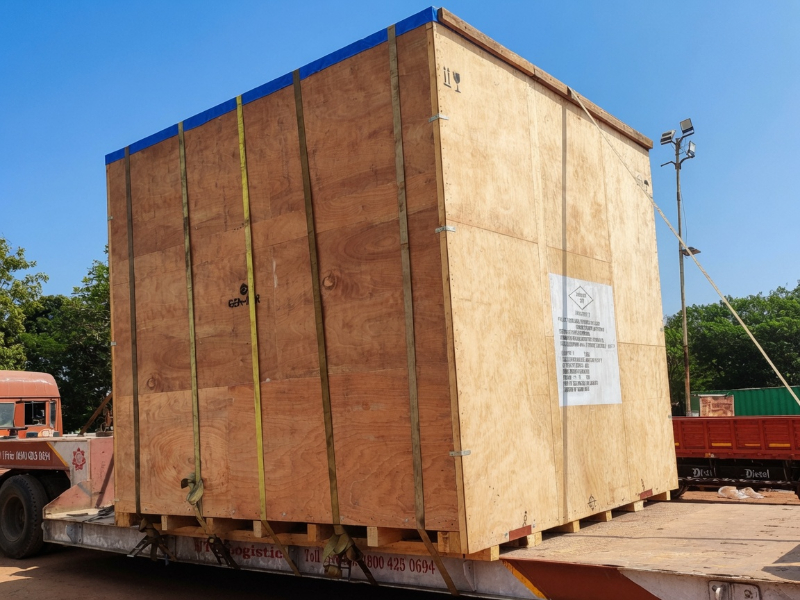
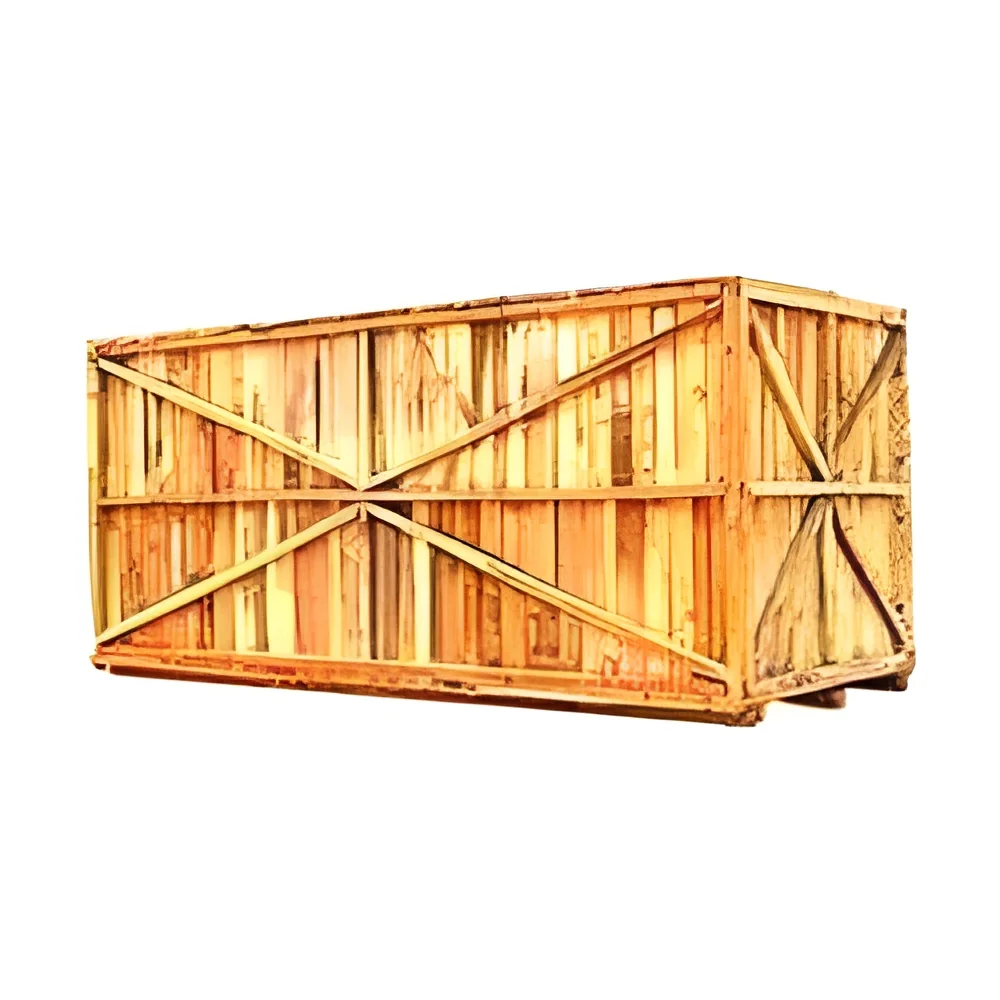
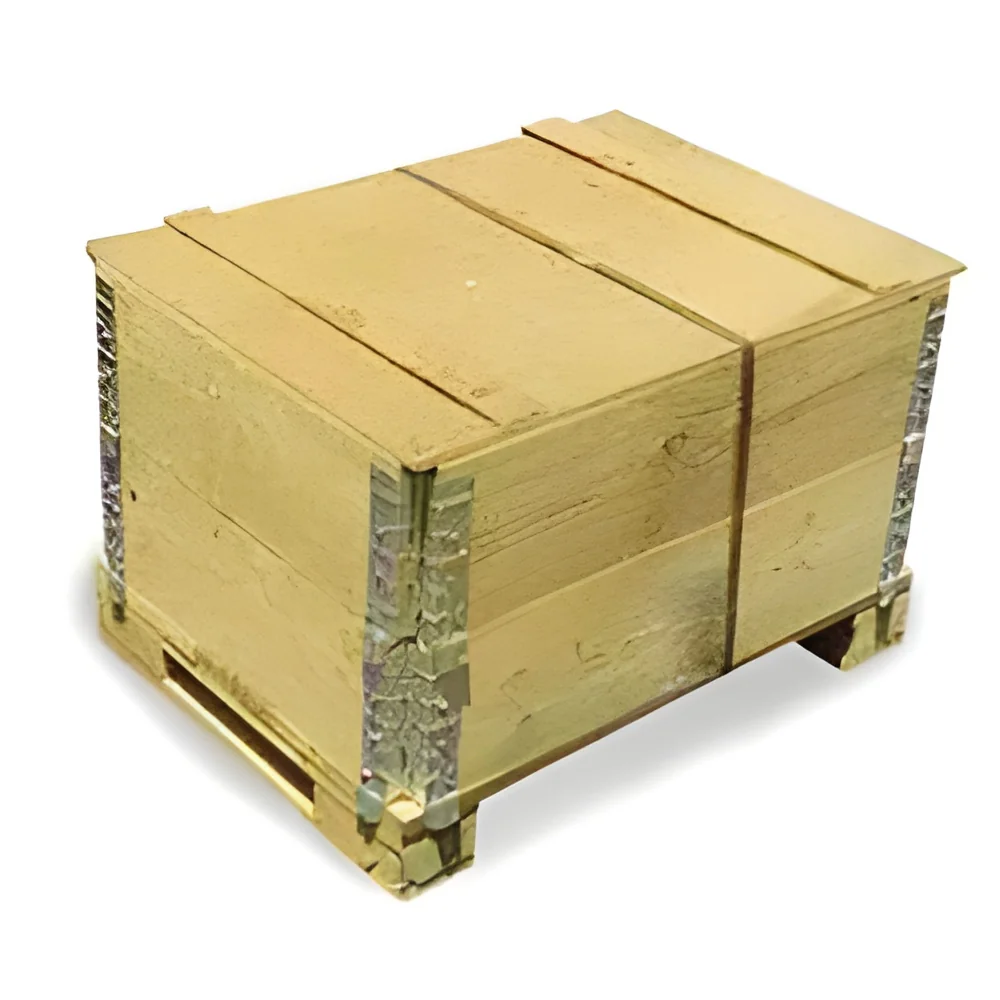
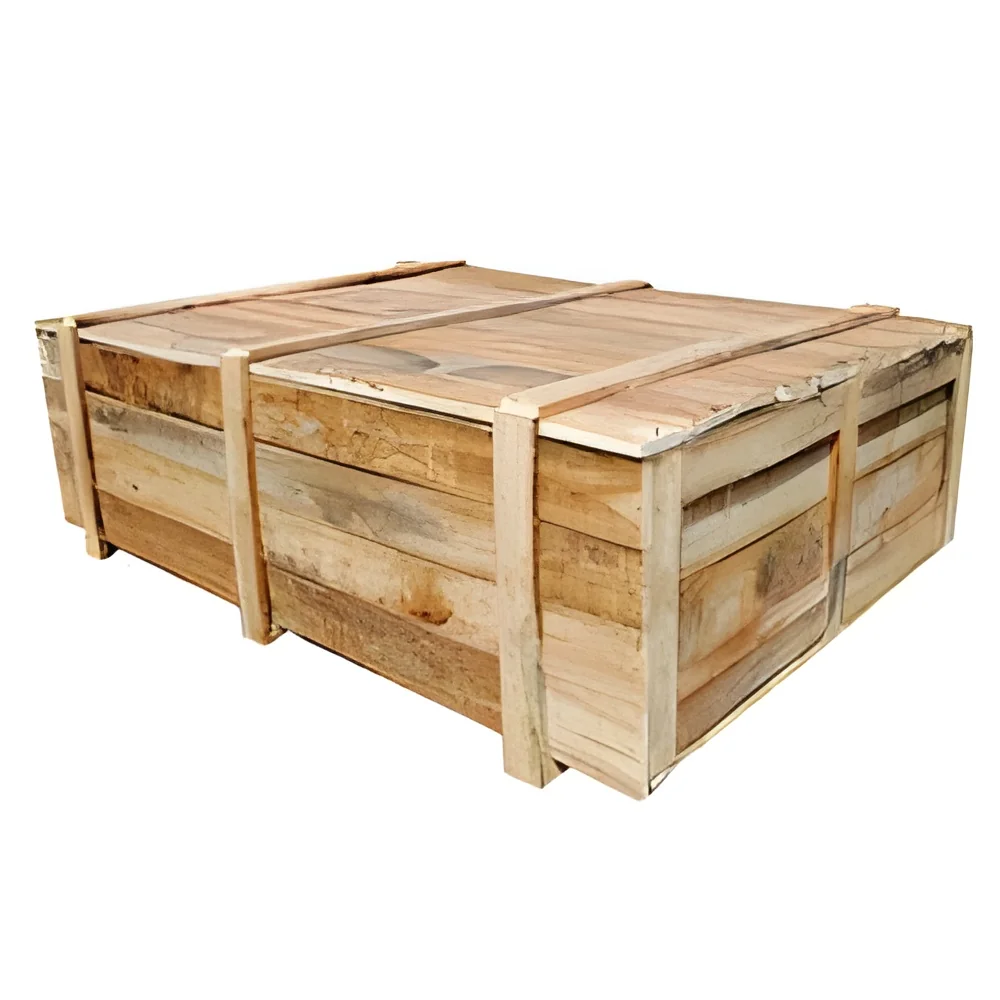
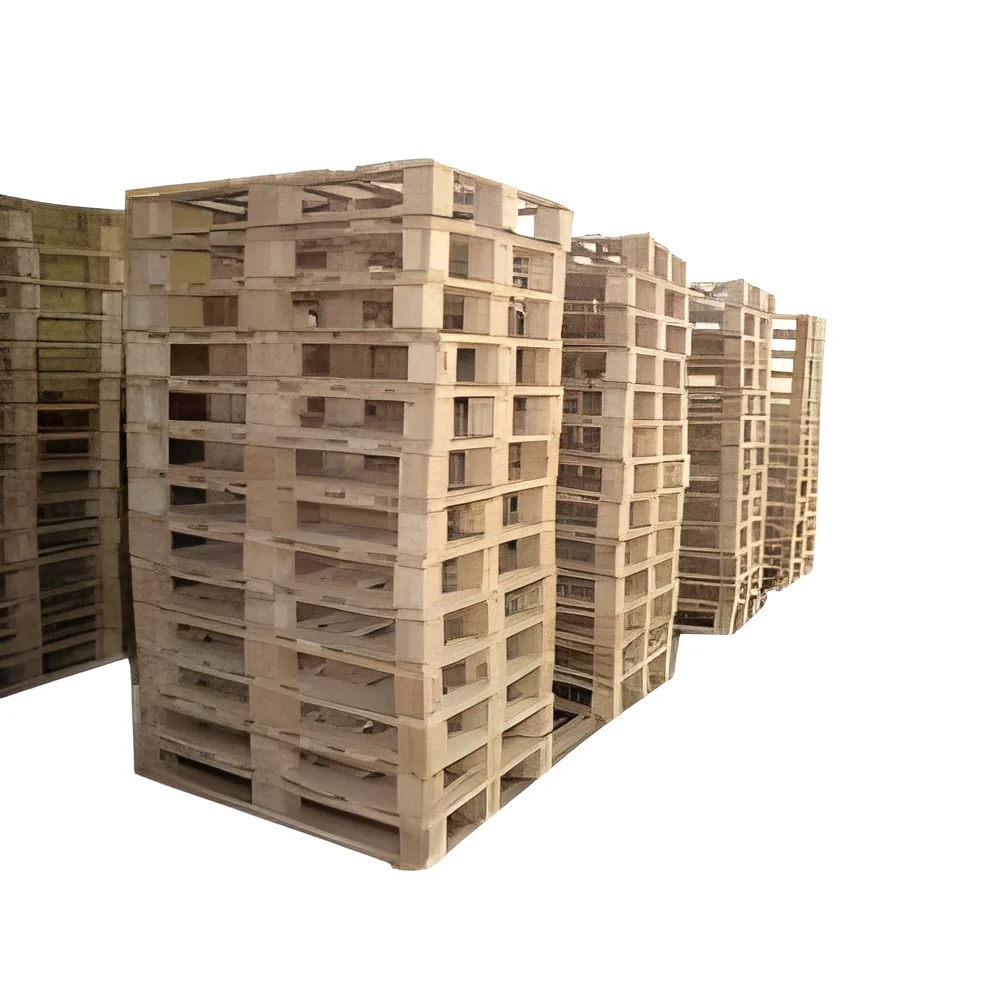
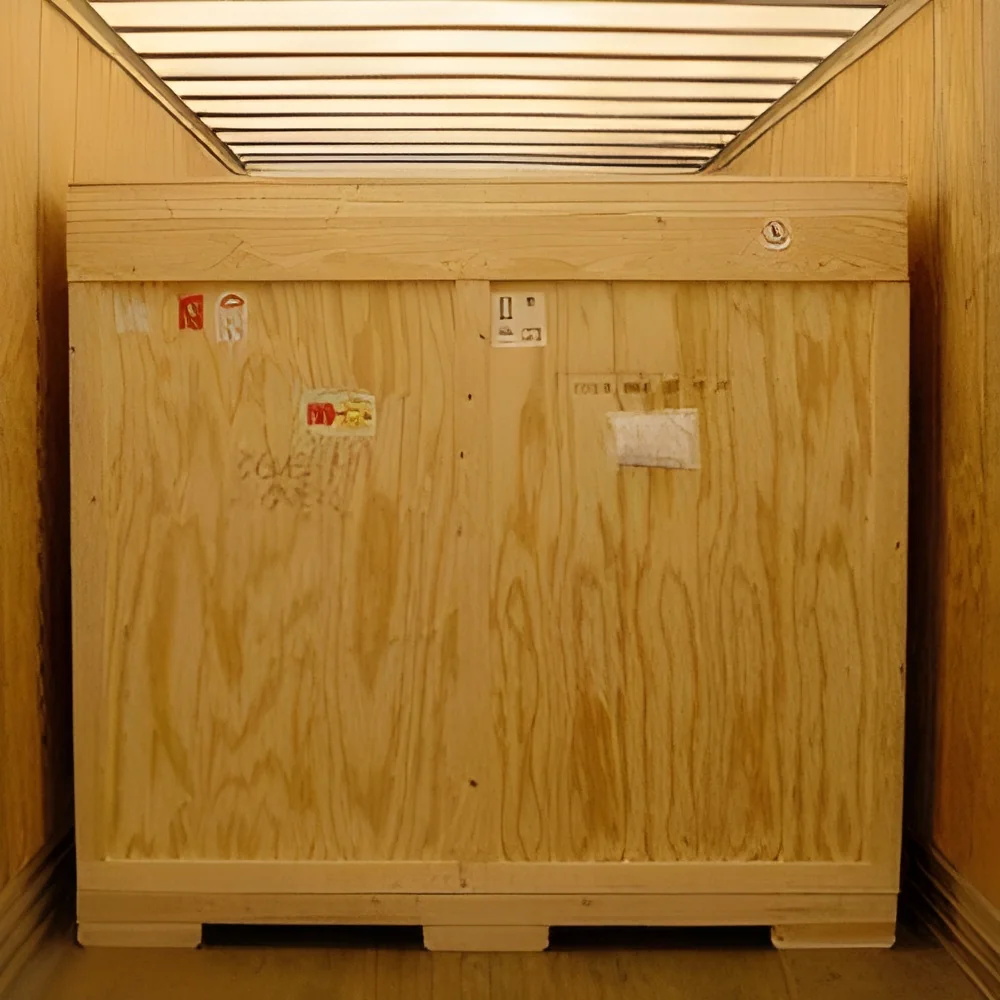
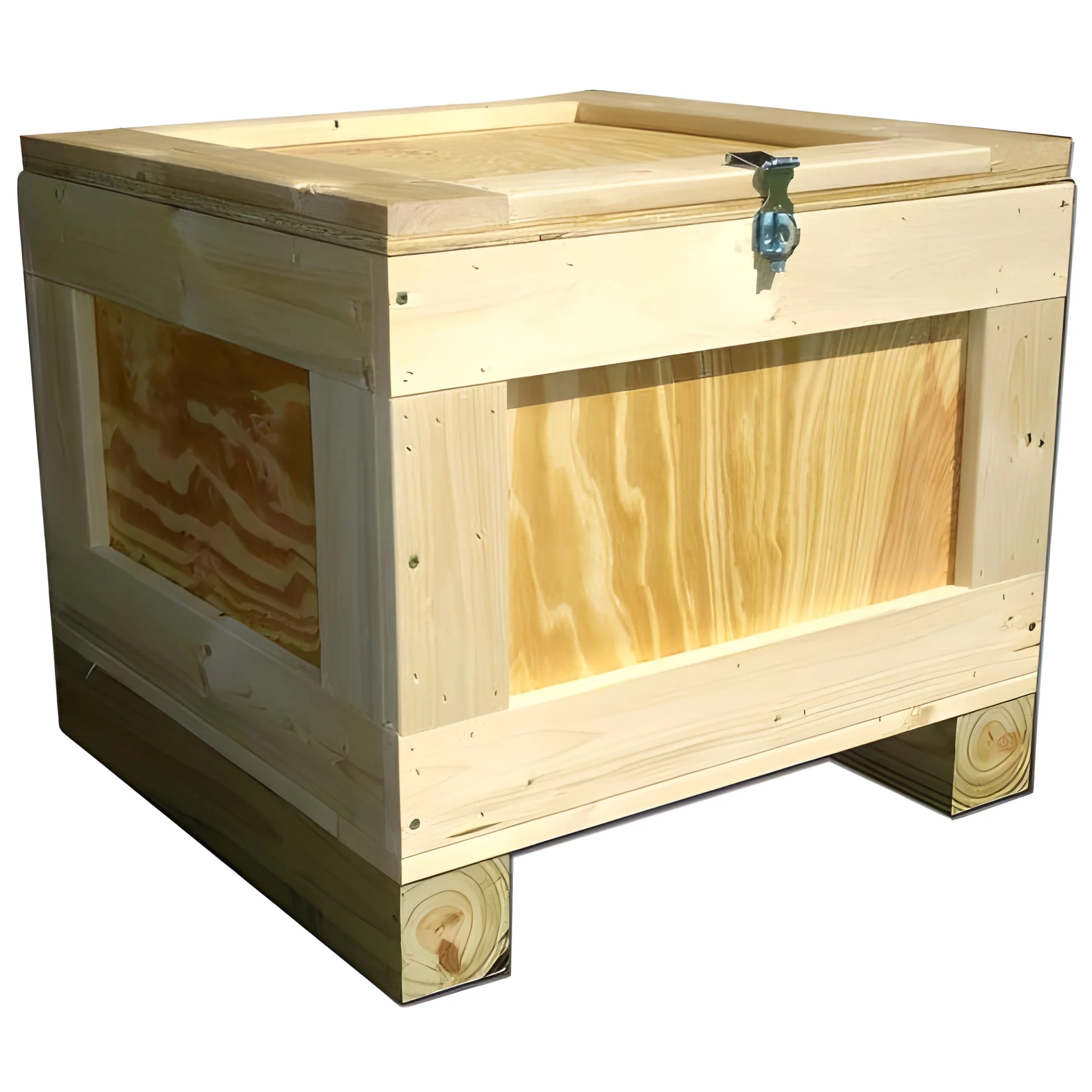
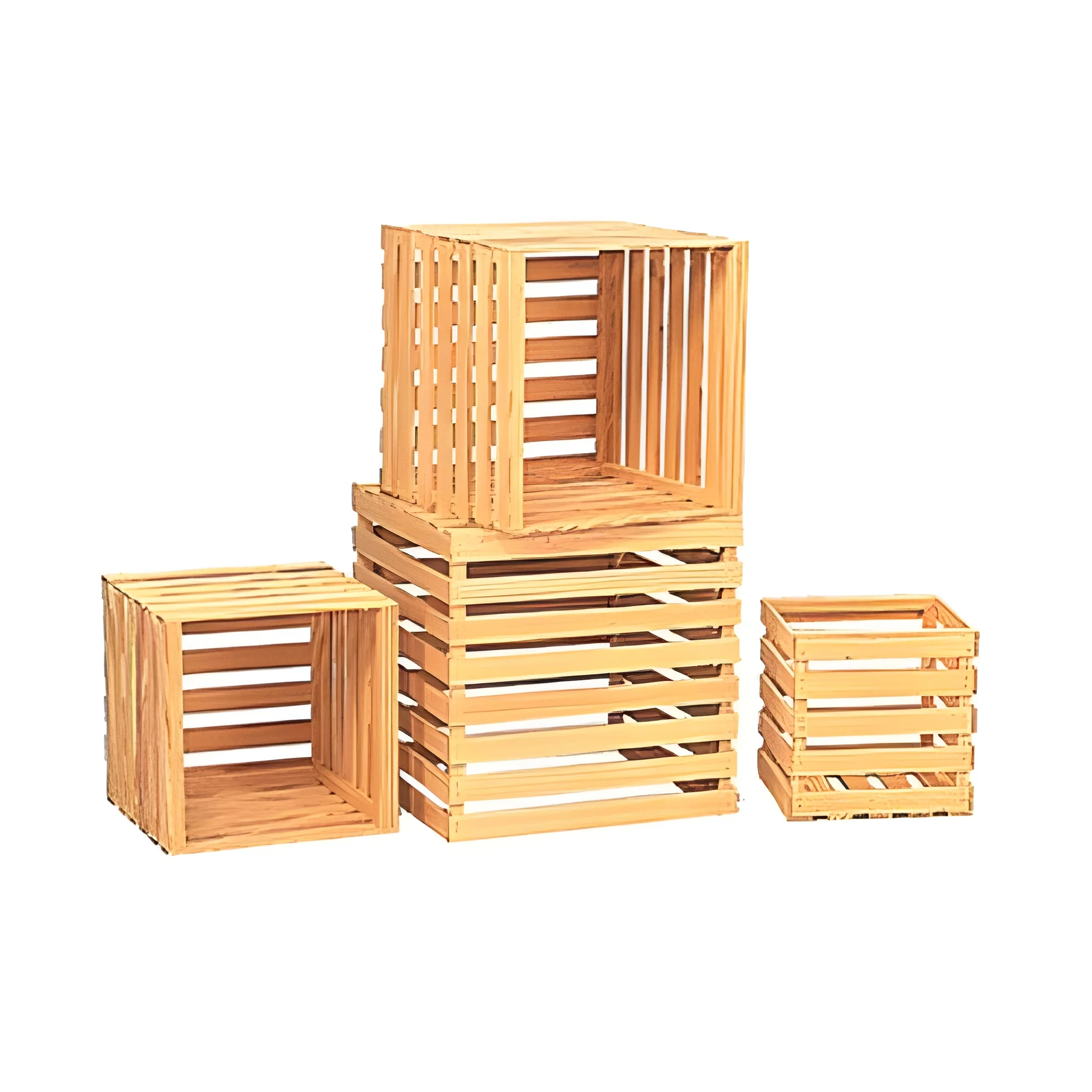
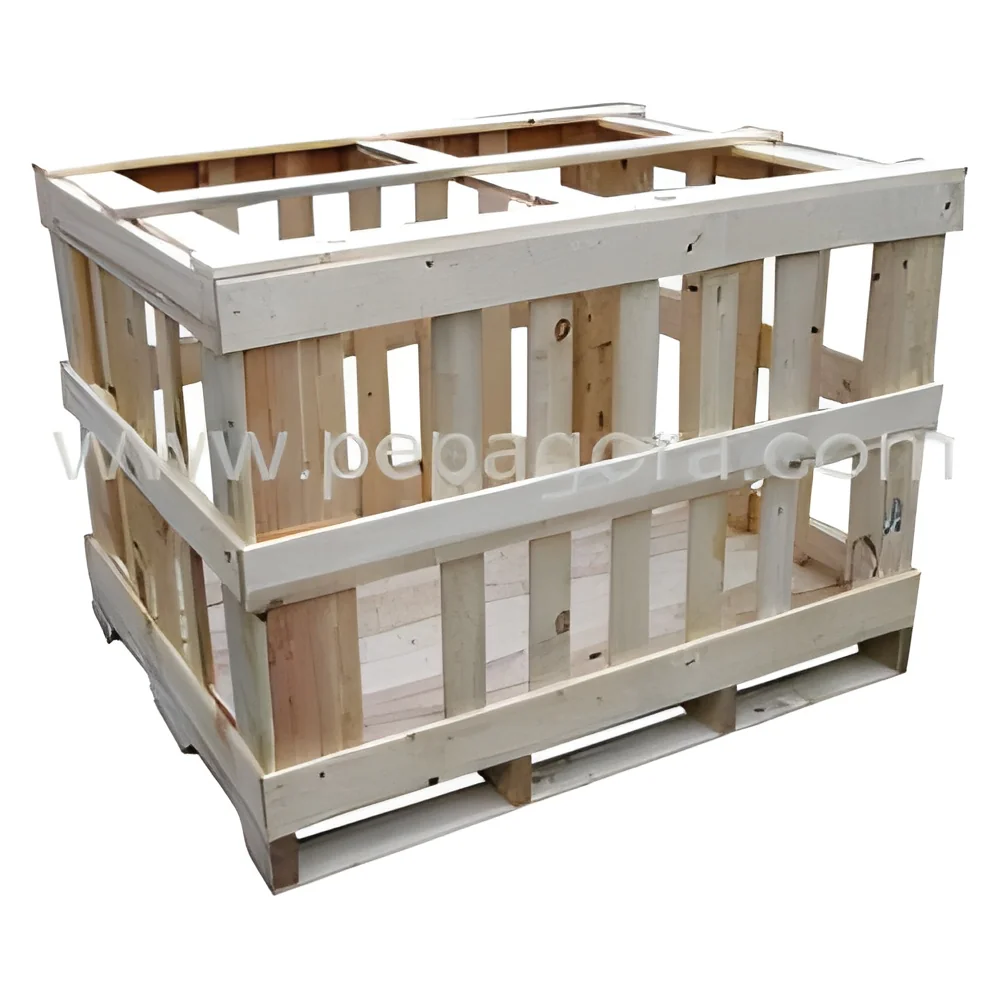
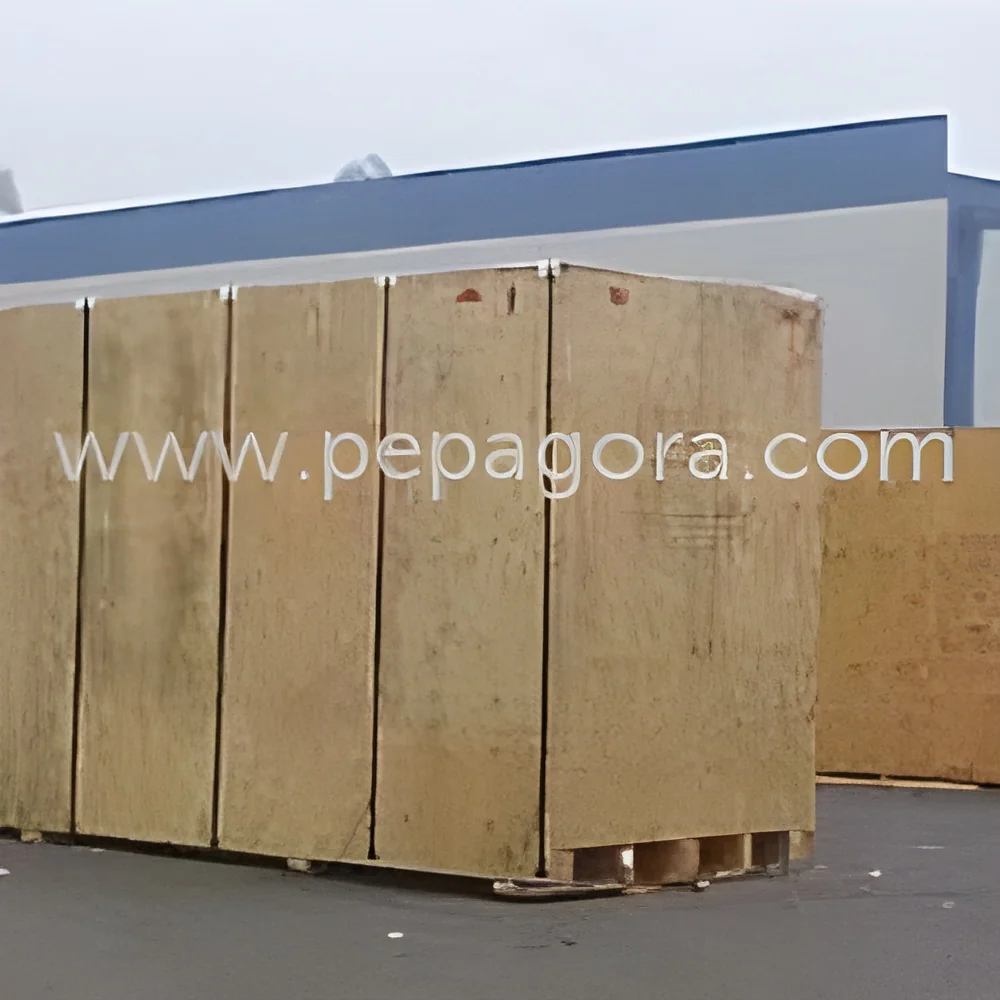
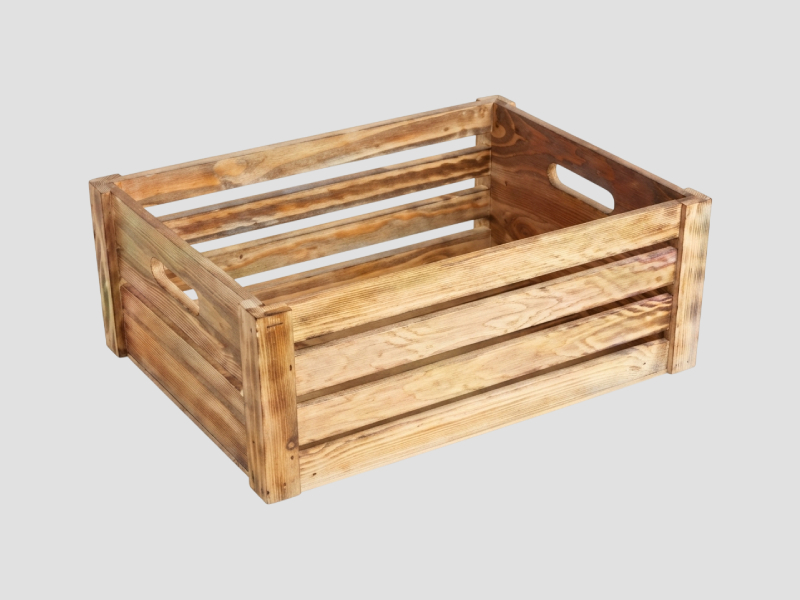
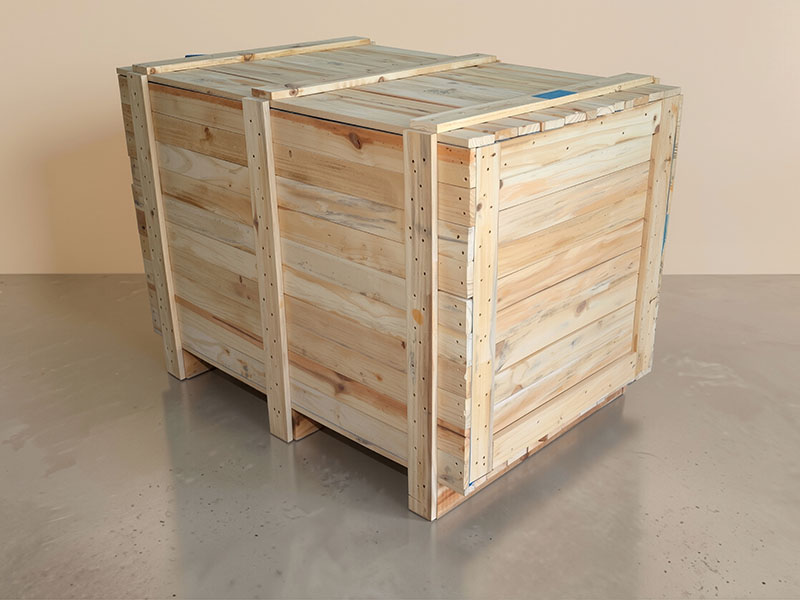
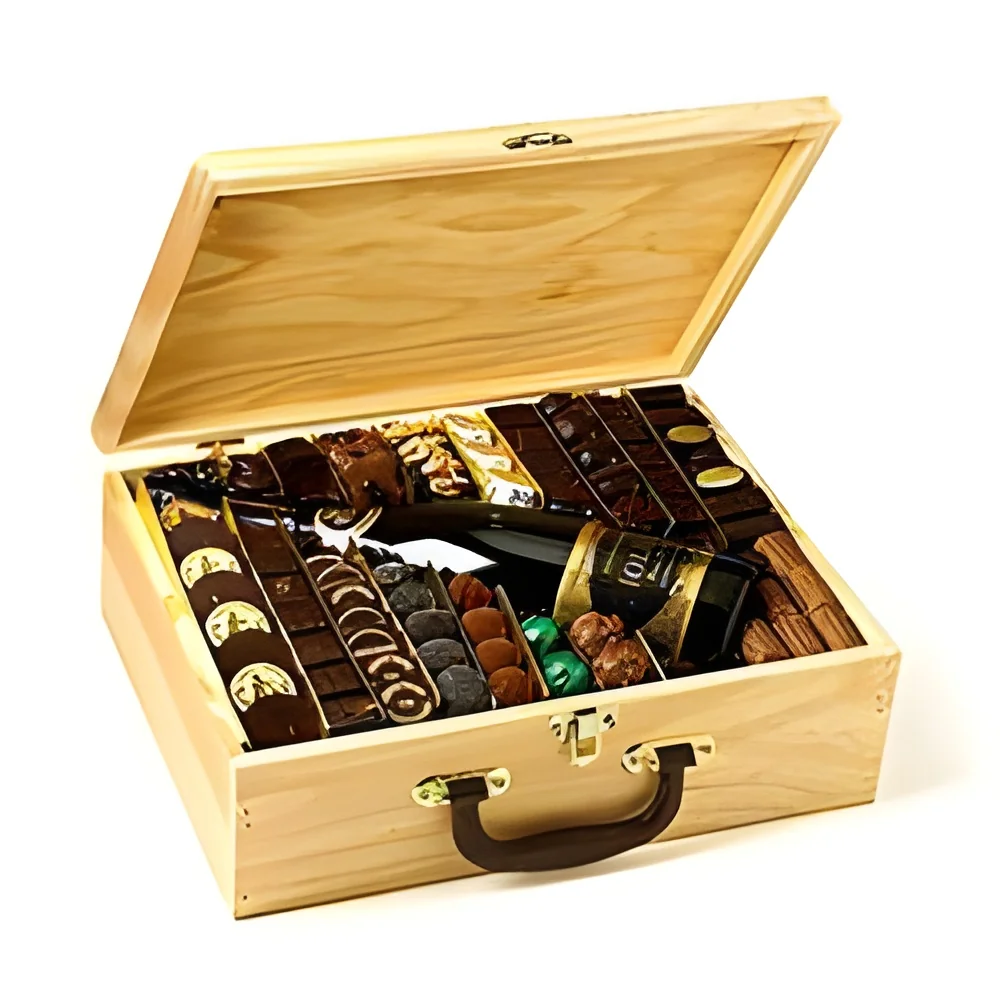
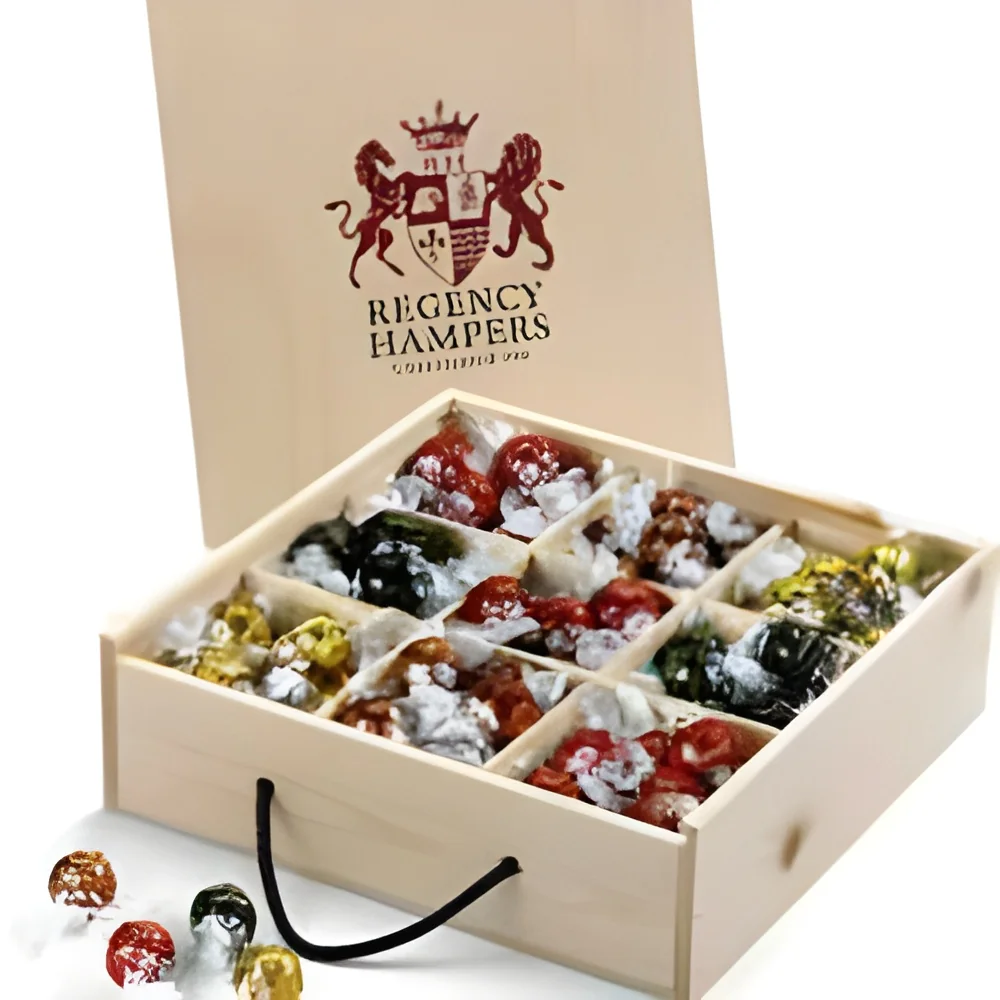
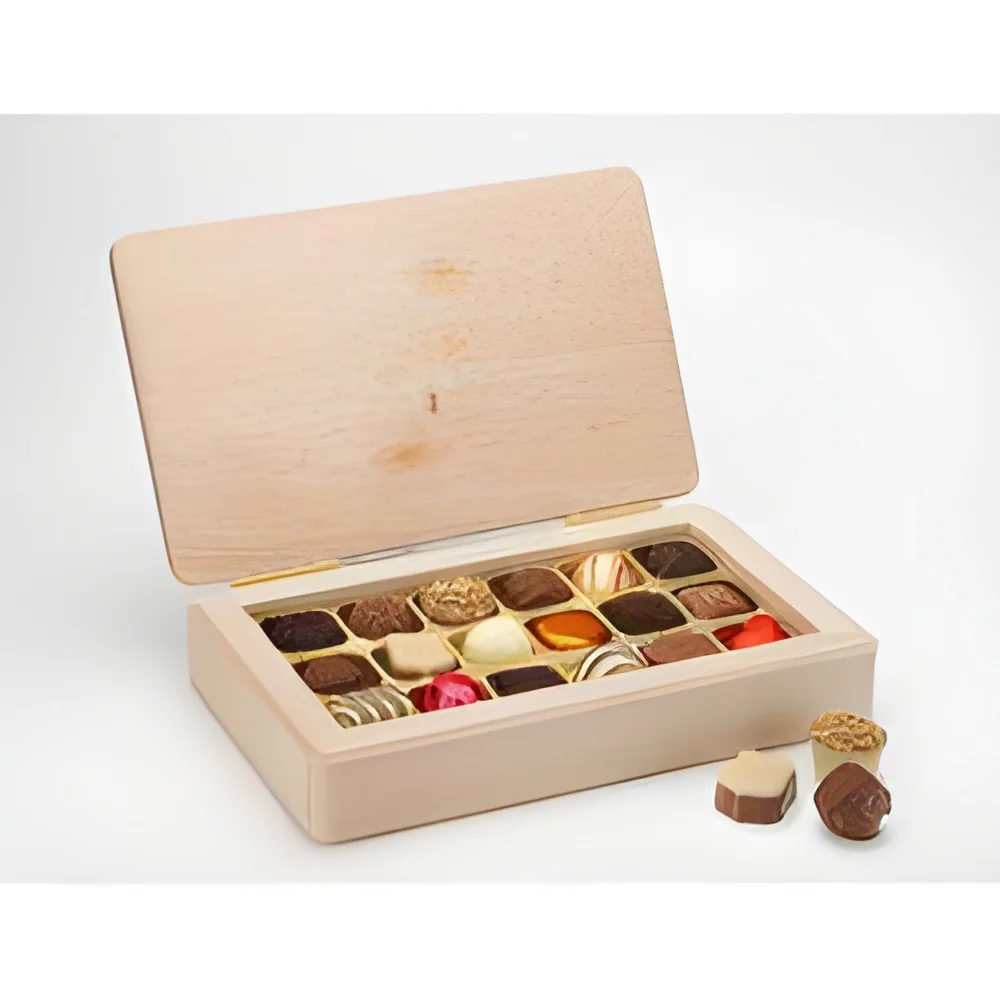
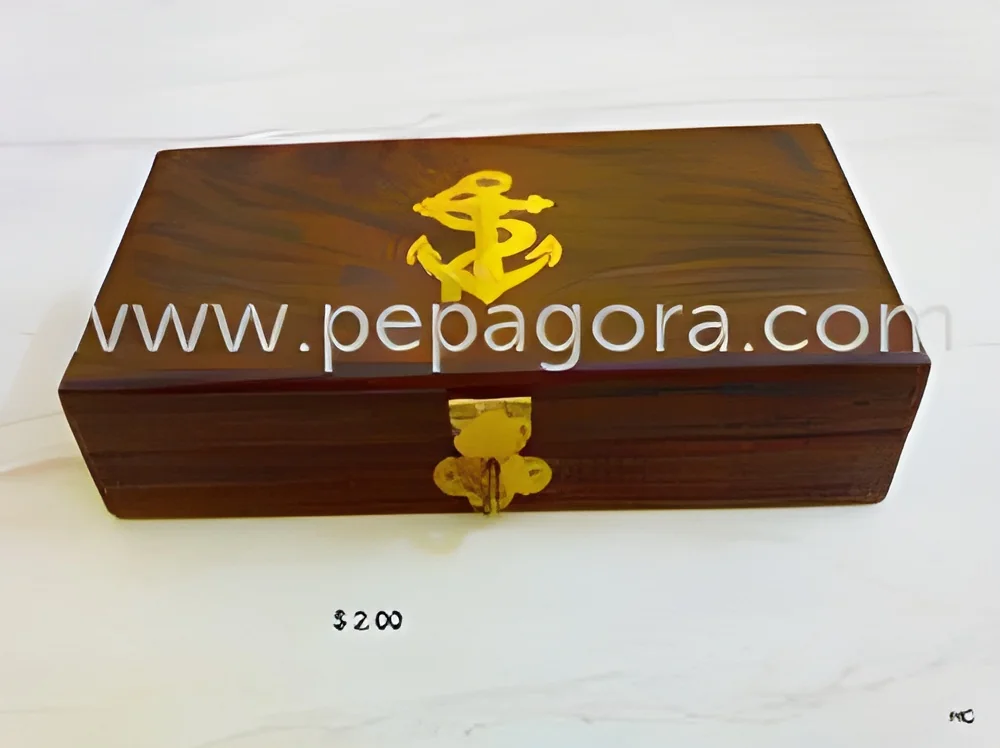
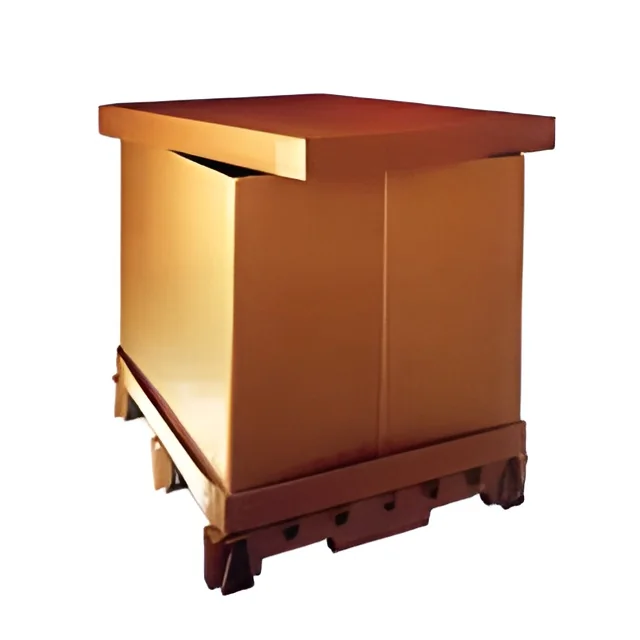
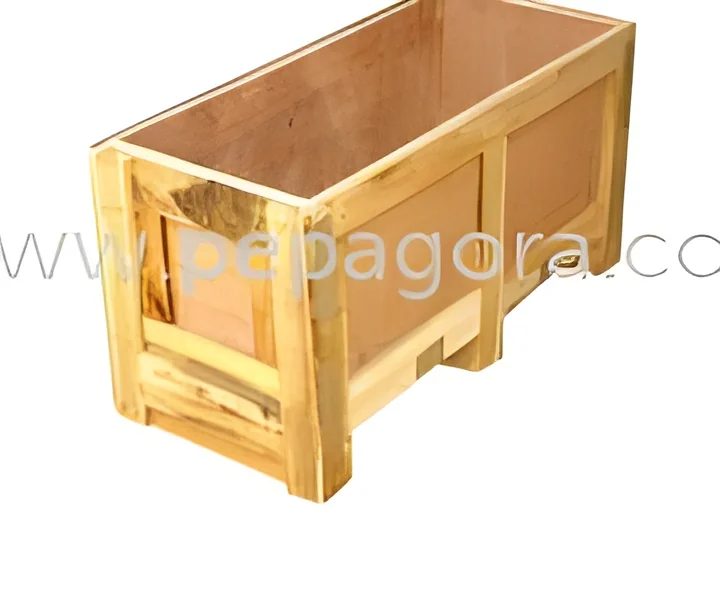
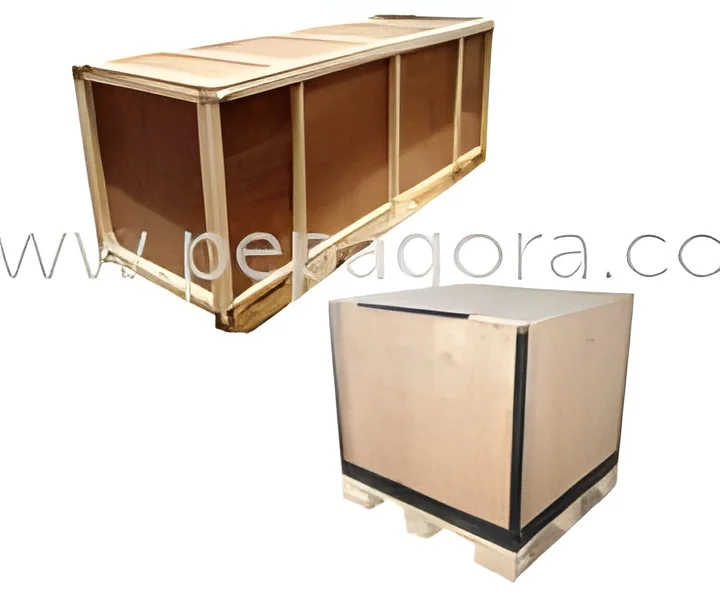
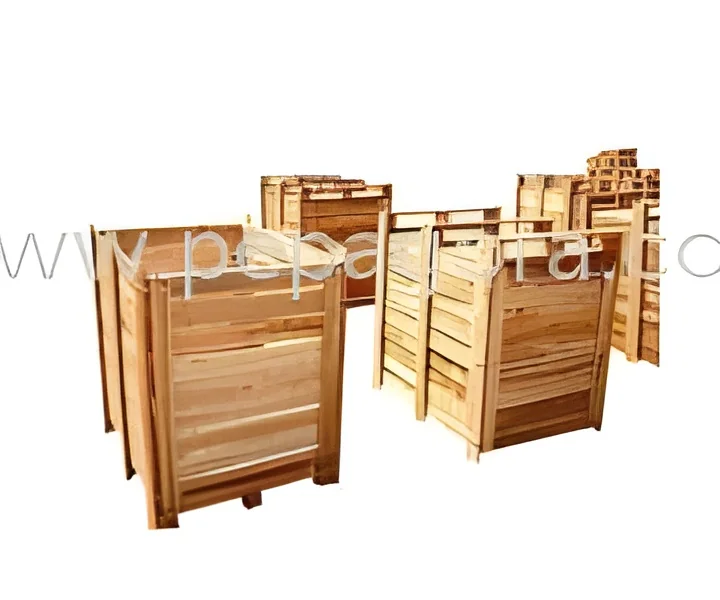
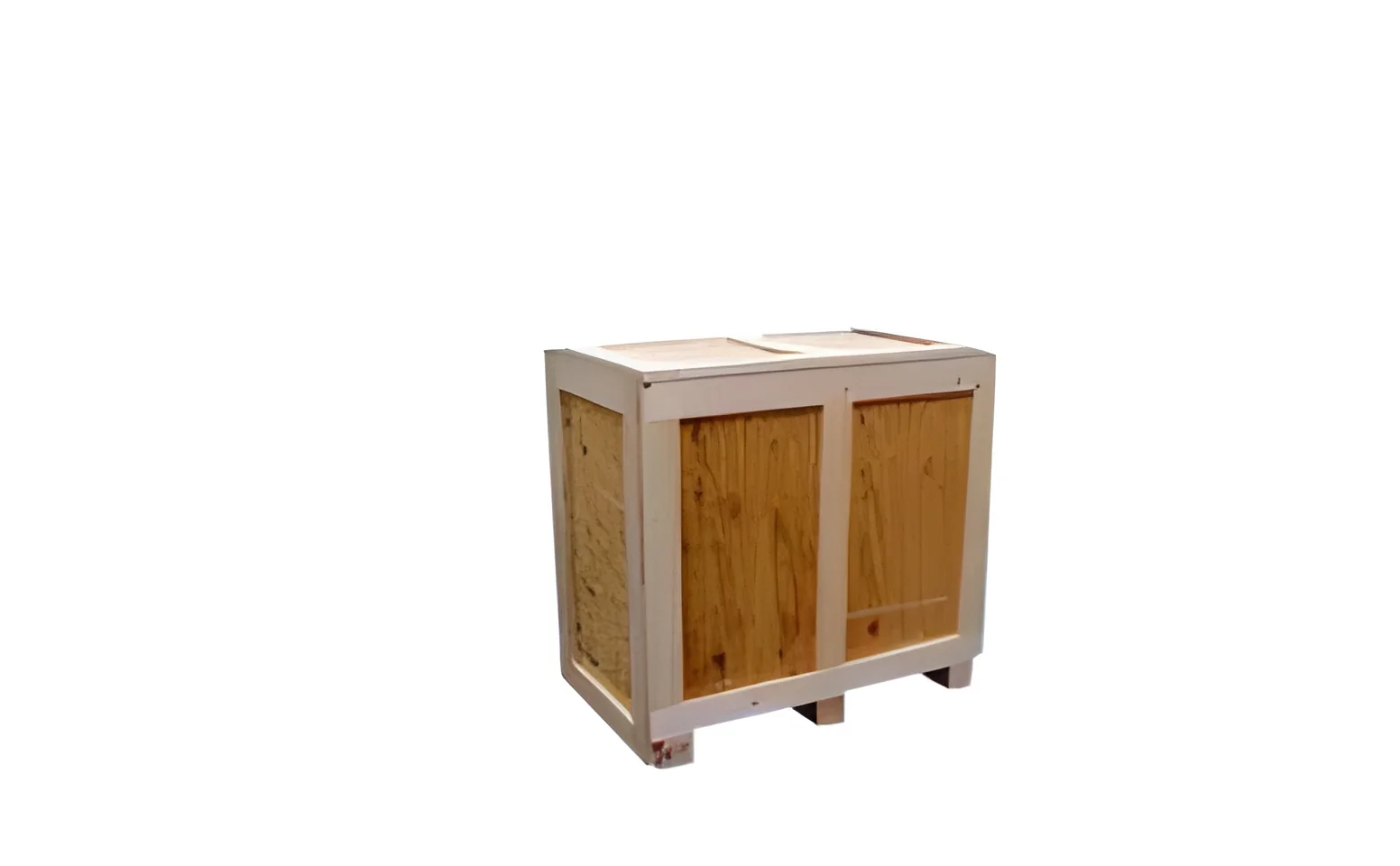
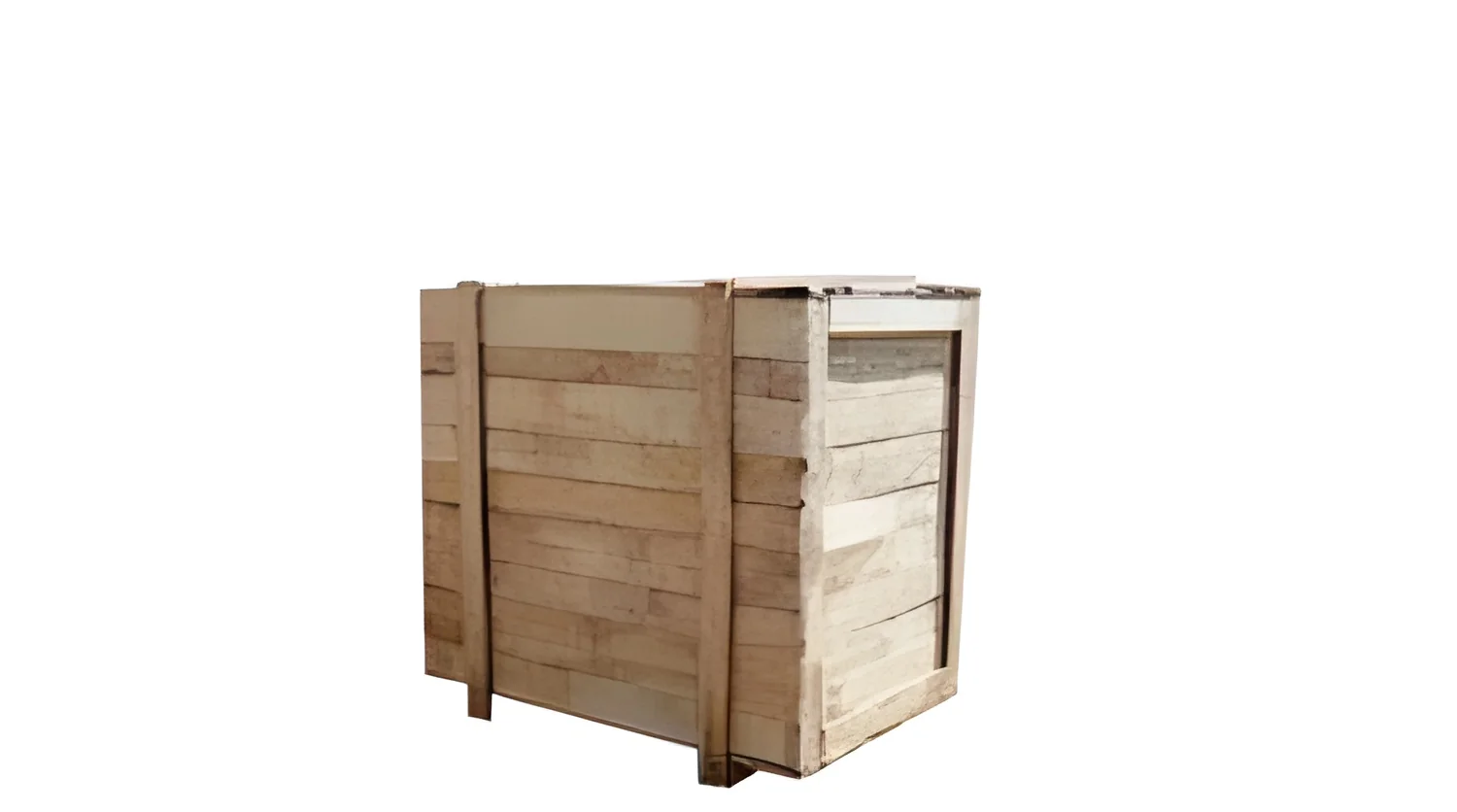
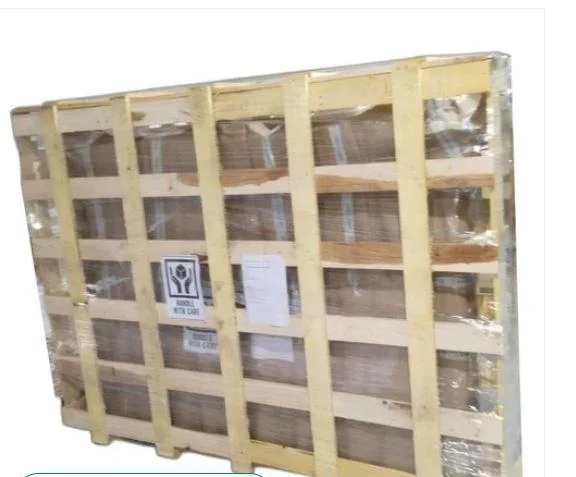
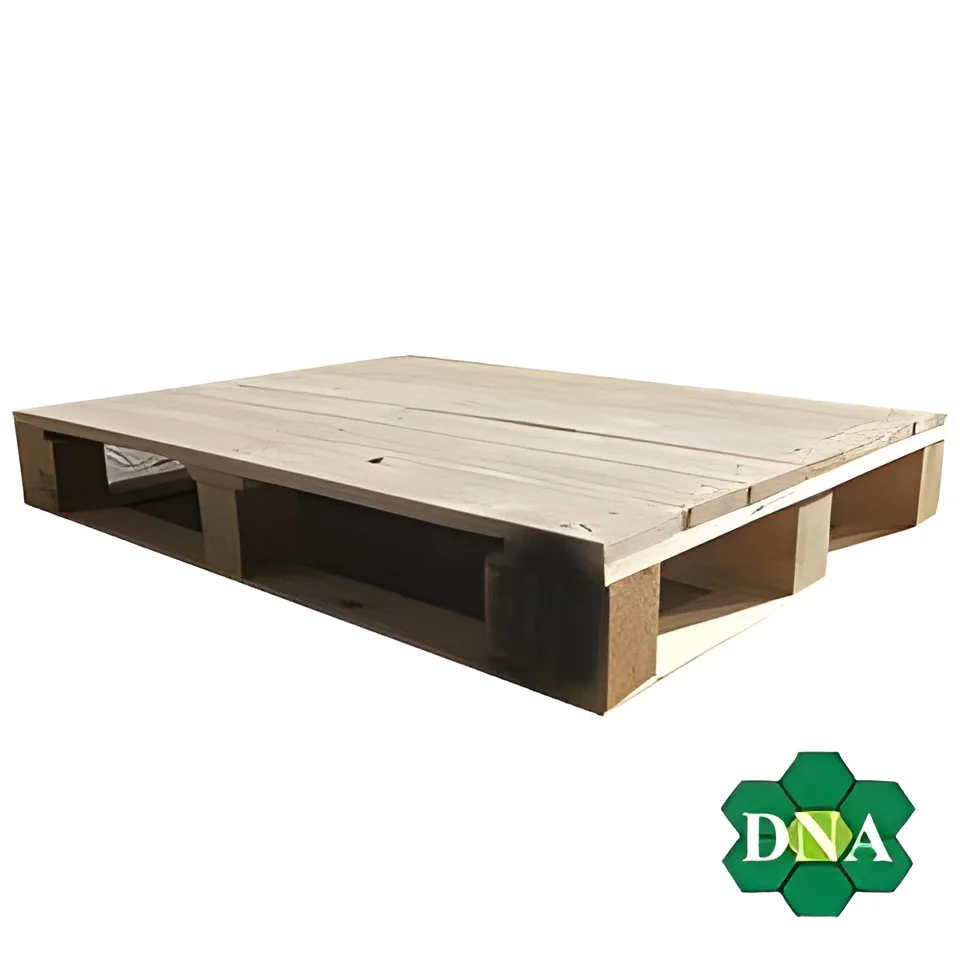
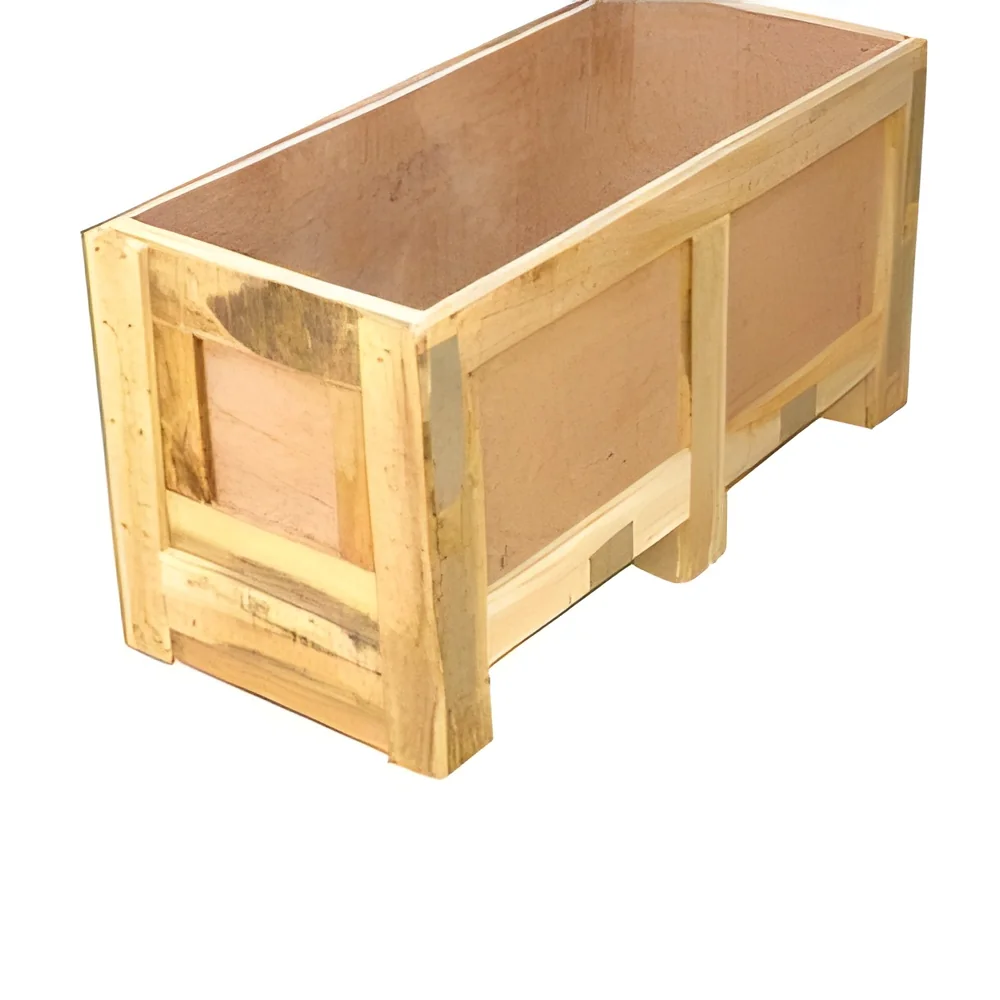
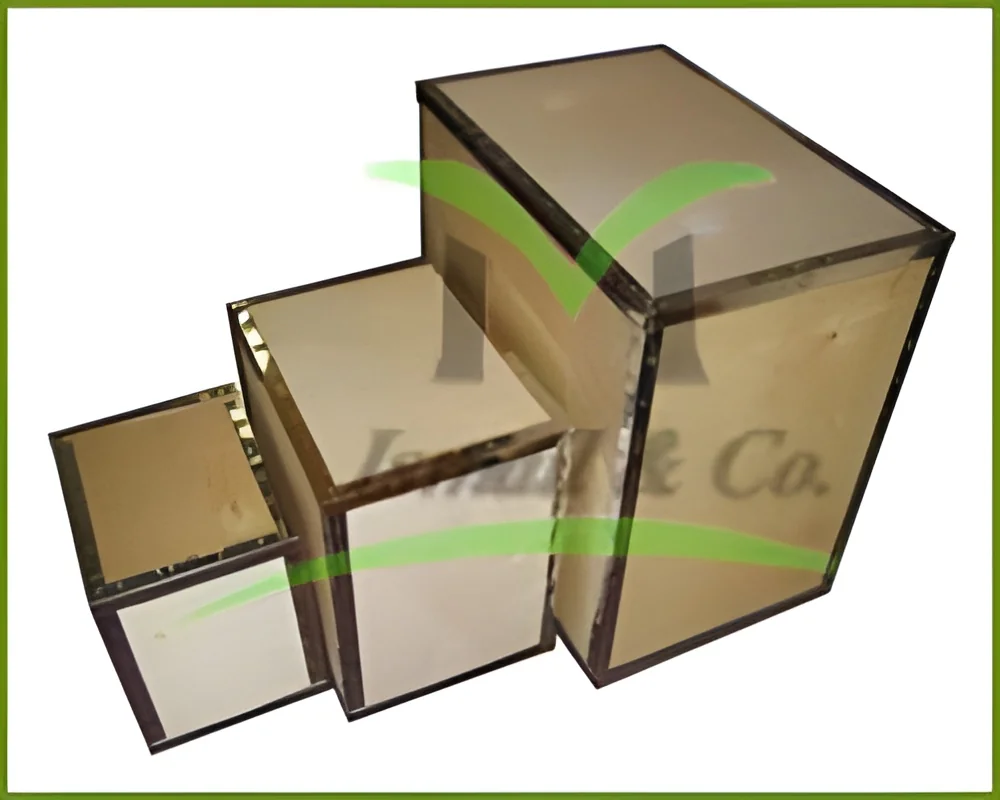
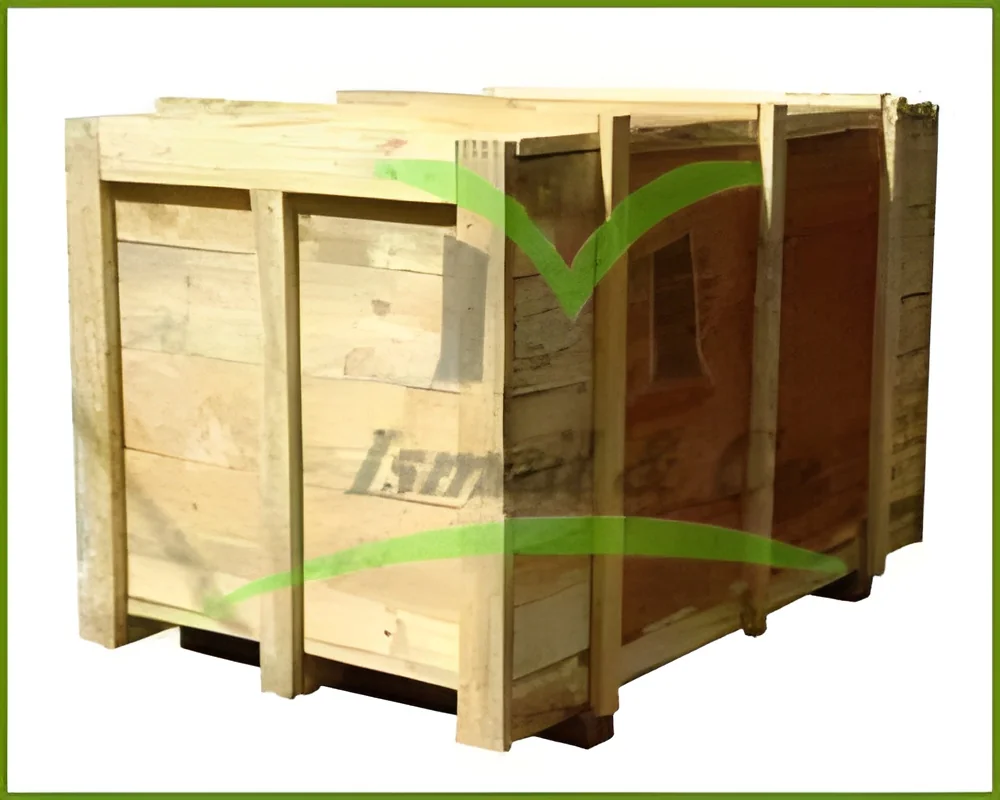
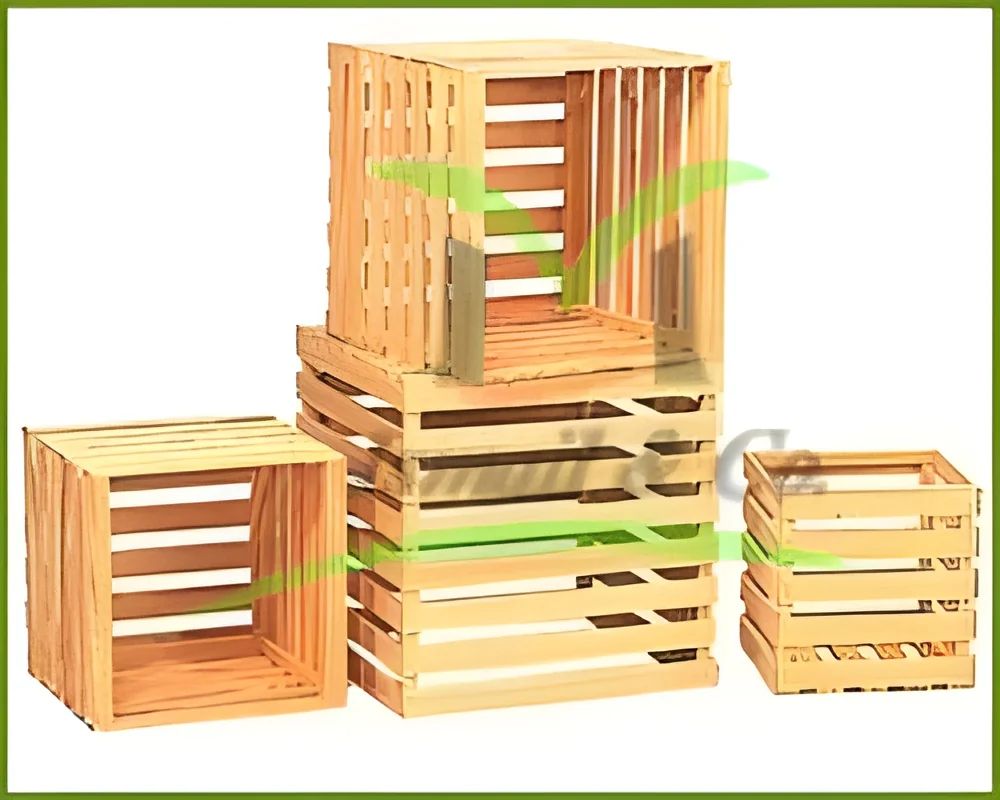
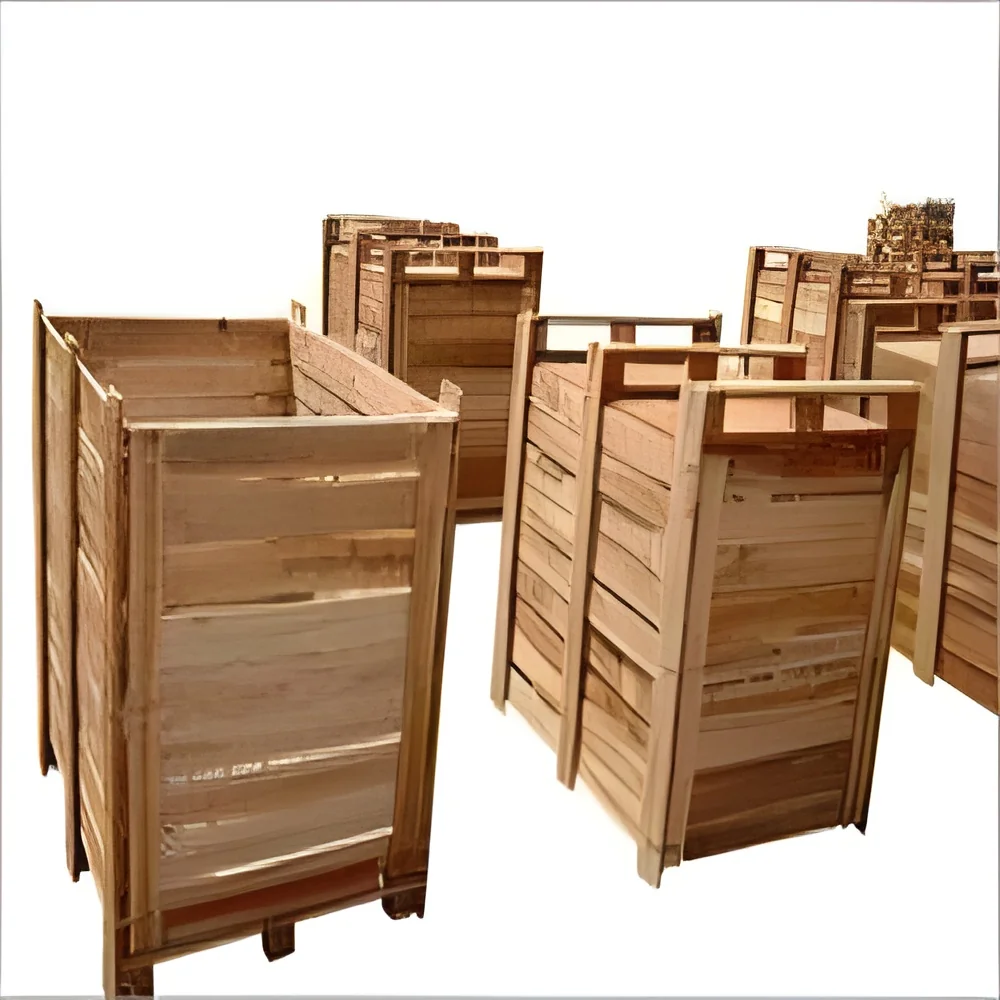
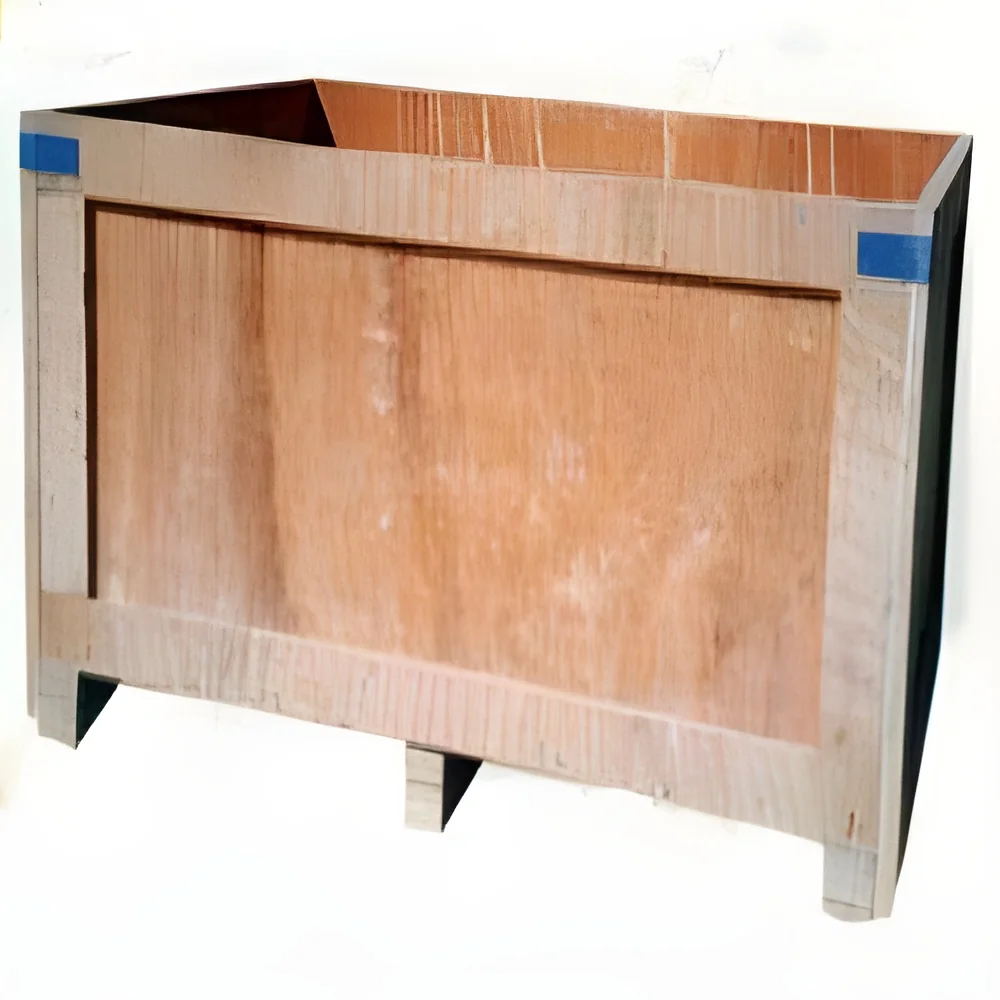
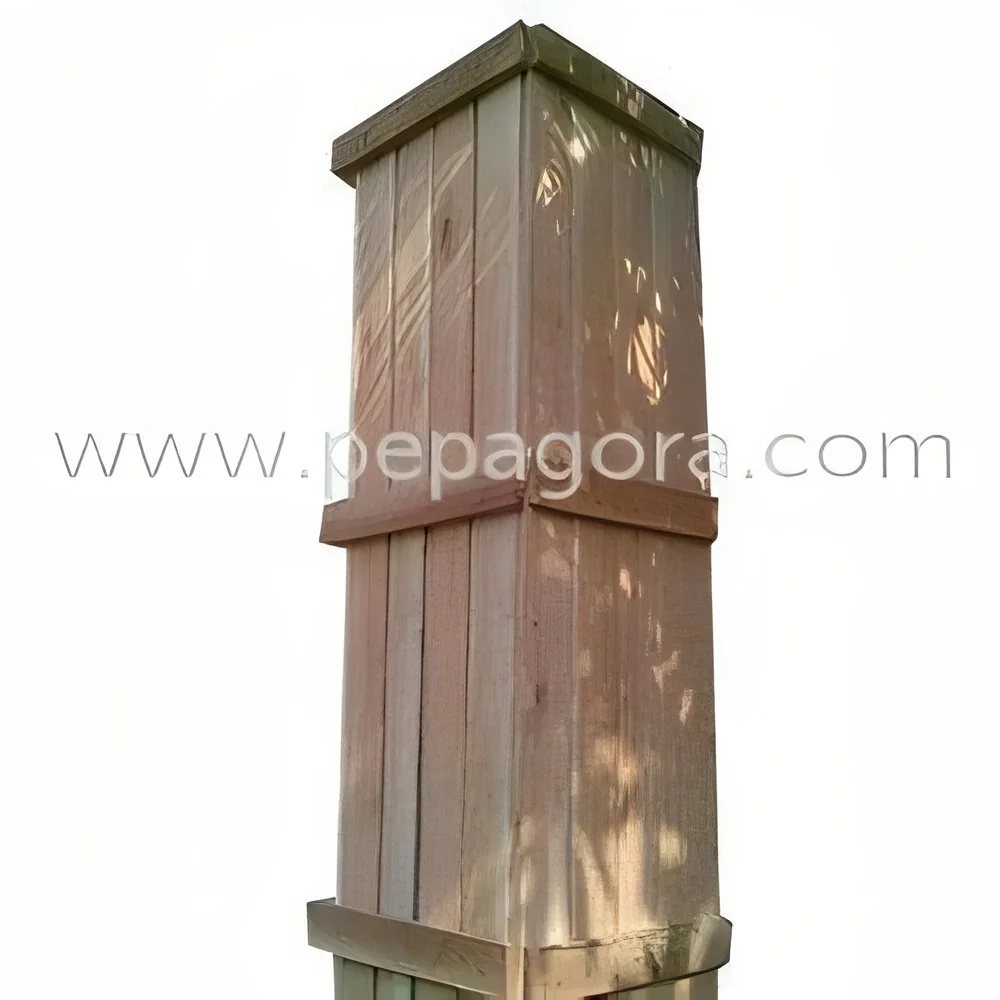
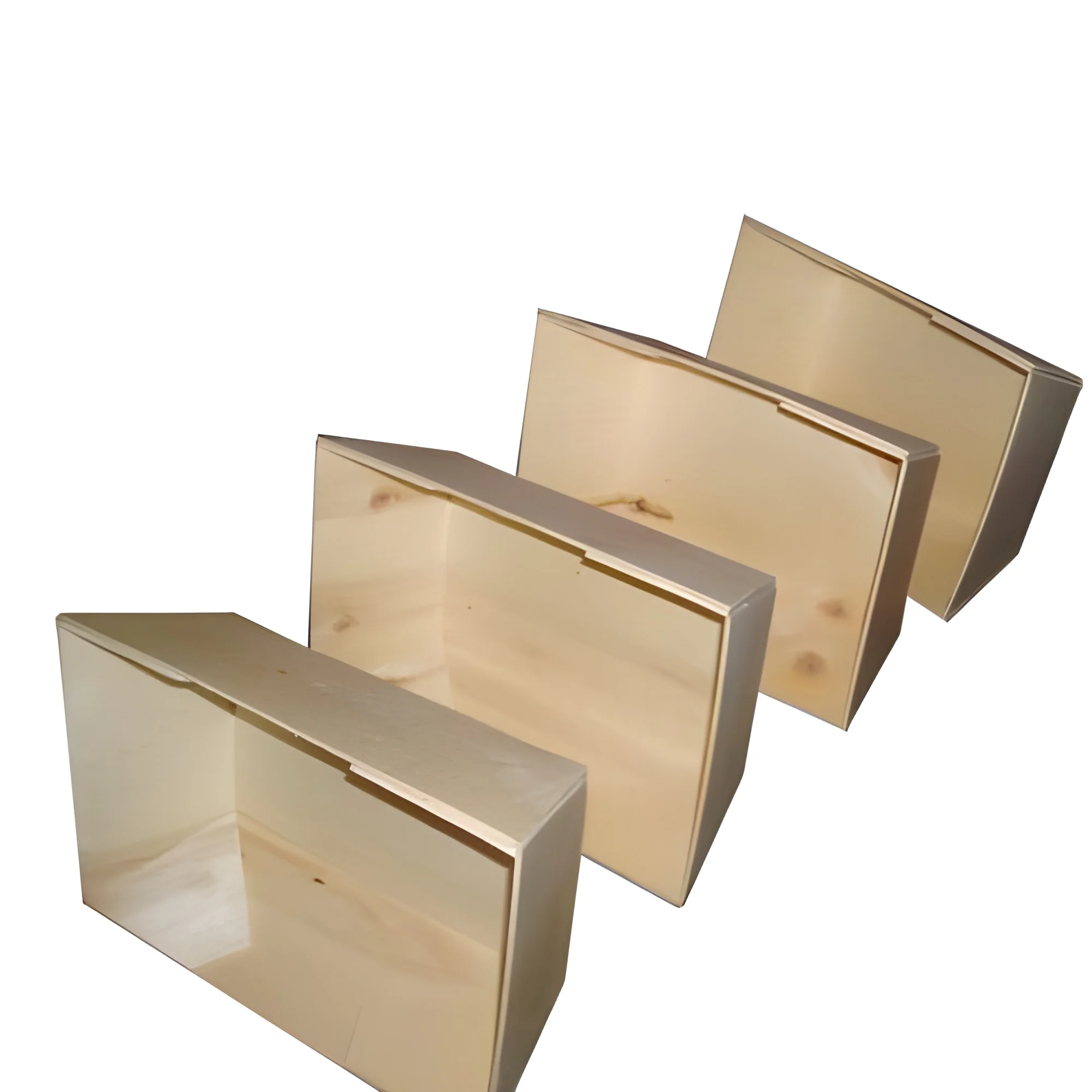
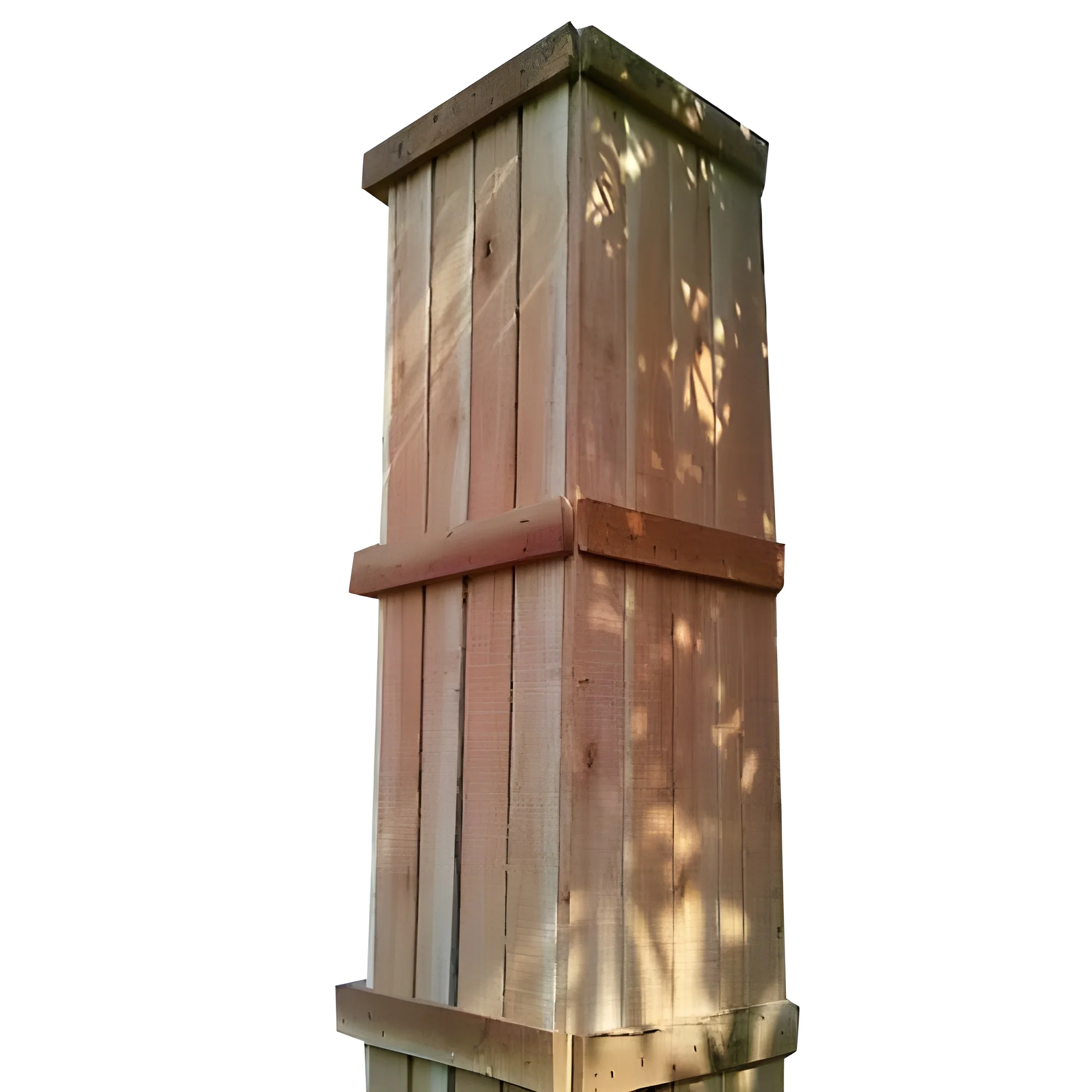
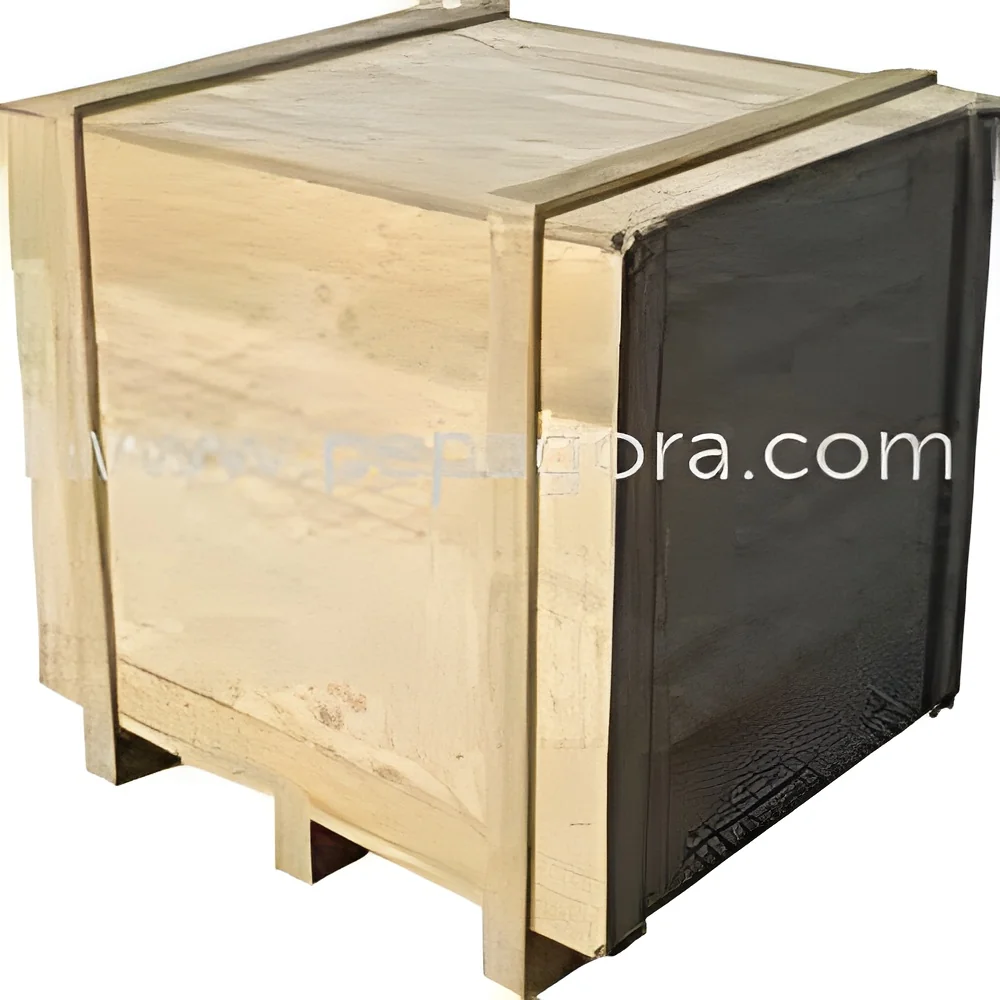
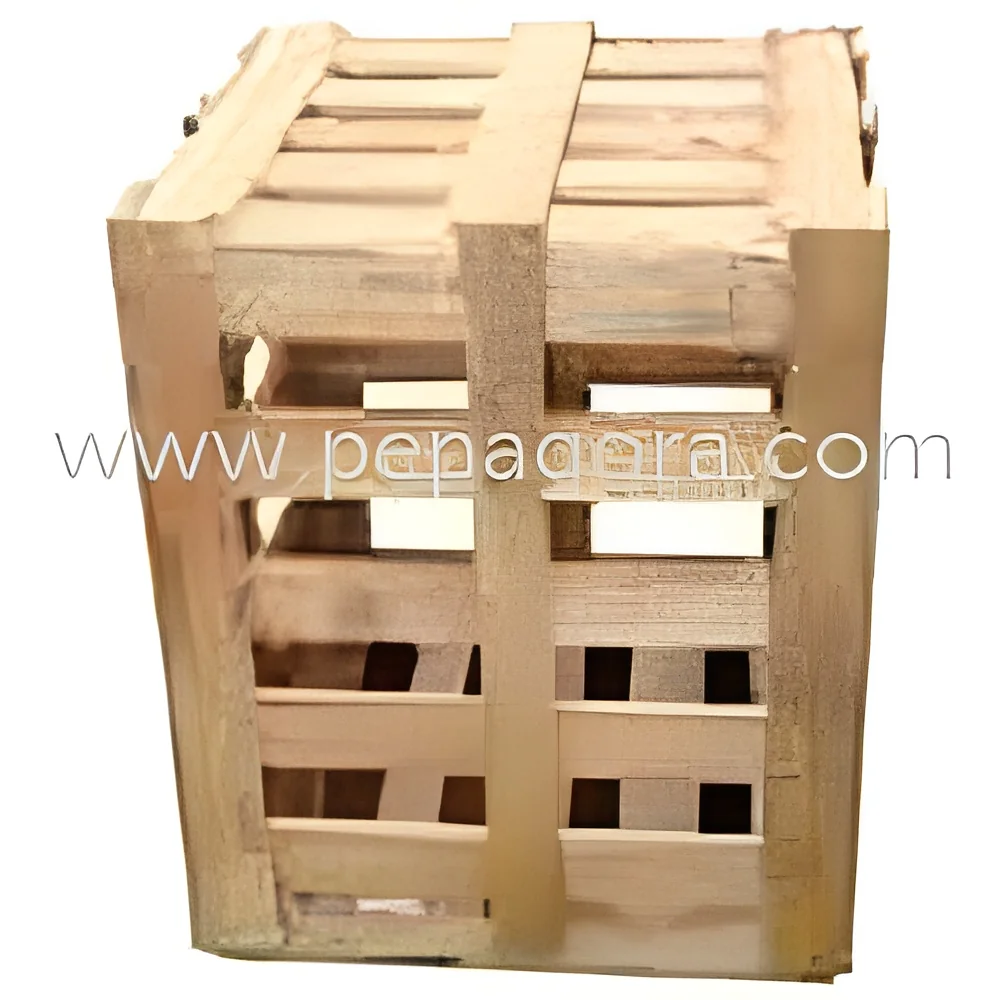
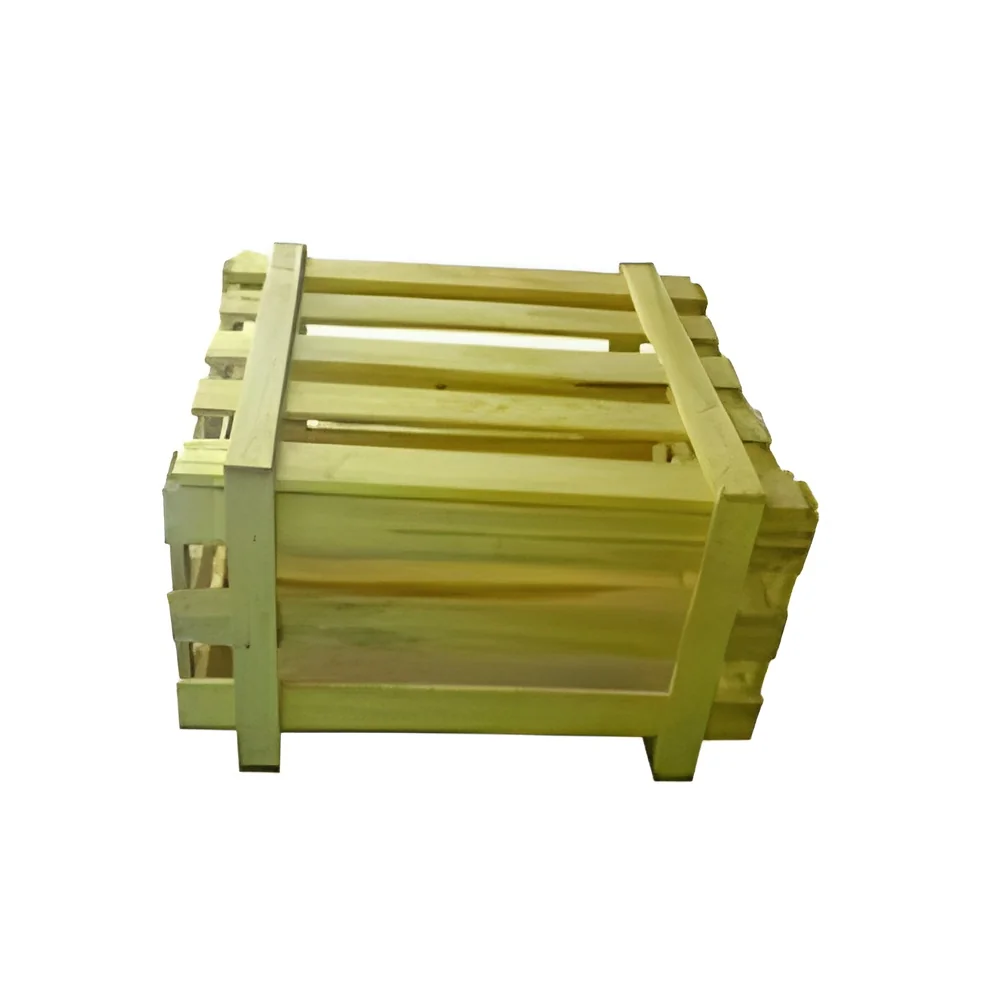
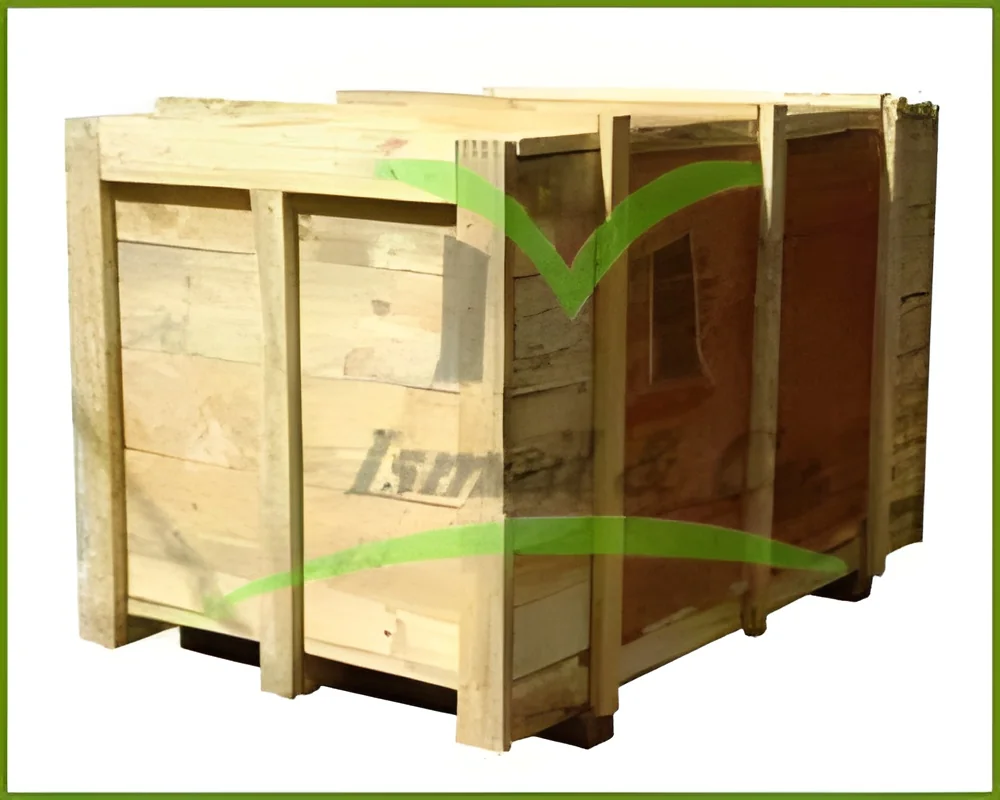
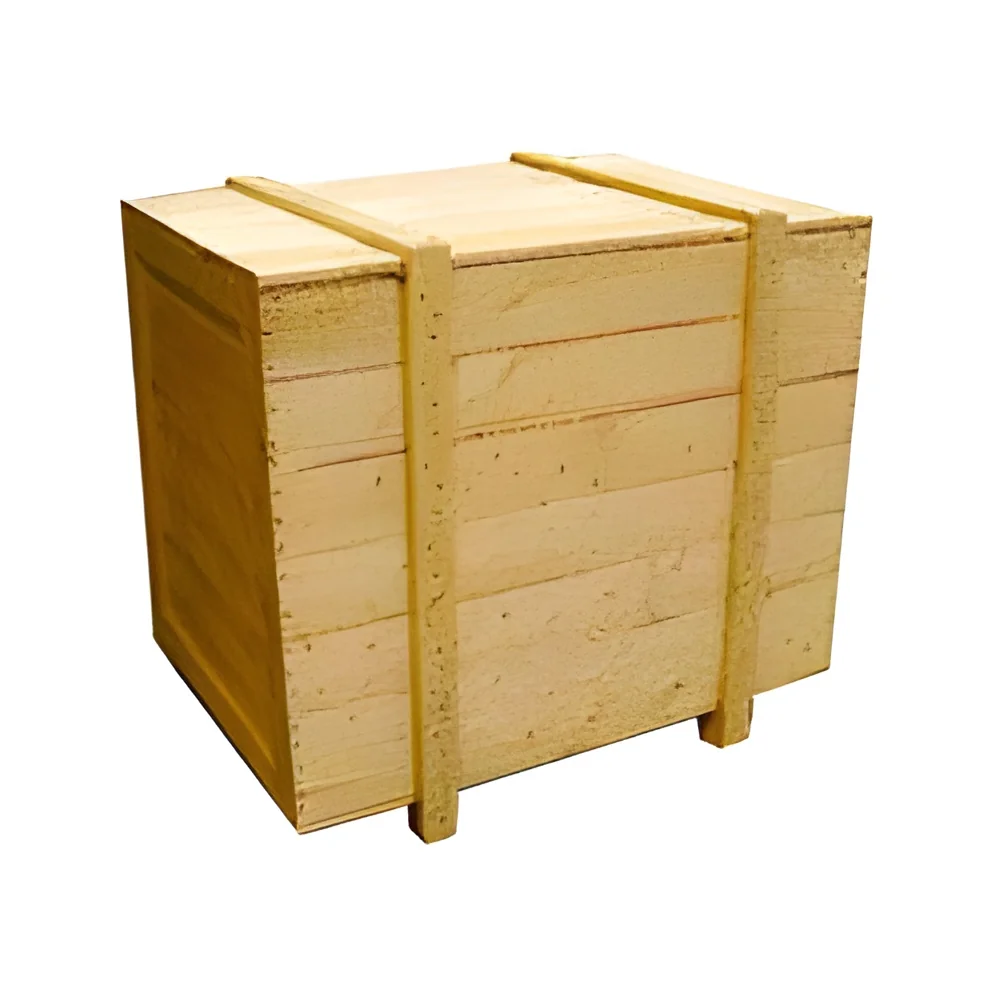
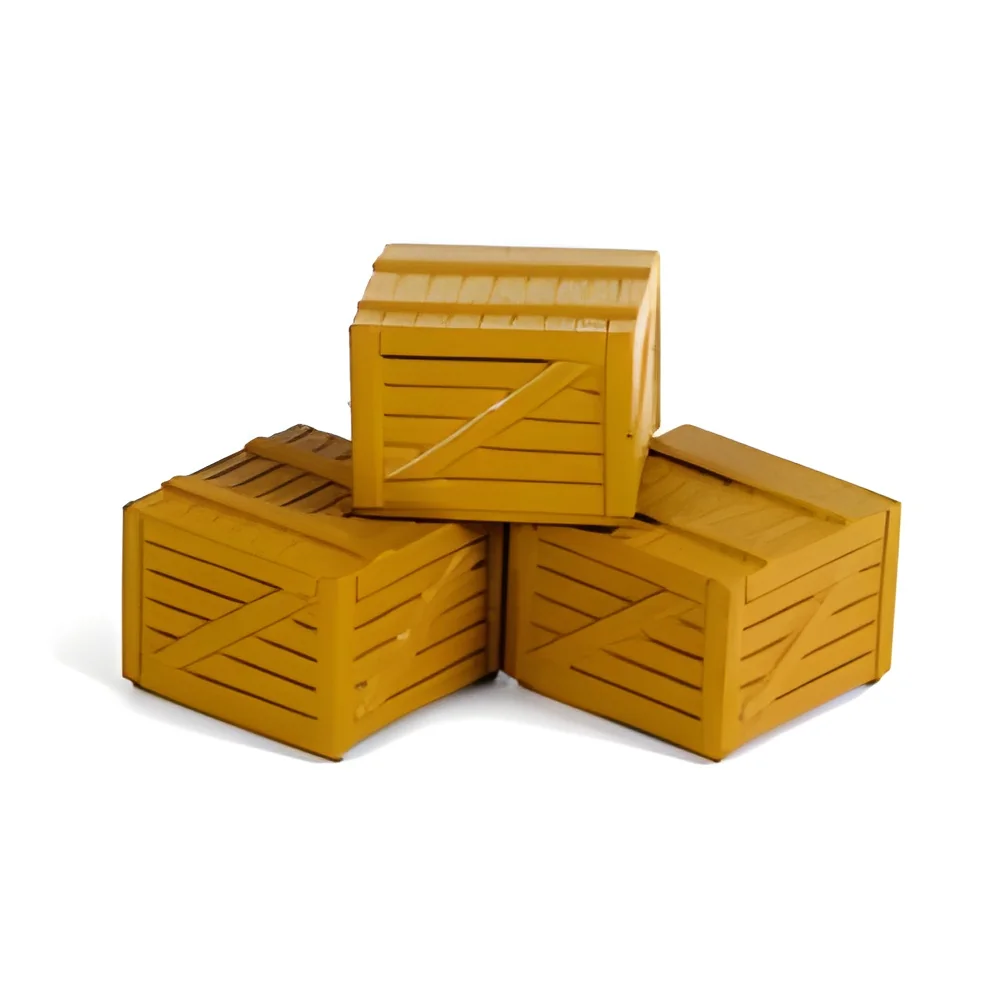
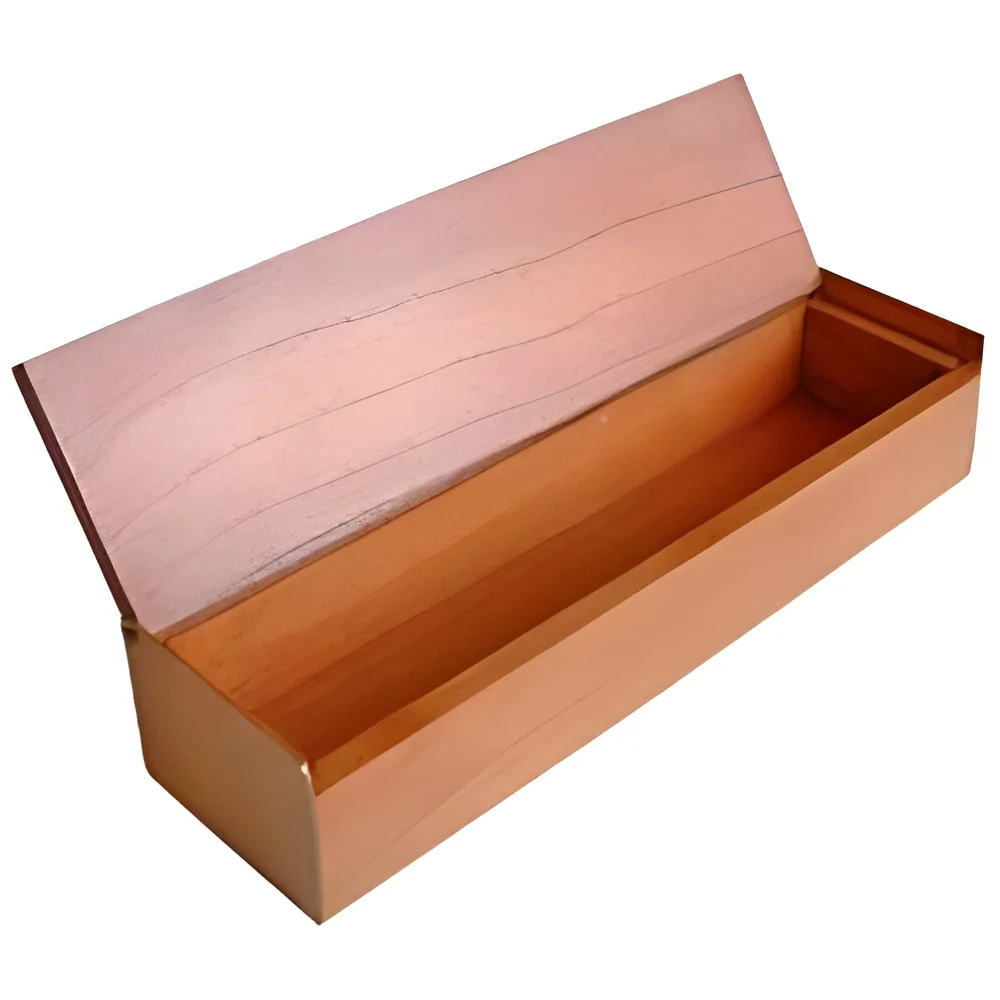
Wooden crates are robust containers made from timber, designed to store, transport, and protect a variety of goods. They are typically constructed from wooden planks and can vary in size and design to accommodate different types of products. Wooden crates offer a sustainable packaging option, as they can be reused and recycled, making them an environmentally friendly choice in various industries.
These crates are primarily used in sectors such as agriculture, manufacturing, and logistics. They are ideal for shipping heavy or fragile items, as their sturdy structure provides ample protection during transport. Businesses often use wooden crates for shipping perishable goods, machinery, and consumer products, ensuring that items arrive at their destination intact. The versatility and reliability of wooden crates have made them a staple in global trade.
In today's market, wooden crates remain relevant due to their durability and the growing demand for sustainable packaging solutions. Many companies are seeking eco-friendly alternatives to plastic and metal containers, which has led to an increase in the production and use of wooden crates. As businesses focus on sustainability, the wooden crate market is expected to grow, driven by its adaptability to various industrial needs.
Key Features and Specifications
Wooden crates are known for their durability, strength, and versatility. They can be customized to fit specific dimensions and requirements, making them suitable for a wide range of applications. The following are key specifications that define wooden crates.
Key specifications include:
1. Material Quality
- Crates are typically made from high-quality hardwood or softwood.
- The choice of wood affects strength, weight, and cost.
2. Load Capacity
- Wooden crates can support varying weights based on construction.
- Standard load capacities can range from 50 kg to over 500 kg.
3. Dimensions
- Crates can be produced in custom sizes to fit specific products.
- Common dimensions include small (30x30x30 cm), medium (60x40x40 cm), and large (120x80x80 cm).
4. Treatment Type
- Crates may be heat-treated or chemically treated to prevent pest infestations.
- Treatment ensures compliance with international shipping standards.
5. Design Variability
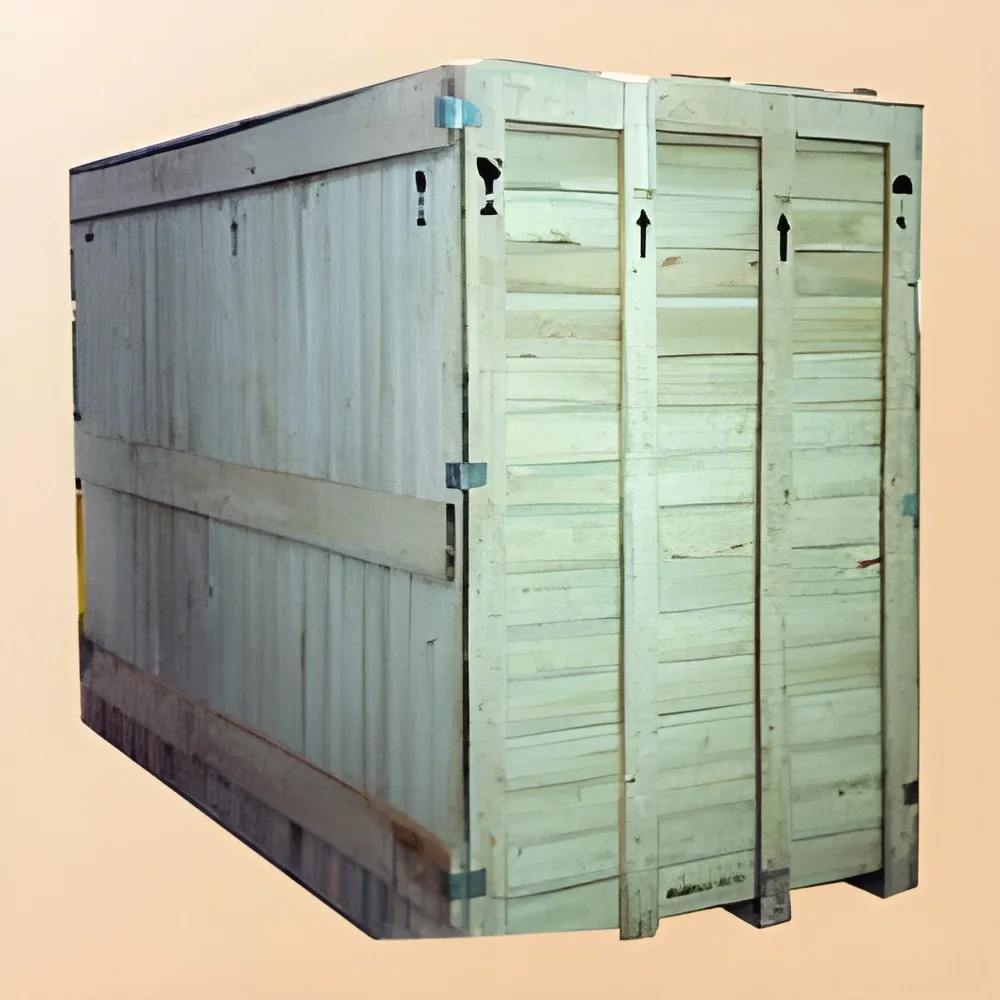
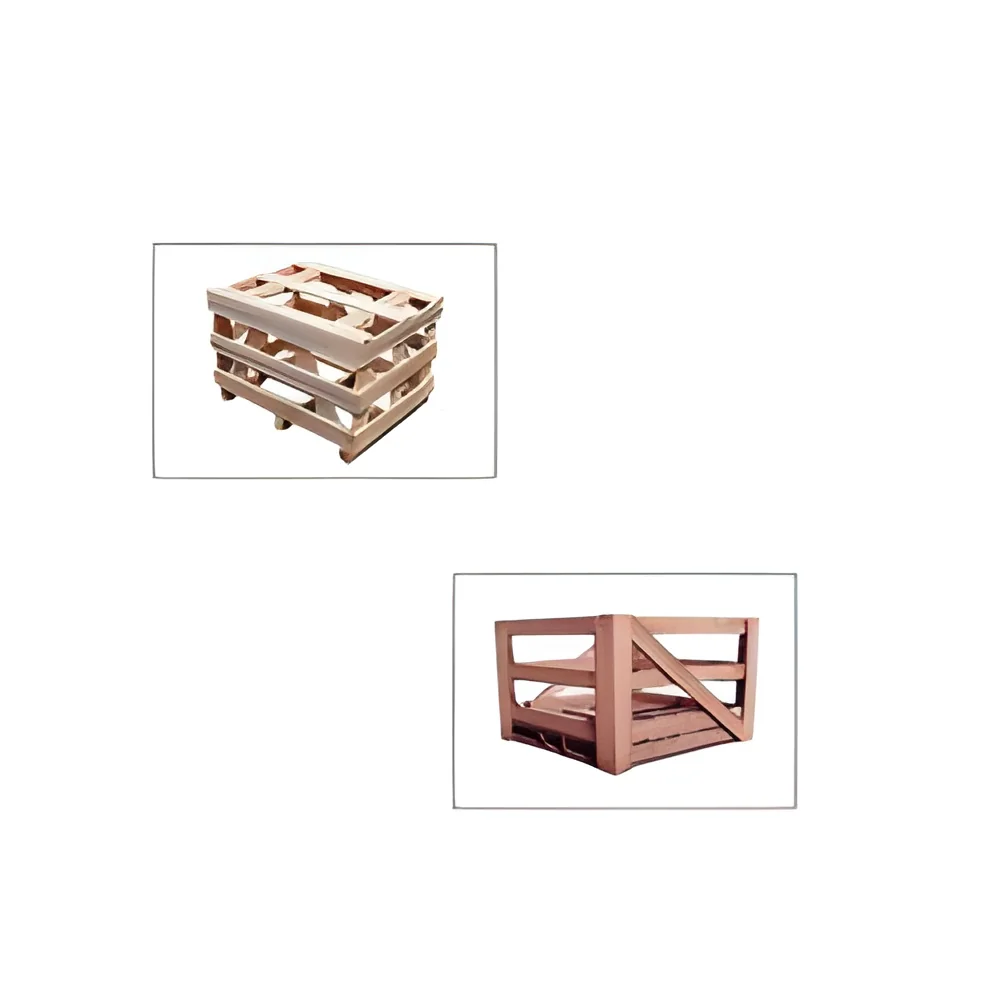
- Crates can be designed as open-top, closed, or collapsible for ease of storage.
- Custom designs can include additional reinforcements or handles.
6. Surface Finish
- Finishing options can include sanding, sealing, or painting.
- Surface finishes enhance durability and aesthetics.
7. Environmental Compliance
- Many wooden crates meet eco-friendly standards.
- Sourcing from sustainable forests is common for reputable manufacturers.
In summary, wooden crates offer a variety of features and specifications that cater to different industrial needs. Their customizable nature and robust construction make them an ideal choice for transporting goods efficiently.
Common Applications and Use Cases
Wooden crates serve a multitude of industries, providing reliable solutions for storage and transport.
1. Agriculture: Wooden crates are widely used for packaging fruits and vegetables. Their breathable structure helps maintain freshness during transport.
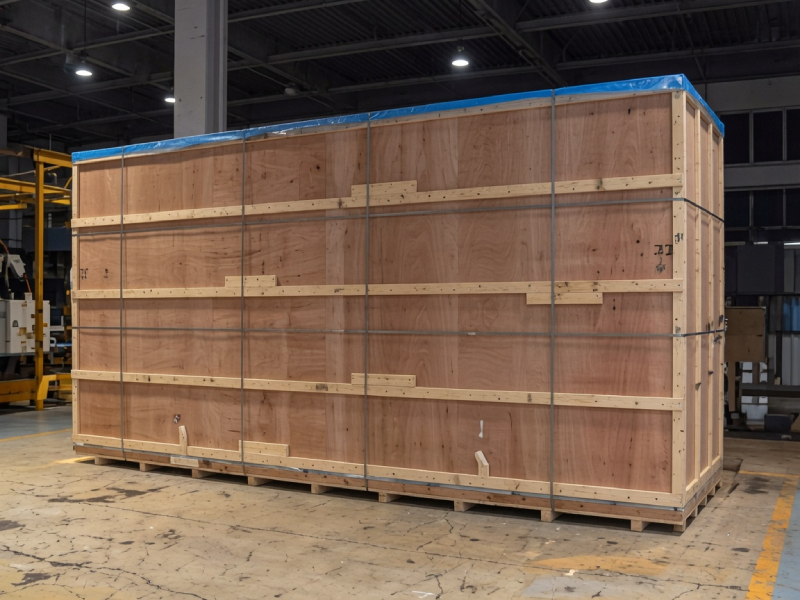
2. Manufacturing: In manufacturing, wooden crates are used to ship machinery parts and heavy equipment. Their strength ensures safe delivery of valuable items.
3. Retail: Retailers utilize wooden crates for displaying products in stores. Their rustic appearance also attracts customers while providing a sturdy platform for merchandise.
4. Food and Beverage: The food and beverage sector often uses wooden crates to transport wine, beer, and other bottled products. They offer protection and stability during distribution.
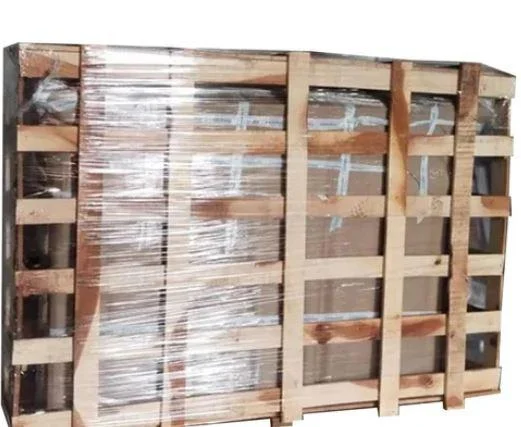
5. Construction: Wooden crates are utilized to transport construction materials such as tiles and glass. They can be designed to accommodate specific sizes and weights.
6. Electronics: In the electronics industry, wooden crates are employed to ship sensitive items like televisions or computers. Their cushioning properties prevent damage during transit.
7. Pharmaceuticals: Wooden crates are also used for transporting pharmaceutical products. The robust nature provides the necessary stability for sensitive cargo.
Product Variants and Subcategories
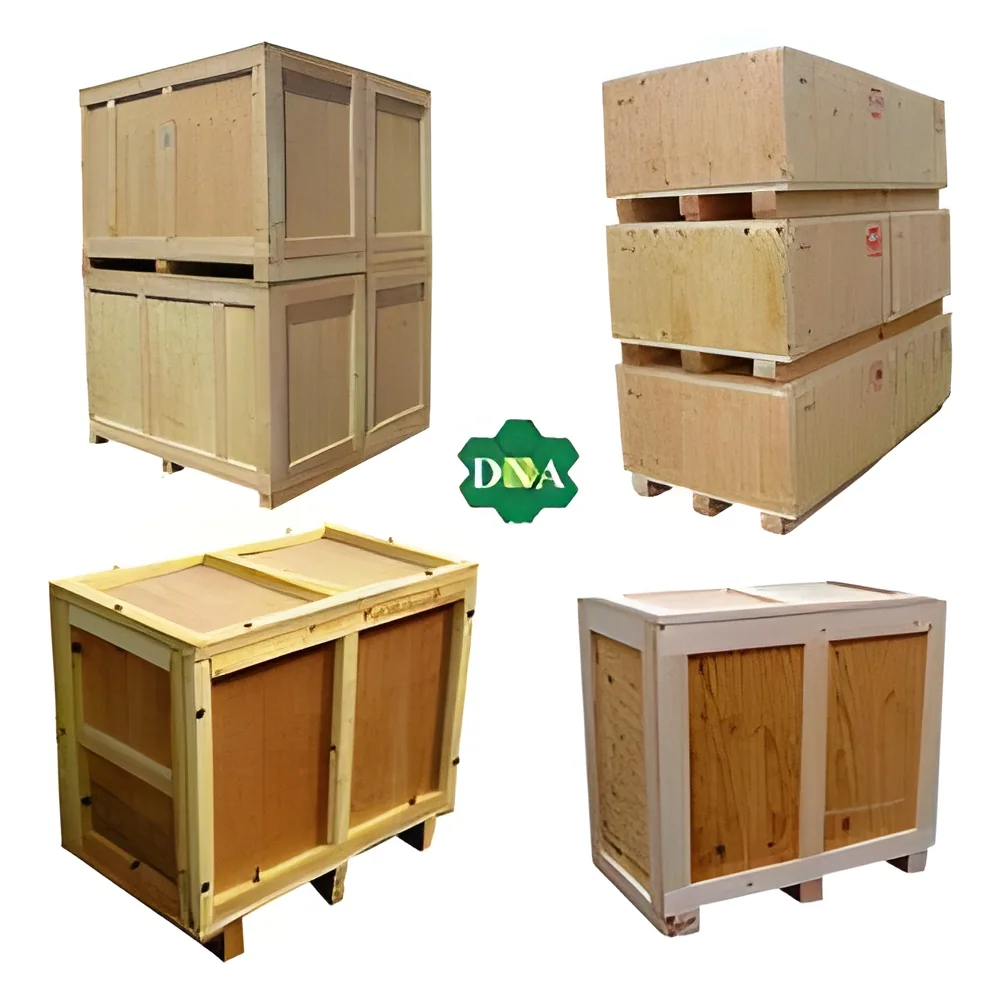
Wooden crates come in diverse variants to meet specific business needs. Each variant offers unique features that cater to different applications.
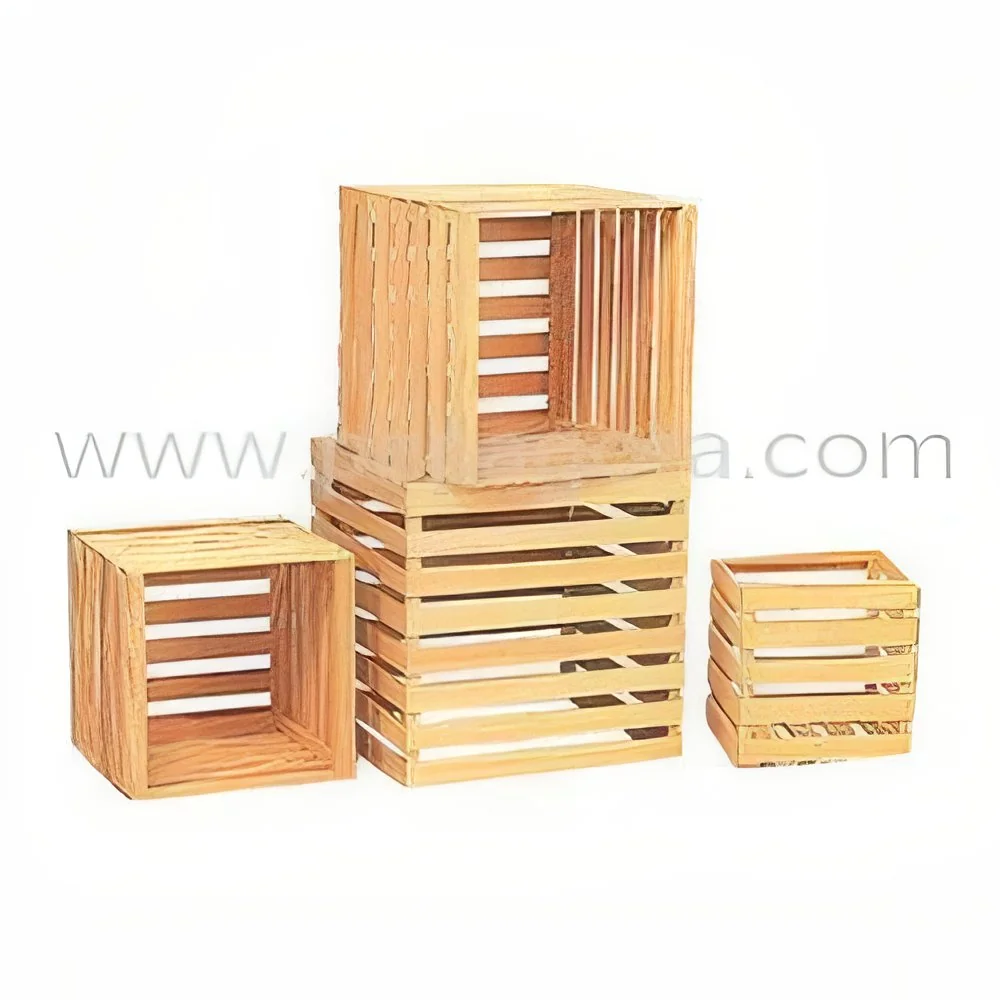
Standard Wooden Crates: These are the most common type, featuring a simple design for general use. They are available in various sizes and can be customized for specific products.
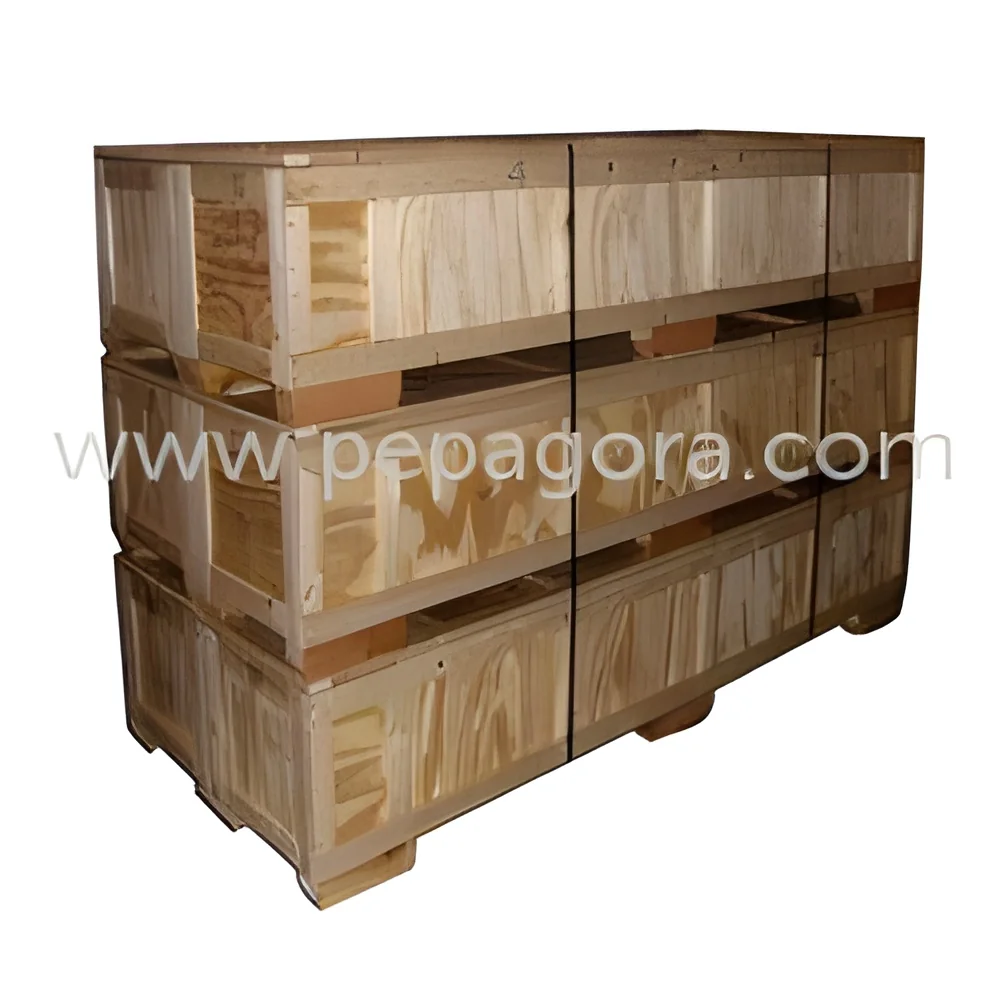
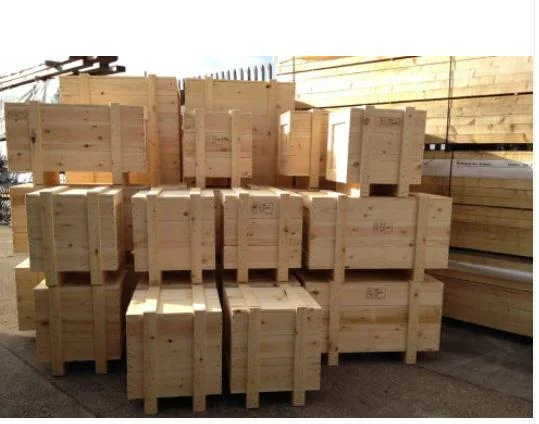
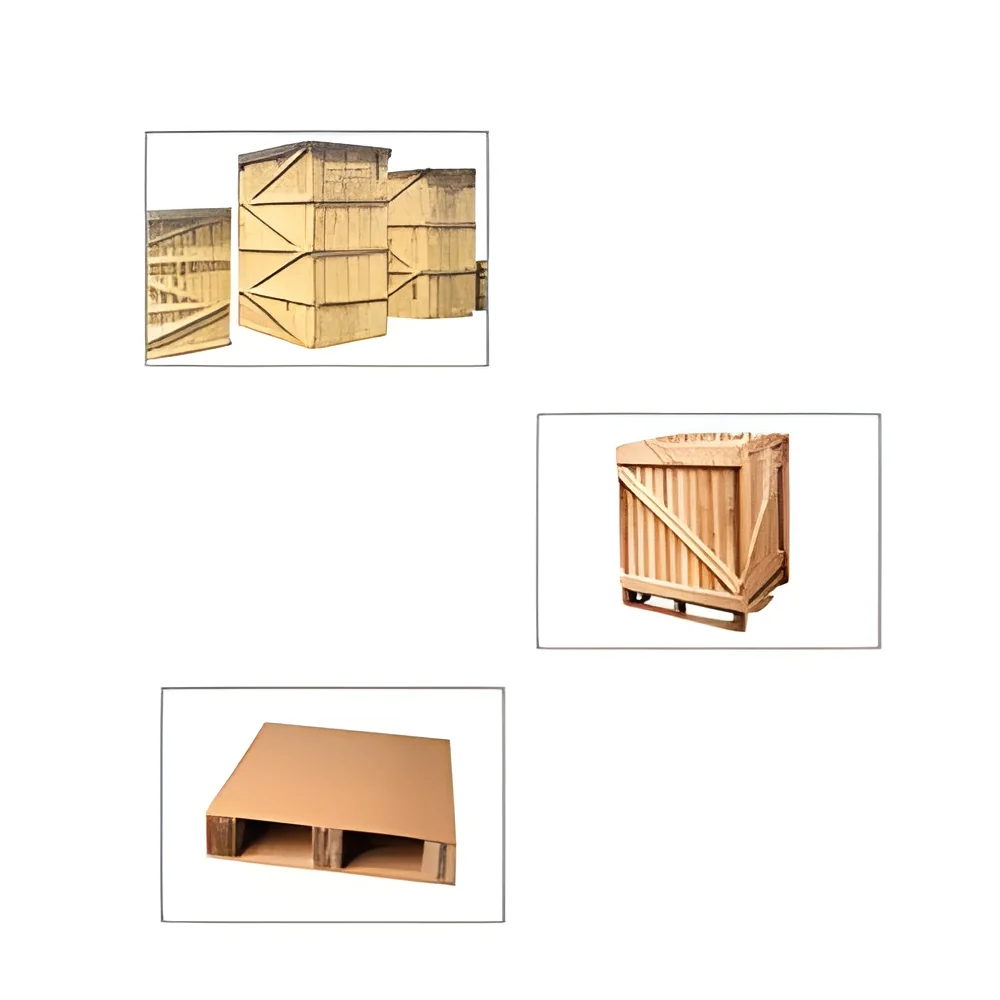
Stackable Wooden Crates: Designed for efficient storage and transport, these crates can be stacked without compromising structural integrity. They are ideal for warehouses and shipping.
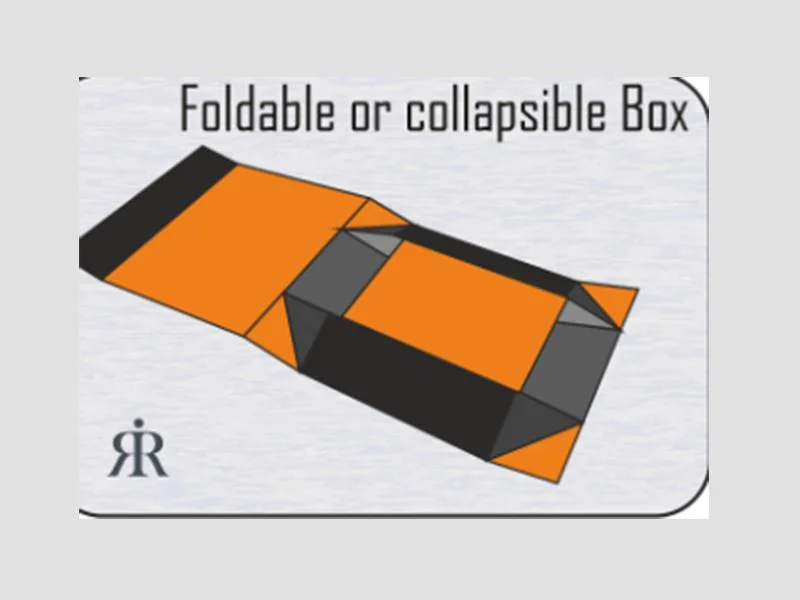
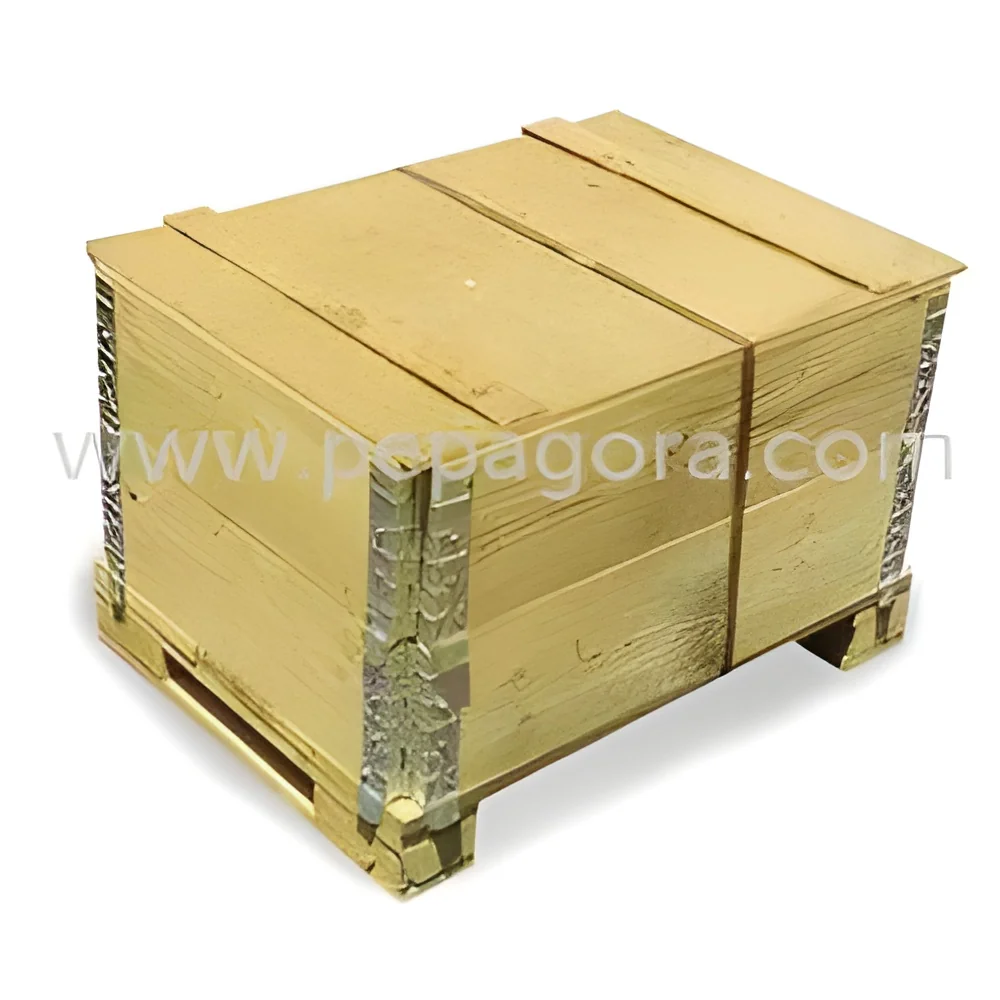
Collapsible Wooden Crates: These crates can be folded down when not in use, saving space and facilitating easy transport. They are popular in industries where storage space is limited.
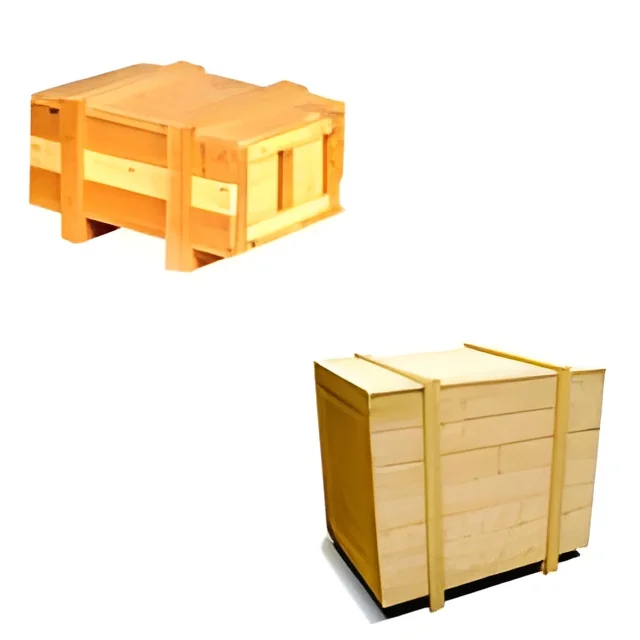
Heavy-Duty Wooden Crates: Built for maximum strength, these crates are designed to handle heavy loads. They are commonly used in manufacturing and construction sectors.
Benefits and Advantages
Wooden crates offer several benefits that make them a preferred choice for many businesses.
1. Durability: Wooden crates are robust and can withstand rough handling during transport. Their strength ensures that products remain safe.
2. Customization: Businesses can easily customize wooden crates to fit specific dimensions and requirements, enhancing usability.
3. Sustainability: Wooden crates are an eco-friendly packaging option. They are reusable and recyclable, aligning with modern sustainability goals.
4. Cost-Effectiveness: Compared to other materials, wooden crates often provide a more economical solution for shipping and storage needs.
5. Aesthetic Appeal: The natural look of wooden crates can enhance product presentation, making them suitable for retail displays and promotions.
6. Versatility: Wooden crates can be adapted for various applications across industries, making them a versatile choice for businesses.
Buying Guide for B2B Buyers
When sourcing wooden crates, it is essential to consider several factors to ensure the right selection for your business needs.
1. Quality Assessment: Evaluate the quality of materials used in crate construction. Look for reputable suppliers who provide high-quality wood and workmanship.
2. Supplier Verification: Vet suppliers to ensure they have a good reputation and track record. Checking references and customer reviews can help confirm reliability.
3. Pricing and MOQ: Understand the pricing structure and minimum order quantities. This will help you budget effectively and avoid overcommitting resources.
4. Delivery and Lead Times: Discuss logistics with suppliers to ensure timely delivery. Knowing lead times is crucial for planning and inventory management.
5. Compliance Requirements: Be aware of any regulatory standards that apply to wooden crates, especially for international shipping. Ensuring compliance can prevent legal issues.
Compliance and Certifications
Wooden crates must adhere to various quality standards and certifications to ensure safety and performance.
Relevant quality standards include ISO 9001, which focuses on quality management systems, and HACCP, which ensures food safety in packaging. Compliance with Good Distribution Practices (GDP) is also important, particularly in the pharmaceutical and food sectors.
Industry certifications such as CE indicate that products meet EU safety, health, and environmental requirements. These certifications are essential for companies aiming to export wooden crates to international markets.
Safety and testing requirements vary by industry but often include load testing and inspection for structural integrity. It is also critical to consider regional compliance, as different countries may have specific regulations for wooden packaging materials.
Why Source Wooden Crates from Pepagora?
Pepagora provides a trusted platform for sourcing wooden crates with several key advantages that benefit B2B buyers.
Verified Supplier Network: Pepagora connects buyers with a network of verified suppliers. Each supplier undergoes rigorous checks to ensure quality and reliability, giving buyers confidence in their purchases.
Streamlined RFQ Process: The platform features a user-friendly RFQ system that simplifies the quotation process. Buyers can easily request quotes from multiple suppliers, allowing for better price comparison and selection.
Trade Assurance and Support: Pepagora offers trade assurance services that protect buyers throughout the purchasing process. This includes support in case of disputes, ensuring a smooth transaction.
Regional Coverage: With a wide reach across India, the GCC, and Southeast Asia, Pepagora facilitates sourcing from various regions. This geographic diversity helps buyers access a broader range of products and suppliers, catering to their specific needs.



 India
 India
 India
 India
 India
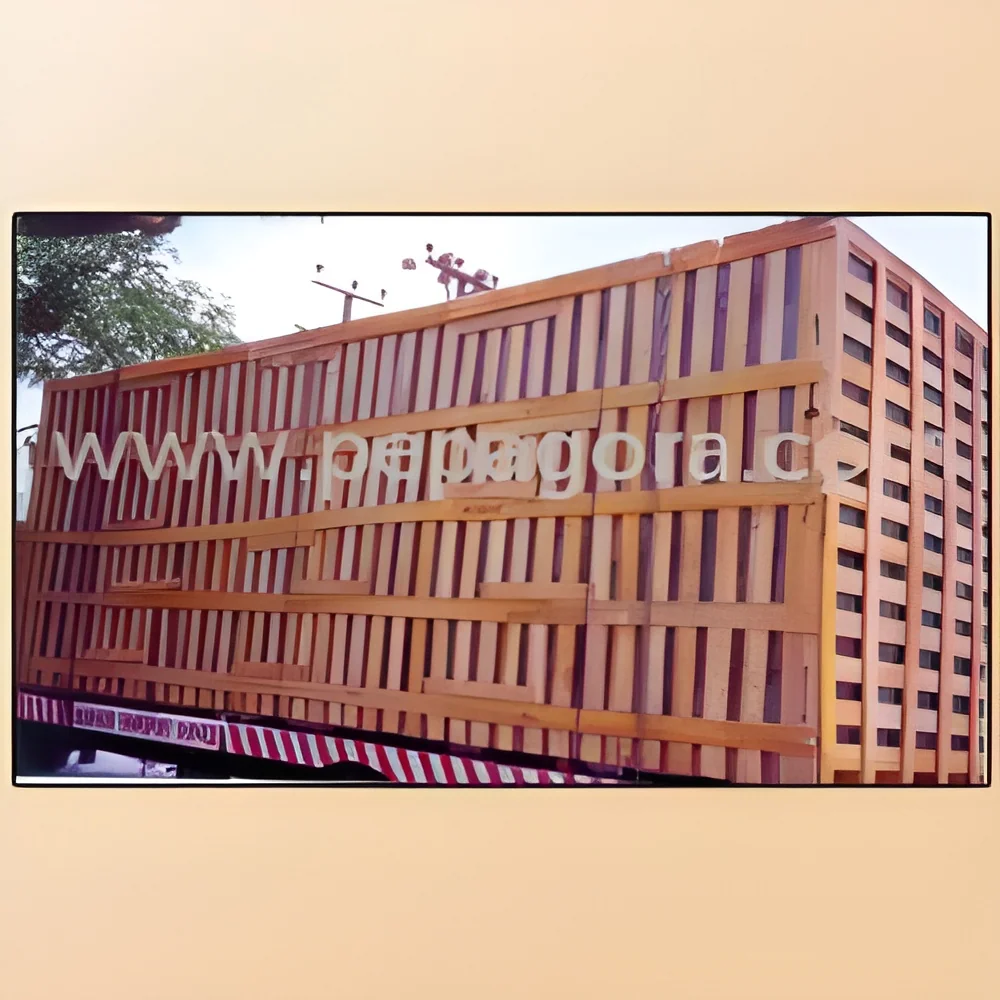
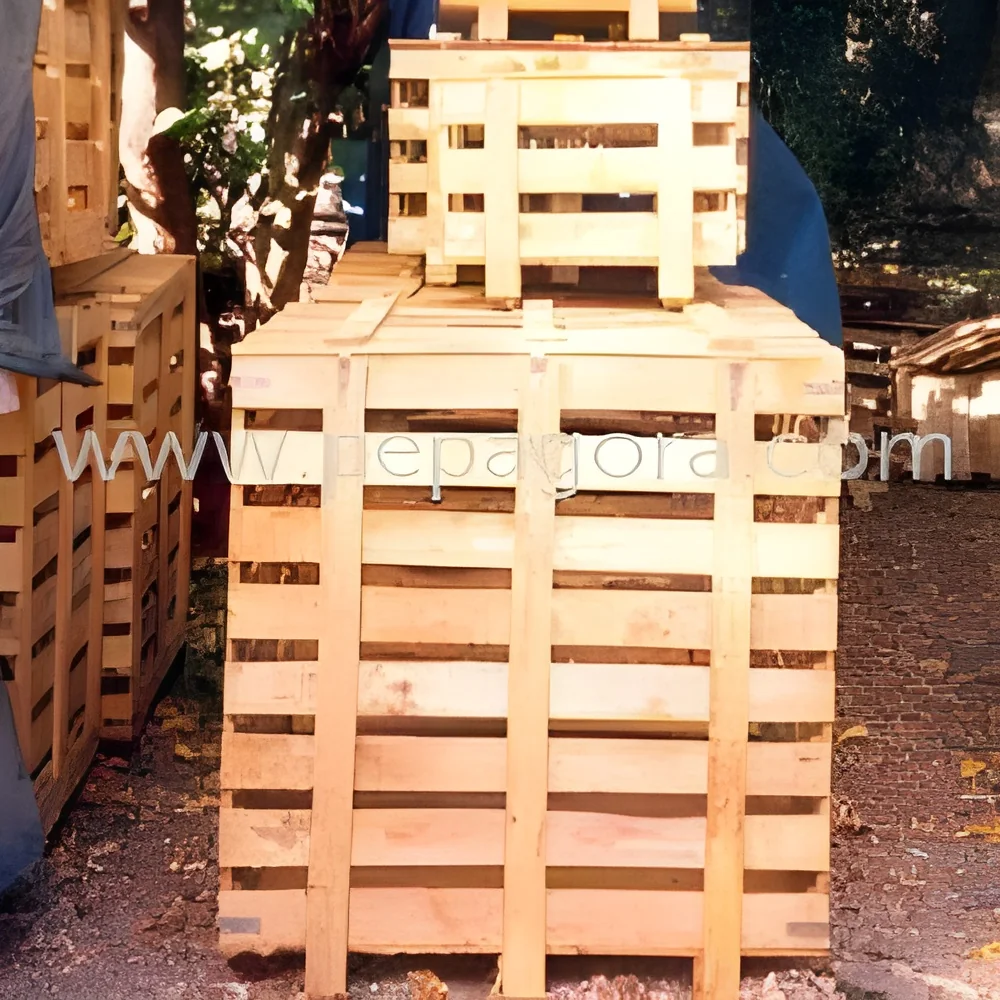 India
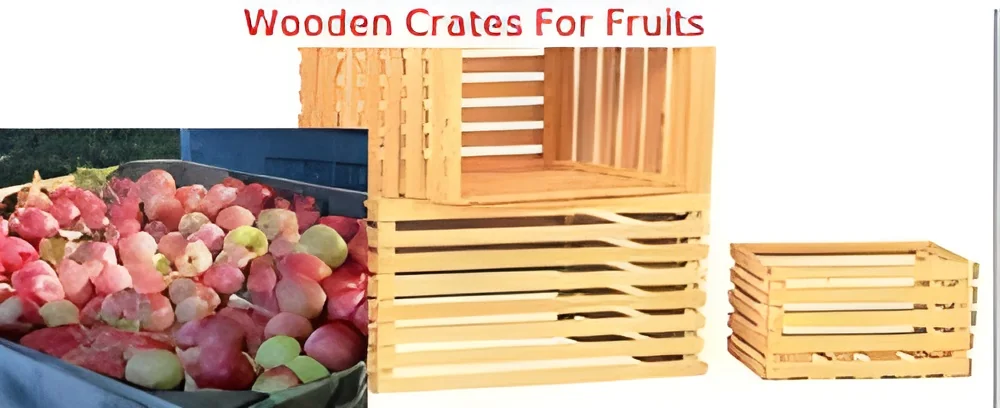
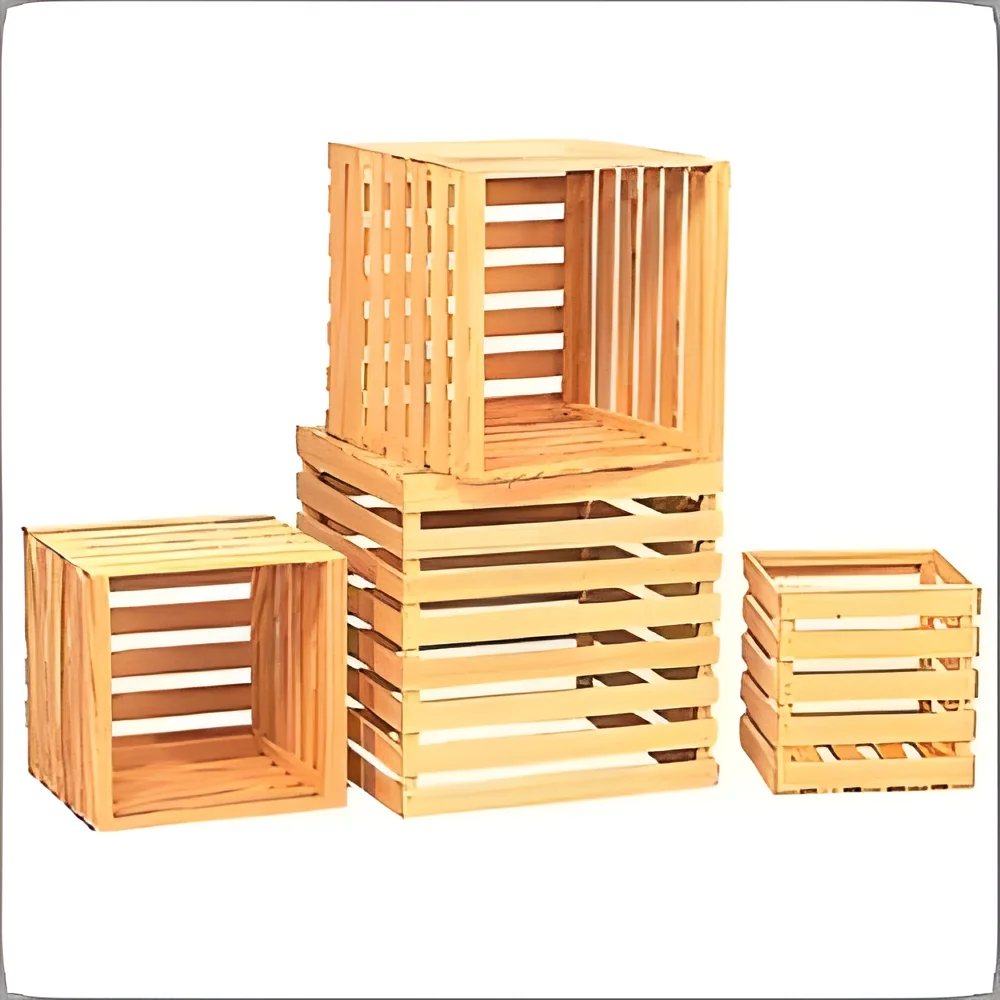
 India
 India
 India
 India


 India
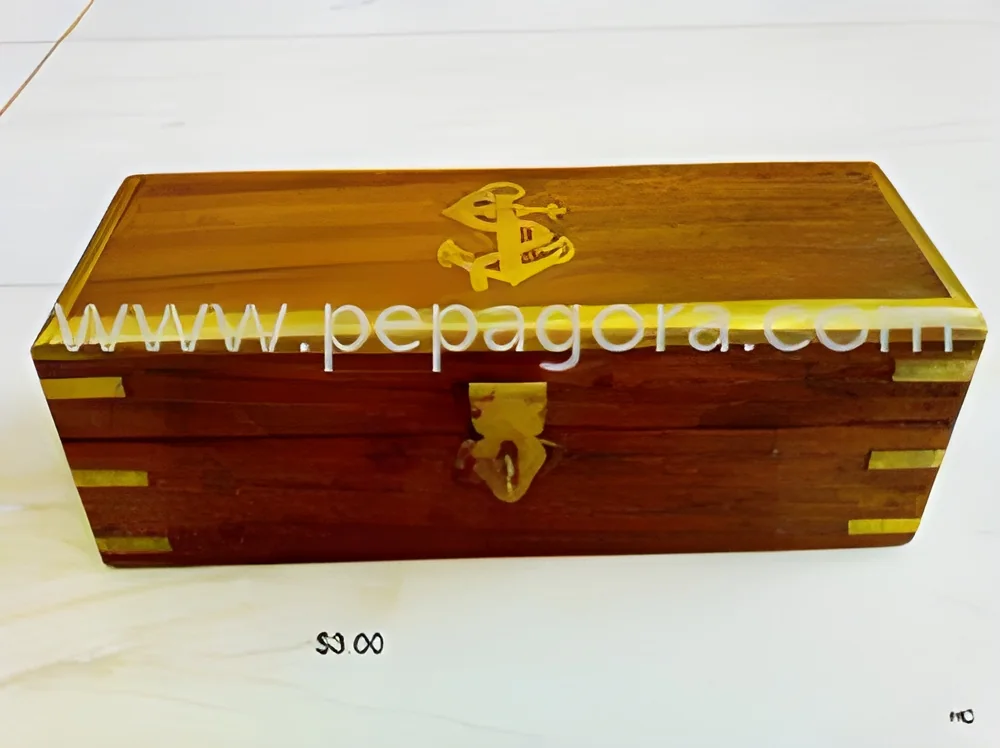
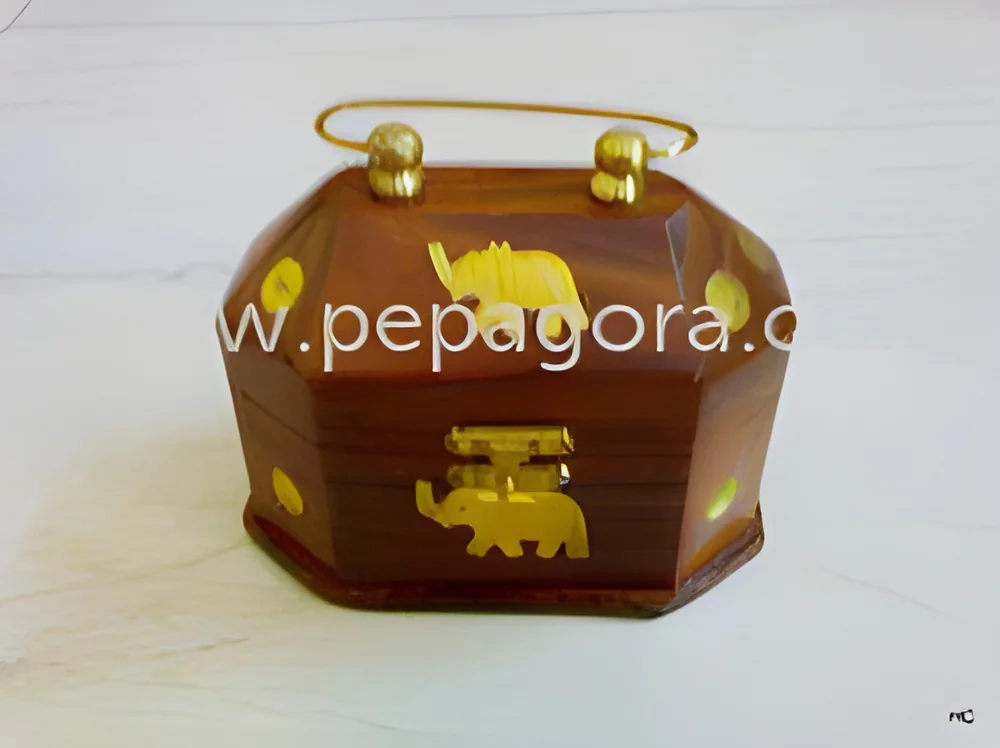
 India
 India
 India
 India
 India
 India

 India
 India
 India
 India
 India
 India
 India
 India
 India
 India

 India
 India
 India
 India

 India
 India
 India

 India
 India
 India
Frequently Asked Questions
What are Wooden Crates?
Wooden crates are sturdy containers made primarily from wood, designed to store and transport goods. They are commonly used in various industries due to their durability and ability to protect products during transit.
What are the different types of Wooden Crates?
There are several types of wooden crates, including standard crates, ventilated crates, and collapsible crates. Each type serves specific purposes, such as air circulation for perishable goods or ease of storage.
How do I choose the right Wooden Crates?
Choosing the right wooden crates involves considering the type of products you will store, the weight capacity, and the environmental conditions. Additionally, evaluating the crate's dimensions and design can ensure optimal fit and protection for your items.
What are the standard specifications for Wooden Crates?
Standard specifications for wooden crates typically include dimensions, weight capacity, and material quality. Common dimensions vary based on the intended use, while the weight capacity must match the requirements of the products being stored.
What is the price range for Wooden Crates?
The price range for wooden crates can vary widely based on factors such as size, type, and custom features. Generally, prices can start from a few hundred rupees for basic crates and go up to several thousand for specialized designs.
What quality standards apply to Wooden Crates?
Wooden crates must adhere to various quality standards, including structural integrity and material durability. Compliance with industry regulations helps ensure that the crates can safely transport goods without risk of damage.
Where can I find Wooden Crates suppliers in India?
You can find wooden crates suppliers in India through online B2B marketplaces, local trade directories, and industry trade shows. Platforms like Pepagora.com can assist in connecting you with reputable manufacturers and suppliers.
Can Wooden Crates be customized?
Yes, wooden crates can be customized to meet specific requirements such as size, design, and branding. Many manufacturers offer customization options to better fit the needs of their clients.
What is the typical minimum order quantity for Wooden Crates?
The typical minimum order quantity (MOQ) for wooden crates varies by supplier but generally ranges from 10 to 50 units. It is advisable to check with the manufacturer for their specific MOQ policies.
What is the typical lead time for Wooden Crates?
The typical lead time for wooden crates can range from a few days to several weeks, depending on factors such as order size and customization options. It's important to discuss lead times with suppliers to ensure timely delivery.
Why Businesses Trust Pepagora
Thousands of companies trust Pepagora to source smarter and sell faster
Expand Your Sales Globally

Source Smarter,Grow Faster
