
 IN
Welding Electrodes
34 products available
What are Welding Electrodes?
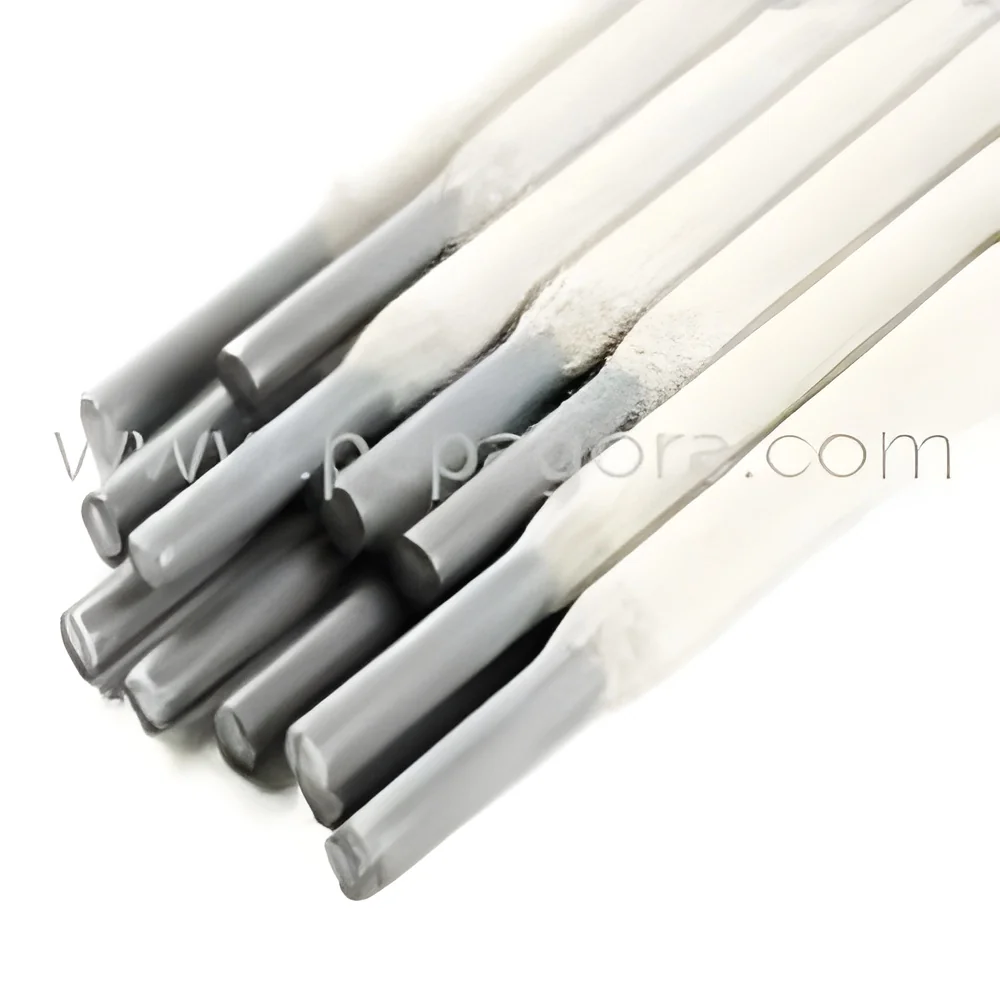
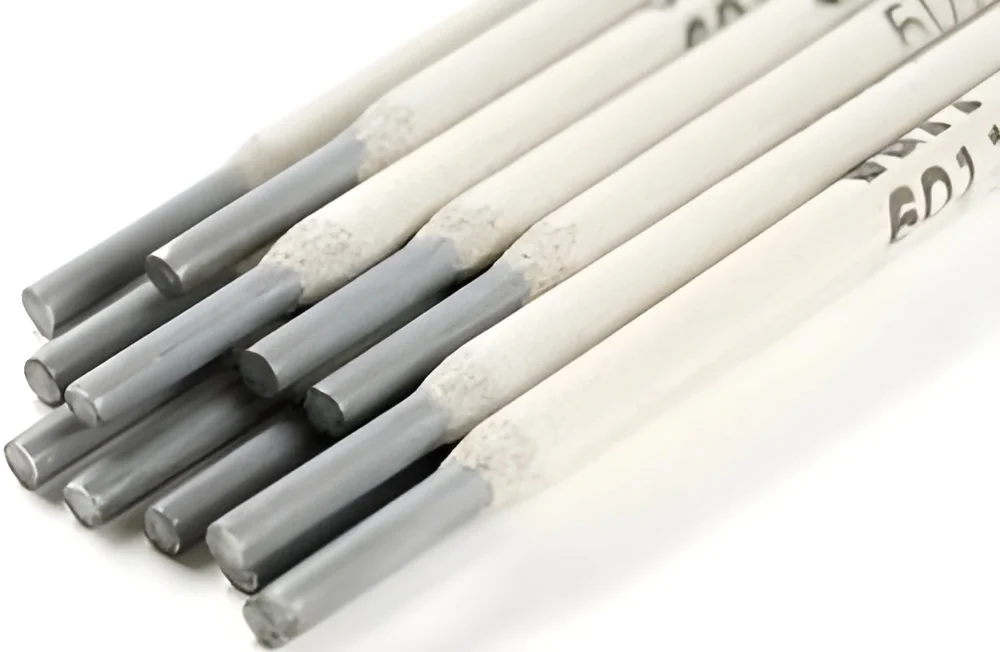
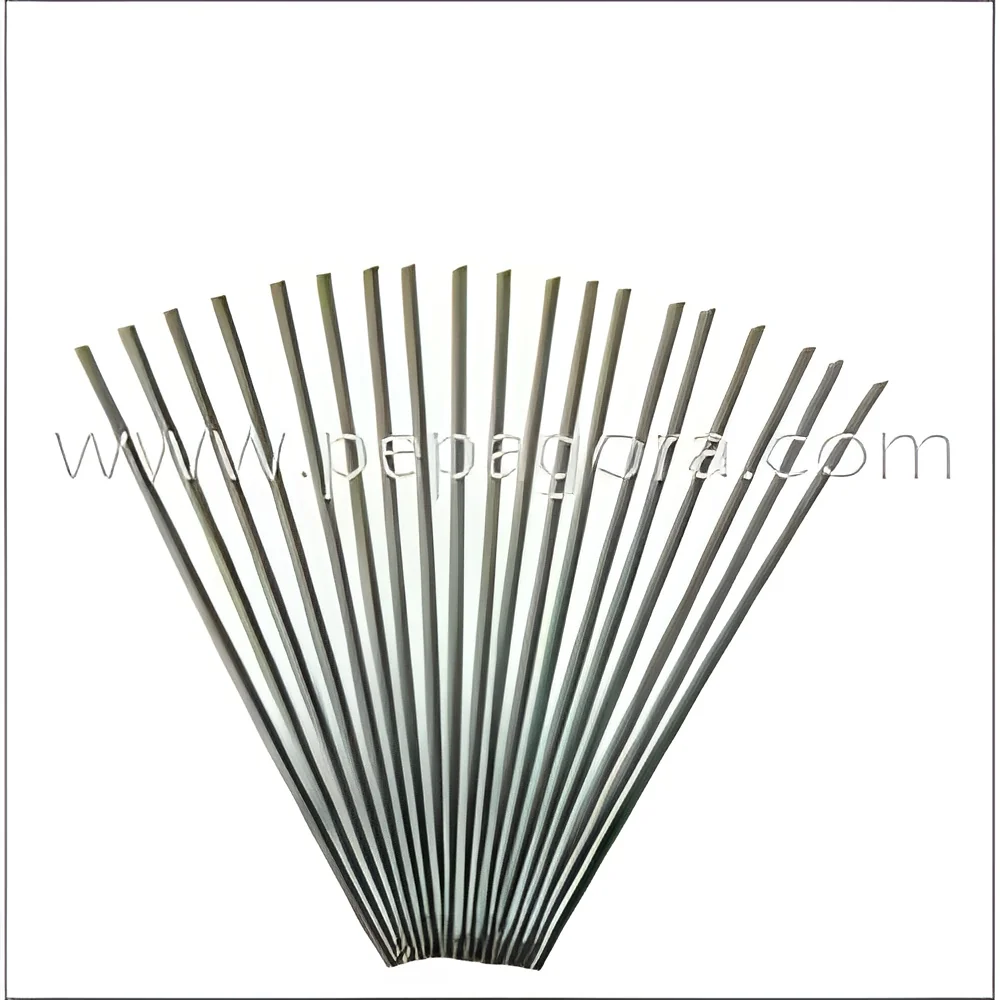
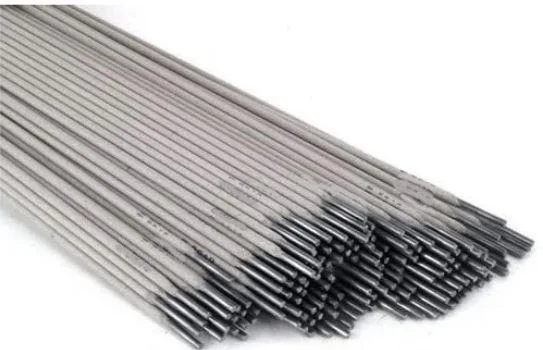
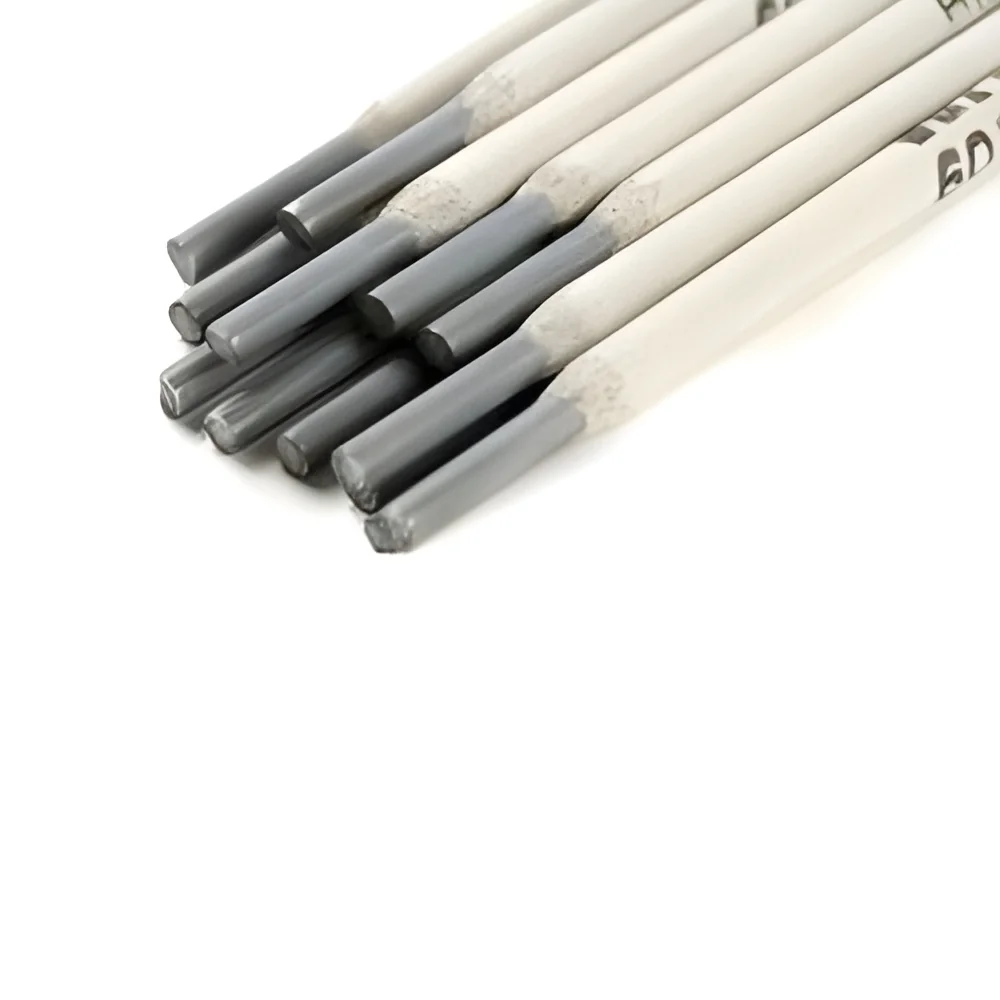
Welding electrodes are essential components used in various welding processes to create a strong bond between metals. They are typically composed of a metal core that is coated with a layer of flux. When heated, the electrode melts and fuses with the base metal, creating a durable joint. The flux coating helps protect the weld pool from contamination and improves the quality of the weld.
These electrodes have a wide range of applications in industries such as construction, manufacturing, automotive, and shipbuilding. They are used for both structural and repair welding, making them vital for maintaining the integrity of machinery and infrastructure. The selection of the right welding electrode is crucial for achieving the desired mechanical properties and ensuring the long-term performance of welded joints. The welding electrode market is highly competitive, with numerous manufacturers offering a variety of products to meet the diverse needs of different industries.
Key Features and Specifications
Welding electrodes come with various features and specifications that are critical for their performance in welding applications. Understanding these features helps buyers make informed choices based on their specific requirements.
Key specifications include:
1. Diameter
- Common diameters range from 1.6 mm to 6.4 mm.
- The diameter impacts the current-carrying capacity and the heat input during welding.
2. Coating Type
- There are several types of coatings, such as cellulose, rutile, and basic.
- Each coating type influences the welding characteristics and the quality of the weld.
3. Current Type
- Electrodes can be designed for alternating current (AC) or direct current (DC).
- The choice between AC and DC affects the welding process and the electrode's performance.
4. Tensile Strength
- Tensile strength ratings typically range from 400 MPa to 700 MPa.
- Higher tensile strength indicates a stronger weld joint.
5. Elongation
- Elongation values generally range from 20% to 30%.
- This property indicates the ductility of the weld.
6. Welding Position
- Electrodes are classified based on allowable welding positions, such as flat, horizontal, vertical, or overhead.
- Selecting the right electrode for the welding position is crucial for achieving quality results.
7. Chemical Composition
- Different electrodes have specific chemical compositions tailored for various applications.
- The composition affects the weld's mechanical properties and corrosion resistance.
In summary, understanding the features and specifications of welding electrodes is essential for selecting the appropriate product for specific welding tasks.
Common Applications and Use Cases
Welding electrodes are utilized across a wide range of industries, each with its unique applications.
1. Construction: In the construction industry, welding electrodes are critical for joining structural steel components, ensuring the strength and stability of buildings and bridges.
2. Manufacturing: Manufacturers use welding electrodes for fabricating machinery and equipment, allowing for strong and durable connections in various products.
3. Automotive: In the automotive sector, electrodes are employed for assembling vehicle frames and components, contributing to the overall safety and reliability of automobiles.
4. Shipbuilding: Welding electrodes are essential in shipbuilding for constructing hulls and other structural elements, ensuring that vessels can withstand harsh marine conditions.
5. Oil and Gas: The oil and gas industry uses welding electrodes for pipeline construction and maintenance, where robust and reliable welds are crucial for safety.
6. Aerospace: In aerospace manufacturing, specialized welding electrodes are used to join lightweight materials, ensuring structural integrity in flight.
7. Repair and Maintenance: Industries often use welding electrodes for maintenance and repair tasks, restoring the functionality of equipment and extending their lifespan.
Product Variants and Subcategories
Welding electrodes are available in various variants to suit different welding processes and applications. Each variant is designed to meet specific requirements.
E6010 Electrode
The E6010 electrode is a popular choice for welding in the vertical position and is known for its deep penetration and fast freezing characteristics. It is commonly used in pipe welding and maintenance applications.
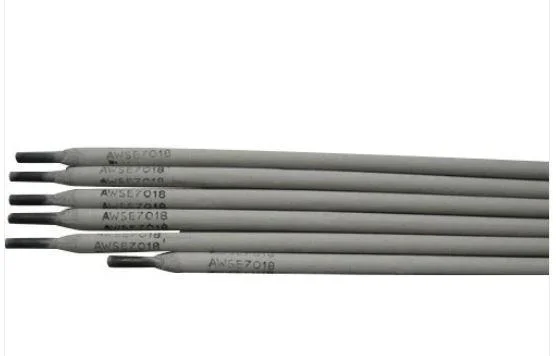
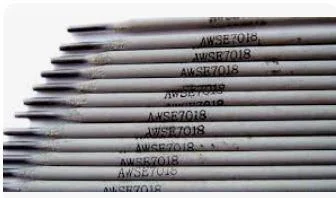
E7018 Electrode
The E7018 electrode is favored for its low hydrogen content and excellent weld quality. It is widely used in structural welding, offering good mechanical properties and resistance to cracking.
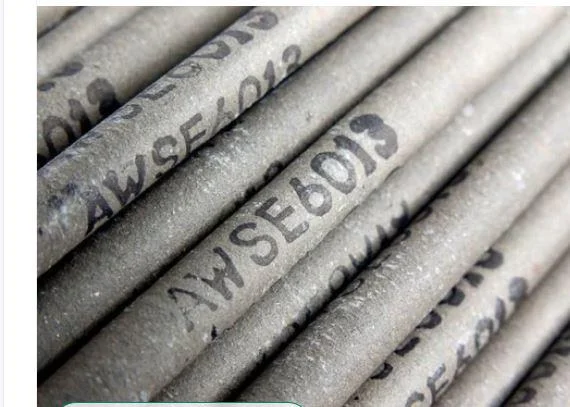
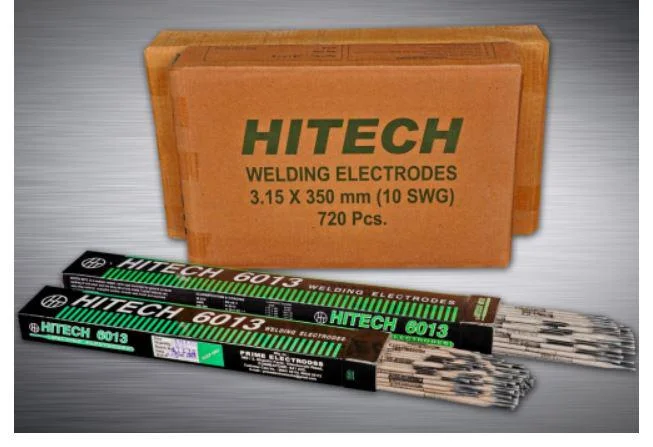
E6013 Electrode
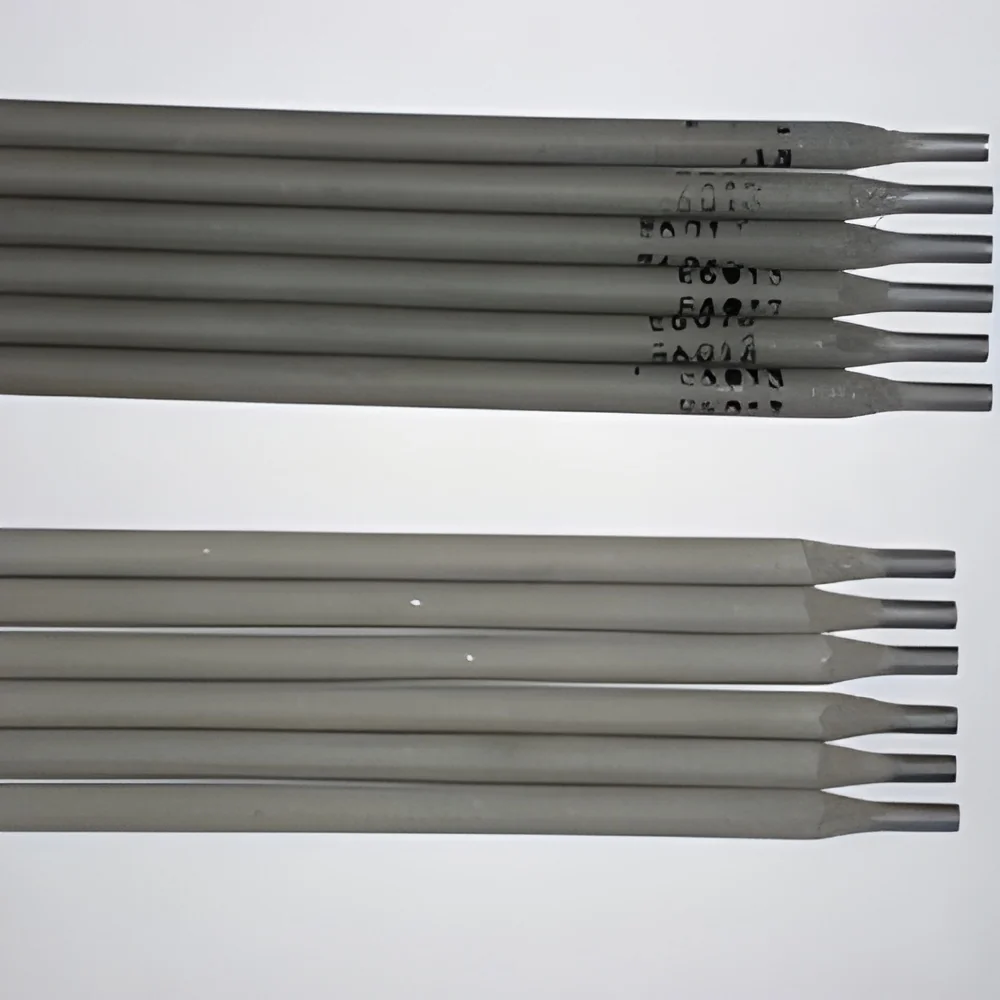
The E6013 electrode is versatile and easy to use, making it ideal for light fabrication and repair work. It produces a smooth, stable arc and is suitable for both AC and DC welding.
E308L Electrode
The E308L electrode is specifically designed for welding stainless steel. It provides excellent corrosion resistance and is commonly used in food processing and chemical industries.
Benefits and Advantages
Welding electrodes offer several benefits that enhance the efficiency and quality of the welding process.
Key benefits include:
1. Strong Weld Joints: Welding electrodes produce durable joints that can withstand high stress and loads, ensuring the integrity of the final product.
2. Versatility: With various types available, welding electrodes can be used for multiple applications across different industries, providing flexibility to manufacturers.
3. Ease of Use: Many welding electrodes are designed for user-friendly operation, making them suitable for both professionals and those new to welding.
4. Improved Efficiency: High-quality electrodes can lead to faster welding speeds and reduced downtime, contributing to increased productivity.
5. Cost-Effectiveness: By ensuring strong and reliable welds, welding electrodes help reduce repair and maintenance costs over time.
6. Enhanced Safety: Properly selected and used electrodes contribute to safer welding practices, minimizing the risk of weld failures.
Buying Guide for B2B Buyers
When sourcing welding electrodes, it is essential for B2B buyers to consider several critical factors to ensure they select the right products for their needs.
1. Quality Assessment: Buyers should evaluate the quality of welding electrodes based on established industry standards. This includes checking certifications and testing results to ensure reliability.
2. Supplier Verification: It is crucial to vet suppliers thoroughly. Buyers should look for reputable manufacturers with a proven track record in delivering quality products and services.
3. Pricing and MOQ: Understanding the pricing structure and minimum order quantities (MOQ) is important for budgeting. Buyers should compare prices among suppliers to ensure they get competitive rates.
4. Delivery and Lead Times: Logistics play a significant role in the supply chain. Buyers should inquire about delivery times and lead times to ensure timely availability of welding electrodes.
5. Compliance Requirements: Buyers must be aware of any regulatory compliance requirements applicable to their industry. This includes ensuring that the electrodes meet safety and environmental standards.
Compliance and Certifications
Welding electrodes must adhere to various compliance and certification standards to ensure their quality and safety.
Relevant quality standards such as ISO 9001 guarantee that the manufacturing processes meet international quality management criteria. Compliance with these standards indicates that the electrodes are produced consistently and reliably.
Industry certifications, including CE marking, signify that the products comply with European safety and health regulations. This certification is particularly important for companies exporting or selling products in European markets.
Safety and testing requirements are also critical. Manufacturers should conduct rigorous testing to ensure that the electrodes perform as expected under different conditions. This includes assessments for mechanical properties and weld integrity.
Regional compliance considerations may vary based on local regulations. Buyers should verify that the welding electrodes they purchase meet the specific compliance needs of their operational regions.
Why Source Welding Electrodes from Pepagora?
Pepagora offers a trusted platform for sourcing welding electrodes, providing numerous advantages to B2B buyers.
Verified Supplier Network: Pepagora connects buyers with a network of verified suppliers, ensuring that they can source high-quality welding electrodes from reputable manufacturers. This verification process helps mitigate the risks associated with procurement.
Streamlined RFQ Process: The platform features a streamlined request for quotation (RFQ) process, allowing buyers to easily obtain competitive quotes from multiple suppliers. This efficiency saves time and enables better decision-making.
Trade Assurance and Support: Pepagora provides trade assurance to protect buyers' transactions, offering peace of mind during the procurement process. Additionally, the platform offers support to address any queries or issues that may arise.
Regional Coverage: Pepagora has a strong presence in key markets such as India, the GCC, and Southeast Asia. This regional coverage ensures that buyers have access to local suppliers and can benefit from reduced shipping costs and faster delivery times.


 India
 India
 India
 India
 India
 India
 India
 India
 India

 India
 India
 India
 India
 India
 India
 India
Frequently Asked Questions
What are Welding Electrodes?
Welding electrodes are metal rods or wires used to conduct current and create an arc in order to join two pieces of metal together. They can be consumable or non-consumable, depending on the welding process. Consumable electrodes melt during the welding process, while non-consumable electrodes do not.
What are the different types of Welding Electrodes?
There are several types of welding electrodes, including covered electrodes, solid wires, and tubular electrodes. Covered electrodes are coated with a flux that helps protect the weld pool from contamination. Solid wires are typically used in MIG welding, while tubular electrodes are filled with flux and are used in specific applications.
How do I choose the right Welding Electrodes?
Choosing the right welding electrodes depends on the base materials being welded, the welding process, and the desired properties of the weld. Consider factors such as the type of joint, thickness of the materials, and the operating environment. Consulting with a welding professional can help in making the appropriate selection.
What are the standard specifications for Welding Electrodes?
Standard specifications for welding electrodes are defined by various organizations, including the American Welding Society (AWS) and the International Organization for Standardization (ISO). These specifications cover aspects such as chemical composition, tensile strength, and usability in different welding processes.
What is the price range for Welding Electrodes?
The price range for welding electrodes varies based on factors such as type, size, and manufacturer. On average, prices can range from a few hundred to several thousand Indian Rupees per kilogram. Bulk purchasing may provide cost advantages.
What quality standards apply to Welding Electrodes?
Welding electrodes must meet specific quality standards to ensure reliable performance and safety. Common standards include AWS A5.1 for carbon steel electrodes and AWS A5.18 for stainless steel electrodes. Compliance with these standards ensures that the electrodes are suitable for their intended applications.
Where can I find Welding Electrodes suppliers in India?
Welding electrodes suppliers can be found through various channels, including online B2B marketplaces like Pepagora, industrial supply companies, and local welding equipment distributors. It is advisable to compare multiple suppliers to find the best options in terms of quality and pricing.
Can Welding Electrodes be customized?
Yes, many manufacturers offer customization options for welding electrodes to meet specific application requirements. Customization can include variations in diameter, length, coating type, and chemical composition. It is best to discuss your specific needs with the manufacturer.
What is the typical minimum order quantity for Welding Electrodes?
The typical minimum order quantity (MOQ) for welding electrodes can vary significantly by supplier and product type. Generally, MOQs can range from a few kilograms to several tons, depending on the manufacturer's policies and the specific electrode type.
What is the typical lead time for Welding Electrodes?
The typical lead time for welding electrodes can vary based on factors such as supplier location, order size, and customization requirements. Generally, lead times can range from a few days to several weeks. It is advisable to confirm the lead time with the supplier at the time of order.
Why Businesses Trust Pepagora
Thousands of companies trust Pepagora to source smarter and sell faster
Expand Your Sales Globally

Source Smarter,Grow Faster
