
 IN
Welding Cables & Leads
4 products available
What are Welding Cables & Leads?
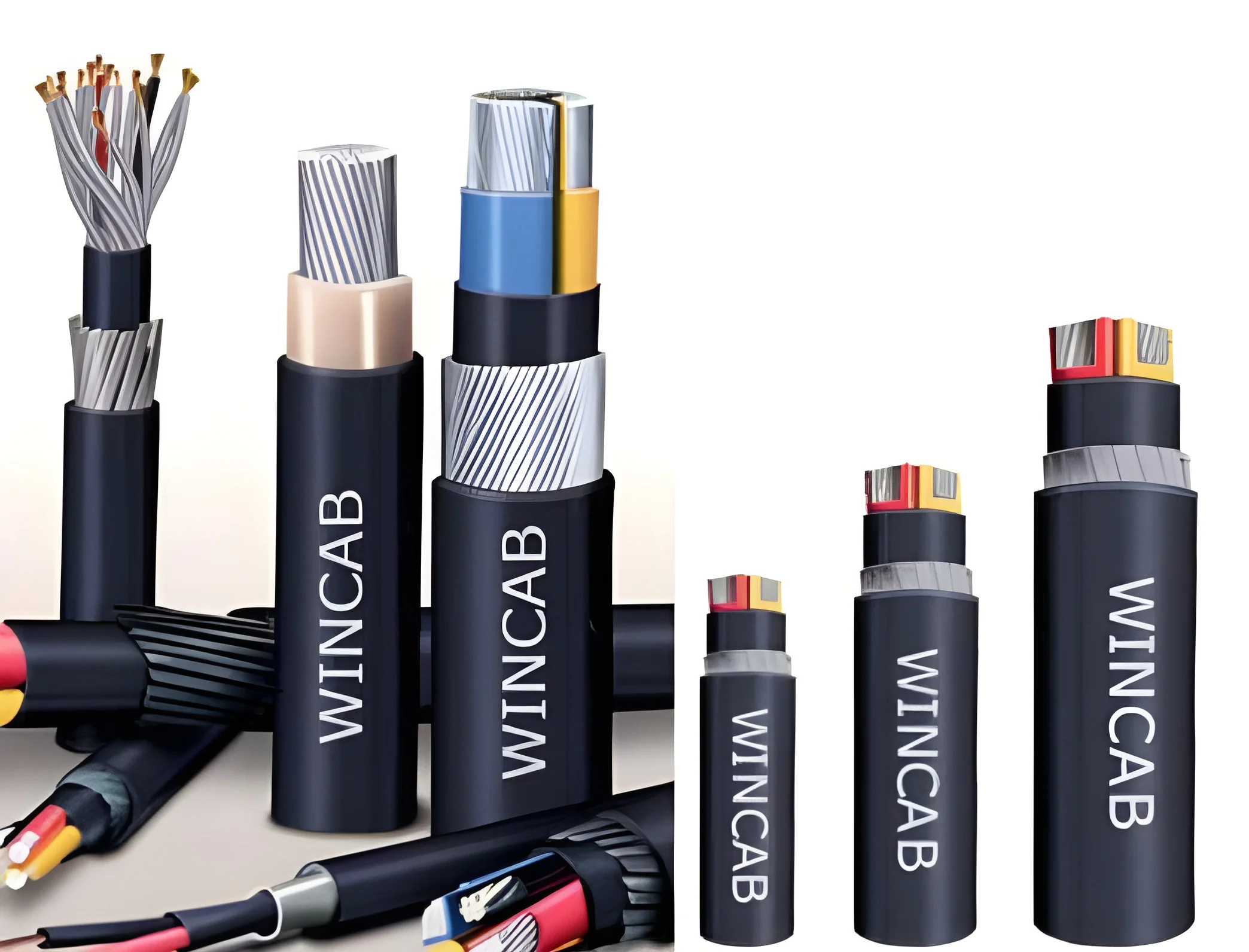
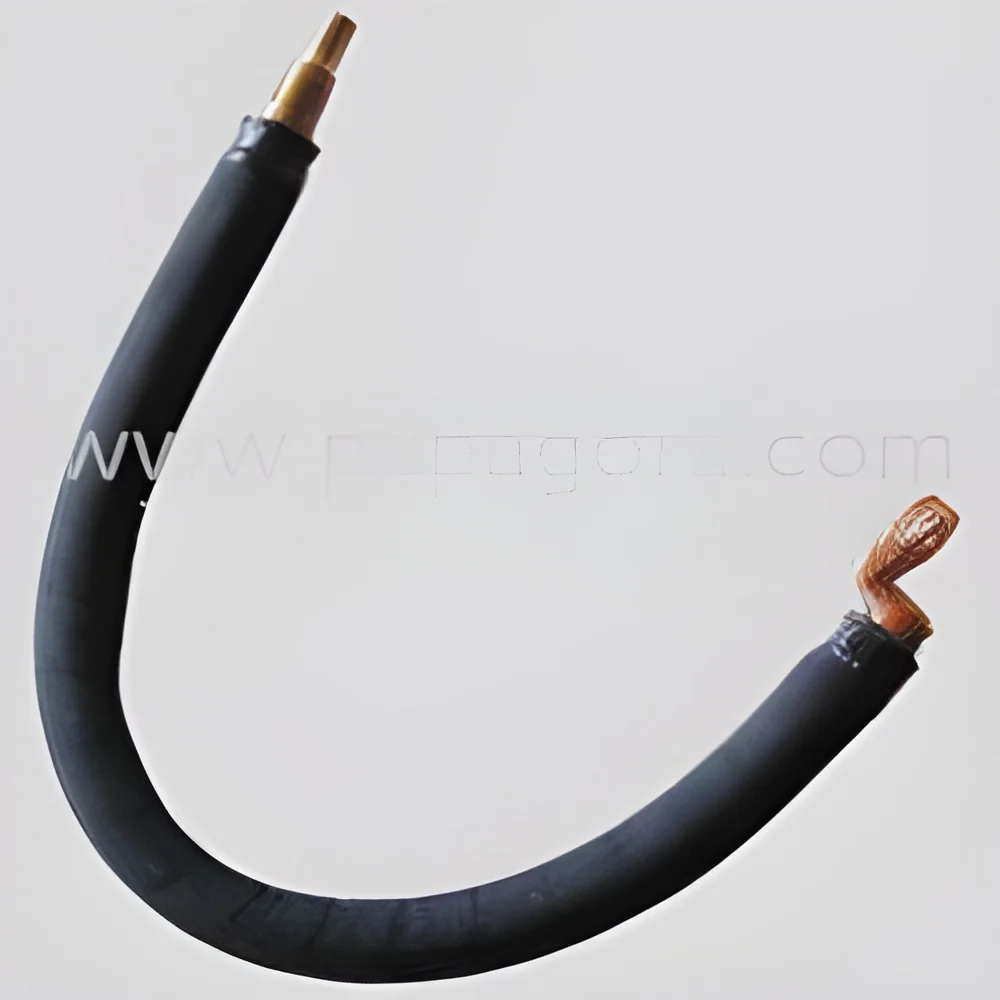
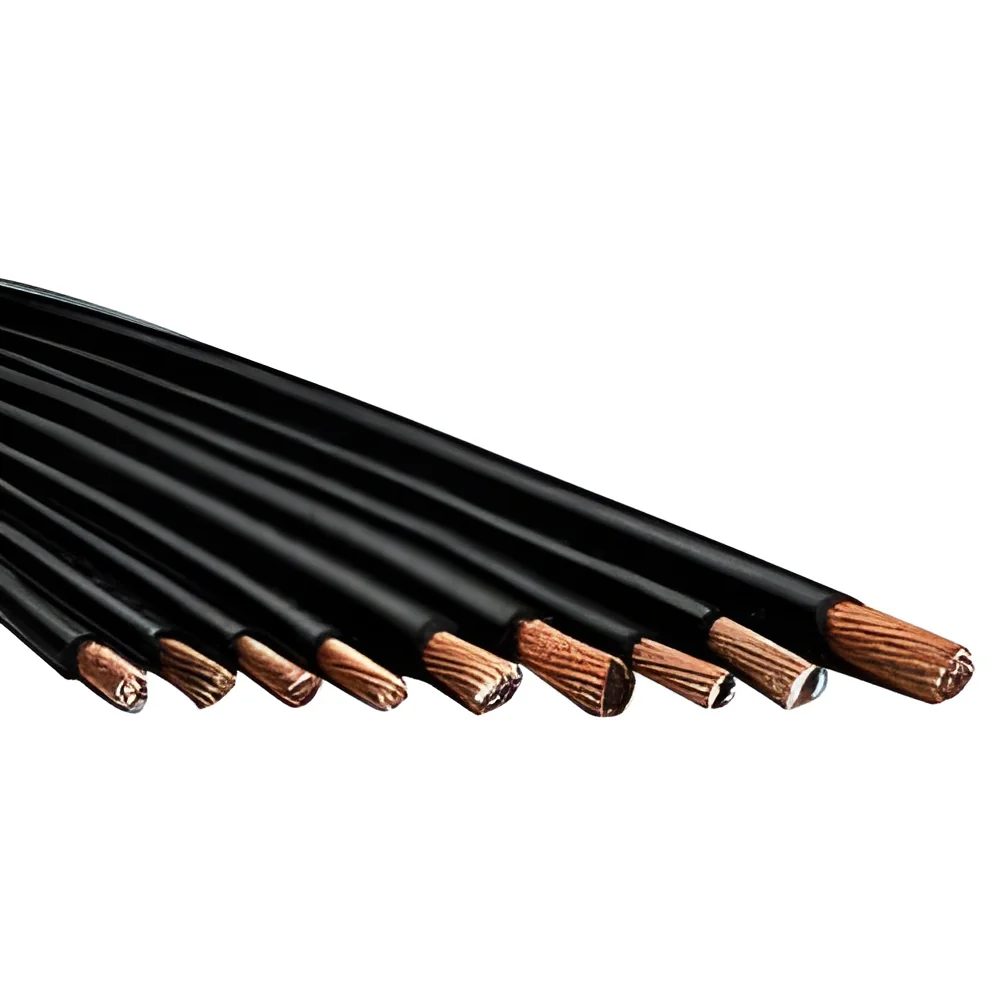
Welding cables and leads are engineered electrical conductors designed to provide reliable power supply for various welding applications. These cables are typically made from high-quality copper or aluminum and are insulated to ensure safety and durability. The primary function of welding cables is to transfer electrical current between the welding machine and the workpiece, ensuring efficient and effective welding operations.
These products find applications across multiple industries, including manufacturing, construction, and automotive sectors. They are essential for various welding processes, such as MIG, TIG, and stick welding. The ability to withstand high temperatures and mechanical stress makes them integral in environments where welding activities are frequent and demanding. As industries evolve and the demand for efficient welding solutions increases, the relevance of high-quality welding cables and leads continues to grow.
Key Features and Specifications
Welding cables and leads are characterized by a variety of features and specifications that define their performance and suitability for different applications. Understanding these specifications is crucial for selecting the appropriate cables for specific welding needs.
Key specifications include:
1. Conductor Material
- Typically made of copper or aluminum
- Copper provides better conductivity and flexibility
2. Insulation Type
- Commonly rubber or thermoplastic materials
- Ensures protection against heat and abrasion
3. Cable Size
- Measured in American Wire Gauge (AWG)
- Varies based on the current carrying capacity required
4. Voltage Rating
- Standard ratings range from 300 to 2000 volts
- Determines the maximum voltage the cable can safely handle
5. Temperature Rating
- Can withstand temperatures from -40°C to 90°C
- Ensures functionality in various work environments
6. Flexibility
- High flexibility for ease of handling and use
- Critical in tight working conditions
7. Length Options
- Available in various lengths to suit different setups
- Longer cables may be necessary for larger work areas
8. Certifications
- Compliance with industry standards such as CE
- Ensures product safety and reliability
In summary, selecting welding cables and leads involves careful consideration of these specifications to ensure they meet the required performance and safety standards.
Common Applications and Use Cases
Welding cables and leads are versatile products that serve several key industries.
1. Manufacturing: In manufacturing, welding cables are crucial for assembly lines where metal parts are joined together. They enable efficient and high-quality welds necessary for production.
2. Construction: In the construction industry, these cables are essential for on-site welding of structural steel and other materials. Their robustness supports the demanding conditions found in construction environments.
3. Automotive: The automotive sector relies on welding cables for assembling vehicle components. Their ability to provide reliable power ensures consistent weld quality in automotive manufacturing.
4. Shipbuilding: In shipbuilding, welding cables are used for joining large metal sections. The cables must withstand harsh marine environments while delivering high performance.
5. Aerospace: Welding cables are also utilized in the aerospace industry for assembling aircraft components. High-quality cables ensure precision in welding critical parts.
6. Repair and Maintenance: Many repair shops use welding cables for fixing machinery and equipment. Their flexibility and durability make them suitable for various repair tasks.
7. Art and Sculpture: In artistic applications, welding cables are employed by artists to create metal sculptures. Their versatility allows for innovative designs and constructions.
Product Variants and Subcategories
Welding cables and leads come in various types to cater to different needs and applications.
Heavy Duty Welding Cable
This variant is designed for industrial applications where high current carrying capacity is required. It features robust insulation and excellent flexibility, making it suitable for demanding environments.
Lightweight Welding Cable
Ideal for portable welding machines, this variant balances flexibility and performance. It is easy to handle and transport, making it perfect for fieldwork and light applications.
Multi-Purpose Welding Lead
This type is designed for versatility, allowing it to be used in various welding processes. It often features different connectors to accommodate different types of welding machines.
Ultra-Flexible Welding Cable
Engineered for maximum flexibility, this variant is perfect for tight spaces and intricate welding tasks. It retains excellent electrical performance while being easy to maneuver.
Benefits and Advantages
Welding cables and leads offer numerous benefits that enhance operational efficiency and safety.
1. High Conductivity: The use of quality materials ensures superior electrical conductivity, leading to efficient welding operations.
2. Durability: Welding cables are designed to withstand extreme conditions, including high temperatures and mechanical stress, ensuring a longer lifespan.
3. Flexibility: Many variants are engineered for flexibility, allowing easy handling and movement in tight or complex work areas.
4. Safety: Insulated cables reduce the risk of electrical hazards, providing a safer working environment for operators.
5. Versatility: Available in various sizes and types, welding cables can be tailored to meet specific operational needs across multiple industries.
6. Compliance: Many welding cables meet industry certifications, ensuring they adhere to safety and quality standards.
Buying Guide for B2B Buyers
When sourcing welding cables and leads, several important factors should be considered to ensure the right choice for your business needs.
1. Quality Assessment: Examine the material quality and construction of the cables. High-quality copper and robust insulation are essential for performance and safety.
2. Supplier Verification: Vet suppliers thoroughly to ensure they are reputable and provide certified products. Look for reviews or ratings from other B2B buyers.
3. Pricing and MOQ: Understand the pricing structure and minimum order quantities. Compare prices across suppliers to find the best deal without compromising quality.
4. Delivery and Lead Times: Inquire about delivery schedules and lead times to ensure that you can meet your project timelines. Timely delivery is critical in maintaining workflow efficiency.
5. Compliance Requirements: Check for compliance with industry standards and certifications. This ensures that the products you source meet safety and performance regulations.
Compliance and Certifications
Compliance and certifications are critical aspects of welding cables and leads, ensuring they meet industry standards for quality and safety. Relevant quality standards include ISO 9001, which sets the criteria for a quality management system, ensuring consistent product quality and service.
Additionally, certifications such as CE indicate that the products comply with European safety and environmental requirements. This is particularly important for businesses operating internationally, as it demonstrates adherence to recognized safety standards.
Safety and testing requirements are also crucial, with regular inspections and testing needed to ensure that the cables can handle specified electrical loads and environmental conditions. Regional compliance considerations may vary, so it is essential to stay informed about local regulations affecting welding equipment.
Why Source Welding Cables & Leads from Pepagora?
Pepagora offers a reliable platform for sourcing welding cables and leads, providing several key advantages for B2B buyers.
Verified Supplier Network: Pepagora features a network of verified suppliers, ensuring that buyers can trust the quality and reliability of the products they purchase.
Streamlined RFQ Process: The request for quotation process is simplified, allowing buyers to receive competitive quotes quickly. This efficiency supports informed purchasing decisions.
Trade Assurance and Support: Buyers enjoy protection through trade assurance policies, which safeguard transactions and ensure that products meet expectations.
Regional Coverage: Pepagora serves a wide geographic area, including India, the Gulf Cooperation Council (GCC) countries, and Southeast Asia, making it easy for businesses in these regions to find quality welding cables and leads.

 India
 India
 India
Frequently Asked Questions
What are Welding Cables & Leads?
Welding Cables & Leads are electrical cables specifically designed to connect welding machines to electrodes or workpieces. They are built to withstand high current and heat generated during the welding process, ensuring safety and efficiency.
What are the different types of Welding Cables & Leads?
There are several types of Welding Cables & Leads, including flexible welding cables, heavy-duty welding leads, and electrode cables. Each type is designed for specific welding applications, such as MIG, TIG, or stick welding, and can vary in terms of insulation and conductor material.
How do I choose the right Welding Cables & Leads?
To choose the right Welding Cables & Leads, consider factors such as the type of welding process, the maximum current rating, and the length of the cable needed. Additionally, assess the environment in which the cables will be used, as this may affect insulation requirements.
What are the standard specifications for Welding Cables & Leads?
Standard specifications for Welding Cables & Leads typically include wire gauge, insulation type, voltage rating, and temperature rating. Commonly used standards include those set by the American National Standards Institute (ANSI) and the International Electrotechnical Commission (IEC).
What is the price range for Welding Cables & Leads?
The price range for Welding Cables & Leads can vary widely based on factors such as cable type, length, and manufacturer. Generally, prices can start from a few hundred rupees per meter and go up to several thousand for specialized or high-capacity cables.
What quality standards apply to Welding Cables & Leads?
Quality standards for Welding Cables & Leads include compliance with international safety and performance standards such as ISO, IEC, and BIS. These standards ensure that the cables are reliable, durable, and safe for industrial use.
Where can I find Welding Cables & Leads suppliers in India?
You can find Welding Cables & Leads suppliers in India through online B2B marketplaces like Pepagora, trade shows, and industrial supply directories. It is advisable to compare multiple suppliers to ensure quality and pricing.
Can Welding Cables & Leads be customized?
Yes, Welding Cables & Leads can often be customized to meet specific requirements such as length, gauge, and insulation material. Many manufacturers offer custom solutions to fit unique welding applications.
What is the typical minimum order quantity for Welding Cables & Leads?
The typical minimum order quantity (MOQ) for Welding Cables & Leads can vary depending on the supplier and type of cable. Generally, MOQs can range from 50 meters to 100 meters for standard products, while custom orders may have different requirements.
What is the typical lead time for Welding Cables & Leads?
The typical lead time for Welding Cables & Leads can range from a few days to several weeks, depending on factors such as availability, customization, and shipping logistics. It is advisable to confirm lead times with suppliers before placing an order.
Why Businesses Trust Pepagora
Thousands of companies trust Pepagora to source smarter and sell faster
Expand Your Sales Globally

Source Smarter,Grow Faster
