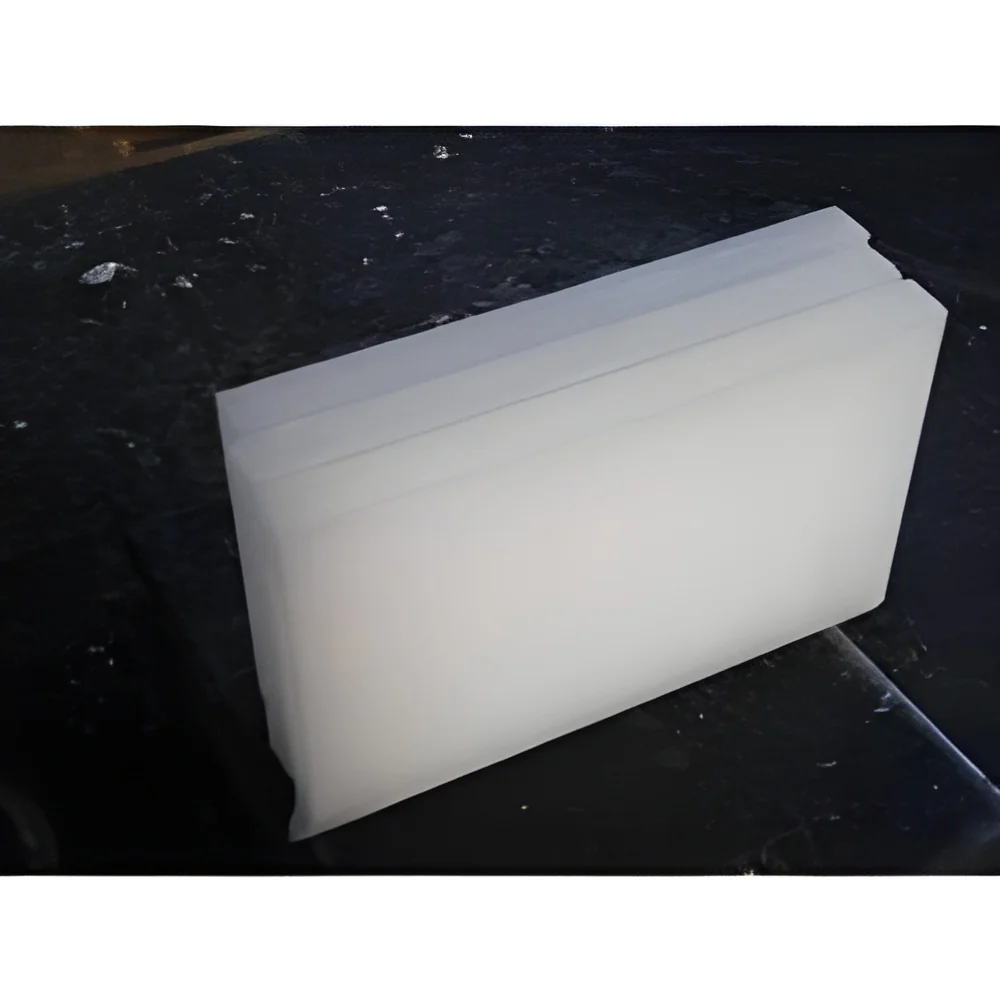
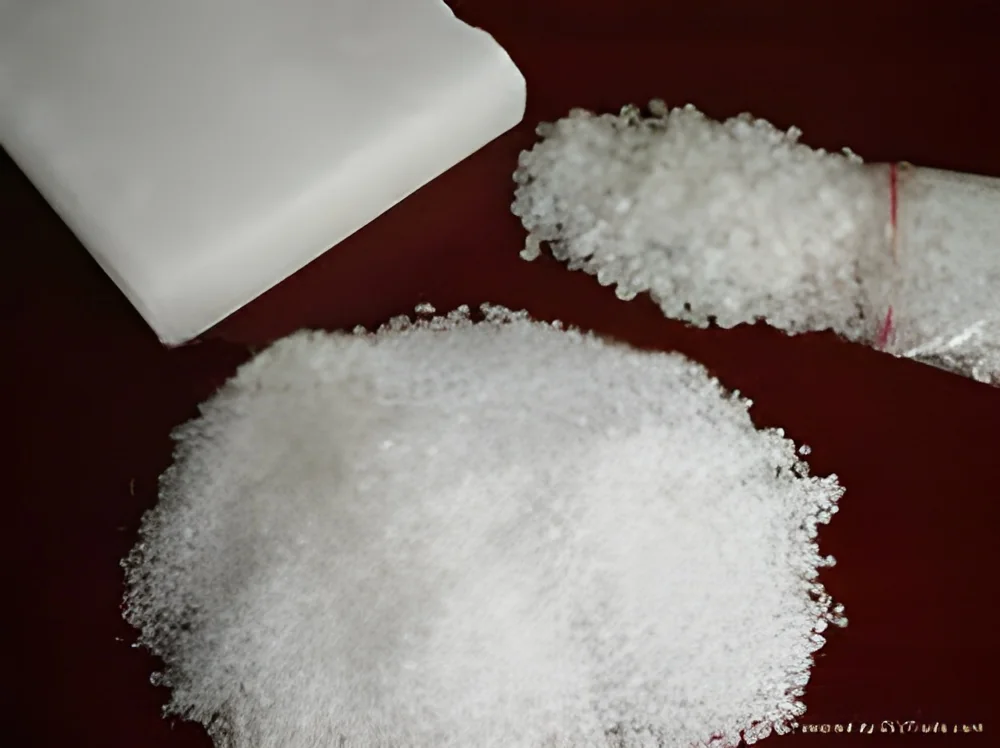
What are Waxes (Beeswax, Carnauba Wax, etc.)?
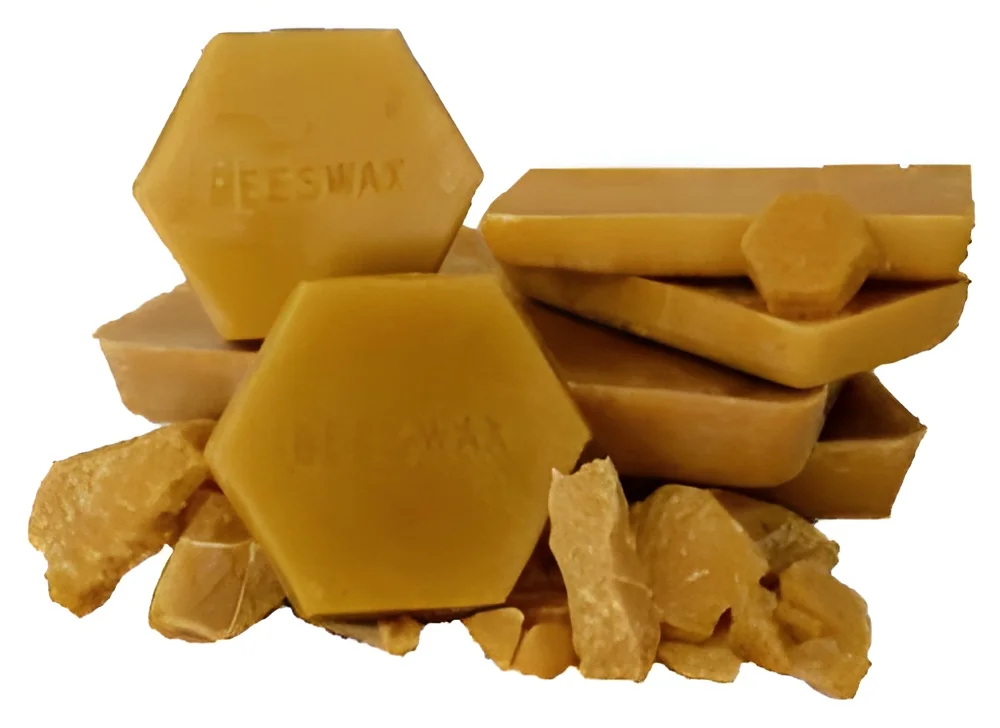
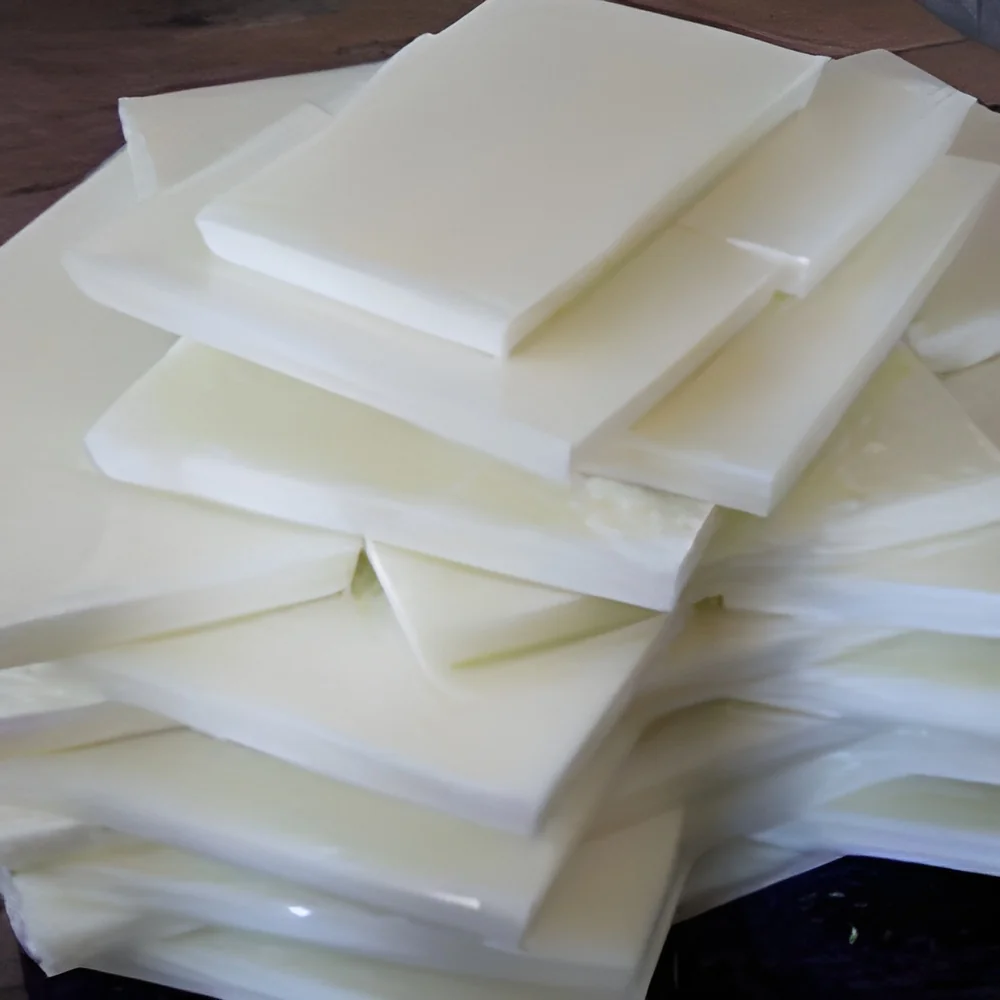
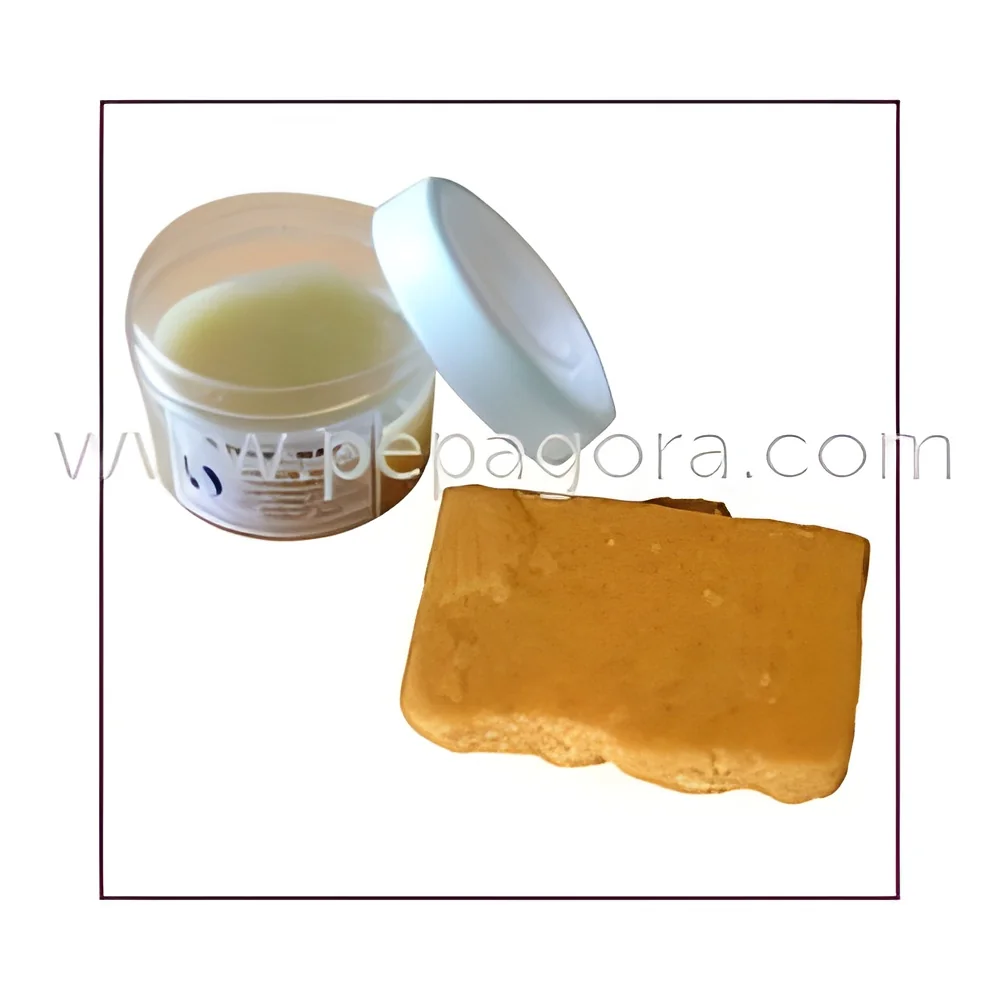
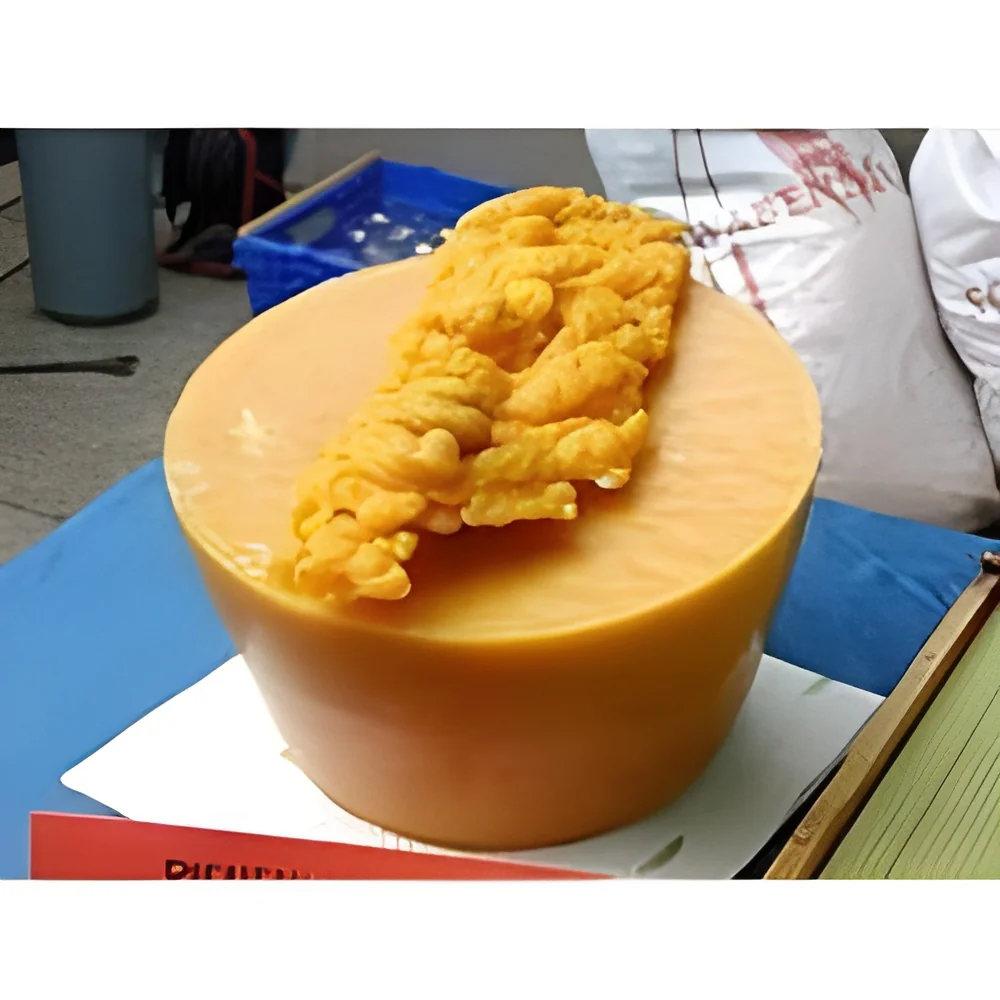
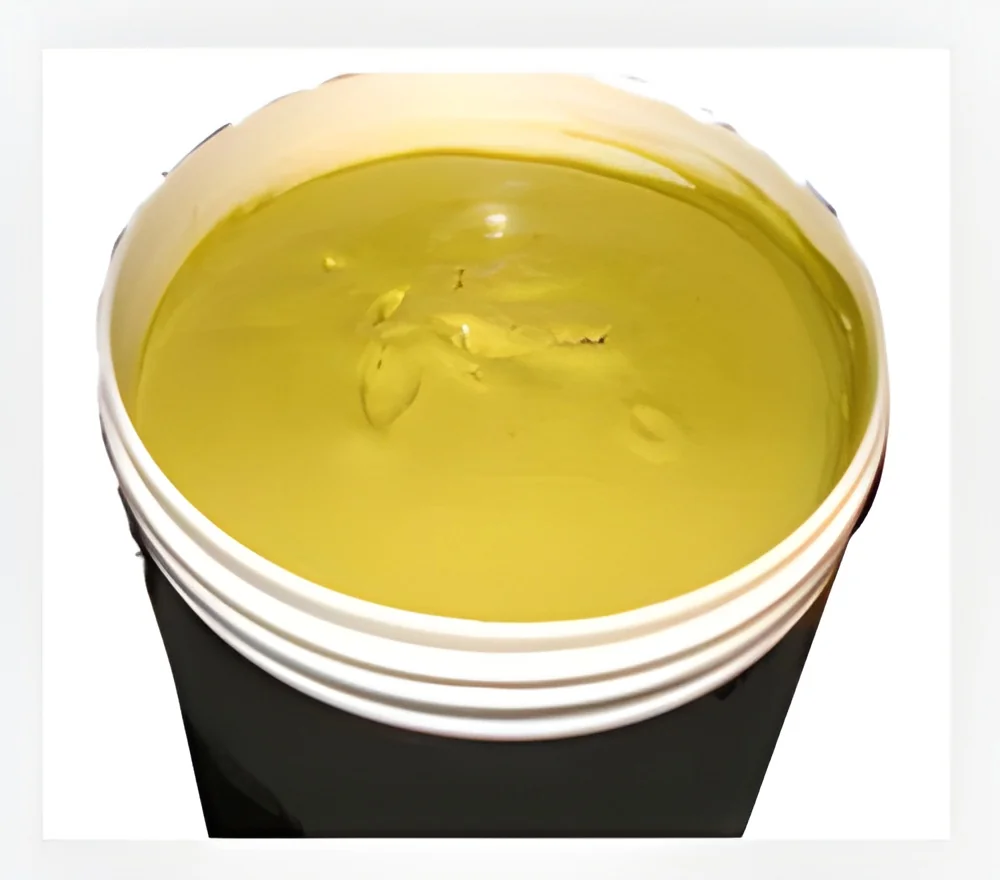
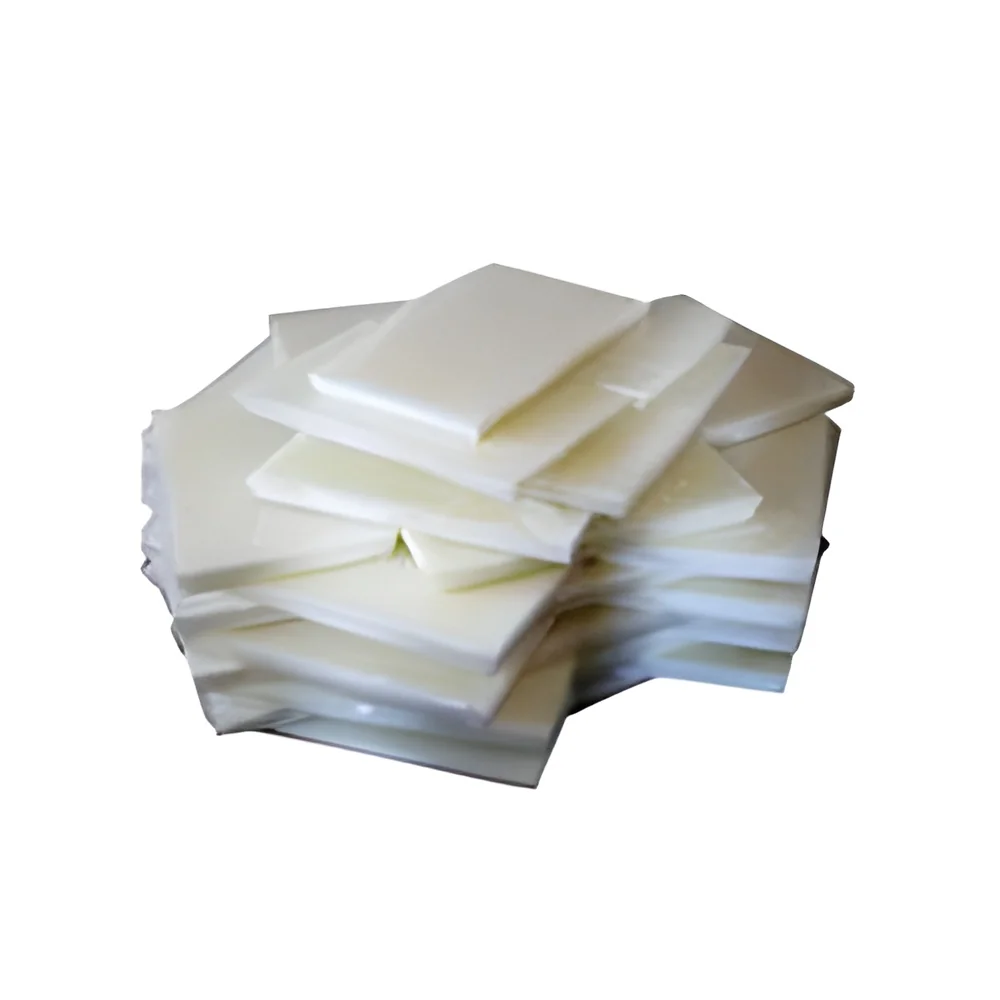
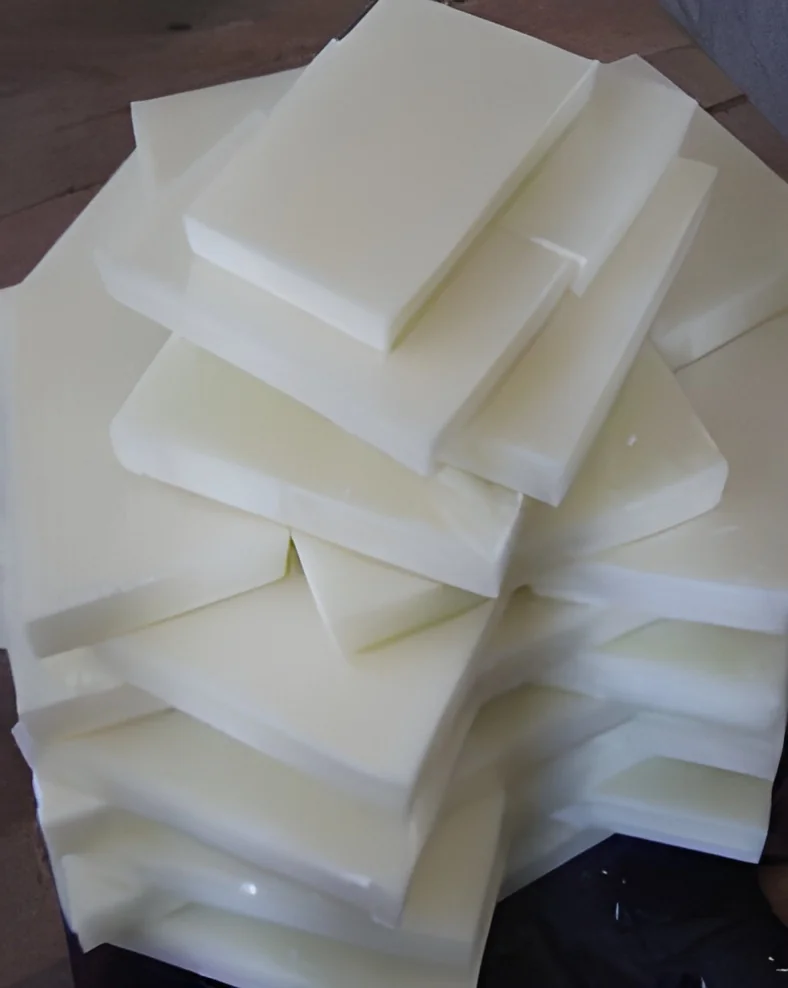
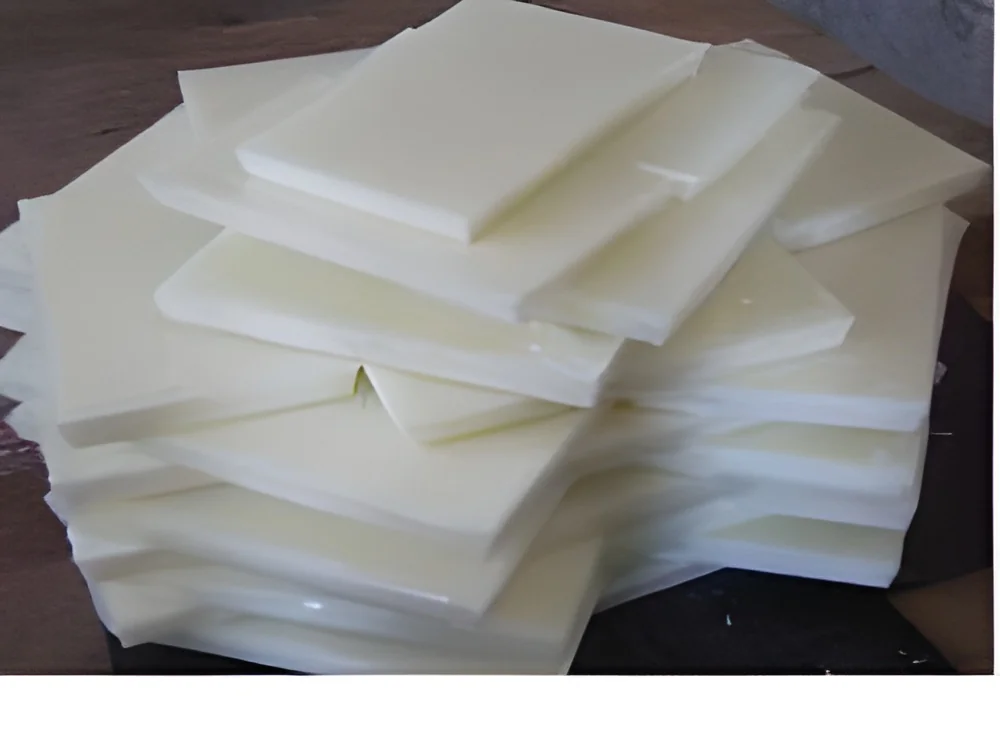
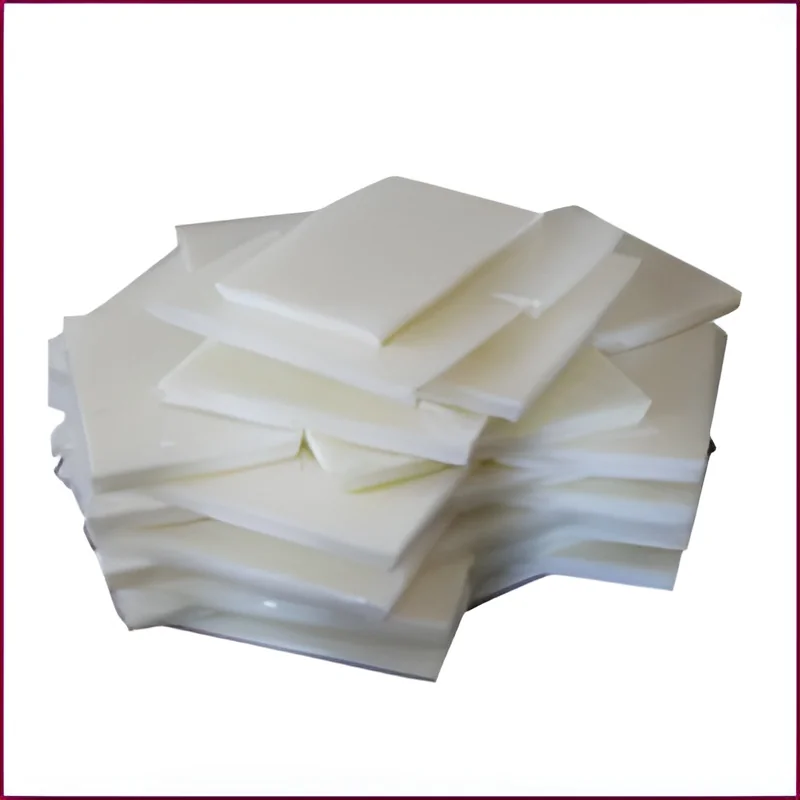
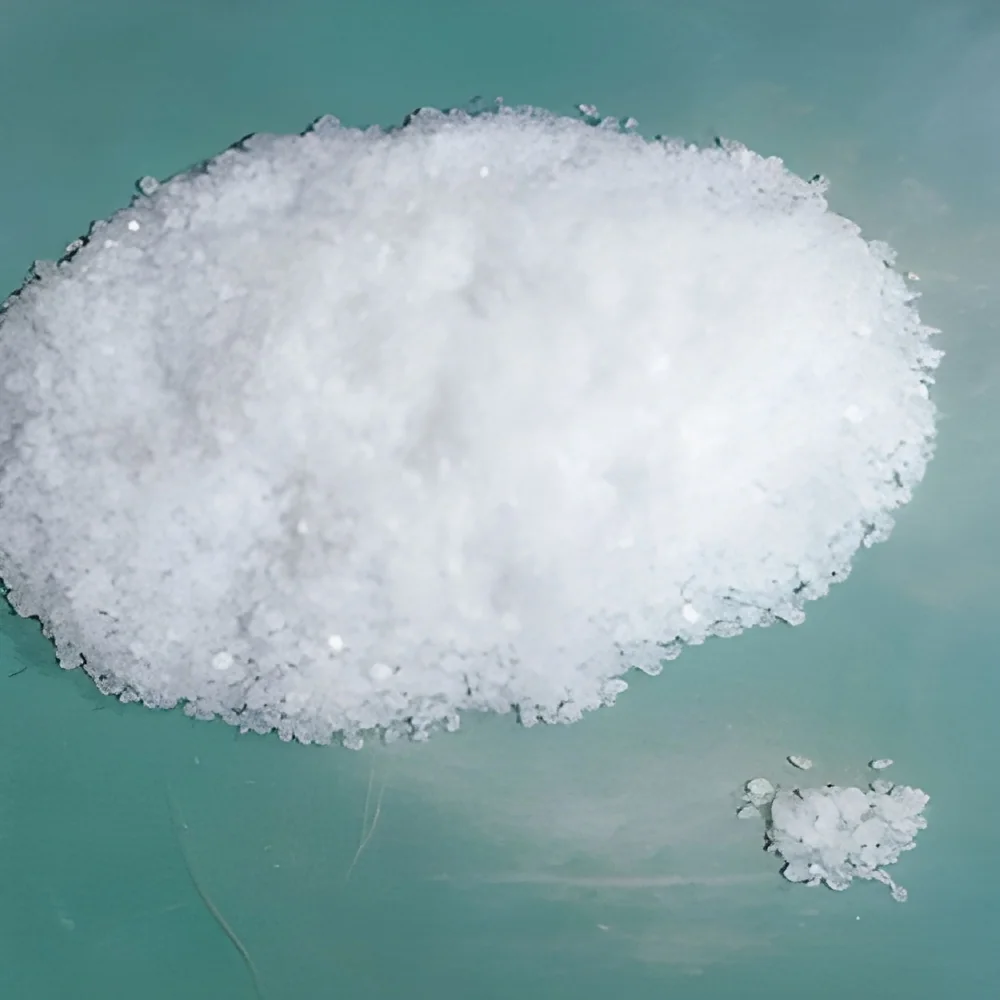
Waxes, including beeswax and carnauba wax, are natural substances that are solid at room temperature and melt when heated. They are derived from various sources, such as plants, insects, and synthetic processes. Beeswax is produced by honeybees and is known for its natural and eco-friendly properties. Carnauba wax comes from the leaves of the Brazilian palm tree and is prized for its high melting point and glossy finish.
These waxes have a wide range of applications across various industries. They are commonly used in cosmetics, food packaging, pharmaceuticals, and industrial coatings. In cosmetics, for example, beeswax acts as a natural emulsifier and thickening agent, while carnauba wax provides a durable and glossy finish to products like lip balms and lotions. The relevance of these waxes in industry is significant, as they contribute to product performance and sustainability, aligning with current market trends that favor eco-friendly materials.
𝗞𝗲𝘆 𝗙𝗲𝗮𝘁𝘂𝗿𝗲𝘀 𝗮𝗻𝗱 𝗦𝗽𝗲𝗰𝗶𝗳𝗶𝗰𝗮𝘁𝗶𝗼𝗻𝘀
When evaluating waxes, it is essential to consider various features and specifications that determine their suitability for different applications.
Key specifications include:
1. Melting Point
- The temperature at which the wax transitions from solid to liquid.
- Common ranges are between 60°C to 90°C for beeswax and 80°C to 90°C for carnauba wax.
2. Purity Level
- Indicates the percentage of the wax that is pure versus impurities.
- High-quality waxes often have purity levels above 95%.
3. Color
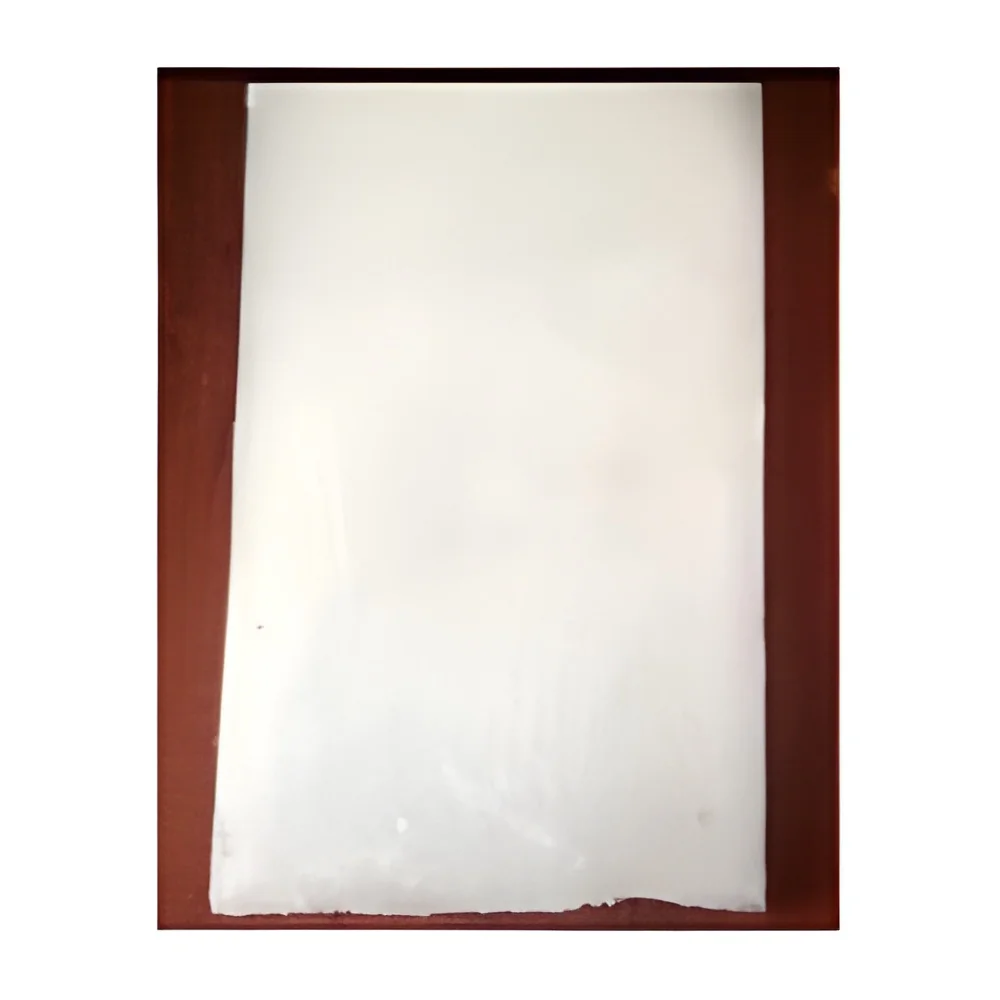
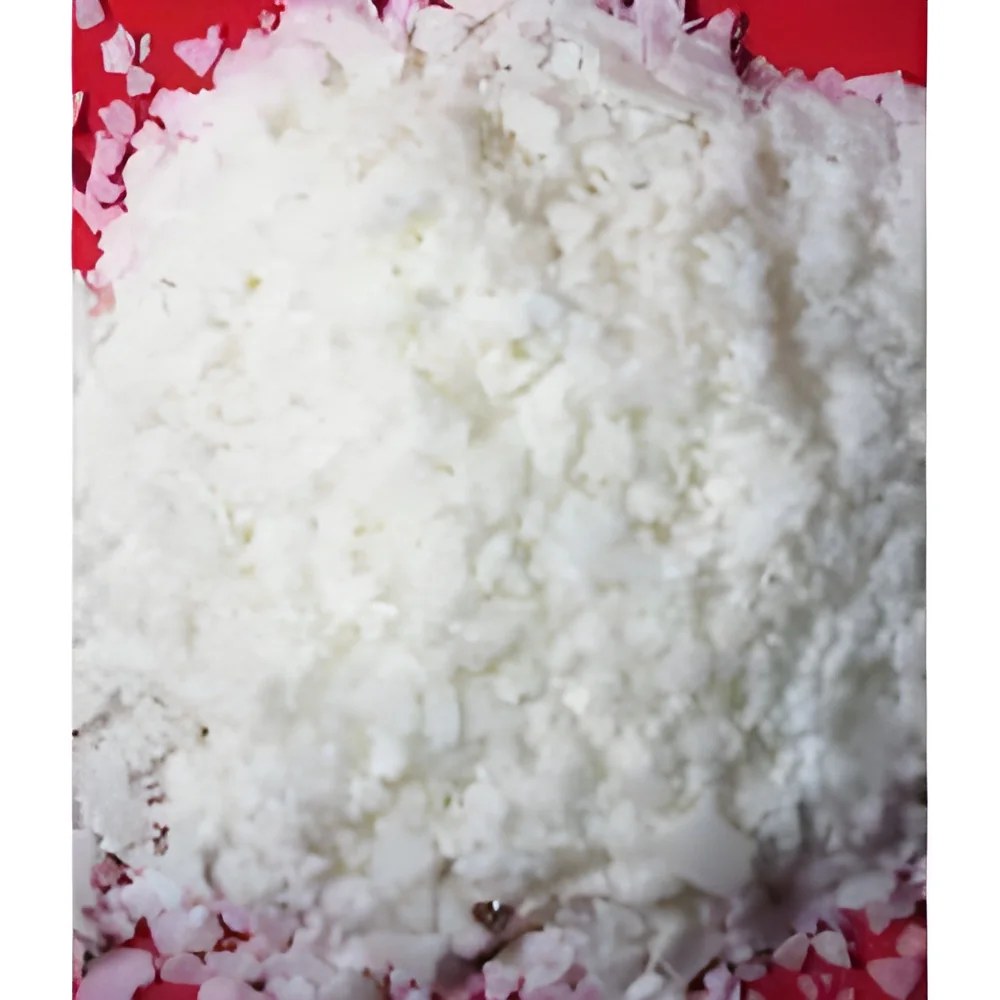
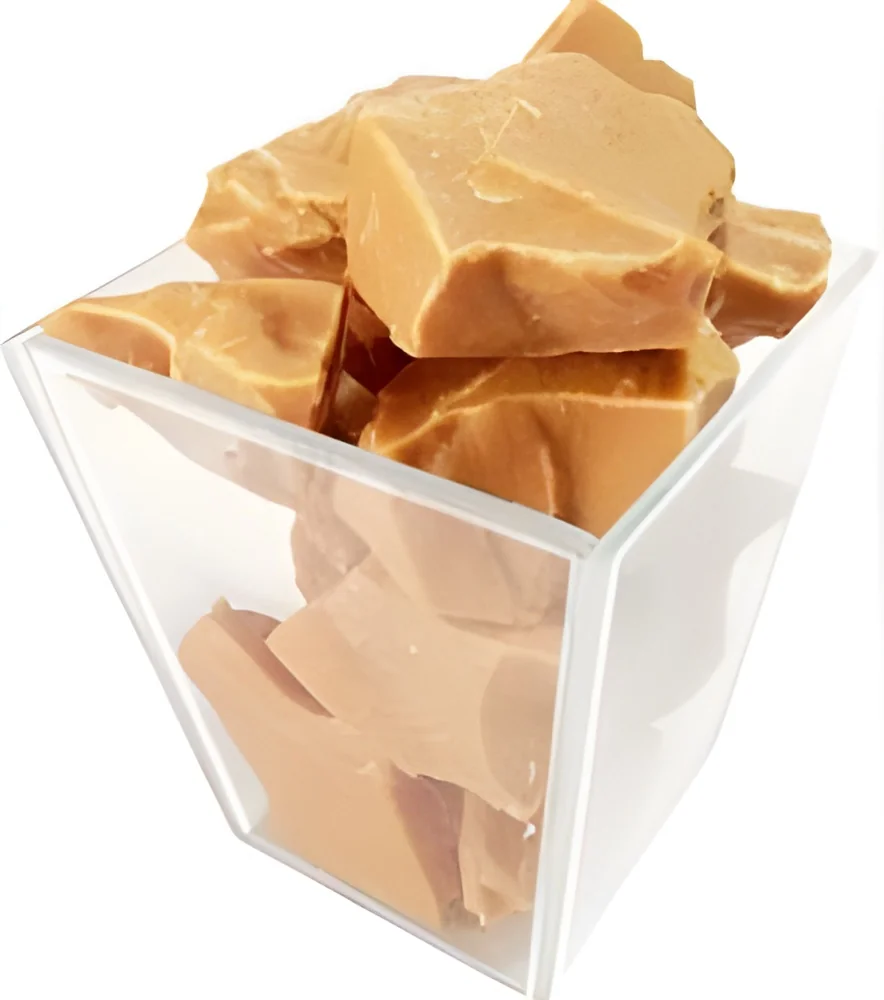
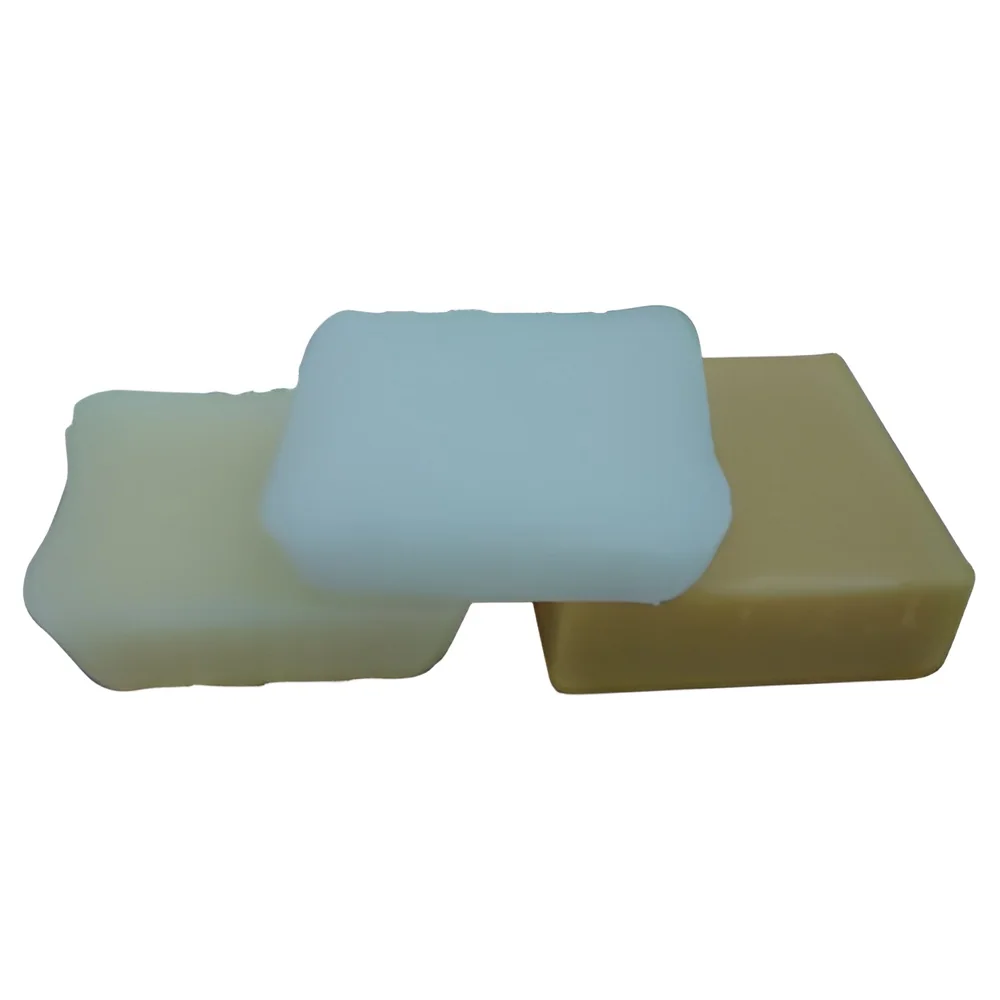
- Waxes can range from yellow to white, affecting their aesthetic appeal.
- Color may also impact applications in cosmetics and food products.
4. Odor
- Waxes may have a characteristic scent or be odorless.
- Odor profile can influence their use in personal care products.
5. Hardness
- Hardness affects the wax's application, particularly in cosmetics and coatings.
- It is measured on a scale where harder waxes are more suitable for durable finishes.
6. Solubility
- Refers to the ability of wax to dissolve in various solvents.
- Important for formulating products in the cosmetics and pharmaceutical industries.
7. Shelf Life
- The duration for which the wax maintains its properties without degradation.
- Typically ranges from 2 to 5 years under proper storage conditions.
8. Source
- Natural versus synthetic sources can impact the marketability and sustainability of the wax.
- Natural waxes are often preferred in eco-conscious applications.
In summary, understanding these specifications helps businesses select the right waxes for their specific needs.
𝗖𝗼𝗺𝗺𝗼𝗻 𝗔𝗽𝗽𝗹𝗶𝗰𝗮𝘁𝗶𝗼𝗻𝘀 𝗮𝗻𝗱 𝗨𝘀𝗲 𝗖𝗮𝘀𝗲𝘀
Waxes play a vital role in numerous industries, offering diverse applications.
1. Cosmetics: Waxes are widely used in lip balms, lotions, and creams, providing texture and stability while enhancing the product's aesthetic appeal.
2. Food Packaging: Waxes are employed to create moisture barriers in packaging materials, ensuring food freshness and extending shelf life.
3. Pharmaceuticals: In the pharmaceutical sector, waxes are used in coatings for tablets and capsules, improving stability and patient compliance.
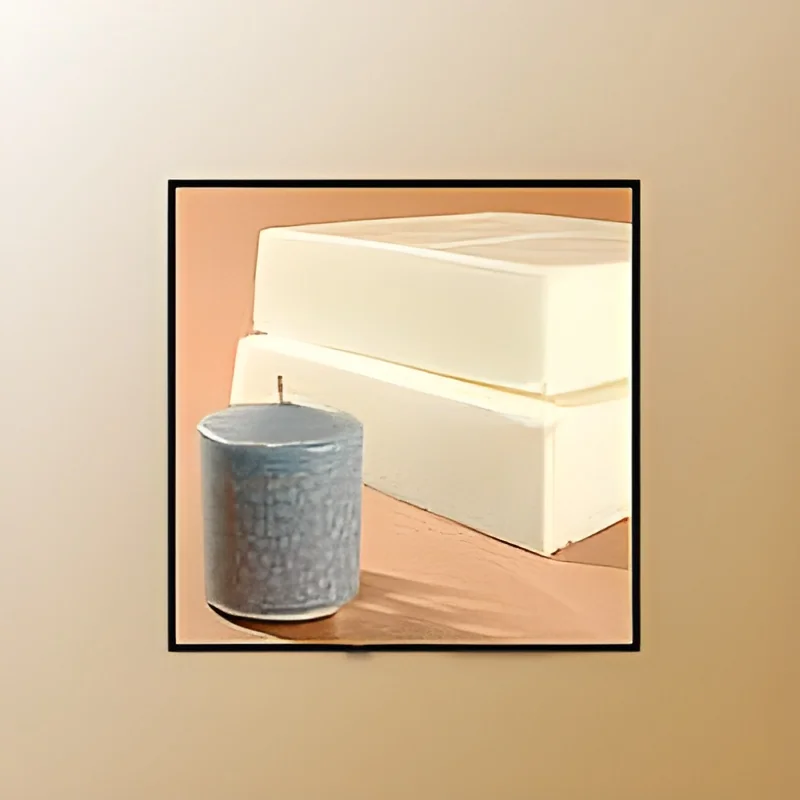
4. Candle Making: Waxes serve as the primary material for candles, with beeswax and paraffin being popular choices for their burn properties.
5. Automotive: Waxes are used in finishes and polishes, providing a protective layer and enhancing the appearance of vehicles.
6. Wood Finishing: Waxes offer a protective coating for wooden surfaces, enhancing durability and aesthetics.
7. Crafting and Art: Artists and crafters utilize waxes for various purposes, including encaustic painting and as a bonding agent in mixed media.
𝗣𝗿𝗼𝗱𝘂𝗰𝘁 𝗩𝗮𝗿𝗶𝗮𝗻𝘁𝘀 𝗮𝗻𝗱 𝗦𝘂𝗯𝗰𝗮𝘁𝗲𝗴𝗼𝗿𝗶𝗲𝘀
Waxes are available in various forms, each tailored for specific applications and performance characteristics.
Beeswax
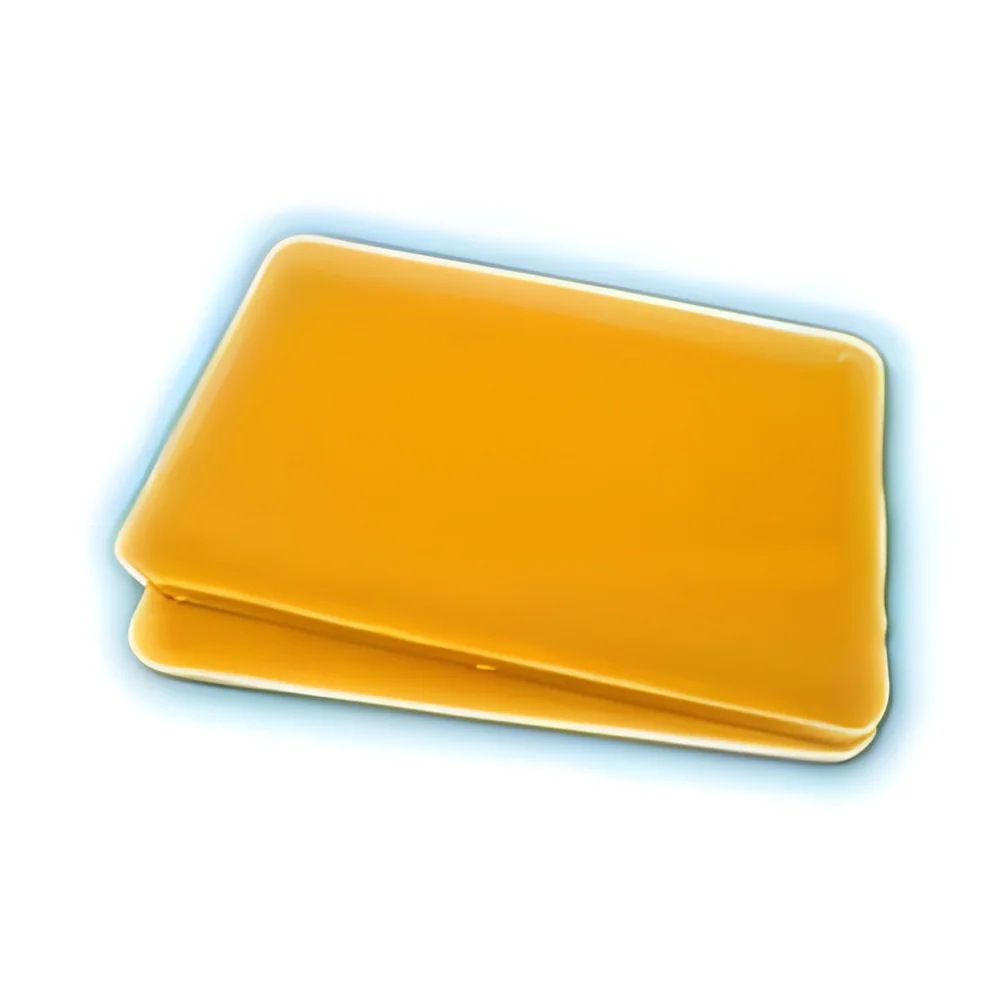
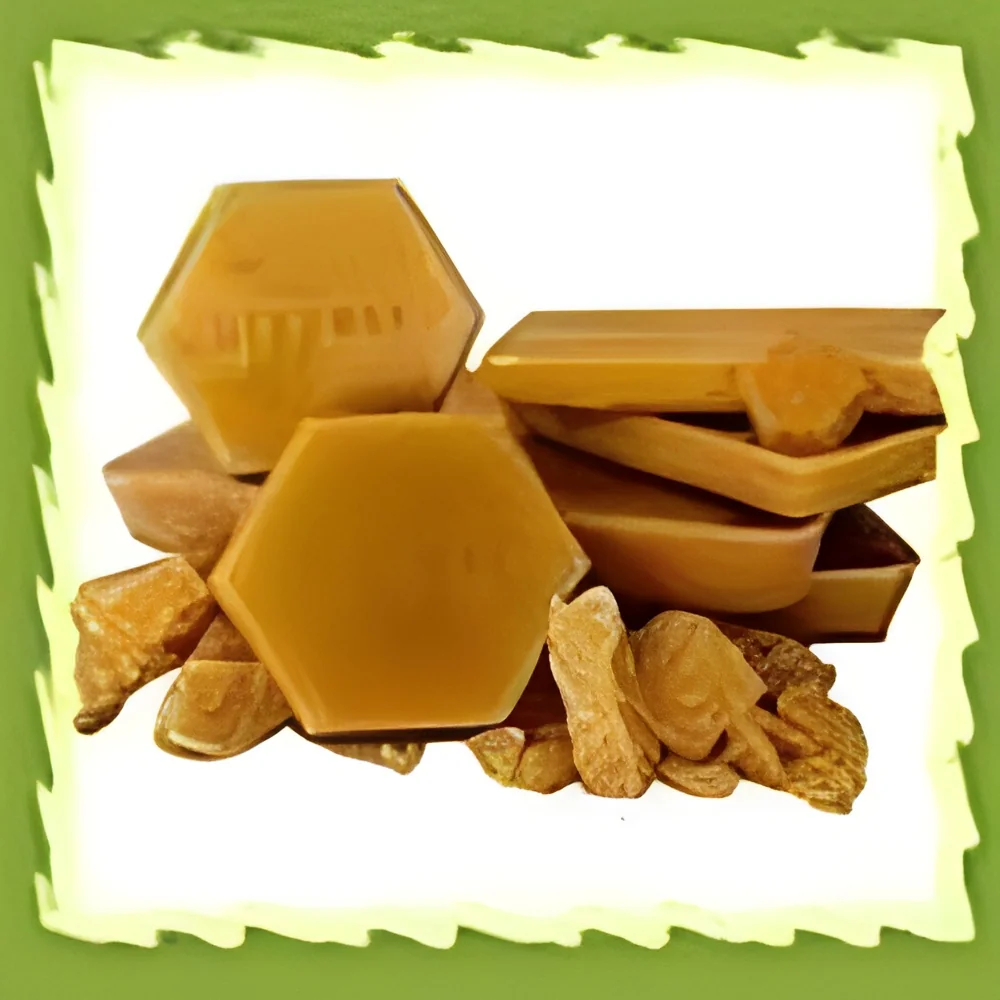
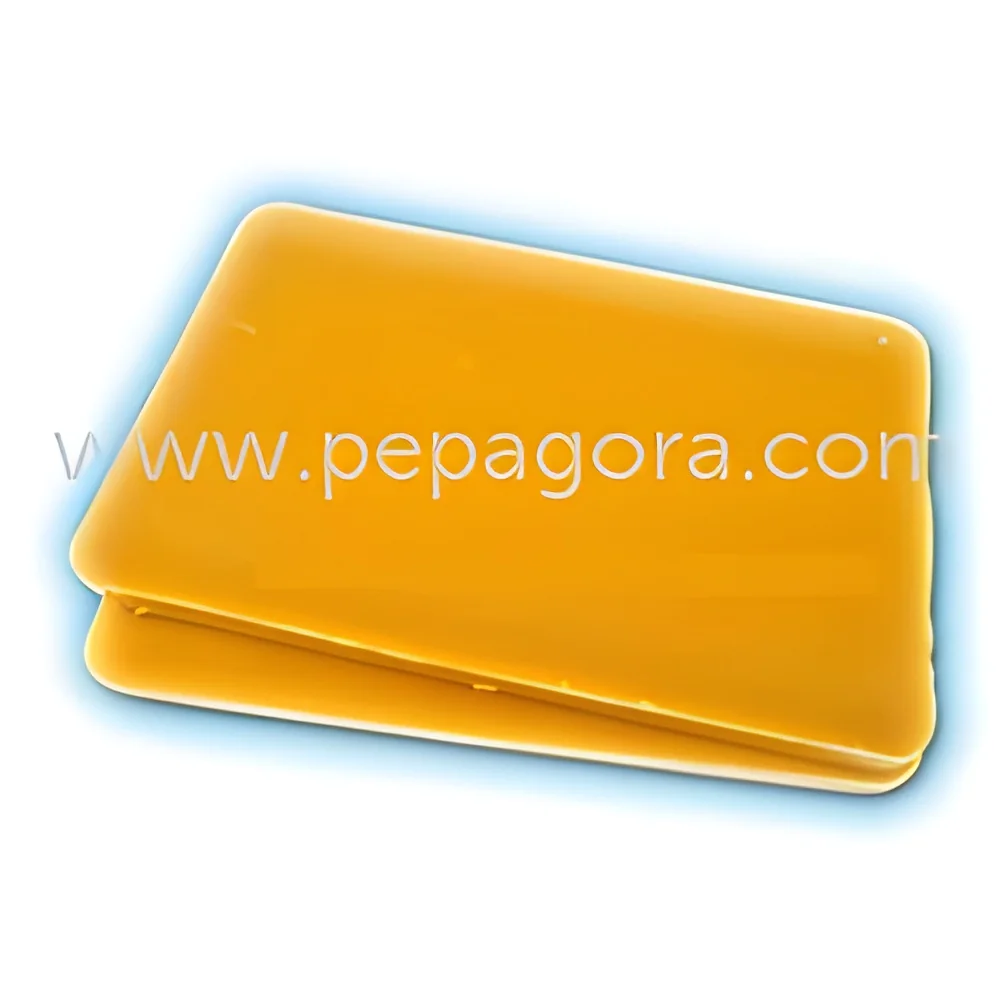
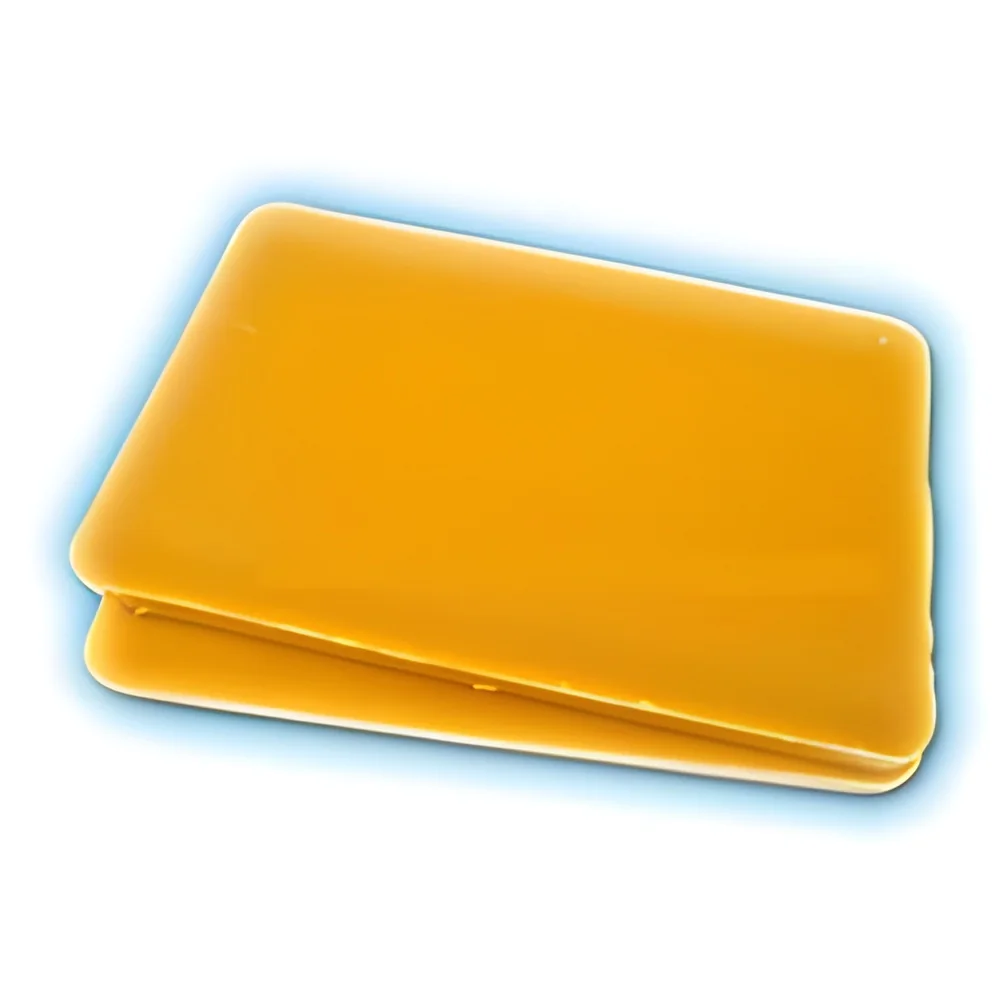
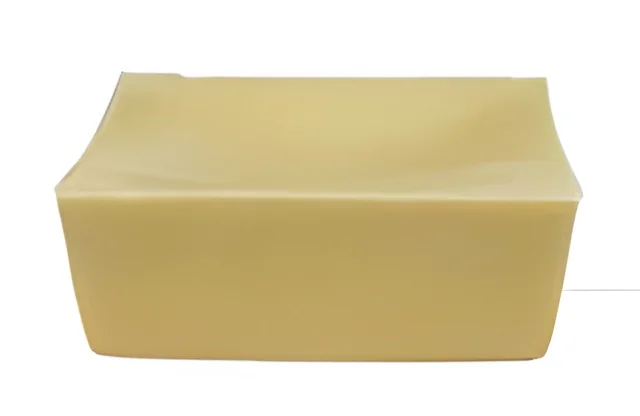
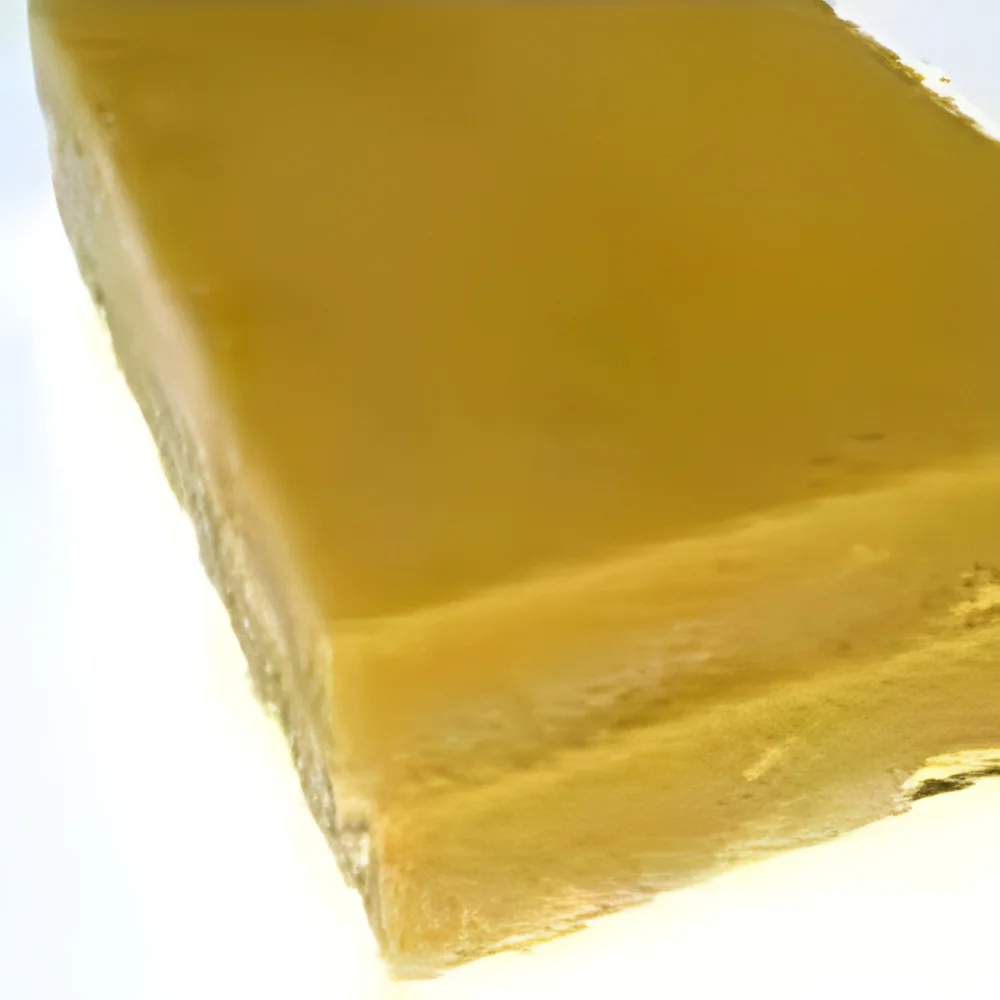
Beeswax is a natural wax produced by honeybees. It is known for its excellent emulsifying properties and is commonly used in cosmetics, food wraps, and candles. Its natural origin makes it a popular choice for eco-friendly products.
Carnauba Wax
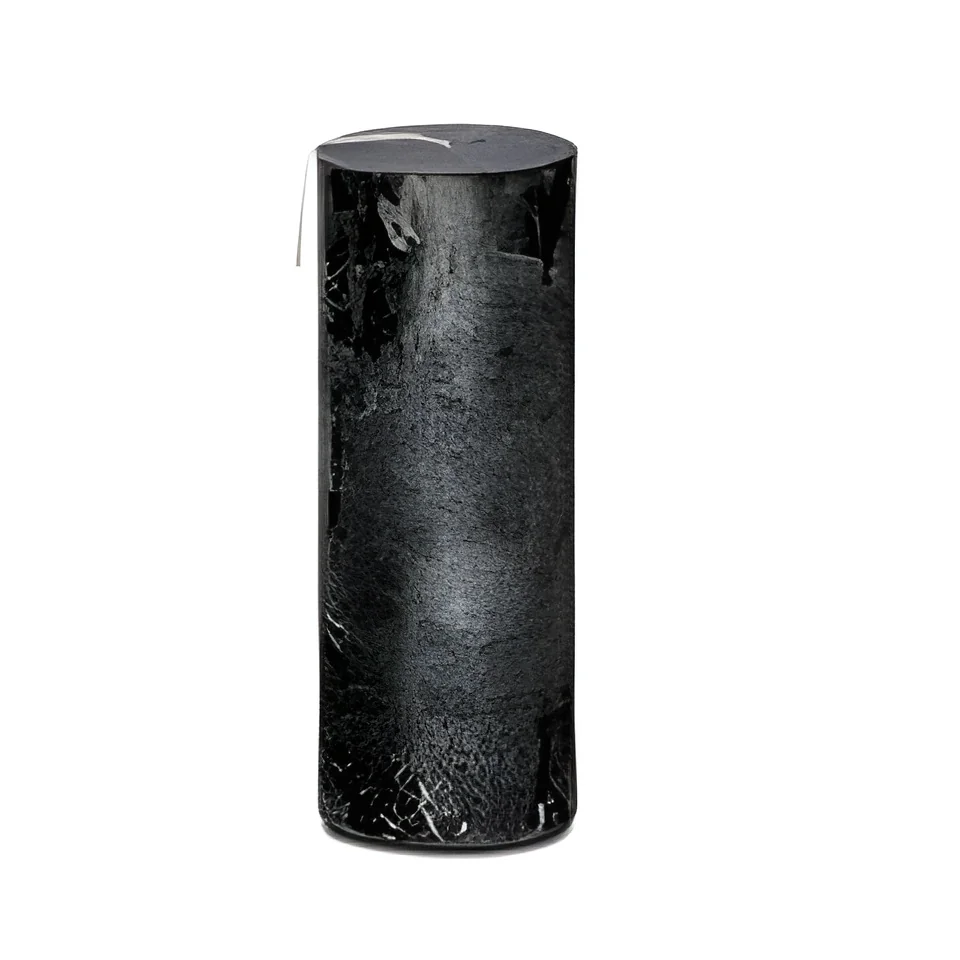
Carnauba wax is sourced from the leaves of the carnauba palm. It is valued for its hardness and high melting point, making it ideal for coatings and polishes. Carnauba wax is often used in cosmetics, automotive products, and food gloss finishes.
Paraffin Wax
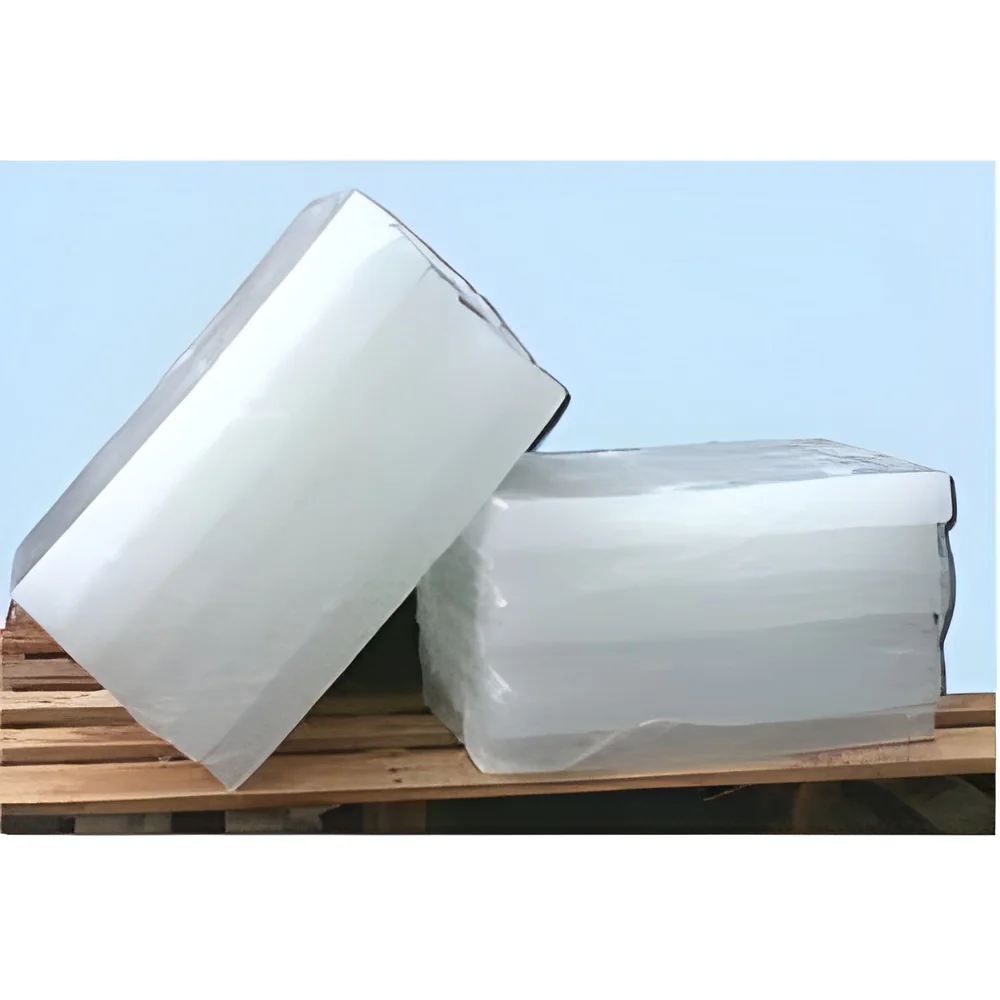
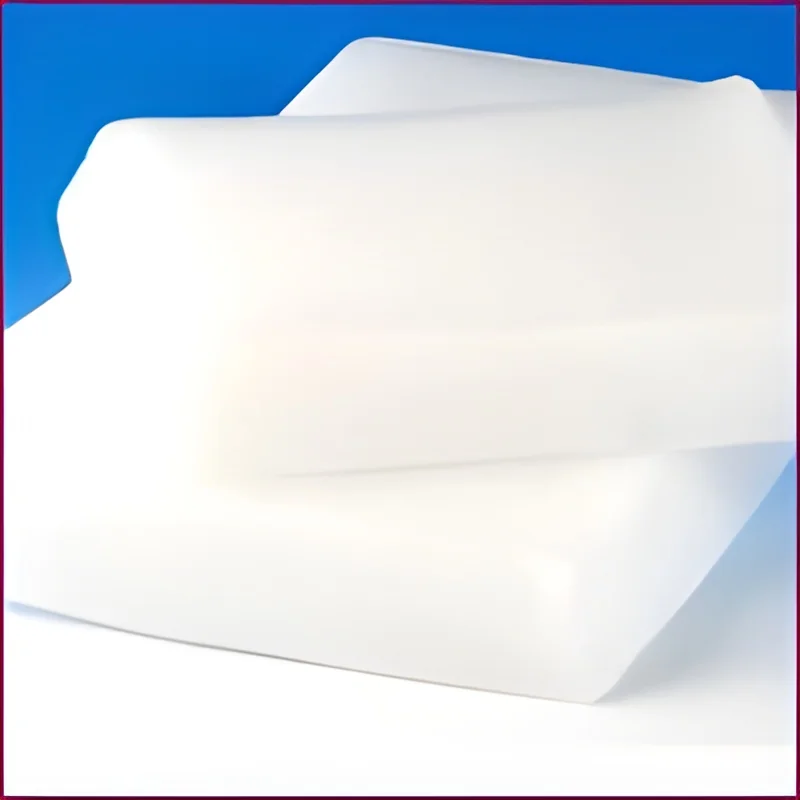
Paraffin wax is a petroleum-based wax that is widely used in candle making, packaging, and coatings. It is known for its low cost and availability, making it a common choice for industrial applications.
Soy Wax
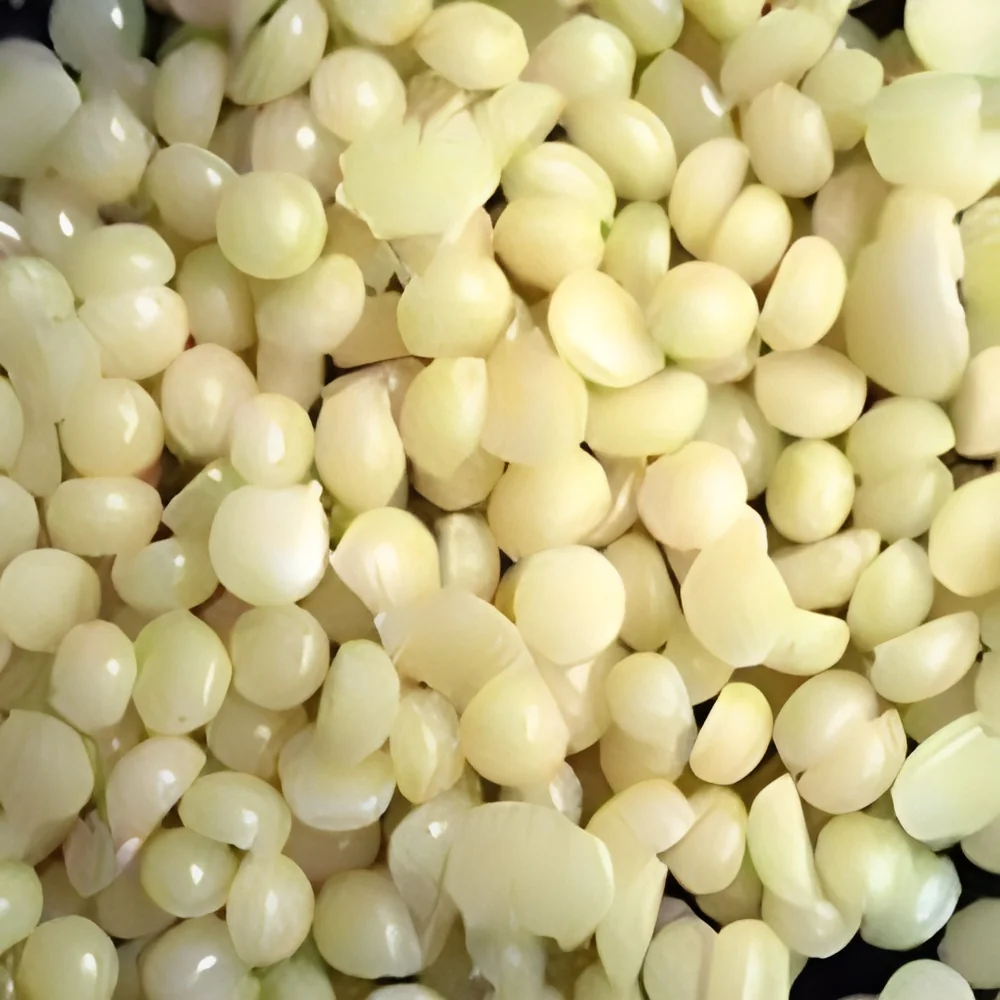
Soy wax is derived from soybeans and is often used as an eco-friendly alternative to paraffin wax in candle making. It burns cleanly and has a lower melting point, making it suitable for various candle designs.
𝗕𝗲𝗻𝗲𝗳𝗶𝘁𝘀 𝗮𝗻𝗱 𝗔𝗱𝘃𝗮𝗻𝘁𝗮𝗴𝗲𝘀
Waxes offer numerous advantages that make them essential in various applications.
1. Natural Composition: Many waxes, such as beeswax and carnauba wax, are sourced from natural materials, appealing to consumers seeking eco-friendly products.
2. Versatility: Waxes can be used across multiple industries, from cosmetics to food packaging, making them a versatile choice for manufacturers.
3. Excellent Emulsifying Properties: Waxes serve as effective emulsifiers, helping to stabilize formulations in creams and lotions.
4. Durability: Waxes provide a protective barrier in coatings and finishes, enhancing product lifespan and performance.
5. Aesthetic Appeal: Waxes contribute to the look and feel of products, offering glossy finishes that enhance consumer appeal.
6. Biodegradability: Natural waxes are biodegradable, aligning with sustainability goals and reducing environmental impact.
𝗕𝘂𝘆𝗶𝗻𝗴 𝗚𝘂𝗶𝗱𝗲 𝗳𝗼𝗿 𝗕𝟮𝗕 𝗕𝘂𝘆𝗲𝗿𝘀
When sourcing waxes, businesses should consider several key factors to ensure they select the right products for their needs.
1. Quality Assessment: Evaluate the quality of waxes based on purity, melting point, and odor. High-quality waxes are essential for maintaining product integrity and performance.
2. Supplier Verification: Conduct thorough vetting of suppliers to ensure they meet industry standards and provide reliable products. This includes checking certifications and customer reviews.
3. Pricing and MOQ: Understand the pricing structure and minimum order quantities (MOQ) required by suppliers. Factors such as bulk purchasing can influence overall costs.
4. Delivery and Lead Times: Assess the logistics of delivery and lead times to ensure timely receipt of products. This is crucial for maintaining production schedules.
5. Compliance Requirements: Ensure that the waxes meet relevant regulatory standards and certifications, such as CE marking, to avoid compliance issues and ensure safety.
𝗖𝗼𝗺𝗽𝗹𝗶𝗮𝗻𝗰𝗲 𝗮𝗻𝗱 𝗖𝗲𝗿𝘁𝗶𝗳𝗶𝗰𝗮𝘁𝗶𝗼𝗻𝘀
Waxes must adhere to various quality standards and certifications to ensure their safety and efficacy in application.
ISO 9001 is a quality management standard that emphasizes consistent quality in products, including waxes. Compliance with this standard indicates that the manufacturer has a robust quality management system in place.
HACCP (Hazard Analysis Critical Control Point) certification is essential for waxes used in food applications, ensuring that they do not pose health risks during production or use.
CE certification is crucial for products intended for the European market, indicating that the wax meets safety and health requirements.
Additionally, safety and testing requirements may vary by region and application. Manufacturers must ensure that their waxes comply with local regulations, particularly in the cosmetics and food industries.
Why Source Waxes (Beeswax, Carnauba Wax, etc.) from Pepagora?
Pepagora provides a trusted platform for sourcing waxes, offering several key advantages to businesses.
Verified Supplier Network: Pepagora ensures that all suppliers are thoroughly vetted, providing buyers with confidence in the quality of the products they purchase. This network helps businesses find reliable sources for their wax needs.
Streamlined RFQ Process: The Request for Quotation (RFQ) process on Pepagora is designed to be user-friendly, allowing businesses to easily request quotes from multiple suppliers. This efficiency saves time and helps buyers compare options quickly.
Trade Assurance and Support: Pepagora offers trade assurance, protecting buyers from potential risks. The platform provides support throughout the buying process, ensuring that businesses can make informed decisions.
Regional Coverage: Pepagora has a wide geographic reach, serving markets in India, the GCC, and Southeast Asia. This coverage allows businesses to access a diverse range of suppliers and products tailored to their regional needs.