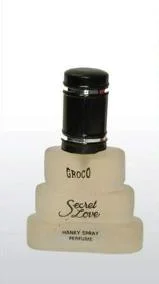
What are Fragrances & Perfumes?
Fragrances and perfumes are complex mixtures of aromatic compounds used to impart pleasant scents to various products and environments. They are crafted from a blend of essential oils, aroma chemicals, and solvents, which together create unique olfactory experiences. These products come in various forms, including sprays, oils, and solid formulations, catering to a wide range of preferences and applications.
The primary uses of fragrances and perfumes extend beyond personal care products, encompassing sectors such as cosmetics, household goods, and industrial applications. Industries utilize these scents to enhance product appeal, create brand identity, and influence consumer behavior. In the business context, fragrances are integral in creating atmospheres in retail spaces and hospitality environments, thereby driving customer engagement and satisfaction.
The fragrance industry is significant within the global market, characterized by a growing demand for innovative and sustainable scent solutions. As consumer preferences evolve towards natural and eco-friendly products, businesses are increasingly focusing on sourcing high-quality fragrances that meet these new expectations. This trend highlights the importance of understanding market dynamics and consumer insights for companies operating in this space.
Key Features and Specifications
Fragrances and perfumes are defined by various features and specifications that determine their quality and usability. Understanding these specifications can help businesses select the right products for their needs.
Key specifications include:
1. Scent Profile
- Describes the specific notes and characteristics of the fragrance.
- Includes top, middle, and base notes that contribute to the overall scent experience.
2. Concentration Levels
- Indicates the strength of the fragrance, typically categorized as parfum, eau de parfum, eau de toilette, or eau de cologne.
- Higher concentrations usually imply longer-lasting scents.
3. Longevity
- Refers to how long the fragrance lasts once applied.
- Factors affecting longevity include formulation and skin chemistry.
4. Compatibility
- Ensures the fragrance works well with other products, such as lotions and hair care items.
- Important for brands developing multi-product lines.
5. Packaging Options
- Available in various forms such as spray bottles, roll-ons, and refillable options.
- Packaging affects user experience and sustainability.
6. Regulatory Compliance
- Must meet industry standards and regulations for safety and labeling.
- Essential for market acceptance and brand reputation.
7. Customization Options
- Some suppliers offer tailored fragrances to meet specific client needs.
- Customization can enhance brand uniqueness.
In summary, selecting fragrances and perfumes involves understanding these features and specifications to ensure suitability for various applications.
Common Applications and Use Cases
Fragrances and perfumes have diverse applications across multiple industries.
1. Cosmetics: Fragrances are widely used in skincare and makeup products to enhance sensory appeal and consumer experience.
2. Household Products: Scented candles, air fresheners, and laundry detergents utilize fragrances to create a pleasant environment at home.
3. Personal Care: The fragrance industry plays a crucial role in developing deodorants, shampoos, and body washes, making them more appealing to consumers.
4. Food and Beverage: Flavoring agents in food items often incorporate fragrances, ensuring a pleasant aroma that complements the taste.
5. Hospitality: Hotels and restaurants use signature scents to create a welcoming atmosphere, enhancing guest experiences.
6. Automotive: Fragrances are employed in car air fresheners, contributing to a more enjoyable driving experience.
7. Pharmaceuticals: Some medications incorporate fragrances to mask unpleasant odors, improving patient compliance.
Product Variants and Subcategories
Fragrances and perfumes come in a variety of forms, catering to different preferences and uses.
Eau de Parfum
This variant offers a higher concentration of fragrance oils, typically ranging from 15% to 20%. It provides a longer-lasting scent, ideal for evening wear or special occasions.
Eau de Toilette
With a concentration of around 5% to 15%, eau de toilette is lighter and more suitable for everyday use. It is often favored for its refreshing quality.
Perfume Oil
A concentrated oil form, perfume oil contains no alcohol, making it ideal for individuals with sensitive skin. It offers a more intense scent experience.
Cologne
Cologne generally has a lower concentration of fragrance oils, around 2% to 4%. It is refreshing and often used for a light scent during casual occasions.
Solid Perfume
This variant comes in a balm-like form, making it easy to apply on the go. It is compact and travel-friendly, appealing to consumers seeking convenience.
Benefits and Advantages
Choosing high-quality fragrances and perfumes offers several advantages for businesses.
1. Enhanced Brand Identity: Unique fragrances can help businesses differentiate their products, fostering strong brand recognition.
2. Improved Customer Experience: Pleasant scents contribute to positive customer experiences, leading to repeat purchases and brand loyalty.
3. Versatility: Fragrances can be tailored for various applications, allowing businesses to use them across multiple product lines.
4. Emotional Connection: Scents have a powerful impact on emotions, helping to create memorable experiences for customers.
5. Market Trends: Aligning fragrance offerings with current consumer preferences can position businesses favorably in a competitive market.
6. Increased Sales: Well-chosen fragrances often lead to higher sales, as consumers are drawn to products with appealing scents.
Buying Guide for B2B Buyers
When sourcing fragrances and perfumes, businesses should consider several critical factors to ensure successful procurement.
1. Quality Assessment: Evaluate the quality of fragrances by requesting samples and reviewing ingredient lists. Look for reputable suppliers known for maintaining high standards.
2. Supplier Verification: Vet suppliers through background checks and customer testimonials. Ensure they have a track record of reliability and quality.
3. Pricing and MOQ: Understand the pricing structures and minimum order quantities. This information is essential for budgeting and inventory planning.
4. Delivery and Lead Times: Inquire about delivery times and logistics to ensure timely receipt of products. Consider suppliers with efficient shipping processes.
5. Compliance Requirements: Verify that fragrances meet necessary regulatory standards and certifications. Compliance is crucial for market entry and consumer safety.
Compliance and Certifications
Fragrances and perfumes must adhere to specific quality standards and regulations to ensure safety and efficacy.
Relevant quality standards include ISO 9001, which sets out criteria for quality management systems, and HACCP, which focuses on food safety management. These standards help businesses maintain consistency and reliability in their products.
Industry certifications, such as CE marking, indicate that a product meets European safety, health, and environmental protection requirements. Obtaining these certifications can enhance market acceptance and consumer trust.
Safety and testing requirements are essential for assessing the potential risks associated with fragrance ingredients. This includes allergen testing to ensure consumer safety.
Regional compliance considerations may vary depending on local regulations. Businesses should be aware of specific requirements in their target markets to avoid legal complications.
Why Source Fragrances & Perfumes from Pepagora?
Pepagora provides a trusted platform for sourcing fragrances and perfumes, offering several key advantages to businesses.
Verified Supplier Network: Pepagora connects buyers with a network of verified suppliers who meet rigorous quality and safety standards. This ensures reliable sourcing and peace of mind.
Streamlined RFQ Process: The platform features an efficient request for quotation system, allowing buyers to easily compare offerings from multiple suppliers and select the best options.
Trade Assurance and Support: Pepagora offers buyer protection through trade assurance, ensuring that transactions are secure and disputes are handled effectively. This support fosters a positive purchasing experience.
Regional Coverage: With a strong presence in India, the GCC, and Southeast Asia, Pepagora facilitates access to a diverse range of fragrances and perfumes from various regions, catering to different market needs.
By leveraging these advantages, businesses can confidently source high-quality fragrances and perfumes tailored to their specific requirements.

 IN
IN