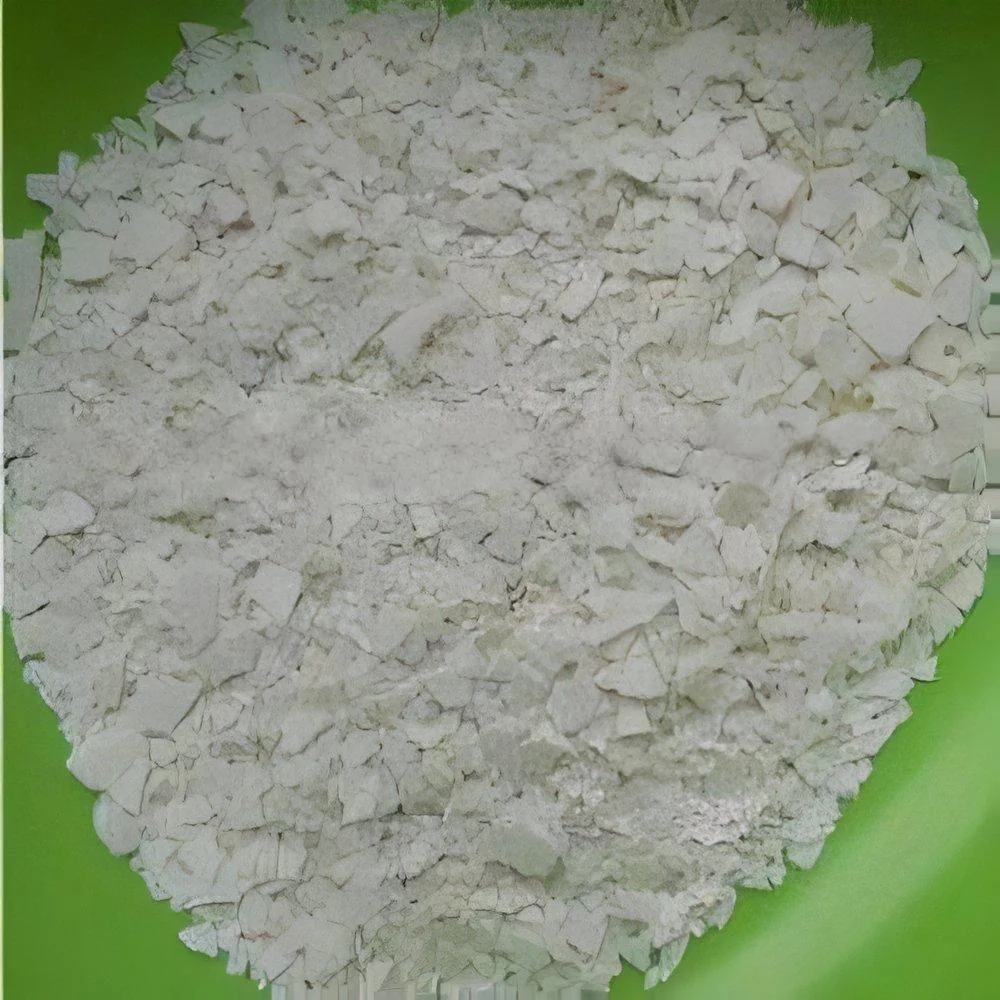
What are Surfactants?
Surfactants, or surface-active agents, are compounds that lower the surface tension between two substances. They possess both hydrophilic (water-attracting) and hydrophobic (water-repelling) properties, allowing them to interact with a variety of materials. This unique characteristic enables surfactants to effectively facilitate the mixing of liquids, such as oil and water, making them essential in various industrial applications.
These versatile agents are widely used across multiple sectors, including cleaning, agriculture, cosmetics, and food processing. In cleaning products, surfactants help remove dirt and grease by allowing water to more effectively wet surfaces. In agriculture, they enhance the effectiveness of pesticides and herbicides by improving their dispersion and absorption. The growing demand for eco-friendly and biodegradable surfactants also reflects the industry's shift toward sustainable practices, which is increasingly relevant in today’s market.
Key Features and Specifications
Surfactants come with a range of features and specifications that make them suitable for various applications. Understanding these specifications is crucial for businesses looking to source the right surfactants for their needs.
Key specifications include:
1. Active Matter Content
- Represents the percentage of surfactant that is effective in reducing surface tension.
- Typical ranges vary from 30% to 80%.
2. pH Level
- Indicates the acidity or alkalinity of the surfactant solution.
- Common pH ranges are between 5 and 8.
3. Solubility
- Refers to how well the surfactant dissolves in water or other solvents.
- Specifications may include both hydrophilic and lipophilic solubility parameters.
4. Foaming Properties
- Describes the ability of a surfactant to produce foam.
- Foaming levels can vary from low to high, depending on the application.
5. Temperature Stability
- Indicates the temperature range within which the surfactant remains effective.
- Stability ranges can vary widely, depending on the formulation.
6. Biodegradability
- Refers to the environmental impact of the surfactant.
- Many surfactants are formulated to be biodegradable within a specific timeframe.
7. Compatibility
- Describes how well a surfactant works with other chemicals or materials.
- Compatibility ranges are important for formulation stability.
8. Viscosity
- Indicates the thickness or flow resistance of a surfactant solution.
- Viscosity can vary based on concentration and formulation.
In summary, understanding the key specifications of surfactants is vital for industries looking to optimize their formulations and applications.
Common Applications and Use Cases
Surfactants are employed in a variety of industries due to their multifunctional properties.
1. Cleaning Products: Surfactants play a key role in household and industrial cleaners, enhancing the effectiveness of detergents and ensuring that surfaces are thoroughly cleaned.
2. Agriculture: They are used as adjuvants in pesticide formulations, improving the spread and absorption of active ingredients on plant surfaces.
3. Personal Care: In cosmetics and personal care products, surfactants are crucial for emulsifying oils and water, contributing to the stability of lotions and creams.
4. Food Industry: Surfactants are utilized as emulsifiers in food processing, helping to blend ingredients and maintain product consistency.
5. Textiles: In textile manufacturing, surfactants are used in dyeing and finishing processes to enhance the penetration of dyes and treatments into fabrics.
6. Oil and Gas: Surfactants improve oil recovery processes by reducing interfacial tension between oil and water, facilitating extraction.
7. Pharmaceuticals: They are included in formulations to enhance the solubility and bioavailability of drugs.
In each of these applications, surfactants provide essential properties that enhance product performance and efficacy.
Product Variants and Subcategories
Surfactants are diverse in terms of composition and functionality, allowing for tailored solutions across industries.
Anionic Surfactants
These surfactants carry a negative charge and are commonly used in cleaning products due to their excellent foaming and emulsifying properties. They are effective at removing dirt and grease, making them ideal for laundry detergents and surface cleaners.
Cationic Surfactants
Cationic surfactants carry a positive charge and are primarily used in fabric softeners and hair conditioners. They provide excellent conditioning properties, improving the feel and manageability of fabrics.
Nonionic Surfactants
These surfactants do not carry any charge and are often used in applications where mildness is essential, such as in personal care products. They are effective at solubilizing oils and are compatible with a wide range of formulations.
Amphoteric Surfactants
Amphoteric surfactants can have both positive and negative charges depending on the pH of the environment. They are versatile and can be used in a variety of applications, including shampoos and body washes, due to their mildness and conditioning properties.
Benefits and Advantages
Surfactants offer several key benefits that make them indispensable in various applications.
1. Enhanced Cleaning Efficiency: Surfactants improve the ability of cleaning products to remove dirt and grime, ensuring thorough cleaning.
2. Improved Formulation Stability: They help maintain the stability of emulsions and suspensions, which is critical in personal care and food products.
3. Versatile Applications: The diverse range of surfactants allows for tailored solutions across multiple industries, enhancing product functionality.
4. Cost-Effectiveness: Surfactants often enhance the performance of products, which can lead to lower overall costs in formulations.
5. Eco-Friendly Options: Many surfactants are now available in biodegradable forms, aligning with sustainable practices and consumer preferences.
6. Safety and Compliance: Surfactants can be formulated to meet various safety standards, ensuring they are suitable for a wide range of applications.
Buying Guide for B2B Buyers
When sourcing surfactants, it is essential for businesses to consider various factors to ensure they make informed purchasing decisions.
1. Quality Assessment: Evaluate the quality of surfactants based on their active matter content, purity, and compliance with industry standards. Ensure that suppliers provide documentation supporting quality claims.
2. Supplier Verification: Vet potential suppliers by checking their credentials, certifications, and track records in the industry. A reliable supplier should have a proven history of delivering consistent quality.
3. Pricing and MOQ: Understand the pricing structure and minimum order quantities (MOQ) offered by suppliers. Compare quotes from multiple suppliers to ensure competitive pricing.
4. Delivery and Lead Times: Consider the logistics of sourcing surfactants, including delivery times and shipping options. Ensure that suppliers can meet your timeline requirements.
5. Compliance Requirements: Check for compliance with relevant regulatory standards and certifications, such as CE marking. This is particularly important in industries like food and pharmaceuticals.
Compliance and Certifications
Surfactants must adhere to various quality and safety standards to ensure their effectiveness and safety in use.
Common quality standards include ISO 9001, which ensures consistent quality management systems, and HACCP, which focuses on food safety. Compliance with Good Distribution Practice (GDP) is also relevant, particularly in the pharmaceutical industry.
Industry certifications, such as CE marking, indicate that a product meets European safety and environmental requirements. These certifications are crucial for gaining consumer trust and ensuring market access.
Safety and testing requirements involve rigorous assessments to evaluate the potential hazards and environmental impact of surfactants. Manufacturers must conduct detailed testing to comply with local and international regulations, ensuring that their products are safe for use.
Regional compliance considerations may vary, requiring businesses to stay updated on specific regulations in their operating regions. This includes understanding local environmental laws and product safety requirements.
Why Source Surfactants from Pepagora?
Pepagora provides a trusted platform for sourcing surfactants, offering several key advantages to B2B buyers.
Verified Supplier Network: Pepagora features a network of verified suppliers, ensuring that buyers can source high-quality surfactants from reputable manufacturers. This reduces the risk of procurement issues and enhances supply chain reliability.
Streamlined RFQ Process: The platform simplifies the request for quotation (RFQ) process, allowing buyers to easily compare offers from multiple suppliers. This efficiency helps buyers make informed decisions quickly.
Trade Assurance and Support: Pepagora offers trade assurance and support for buyers, providing protection against potential disputes and ensuring that transactions are secure. This level of support fosters trust and confidence in the sourcing process.
Regional Coverage: With a strong presence in India, the GCC, and Southeast Asia, Pepagora enables buyers to access a diverse range of surfactants while benefiting from local supplier networks. This geographic reach enhances accessibility and responsiveness to market needs.

 IN
IN