What are Colorants & Pigments?
Colorants and pigments are essential materials used to impart color to a variety of products across different industries. Colorants typically refer to soluble substances that can mix with other materials, while pigments are insoluble and provide color through dispersion. Both play a crucial role in enhancing the aesthetic appeal and functionality of products, ranging from paints and coatings to plastics and textiles.
These materials are used extensively in manufacturing, construction, food and beverage, cosmetics, and personal care products. In each of these sectors, the choice of colorants and pigments can affect product quality, visual appeal, and consumer satisfaction. For instance, in the food industry, colorants are used to enhance the visual appeal of products, while in the paint industry, pigments are crucial for durability and coverage.
The market for colorants and pigments is continuously evolving, driven by innovations in formulation and application techniques. As industries demand more sustainable and non-toxic options, the relevance of advanced colorants and pigments is increasing. Companies are now focused on developing eco-friendly alternatives that meet regulatory standards while providing high-performance characteristics.
Key Features and Specifications
Colorants and pigments possess a variety of features that cater to their specific applications. Understanding the specifications is essential for selecting the right product for your business needs.
Key specifications include:
1. Colorfastness
- The ability of a colorant or pigment to maintain its color over time when exposed to various conditions.
- Typically rated on a scale from 1 to 5, with 5 being the highest level of resistance.
2. Particle Size
- The size of pigment particles can influence the opacity, color strength, and dispersion.
- Generally measured in microns, with smaller sizes providing better performance in certain applications.
3. Solubility
- Indicates whether a colorant can dissolve in a solvent, which affects its application.
- Important for industries like food and cosmetics where solubility is crucial for blending.
4. Lightfastness
- The resistance of a colorant or pigment to fading when exposed to light.
- Usually categorized as low, medium, or high, depending on the application requirements.
5. pH Stability
- The capacity of a colorant or pigment to remain stable under different pH conditions.
- Critical for applications in industries such as textiles and plastics.
6. Toxicity Levels
- Assessment of the safety of colorants and pigments when used in products, especially in food and cosmetics.
- Must comply with relevant safety regulations to ensure consumer safety.
7. Regulatory Compliance
- Adherence to industry standards and regulations, such as CE certification.
- Essential for ensuring that products meet safety and quality benchmarks.
8. Shelf Life
- The duration a colorant or pigment can be stored without losing its effectiveness.
- Varies by product type and storage conditions, impacting inventory management.
In summary, understanding these key features and specifications will help businesses choose the right colorants and pigments suited to their specific applications.
Common Applications and Use Cases
Colorants and pigments are utilized across various industries, each with unique applications.
1. Paints and Coatings: Colorants and pigments enhance the appearance and durability of paints and coatings used in residential, commercial, and industrial applications.
2. Plastics: Colorants are crucial in the plastic manufacturing process, providing desired colors while ensuring stability and performance during production.
3. Textiles: Pigments are used in dyeing fabrics, giving them vibrant colors and improving wash-fastness and lightfastness.
4. Food and Beverages: Colorants enhance the visual appeal of food products, ensuring compliance with health and safety standards.
5. Cosmetics: Colorants provide color to cosmetics and personal care products, requiring strict adherence to safety regulations.
6. Printing Inks: Pigments are essential in producing high-quality printing inks for various media, ensuring color accuracy and longevity.
7. Pharmaceuticals: Colorants are often used in medications to improve identification and branding while meeting regulatory standards.
Product Variants and Subcategories
Colorants and pigments come in various forms, catering to different industry needs.
Liquid Colorants: These are soluble colorants used in applications such as food and beverages, providing easy mixing and consistency in color.
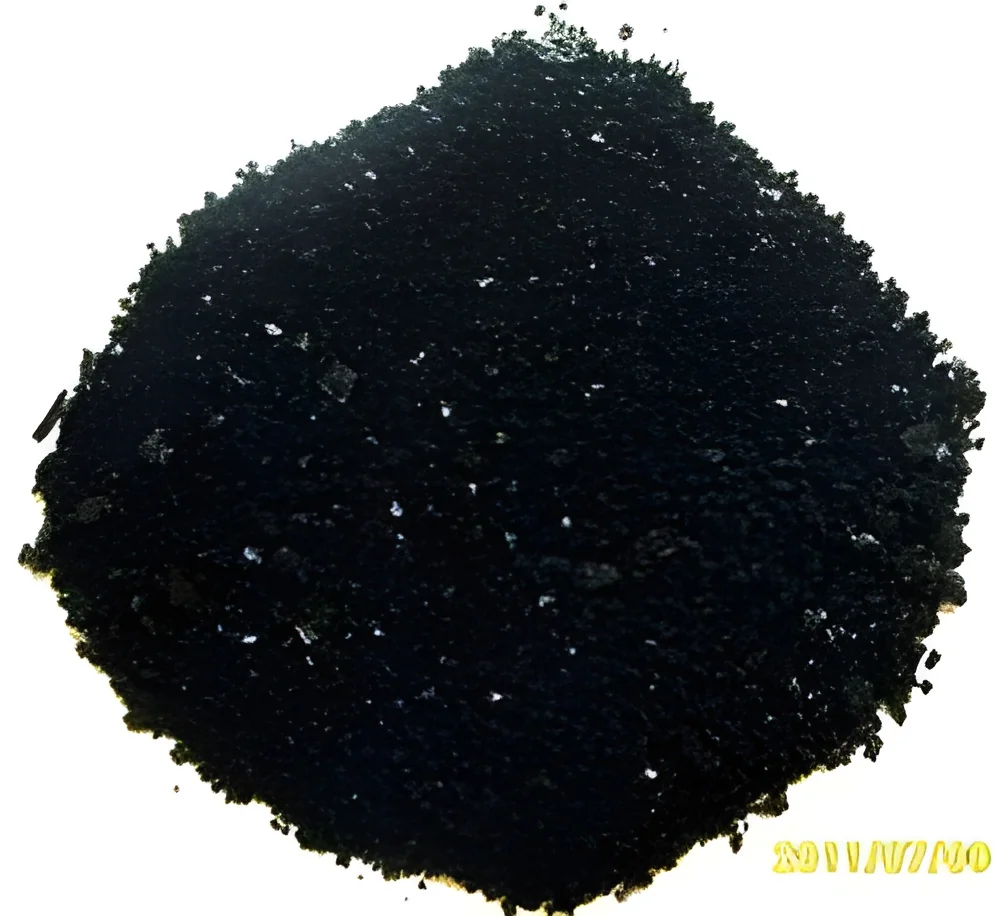
Powdered Pigments: These are used in paints, coatings, and plastics, offering versatility in formulations and a wide range of color options.
Concentrated Colorants: These are highly concentrated solutions ideal for applications requiring vibrant colors with minimal use.
Natural Colorants: Derived from plant or mineral sources, these are increasingly popular for their eco-friendly properties, particularly in food and cosmetics.
Synthetic Pigments: Manufactured through chemical processes, these pigments offer a broad spectrum of colors and superior performance in various applications.
Benefits and Advantages
Colorants and pigments provide numerous benefits that enhance product quality and appeal.
1. Aesthetic Appeal: They improve the visual attractiveness of products, making them more appealing to consumers.
2. Customization: Businesses can create unique color formulations tailored to their branding and product requirements.
3. Durability: High-quality pigments enhance the longevity of colors, reducing the need for frequent reapplication or replacement.
4. Compliance: Many colorants and pigments meet regulatory standards, ensuring safety and quality in end products.
5. Versatility: Available in various forms, colorants and pigments can be used across multiple industries and applications.
6. Improved Performance: Advanced formulations enhance product performance, such as UV resistance and stability, making them ideal for demanding environments.
Buying Guide for B2B Buyers
When sourcing colorants and pigments, several factors should be considered to ensure the right choice for your business.
1. Quality Assessment: Evaluate the quality of colorants and pigments by reviewing supplier certifications, product samples, and performance data.
2. Supplier Verification: Vet suppliers for reliability and reputation in the market. Look for established businesses with a track record of delivering high-quality products.
3. Pricing and MOQ: Understand the pricing structure and minimum order quantities. Negotiate terms that align with your budget and project requirements.
4. Delivery and Lead Times: Consider logistics and supply chain efficiency to ensure timely delivery of products. Factor in lead times when planning production schedules.
5. Compliance Requirements: Ensure that the colorants and pigments meet relevant safety and industry standards to avoid regulatory issues.
Compliance and Certifications
In the production and use of colorants and pigments, compliance with relevant standards is crucial.
ISO 9001 is a quality management standard that ensures consistent quality in manufacturing processes. Many suppliers seek this certification to demonstrate commitment to quality.
HACCP and GDP are important for food-related colorants, ensuring safety in handling and production. Suppliers should provide documentation to confirm adherence to these standards.
CE certification is vital for products sold in Europe, indicating compliance with health, safety, and environmental protection regulations.
Safety and testing requirements must be met to ensure that colorants and pigments are safe for their intended use, particularly in sensitive applications like food and cosmetics.
Regional compliance considerations may vary, so it is essential to understand local regulations when sourcing colorants and pigments.
Why Source Colorants & Pigments from Pepagora?
Pepagora provides a trusted platform for sourcing colorants and pigments, offering several key advantages to buyers.
Verified Supplier Network: Pepagora ensures all suppliers in its network undergo rigorous verification processes, providing buyers with confidence in the quality of products.
Streamlined RFQ Process: The quotation system simplifies the process of obtaining quotes from multiple suppliers, facilitating informed decision-making.
Trade Assurance and Support: Buyers benefit from trade assurance programs designed to protect their purchases, ensuring satisfaction and security in transactions.
Regional Coverage: With a broad geographic reach, including India, the GCC, and Southeast Asia, Pepagora connects buyers with suppliers across diverse markets, enhancing sourcing opportunities.

 IN
IN