What are Humectants?
Humectants are substances that attract and retain moisture from the environment. They play a crucial role in various applications by maintaining optimal humidity levels in both products and environments. Humectants are commonly used in formulations to enhance the moisture content, ensuring that products remain effective and stable over time. This moisture-retaining property makes them essential ingredients across many industries.
The primary uses of humectants include applications in food preservation, cosmetics, pharmaceuticals, and personal care products. In food, they help maintain texture and prevent spoilage. In cosmetics and skincare, they keep products hydrating and beneficial for the skin. The pharmaceutical industry uses humectants to ensure drug stability and efficacy. The market for humectants is expanding as businesses increasingly recognize their importance in enhancing product quality and shelf life, making them a vital component in many formulations.
Key Features and Specifications
Humectants offer a variety of features that can be tailored to meet specific industry needs. Their unique properties make them versatile for numerous applications. When considering humectants, it is important to understand their specifications to ensure they fit the intended use.
Key specifications include:
1. Moisture Retention Capacity
- Describes how much moisture the humectant can attract and hold.
- Technical parameters vary based on the specific humectant used.
2. Solubility
- Indicates the ability to dissolve in water or other solvents.
- Different humectants have varying solubility levels.
3. pH Stability
- Refers to the pH range within which the humectant remains stable.
- Essential for maintaining product integrity.
4. Viscosity
- Measures the thickness of the humectant solution.
- Important for formulations where texture is critical.
5. Compatibility
- Relates to how well the humectant blends with other ingredients.
- Ensures uniformity in formulations.
6. Safety Profile
- Assesses the non-toxicity and safety of the humectant for intended applications.
- Must comply with industry safety standards.
7. Regulatory Compliance
- Indicates adherence to relevant regulations and standards.
- Critical for industries like food and pharmaceuticals.
8. Shelf Life
- Refers to how long the humectant remains effective under storage conditions.
- Varies based on formulation and storage environment.
Humectants are vital components across many sectors, and understanding these specifications is essential for selecting the right product for specific applications.
Common Applications and Use Cases
Humectants are utilized in various industries due to their moisture-retaining properties.
1. Food Industry: Humectants prevent drying and maintain the texture of food products such as baked goods and confectionery. They enhance shelf life and improve the overall quality of food items.
2. Cosmetic Industry: In lotions, creams, and serums, humectants provide hydration and improve skin feel. They are essential for formulating products that aim to moisturize and nourish the skin.
3. Pharmaceutical Industry: Humectants are used in formulations to stabilize active ingredients and enhance the delivery of medications. They ensure the efficacy and longevity of pharmaceutical products.
4. Personal Care Products: In hair conditioner and body wash formulations, humectants help retain moisture, improving the texture and effectiveness of these products.
5. Household Products: Humectants are incorporated into cleaning products and air fresheners to enhance performance by maintaining moisture balance and preventing evaporation.
6. Industrial Applications: In coatings and sealants, humectants help maintain moisture levels, ensuring optimal performance and durability of products.
7. Textiles: In fabric treatments, humectants are used to enhance moisture retention, improving comfort and performance characteristics.
Product Variants and Subcategories
Humectants come in various forms, catering to specific industrial needs and applications.
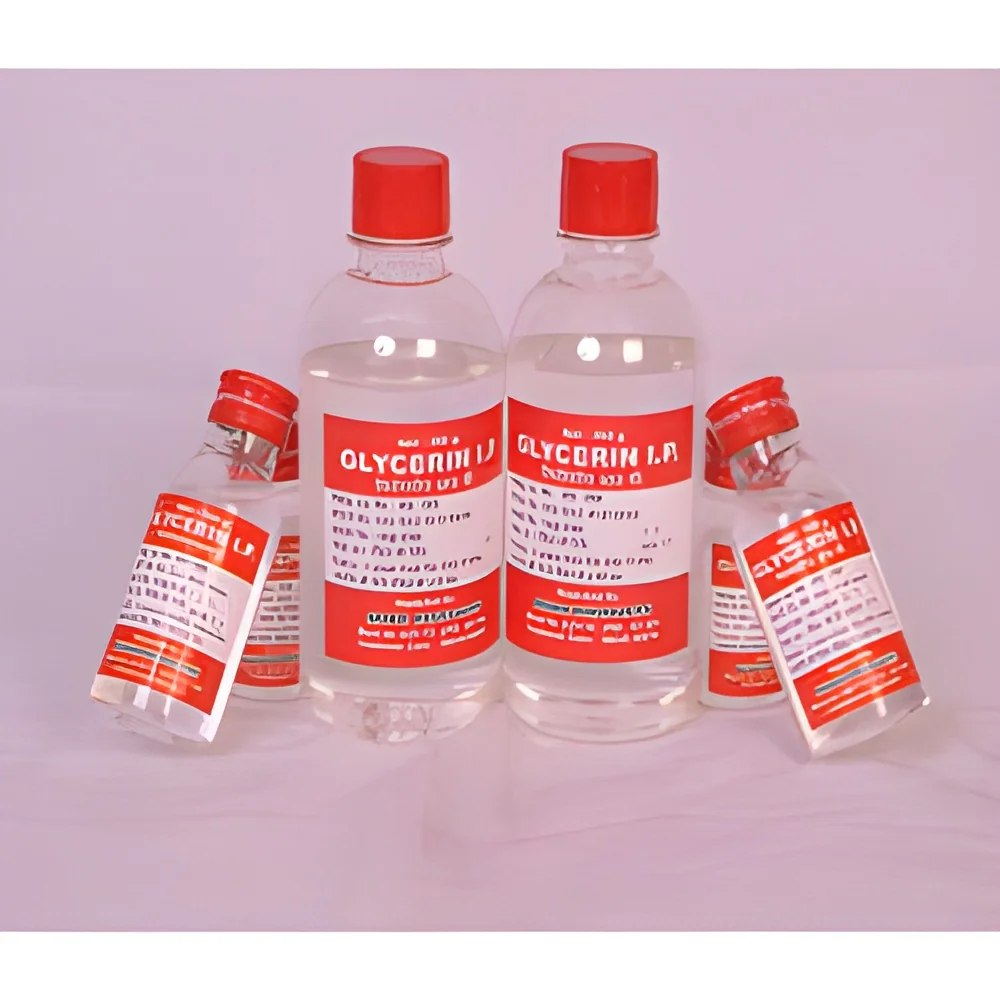
Glycerin
Glycerin is a widely used humectant known for its excellent moisture retention properties. It is commonly found in personal care products, pharmaceuticals, and food formulations. Glycerin is non-toxic, making it suitable for a wide range of applications.
Sorbitol
Sorbitol is another popular humectant that aids in moisture retention and enhances product texture. It is frequently used in food products, cosmetics, and oral care items. Its ability to provide sweetness without calories makes it a preferred choice in many formulations.
Propylene Glycol
Propylene glycol is a versatile humectant that finds applications in food, pharmaceuticals, and cosmetics. It effectively retains moisture and improves the overall stability of formulations, making it a valuable ingredient in many products.
Benefits and Advantages
Humectants provide numerous advantages across various applications, enhancing product quality and effectiveness.
1. Moisture Retention: Humectants attract and retain moisture, improving the longevity and stability of products.
2. Texture Improvement: They enhance the texture and feel of formulations, making them more appealing to consumers.
3. Stabilization: Humectants help stabilize active ingredients in formulations, ensuring consistent performance over time.
4. Versatility: Humectants can be used across multiple industries, providing flexibility in product development.
5. Non-Toxicity: Many humectants are non-toxic and safe for use in food, cosmetics, and pharmaceuticals, ensuring consumer safety.
6. Cost-Effectiveness: By extending shelf life and improving product quality, humectants can reduce waste and enhance profitability.
Buying Guide for B2B Buyers
When sourcing humectants for business applications, several factors should be considered to ensure the best selection.
1. Quality Assessment: Evaluate the quality of humectants based on their specifications and performance in intended applications. Look for suppliers who provide detailed product information and quality assurances.
2. Supplier Verification: It is crucial to vet suppliers for reliability and reputation in the market. Check for certifications and customer reviews to ensure they meet industry standards.
3. Pricing and MOQ: Understand the pricing structure and minimum order quantities required by suppliers. This will help in budgeting and planning for procurement needs.
4. Delivery and Lead Times: Consider logistics and delivery schedules when selecting suppliers. Timely delivery is essential to maintain production schedules and meet customer demands.
5. Compliance Requirements: Ensure that the humectants meet relevant regulatory standards for the specific industry. This is particularly important for food and pharmaceutical applications.
Compliance and Certifications
Humectants must adhere to various quality standards and certifications to ensure safety and effectiveness. Relevant standards include ISO 9001, which ensures quality management practices are followed in production. Other standards such as HACCP and GDP focus on food safety and good distribution practices, respectively.
Industry certifications like CE indicate compliance with European safety standards, providing reassurance to buyers regarding product safety. Safety and testing requirements ensure that humectants are free from harmful substances and suitable for their intended use.
Additionally, regional compliance considerations may vary, necessitating an understanding of local regulations and standards in the markets where the products will be sold.
Why Source Humectants from Pepagora?
Pepagora offers a trusted platform for sourcing humectants, providing several key advantages to buyers in different industries.
Verified Supplier Network: Pepagora features a network of verified suppliers, ensuring that buyers can access high-quality products with confidence. Each supplier undergoes rigorous vetting to guarantee reliability and performance.
Streamlined RFQ Process: The platform simplifies the request for quotation (RFQ) process, allowing buyers to easily compare offerings from multiple suppliers. This efficiency saves time and facilitates informed decision-making.
Trade Assurance and Support: Pepagora provides trade assurance, protecting buyers from potential risks associated with procurement. The support team assists in resolving issues and ensuring smooth transactions.
Regional Coverage: With a strong presence in India, the GCC, and Southeast Asia, Pepagora offers extensive geographic reach. This enables buyers to source humectants that meet their specific regional requirements while benefiting from competitive pricing and quality assurance.

 IN
IN