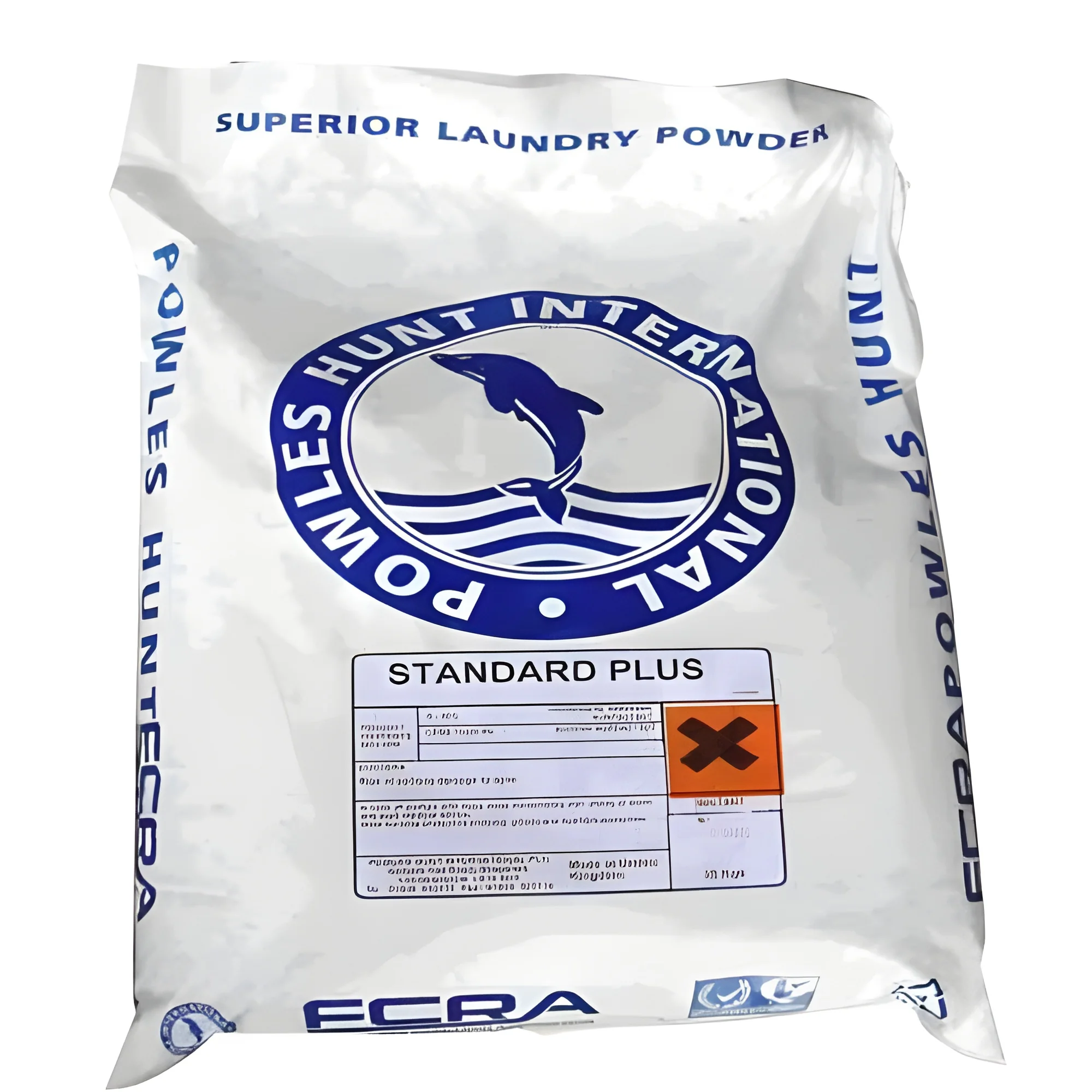
What are Whitening Agents?
Whitening agents are chemical substances used to enhance the brightness and whiteness of products. These agents work by altering the color of materials, effectively removing stains and discoloration. Whitening agents can be found in various forms, including powders, liquids, and formulations specifically designed for industrial applications. Their primary function is to improve the aesthetic quality of products, making them more appealing to consumers.
The primary uses of whitening agents span across several industries. In the textile industry, they are used to brighten fabrics and improve the overall appearance of clothing. In the cosmetic sector, these agents are incorporated into products like skin creams and toothpaste to enhance their visual appeal. Additionally, whitening agents are utilized in the paper and plastics industries to improve the brightness of materials. The growing demand for bright and visually appealing products drives the relevance of whitening agents in today's market.
As industries evolve, the need for effective whitening agents continues to grow. The market for these agents is influenced by trends in manufacturing and consumer preferences for high-quality, bright products. With increasing competition, businesses are seeking innovative solutions that can improve product quality while maintaining cost-effectiveness.
Key Features and Specifications
Whitening agents come with various features and specifications that define their effectiveness and suitability for different applications. Understanding these specifications is crucial for businesses looking to incorporate these agents into their products.
Key specifications include:
1. Brightening Efficiency
- Measures the effectiveness of the agent in enhancing whiteness.
- Typically expressed as a percentage of brightness improvement.
2. pH Stability
- Indicates the stability of the agent across different pH levels.
- Essential for ensuring compatibility with various formulations.
3. Solubility
- Refers to how well the agent dissolves in solvents.
- High solubility is preferred for easy incorporation into products.
4. Safety Profile
- Details the safety standards and potential hazards associated with the agent.
- Important for compliance with health regulations.
5. Environmental Impact
- Assesses the biodegradability and environmental safety of the agent.
- Increasingly relevant due to sustainability concerns.
6. Compatibility
- Evaluates how well the agent works with other ingredients in formulations.
- Crucial for maintaining product integrity.
7. Regulatory Compliance
- Specifies adherence to relevant industry standards and regulations.
- Important for ensuring marketability and safety.
8. Shelf Life
- Indicates the duration the agent remains effective under proper storage conditions.
- Affects inventory management and product turnover.
In summary, understanding the key features and specifications of whitening agents allows businesses to make informed decisions about their selection and application.
Common Applications and Use Cases
Whitening agents are utilized across a variety of industries, each with specific applications that enhance product appeal and quality.
1. Textile Industry: Whitening agents are essential in the textile industry for brightening fabrics, particularly in cotton and synthetic materials. They improve the overall appearance of clothing, making it more attractive to consumers.
2. Cosmetic Industry: In cosmetics, whitening agents are commonly found in skin care products and toothpaste. They help to enhance the visual appeal of these products while also providing benefits such as stain removal.
3. Paper Manufacturing: Whitening agents are critical in the paper industry, where they improve the brightness and whiteness of paper products. This leads to higher-quality printing and packaging materials.
4. Plastics Industry: In plastics, whitening agents enhance the brightness of products such as containers and packaging films. This contributes to a more appealing final product for consumers.
5. Food Industry: Certain whitening agents are used in food products to enhance the appearance of items like dairy products and confectionery. Careful selection is necessary to ensure safety and compliance.
6. Paint and Coatings: Whitening agents are incorporated into paints and coatings to improve their brightness and coverage. This results in aesthetically pleasing finishes for various applications.
7. Cleaning Products: Many cleaning agents include whitening agents to enhance the effectiveness of stain removal and brightening surfaces. This is particularly common in laundry detergents.
Product Variants and Subcategories
Whitening agents come in a diverse range of variants, each designed for specific applications and user needs. This diversity allows businesses to select the most suitable option for their products.
Variant 1: Optical Brighteners
Optical brighteners are a type of whitening agent that absorbs ultraviolet light and re-emits it as visible blue light. This creates a perception of enhanced whiteness in textiles and paper products. They are ideal for products that require a vibrant and bright appearance.
Variant 2: Chlorine-based Bleaching Agents
Chlorine-based bleaching agents are effective in whitening textiles and are commonly used in laundry applications. They offer strong stain removal properties and are suitable for white fabrics that can withstand bleaching.
Variant 3: Hydrogen Peroxide
Hydrogen peroxide is a mild bleaching agent used in various applications, including hair products and cleaning agents. It provides effective whitening while being less harsh than other bleaching agents.
Benefits and Advantages
Whitening agents offer numerous benefits that enhance product quality and market appeal. Understanding these advantages is essential for businesses considering their use.
1. Enhanced Aesthetic Appeal: Whitening agents improve the brightness and whiteness of products, making them more visually appealing to consumers.
2. Increased Market Competitiveness: By improving product quality, companies can differentiate themselves in a crowded market, attracting more customers.
3. Versatility: Whitening agents can be used across various industries, providing flexibility in product formulation and application.
4. Cost-Effectiveness: Effective whitening agents can lead to improved product quality without significantly increasing production costs.
5. Compliance with Standards: Many whitening agents meet industry regulations, ensuring that products are safe and marketable.
6. Improved Performance: In cleaning and cosmetic products, whitening agents enhance the effectiveness of stain removal and brightness, leading to higher customer satisfaction.
Buying Guide for B2B Buyers
When sourcing whitening agents, there are several critical factors to consider to ensure the right selection for your business needs.
1. Quality Assessment: Evaluate the quality of whitening agents based on their specifications and performance metrics. Look for data on brightening efficiency and safety profiles to ensure they meet your standards.
2. Supplier Verification: Vet suppliers carefully to ensure they have a reputable track record in providing high-quality whitening agents. Assess their certifications and client testimonials.
3. Pricing and MOQ: Understand the pricing structures and minimum order quantities (MOQ) required by suppliers. This helps in budgeting and ensuring that you can meet your production needs.
4. Delivery and Lead Times: Consider the logistics involved in sourcing whitening agents. Confirm lead times and delivery schedules to prevent delays in your production processes.
5. Compliance Requirements: Ensure that the whitening agents meet necessary compliance and regulatory standards relevant to your industry. This is essential for market acceptance and safety.
Compliance and Certifications
Compliance with industry standards and certifications is crucial for whitening agents. Relevant quality standards, such as ISO 9001, ensure that products meet international quality management requirements. Adhering to these standards can improve product reliability and customer trust.
Additionally, certifications like CE indicate that the products meet European safety and health requirements. This is particularly important for businesses that operate in or export to European markets.
Safety testing requirements also play a vital role in the compliance landscape for whitening agents. Companies must ensure that their products are tested for safety and efficacy, adhering to the guidelines set forth by regulatory bodies.
Furthermore, regional compliance considerations may differ. Businesses must be aware of local regulations that apply to the use of whitening agents in their specific markets. This knowledge helps in navigating the complexities of international trade and product distribution.
Why Source Whitening Agents from Pepagora?
Pepagora offers a reliable platform for sourcing whitening agents, providing several key advantages for businesses.
Verified Supplier Network: Pepagora features a network of verified suppliers, ensuring that buyers can access high-quality whitening agents from reputable manufacturers. This reduces the risk associated with sourcing.
Streamlined RFQ Process: The request for quotation (RFQ) process on Pepagora is designed to be efficient and user-friendly. Buyers can easily submit their requirements and receive quotes from multiple suppliers, facilitating informed decision-making.
Trade Assurance and Support: Pepagora provides trade assurance, ensuring that buyers are protected throughout the sourcing process. In case of disputes, the platform offers support to resolve issues effectively.
Regional Coverage: With a strong presence in regions like India, the GCC, and Southeast Asia, Pepagora enables businesses to source whitening agents from diverse locations. This broad geographic reach enhances accessibility and supply chain efficiency.

 IN
IN