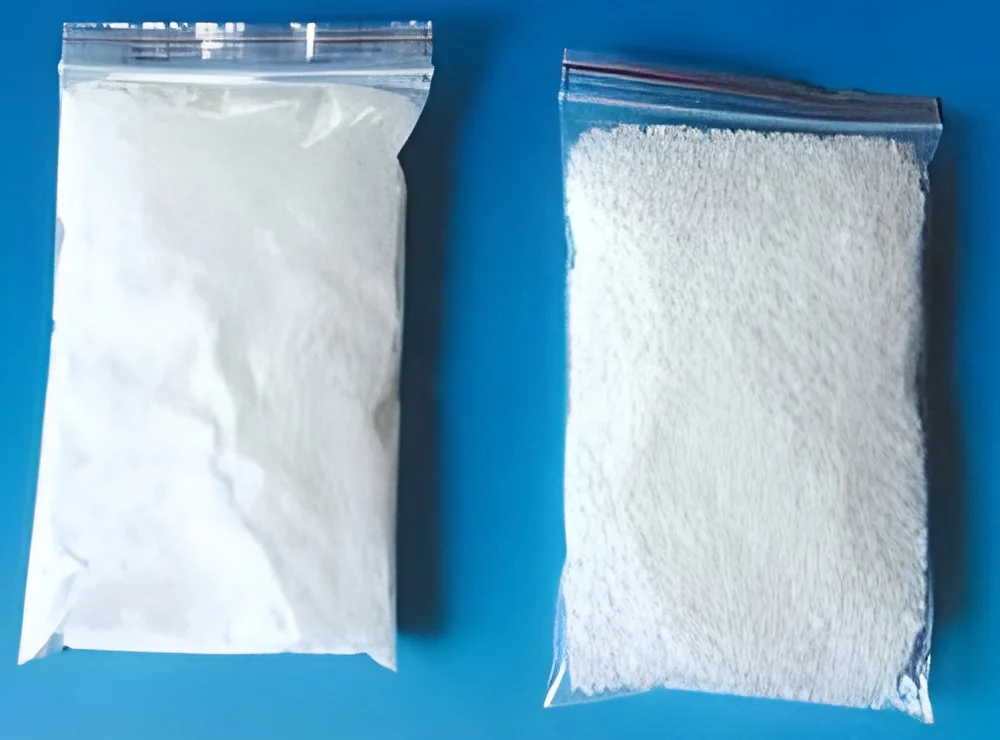
What are Cationic & Anionic Surfactants?
Cationic and anionic surfactants are types of surface-active agents that play crucial roles in various industrial applications. Cationic surfactants carry a positive charge, which allows them to interact effectively with negatively charged surfaces and materials. This property makes them ideal for use in products such as fabric softeners, hair conditioners, and disinfectants. Anionic surfactants, on the other hand, possess a negative charge and are widely used for their excellent cleaning and foaming abilities. They are commonly found in household and industrial cleaners, detergents, and soaps.
The primary applications of cationic and anionic surfactants span multiple industries, including personal care, household products, agriculture, and textiles. In personal care products, cationic surfactants enhance the conditioning properties of hair and skin formulations. Anionic surfactants contribute to the effectiveness of cleaning products by reducing surface tension and improving dirt removal. The market for these surfactants is expected to grow steadily due to increasing consumer demand for effective cleaning and personal care solutions.
In the context of the industrial landscape, cationic and anionic surfactants are critical in formulating effective products that meet consumer needs. Their versatility and effectiveness in various formulations make them integral to the manufacturing processes in these sectors, underlining their importance in the chemical industry.
Key Features and Specifications
Cationic and anionic surfactants possess several key features that enhance their performance in various applications. Understanding their specifications is essential for selecting the right product for specific needs.
Key specifications include:
1. Surface Tension Reduction
- Cationic surfactants typically reduce surface tension to improve wetting properties.
- Anionic surfactants excel in creating stable foam and enhancing cleaning efficiency.
2. Charge Type
- Cationic surfactants are characterized by their positive charge.
- Anionic surfactants have a negative charge, influencing their interaction with different surfaces.
3. Solubility
- Cationic surfactants are usually soluble in water, particularly in acidic conditions.
- Anionic surfactants tend to be soluble in water across a broader pH range.
4. Compatibility
- Cationic surfactants can be incompatible with anionic surfactants, requiring careful formulation.
- Anionic surfactants are often compatible with nonionic surfactants, allowing for versatile formulations.
5. Concentration
- Available in various concentrations to meet specific formulation requirements.
- High-concentration variants may offer enhanced performance in specific applications.
6. Stability
- Cationic surfactants generally exhibit good thermal and chemical stability.
- Anionic surfactants may vary in stability depending on environmental conditions.
7. Viscosity
- Formulations can vary in viscosity depending on the surfactant type and concentration.
- Viscosity can affect application processes and product performance.
In summary, the features and specifications of cationic and anionic surfactants are crucial in determining their suitability for specific applications. A thorough understanding of these characteristics allows businesses to make informed decisions when selecting surfactants for their products.
Common Applications and Use Cases
Cationic and anionic surfactants find extensive use across various industries due to their unique properties and functionalities.
1. Personal Care: Cationic surfactants are widely used in hair conditioners and skin creams for their conditioning properties. Anionic surfactants are common in shampoos and body washes for their excellent cleansing abilities.
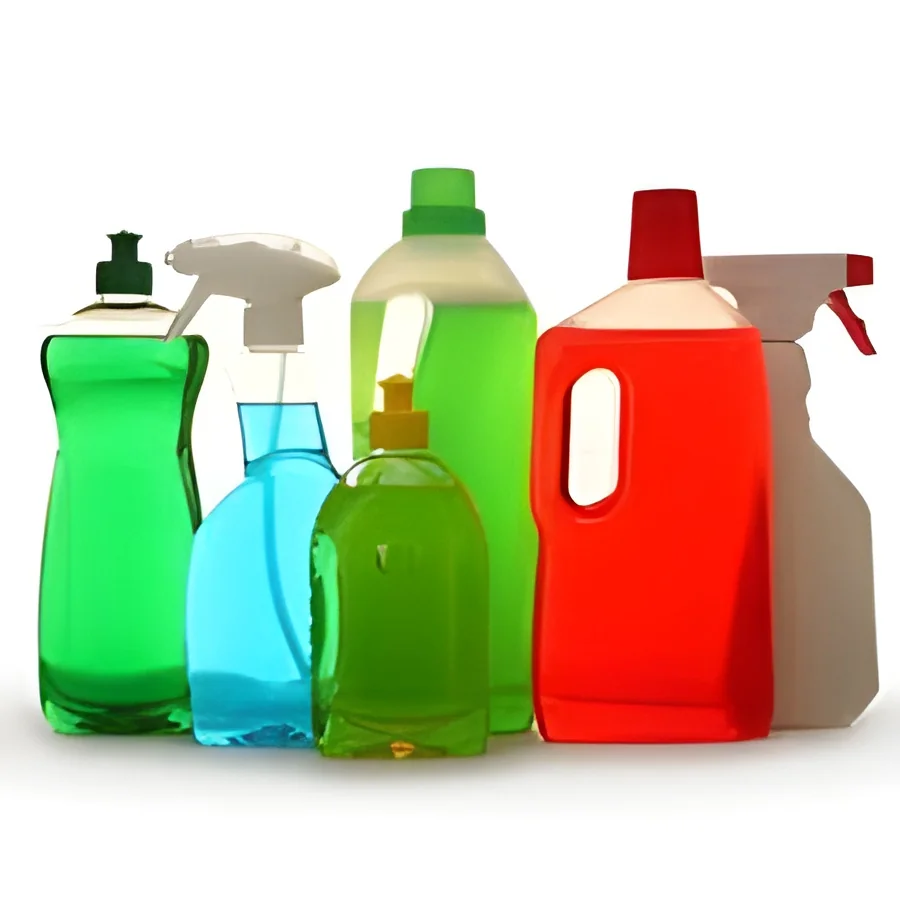
2. Household Cleaning: Anionic surfactants are integral to household cleaning products, including all-purpose cleaners and laundry detergents, where they enhance dirt removal and foam stability.
3. Agriculture: Cationic surfactants are utilized in agrochemical formulations to improve the efficacy of pesticides and herbicides, aiding in better coverage and adherence to plant surfaces.
4. Textiles: Anionic surfactants play a crucial role in textile processing, helping with dyeing and finishing processes to ensure high-quality results.
5. Oil and Gas: Cationic surfactants are employed in enhanced oil recovery processes, improving the efficiency of oil extraction from reservoirs.
6. Food Industry: Anionic surfactants are used in food processing as emulsifiers and stabilizers to enhance product quality and shelf life.
7. Paints and Coatings: Both cationic and anionic surfactants are used in paint formulations to improve wetting and dispersion of pigments, leading to superior finishes.
Product Variants and Subcategories
Cationic and anionic surfactants come in various forms, each tailored for specific applications and industries.
Cationic Surfactants
These surfactants are often used in hair conditioners and fabric softeners. They provide excellent conditioning properties and improve the feel of hair and fabrics. Their antimicrobial properties also make them suitable for disinfectants and sanitizing products.
Anionic Surfactants
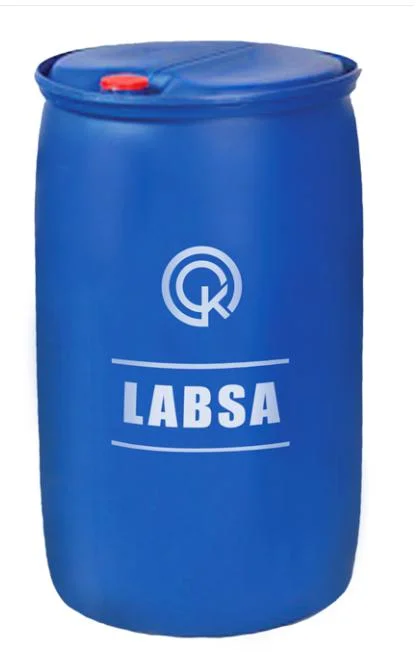
Anionic surfactants are commonly found in cleaning products and detergents. They are effective in breaking down grease and dirt, making them essential for household and industrial cleaning applications. Their ability to produce foam enhances their cleaning power.
Benefits and Advantages
Cationic and anionic surfactants offer several advantages that make them valuable to various industries.
Key benefits include:
1. Enhanced Cleaning Power: Anionic surfactants effectively break down oils and soils, making them ideal for cleaning applications.
2. Improved Conditioning: Cationic surfactants provide excellent conditioning properties, enhancing the feel and appearance of hair and fabrics.
3. Versatility: Both types of surfactants can be formulated for diverse applications, allowing for tailored solutions in different industries.
4. Stability: Many cationic and anionic surfactants exhibit good stability under various conditions, ensuring reliable performance.
5. Cost-Effectiveness: These surfactants are often available in bulk, providing a cost-effective solution for manufacturers.
6. Regulatory Compliance: Many surfactants meet industry standards and regulations, ensuring safety and quality in formulations.
Buying Guide for B2B Buyers
When sourcing cationic and anionic surfactants, several factors should be considered to ensure the right choice for specific applications.
1. Quality Assessment: Evaluate surfactants based on their purity and performance. Look for suppliers that provide detailed specifications and testing results.
2. Supplier Verification: Vet suppliers thoroughly to ensure they have a reliable track record and adhere to industry standards. Check for certifications and customer reviews.
3. Pricing and MOQ: Understand the pricing structures and minimum order quantities. Compare multiple suppliers to find the best balance of cost and quality.
4. Delivery and Lead Times: Discuss logistics with suppliers to ensure timely delivery that aligns with production schedules.
5. Compliance Requirements: Verify that the products meet relevant regulatory standards in your industry to avoid compliance issues in the future.
Compliance and Certifications
Cationic and anionic surfactants must adhere to various quality standards and certifications to ensure their safety and effectiveness.
Relevant quality standards include ISO 9001, which focuses on quality management systems, and HACCP guidelines that ensure food safety in applications involving food-related products. Compliance with Good Distribution Practice (GDP) is also necessary for the transportation and storage of these chemicals.
Industry certifications, such as CE marking, indicate that products meet European Union safety standards. Furthermore, safety and testing requirements are crucial to ensure that surfactants are safe for use in consumer products.
Regional compliance considerations may vary, so it is essential to stay informed about local regulations regarding the use of surfactants across different markets.
Why Source Cationic & Anionic Surfactants from Pepagora?
Pepagora provides a trusted platform for sourcing cationic and anionic surfactants, offering several key advantages to B2B buyers.
Verified Supplier Network: Pepagora ensures that all suppliers are thoroughly vetted for quality and reliability. This process gives buyers confidence in the products they source.
Streamlined RFQ Process: The platform offers an efficient request for quotation system that allows buyers to easily connect with multiple suppliers, facilitating competitive pricing and options.
Trade Assurance and Support: Pepagora provides buyer protection through trade assurance policies, ensuring that transactions are secure and that buyers receive the products they expect.
Regional Coverage: With a strong network across India, the GCC, and Southeast Asia, Pepagora enables buyers to access a wide range of surfactants tailored to their regional needs.

 IN
IN