What are Botanical Extracts?
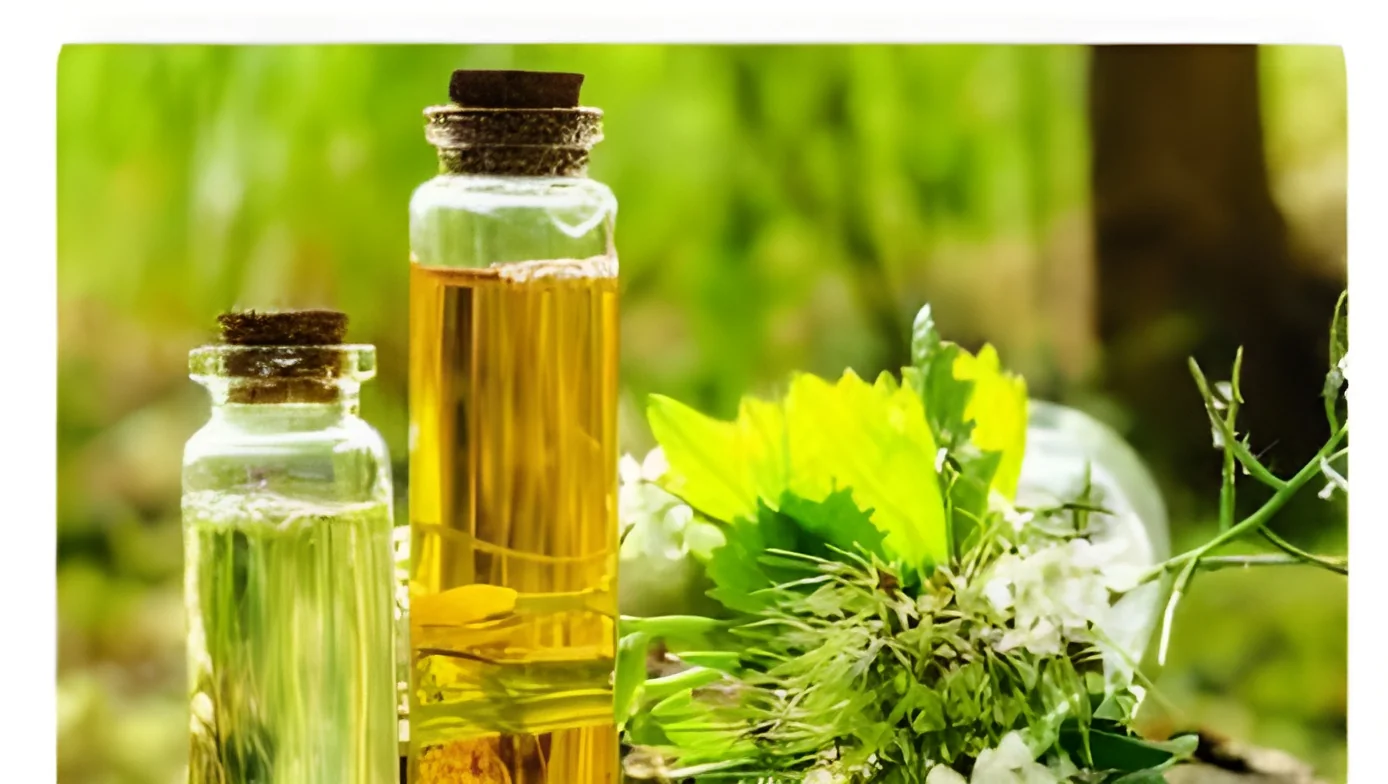
Botanical extracts are concentrated substances derived from plants, capturing the essence of their bioactive compounds. These extracts are created by using various methods, such as solvent extraction, steam distillation, or cold pressing, to isolate specific components that exhibit desired properties. The resulting products can vary in form, including liquids, powders, or pastes, and are prized for their natural potency.
Primary uses of botanical extracts span multiple sectors, including cosmetics, food and beverage, pharmaceuticals, and dietary supplements. In cosmetics, they are used for their skin-nourishing and anti-aging properties. In the food industry, botanical extracts serve as natural flavorings or preservatives. The pharmaceutical sector utilizes these extracts for their therapeutic benefits, while dietary supplements leverage their nutritional value. The growing trend towards natural and organic products further drives the demand for botanical extracts across these industries.
As the global market for botanical extracts continues to expand, companies are increasingly recognizing their importance in product formulation and brand differentiation. With consumers becoming more health-conscious and environmentally aware, the relevance of botanical extracts in various applications is expected to grow, making them a key focus area for manufacturers and suppliers alike.
Key Features and Specifications
Botanical extracts are characterized by several key features that enhance their value in industrial applications. These specifications help businesses understand the quality and suitability of the extracts for their specific needs.
Key specifications include:
1. Extract Type
- Various methods of extraction like solvent-based, steam distillation, and cold pressing can be used.
- Each method impacts the purity and composition of the extract.
2. Concentration Levels
- Extracts can vary in concentration, affecting potency and effectiveness.
- Common ranges include low, medium, and high concentrations based on intended use.
3. Shelf Life
- The shelf life of botanical extracts can differ significantly.
- Typically, extracts have a shelf life ranging from 1 to 3 years under proper storage conditions.
4. Solubility
- Botanical extracts may be soluble in water, alcohol, or oil, influencing their application.
- Solubility affects formulation compatibility in various products.
5. Active Compounds
- Extracts are rich in specific active compounds, such as flavonoids, alkaloids, or terpenes.
- The presence of active compounds determines the extract's functionality.
6. Purity Level
- Purity is crucial for ensuring quality and efficacy.
- Extracts are often tested to confirm they are free from contaminants and additives.
7. Color and Aroma
- These sensory attributes can vary widely among botanical extracts.
- They play a significant role in consumer preferences, particularly in food and cosmetics.
8. Regulatory Compliance
- Extracts must adhere to specific regulations depending on their application.
- Compliance ensures safety and consumer protection standards are met.
Understanding these specifications is essential for businesses aiming to select the right botanical extracts for their products.
Common Applications and Use Cases
Botanical extracts find extensive applications across various industries, showcasing their versatility and effectiveness.
1. Cosmetics: In the cosmetics industry, botanical extracts are integrated into skincare and haircare products for their nourishing and rejuvenating properties. Ingredients like aloe vera and chamomile are commonly used for their soothing effects.
2. Food and Beverage: These extracts are utilized as natural flavor enhancers, colorants, and preservatives. For example, extracts from berries or citrus fruits are favored for their taste and antioxidant properties.
3. Pharmaceuticals: Botanical extracts play a critical role in the production of herbal medicines and supplements. They are studied for their therapeutic benefits and are included in formulations for pain relief, immune support, and overall health.
4. Nutraceuticals: In the dietary supplement sector, extracts from plants such as ginseng and turmeric are popular for their health benefits. They are often marketed for their potential to enhance wellness and vitality.
5. Aromatherapy: Essential oils derived from botanical extracts are widely used in aromatherapy for their calming and mood-enhancing effects. Oils like lavender and eucalyptus are commonly employed for relaxation and respiratory support.
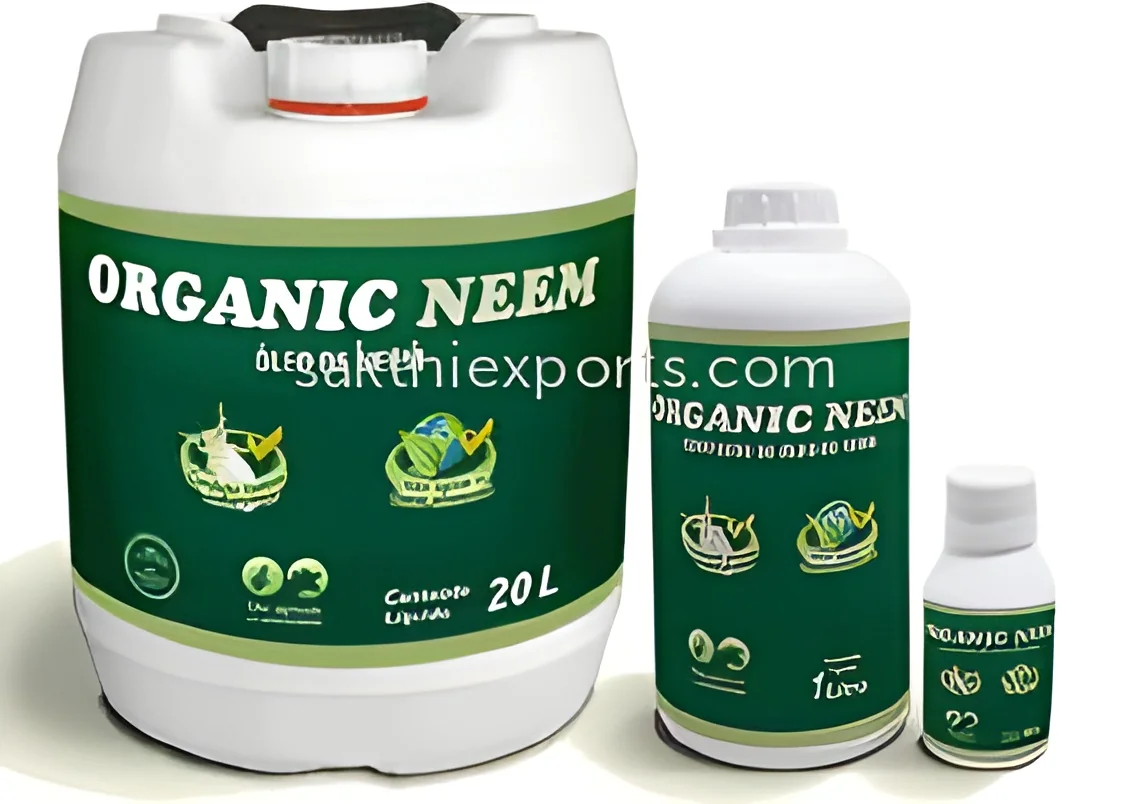
6. Agriculture: Certain botanical extracts are used as natural pesticides and fertilizers, promoting sustainable farming practices. Plant-based solutions help in pest control while reducing chemical exposure.
7. Textile Industry: Botanical extracts are increasingly used in eco-friendly dyeing processes, offering natural color options for fabrics. This aligns with the growing demand for sustainable textiles.
Product Variants and Subcategories
The diversity of botanical extracts allows for various variants tailored to specific applications and requirements.
Herbal Extracts
Herbal extracts are concentrated forms of plant materials that retain the essence of the plant's therapeutic properties. These extracts are often used in herbal medicines and dietary supplements.
Essential Oils
Essential oils are volatile extracts obtained through distillation or cold pressing. They are widely used in aromatherapy, cosmetics, and personal care products for their aromatic and therapeutic benefits.
Dry Extracts
Dry extracts are concentrated powders made from plant materials, offering a convenient and shelf-stable option for formulations. They are often used in dietary supplements and food products.
Liquid Extracts
Liquid extracts are solutions that contain concentrated plant compounds in a solvent. They are commonly used in tinctures, herbal formulations, and cosmetics for their ease of use and application.
Benefits and Advantages
Sourcing botanical extracts provides numerous benefits for businesses looking to enhance their product offerings.
Key benefits include:
1. Natural Ingredients: Botanical extracts are derived from plants, making them appealing to consumers seeking natural and organic products.
2. Versatility: These extracts can be used across various industries, including food, cosmetics, and pharmaceuticals, allowing for broad applications.
3. Health Benefits: Many botanical extracts are known for their therapeutic properties, supporting wellness and health-related claims in products.
4. Consumer Demand: The growing trend toward natural products boosts the demand for botanical extracts, making them a valuable addition to any product line.
5. Sustainability: Sourcing botanical extracts can align with sustainable practices, appealing to environmentally-conscious consumers.
6. Brand Differentiation: Utilizing unique botanical extracts can help brands stand out in a competitive market by offering distinctive formulations.
Buying Guide for B2B Buyers
When sourcing botanical extracts, it is essential for B2B buyers to consider various factors to ensure quality and suitability.
1. Quality Assessment: Evaluate the quality of botanical extracts by reviewing lab testing certificates and ensuring that they meet industry standards for purity and potency.
2. Supplier Verification: Conduct thorough research to verify suppliers' credentials. Look for certifications and industry reputation to ensure reliability and quality assurance.
3. Pricing and MOQ: Understand the pricing structure and minimum order quantities (MOQ) required by suppliers. This will help in budgeting and planning inventory.
4. Delivery and Lead Times: Discuss delivery options and lead times with suppliers to ensure that they can meet your production schedules and deadlines.
5. Compliance Requirements: Ensure that the botanical extracts comply with relevant regulations and certifications. This includes understanding any regional compliance needs that may apply.
Compliance and Certifications
Botanical extracts must adhere to various quality standards and certifications to ensure safety and efficacy. Key standards include ISO 9001, which focuses on quality management systems, ensuring that suppliers maintain consistent quality in their products.
HACCP (Hazard Analysis Critical Control Point) is another crucial standard that emphasizes food safety management, particularly relevant for extracts used in food and beverage applications. Similarly, the Good Distribution Practice (GDP) standard ensures that products are transported and stored properly to maintain their quality.
Certifications such as CE mark may also apply, indicating that the products meet European safety, health, and environmental protection standards.
Safety and testing requirements are critical, especially in the pharmaceutical and food sectors, where botanical extracts must undergo rigorous testing for contaminants and potency. Additionally, businesses should be aware of regional compliance considerations, which may vary by country or region, affecting the sourcing and application of botanical extracts.
Why Source Botanical Extracts from Pepagora?
Pepagora provides a trusted platform for sourcing botanical extracts, offering several key advantages that benefit B2B buyers.
Verified Supplier Network: Pepagora has established a network of verified suppliers, ensuring that buyers can access high-quality botanical extracts from reputable sources. This network is built on stringent verification processes to guarantee reliability.
Streamlined RFQ Process: The platform features a streamlined Request for Quotation (RFQ) process, simplifying the procurement of botanical extracts. Buyers can easily request quotes from multiple suppliers, facilitating comparison and decision-making.
Trade Assurance and Support: Pepagora offers trade assurance and support to protect buyers throughout the sourcing process. This includes assistance with negotiations and ensuring that the transaction meets quality expectations.
Regional Coverage: With a broad geographic reach, including India, GCC, and Southeast Asia, Pepagora connects buyers with suppliers across these regions, enhancing accessibility and choice in sourcing botanical extracts.

 IN
IN