What are Thickeners?
Thickeners are substances that increase the viscosity of liquids without altering their other properties. They are commonly used across various industries to modify the flow and texture of products. Thickeners can be derived from natural sources, such as plants and seaweed, or can be synthetic. Their primary function is to enhance the stability and consistency of a product, making them essential in many formulations.
Thickeners find extensive applications in industries such as food and beverage, pharmaceuticals, cosmetics, and construction. In food processing, they help achieve desired textures in sauces, dressings, and dairy products. In pharmaceuticals, thickeners improve the viscosity of liquid medications for better stability and usability. The construction industry utilizes thickeners in adhesives and paints to ensure proper application and adherence. As industries evolve, the demand for effective thickeners continues to rise, reflecting their importance in product formulation and performance.
Key Features and Specifications
Thickeners come with a range of features and specifications that cater to various applications. Understanding these specifications helps businesses choose the right product for their needs.
Key specifications include:
1. Viscosity Range
- Indicates the thickness of the solution.
- Usually measured in centipoise (cP) or Pascal-seconds (Pa.s).
2. Temperature Stability
- Refers to the ability to maintain performance under varying temperatures.
- Specifications may indicate a range, though specific data is not available.
3. pH Tolerance
- Describes the range of acidity or alkalinity where the thickener remains effective.
- Commonly ranges from 4 to 10.
4. Solubility
- Indicates how well the thickener dissolves in water or other solvents.
- Can be categorized as soluble or partially soluble.
5. Gel Strength
- Measures the firmness of the gel formed when thickener is mixed.
- Important for applications requiring gel-like consistency.
6. Shelf Life
- Refers to the duration the product remains effective and usable.
- Typically ranges from 1 to 3 years, but can vary based on storage conditions.
7. Safety Certifications
- Many thickeners meet industry safety standards, including CE certification.
8. Compliance Standards
- Adherence to quality standards such as ISO 9001 and HACCP ensures product reliability.
In summary, selecting the right thickener involves understanding these specifications to ensure compatibility with your intended application.
Common Applications and Use Cases
Thickeners are versatile products that serve various industries effectively.
1. Food and Beverage: Thickeners are used to create smooth textures in sauces, gravies, and desserts. They play a critical role in stabilizing emulsions and preventing separation.
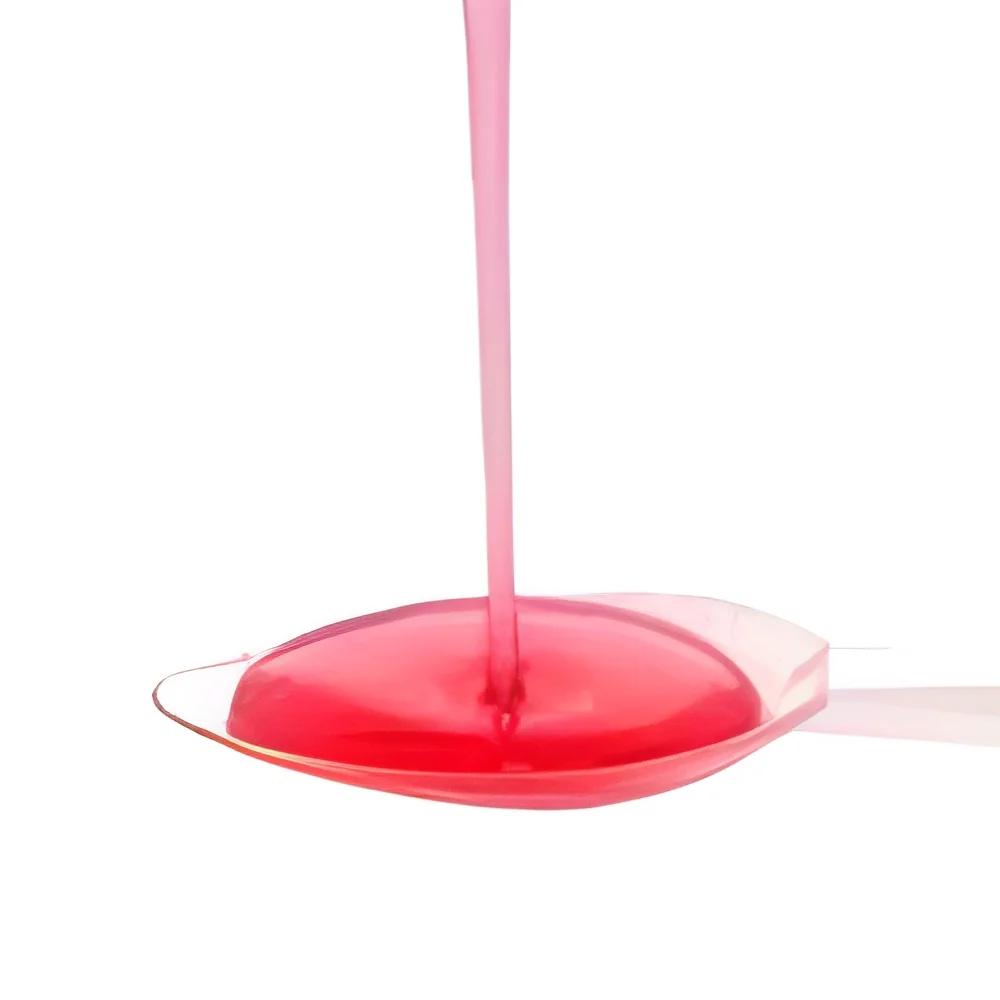
2. Pharmaceuticals: In the pharmaceutical sector, thickeners are utilized to enhance the viscosity of syrups and liquid medicines, ensuring better delivery and absorption.
3. Cosmetics: Thickeners improve the texture and application of creams, lotions, and gels in the cosmetic industry, contributing to a better user experience.
4. Construction: In the construction industry, thickeners are essential in adhesives and sealants, providing the necessary viscosity for easy application and durability.
5. Paints and Coatings: Thickeners help control the flow and leveling of paints, ensuring even application and improved finish quality.
6. Personal Care: In personal care products, thickeners are used to enhance the consistency of shampoos, conditioners, and body washes.
7. Agriculture: Thickeners can improve the efficacy of pesticides and herbicides by aiding in the formulation and application processes.
Product Variants and Subcategories
Thickeners come in various forms, each designed to meet specific requirements.
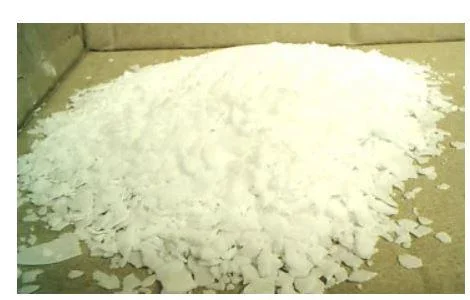
Starch-Based Thickeners: These are derived from natural sources like corn or potatoes. They are commonly used in food products for their ability to create a smooth texture and enhance stability.
Cellulose-Based Thickeners: Made from plant fibers, these thickeners are effective in both food and cosmetic applications. They are known for their ability to retain moisture and improve product consistency.
Synthetic Thickeners: These thickeners are manufactured through chemical processes. They are often used in industrial applications due to their high performance and stability under a variety of conditions.
Natural Gum Thickeners: Derived from plants, these thickeners, such as xanthan gum, are popular in food and cosmetic formulations due to their natural sourcing and versatility.
Benefits and Advantages
Thickeners offer several benefits that enhance product quality and performance.
1. Improved Texture: Thickeners help achieve the desired consistency in various formulations, enhancing the overall sensory experience.
2. Stability Enhancement: They stabilize emulsions and suspensions, preventing separation and ensuring product integrity over time.
3. Versatility: Thickeners can be used across multiple industries, making them a valuable addition to a wide range of products.
4. Cost-Effectiveness: Using thickeners can reduce the need for more expensive ingredients, making formulations more economical.
5. Customization: Many thickeners can be tailored to meet specific requirements, allowing for greater flexibility in formulation.
6. Enhanced Shelf Life: Thickeners can improve the stability and shelf life of products, reducing waste and increasing efficiency.
Buying Guide for B2B Buyers
When sourcing thickeners, it is important to consider several key factors to ensure you select the right product for your needs.
1. Quality Assessment: Evaluate the quality of thickeners by reviewing certifications and testing results. Look for products that meet industry standards.
2. Supplier Verification: Vet suppliers thoroughly to ensure they are reliable. Check for references, reviews, and their compliance with quality standards.
3. Pricing and MOQ: Understand the pricing structure and minimum order quantities. Compare costs across suppliers to find the best deal without compromising quality.
4. Delivery and Lead Times: Assess the logistics of delivery. Ensure that suppliers can meet your timelines and provide consistent supply.
5. Compliance Requirements: Be aware of any regulatory requirements specific to your industry. Ensure the thickeners comply with necessary safety and quality standards.
Compliance and Certifications
Thickeners must adhere to various quality standards to ensure safety and effectiveness. Many products comply with ISO 9001, which sets out criteria for quality management systems. This certification confirms that the manufacturing process meets international quality standards.
Additionally, compliance with HACCP (Hazard Analysis and Critical Control Points) is crucial in food-related applications to ensure food safety. CE certification indicates that a product meets European safety, health, and environmental protection standards.
Safety and testing requirements are also important, particularly in industries where product integrity is critical. Regional compliance may vary, and it is essential to stay informed about local regulations and standards that apply to thickeners.
Why Source Thickeners from Pepagora?
Pepagora provides a trusted platform for sourcing thickeners, ensuring buyers have access to high-quality products and reliable suppliers.
Verified Supplier Network: Pepagora connects buyers with a network of verified suppliers, ensuring that all products meet stringent quality standards. This reduces the risk of sourcing inferior materials.
Streamlined RFQ Process: The request for quotation (RFQ) process is designed to be efficient and user-friendly. Buyers can easily communicate their needs and receive competitive quotes from multiple suppliers.
Trade Assurance and Support: Pepagora offers trade assurance to protect buyers throughout the sourcing process. This includes support in case of disputes or quality issues, ensuring a smooth transaction.
Regional Coverage: With a strong presence in India, the GCC, and Southeast Asia, Pepagora provides extensive regional coverage. This allows businesses to source thickeners locally or internationally while benefiting from local market knowledge.

 IN
IN