What are Alcohols for Cosmetics?
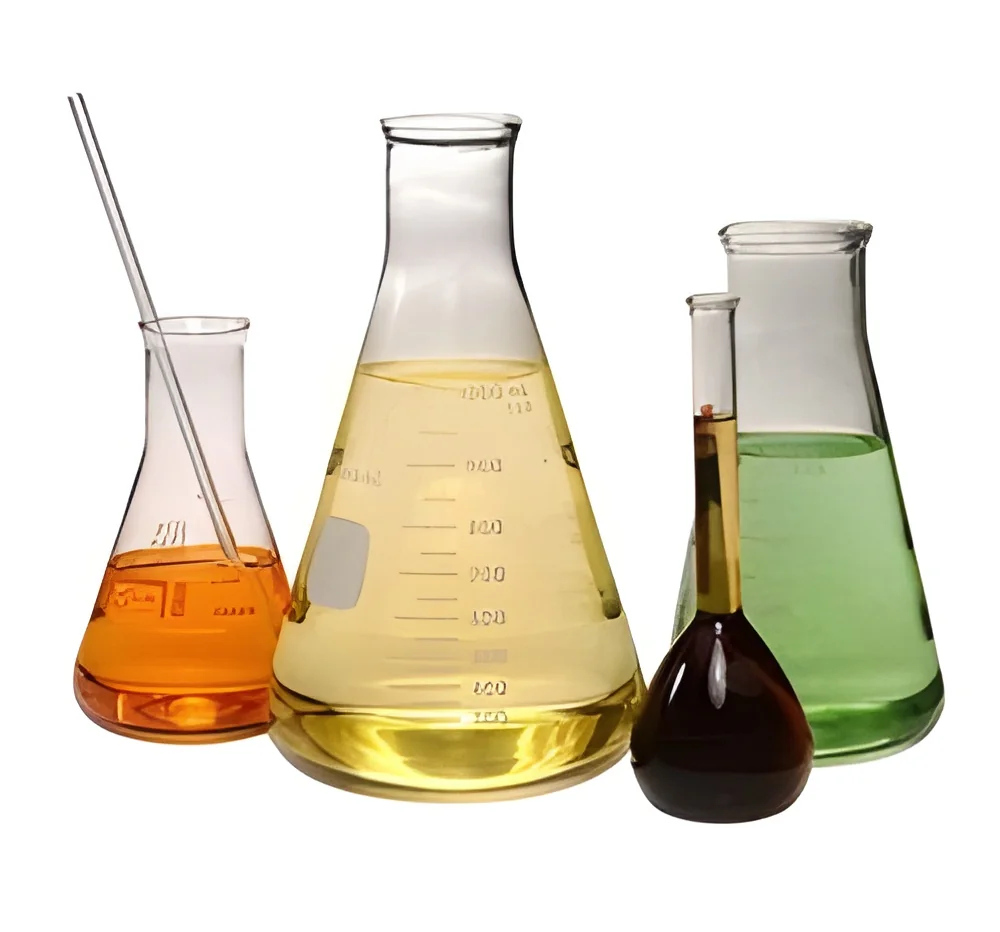
Alcohols for cosmetics are organic compounds commonly used as solvents, preservatives, and astringents in various cosmetic formulations. These substances play a critical role in enhancing the texture and stability of products while also contributing to their antimicrobial properties. They are typically derived from natural sources or synthesized through chemical processes, making them versatile in applications across the beauty and personal care industry.
The primary uses of alcohols in cosmetics include acting as a solvent for active ingredients, providing a suitable base for creams and lotions, and serving as preservatives to extend shelf life. Businesses within the cosmetics sector rely on alcohols not only for their functional benefits but also for their ability to enhance product feel and performance. As the demand for high-quality cosmetic products continues to rise, the relevance of alcohols within this market remains significant, making them a staple ingredient in many formulations.
Key Features and Specifications
Alcohols for cosmetics are characterized by a range of features that ensure their effectiveness in various applications. Understanding these specifications is essential for businesses looking to utilize them in their products.
Key specifications include:
1. Purity Level
- High purity levels ensure the safety and efficacy of the product.
- Typically above 99% for cosmetic-grade alcohols.
2. Evaporation Rate
- Determines how quickly the alcohol will evaporate upon application.
- Varies based on the specific type of alcohol used.
3. Boiling Point
- Indicates the temperature at which the alcohol will transition from liquid to vapor.
- Essential for formulations that require heat stability.
4. Odor Profile
- Some alcohols have a distinct smell that can affect the final product.
- Odorless variants are available for sensitive formulations.
5. Solubility
- Alcohols must dissolve effectively in various cosmetic bases.
- Compatibility with both oil and water-based systems.
6. Viscosity
- Influences the texture and feel of the final cosmetic product.
- Specific alcohols can provide desired thickness or thinness.
7. Skin Compatibility
- Important for products intended for direct skin application.
- Alcohols should be tested for irritation potential.
8. Regulatory Compliance
- Must meet industry standards and regulations for safety.
- CE certification ensures compliance with European safety norms.
In summary, understanding these features and specifications will help businesses select the right types of alcohols for their cosmetic formulations.
Common Applications and Use Cases
Alcohols for cosmetics find a variety of applications across different industries.
1. Personal Care Products: Alcohols are widely used in lotions, creams, and serums to enhance texture and stability while preserving the product.
2. Makeup and Cosmetics: Many makeup products, such as foundations and primers, incorporate alcohols for their solvent properties, ensuring a smooth application.
3. Hair Care: Alcohols serve as effective agents in hair sprays and styling products, aiding in hold and drying time.
4. Fragrances: Alcohols act as carriers for fragrance oils, allowing for even distribution and enhancing scent longevity.
5. Antiseptic and Sanitizers: In hand sanitizers and disinfectants, alcohols provide effective antimicrobial properties to eliminate germs.
6. Pharmaceutical Products: Some topical medications use alcohols as solvents or preservatives to maintain product integrity.
7. Household Products: Alcohols are also found in cleaning products, where they serve as disinfectants and solvents.
Product Variants and Subcategories
Alcohols for cosmetics are diverse, with various types available to meet specific formulation needs.
Ethanol
Ethanol is a commonly used alcohol in cosmetic formulations, known for its rapid evaporation and antimicrobial properties. It is often utilized in skin care products and perfumes, providing a lightweight feel.
Isopropyl Alcohol
Isopropyl alcohol is valued for its ability to dissolve oils and fats, making it ideal for makeup removers and sanitizers. Its quick-drying nature enhances product performance in various applications.
Butylene Glycol
Butylene glycol serves as a humectant and solvent in cosmetics, attracting moisture and improving product texture. It is frequently found in hydrating creams and serums.
Glycerin
While not a traditional alcohol, glycerin is often included in the alcohol category due to its multifunctional properties. It acts as a moisturizer and is used in a wide range of cosmetic products.
Benefits and Advantages
Sourcing alcohols for cosmetics presents several key advantages that can enhance product quality and performance.
1. Versatility: Alcohols can serve multiple functions in formulations, ranging from solvents to preservatives, making them essential for diverse applications.
2. Enhanced Stability: Alcohols contribute to the stability of cosmetic products, preventing separation and extending shelf life.
3. Quick Drying: Many alcohols evaporate quickly, allowing for faster application and user satisfaction, particularly in makeup products.
4. Antimicrobial Properties: Alcohols possess inherent antibacterial characteristics, helping to preserve products and ensure safety for consumers.
5. Improved Texture: The inclusion of alcohols can enhance the texture and feel of cosmetic products, leading to better user experiences.
6. Cost-Effectiveness: Alcohols are often readily available and can be cost-effective ingredients in formulations, contributing to overall production efficiency.
Buying Guide for B2B Buyers
When sourcing alcohols for cosmetics, it is crucial for businesses to consider several key factors to ensure they make informed purchasing decisions.
1. Quality Assessment: Ensure that the alcohols meet high purity standards and are suitable for cosmetic use. Look for certifications that validate quality.
2. Supplier Verification: Vet potential suppliers to confirm their reliability and reputation in the market. Check for references and reviews from other businesses.
3. Pricing and MOQ: Understand the pricing structure and minimum order quantities (MOQ) set by suppliers. Compare costs across different providers to find the best value.
4. Delivery and Lead Times: Establish clear expectations regarding delivery times and logistics. Ensure that suppliers can meet your timelines to avoid production delays.
5. Compliance Requirements: Be aware of any regulatory requirements that apply to cosmetic ingredients in your region. Ensure that suppliers can provide documentation for compliance.
Compliance and Certifications
Compliance with relevant quality standards is essential when sourcing alcohols for cosmetics. Key standards include ISO 9001, which ensures quality management systems, and HACCP, which focuses on food safety practices that can be applicable in cosmetics. Compliance with Good Distribution Practices (GDP) is also important for ensuring the integrity of products throughout the supply chain.
Industry certifications, such as CE, indicate that the products meet safety and performance standards required in the European market. It is also vital to adhere to safety and testing requirements to confirm that the alcohols are safe for use in cosmetic applications.
Additionally, regional compliance considerations should be taken into account, as regulations can vary significantly between different markets. Understanding these requirements will help businesses avoid legal issues and ensure product safety.
Why Source Alcohols for Cosmetics from Pepagora?
Pepagora provides a trusted platform for sourcing alcohols for cosmetics, offering several key advantages to B2B buyers.
Verified Supplier Network: Pepagora connects buyers with a network of verified suppliers, ensuring that businesses can source high-quality alcohols from reputable manufacturers. This verification process adds an extra layer of security in the procurement process.
Streamlined RFQ Process: The platform features a streamlined request for quotation (RFQ) system, allowing buyers to easily obtain quotes from multiple suppliers. This simplifies the sourcing process and helps businesses make informed decisions.
Trade Assurance and Support: Pepagora offers trade assurance and support, providing buyers with protection throughout the purchasing process. This assurance fosters confidence, allowing businesses to focus on their core operations without worrying about supplier issues.
Regional Coverage: With a strong presence in key markets such as India, the GCC, and Southeast Asia, Pepagora ensures that buyers can access a wide range of alcohols for cosmetics. This geographical reach allows for better logistics and supply chain management, making it easier for businesses to obtain the products they need.

 IN
IN