What are Herbal Powders?
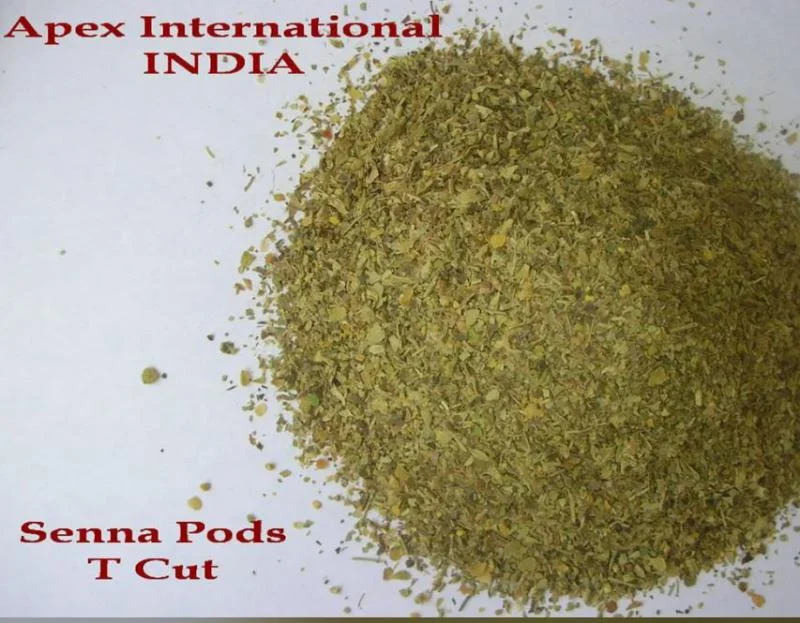
Herbal powders are finely ground plant materials derived from various herbs, roots, and seeds. These powders are widely recognized for their nutritional and medicinal properties. Commonly used in dietary supplements, cosmetics, and food products, herbal powders retain the bioactive constituents of the source plants. This makes them a valuable resource in both traditional medicine and modern wellness practices.
The primary uses of herbal powders span multiple industries, including food and beverage, pharmaceuticals, and personal care. Businesses utilize these powders for their health benefits, flavoring agents, and natural preservatives. In the context of wellness, herbal powders are often incorporated into health supplements and functional foods, catering to an increasingly health-conscious consumer base. The market for herbal powders is expanding, driven by a growing interest in natural products and holistic health solutions.
The relevance of herbal powders in the industry continues to rise, reflecting a shift towards natural ingredients. As consumers become more aware of the benefits of herbal remedies, businesses are responding by integrating these products into their offerings. The global herbal powder market is projected to grow significantly, making it essential for suppliers and manufacturers to understand this evolving landscape.
Key Features and Specifications
Herbal powders feature a range of specifications that highlight their quality and usability. Understanding these specifications is crucial for buyers looking to source these products effectively.
Key specifications include:
1. Particle Size
- Typically ranges from fine to coarse, affecting solubility and absorption rates.
- Common particle sizes include 60 mesh to 200 mesh.
2. Moisture Content
- Essential for product stability and shelf life.
- Standard moisture levels are generally below 10%.
3. Ash Content
- Indicates the level of inorganic materials present.
- Acceptable ash content usually ranges from 2% to 5%.
4. Active Ingredient Concentration
- Specifies the potency of the bioactive compounds.
- Concentration can vary significantly based on the herb type.
5. Microbial Limits
- Ensures product safety and quality.
- Typically conforms to standards set by organizations such as FDA.
6. Heavy Metal Content
- Important for assessing toxicity and safety.
- Must comply with regulations limiting lead, arsenic, and mercury levels.
7. Shelf Life
- Indicates how long the product remains effective.
- Generally ranges from 1 to 3 years when stored correctly.
8. Packaging
- Influences product integrity and shelf life.
- Common packaging options include vacuum-sealed bags and airtight containers.
In summary, understanding the key specifications of herbal powders ensures that buyers can select products that meet their quality and application requirements.
Common Applications and Use Cases
Herbal powders are versatile and find applications across various industries.
1. Food and Beverage: Used as flavoring agents, nutritional supplements, and natural colorants. They enhance the health profile of products like smoothies and energy bars.
2. Pharmaceuticals: Incorporated into herbal medicines and supplements, herbal powders provide therapeutic benefits such as anti-inflammatory and antioxidant properties.
3. Personal Care: Utilized in cosmetics and skincare products, herbal powders serve as natural exfoliants and skin conditioners.
4. Nutraceuticals: Formulated into dietary supplements to support overall health and wellness, targeting specific concerns like digestion and immunity.
5. Animal Feed: Used in veterinary supplements to improve animal health and nutrition, contributing to better growth and overall well-being.
6. Traditional Medicine: Integral to practices like Ayurveda and Traditional Chinese Medicine, herbal powders are used for holistic healing and preventive care.
7. Agriculture: Some herbal powders act as natural pesticides or soil enhancers, promoting sustainable agricultural practices.
Product Variants and Subcategories
Herbal powders come in various forms, catering to different needs and preferences in the market.
Ginger Powder
Ginger powder is a popular variant known for its anti-inflammatory properties. It is widely used in culinary applications and dietary supplements for digestive health.
Turmeric Powder
Turmeric powder is renowned for its active compound curcumin, which has strong antioxidant properties. It is commonly found in health products and functional foods.
Ashwagandha Powder
Ashwagandha powder is celebrated for its adaptogenic qualities. It is used in health supplements aimed at reducing stress and improving energy levels.
Moringa Powder
Moringa powder is packed with nutrients and is used in smoothies and health bars. It is valued for its high protein content and various vitamins.
Spirulina Powder
Spirulina powder is a blue-green algae known for its high protein and nutrient density. It serves as a superfood in various dietary supplements and health products.
Benefits and Advantages
Sourcing herbal powders offers numerous advantages for businesses looking to enhance their product offerings.
Key benefits include:
1. Natural Ingredients: Herbal powders are derived from plants, appealing to consumers seeking clean and natural products.
2. Nutritional Benefits: Rich in vitamins, minerals, and antioxidants, they support health and wellness initiatives.
3. Versatility: Suitable for multiple applications, from food and beverages to personal care products, allowing for diverse product lines.
4. Market Demand: Rising consumer interest in herbal and natural remedies boosts market potential for herbal powder products.
5. Customization Potential: Many herbal powders can be tailored to specific formulations, catering to niche markets.
6. Sustainable Sourcing: Herbal powders can often be sourced from sustainable practices, aligning with eco-conscious consumer values.
Buying Guide for B2B Buyers
When sourcing herbal powders, businesses should consider several critical factors to ensure they make informed decisions.
1. Quality Assessment: Buyers should evaluate the quality of herbal powders based on testing for purity, potency, and contaminants. Regular quality checks and certifications play a crucial role in this assessment.
2. Supplier Verification: It is essential to vet suppliers for their reliability and adherence to industry standards. Requesting references and reviewing their production processes can help ensure product integrity.
3. Pricing and MOQ: Understanding the pricing structure and minimum order quantities (MOQ) is vital for budget planning and inventory management. Buyers should compare quotes from different suppliers to find the best deal.
4. Delivery and Lead Times: Logistics are crucial in the supply chain. Buyers should inquire about delivery schedules and lead times to ensure timely product availability.
5. Compliance Requirements: Compliance with local and international regulations is necessary to avoid legal issues. Buyers must understand the specific certifications required for herbal powders in their target markets.
Compliance and Certifications
Herbal powders must meet various compliance and certification standards to ensure safety and quality.
Relevant quality standards include ISO 9001, which outlines requirements for a quality management system, ensuring consistent quality in production. HACCP (Hazard Analysis Critical Control Point) standards are crucial for identifying and managing food safety risks. Compliance with GDP (Good Distribution Practices) ensures that products are stored and transported under suitable conditions.
Industry certifications such as CE indicate that herbal powders conform to European health, safety, and environmental protection standards.
Safety and testing requirements must be upheld to prevent contamination and ensure consumer safety. Regular testing for microbial levels and heavy metals is essential to maintain product integrity.
Regional compliance considerations may vary, so businesses should stay informed about regulations specific to their operating regions to ensure they meet all necessary guidelines.
Why Source Herbal Powders from Pepagora?
Pepagora provides a trusted platform for sourcing herbal powders, offering several key advantages that can enhance your procurement process.
Verified Supplier Network: Pepagora connects buyers with a network of verified suppliers, ensuring that all products meet high-quality standards. This reduces the risk associated with sourcing from unknown vendors.
Streamlined RFQ Process: The request for quotation (RFQ) process on Pepagora is designed to be efficient. Buyers can easily compare offers from multiple suppliers, simplifying decision-making.
Trade Assurance and Support: Pepagora offers trade assurance, providing buyers with protection against discrepancies in product quality and delivery. This added layer of security fosters confidence in transactions.
Regional Coverage: With a strong presence in India, GCC, and Southeast Asia, Pepagora ensures that buyers have access to a wide range of herbal powders. This geographic reach facilitates sourcing from local suppliers, optimizing logistics and costs.

 IN
IN