What are Foaming Agents?
Foaming agents are specialized chemical compounds that facilitate the formation of foam. This foam is created when gas bubbles are trapped in a liquid, resulting in a stable, frothy texture. Foaming agents work by lowering the surface tension of the liquid, allowing air to be incorporated more easily. Commonly used in various industries, these agents can be natural or synthetic, each serving specific functions based on their chemical properties.
These agents find applications in a wide range of business sectors, including food processing, construction, and personal care products. In food processing, they are used to enhance the texture of products such as whipped cream and meringue. In construction, foaming agents help create lightweight concrete or insulation materials. The relevance of foaming agents in today's market is underscored by their versatility and the growing demand for innovative solutions in manufacturing processes.
Key Features and Specifications
Foaming agents are characterized by several key features that determine their suitability for specific applications. Understanding these specifications is crucial for businesses looking to incorporate these agents into their products or processes.
Key specifications include:
1. Surface Tension Reduction
- The ability of the foaming agent to lower the surface tension of liquids.
- Typically ranges from 20 to 40 mN/m.
2. Foaming Stability
- The duration for which the foam remains stable under various conditions.
- Stability can vary from minutes to several hours depending on the formulation.
3. Temperature Resistance
- The operational temperature range where the foaming agent remains effective.
- Usually between 0 to 100 degrees Celsius.
4. Density
- The mass per unit volume of the foaming agent.
- Commonly ranges from 0.5 to 1.5 g/cm³.
5. Biodegradability
- The environmental impact and breakdown rate of the foaming agent.
- Many agents are designed to be biodegradable within a specific timeframe.
6. Compatibility
- The ability of the foaming agent to work well with other ingredients in a formulation.
- Tested across various chemical compositions.
7. Concentration Levels
- The recommended amount of foaming agent to be used in a formulation.
- Generally, ranges from 0.1% to 5% based on the application.
In summary, selecting the right foaming agent involves understanding these specifications to ensure optimal performance in specific applications.
Common Applications and Use Cases
Foaming agents serve a diverse range of industries, making them essential in various applications.
1. Food Industry: In food production, foaming agents are used to create desirable textures in products such as whipped toppings, mousses, and aerated confections. They improve mouthfeel and enhance product stability.
2. Construction Industry: Foaming agents are used to produce lightweight concrete, which reduces structural loads and enhances insulation properties. They also improve workability in concrete mixes.
3. Personal Care: In cosmetics and personal care products, foaming agents are key components in shampoos, body washes, and shaving creams. They provide lather and improve product application.
4. Firefighting: Certain foaming agents are utilized in firefighting foams to smother flames and prevent re-ignition, making them vital in emergency response situations.
5. Pharmaceutical: In the pharmaceutical industry, foaming agents are used in formulations for inhalation therapies and liquid medications, improving delivery and absorption.
6. Agriculture: Foaming agents can be employed in pesticide formulations to enhance coverage and adhesion on plant surfaces, ensuring effective pest control.
7. Cleaning Products: They are also integral to household and industrial cleaning products, providing the necessary foam for effective dirt and grease removal.
Product Variants and Subcategories
Foaming agents are diverse, catering to various needs across industries.
Liquid Foaming Agents: These agents are typically easy to mix and are used in applications requiring rapid foaming. They provide consistent performance in food and personal care formulations.
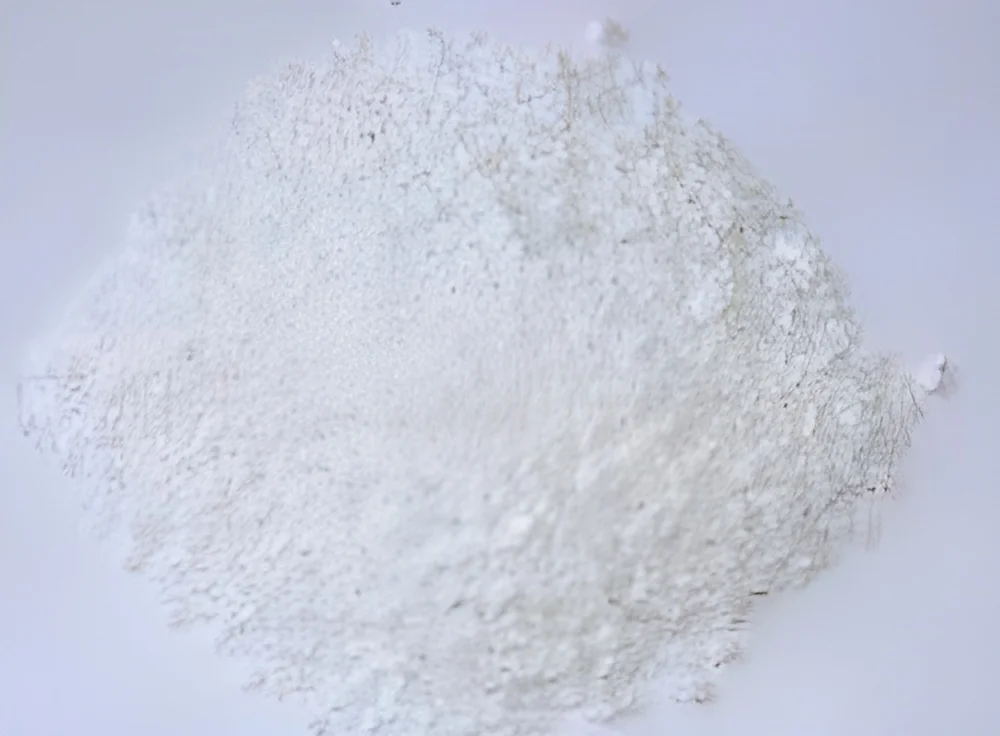
Powdered Foaming Agents: Often used in construction and cleaning products, powdered variants allow for easy transportation and storage. They activate upon mixing with water, creating a stable foam for various applications.
Concentrated Foaming Agents: These agents are designed for specific applications that require a high level of foam generation with minimal product usage. They are often used in specialized industrial applications.
Benefits and Advantages
Foaming agents offer numerous benefits that enhance product performance and operational efficiency.
1. Improved Product Texture: Foaming agents contribute to a desirable mouthfeel in food products, enhancing the overall sensory experience.
2. Lightweight Solutions: In construction, foaming agents create lightweight materials, reducing transportation costs and improving ease of handling.
3. Enhanced Stability: They help maintain the stability of formulations in personal care and food products, extending shelf life and usability.
4. Versatile Applications: Foaming agents can be adapted to various industries, providing flexibility in product development.
5. Environmental Considerations: Many foaming agents are designed to be biodegradable, aligning with sustainable manufacturing practices.
6. Cost Efficiency: Effective foaming agents can reduce the amount of raw materials needed in formulations, resulting in cost savings for manufacturers.
Buying Guide for B2B Buyers
When sourcing foaming agents, several factors should be considered to ensure the best selection for your needs.
1. Quality Assessment: Evaluate the quality of foaming agents by reviewing technical data sheets and conducting tests for consistency and performance in your specific applications.
2. Supplier Verification: It is essential to vet suppliers by checking their reputation, certifications, and customer reviews to ensure reliability and product quality.
3. Pricing and MOQ: Analyze pricing structures and consider the minimum order quantity (MOQ) that aligns with your budget and production requirements.
4. Delivery and Lead Times: Assess the logistics and expected delivery times to avoid production delays, ensuring that suppliers can meet your timelines.
5. Compliance Requirements: Ensure that the foaming agents meet all relevant regulatory standards and certifications for your industry, including safety and environmental requirements.
Compliance and Certifications
Compliance with industry standards and certifications is essential for foaming agents to ensure safety and quality.
Relevant quality standards such as ISO 9001 ensure that manufacturers maintain consistent quality management systems. Adherence to HACCP (Hazard Analysis and Critical Control Points) is crucial in food applications to ensure safety and quality.
Certifications like CE indicate that the products meet European safety standards, which can be vital for international trade.
Safety and testing requirements must be met to guarantee that foaming agents do not pose risks to users or the environment. Additionally, regional compliance considerations may vary, requiring manufacturers to be aware of local regulations in different markets.
Why Source Foaming Agents from Pepagora?
Pepagora provides a trusted platform for sourcing foaming agents, offering several key advantages to buyers.
Verified Supplier Network: Pepagora ensures that all suppliers are thoroughly verified, providing peace of mind regarding product quality and reliability.
Streamlined RFQ Process: The request for quotation (RFQ) system is designed to be user-friendly, allowing buyers to easily compare options and receive competitive pricing from multiple suppliers.
Trade Assurance and Support: With trade assurance mechanisms in place, buyers are protected against potential risks, ensuring a secure purchasing experience.
Regional Coverage: Pepagora has a broad geographic reach, serving markets in India, the GCC, and Southeast Asia, making it easier for businesses to find suitable foaming agents tailored to their needs.

 IN
IN