What are Cosmetic Grade Glycerin?
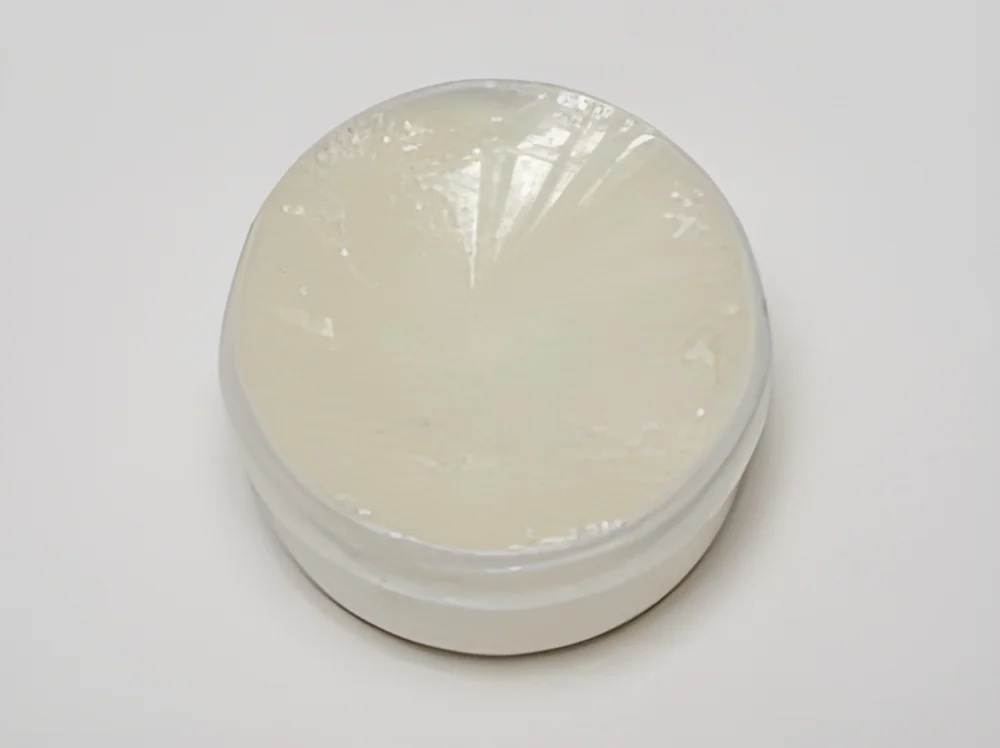
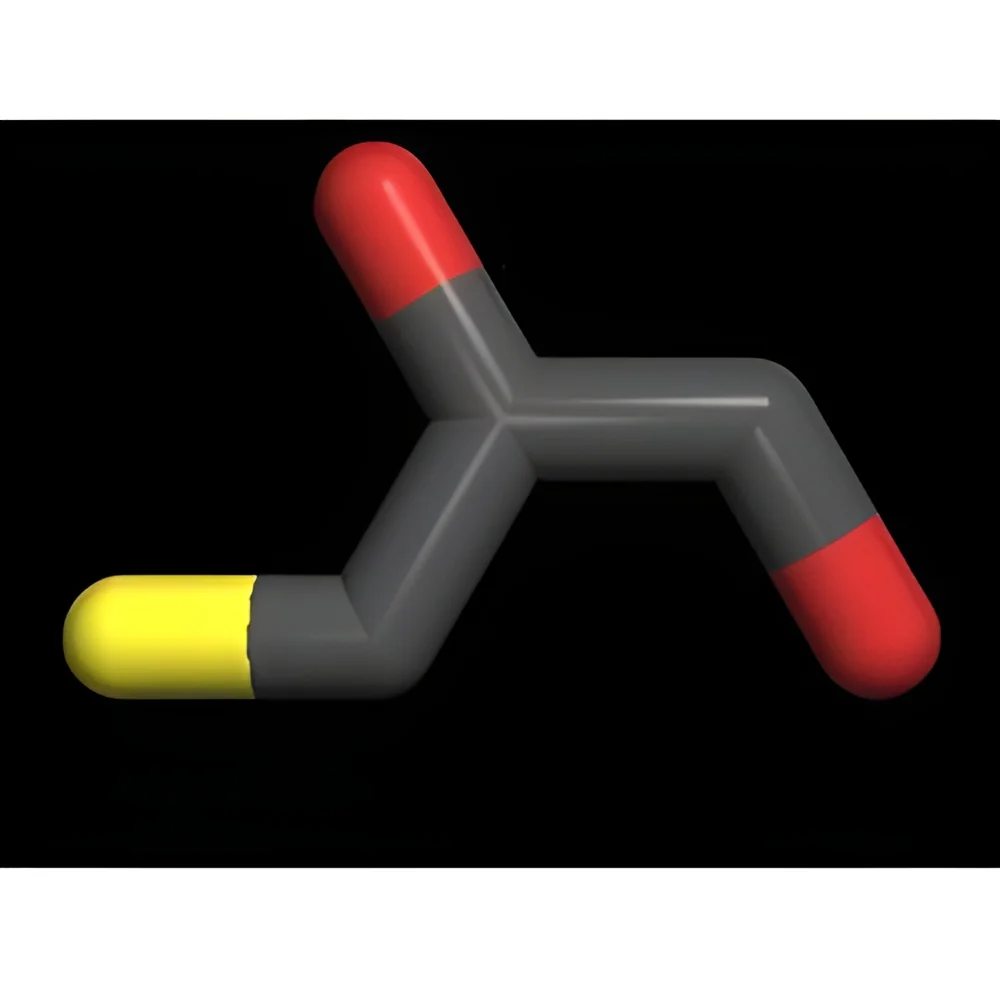
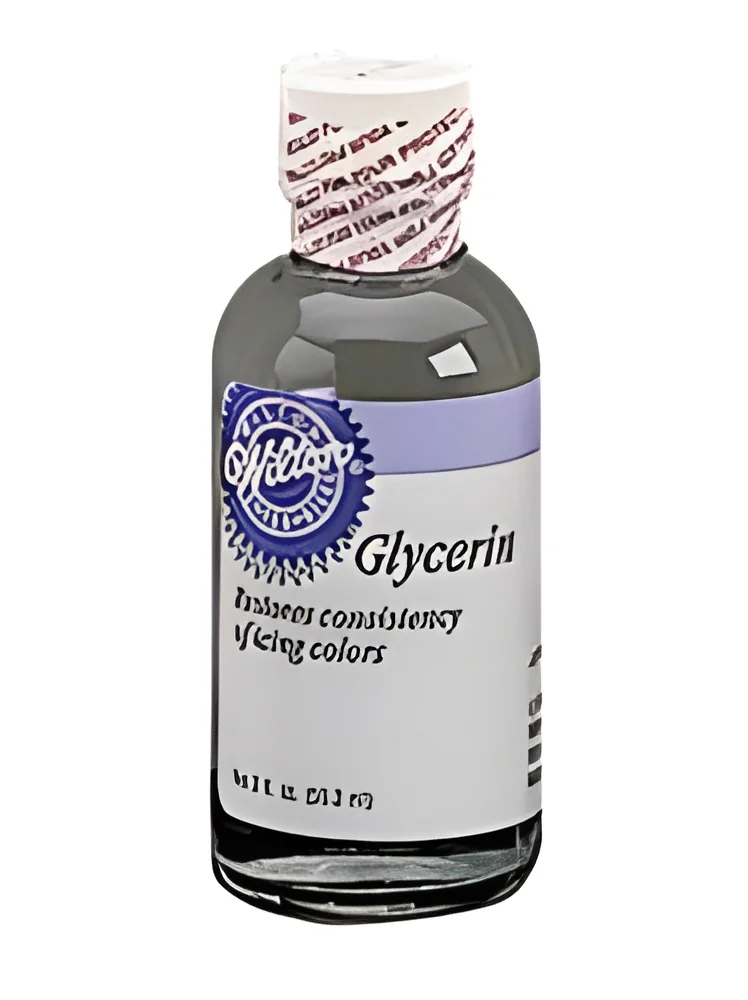
Cosmetic Grade Glycerin is a clear, odorless liquid derived from natural sources, primarily vegetable oils. It is a type of glycerol, a simple polyol compound that is highly valued in the cosmetic and personal care industries for its moisturizing properties. Cosmetic Grade Glycerin is known for its ability to attract moisture, making it a common ingredient in lotions, creams, and other skincare products. It is non-toxic and safe for use in personal care formulations, which enhances its appeal to manufacturers and consumers alike.
The primary uses of Cosmetic Grade Glycerin extend beyond skincare products. It is frequently utilized in hair care formulations, soaps, and various cosmetic products. Its humectant properties help in retaining moisture, which is critical for maintaining skin and hair health. Given its versatility, it is also employed in pharmaceutical applications and food products. The growing demand for natural and safe ingredients in cosmetics has led to an increase in the market for Cosmetic Grade Glycerin, making it a relevant component in the ever-evolving beauty and personal care industry.
Key Features and Specifications
Cosmetic Grade Glycerin presents a range of features that make it suitable for various applications. Its high purity level ensures safety and effectiveness, while its natural origin appeals to eco-conscious consumers. The product is easy to incorporate into formulations, providing versatility for manufacturers.
Key specifications include:
1. Purity Level
- Typically 99% or higher
- Ensures safety for cosmetic use
2. Viscosity
- Low to medium viscosity
- Facilitates easy mixing with other ingredients
3. Color
- Clear and colorless
- Enhances the aesthetic appeal of formulations
4. pH Level
- Neutral pH around 7
- Non-irritating to skin and suitable for sensitive formulations
5. Solubility
- Soluble in water and alcohol
- Allows for diverse applications across different cosmetic formulations
6. Odor
- Odorless
- Ensures that it does not affect the fragrance of the final product
7. Shelf Life
- Long shelf life when stored correctly
- Reduces product waste and enhances inventory management
8. Non-comedogenic
- Does not clog pores
- Ideal for use in skincare and cosmetic products for acne-prone skin
In summary, the key features and specifications of Cosmetic Grade Glycerin highlight its suitability for a wide range of applications in the cosmetics and personal care industries.
Common Applications and Use Cases
Cosmetic Grade Glycerin finds utility across various industries, making it a versatile ingredient.
1. Skincare: Used in moisturizers and serums, it helps hydrate the skin and maintain moisture balance.
2. Hair Care: Incorporated into shampoos and conditioners, it enhances hair softness and manageability.
3. Soap Making: Acts as a humectant, improving the moisturizing properties of soaps, making them gentler on the skin.
4. Pharmaceuticals: Utilized in topical formulations and medications, it aids in skin hydration and delivery of active ingredients.
5. Food Industry: Serves as a sweetener and humectant in food products, ensuring moisture retention.
6. Aromatherapy: Used in essential oil blends, it helps dilute oils while providing moisturizing benefits on the skin.
7. Personal Care Products: Found in deodorants and mouthwashes, it enhances texture and moisturizing properties.
Product Variants and Subcategories
Cosmetic Grade Glycerin comes in different forms to meet diverse industry needs.
Conventional Glycerin
This standard variant is widely used in cosmetics and personal care products. It offers high purity and is suitable for various formulations.
Organic Glycerin
Sourced from organic vegetable oils, this variant caters to the growing demand for natural ingredients in cosmetics. It is ideal for eco-conscious brands looking to enhance their sustainability profile.
Vegetable Glycerin
Extracted specifically from vegetable sources, this version is popular among manufacturers seeking plant-based ingredients for their formulations. It is often preferred in vegan cosmetic lines.
Benefits and Advantages
Cosmetic Grade Glycerin provides numerous benefits that enhance its appeal to manufacturers and consumers alike.
1. Moisturizing Properties: Its ability to attract and retain moisture makes it a key ingredient in hydrating products.
2. Safe for All Skin Types: Non-toxic and gentle, it is suitable for sensitive skin, reducing the risk of irritation.
3. Versatile Ingredient: It can be easily incorporated into various formulations, from lotions to hair care products.
4. Enhances Product Stability: Glycerin can help improve the shelf life and stability of cosmetic products.
5. Cost-Effective: It is an economical ingredient that offers significant benefits without adding excessive costs to formulations.
6. Eco-Friendly Option: As a plant-derived ingredient, it appeals to consumers seeking sustainable and natural products.
Buying Guide for B2B Buyers
When sourcing Cosmetic Grade Glycerin, it is essential to consider several factors to ensure you select the right product for your needs.
1. Quality Assessment: Look for suppliers who provide detailed information on purity levels and sourcing practices to confirm quality standards.
2. Supplier Verification: Vet suppliers by checking their credentials, customer reviews, and certifications to ensure reliability.
3. Pricing and MOQ: Understand the pricing structure and minimum order quantities to make informed purchasing decisions that align with your budget.
4. Delivery and Lead Times: Inquire about logistics and lead times to ensure timely delivery of your orders, which is crucial for maintaining production schedules.
5. Compliance Requirements: Ensure that the product meets all necessary regulatory requirements and industry standards relevant to your region.
Compliance and Certifications
Cosmetic Grade Glycerin must adhere to various quality standards and regulations to ensure safety and efficacy in its applications.
Relevant quality standards, such as ISO 9001, emphasize the importance of quality management systems in the manufacturing process. Adhering to these standards helps ensure that products consistently meet customer and regulatory requirements.
Industry certifications, such as CE, indicate compliance with health, safety, and environmental protection standards within the European market. These certifications enhance the credibility of suppliers and products in international trade.
Safety and testing requirements are crucial as they ensure that the glycerin is free from contaminants and safe for use in cosmetics. Rigorous testing protocols should be followed to meet industry standards and consumer safety expectations.
Regional compliance considerations vary based on local regulations. It is essential to be aware of specific requirements in different markets to ensure compliance and avoid potential legal issues.
Why Source Cosmetic Grade Glycerin from Pepagora?
Pepagora offers a trusted platform for sourcing Cosmetic Grade Glycerin, providing several key advantages to B2B buyers.
Verified Supplier Network: Pepagora connects buyers with a network of verified suppliers, ensuring that quality and reliability are prioritized. This network helps businesses find trusted sources for their ingredients, minimizing risk.
Streamlined RFQ Process: The platform features a user-friendly request for quotation (RFQ) system, enabling buyers to receive competitive quotes quickly. This efficiency facilitates better decision-making for procurement teams.
Trade Assurance and Support: Pepagora offers trade assurance programs that protect buyers throughout the purchasing process. This support helps build confidence in transactions and ensures that buyers receive the products they expect.
Regional Coverage: With a broad geographic reach, including India, the GCC, and Southeast Asia, Pepagora caters to a diverse clientele. This regional coverage allows businesses to source products that meet their specific market needs while benefiting from localized support.

 IN
IN