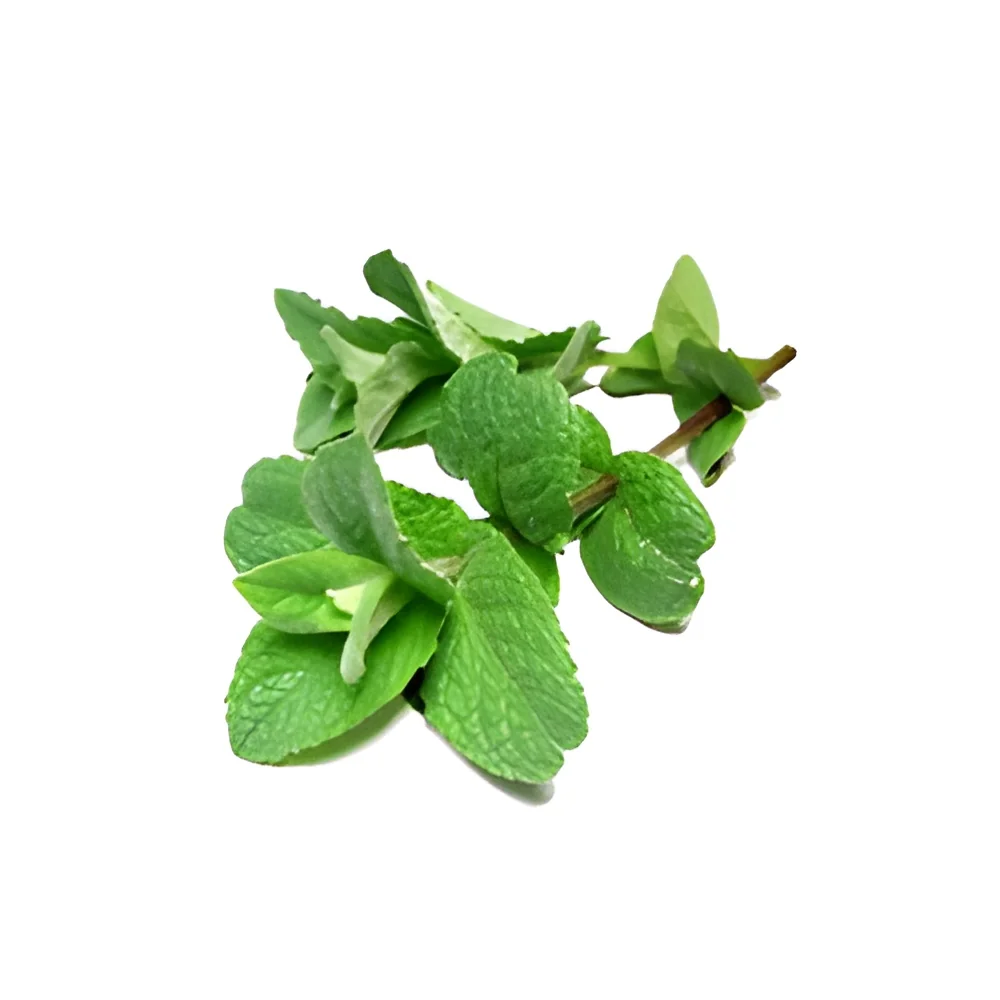
What are Bioactive Ingredients?
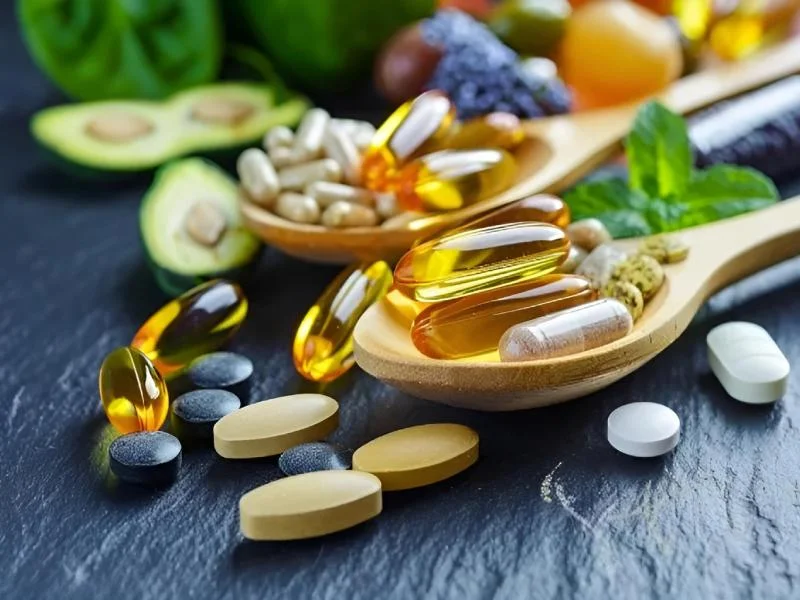
Bioactive ingredients are natural compounds that have a beneficial effect on human health and well-being. These substances can be derived from plants, animals, or microorganisms and are known to possess properties that promote physiological functions. Bioactive ingredients can include vitamins, minerals, phytochemicals, and other compounds that contribute to various health benefits. Their growing popularity is attributed to an increasing consumer demand for natural and health-promoting products.
In the B2B context, bioactive ingredients are widely used across industries such as food and beverage, pharmaceuticals, cosmetics, and nutraceuticals. Companies utilize these ingredients to enhance product offerings, improve health claims, and meet regulatory standards. For instance, bioactive components are incorporated into functional foods to provide added health benefits, such as improved digestion, enhanced immune response, or cardiovascular support. The market for bioactive ingredients is expanding rapidly, driven by trends in health consciousness and a preference for natural solutions.
Key Features and Specifications
Bioactive ingredients are characterized by various features that determine their effectiveness and applications. Understanding these specifications is crucial for businesses considering incorporation into their products.
Key specifications include:
1. Composition
- The specific mixture of active compounds present in the ingredient
- This can vary widely depending on the source and processing methods used
2. Purity Levels
- The percentage of bioactive compounds present in the ingredient
- High purity levels often indicate higher effectiveness and fewer contaminants
3. Bioavailability
- The degree and rate at which the active ingredient is absorbed and utilized by the body
- Higher bioavailability is essential for achieving desired health benefits
4. Stability
- The ability of the ingredient to maintain its efficacy over time
- Factors affecting stability include temperature, light exposure, and moisture levels
5. Source
- The origin of the bioactive ingredient, whether plant-based, animal-based, or synthetic
- Source can influence both functionality and market perception
6. Regulatory Compliance
- Adherence to food safety and health regulations
- Certifications such as CE can enhance market acceptance
7. Application Versatility
- The range of products and industries the ingredient can be used in
- Ingredients with broader applications can open more business opportunities
In summary, bioactive ingredients possess unique characteristics that can significantly impact their effectiveness and utility in various commercial applications.
Common Applications and Use Cases
Bioactive ingredients find usage in numerous sectors, reflecting their versatility and importance.
1. Food and Beverage: Bioactive ingredients are often added to functional foods and beverages to enhance health benefits, such as probiotics for gut health and antioxidants for disease prevention.
2. Pharmaceuticals: Many bioactive compounds are used in the development of medications and supplements aimed at treating specific health conditions, such as omega-3 fatty acids for cardiovascular health.
3. Cosmetics: Natural bioactive ingredients are increasingly included in skincare products for their anti-aging, moisturizing, and healing properties, such as hyaluronic acid and various plant extracts.
4. Nutraceuticals: These products combine nutrition and pharmaceuticals by offering bioactive ingredients that deliver health-promoting benefits, such as herbal supplements for immune support.
5. Animal Nutrition: Bioactive ingredients are utilized in animal feed to improve health and growth rates, including prebiotics and probiotics for livestock.
6. Dietary Supplements: Many dietary supplements rely on bioactive ingredients to provide health benefits, including vitamins, minerals, and plant extracts.
7. Agriculture: Bioactive compounds are used in agriculture for pest control and plant growth enhancement, promoting sustainable farming practices.
Product Variants and Subcategories
Bioactive ingredients come in various forms, catering to different needs and applications. The diversity allows businesses to choose the most suitable variant for their specific purposes.
Variant 1: Probiotics
Probiotics are live microorganisms that provide health benefits when consumed in adequate amounts. They are often used in dietary supplements and functional foods to support digestive health and boost the immune system.
Variant 2: Antioxidants
Antioxidants are compounds that help neutralize free radicals in the body, reducing oxidative stress. They are commonly found in dietary supplements and health products aimed at promoting overall wellness.
Variant 3: Omega-3 Fatty Acids
These essential fats are important for heart health and brain function. Omega-3 fatty acids are often included in supplements and functional foods, such as fortified oils and spreads.
Variant 4: Phytochemicals
Phytochemicals are bioactive compounds found in plants, known for their health-promoting properties. They are used in various applications, including dietary supplements, functional foods, and natural health products.
Benefits and Advantages
Sourcing bioactive ingredients offers several key benefits for businesses.
1. Health Promotion: Bioactive ingredients contribute to the creation of products that support health and well-being, appealing to health-conscious consumers.
2. Natural Solutions: The demand for natural and organic products continues to rise. Bioactive ingredients align with this trend, offering clean-label options for manufacturers.
3. Competitive Advantage: Incorporating bioactive ingredients can differentiate products in a crowded market, providing unique selling propositions based on health benefits.
4. Versatile Applications: Bioactive ingredients can be utilized across multiple industries, offering businesses flexibility in product development.
5. Enhanced Product Value: Products containing bioactive ingredients often command higher prices, contributing to better profit margins.
6. Regulatory Compliance: Many bioactive ingredients meet health and safety regulations, facilitating smoother market entry and consumer trust.
Buying Guide for B2B Buyers
When considering the purchase of bioactive ingredients, several key factors should be taken into account to ensure informed sourcing decisions.
1. Quality Assessment: Evaluate the quality of bioactive ingredients based on purity, composition, and bioavailability. Requesting third-party testing results can provide assurance of quality.
2. Supplier Verification: Conduct thorough research on potential suppliers. Check for certifications, customer reviews, and their history in the industry to ensure reliability.
3. Pricing and MOQ: Understand the pricing structure and minimum order quantities (MOQ) set by suppliers. This will help in budgeting and assessing the feasibility of sourcing.
4. Delivery and Lead Times: Discuss logistics with suppliers to determine delivery schedules and lead times. Timely delivery is crucial for maintaining production schedules.
5. Compliance Requirements: Ensure that the bioactive ingredients meet all regulatory standards for your industry. Familiarize yourself with local and international compliance requirements.
Compliance and Certifications
Bioactive ingredients are subject to various quality standards and certifications that ensure safety and efficacy.
ISO 9001 is a quality management standard that applies to suppliers of bioactive ingredients, ensuring they maintain high-quality processes. Compliance with this standard indicates a commitment to continual improvement and customer satisfaction.
HACCP (Hazard Analysis Critical Control Point) is another important standard that focuses on food safety. Suppliers adhering to HACCP guidelines demonstrate their ability to identify and control potential hazards in the production process of bioactive ingredients.
CE certification indicates that bioactive ingredients meet European health, safety, and environmental protection standards, facilitating market access across the European Union.
Safety and testing requirements are crucial in the bioactive ingredients sector. Manufacturers must conduct rigorous testing to verify the efficacy and safety of their products, ensuring they do not pose health risks to consumers.
Regional compliance considerations vary by market. Companies sourcing bioactive ingredients must be aware of local regulations and standards, which can differ significantly across regions.
Why Source Bioactive Ingredients from Pepagora?
Pepagora stands out as a trusted platform for sourcing bioactive ingredients, offering numerous advantages to B2B buyers.
Verified Supplier Network: Pepagora provides access to a network of verified suppliers who have undergone rigorous vetting. This ensures that buyers can trust the quality and reliability of the ingredients they purchase.
Streamlined RFQ Process: The platform features an efficient request for quotation (RFQ) process, enabling buyers to easily compare prices and specifications from multiple suppliers. This simplifies decision-making and enhances purchasing efficiency.
Trade Assurance and Support: Pepagora offers trade assurance, providing buyers with protection against potential issues during transactions. Dedicated support ensures that any concerns are promptly addressed, fostering a positive purchasing experience.
Regional Coverage: With a focus on regions such as India, the GCC, and Southeast Asia, Pepagora provides extensive geographic reach. This makes it easier for businesses in these areas to find and source high-quality bioactive ingredients tailored to their specific needs.

 IN
IN