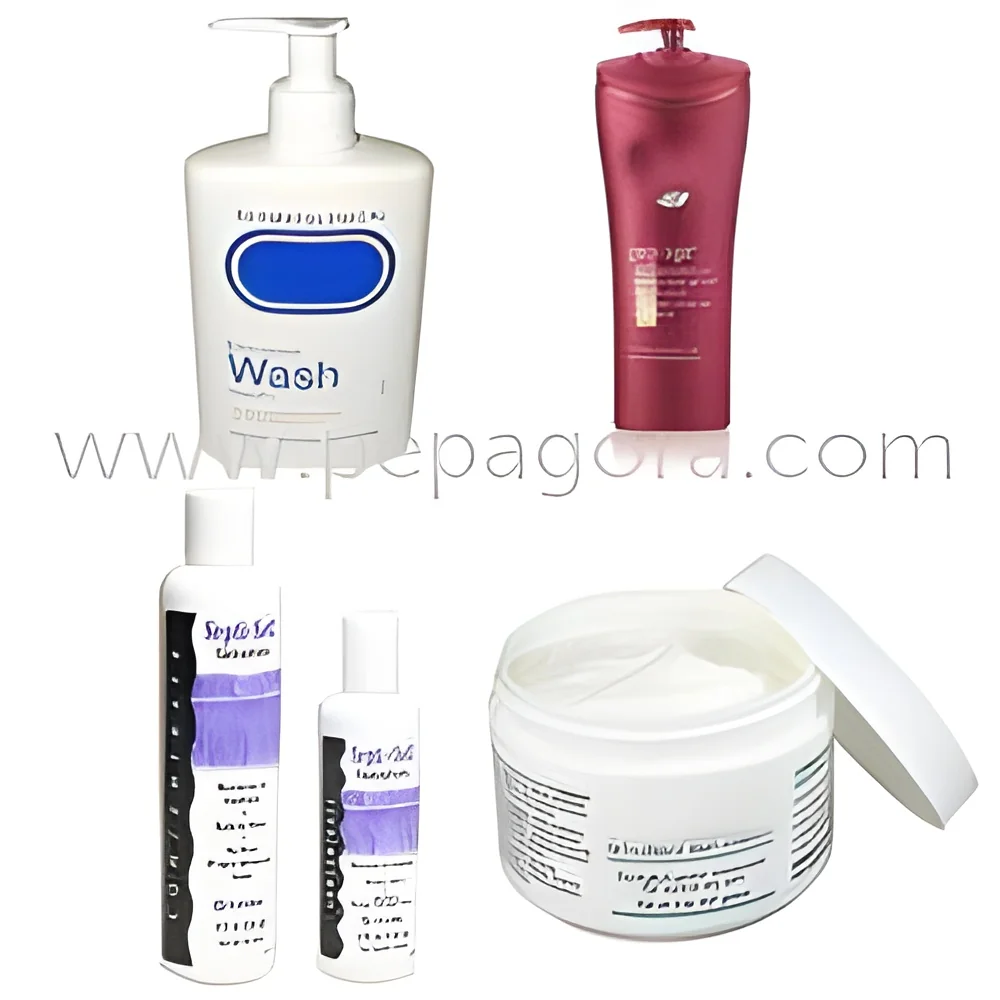
What are Emollients?
Emollients are substances that help to soften and hydrate the skin by forming a protective barrier. They are commonly used in various cosmetic and pharmaceutical products to improve skin hydration and alleviate dryness. Emollients can take many forms, including creams, lotions, and ointments, and they typically contain a combination of oils, fats, and other moisturizing agents.
In business applications, emollients are essential in personal care, skincare, and pharmaceutical industries. They are widely used in formulations for lotions, creams, and ointments aimed at treating dry skin conditions. The industry relevance of emollients is significant, as they are integral to products that promote skin health and comfort, which are in high demand across various markets. As consumer awareness of skin health increases, the market for emollients continues to expand, presenting opportunities for manufacturers and suppliers.
Key Features and Specifications
Emollients possess numerous features that make them valuable in various formulations. Understanding their specifications is crucial for selecting the right product for specific applications.
Key specifications include:
1. Composition
- Typically composed of oils, fats, and humectants
- Provides moisturizing and skin barrier properties
2. Texture
- Available in various forms such as creams, lotions, and ointments
- Determines ease of application and absorption rate
3. Absorption Rate
- Varies by formulation, affecting efficacy and user experience
- Some products are designed for rapid absorption, while others provide longer-lasting moisture
4. pH Level
- Generally formulated to match the skin's natural pH
- Ensures compatibility and minimizes irritation
5. Stability
- Must remain effective over time without degradation
- Influenced by storage conditions and formulation ingredients
6. Fragrance
- Available in unscented or scented varieties
- Affects consumer preference and product appeal
7. Shelf Life
- Varies based on formulation and packaging
- Critical for inventory management and usage planning
8. Regulatory Compliance
- Must meet safety and quality standards as per industry regulations
- Relevant certifications may include CE and others specific to the market
In summary, emollients are characterized by their composition, texture, and regulatory compliance, which play essential roles in their effectiveness and marketability.
Common Applications and Use Cases
Emollients find applications across various industries due to their moisturizing properties and skin benefits.
1. Cosmetics: Used in creams, lotions, and makeup products to improve skin feel and hydration.
2. Pharmaceuticals: Incorporated in topical medications and ointments for treating skin conditions such as eczema or psoriasis.
3. Personal Care: Essential in products like body washes and deodorants, enhancing skin moisture and comfort.
4. Food Industry: Occasionally used in food products to enhance texture and mouthfeel, depending on formulation.
5. Industrial Applications: Used in lubricants and other formulations where skin contact is possible, emphasizing safety and skin protection.
6. Agriculture: Some emollients are used in agricultural products to enhance the efficacy of pesticides by improving adhesion to plant surfaces.
7. Veterinary Medicine: Formulated into topical treatments for animals to promote skin health and healing.
Product Variants and Subcategories
Emollients come in various forms to cater to specific needs and preferences.
Cream Emollients
These thick, rich formulations are ideal for dry skin conditions. They provide a barrier that locks in moisture and are often enriched with additional active ingredients for enhanced skin benefits.
Lotion Emollients
Lightweight and easily spreadable, lotion emollients are suitable for everyday use. They are quickly absorbed and are commonly used in personal care products for a refreshing feel.
Ointment Emollients
These products are thicker and provide a more substantial barrier. They are often used in medical applications where prolonged moisture retention is required.
Benefits and Advantages
Emollients offer numerous benefits that make them essential in formulations across various industries.
Key benefits include:
1. Enhanced Skin Hydration: Emollients effectively trap moisture in the skin, alleviating dryness and improving overall skin texture.
2. Protection Against Irritants: By forming a barrier on the skin, emollients help protect against environmental irritants and allergens.
3. Improved Skin Elasticity: Regular use of emollients can enhance skin elasticity, leading to a more youthful appearance.
4. Relief from Skin Disorders: Emollients provide relief from conditions like eczema and psoriasis, promoting healing and comfort.
5. Versatility: Suitable for various applications, emollients can be tailored to meet the needs of different industries and consumers.
6. Consumer Appeal: Products containing emollients are often favored for their moisturizing properties, enhancing marketability.
Buying Guide for B2B Buyers
When sourcing emollients for business use, several factors should be considered.
1. Quality Assessment: Evaluate the quality of emollients based on ingredient integrity, efficacy, and stability. Look for products that meet recognized industry standards.
2. Supplier Verification: Conduct thorough background checks on potential suppliers to ensure they have a reputable history and are compliant with industry regulations.
3. Pricing and MOQ: Understand the pricing structure and minimum order quantities. This will help in budgeting and inventory management.
4. Delivery and Lead Times: Assess logistics capabilities and expected lead times to ensure timely availability of products.
5. Compliance Requirements: Ensure that emollients meet relevant safety and quality regulations. Familiarize yourself with certification requirements in your target market.
Compliance and Certifications
Emollients must adhere to various quality standards and regulations to ensure safety and efficacy. Key standards include ISO 9001, which outlines quality management systems, and HACCP, which focuses on food safety. Additionally, emollients may carry CE certification, indicating compliance with European health and safety standards.
Safety and testing requirements are also critical. Manufacturers should conduct rigorous testing to ensure products are safe for consumer use. This includes stability testing and assessments for potential allergens.
Regional compliance considerations may vary, necessitating a thorough understanding of local regulations in different markets. Companies must stay informed about these requirements to ensure their products are compliant and can be marketed effectively.
Why Source Emollients from Pepagora?
Pepagora offers a trusted platform for sourcing emollients, providing several key advantages for B2B buyers.
Verified Supplier Network: Pepagora connects buyers with a network of verified suppliers, ensuring that sourced products meet quality and safety standards. This reduces the risk associated with procurement.
Streamlined RFQ Process: The request for quotation process is designed to be efficient, allowing buyers to receive competitive quotes from multiple suppliers quickly. This enables informed decision-making.
Trade Assurance and Support: Buyers benefit from protective measures that ensure transactions are secure. Pepagora provides support throughout the sourcing process, ensuring satisfaction.
Regional Coverage: With a strong presence in India, the GCC, and Southeast Asia, Pepagora offers extensive geographic reach. This allows buyers to access a diverse range of emollients tailored to local market needs.
In conclusion, sourcing emollients through Pepagora is a strategic choice that combines quality, efficiency, and regional expertise, making it an ideal partner for businesses looking to enhance their product offerings.

 IN
IN