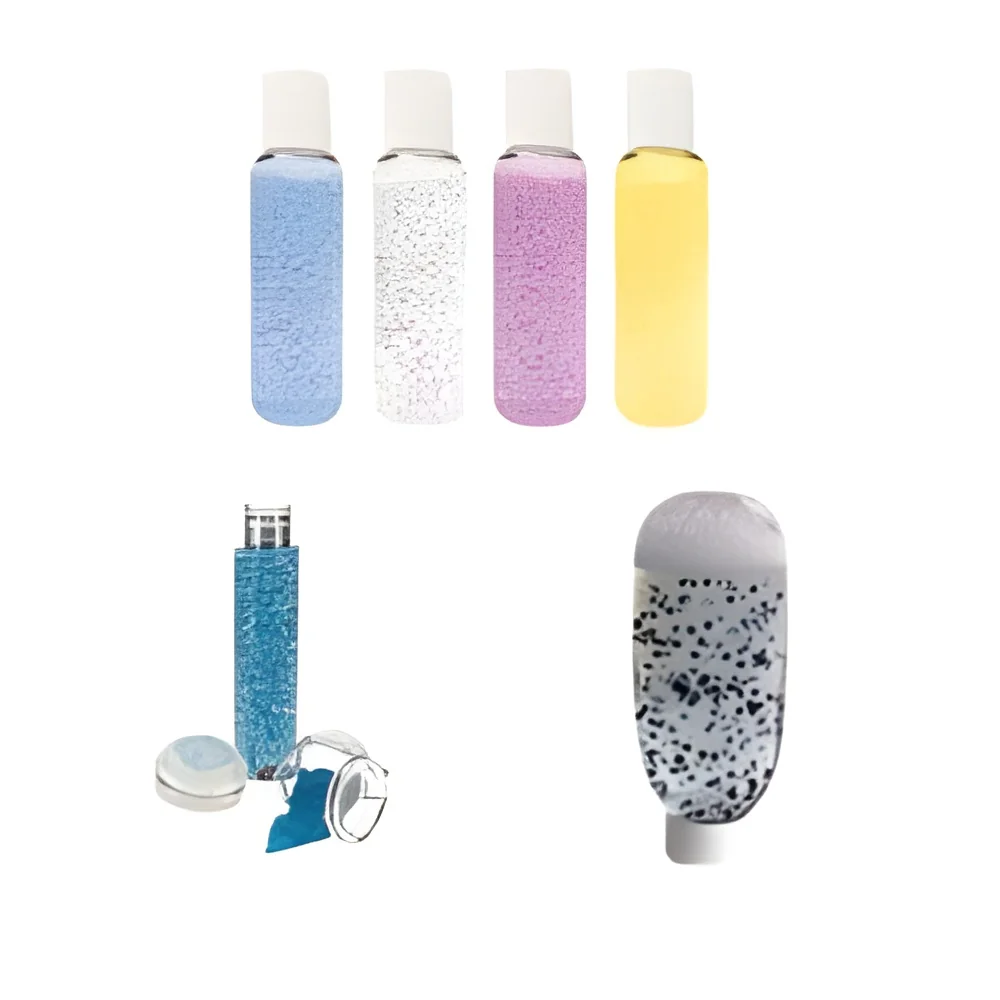
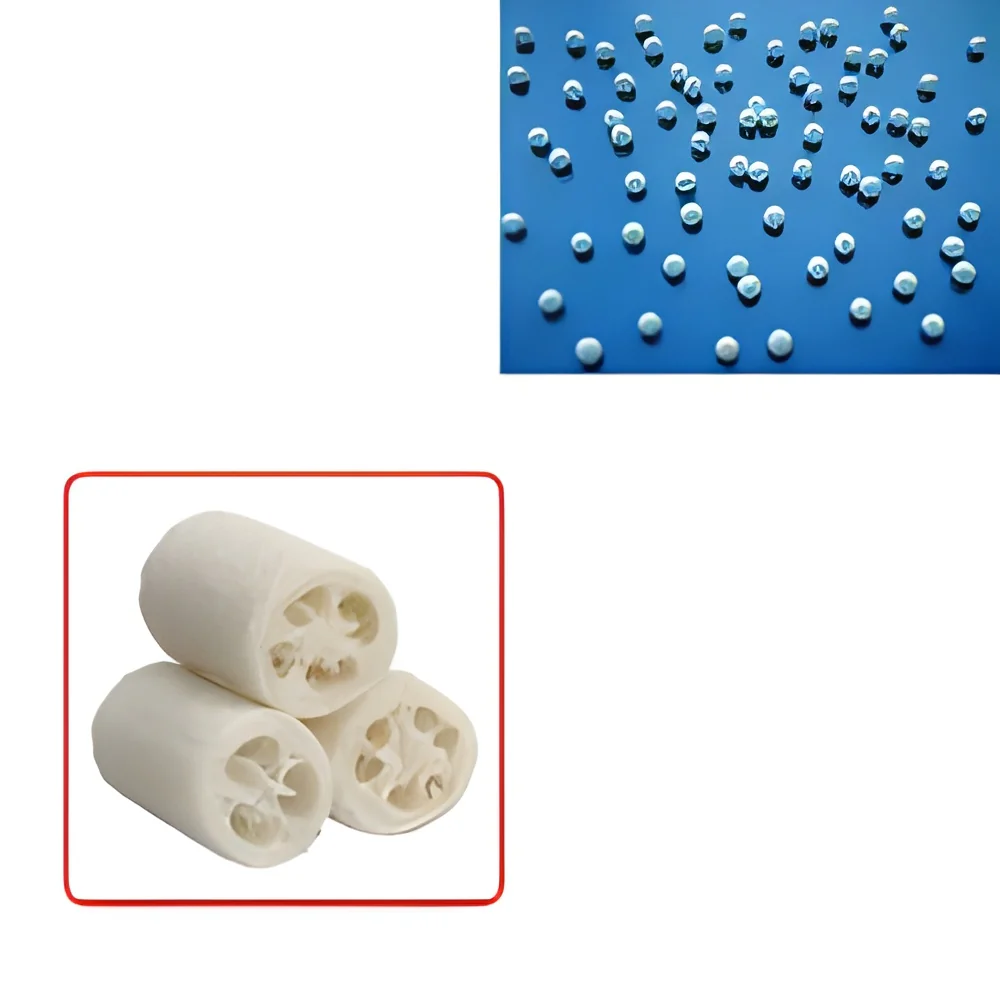
What are Exfoliants?
Exfoliants are substances used to remove dead skin cells from the surface of the skin, promoting smoother and healthier skin. This process can be achieved through physical or chemical means. Physical exfoliants involve scrubbing or buffing the skin with granular substances, while chemical exfoliants use acids or enzymes to dissolve dead skin cells. Exfoliation is a key step in many skincare routines, aimed at improving skin texture and enhancing the effectiveness of other skincare products.
In the B2B context, exfoliants are commonly used in the cosmetics and personal care industries. They are found in various products, including facial scrubs, body scrubs, and chemical peels. Businesses utilize exfoliants not only to improve the effectiveness of their products but also to cater to consumer demands for healthier skin solutions. The market for exfoliants is growing, driven by increasing awareness of skincare routines and the rising demand for personal care products.
The relevance of exfoliants in the beauty and personal care industry cannot be overstated. With a focus on natural ingredients and effective formulations, manufacturers are continually innovating to meet consumer preferences. The global market for exfoliants is expanding, reflecting trends in wellness and self-care, making it essential for businesses to stay informed about the latest developments.
Key Features and Specifications
Exfoliants come with a variety of features and specifications that determine their effectiveness and suitability for specific applications. Understanding these specifications is crucial for businesses looking to source the right products.
Key specifications include:
1. Type of Exfoliant
- Physical or chemical exfoliant
- Each type serves different skin types and needs
2. Ingredient Composition
- Natural or synthetic components
- Key active ingredients like glycolic acid, salicylic acid, or jojoba beads
3. Granule Size
- Varies for physical exfoliants
- Determines the intensity of exfoliation
4. pH Level
- Important for chemical exfoliants
- Affects product efficacy and skin compatibility
5. Packaging Type
- Available in jars, tubes, or sachets
- Influences shelf life and usability
6. Shelf Life
- Typically ranges from 12 to 36 months
- Affected by formulation and packaging
7. Safety Testing
- Must meet industry safety standards
- Ensures product is suitable for consumer use
8. Certifications
- Compliance with relevant regulations
- CE certification for European markets
Understanding these specifications helps businesses make informed purchasing decisions and cater to customer preferences.
Common Applications and Use Cases
Exfoliants are versatile products used across multiple industries. Their effectiveness in improving skin health makes them a popular choice for various applications.
1. Cosmetics Industry: Exfoliants are incorporated into facial cleansers and scrubs, enhancing the effectiveness of skincare routines and addressing different skin concerns.
2. Spa and Salon Services: Many spas and salons use exfoliants in treatments, offering services like body scrubs and chemical peels that promote skin renewal.
3. Dermatology: Exfoliants are often recommended by dermatologists for patients seeking to treat acne, hyperpigmentation, and other skin conditions.
4. Health and Wellness: The rise of wellness trends has led to increased use of exfoliants in home care products, allowing consumers to incorporate spa-like treatments into their routines.
5. Retail Skincare Products: Many retail brands offer exfoliating products, catering to consumers looking for effective solutions to improve their skin's texture and appearance.
6. Professional Beauty Treatments: Exfoliants are key ingredients in professional-grade treatments, allowing beauty professionals to deliver superior results.
7. Men's Grooming: There is a growing market for exfoliants specifically formulated for men's grooming products, addressing unique skin care needs.
Product Variants and Subcategories
Exfoliants come in various forms, catering to different skin types and preferences. Understanding these variants helps businesses choose the right products.
Physical Exfoliants: These variants contain granular ingredients that provide a scrubbing effect. They are ideal for those seeking immediate results and can be used in both facial and body products.
Chemical Exfoliants: Typically formulated with acids like alpha-hydroxy acids (AHAs) or beta-hydroxy acids (BHAs), these exfoliants work by dissolving dead skin cells. They are suitable for sensitive skin and offer longer-lasting effects.
Enzyme Exfoliants: These products utilize natural enzymes, often derived from fruits, to gently exfoliate the skin. They are perfect for individuals with sensitive skin or those looking for a more natural option.
Combination Exfoliants: Some products combine physical and chemical exfoliation, providing a comprehensive approach to skin renewal. This variant appeals to those who want the benefits of both types in one product.
Benefits and Advantages
Exfoliants provide numerous benefits that appeal to both consumers and businesses. Their effectiveness in skincare makes them a valuable addition to product lines.
1. Improved Skin Texture: Regular use of exfoliants leads to smoother skin by removing dead cells and promoting cell renewal.
2. Enhanced Product Absorption: Exfoliating helps other skincare products penetrate deeper, maximizing their effectiveness.
3. Diminished Appearance of Pores: Exfoliants can help unclog pores, reducing their visibility and preventing breakouts.
4. Brightened Complexion: By removing dull, dead skin cells, exfoliants reveal a brighter and more radiant skin tone.
5. Tailored Formulations: With a variety of formulations available, businesses can cater to different skin types and concerns.
6. Increased Customer Satisfaction: Offering effective exfoliants can boost customer loyalty and satisfaction, leading to repeat purchases.
Buying Guide for B2B Buyers
When sourcing exfoliants for business needs, several factors should be considered to ensure the right selection.
1. Quality Assessment: It is essential to evaluate the quality of exfoliants by reviewing ingredient lists and seeking samples. Businesses should prioritize products that meet industry standards for safety and effectiveness.
2. Supplier Verification: Vetting suppliers is crucial. Look for manufacturers with a proven track record and positive customer reviews to ensure reliability and quality.
3. Pricing and MOQ: Understand the pricing structure and minimum order quantities (MOQs) associated with different suppliers. This helps in budgeting and ensures you can meet demand without overextending.
4. Delivery and Lead Times: Consider the logistics of sourcing exfoliants, including delivery times. Reliable suppliers should provide clear timelines to avoid disruptions in your supply chain.
5. Compliance Requirements: Stay informed about regulatory standards and certifications applicable in your region. This ensures that the products sourced are compliant and safe for consumer use.
Compliance and Certifications
Compliance with industry standards and certifications is critical in the production and distribution of exfoliants. Relevant quality standards, such as ISO 9001, ensure that manufacturers maintain quality management systems that enhance customer satisfaction and product consistency.
Certifications like CE indicate that products meet European safety, health, and environmental protection standards. This is particularly important for businesses looking to enter or expand in European markets.
Safety and testing requirements are also paramount. Exfoliants should undergo rigorous testing to ensure they are safe for consumer use and do not cause adverse reactions. Additionally, businesses must consider regional compliance aspects, as regulations may vary significantly from one market to another.
Why Source Exfoliants from Pepagora?
Pepagora offers a reliable platform for sourcing exfoliants, providing several key advantages for businesses.
Verified Supplier Network: Pepagora connects buyers with a network of verified suppliers, ensuring that products meet high-quality standards. This reduces the risk of sourcing subpar products.
Streamlined RFQ Process: The request for quotation (RFQ) process on Pepagora is designed for efficiency, allowing buyers to easily compare offerings from multiple suppliers. This simplifies decision-making and helps in securing the best deals.
Trade Assurance and Support: Pepagora provides trade assurance, protecting buyers from potential risks. The platform also offers dedicated support to assist in resolving any issues that may arise during the sourcing process.
Regional Coverage: With a broad geographic reach, including India, the GCC, and Southeast Asia, Pepagora enables businesses to access a diverse range of exfoliant products tailored to different markets and consumer needs.

 IN
IN