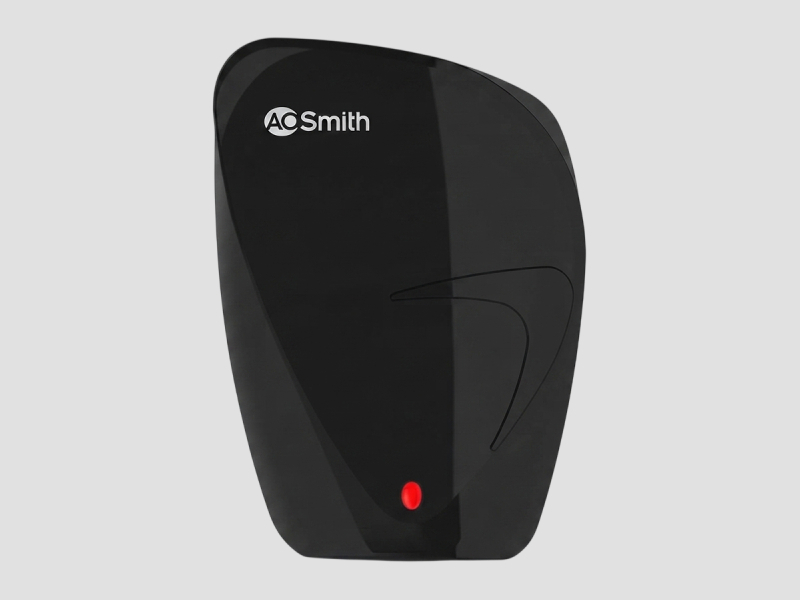
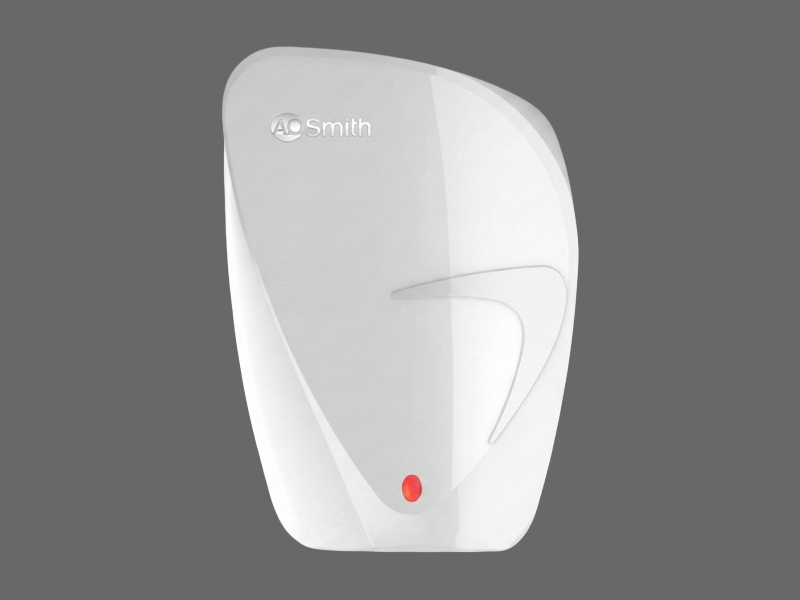
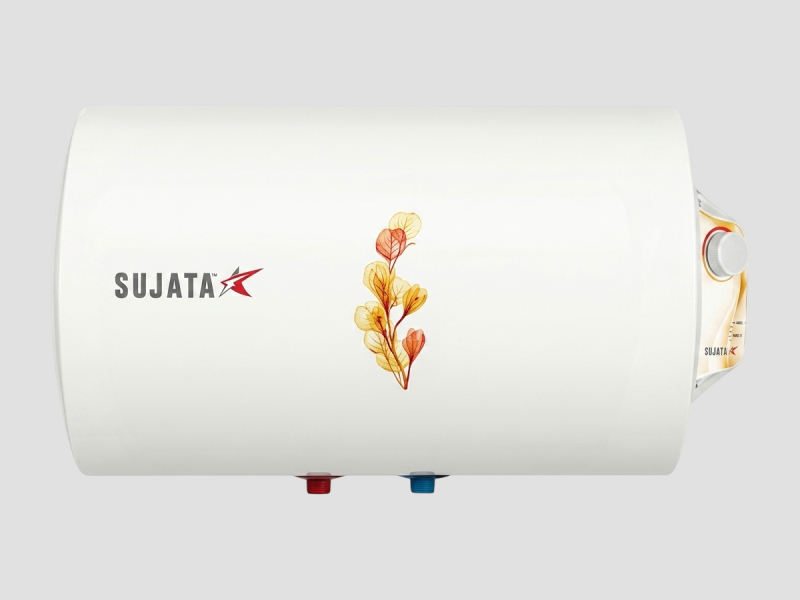
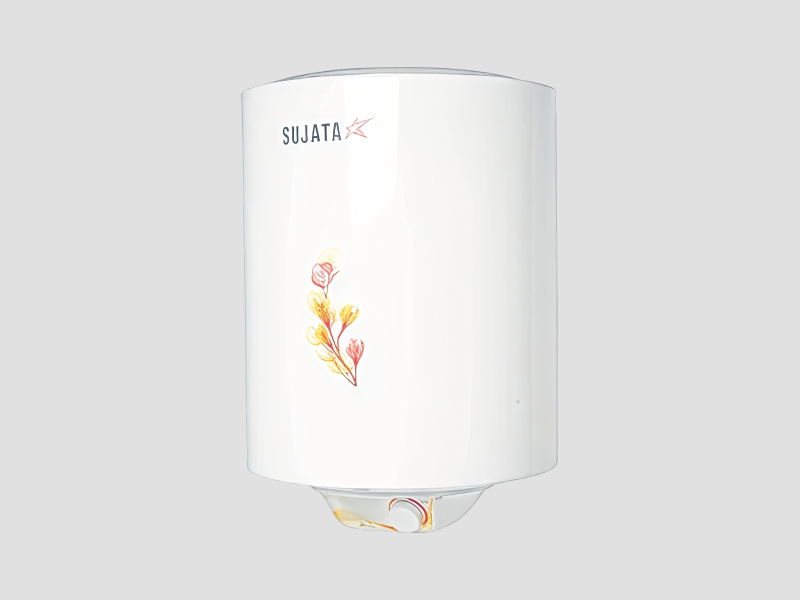
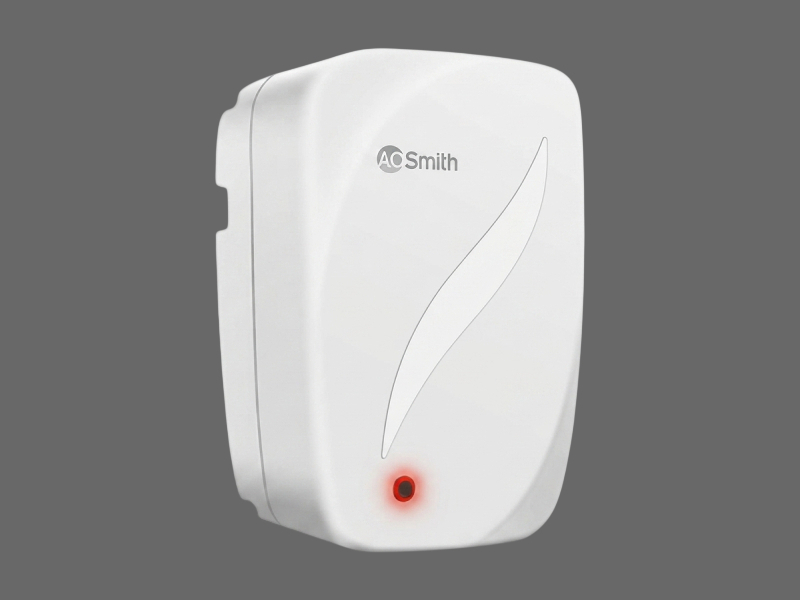
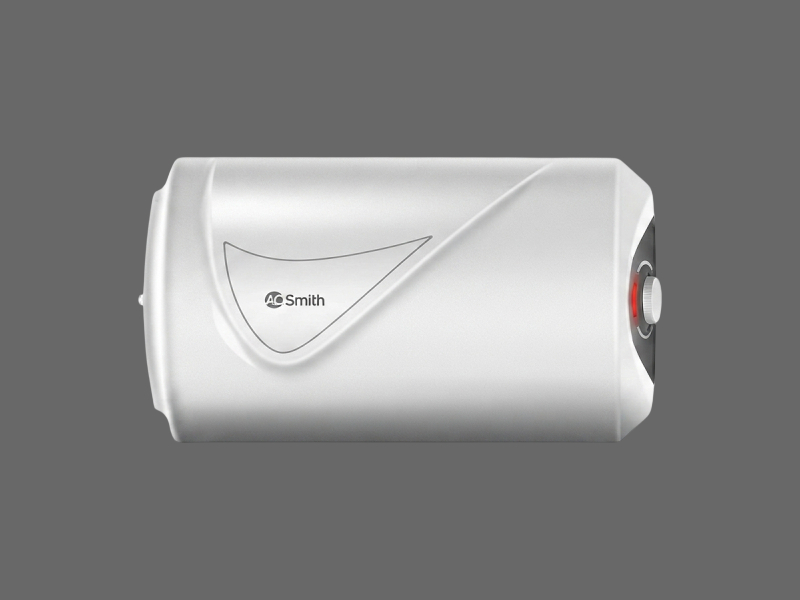
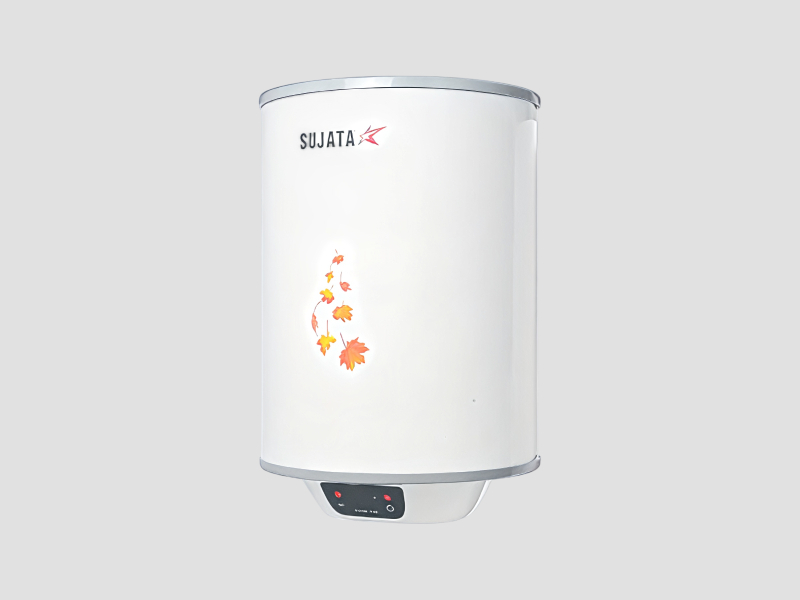
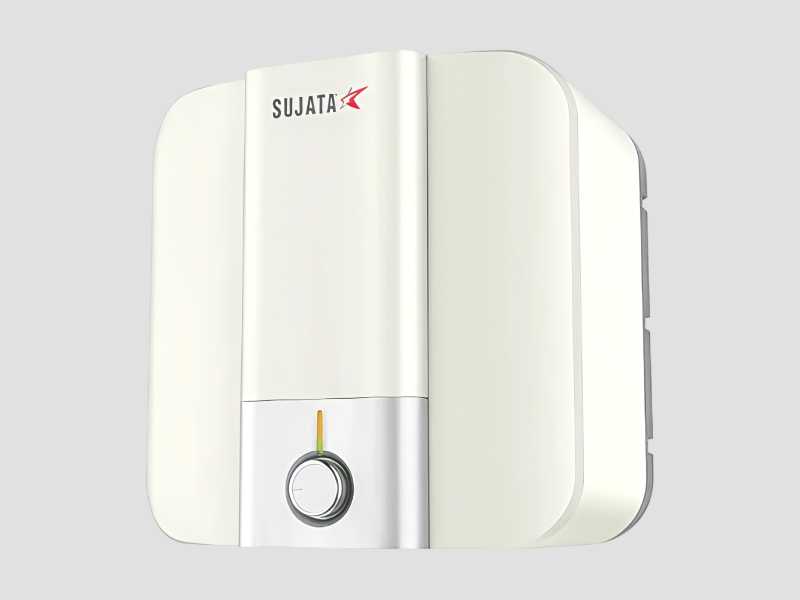
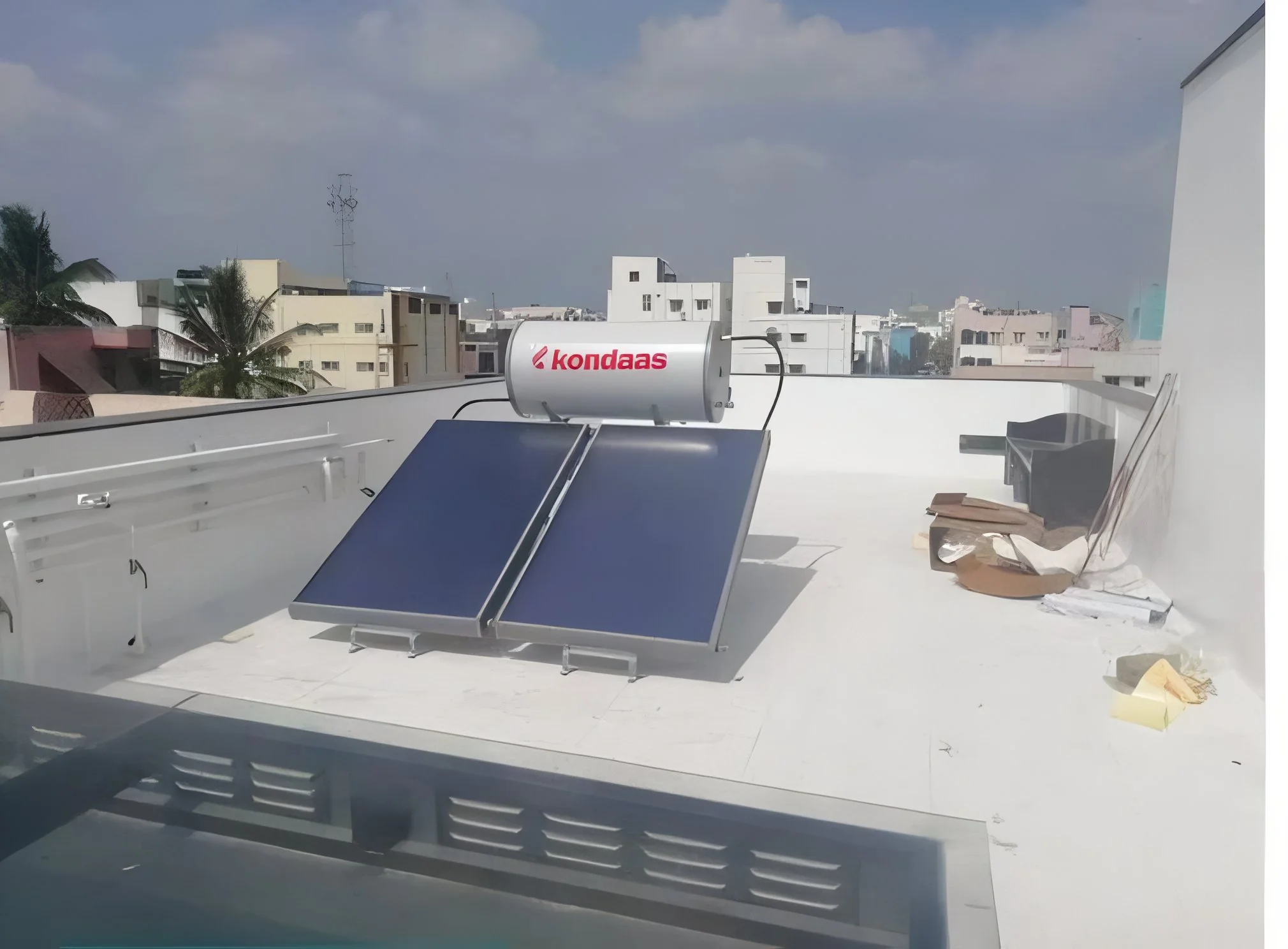
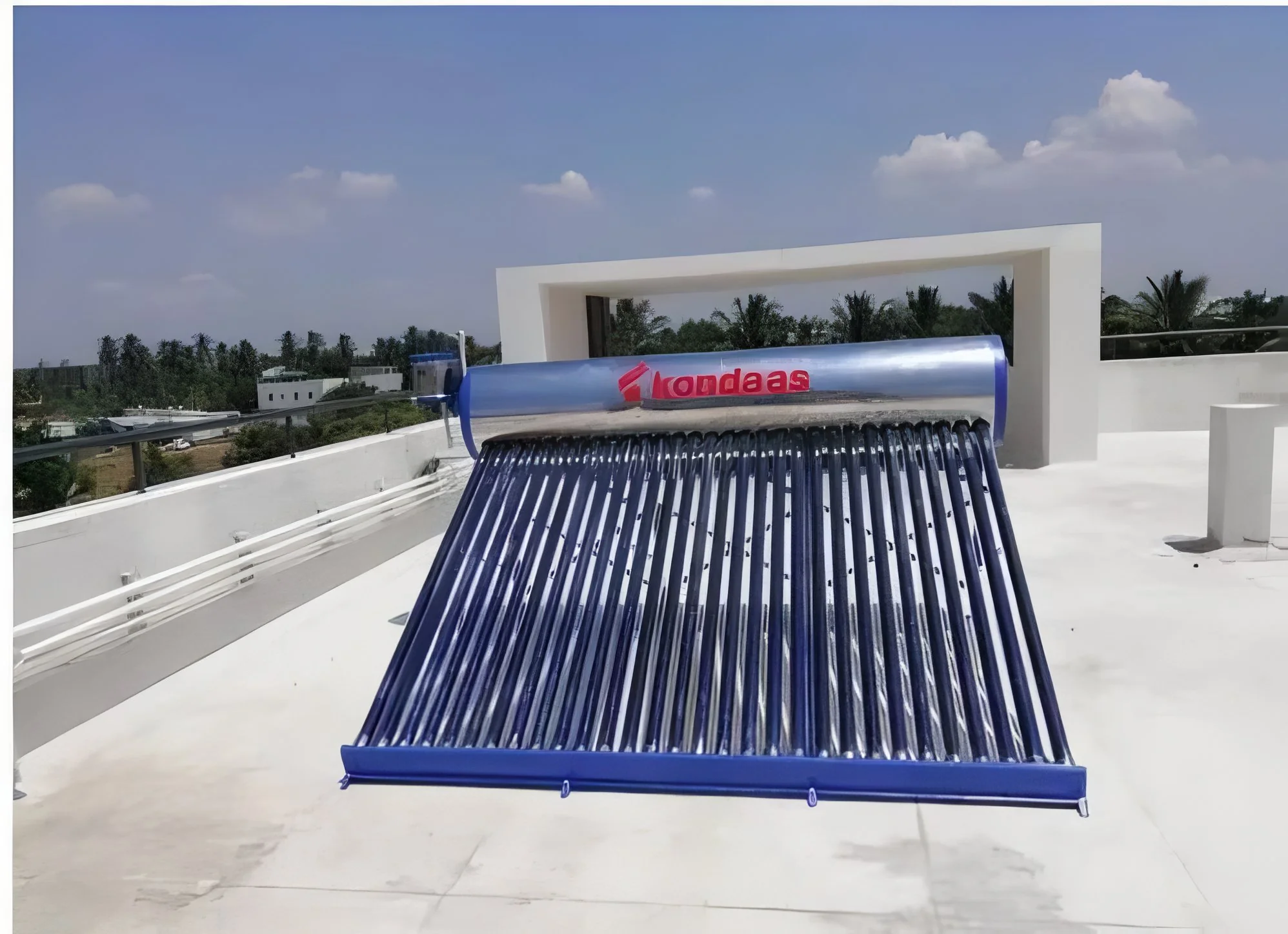
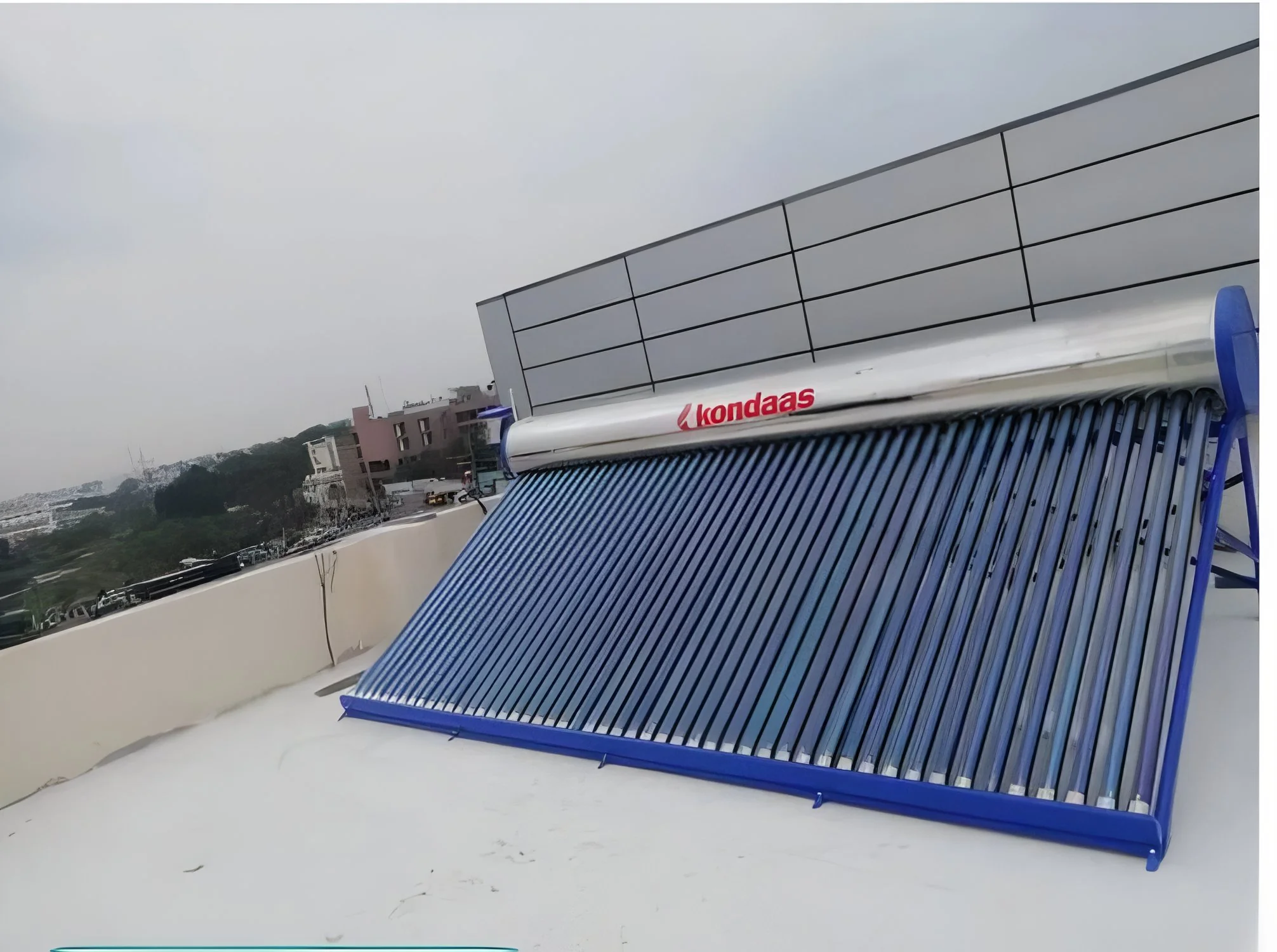
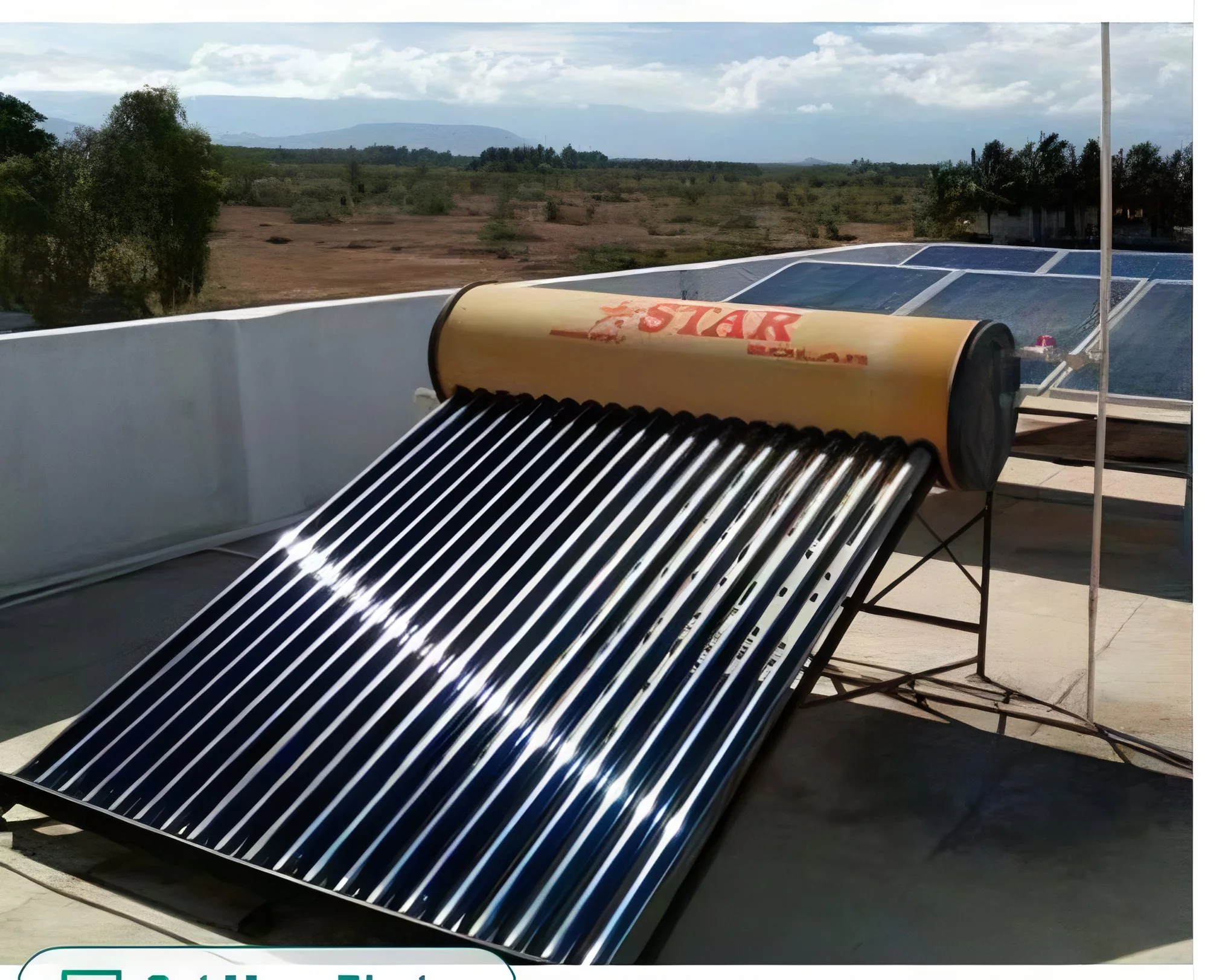
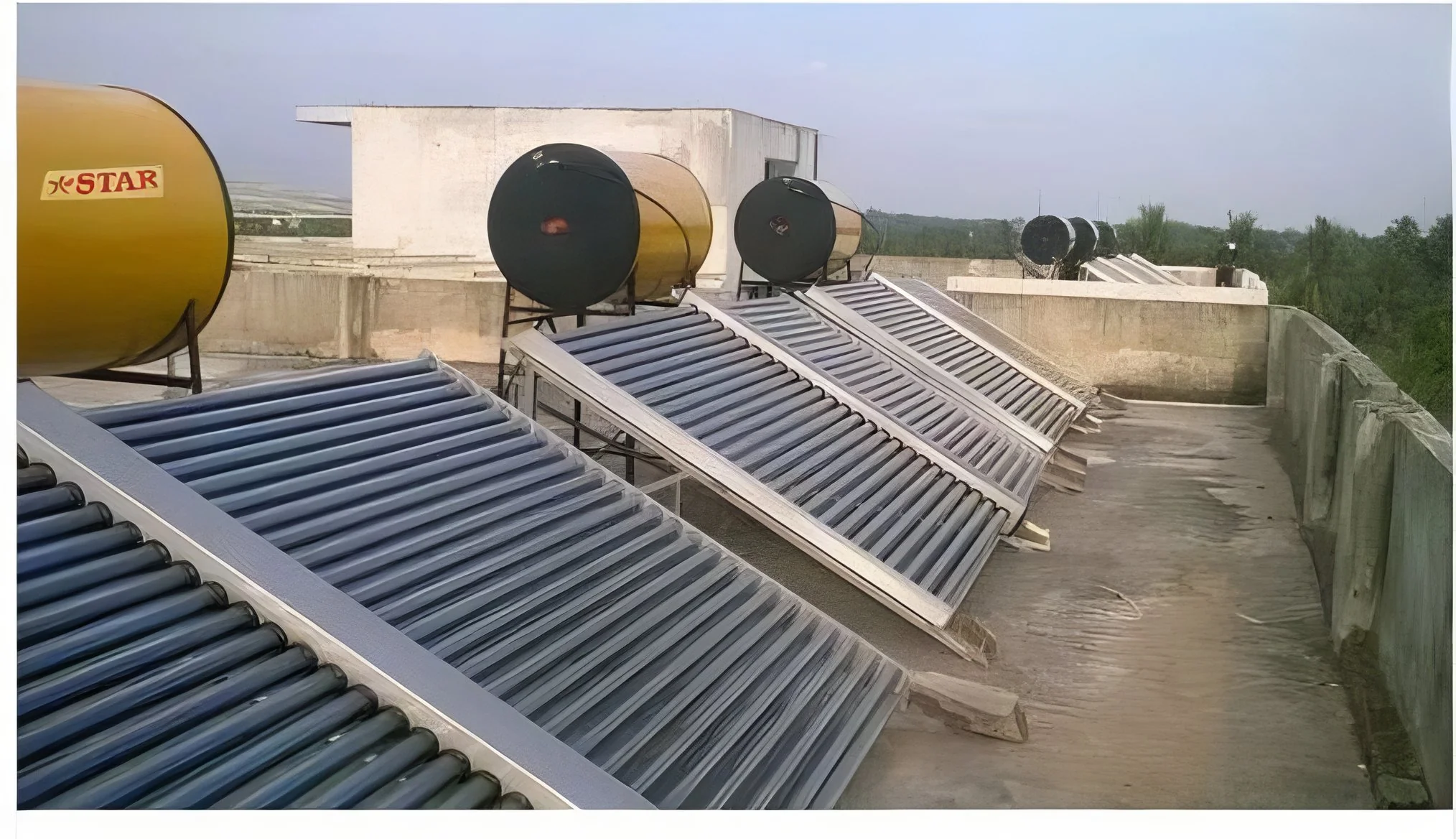
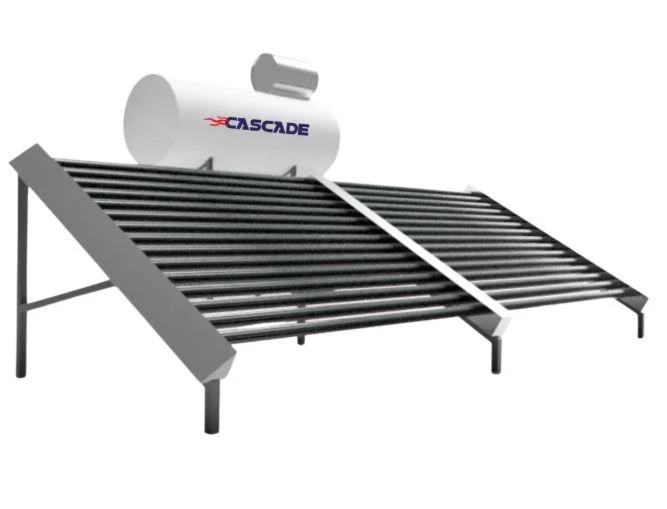
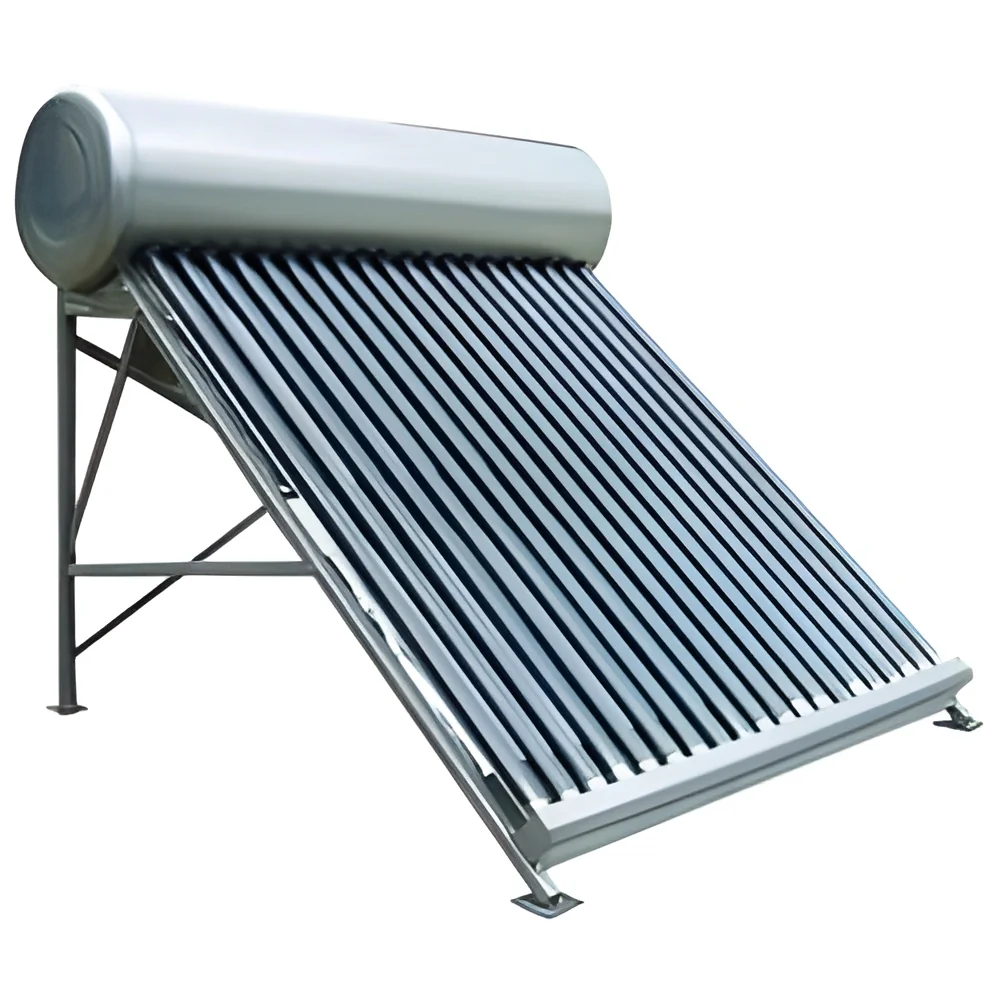
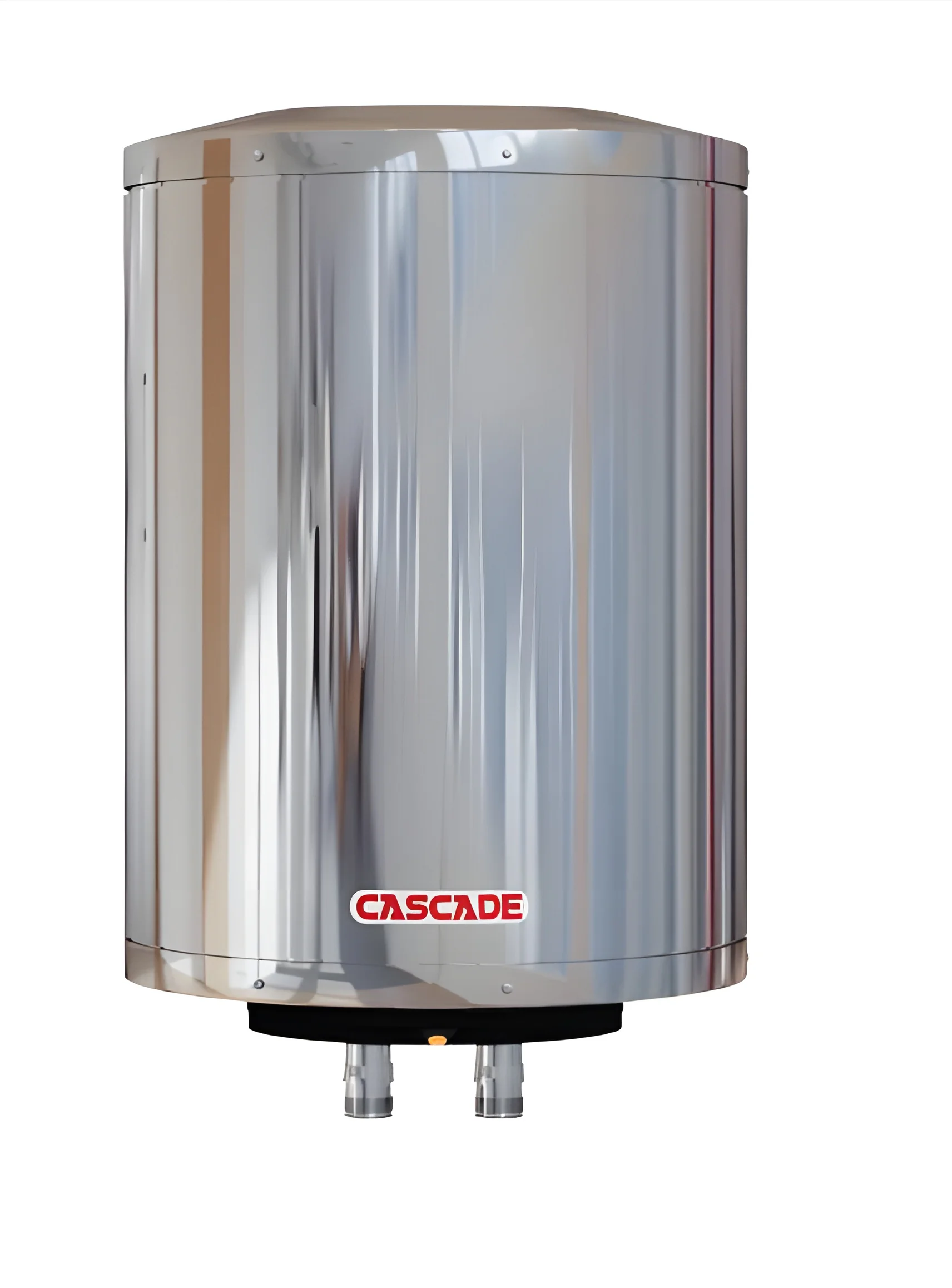
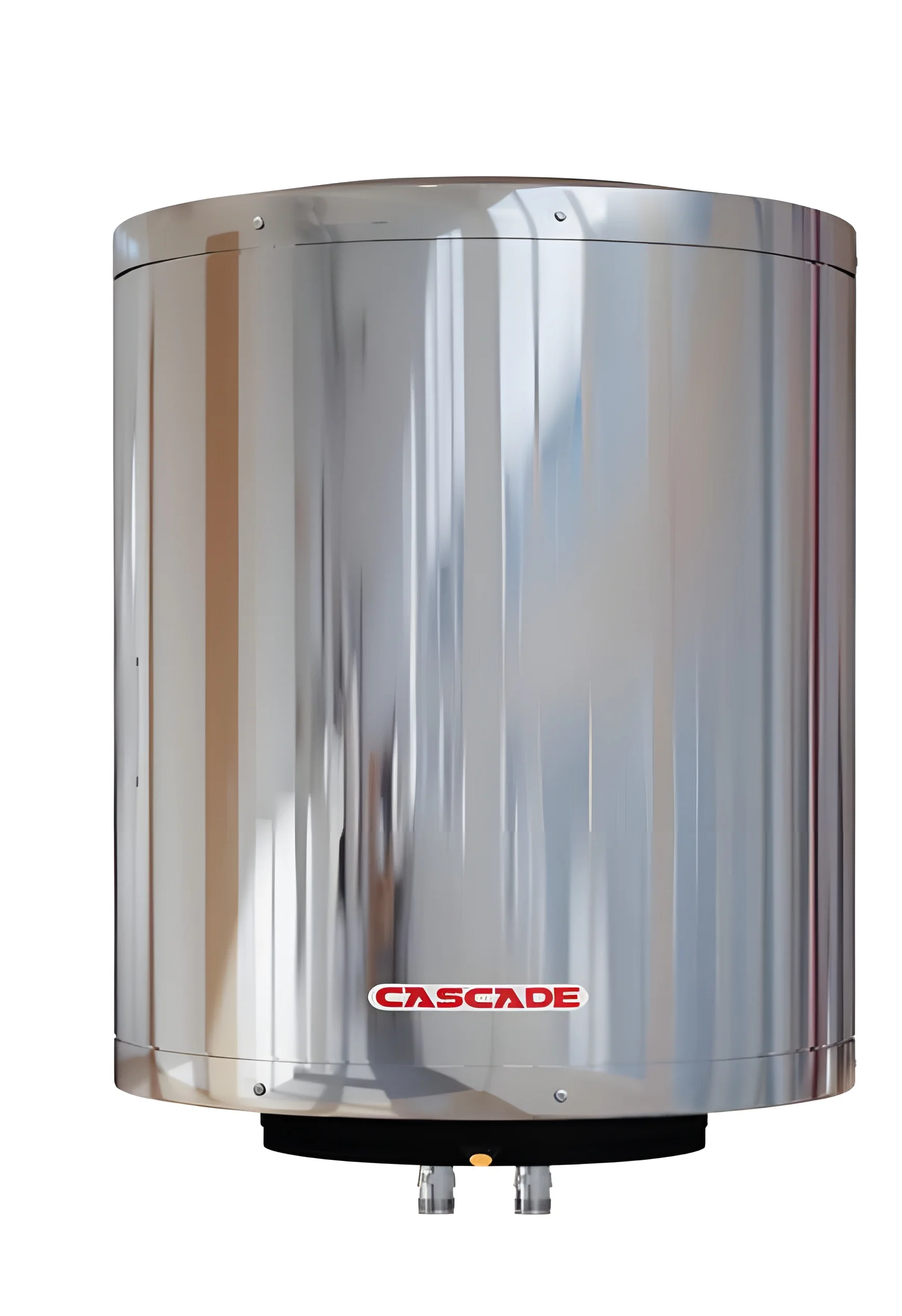
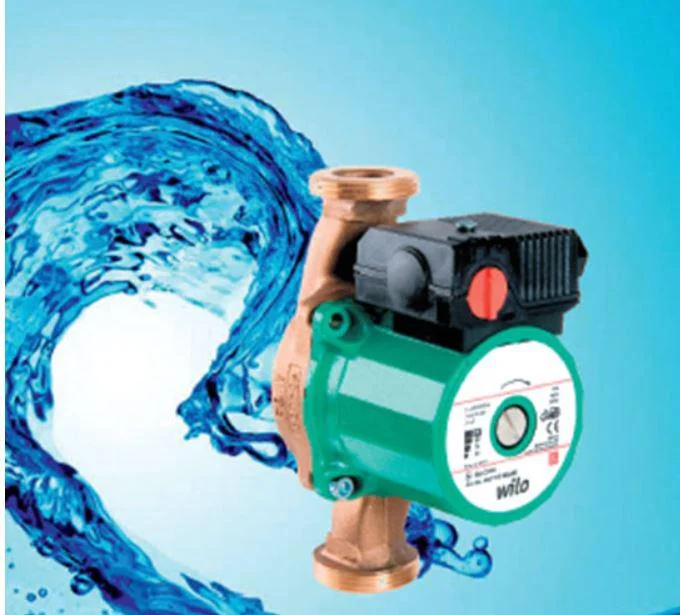
What are Water Heating Systems (Geysers, Solar Heaters)?
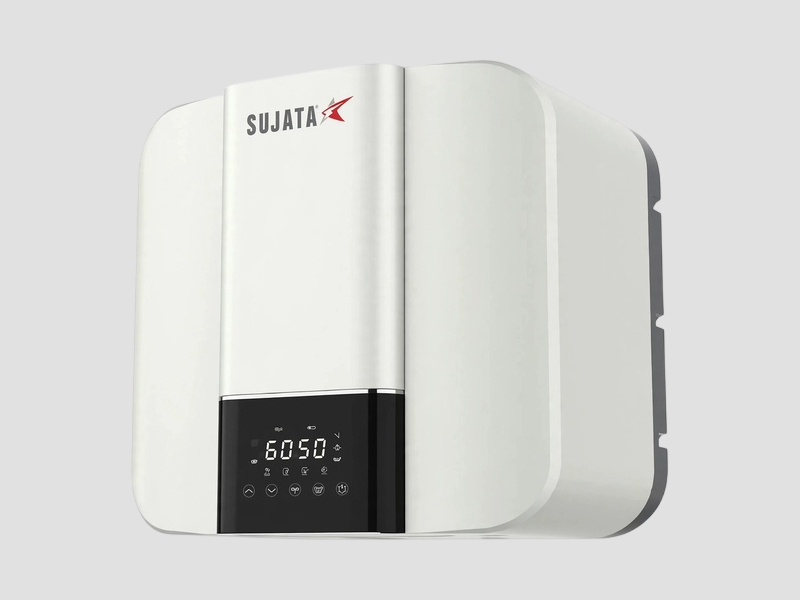
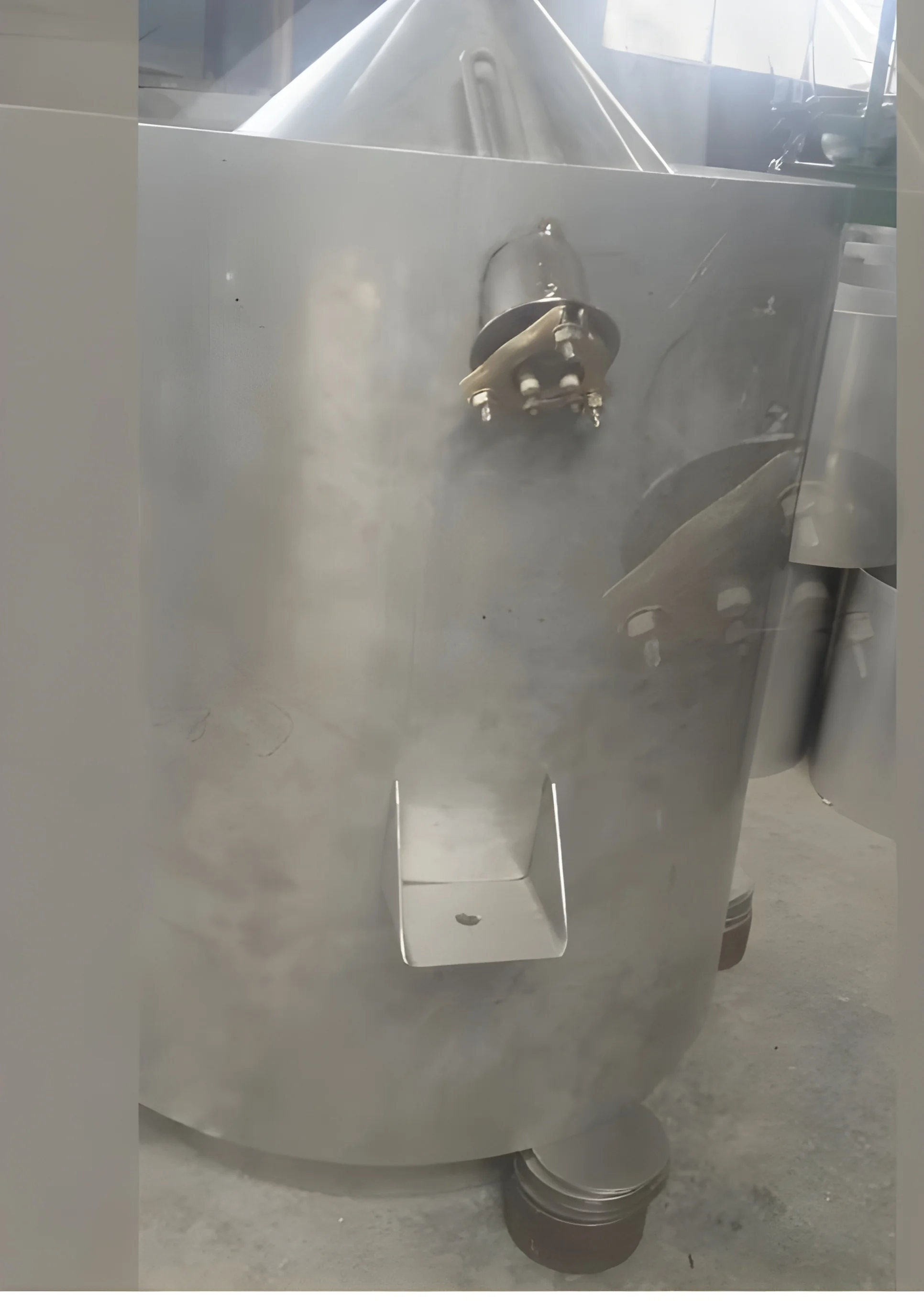
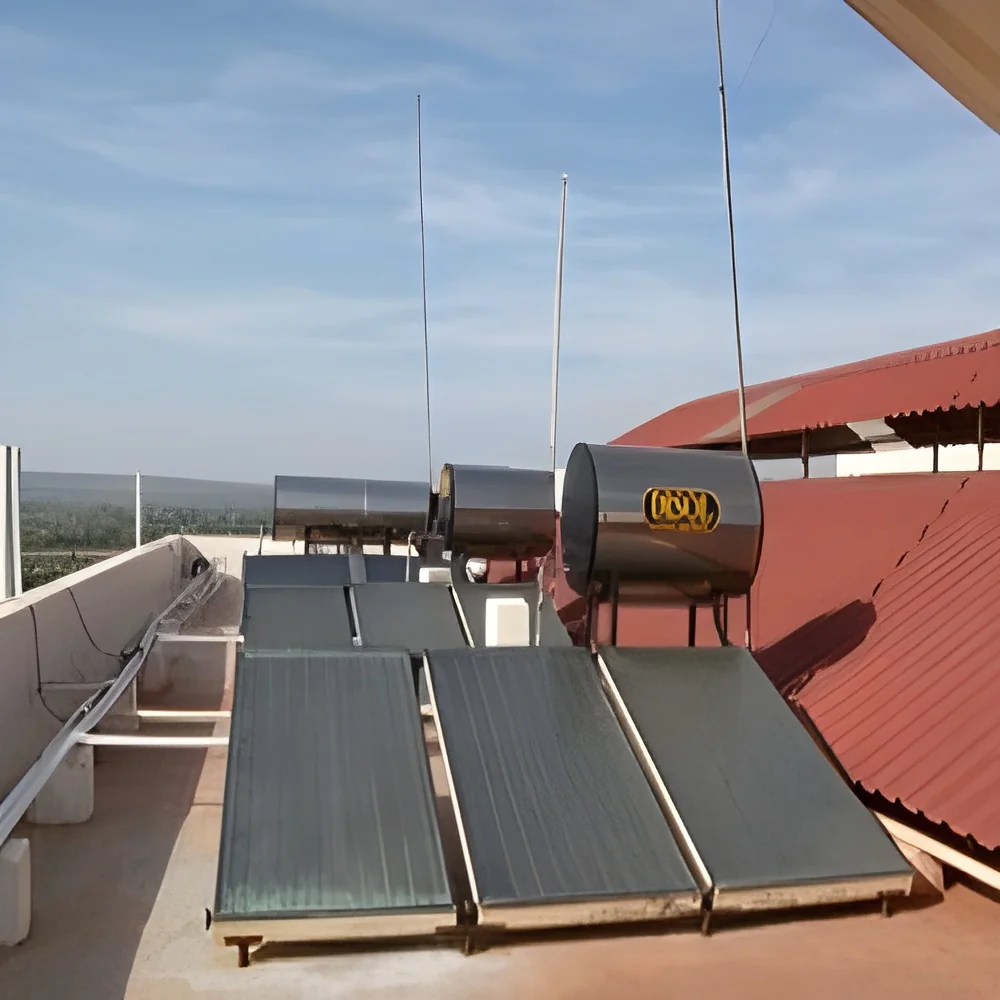
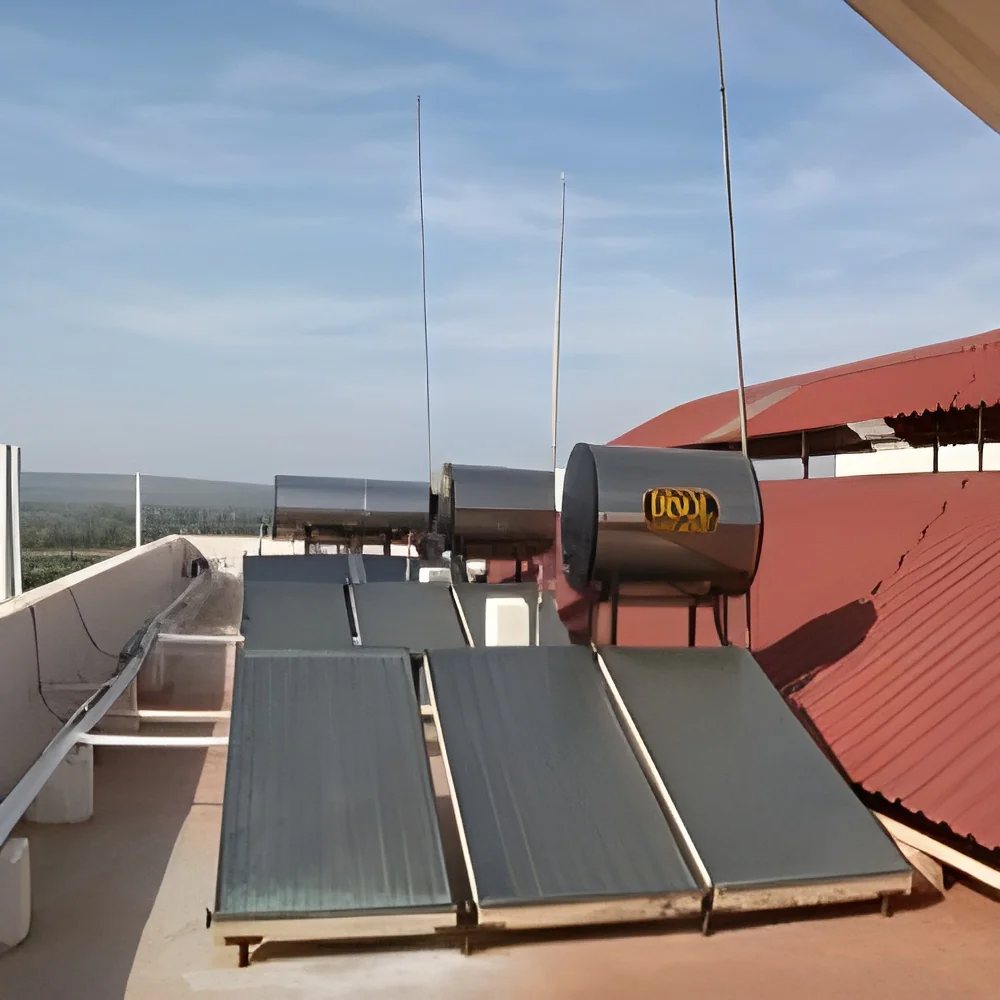
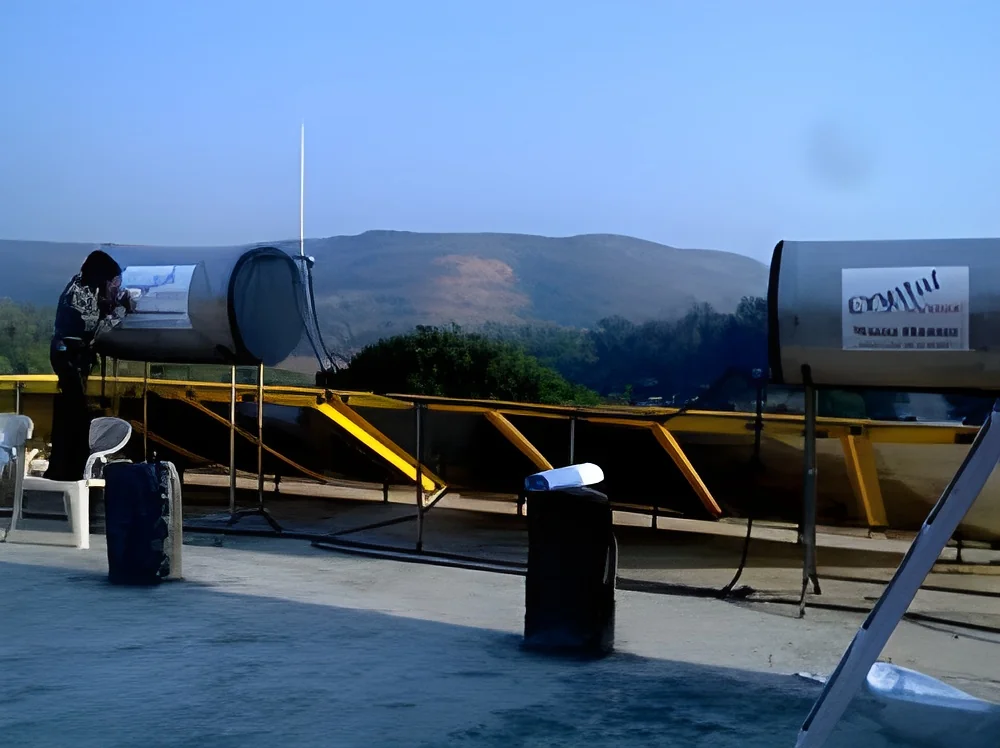
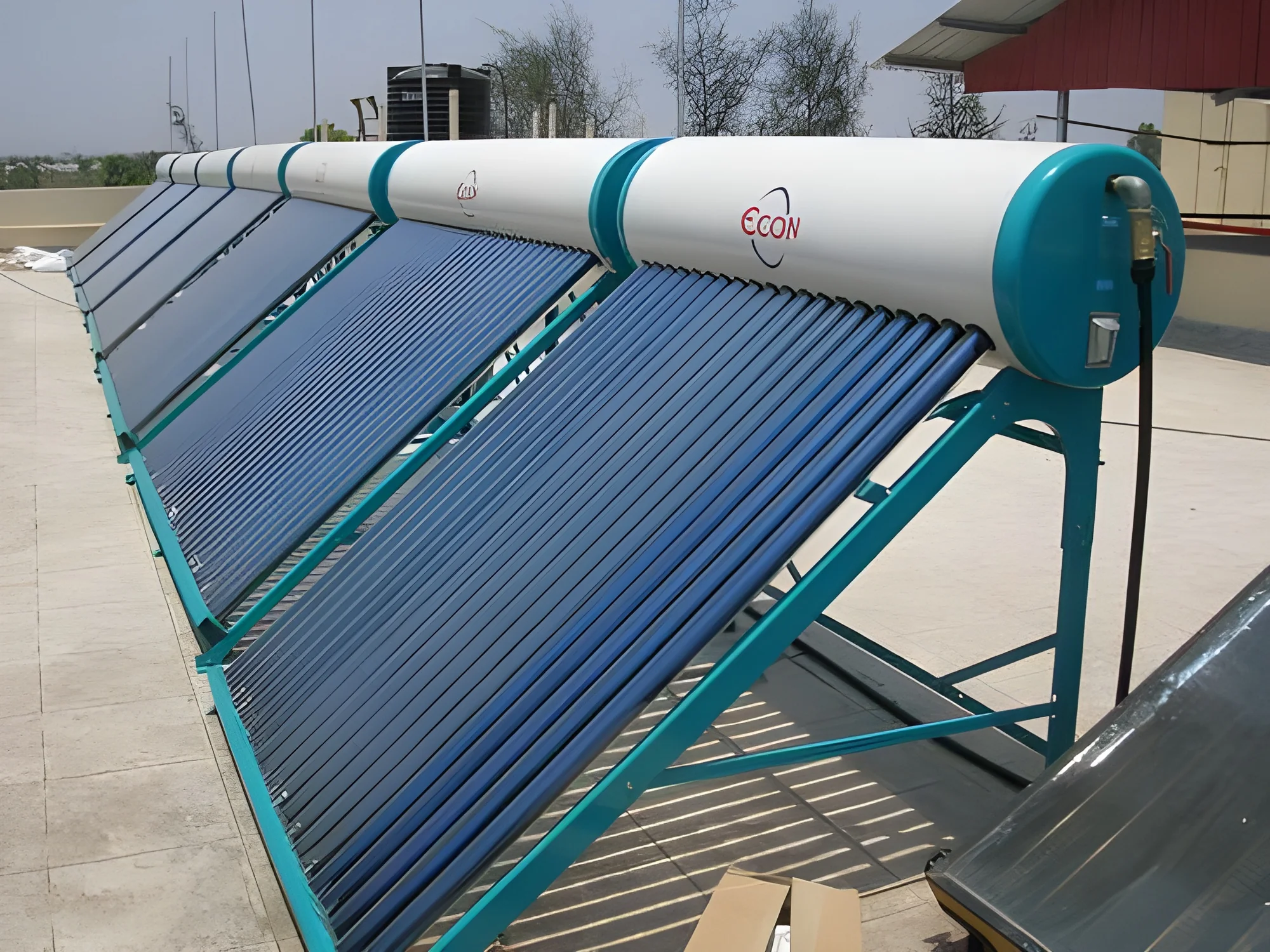
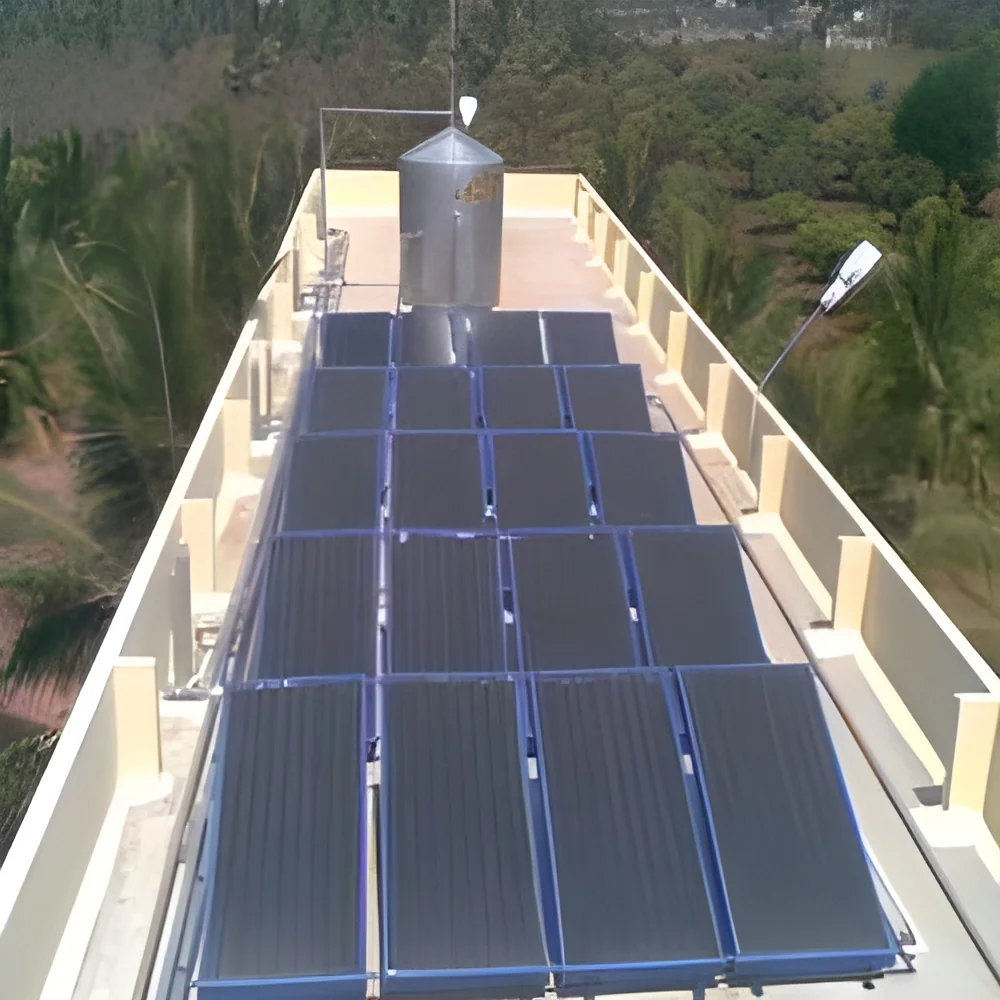
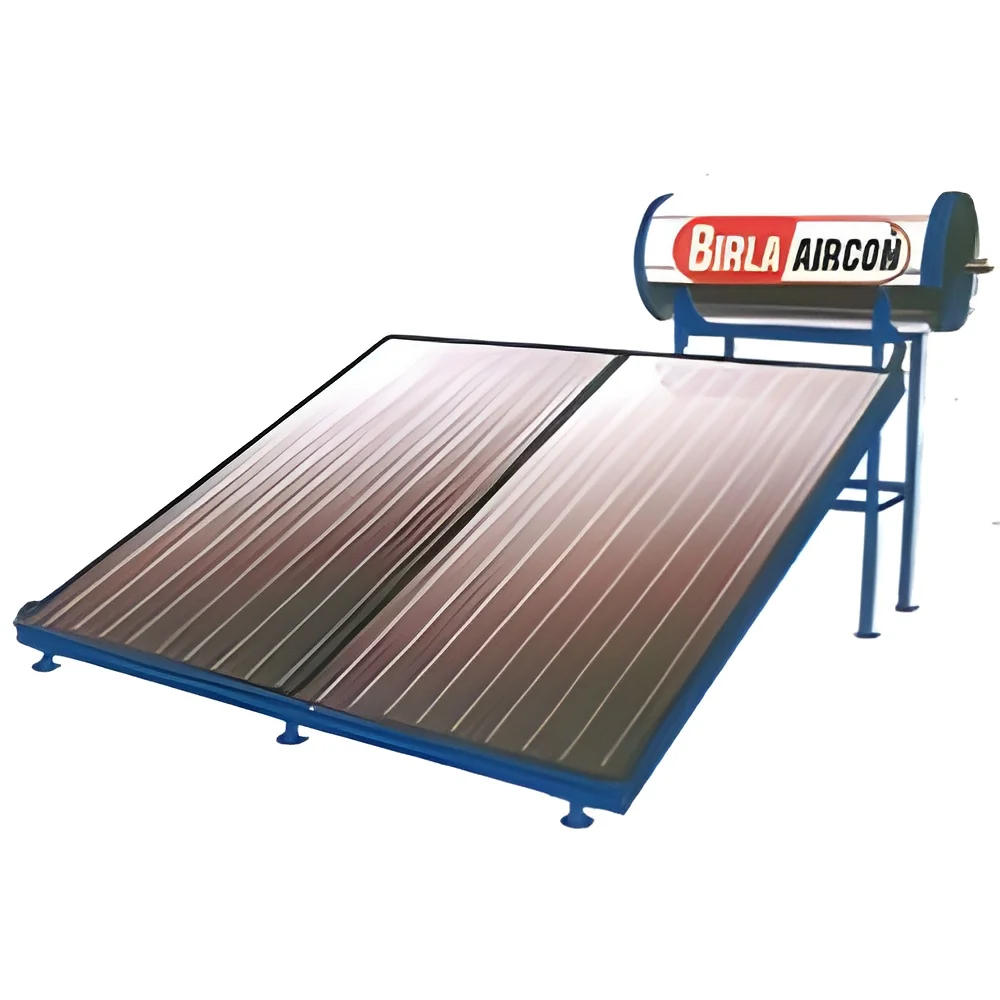
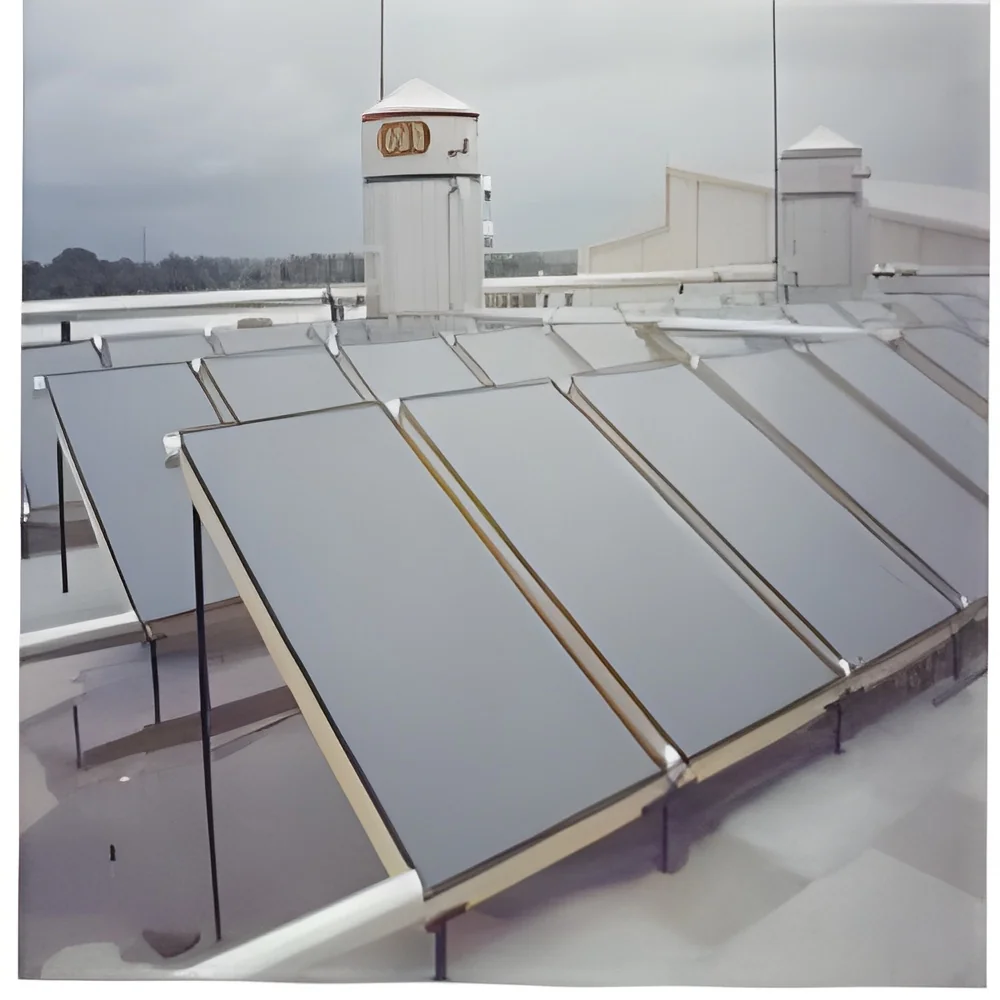
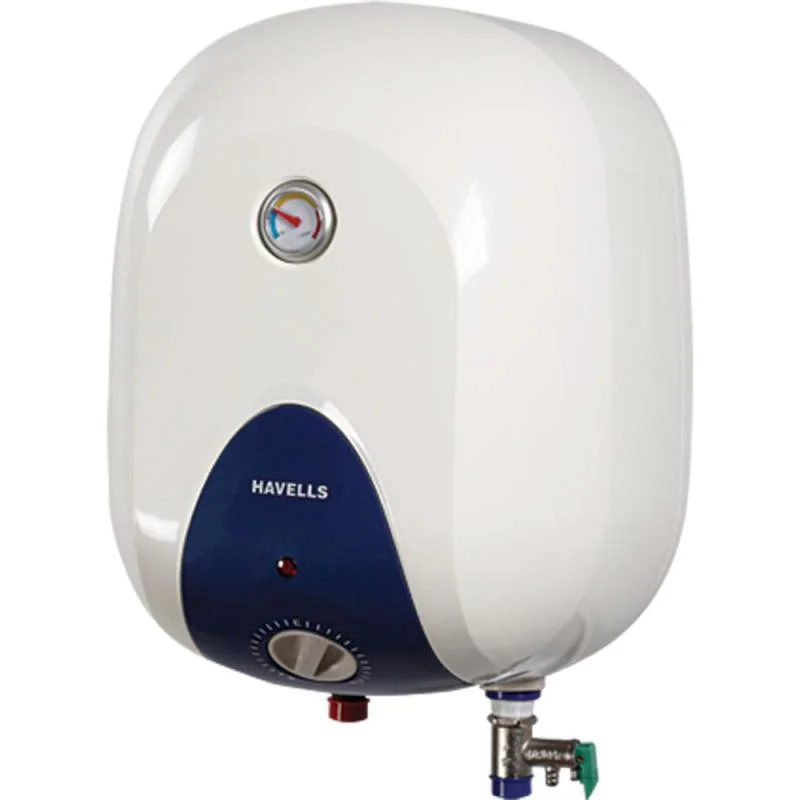
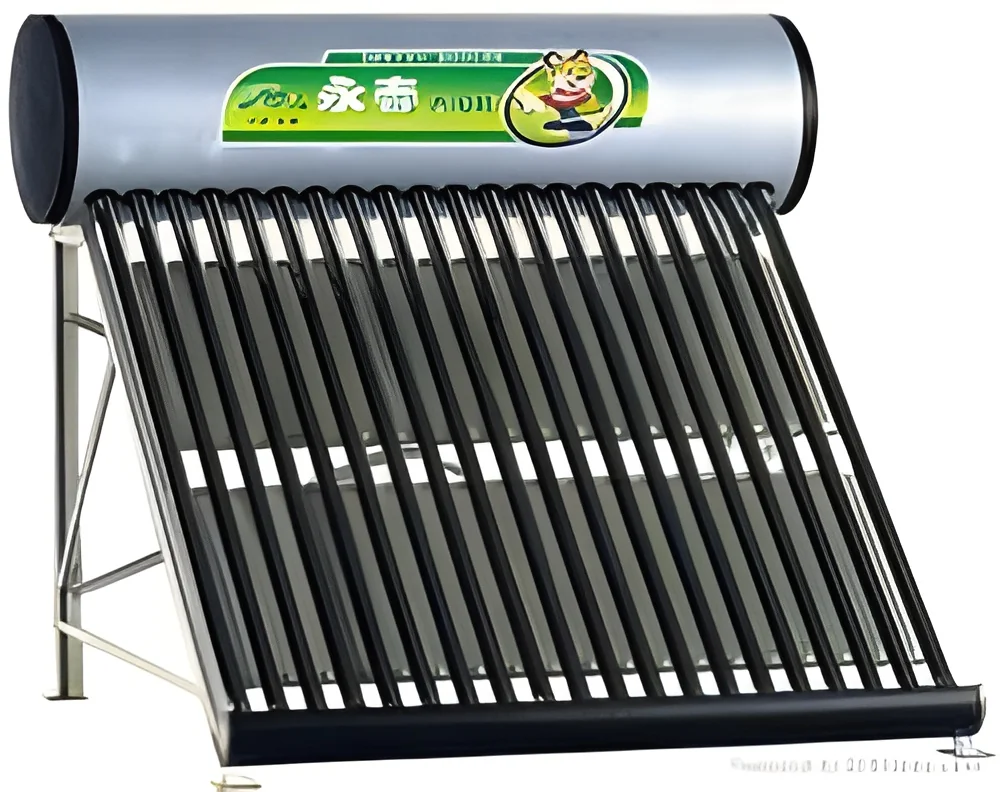
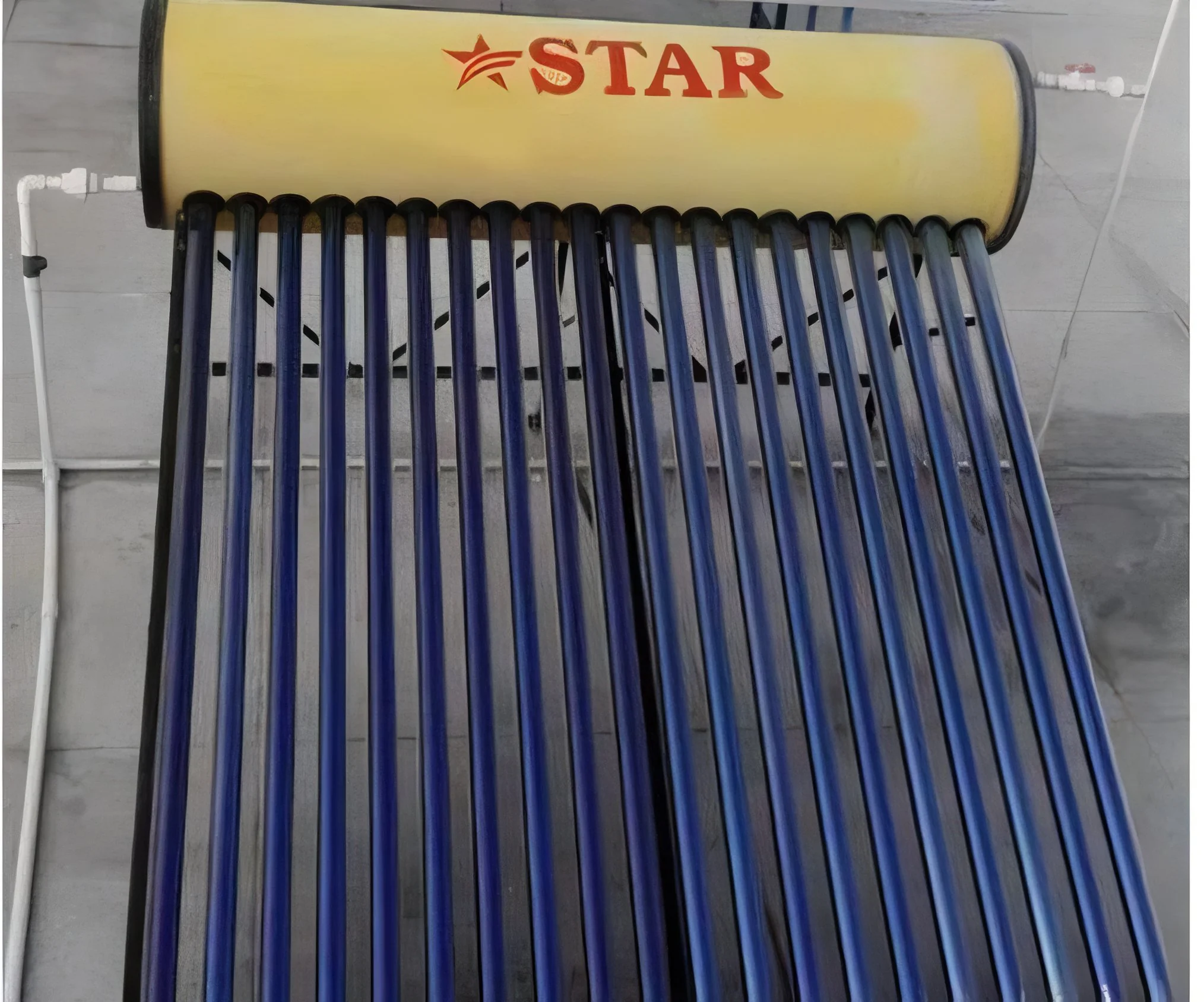
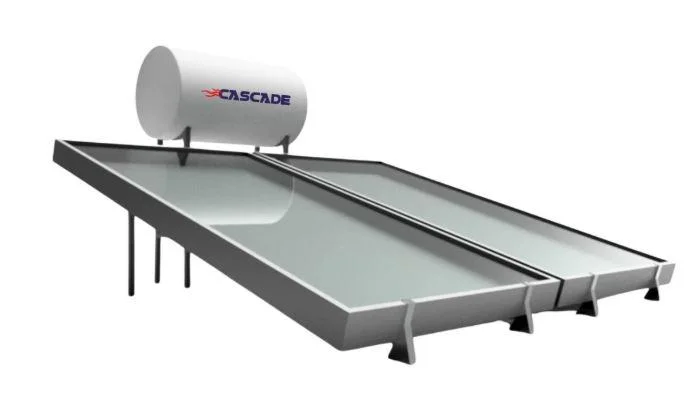
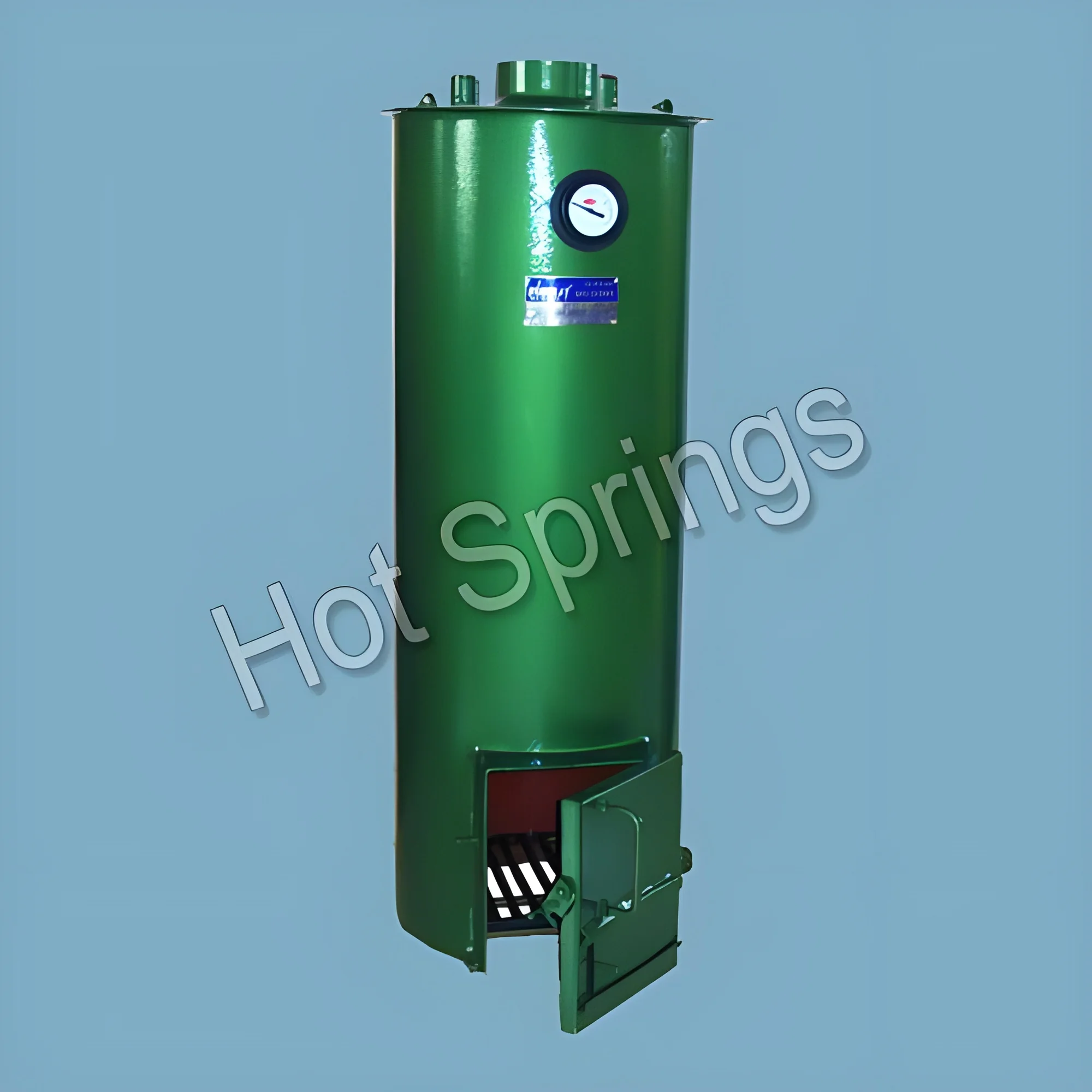
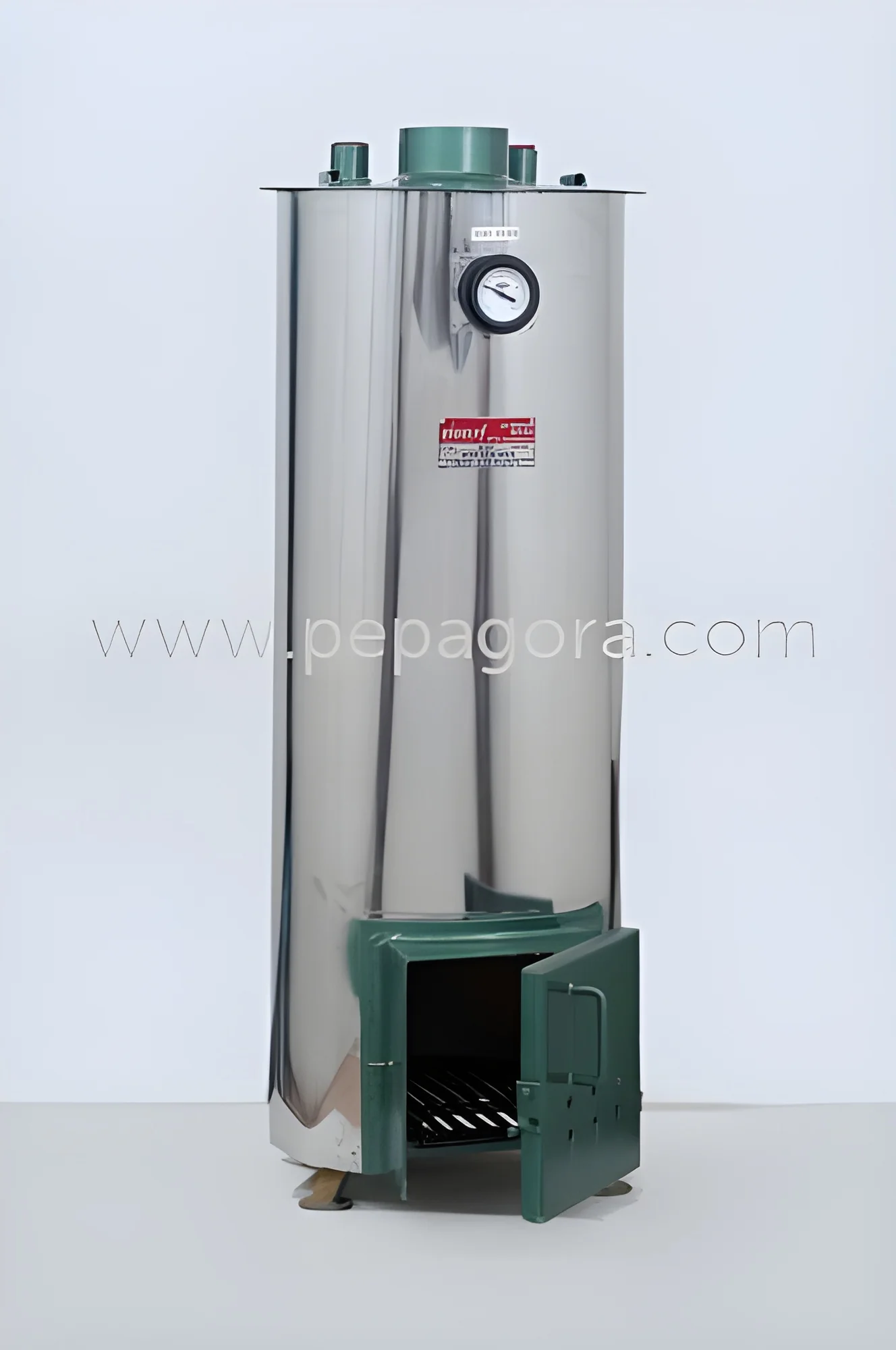
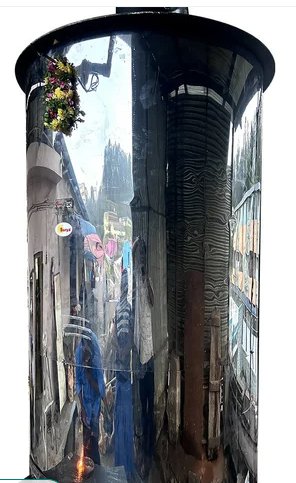
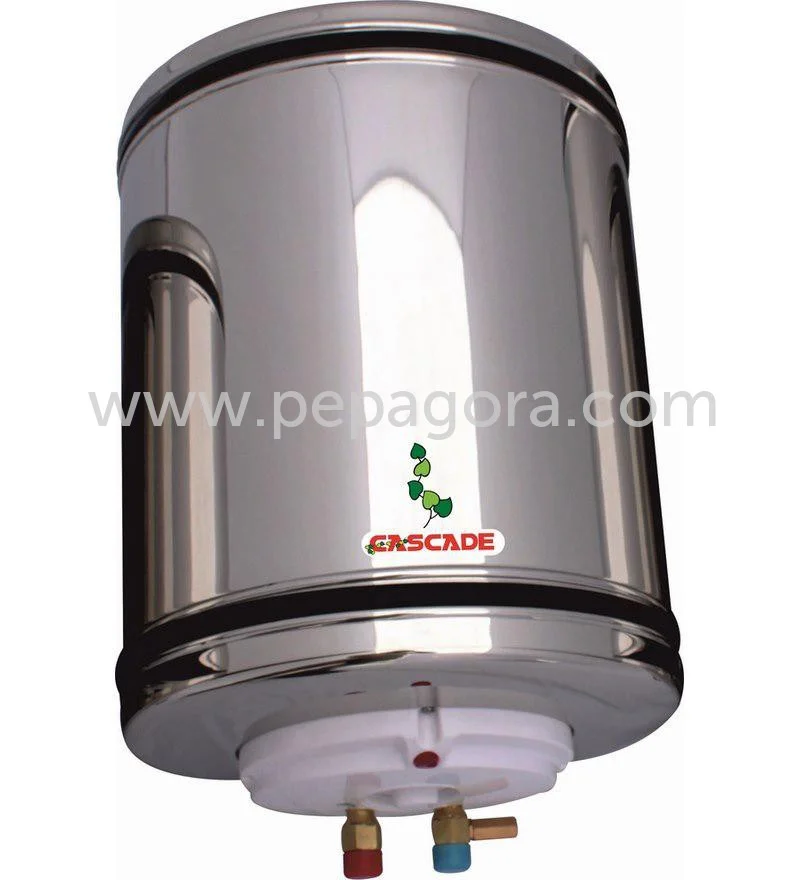
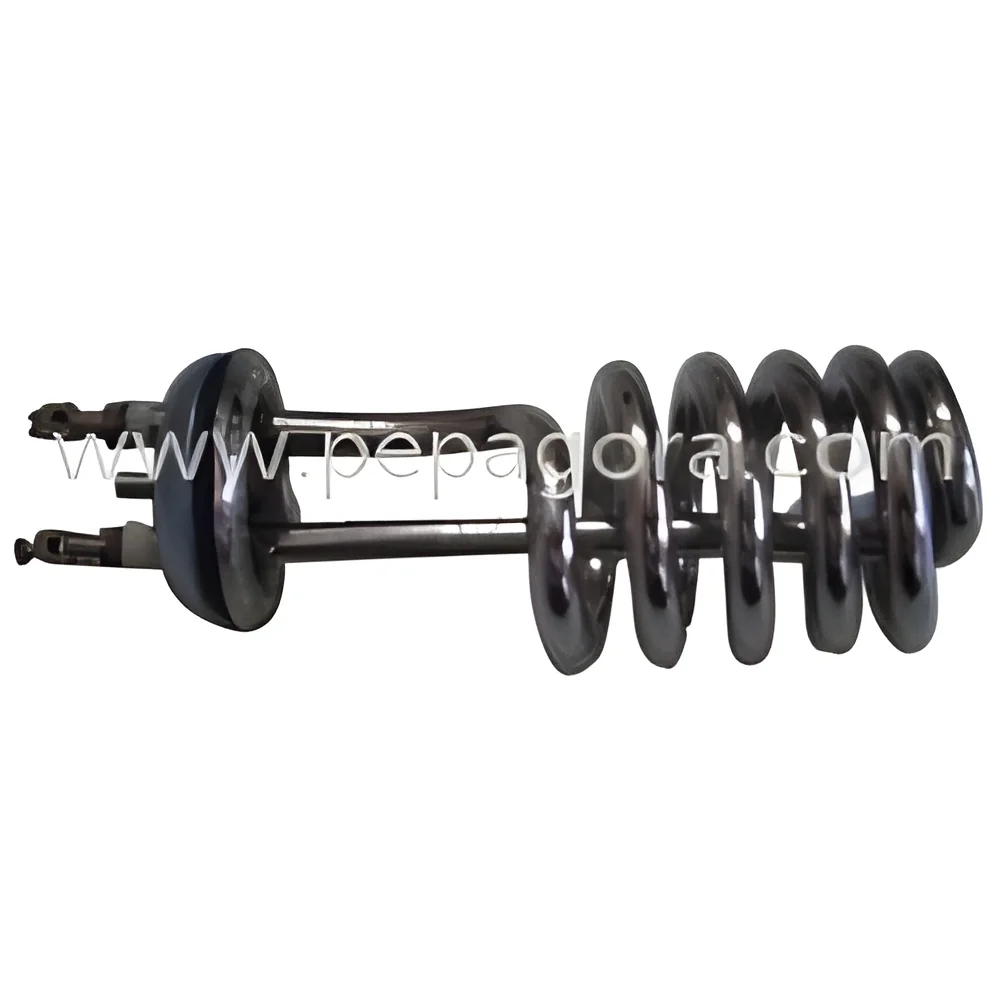
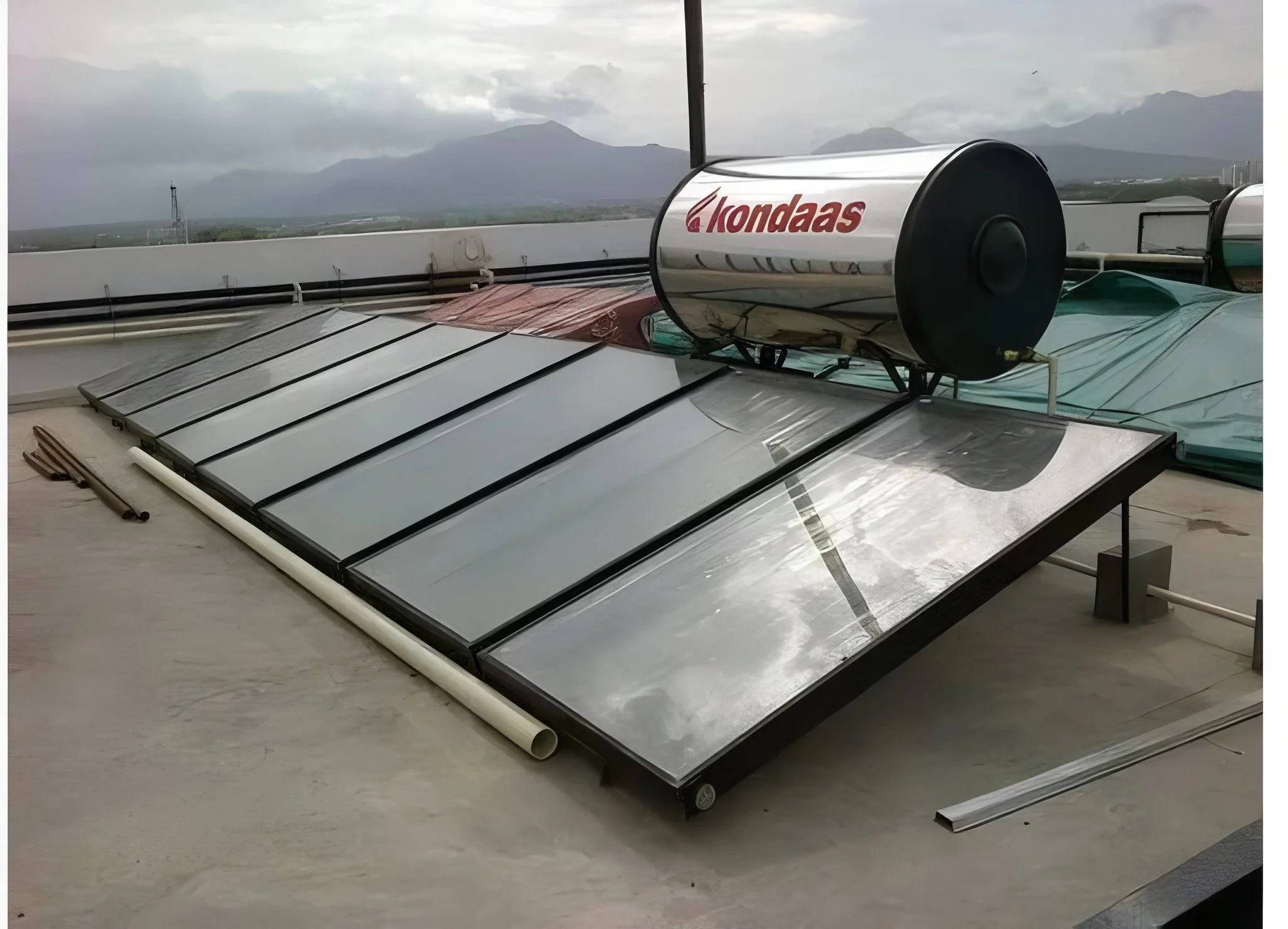
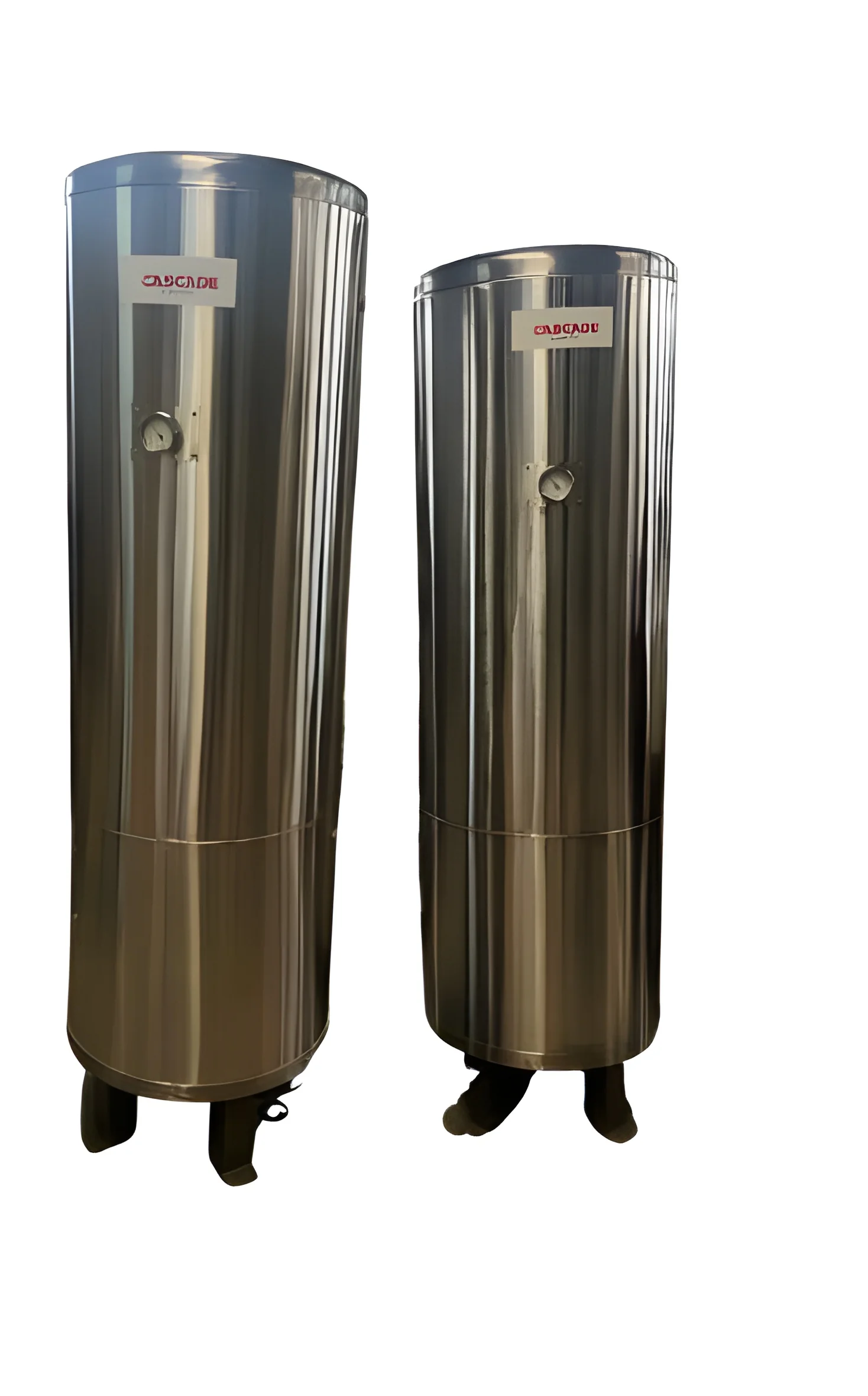
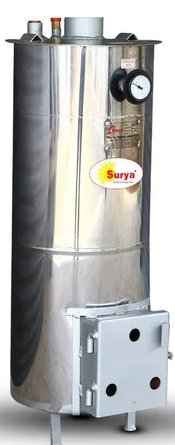
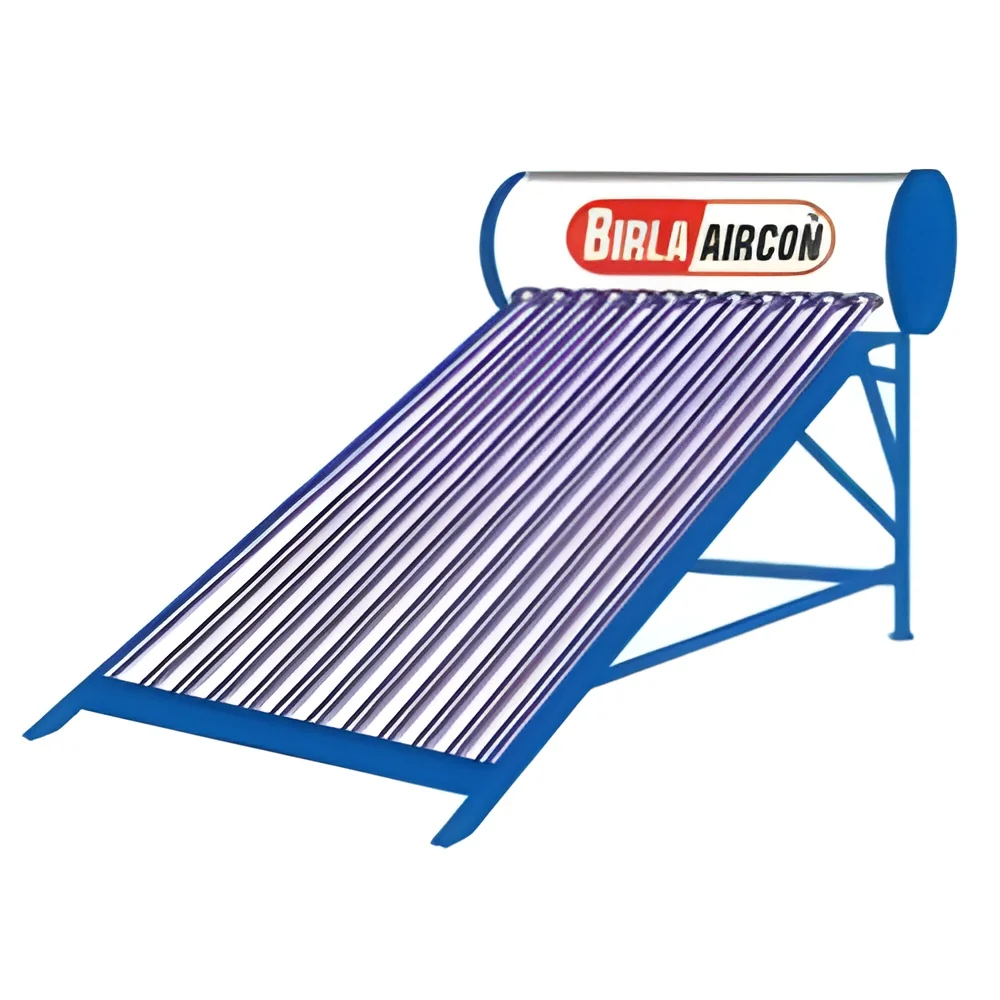
Water heating systems, commonly known as geysers or solar heaters, are devices designed to heat water for various domestic and industrial applications. Geysers typically use electrical resistance heating or gas combustion, while solar heaters harness sunlight to heat water through solar thermal collectors. These systems are integral to providing hot water for washing, cooking, and various industrial processes, ensuring efficiency and convenience in both residential and commercial settings.
The primary uses of water heating systems extend across multiple sectors, including hospitality, healthcare, and manufacturing. In the hospitality industry, geysers provide essential hot water for guest amenities, while in healthcare settings, they are critical for sanitation and hygiene practices. Manufacturing processes often require heated water for cleaning, sterilization, and production activities. As energy efficiency and sustainability become more significant concerns, the adoption of solar heating systems is gaining traction in businesses aiming to reduce their carbon footprint.
In the current market context, the demand for water heating systems is influenced by factors such as energy efficiency regulations, rising energy costs, and a growing emphasis on renewable energy sources. As a result, businesses are increasingly seeking modern solutions that not only meet their operational needs but also align with sustainability goals.
𝗞𝗲𝘆 𝗙𝗲𝗮𝘁𝘂𝗿𝗲𝘀 𝗮𝗻𝗱 𝗦𝗽𝗲𝗰𝗶𝗳𝗶𝗰𝗮𝘁𝗶𝗼𝗻𝘀
Water heating systems come with a range of features and specifications tailored to different user requirements. Understanding these specifications helps businesses choose the right system for their needs.
Key specifications include:
1. Heating Method
- Electric, gas, or solar
- Efficiency ratings for each method
2. Capacity
- Volume of water heated per hour
- Available ranges from small (10 liters) to large (500 liters)
3. Temperature Range
- Maximum temperature settings
- Typical ranges from 30°C to 80°C
4. Energy Efficiency Rating
- Energy consumption metrics
- Compliance with local energy standards
5. Installation Type
- Wall-mounted or floor-standing designs
- Suitability for indoor or outdoor use
6. Control Features
- Manual or digital temperature controls
- Smart monitoring options
7. Safety Features
- Overheat protection
- Pressure relief valves
8. Warranty and Support
- Duration of warranty
- Availability of technical support
Overall, choosing a water heating system involves evaluating these specifications to ensure it meets operational demands while optimizing energy usage and safety.
𝗖𝗼𝗺𝗺𝗼𝗻 𝗔𝗽𝗽𝗹𝗶𝗰𝗮𝘁𝗶𝗼𝗻𝘀 𝗮𝗻𝗱 𝗨𝘀𝗲 𝗖𝗮𝘀𝗲𝘀
Water heating systems find extensive applications across various industries.
1. Hospitality: Hotels and resorts utilize geysers to provide hot water for showers and swimming pools, enhancing guest comfort and satisfaction.
2. Healthcare: Hospitals and clinics require reliable hot water for sterilization, cleaning, and patient care, ensuring high hygiene standards.
3. Food and Beverage: Restaurants and food processing facilities need heated water for cooking, cleaning, and sanitizing equipment to maintain food safety.
4. Manufacturing: Factories use hot water in processes such as product washing, heating solutions, and chemical processing, driving operational efficiency.
5. Residential: Homes rely on geysers for daily chores like bathing, laundry, and dishwashing, making them essential for modern living.
6. Agriculture: Farms employ solar heaters for livestock care, irrigation, and various agricultural processes to improve efficiency.
7. Education: Schools and universities provide hot water for dormitories, laboratories, and kitchens, fostering a conducive learning environment.
𝗣𝗿𝗼𝗱𝘂𝗰𝘁 𝗩𝗮𝗿𝗶𝗮𝗻𝘁𝘀 𝗮𝗻𝗱 𝗦𝘂𝗯𝗰𝗮𝘁𝗲𝗴𝗼𝗿𝗶𝗲𝘀
Water heating systems come in diverse variants to cater to different needs and preferences.
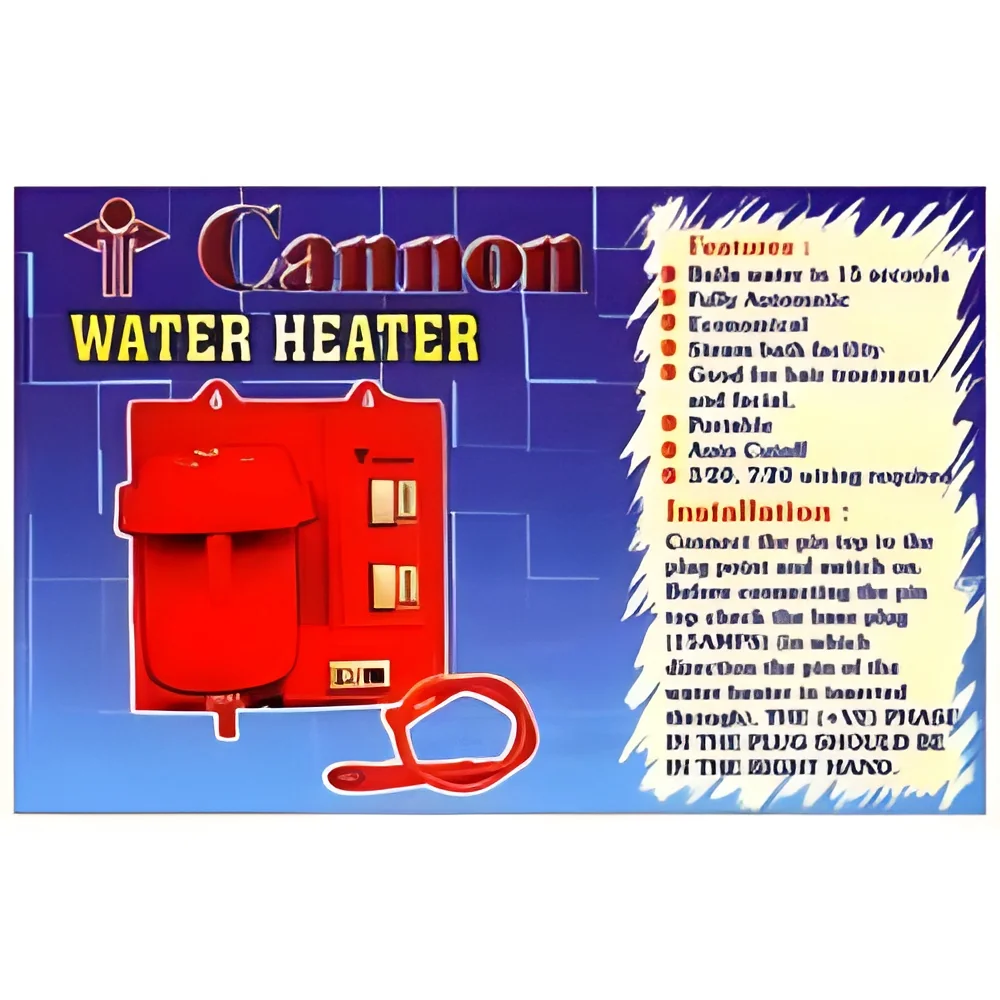
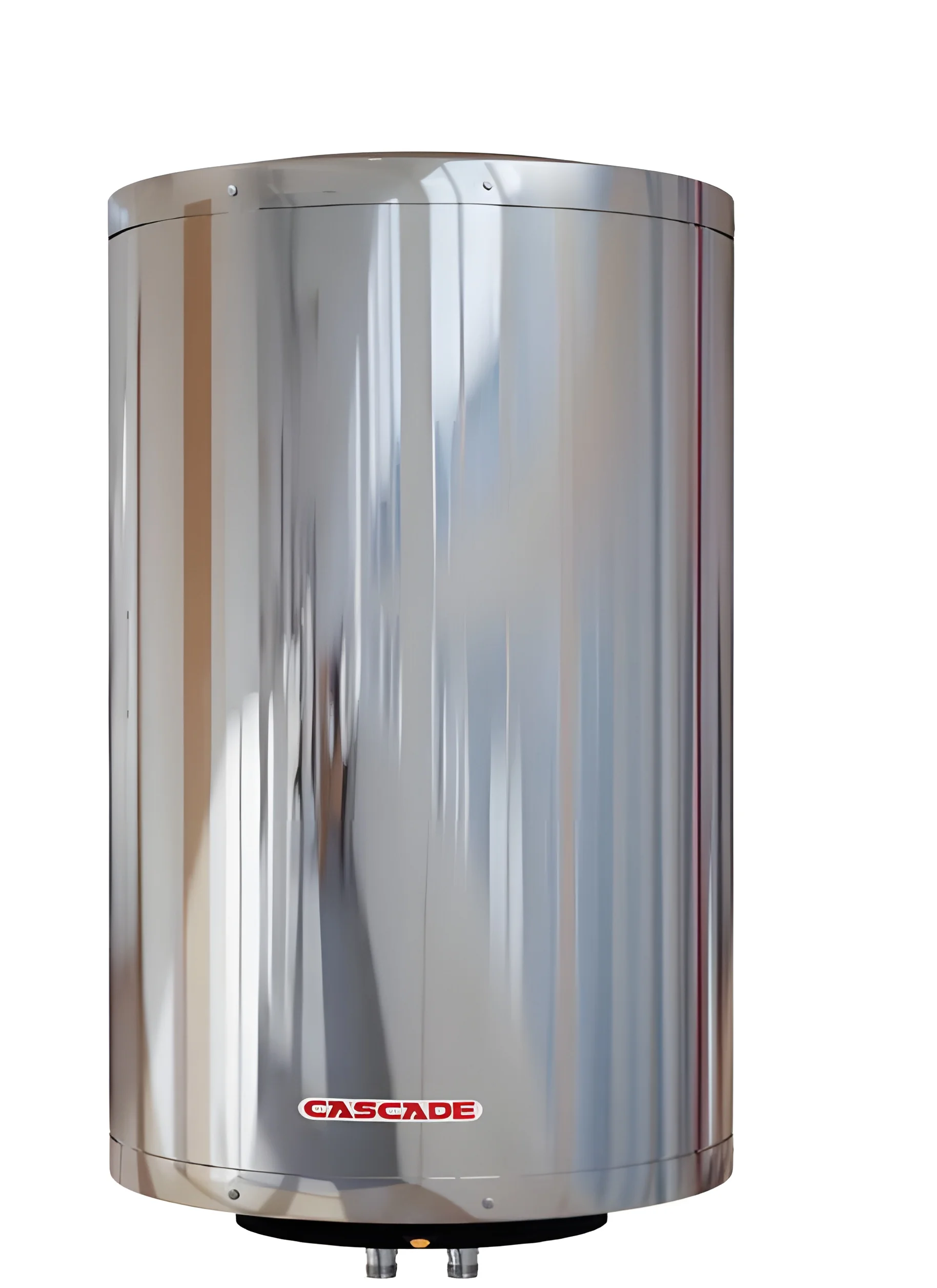
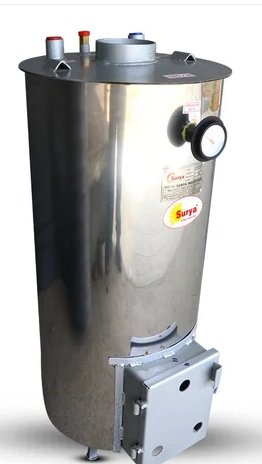
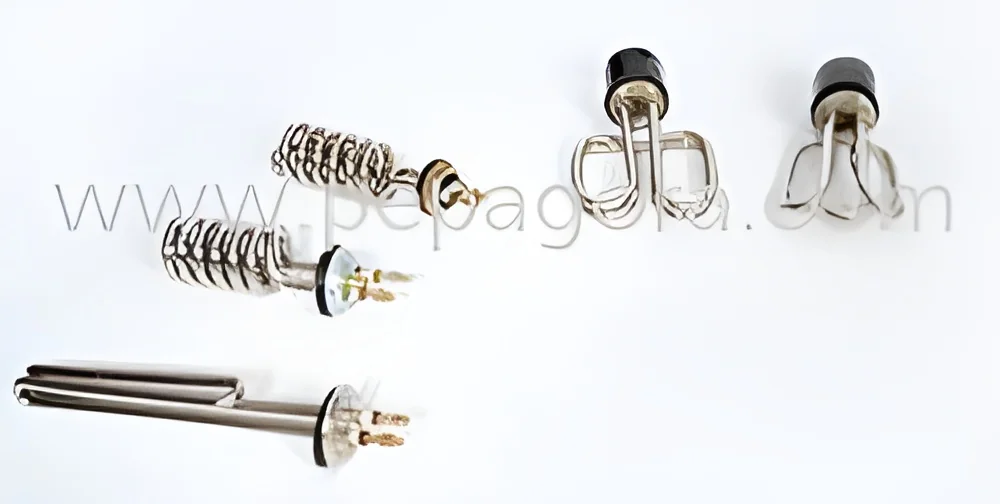
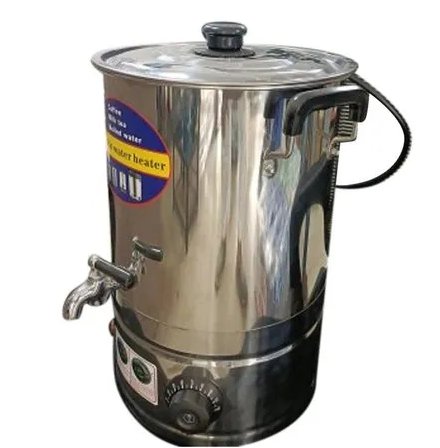
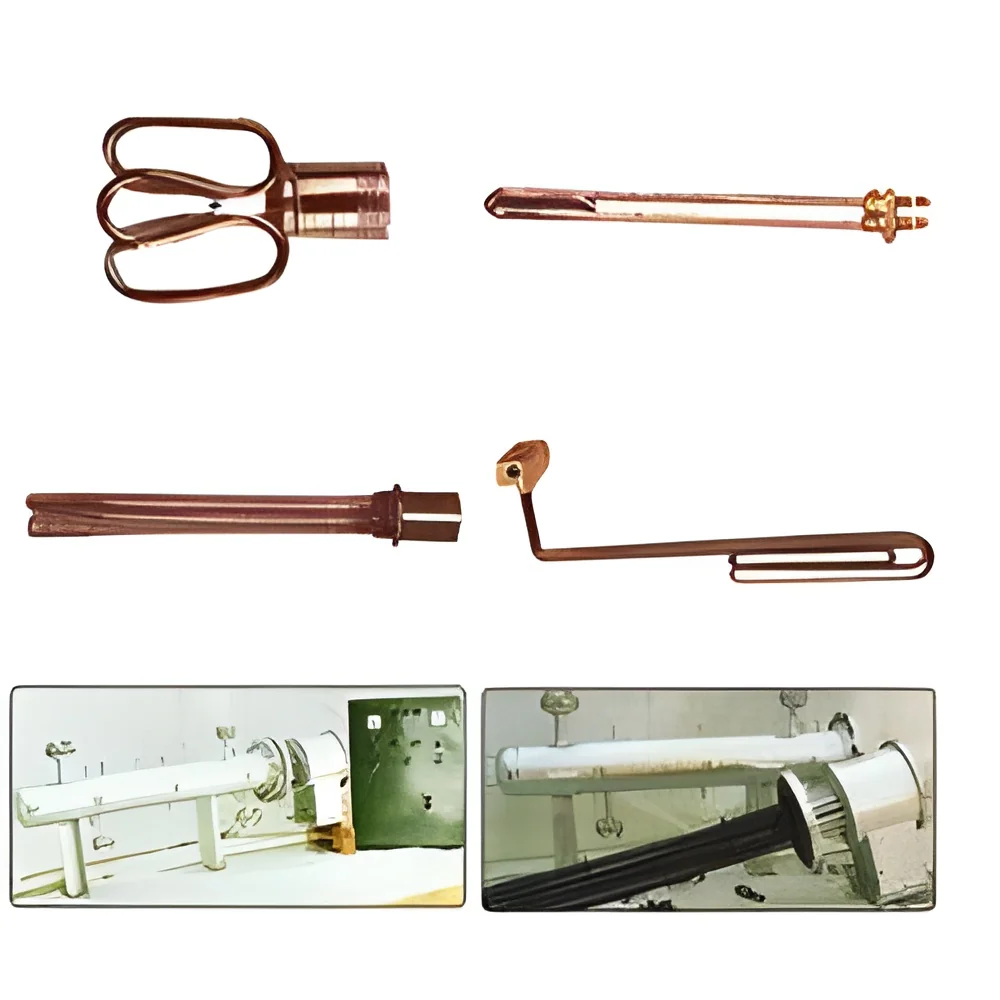
Electric Geysers: These geysers are quick to heat water and are ideal for residential and commercial use. They come with various capacity options, making them suitable for any size of establishment.
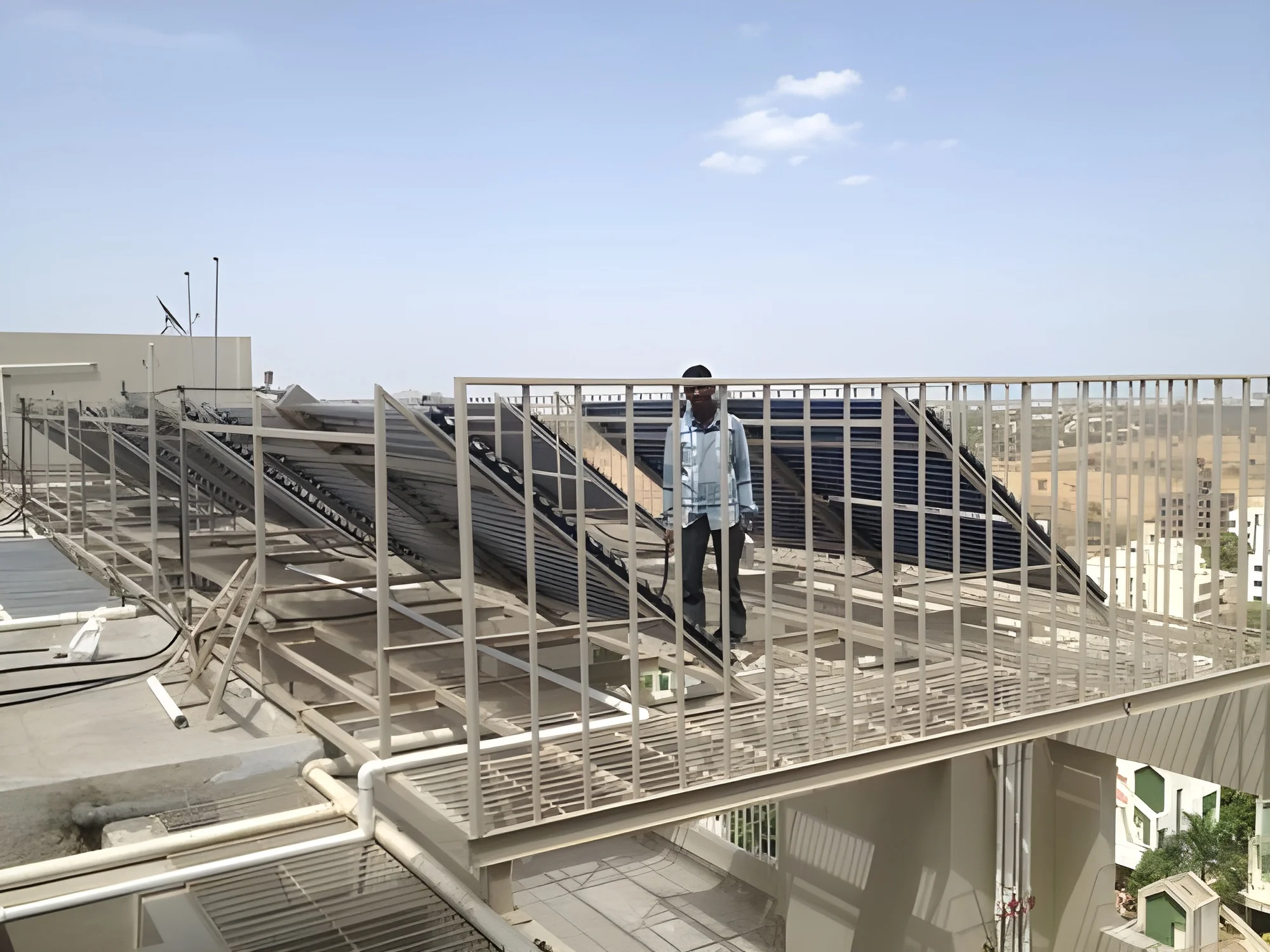
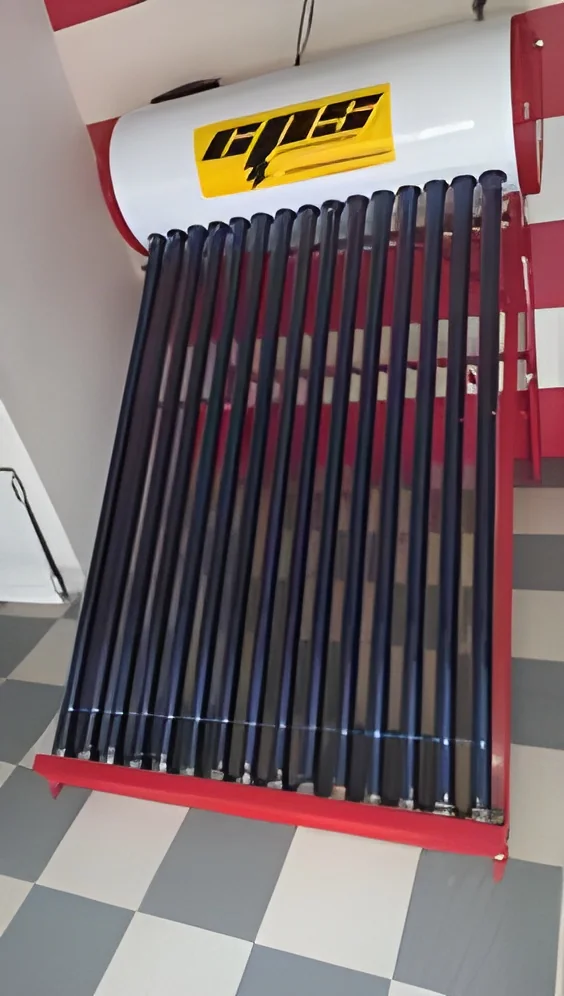
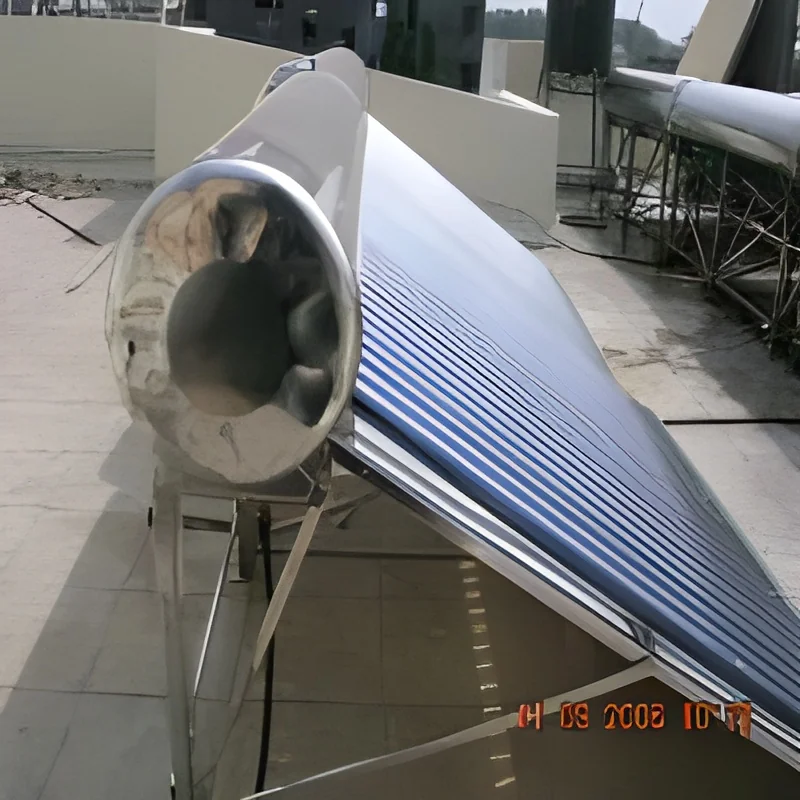
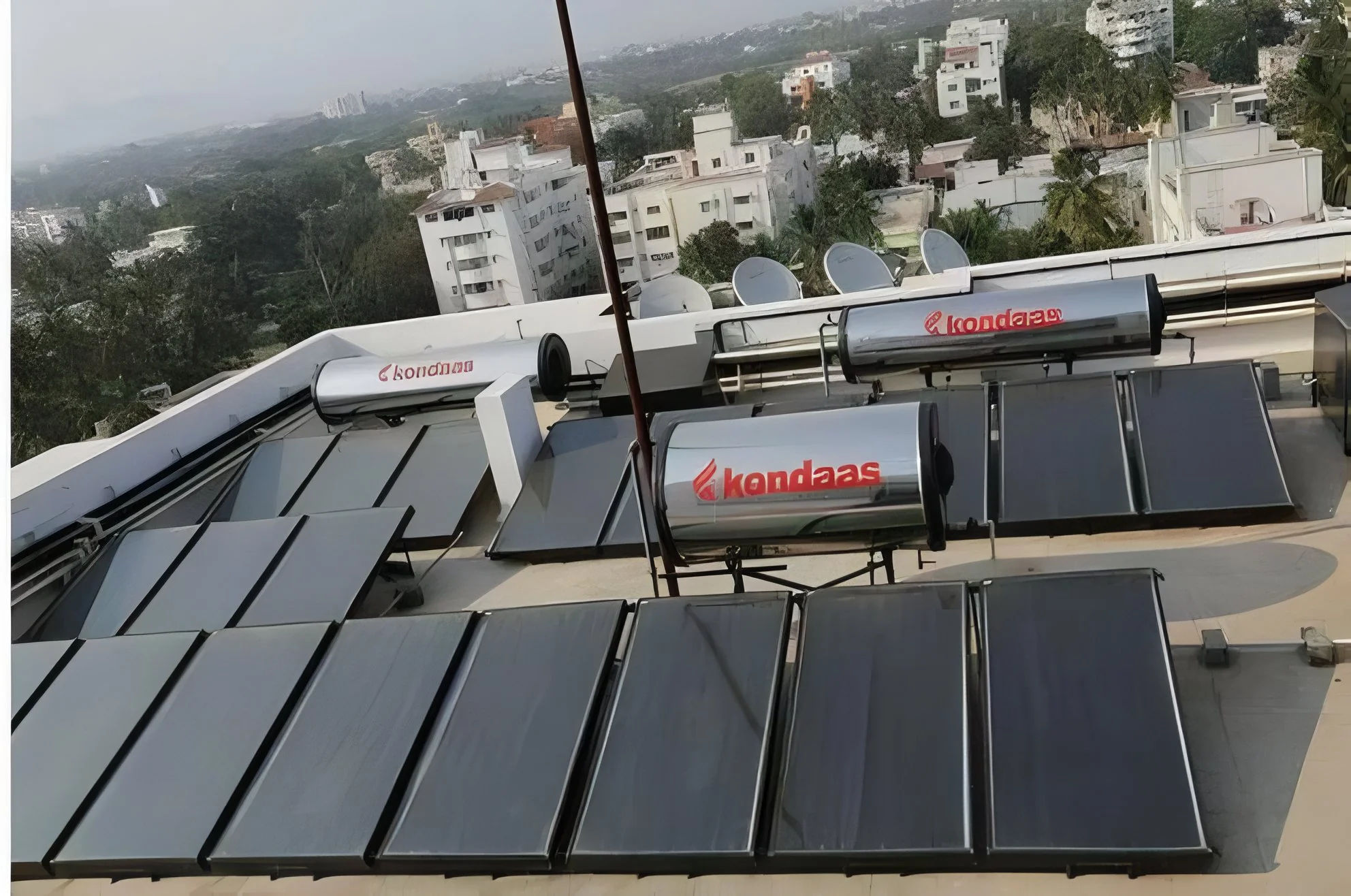
Solar Water Heaters: Utilizing renewable energy, these systems are designed for eco-conscious businesses. They are cost-effective in the long run and can significantly reduce energy bills.
Gas Geysers: These heaters are efficient for instant hot water supply. They are often preferred in areas with limited electrical supply and are suitable for both residential and commercial settings.
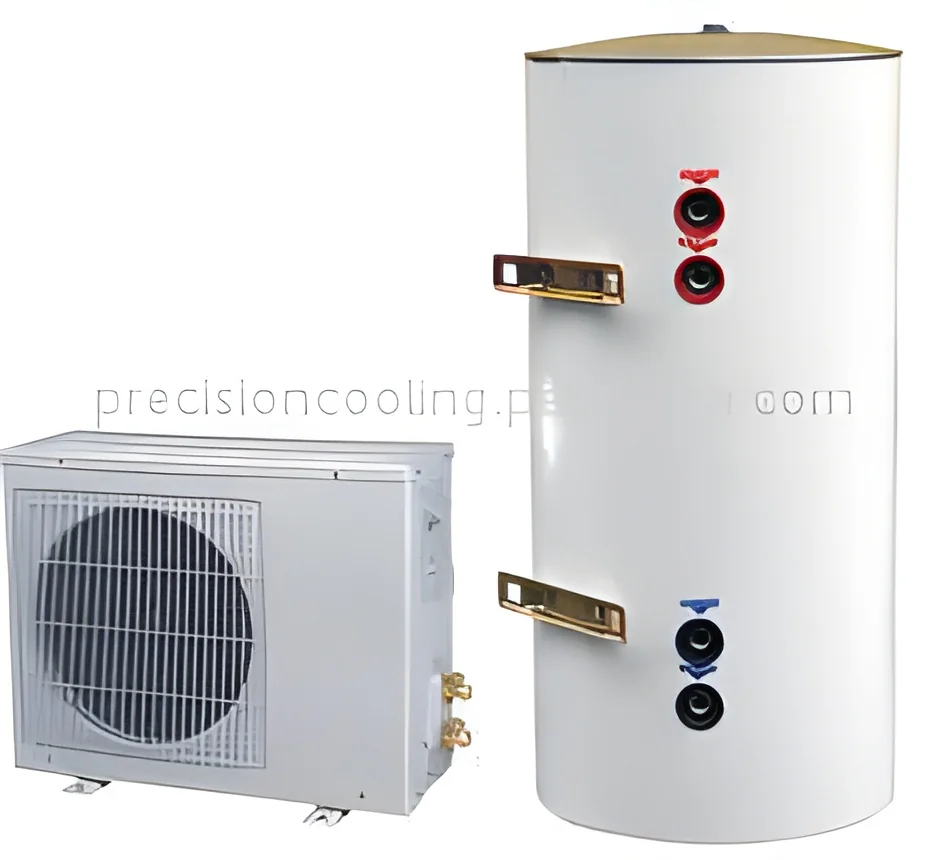
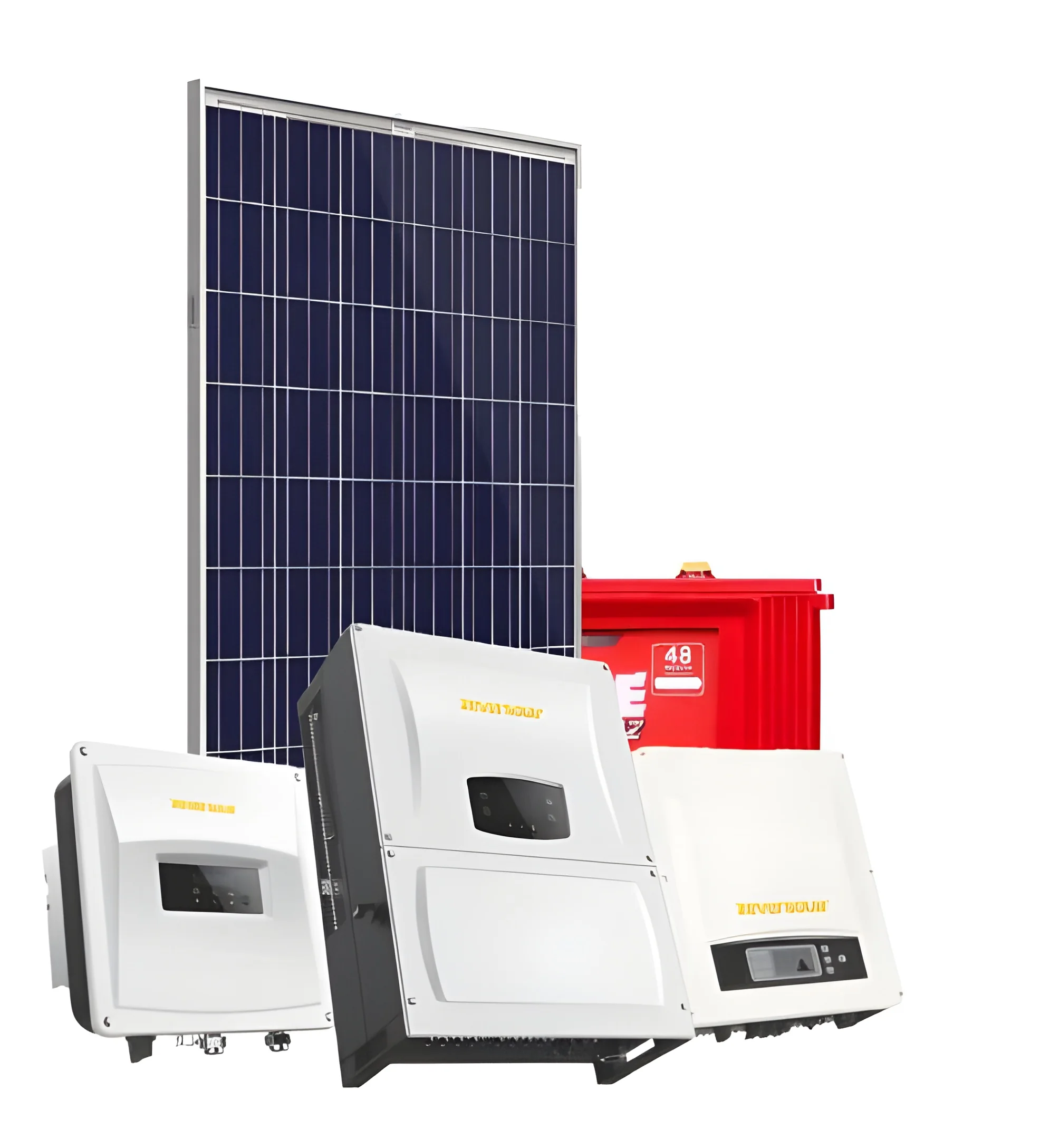
Hybrid Systems: Combining electric and solar technology, hybrid systems offer flexibility and efficiency, allowing users to switch between energy sources based on availability and cost.
𝗕𝗲𝗻𝗲𝗳𝗶𝘁𝘀 𝗮𝗻𝗱 𝗔𝗱𝘃𝗮𝗻𝘁𝗮𝗴𝗲𝘀
Investing in water heating systems brings numerous benefits to businesses.
1. Energy Efficiency: Modern systems are designed to minimize energy consumption, resulting in lower utility bills and reduced environmental impact.
2. Cost Savings: Solar heaters significantly cut energy costs, providing long-term financial benefits for businesses.
3. Reliability: High-quality systems ensure a consistent hot water supply, critical for operational continuity in various industries.
4. Space Saving: Compact designs allow for easy installation in limited spaces, especially in urban settings.
5. Enhanced Safety: Advanced safety features protect users from accidents and ensure compliance with industry regulations.
6. Environmental Impact: Using solar heaters helps businesses meet sustainability goals, reducing their carbon footprint and promoting renewable energy use.
𝗕𝘂𝘆𝗶𝗻𝗴 𝗚𝘂𝗶𝗱𝗲 𝗳𝗼𝗿 𝗕𝟮𝗕 𝗕𝘂𝘆𝗲𝗿𝘀
When sourcing water heating systems, it is crucial for buyers to consider several factors to ensure they make informed decisions.
1. Quality Assessment: Look for systems that meet industry standards for durability and performance. Consider certifications such as CE to gauge product excellence.
2. Supplier Verification: Vet suppliers based on their reputation, customer reviews, and service history. A reliable supplier will provide support throughout the purchasing process.
3. Pricing and MOQ: Understand the pricing structure and minimum order quantity (MOQ) as this can affect budgeting and inventory management.
4. Delivery and Lead Times: Discuss logistics with suppliers to ensure timely delivery. Consider lead times when planning installations to avoid disruptions.
5. Compliance Requirements: Be aware of local regulations and compliance standards that may affect the selection and installation of water heating systems.
𝗖𝗼𝗺𝗽𝗹𝗶𝗮𝗻𝗰𝗲 𝗮𝗻𝗱 𝗖𝗲𝗿𝘁𝗶𝗳𝗶𝗰𝗮𝘁𝗶𝗼𝗻𝘀
Water heating systems must adhere to various quality standards and certifications to ensure safety and reliability.
ISO 9001 is a widely recognized quality management standard that ensures manufacturers meet customer and regulatory requirements, leading to improved product quality.
The CE marking indicates conformity with health, safety, and environmental protection standards within the European Economic Area. This certification is essential for products sold in Europe.
Safety and testing requirements are critical for water heating systems, ensuring they operate efficiently without posing risks to users. Regular testing and compliance checks should be part of the manufacturer's practices.
Regional compliance considerations may vary, so it's important for businesses to understand local regulations concerning energy efficiency and safety standards.
Why Source Water Heating Systems (Geysers, Solar Heaters) from Pepagora?
Pepagora serves as a trusted platform for sourcing water heating systems with several key advantages.
Verified Supplier Network: Pepagora connects buyers with a network of verified suppliers, ensuring that businesses can source high-quality water heating systems with confidence.
Streamlined RFQ Process: The platform simplifies the request for quotation process, allowing buyers to receive multiple quotes from different suppliers, making it easier to compare options and find the best fit.
Trade Assurance and Support: Pepagora offers trade assurance, which provides buyers with protection during the purchase process. Their dedicated support team assists with any inquiries or concerns.
Regional Coverage: Pepagora caters to businesses across various regions, including India, the GCC, and Southeast Asia, providing a broad reach for sourcing reliable water heating solutions tailored to diverse market needs.