What are Centrifugal Fans & Blowers?
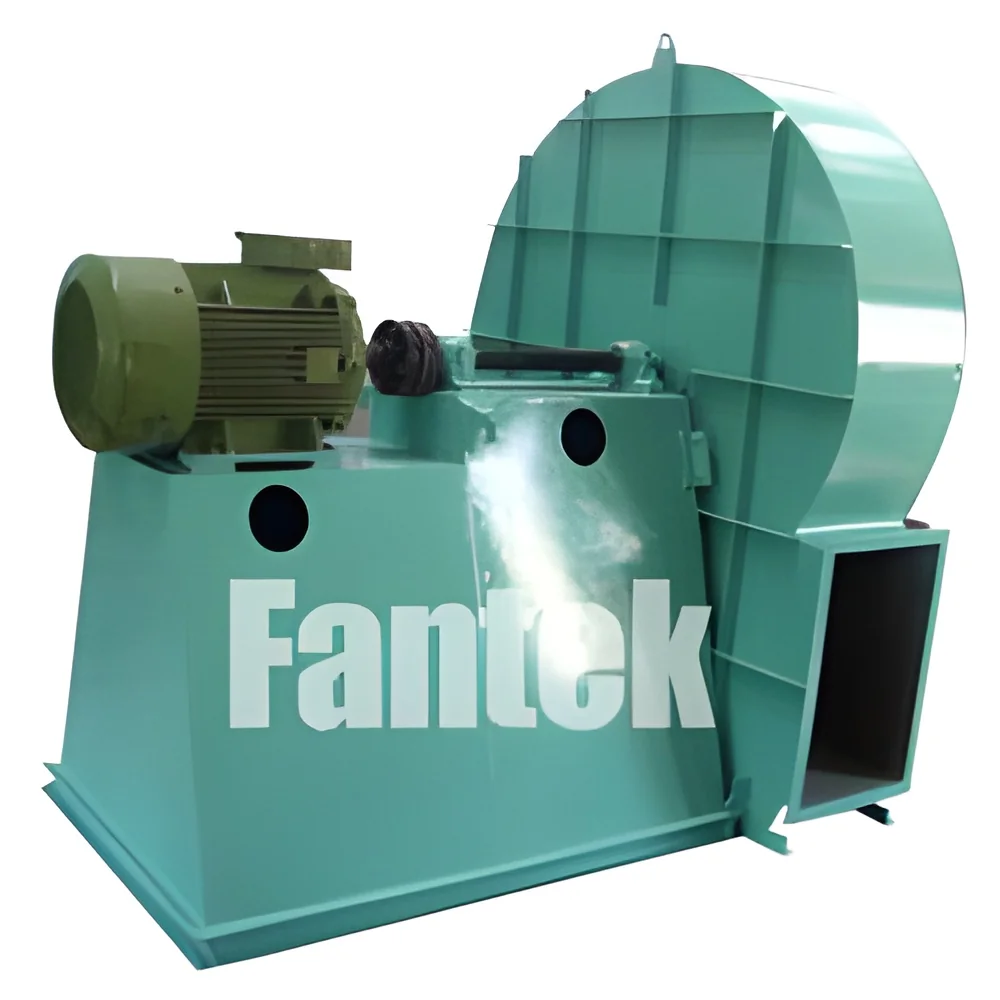
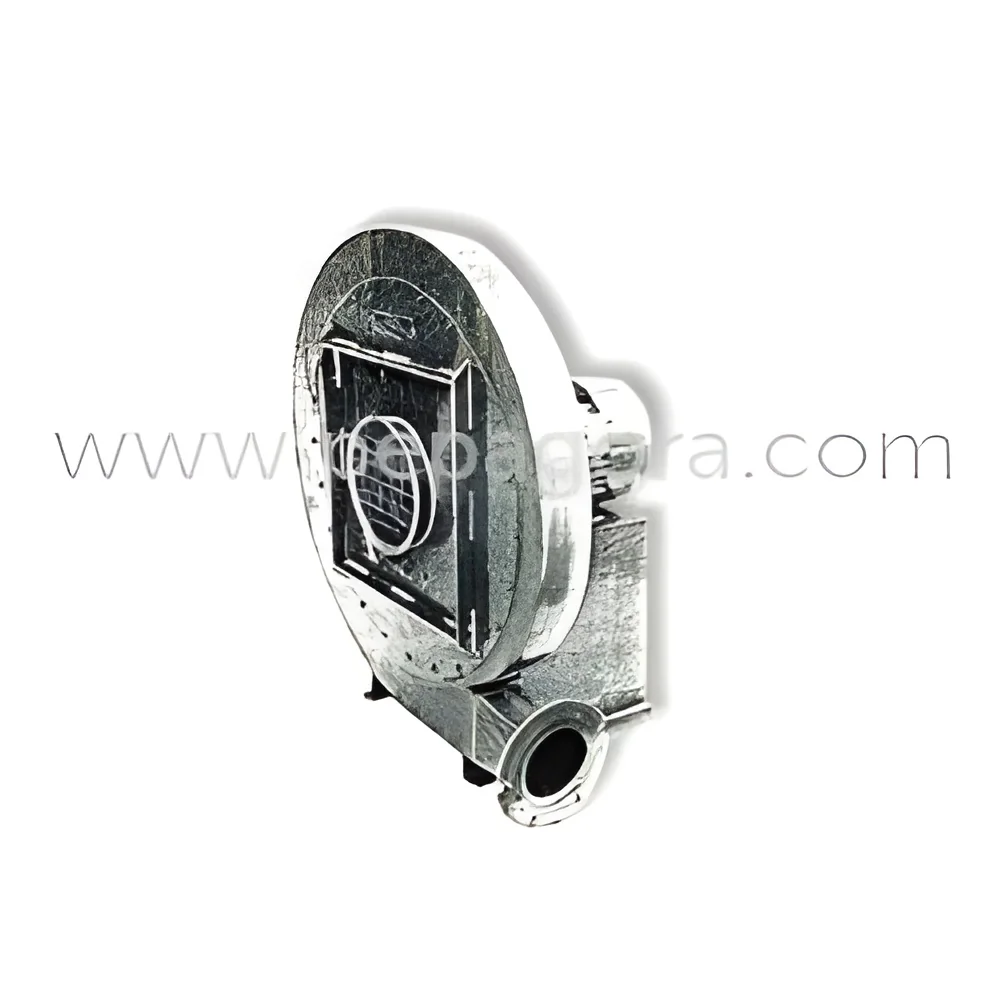
Centrifugal fans and blowers are mechanical devices designed to move air or gases through a system. They operate by converting rotational energy from a motor into kinetic energy, which propels air outward through the fan's blades. The design typically features a volute casing that helps increase air pressure and direct airflow efficiently. This type of fan is widely recognized for its ability to handle a substantial volume of air while maintaining a stable pressure.
These devices are primarily used in industrial applications, such as ventilation, cooling, and exhaust systems. They play a critical role in industries such as manufacturing, HVAC, and chemical processing. Businesses rely on centrifugal fans and blowers for tasks ranging from air conditioning to dust collection and material handling. Their robust design and versatility make them essential in maintaining operational efficiency across various sectors.
In the current market landscape, the demand for centrifugal fans and blowers is steadily increasing due to the growing need for efficient air management solutions. Industries are increasingly focusing on energy efficiency and environmental impact, making these fans a relevant choice for modern applications. As businesses seek reliable equipment that meets both performance and regulatory requirements, centrifugal fans and blowers remain a vital component in industrial processes.
Key Features and Specifications
Centrifugal fans and blowers come equipped with several features that enhance their functionality and efficiency. Choosing the right specifications is essential for meeting specific operational needs. Below are key specifications that buyers should consider.
Key specifications include:
1. Airflow Capacity
- Refers to the volume of air moved by the fan.
- Typically measured in cubic feet per minute (CFM) or cubic meters per hour (m³/h).
2. Static Pressure
- Indicates the resistance the fan can overcome in a duct system.
- Measured in inches of water gauge (in. wg) or pascals (Pa).
3. Efficiency Rating
- Reflects the fan's energy consumption relative to its output.
- Expressed as a percentage, higher ratings indicate better performance.
4. Noise Level
- Refers to the sound produced during operation.
- Measured in decibels (dB), with lower values indicating quieter operation.
5. Motor Type
- Includes options like single-phase or three-phase motors.
- Impacts the fan's performance and suitability for different applications.
6. Material Construction
- Common materials include steel, aluminum, and plastic.
- Affects durability and suitability for specific environments.
7. Blade Design
- Varies between forward-curved and backward-curved options.
- Impacts efficiency and airflow characteristics.
8. Size and Dimensions
- Includes diameter and overall dimensions of the fan unit.
- Important for installation requirements and space constraints.
In summary, understanding these specifications helps businesses select centrifugal fans and blowers that align with their operational goals and environmental conditions.
Common Applications and Use Cases
Centrifugal fans and blowers are utilized across various industries for specific applications.
1. HVAC Systems: Used for air circulation and ventilation in commercial and residential buildings, ensuring comfortable indoor environments.
2. Manufacturing: Employed for cooling equipment, removing fumes, and transporting bulk materials in production processes.
3. Chemical Processing: Essential for venting hazardous gases and maintaining safe working conditions in chemical plants.
4. Food Processing: Used to control temperature and humidity, ensuring quality and safety in food production environments.
5. Mining: Provide ventilation to underground operations, helping to manage air quality and temperature.
6. Wastewater Treatment: Aid in aeration processes, promoting biological treatment of wastewater.
7. Power Generation: Used in cooling towers and ventilation systems to maintain optimal operating temperatures.
Product Variants and Subcategories
Centrifugal fans and blowers offer diverse options tailored to specific application needs.
Industrial Centrifugal Fans
These fans are designed for heavy-duty applications and can handle large volumes of air. They are built to withstand harsh operating conditions, making them ideal for manufacturing and mining industries.
Portable Blowers
These are lightweight and easy to transport, suitable for temporary applications such as construction sites or outdoor events. They offer flexibility and convenience without sacrificing performance.
Inline Fans
Designed for installation within ductwork, inline fans are often used in HVAC systems for efficient air circulation. Their compact design helps save space while providing effective airflow.
Benefits and Advantages
Centrifugal fans and blowers provide several key benefits that enhance operational efficiency.
1. High Efficiency: These devices are designed to deliver a high airflow rate while consuming less energy, contributing to lower operational costs.
2. Versatility: Centrifugal fans can be used in various applications, from HVAC systems to industrial processes, making them highly adaptable.
3. Durability: Built with robust materials, these fans can withstand harsh conditions and have a long operational lifespan, reducing the need for frequent replacements.
4. Low Noise Operation: Many centrifugal fans operate quietly, making them suitable for environments where noise reduction is essential.
5. Easy Maintenance: Their design allows for straightforward maintenance, helping to ensure consistent performance over time.
6. Customization Options: Many manufacturers offer customizable solutions to meet specific air handling needs, providing flexibility for unique applications.
Buying Guide for B2B Buyers
When sourcing centrifugal fans and blowers, businesses should consider several critical factors to ensure they make informed purchasing decisions.
1. Quality Assessment: Evaluate the quality of materials and construction. Look for certifications and standards that indicate reliability and durability.
2. Supplier Verification: Vet suppliers thoroughly to ensure they have a good reputation and a track record of delivering quality products on time.
3. Pricing and MOQ: Understand the pricing structure and minimum order quantities. This helps in budgeting and ensures you can meet your operational needs without overcommitting.
4. Delivery and Lead Times: Consider logistics and the supplier's ability to meet delivery schedules. Timely access to equipment is crucial for maintaining operational efficiency.
5. Compliance Requirements: Ensure that the selected fans meet relevant industry regulations and standards. This includes safety certifications and environmental compliance.
Compliance and Certifications
Centrifugal fans and blowers must adhere to various quality and safety standards. ISO 9001 is a widely recognized standard that ensures consistent quality management processes. Compliance with HACCP and GDP is essential for industries such as food processing and pharmaceuticals, where safety is paramount.
Certification marks, such as CE, indicate that products meet European safety standards. This is particularly important for companies operating in or exporting to European markets.
Safety and testing requirements also play a crucial role in the manufacturing process, ensuring that centrifugal fans are reliable and safe for operation. Additionally, businesses should be aware of regional compliance considerations that may affect their operations, particularly when sourcing from international suppliers.
Why Source Centrifugal Fans & Blowers from Pepagora?
Pepagora provides a trusted platform for sourcing centrifugal fans and blowers with several key advantages.
Verified Supplier Network: Pepagora connects buyers with a network of verified suppliers, ensuring that you engage with manufacturers who adhere to high-quality standards.
Streamlined RFQ Process: The platform simplifies the request for quotation (RFQ) process, allowing businesses to obtain competitive quotes quickly and efficiently. This saves time and helps in making informed purchasing decisions.
Trade Assurance and Support: Pepagora offers trade assurance, providing buyers with protection against inconsistencies in product quality and delivery. Customer support is readily available to assist with any inquiries.
Regional Coverage: With a focus on markets in India, the GCC, and Southeast Asia, Pepagora's extensive reach allows businesses to find suitable suppliers that cater to their specific regional needs. This geographic advantage ensures that buyers can access quality products tailored to local specifications.

 IN
IN