What are Copper Pipes & Fittings?
Copper pipes and fittings are essential components in plumbing and heating systems. They are made from high-purity copper, which is known for its excellent thermal and electrical conductivity. Copper pipes are available in various diameters and wall thicknesses, which makes them suitable for a wide range of applications. Fittings are used to connect pipes, allowing for changes in direction, size, or branching of the plumbing system.
These products are primarily used in residential, commercial, and industrial applications. In plumbing, copper pipes are used for water supply lines, while in HVAC systems, they are used for refrigerant lines. They are also common in gas supply applications. The durability and corrosion resistance of copper make it a preferred choice in many environments. The growing demand for efficient and reliable plumbing solutions continues to drive the market for copper pipes and fittings.
Key Features and Specifications
Copper pipes and fittings are known for their high quality and reliability. They come with specific features and specifications that cater to various industrial needs. Understanding these specifications helps in selecting the right products for specific applications.
Key specifications include:
1. Diameter
- Common sizes range from 1/4 inch to 8 inches.
- Standardized diameters ensure compatibility with fittings and fixtures.
2. Wall Thickness
- Thickness varies from type to type, such as Type K, L, and M.
- Thicker walls provide increased pressure resistance.
3. Length
- Available in standard lengths of 10 to 20 feet.
- Custom lengths may be available upon request.
4. Temper
- Available in soft, half-hard, and hard temper.
- Soft temper is easier to bend, while hard temper is more rigid.
5. Alloy Composition
- Typically consists of 99.9% pure copper.
- May include small amounts of other metals for enhanced properties.
6. Corrosion Resistance
- Natural oxidation prevents further corrosion.
- Suitable for various water qualities and conditions.
7. Thermal Conductivity
- Excellent heat transfer properties.
- Ideal for hot water supply and heating applications.
8. Certification
- Products are often certified to meet industry standards such as CE.
- Compliance with safety and quality regulations ensures reliability.
In summary, the features and specifications of copper pipes and fittings make them versatile and essential in numerous applications across various industries.
Common Applications and Use Cases
Copper pipes and fittings serve a myriad of industries due to their reliability and performance.
1. Plumbing: In residential and commercial buildings, copper pipes are preferred for water supply and drainage systems, thanks to their durability and resistance to corrosion.
2. HVAC: In heating, ventilation, and air conditioning systems, copper pipes are used to transport refrigerants, ensuring efficient energy transfer and temperature control.
3. Industrial: Copper pipes are employed in manufacturing processes where heat exchange is critical, including in chemical plants and food processing facilities.
4. Oil and Gas: They are used in gas supply lines and as part of equipment that requires reliable and leak-proof connections.
5. Renewable Energy: In solar heating systems, copper pipes are used to transfer heat from solar collectors to storage tanks, optimizing energy efficiency.
6. Medical: Copper is utilized in medical gas systems, ensuring the safe transfer of gases used in healthcare settings.
7. Refrigeration: Copper pipes are standard components in refrigeration systems, providing efficient cooling solutions in various applications.
Product Variants and Subcategories
Copper pipes and fittings come in various forms to meet specific needs and applications.
Type K Copper Pipes
Type K pipes have the thickest walls, making them suitable for underground installations and high-pressure applications. They are often used in water supply and heating systems.
Type L Copper Pipes
Type L pipes have a medium wall thickness, making them versatile for both residential and commercial plumbing applications. They are commonly used for water supply lines and in HVAC systems.
Type M Copper Pipes
Type M pipes have the thinnest walls and are suitable for low-pressure applications. They are often used in residential plumbing for hot and cold water distribution.
Copper Fittings
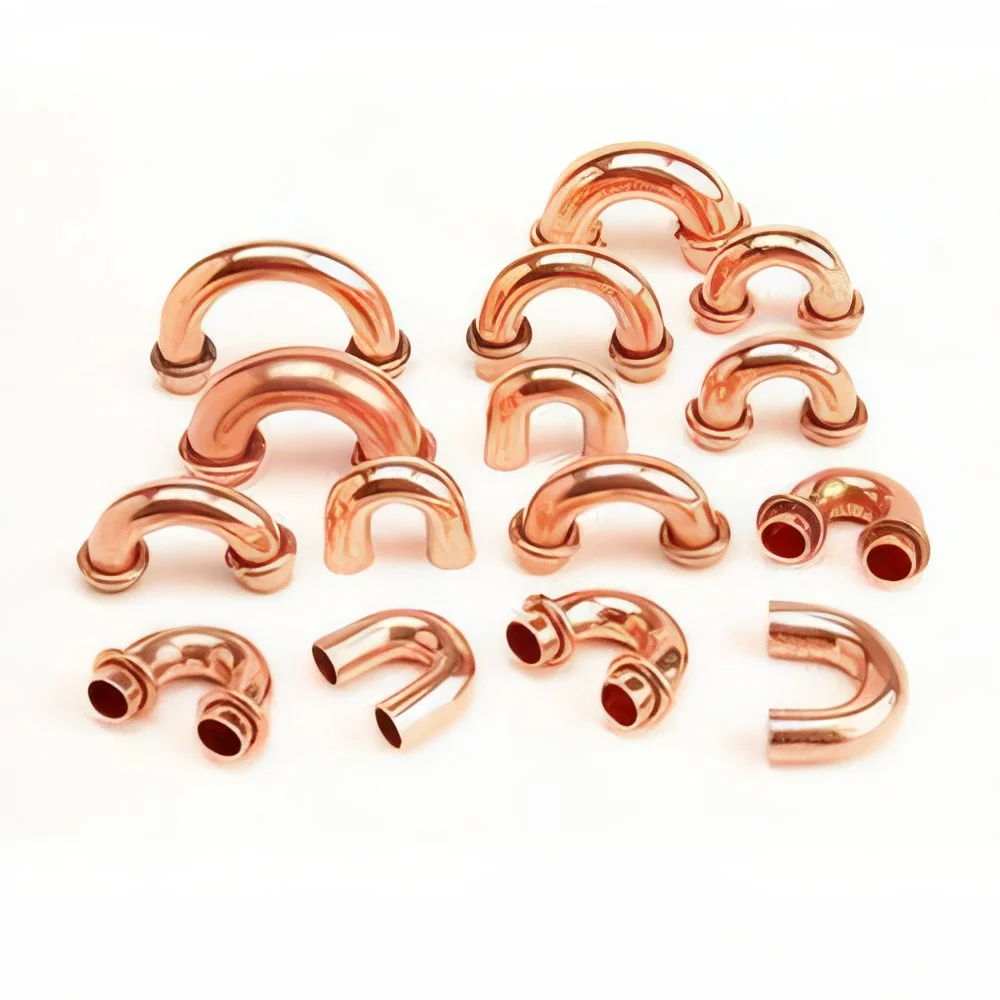
Copper fittings are available in various shapes and sizes, including elbows, tees, and couplings. They are designed to connect copper pipes and allow for changes in direction and size.
Benefits and Advantages
Copper pipes and fittings offer numerous benefits that make them a preferred choice in many applications.
1. Durability: Copper has a long lifespan, often exceeding 50 years, making it a cost-effective investment.
2. Corrosion Resistance: Copper is naturally resistant to corrosion, ensuring reliable performance over time.
3. High Thermal Conductivity: This property allows for efficient heat transfer, making copper ideal for plumbing and HVAC systems.
4. Antimicrobial Properties: Copper has natural properties that inhibit the growth of bacteria, contributing to safer drinking water.
5. Recyclability: Copper is 100% recyclable without losing its properties, making it an environmentally friendly choice.
6. Ease of Installation: Copper pipes are lightweight and easy to work with, allowing for quicker installation times.
Buying Guide for B2B Buyers
When sourcing copper pipes and fittings, it is essential for B2B buyers to consider several key factors to ensure they make informed purchasing decisions.
1. Quality Assessment: Buyers should evaluate the quality of copper pipes and fittings based on industry standards and certifications. Look for products that meet recognized quality benchmarks.
2. Supplier Verification: It is crucial to vet suppliers thoroughly. Check their reputation, customer reviews, and track record in providing high-quality products.
3. Pricing and MOQ: Understand the pricing structure and minimum order quantities (MOQ) before committing to a purchase. This helps in budgeting and ensuring cost-effectiveness.
4. Delivery and Lead Times: Inquire about the supplier's delivery capabilities and lead times to ensure that products are received when needed.
5. Compliance Requirements: Familiarize yourself with any regulatory requirements that may apply to copper pipes and fittings in your region. Ensure that suppliers can provide products that meet these compliance standards.
Compliance and Certifications
Copper pipes and fittings must adhere to various quality standards and certifications to ensure safety and reliability in their applications.
ISO 9001 is a widely recognized standard that specifies requirements for a quality management system. Products meeting this standard indicate consistent quality and reliability.
Industry certifications, such as CE marking, signify compliance with European safety and health standards. This is essential for manufacturers and suppliers to demonstrate their commitment to safety.
Safety and testing requirements include assessments for pressure ratings and corrosion resistance. Compliance with these standards is crucial for ensuring the longevity and performance of copper products.
Regional compliance considerations may vary, so it is essential for buyers to be aware of local regulations regarding material specifications and safety standards.
Why Source Copper Pipes & Fittings from Pepagora?
Pepagora provides a trusted platform for sourcing copper pipes and fittings, offering several key advantages to B2B buyers.
Verified Supplier Network: Pepagora connects buyers with a network of verified suppliers. This ensures that all suppliers meet stringent quality and reliability criteria, giving buyers peace of mind in their sourcing decisions.
Streamlined RFQ Process: The request for quotation (RFQ) process on Pepagora is designed to be efficient and user-friendly. Buyers can easily submit their requirements and receive competitive quotes from multiple suppliers.
Trade Assurance and Support: Pepagora offers trade assurance to protect buyers against potential issues. This buyer protection feature ensures that transactions are secure and that disputes are managed effectively.
Regional Coverage: Pepagora has a wide geographic reach, serving markets in India, the GCC, and Southeast Asia. This allows buyers to access a diverse range of products and suppliers, enhancing their sourcing options.

 IN
IN