What are Electric Room Heaters?
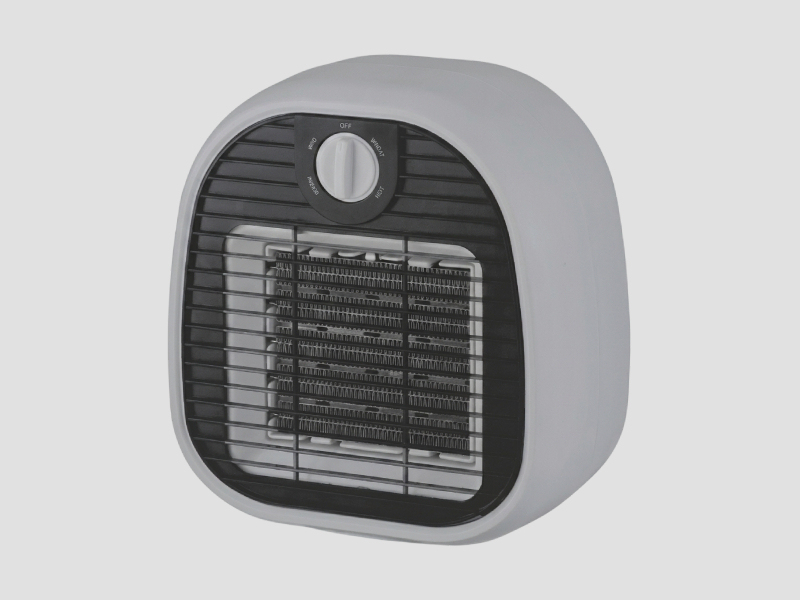
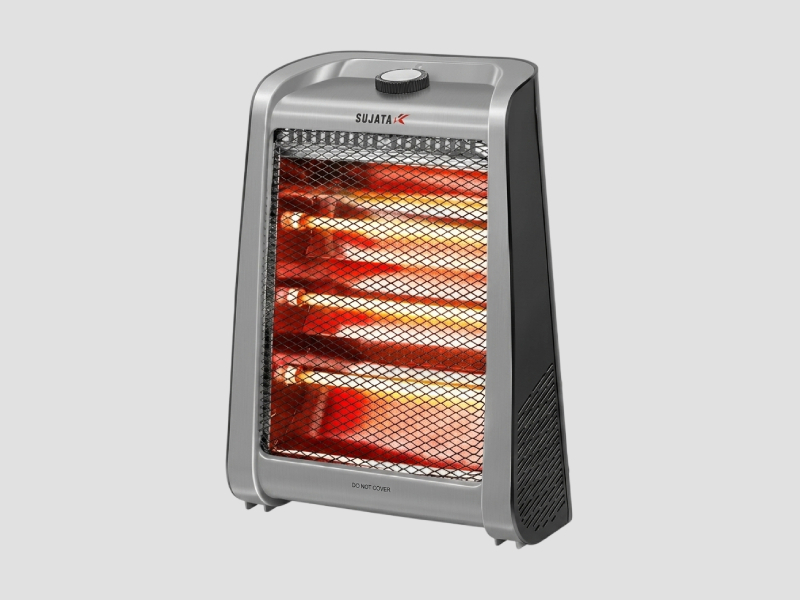
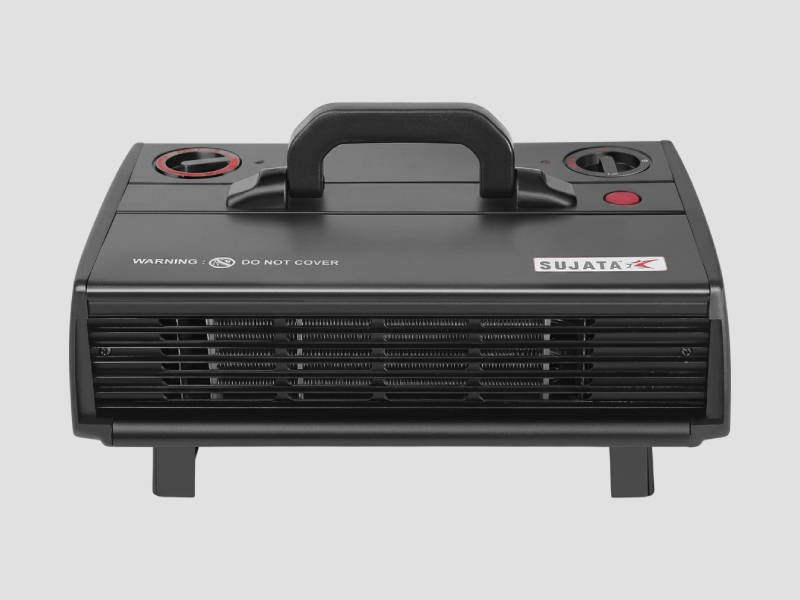
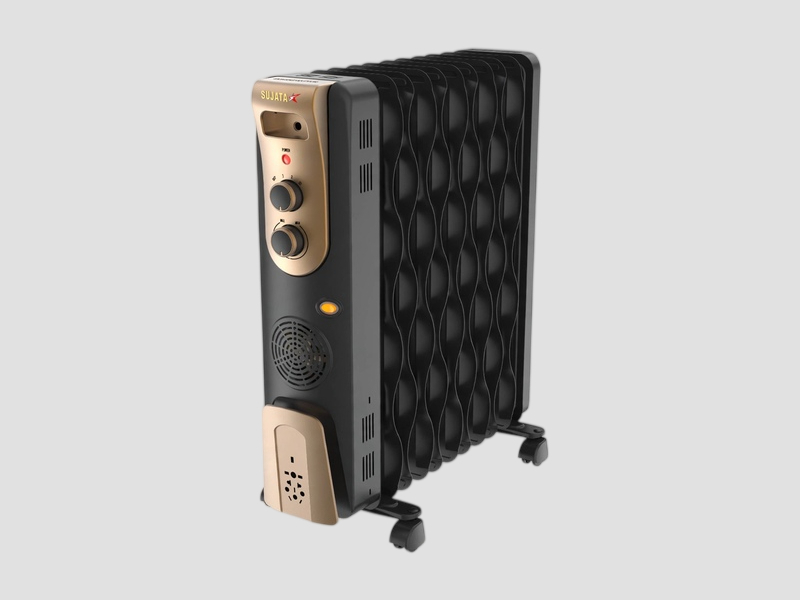
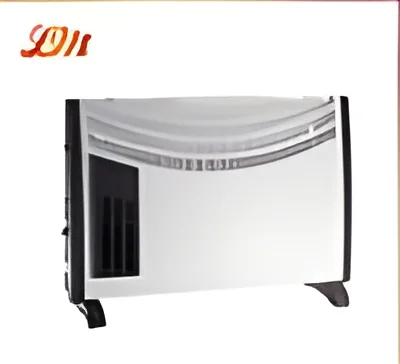
Electric room heaters are devices designed to provide localized heating for individual rooms or spaces. They operate by converting electrical energy into heat, which is then distributed throughout the area. These heaters are available in various designs, such as convection, radiant, and fan-assisted models, catering to different heating requirements and preferences.
The primary uses of electric room heaters are found in both residential and commercial settings. They are commonly utilized to provide supplemental heat during colder months, ensuring comfort in living spaces, offices, and industrial environments. Businesses often rely on electric room heaters to maintain optimal working temperatures, especially in areas lacking adequate central heating. The market for electric room heaters is continually evolving, driven by advancements in technology, energy efficiency, and increasing demand for sustainable heating solutions.
As the global focus on energy efficiency and environmental sustainability grows, electric room heaters have gained relevance in various industries. With regulations promoting reduced energy consumption, these heaters are becoming a preferred choice for both businesses and consumers seeking effective heating solutions while minimizing their carbon footprint.
Key Features and Specifications
Electric room heaters come equipped with a variety of features that enhance their functionality and user experience. Understanding these specifications helps B2B buyers make informed decisions when selecting the right product for their needs.
Key specifications include:
1. Heating Capacity
- Measured in watts or BTUs, this indicates the amount of heat the heater can produce.
- Typical ranges vary from 500 watts for small rooms to over 2000 watts for larger spaces.
2. Safety Features
- Many electric room heaters include built-in safety mechanisms such as tip-over protection and overheat shut-off.
- These features prevent accidents and ensure safe operation in busy environments.
3. Energy Efficiency Rating
- This rating reflects the heater's efficiency in converting electricity to heat.
- Higher ratings indicate lower energy consumption and reduced operational costs.
4. Adjustable Thermostat
- Allows users to set and maintain desired room temperatures.
- Enhances comfort while contributing to energy savings.
5. Portability
- Many models feature wheels or lightweight designs for easy movement between rooms.
- Portable heaters are ideal for businesses needing flexible heating options.
6. Noise Level
- The sound produced by the heater during operation.
- Quiet models are preferred in workplaces to maintain a conducive environment.
7. Control Options
- Options may include manual dials, remote controls, or smart technology for app-based control.
- Smart features allow for scheduling and remote adjustments.
8. Design and Size
- Electric room heaters come in various styles and sizes to fit different spaces and aesthetic preferences.
- Compact models are suitable for small rooms, while larger units can accommodate more extensive areas.
In summary, the range of features and specifications available in electric room heaters provides businesses with ample choices to meet their heating needs while promoting safety and energy efficiency.
Common Applications and Use Cases
Electric room heaters serve a broad spectrum of industries and applications, making them versatile heating solutions.
1. Residential: In homes, electric room heaters are commonly used to supplement central heating systems, providing warmth in frequently used areas such as living rooms and bedrooms.
2. Commercial: Offices and workspaces utilize electric heaters to ensure employee comfort during colder months, especially in buildings with inadequate heating systems.
3. Industrial: Factories and warehouses may employ electric room heaters to maintain optimal working temperatures in specific zones, improving overall productivity and worker comfort.
4. Retail: Stores and showrooms use electric heaters to create a welcoming atmosphere for customers, particularly in high-traffic areas.
5. Hospitality: Hotels and restaurants deploy electric room heaters in guest rooms and dining areas to enhance customer satisfaction during chilly weather.
6. Healthcare: Clinics and hospitals benefit from electric heaters in waiting areas and patient rooms to maintain a pleasant environment for visitors and patients.
7. Educational: Schools often utilize electric room heaters in classrooms to ensure a comfortable learning environment for students and staff.
Product Variants and Subcategories
Electric room heaters come in various types and configurations, catering to diverse heating requirements.
Convection Heaters
These heaters warm the air in the room through convection currents. They are efficient for heating larger spaces and provide consistent warmth. Convection heaters are often equipped with fans to enhance air circulation.
Radiant Heaters
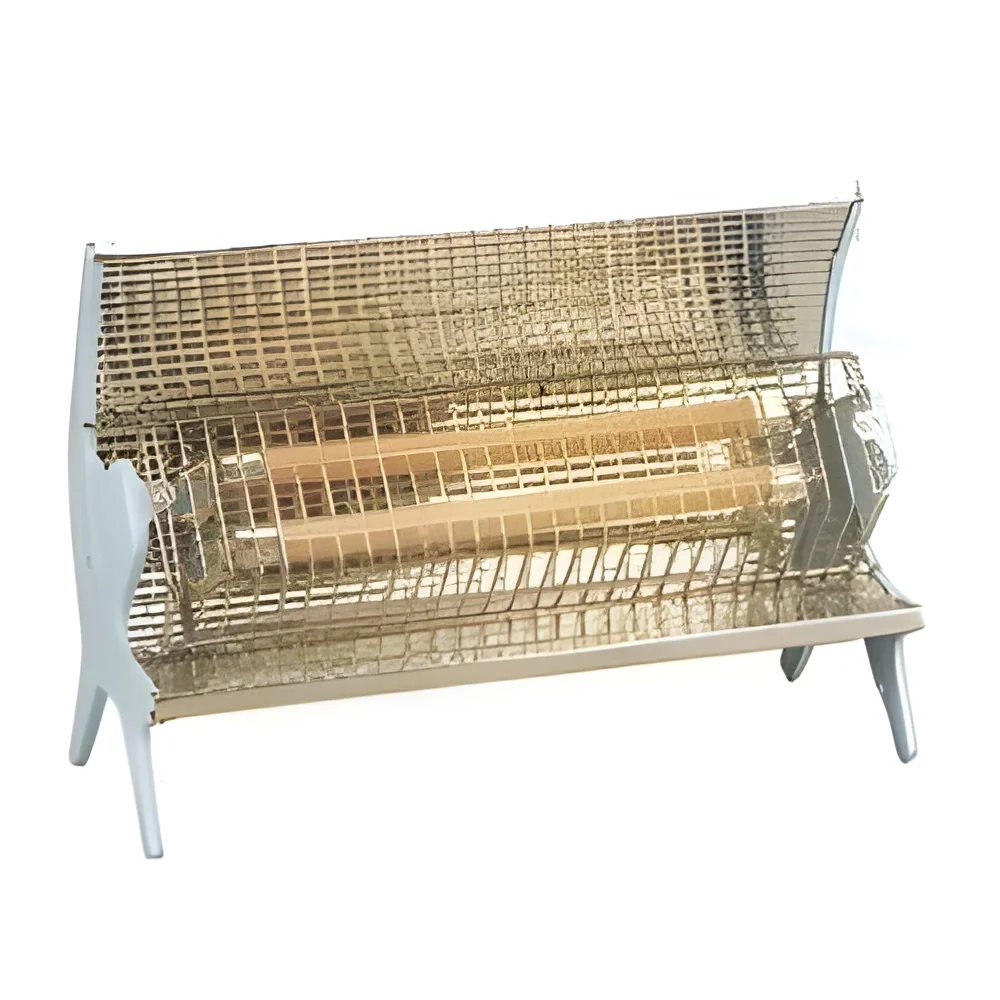
Radiant heaters emit infrared radiation to directly heat objects and people in their line of sight. They are ideal for spot heating and are commonly used in areas where immediate warmth is needed, such as outdoor patios or workshops.
Fan-Forced Heaters
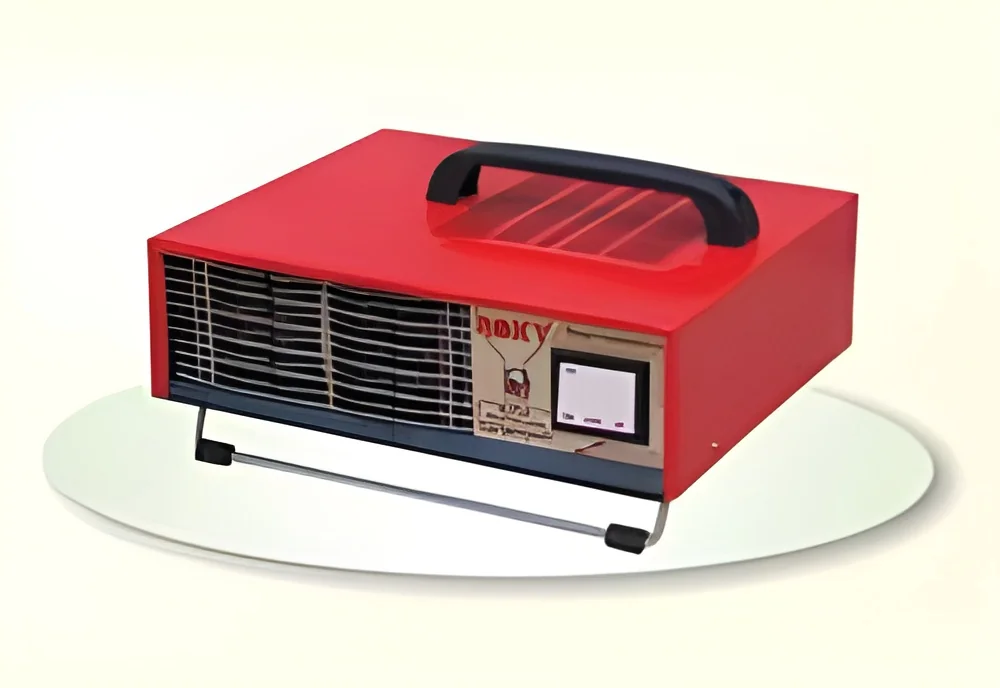
These heaters use a fan to circulate warm air throughout the room. They are effective for quickly heating spaces and are often compact, making them suitable for both residential and commercial use.
Oil-Filled Radiators
These heaters are filled with oil that retains heat, providing a steady and long-lasting warmth. They are known for their efficiency and are often used in homes and offices.
Benefits and Advantages
Electric room heaters offer several key benefits that make them a preferred choice for various heating applications.
1. Energy Efficiency: Many electric room heaters are designed with energy-saving features, reducing electricity costs while providing effective heating.
2. Safety: With built-in safety mechanisms, these heaters minimize the risk of fire hazards and ensure safe operation in different environments.
3. Portability: The lightweight and compact design of many models allows for easy movement between rooms, offering flexibility for users.
4. Quick Heating: Electric room heaters provide instant warmth, making them ideal for immediate comfort during cold weather.
5. Environmentally Friendly: Electric heaters can be powered by renewable energy sources, aligning with sustainability goals and reducing carbon footprints.
6. Low Maintenance: Electric room heaters require minimal maintenance compared to other heating systems, making them user-friendly.
Buying Guide for B2B Buyers
When sourcing electric room heaters, buyers should consider several critical factors to ensure they select the most suitable products for their needs.
1. Quality Assessment: Evaluate the quality of materials and construction of the heaters. Look for reputable brands known for durability and reliable performance.
2. Supplier Verification: Vet suppliers by checking their credentials, customer reviews, and industry reputation. A verified supplier ensures trust in product quality and service.
3. Pricing and MOQ: Consider the pricing structure and minimum order quantities (MOQ) offered by suppliers. Compare costs to find competitive deals that align with your budget.
4. Delivery and Lead Times: Inquire about logistics, including delivery schedules and lead times, to ensure timely availability of products when needed.
5. Compliance Requirements: Confirm that the heaters meet relevant safety and regulatory standards in your region, such as CE certification, to avoid compliance issues.
Compliance and Certifications
Electric room heaters must adhere to various quality standards and certifications to ensure safety and efficiency. ISO 9001 is a widely recognized quality management standard that applies to manufacturers, ensuring consistent quality in production.
The CE mark indicates that a product complies with European safety and environmental requirements, making it essential for electric room heaters sold in Europe. This certification assures buyers of the product's safety and reliability.
Testing requirements for electric room heaters typically include safety assessments for electrical components and thermal performance. Manufacturers must demonstrate compliance with these standards before their products can be marketed.
Regional compliance considerations are also crucial, as different countries may have specific regulations governing the design and performance of electric heating appliances. Buyers should ensure that their suppliers comply with all relevant regional mandates.
Why Source Electric Room Heaters from Pepagora?
Pepagora provides a trusted platform for sourcing electric room heaters, presenting several key advantages for B2B buyers.
Verified Supplier Network: Pepagora has established a robust network of verified suppliers, ensuring that buyers can confidently source high-quality electric room heaters. This verification process includes thorough background checks and assessments of supplier capabilities.
Streamlined RFQ Process: The request for quotation (RFQ) process on Pepagora is designed to be efficient and user-friendly. Buyers can easily submit their requirements and receive competitive quotes from multiple suppliers, facilitating informed purchasing decisions.
Trade Assurance and Support: Pepagora offers trade assurance programs that protect buyers by ensuring that transactions meet agreed-upon terms. This support fosters trust and reduces risks associated with online sourcing.
Regional Coverage: With a strong presence in India, the GCC region, and Southeast Asia, Pepagora provides extensive geographic reach for buyers looking for electric room heaters. This regional coverage allows for localized support and timely delivery, enhancing the overall sourcing experience.

 IN
IN