What are VRF/VRV Air Conditioning Systems?
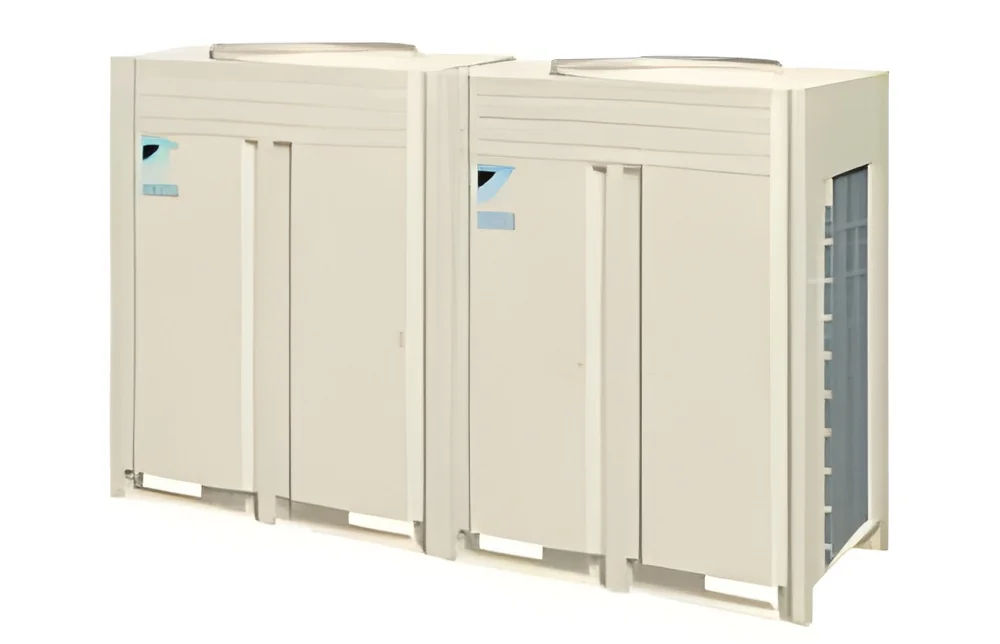
VRF (Variable Refrigerant Flow) and VRV (Variable Refrigerant Volume) air conditioning systems are advanced HVAC solutions designed for efficient temperature control in commercial and industrial spaces. These systems utilize a single outdoor unit connected to multiple indoor units, allowing for individual control of comfort levels in different areas. The technology adjusts the flow of refrigerant to meet the cooling or heating demands based on the specific requirements of each indoor unit, ensuring optimal energy efficiency.
VRF/VRV systems are primarily used in medium to large buildings, including offices, hotels, shopping malls, and hospitals. The flexibility in zoning and energy savings makes them ideal for spaces where varying temperatures are necessary. As businesses increasingly focus on sustainability and energy efficiency, VRF/VRV systems have gained significant traction in the market. Their ability to operate quietly and provide precise climate control makes them a preferred choice in the competitive HVAC landscape.
Key Features and Specifications
VRF/VRV air conditioning systems are known for their innovative features and advanced technology. They offer flexibility in installation and operation while ensuring energy efficiency. Some key specifications to consider include:
1. Cooling Capacity
- The cooling capacity typically ranges from 8 kW to 30 kW.
- This allows for various configurations based on building size and layout.
2. Heating Capacity
- Heating capacities can also range similarly, facilitating year-round climate control.
- The systems can operate effectively in temperatures as low as -20 degrees Celsius.
3. Indoor Unit Types
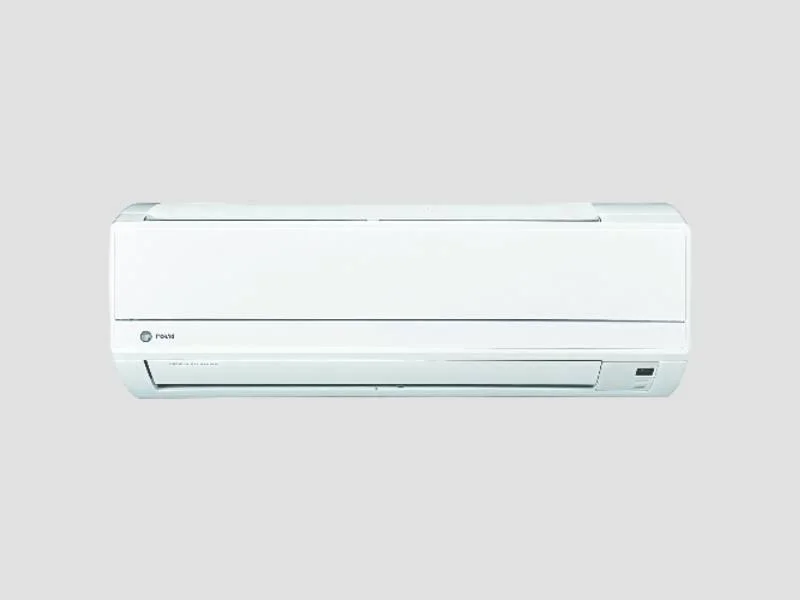
- Options include wall-mounted, ceiling-mounted, and ducted units.
- This variety accommodates different aesthetic and space requirements.
4. Refrigerant Type
- Most systems utilize R410A refrigerant, which is more environmentally friendly.
- This contributes to energy efficiency and lower operational costs.
5. Energy Efficiency Rating
- Energy efficiency is commonly rated with SEER (Seasonal Energy Efficiency Ratio).
- Higher SEER ratings indicate better efficiency, often exceeding 20.
6. Control Options
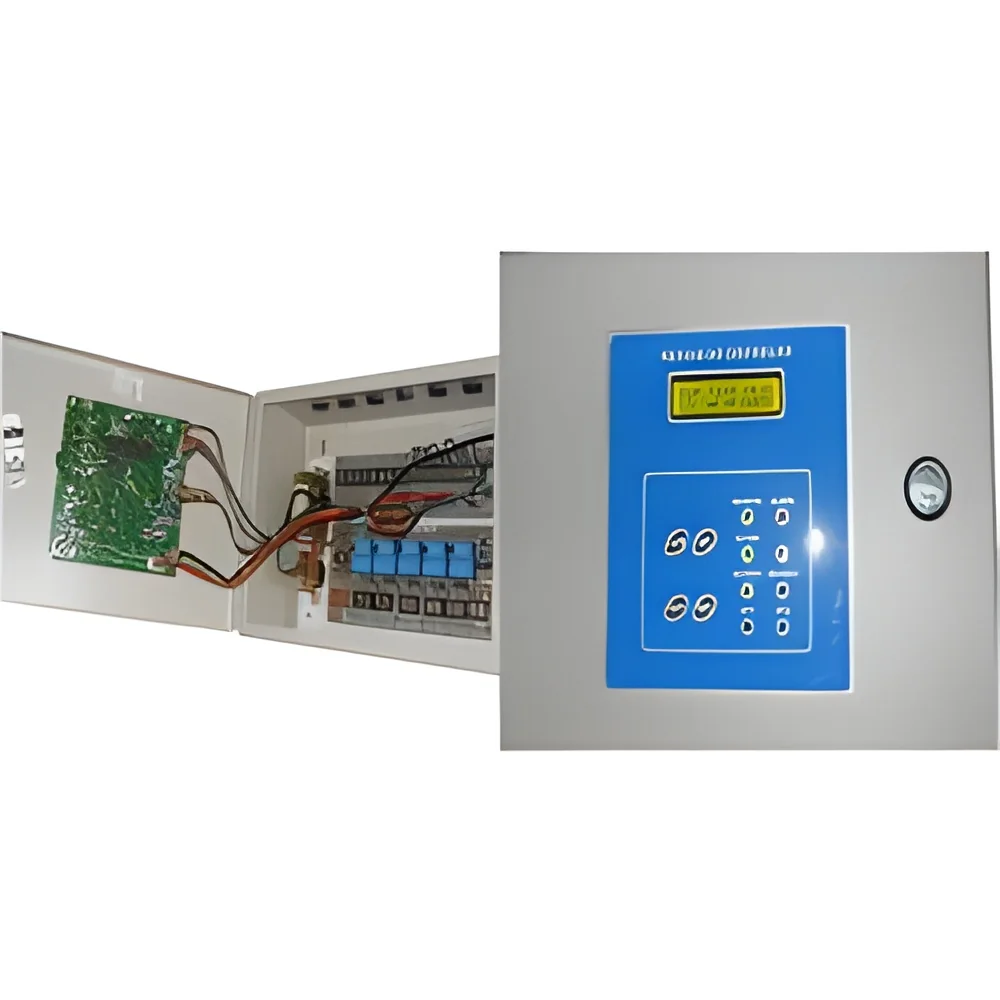
- Advanced control systems allow for centralized management.
- Smart technology integration enables remote monitoring and adjustments.
7. Noise Levels
- Operate at low noise levels, typically around 40-60 dB.
- This makes them suitable for noise-sensitive environments.
8. Maintenance Requirements
- Maintenance is minimal compared to traditional systems.
- Regular filter checks and occasional professional servicing are recommended.
These specifications highlight the advantages of VRF/VRV systems in providing efficient and customizable climate control solutions.
Common Applications and Use Cases
VRF/VRV air conditioning systems serve a wide range of industries, offering tailored solutions for diverse environments.
1. Commercial Offices: These systems provide efficient cooling and heating for open spaces and private offices, enhancing employee comfort and productivity.
2. Retail Stores: In retail environments, VRF systems maintain optimal temperatures for both staff and customers, ensuring a pleasant shopping experience.
3. Hotels: VRF/VRV systems allow for individual room temperature control, contributing to guest satisfaction and energy efficiency.
4. Educational Institutions: Schools and universities benefit from the ability to manage various building zones, ensuring comfort in classrooms and common areas.
5. Hospitals: Precise climate control is crucial in healthcare settings, and VRF systems can maintain necessary conditions for patient comfort and equipment functionality.
6. Restaurants: These systems help manage indoor air quality and temperature, improving the dining experience for patrons.
7. Manufacturing Facilities: VRF systems provide effective cooling for machinery and staff, enhancing operational efficiency in industrial environments.
Product Variants and Subcategories
VRF/VRV air conditioning systems come in various configurations to meet specific needs.
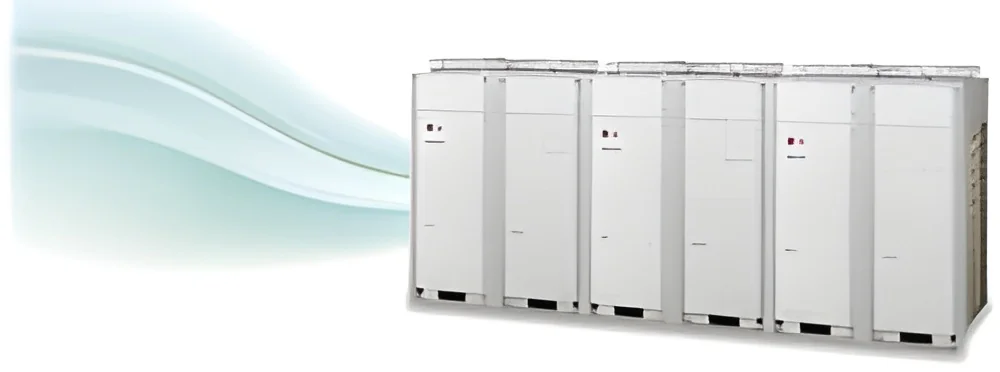
High-Capacity Systems: These variants are designed for large commercial applications, offering higher cooling and heating capacities to serve extensive spaces efficiently.
Compact Systems: Ideal for smaller buildings, these units provide the benefits of VRF technology in a more space-efficient format, suitable for restricted areas.
Multi-Zone Systems: These systems enable separate temperature control for different zones within a building, making them ideal for complex layouts found in larger facilities.
Benefits and Advantages
VRF/VRV air conditioning systems offer numerous advantages for businesses.
1. Energy Efficiency: These systems optimize energy usage by adjusting refrigerant flow based on demand, leading to lower utility bills.
2. Flexibility: The ability to connect multiple indoor units to one outdoor unit allows for versatile installation options tailored to various building designs.
3. Enhanced Comfort: Individual temperature control enhances comfort for occupants, catering to varying preferences across different areas.
4. Quiet Operation: VRF systems operate quietly, making them suitable for noise-sensitive environments like offices and hospitals.
5. Low Maintenance: These systems require less frequent maintenance compared to traditional HVAC systems, reducing operational downtime and costs.
6. Environmentally Friendly: Using energy-efficient technology and eco-friendly refrigerants minimizes the environmental impact of cooling and heating.
Buying Guide for B2B Buyers
When sourcing VRF/VRV air conditioning systems, several key factors should be considered.
1. Quality Assessment: Ensure the systems meet industry standards and are built with high-quality components. Look for manufacturers known for reliability and performance.
2. Supplier Verification: Vet potential suppliers carefully. Check their credentials, customer reviews, and past project references to ensure they are reputable.
3. Pricing and MOQ: Understand the pricing structure and minimum order quantities. Compare quotes from multiple suppliers to find the best deal while considering quality.
4. Delivery and Lead Times: Inquire about delivery schedules and lead times. Timely delivery is crucial for project planning and operational continuity.
5. Compliance Requirements: Make sure the systems meet local and international regulations. Familiarize yourself with necessary certifications and safety standards that apply to your industry.
Compliance and Certifications
VRF/VRV air conditioning systems must adhere to various quality standards and certifications to ensure safety and efficiency.
Compliance with ISO 9001 is essential, as it guarantees that organizations meet customer and regulatory requirements consistently. This standard focuses on quality management systems and continuous improvement.
Additionally, industry certifications such as CE indicate compliance with European health, safety, and environmental protection standards. These certifications are crucial for market acceptance in Europe and other regions.
Safety and testing requirements are also vital, ensuring that systems operate safely under all conditions. Regular testing and adherence to safety protocols help mitigate risks associated with HVAC systems.
Regional compliance considerations may vary, so it is essential to understand local regulations and standards that apply to your specific location and industry.
Why Source VRF/VRV Air Conditioning Systems from Pepagora?
Pepagora offers a reliable platform for sourcing VRF/VRV air conditioning systems, providing a range of advantages to B2B buyers.
Verified Supplier Network: Pepagora connects buyers with a network of verified suppliers. Each supplier undergoes thorough vetting, ensuring that buyers can trust the quality of products and services.
Streamlined RFQ Process: The Request for Quotation process is designed for efficiency. Buyers can easily submit their requirements and receive competitive quotes, simplifying the procurement process.
Trade Assurance and Support: Pepagora prioritizes buyer protection through trade assurance measures. This includes support for resolving disputes and ensuring that suppliers fulfill their commitments.
Regional Coverage: With a strong presence in India, the GCC, and Southeast Asia, Pepagora offers extensive regional coverage. This geographic reach enables buyers to source products that meet local needs while benefiting from international standards.
By choosing Pepagora, businesses can ensure a smooth sourcing experience for VRF/VRV air conditioning systems, backed by a trusted network and comprehensive support.

 IN
IN