What are Thermostats (Digital, Smart)?
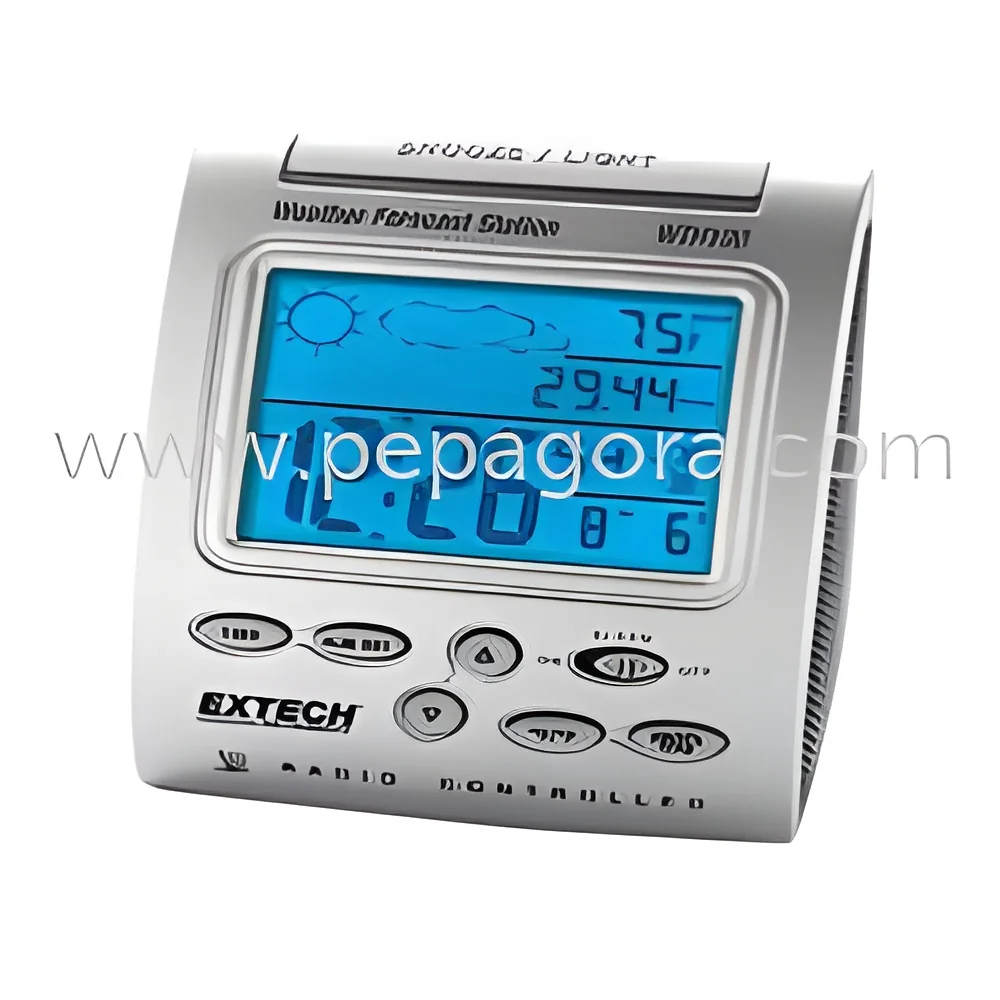
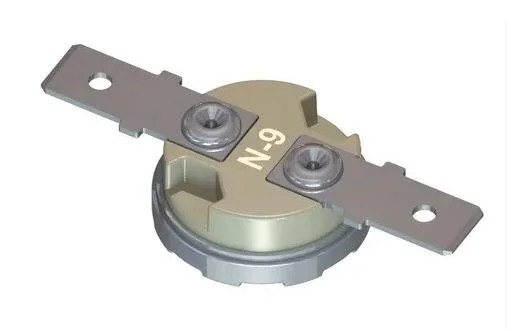
Thermostats, particularly digital and smart varieties, are devices that regulate temperature in various environments, ensuring optimal conditions for comfort and efficiency. Digital thermostats utilize electronic sensors to provide accurate temperature readings and allow for precise control over heating and cooling systems. Smart thermostats take this a step further by incorporating connectivity features that enable remote monitoring and control via smartphones or other devices. This technology allows users to adjust settings, monitor energy usage, and optimize performance based on real-time data.
These thermostats find primary applications in commercial settings, such as office buildings, manufacturing facilities, and retail spaces. They help maintain ideal working conditions while also supporting energy-saving initiatives. With rising energy costs and increasing awareness of environmental sustainability, businesses are increasingly adopting smart thermostat technology as part of their energy management strategies. The market for digital and smart thermostats is expanding rapidly, driven by advancements in technology and the growing demand for automated building management solutions.
๐๐ฒ๐ ๐๐ฒ๐ฎ๐๐๐ฟ๐ฒ๐ ๐ฎ๐ป๐ฑ ๐ฆ๐ฝ๐ฒ๐ฐ๐ถ๐ณ๐ถ๐ฐ๐ฎ๐๐ถ๐ผ๐ป๐
Digital and smart thermostats incorporate a range of advanced features designed to enhance functionality and user experience. When selecting a thermostat, understanding its specifications is crucial for making informed purchasing decisions.
Key specifications include:
1. Temperature Control Range
- Typically allows for settings between 40ยฐF and 90ยฐF
- Offers flexibility for various climate conditions
2. Connectivity Options
- Supports Wi-Fi, Bluetooth, or Zigbee connections
- Enables remote access and control via mobile applications
3. Display Type
- Features LCD or OLED screens
- Provides clear visibility and user-friendly interfaces
4. Programming Capability
- Allows users to set schedules for different days
- Facilitates energy savings through automated adjustments
5. Energy Monitoring
- Provides insights into energy consumption patterns
- Helps users identify opportunities for cost savings
6. Compatibility
- Works with various HVAC systems, including heat pumps and central air conditioning
- Ensures broad applicability across different installations
7. Humidity Control
- Some models offer humidity monitoring features
- Aids in maintaining indoor air quality
8. Safety Features
- Includes alerts for extreme temperature fluctuations
- Ensures safe operation and protects HVAC systems
Digital and smart thermostats are vital tools for modern energy management, enabling users to optimize their heating and cooling systems effectively.
๐๐ผ๐บ๐บ๐ผ๐ป ๐๐ฝ๐ฝ๐น๐ถ๐ฐ๐ฎ๐๐ถ๐ผ๐ป๐ ๐ฎ๐ป๐ฑ ๐จ๐๐ฒ ๐๐ฎ๐๐ฒ๐
Digital and smart thermostats are utilized across various industries, providing tailored solutions for specific operational needs.
1. Commercial Real Estate: Smart thermostats are essential in office buildings for maintaining comfortable working conditions while minimizing energy usage.
2. Manufacturing: These devices help regulate temperature in production areas, ensuring optimal conditions for machinery and products.
3. Retail: In retail spaces, thermostats maintain a pleasant atmosphere for customers, which can enhance shopping experiences and drive sales.
4. Hospitality: Hotels and restaurants use smart thermostats to provide guests with personalized comfort while managing energy costs.
5. Healthcare: Hospitals and clinics can utilize these devices to maintain strict temperature controls for patient comfort and equipment functionality.
6. Agriculture: Smart thermostats can regulate climate conditions in greenhouses, optimizing plant growth and resource utilization.
7. Residential: Homeowners increasingly adopt smart thermostats to enhance comfort and manage energy expenses effectively.
๐ฃ๐ฟ๐ผ๐ฑ๐๐ฐ๐ ๐ฉ๐ฎ๐ฟ๐ถ๐ฎ๐ป๐๐ ๐ฎ๐ป๐ฑ ๐ฆ๐๐ฏ๐ฐ๐ฎ๐๐ฒ๐ด๐ผ๐ฟ๐ถ๐ฒ๐
Digital and smart thermostats come in various forms to meet different user needs, enhancing their versatility in application.
Wi-Fi Enabled Thermostats
These thermostats connect to local Wi-Fi networks, allowing users to control settings remotely via smartphone apps. They often feature user-friendly interfaces and energy-saving capabilities, making them ideal for residential and commercial applications.
Programmable Thermostats
Programmable models allow users to set heating and cooling schedules based on their routines. This feature is particularly beneficial for businesses and homes, as it can lead to significant energy savings by reducing unnecessary heating or cooling during off-hours.
Smart Learning Thermostats
These advanced thermostats learn user preferences over time and automatically adjust settings accordingly. They provide convenience and energy efficiency, making them a popular choice in modern smart homes and environmentally conscious businesses.
๐๐ฒ๐ป๐ฒ๐ณ๐ถ๐๐ ๐ฎ๐ป๐ฑ ๐๐ฑ๐๐ฎ๐ป๐๐ฎ๐ด๐ฒ๐
Investing in digital and smart thermostats offers numerous advantages for businesses and organizations.
1. Energy Efficiency: These thermostats help minimize energy consumption by optimizing heating and cooling schedules, leading to reduced utility bills.
2. Cost Savings: With improved energy management, businesses can achieve significant cost reductions over time, enhancing their bottom line.
3. Enhanced Comfort: By maintaining consistent temperature levels, these devices contribute to a comfortable environment for employees and customers.
4. Remote Management: Smart thermostats allow users to monitor and control settings from anywhere, providing convenience and flexibility.
5. Data Insights: Many smart models offer analytics on energy usage, enabling businesses to make informed decisions about their operations.
6. Environmental Impact: By reducing energy consumption, these devices contribute to sustainability efforts, aligning with corporate social responsibility goals.
๐๐๐๐ถ๐ป๐ด ๐๐๐ถ๐ฑ๐ฒ ๐ณ๐ผ๐ฟ ๐๐ฎ๐ ๐๐๐๐ฒ๐ฟ๐
When sourcing digital and smart thermostats, it is essential to consider several critical factors to ensure a successful purchase.
1. Quality Assessment: Evaluate product quality by reviewing specifications and performance metrics. Consider manufacturers with a proven track record of reliability and durability.
2. Supplier Verification: Conduct thorough background checks on suppliers to ensure they have a solid reputation in the market. Look for certifications and customer testimonials.
3. Pricing and MOQ: Understand the pricing structure and minimum order quantities (MOQ) required. Compare quotes from different suppliers to find the best value.
4. Delivery and Lead Times: Assess the supplier's logistics capabilities, including shipping times and reliability. Ensure they can meet your project deadlines.
5. Compliance Requirements: Familiarize yourself with any regulatory standards applicable to thermostats in your region. Ensure that the products comply with industry certifications like CE.
๐๐ผ๐บ๐ฝ๐น๐ถ๐ฎ๐ป๐ฐ๐ฒ ๐ฎ๐ป๐ฑ ๐๐ฒ๐ฟ๐๐ถ๐ณ๐ถ๐ฐ๐ฎ๐๐ถ๐ผ๐ป๐
Compliance with relevant quality standards and certifications is crucial for digital and smart thermostats to ensure safety and reliability.
Many thermostats adhere to quality standards such as ISO 9001, which focuses on effective quality management systems. This standard ensures that manufacturers maintain consistent product quality throughout the production process.
Additionally, certifications such as CE indicate that a product meets European safety and environmental requirements. Compliance with these standards is essential for ensuring that devices operate safely and efficiently.
Safety and testing requirements are also paramount, as thermostats must function correctly under varying environmental conditions. Manufacturers often conduct rigorous testing to verify product performance and reliability.
Regional compliance considerations may vary, so it is vital to be aware of local regulations and standards in the target market. Buyers should verify that products meet these requirements to avoid potential legal or operational issues.
Why Source Thermostats (Digital, Smart) from Pepagora?
Pepagora provides a trusted platform for sourcing digital and smart thermostats, offering several key advantages for B2B buyers.
Verified Supplier Network: Pepagora ensures that all suppliers in its network undergo a rigorous verification process. This helps buyers connect with reputable manufacturers who meet high-quality standards.
Streamlined RFQ Process: The platform simplifies the request for quotation (RFQ) process, enabling buyers to easily compare offers from multiple suppliers. This efficiency saves time and enhances decision-making.
Trade Assurance and Support: Pepagora offers trade assurance, providing buyers with protection against potential issues during the purchasing process. This assurance builds confidence and security for transactions.
Regional Coverage: With a strong presence in India, the GCC, and Southeast Asia, Pepagora connects buyers with suppliers across these regions. This geographic reach facilitates access to a diverse range of products and solutions.
By choosing Pepagora, businesses can streamline their procurement process while ensuring they receive high-quality digital and smart thermostats tailored to their needs.