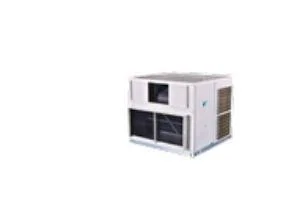
What are Ductable Air Conditioners?
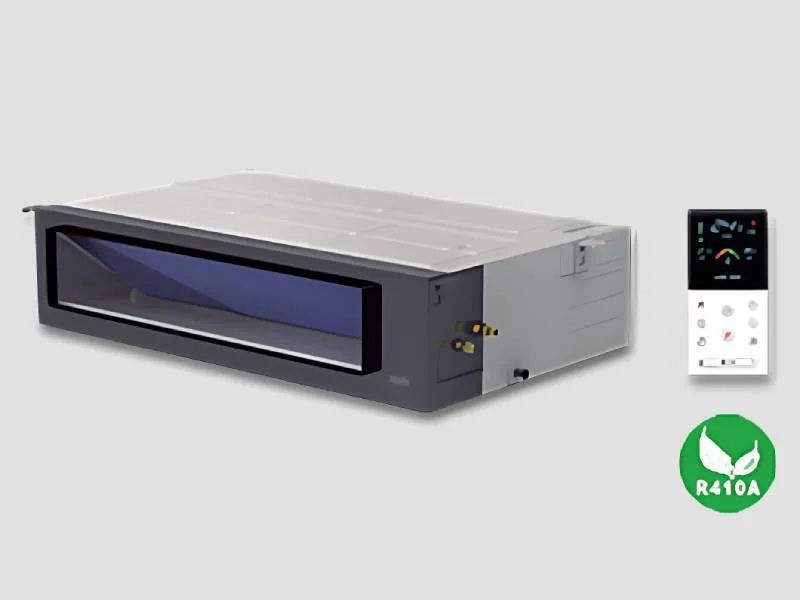
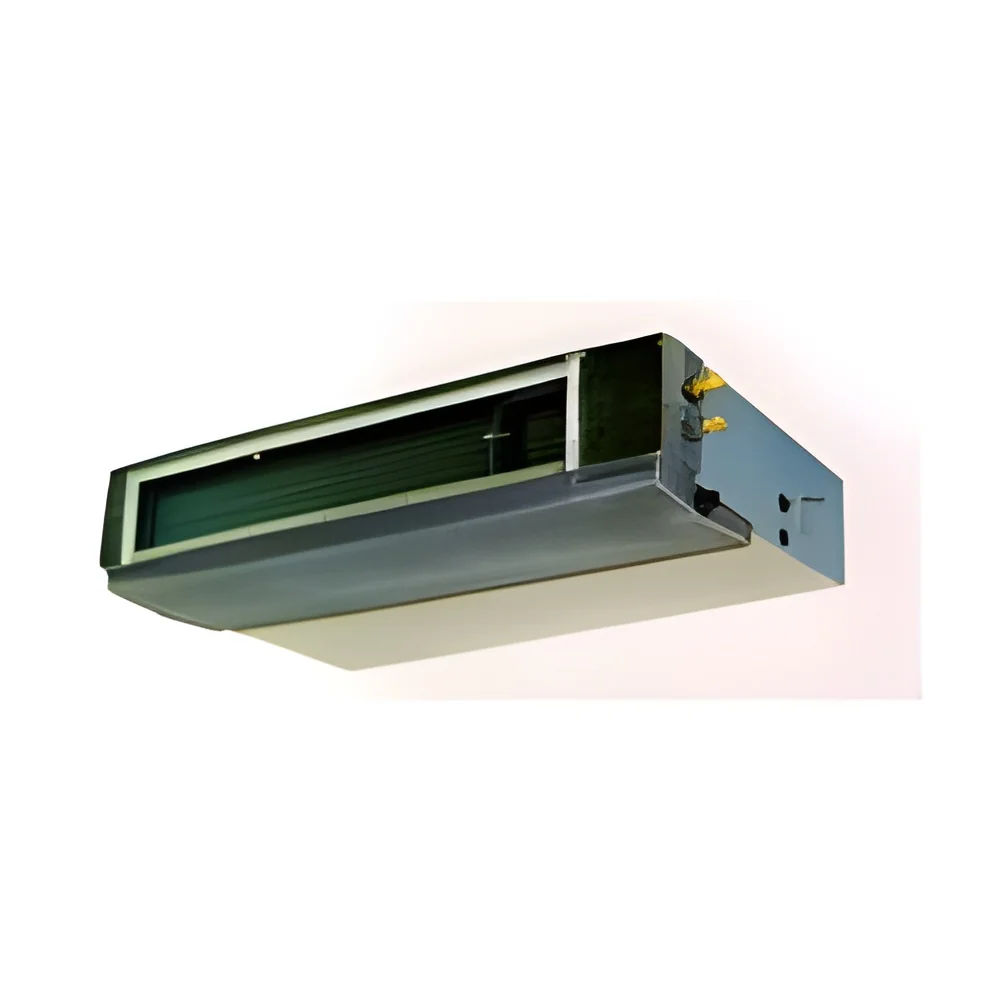
Ductable air conditioners are specialized cooling systems designed to provide efficient temperature control in large commercial and industrial spaces. Unlike standard air conditioners, ductable units are meant to be installed within a ductwork system, allowing for the distribution of cooled air throughout various rooms or areas. These systems are typically installed in ceilings or walls, making them a discreet option while optimizing space utilization.
These units are commonly used in settings such as office buildings, shopping malls, hospitals, and manufacturing facilities. Ductable air conditioners can be adapted to various layouts, ensuring that all areas receive adequate cooling. Their ability to handle larger volumes of air and cooling loads makes them particularly suitable for environments with high heat loads or extensive square footage.
The market for ductable air conditioners continues to grow as businesses seek energy-efficient solutions for climate control. The increasing demand for automation and smart technologies in HVAC systems also drives innovation in this sector. As companies prioritize sustainability and cost-effectiveness, ductable air conditioners play a critical role in meeting these requirements.
Key Features and Specifications
Ductable air conditioners come with a range of features and specifications that cater to the needs of various commercial applications. These units are designed for efficiency, reliability, and ease of maintenance. Potential buyers should consider the following specifications when selecting a ductable air conditioner.
Key specifications include:
1. Cooling Capacity
- Measured in tons, cooling capacity determines the air conditioner's ability to cool a space.
- Typical ranges are between 2 to 10 tons.
2. Energy Efficiency Ratio (EER)
- EER measures the cooling output per unit of energy consumed.
- Higher EER values indicate better energy efficiency.
3. Airflow Rate
- The airflow rate, measured in cubic feet per minute (CFM), indicates how much air the unit can circulate.
- Standard rates can vary between 600 to 1200 CFM.
4. Refrigerant Type
- Most ductable air conditioners use environmentally friendly refrigerants such as R-410A.
5. Noise Level
- Noise levels are often rated in decibels (dB), with quieter models producing less than 50 dB.
6. Control Options
- Many units offer programmable thermostats and remote control features for convenience.
7. Dimensions
- Size specifications vary, but units are generally compact to fit within ductwork.
8. Installation Type
- Ductable air conditioners can be ceiling-mounted or wall-mounted depending on the design requirements.
In summary, understanding these specifications can help businesses select the right ductable air conditioner that meets their unique cooling needs while optimizing energy consumption.
Common Applications and Use Cases
Ductable air conditioners are versatile and can be utilized across various industries, each benefiting from their unique cooling capabilities.
1. Commercial Offices: In office buildings, ductable air conditioners provide a comfortable working environment for employees by ensuring consistent temperature control across multiple rooms.
2. Retail Spaces: Shopping malls and retail stores use ductable systems to maintain pleasant shopping conditions, enhancing customer experience while managing energy costs.
3. Healthcare Facilities: Hospitals and clinics rely on ductable air conditioners to maintain sterile and comfortable environments for patients and staff.
4. Manufacturing Plants: In industrial settings, these units help regulate temperature to protect sensitive equipment and ensure a safe working environment for employees.
5. Educational Institutions: Schools and universities utilize ductable air conditioners to provide optimal learning conditions, crucial for student performance.
6. Data Centers: These facilities require precise temperature control to protect sensitive servers and equipment, making ductable systems an ideal choice.
7. Hospitality: Hotels use ductable air conditioners to ensure guest comfort throughout various areas, from lobbies to individual rooms.
Product Variants and Subcategories
Ductable air conditioners come in various forms, each catering to specific needs and applications within commercial settings.
Standard Ductable Units
These are the most common types, designed for general use in a wide range of applications. They offer essential cooling features and can be customized to various duct systems.
High-Efficiency Ductable Units
These variants are optimized for energy savings and reduced operational costs. They often include advanced features such as variable speed fans and enhanced insulation.
Smart Ductable Air Conditioners
Equipped with IoT technology, these units allow for remote monitoring and control. They integrate with building management systems for improved efficiency and user convenience.
Benefits and Advantages
Ductable air conditioners provide numerous benefits, making them an ideal choice for businesses seeking efficient cooling solutions.
1. Space Efficiency: These units are compact and can be installed discreetly, maximizing usable space in commercial environments.
2. Energy Savings: High-efficiency models reduce energy consumption, leading to lower utility bills and a smaller carbon footprint.
3. Improved Air Quality: Ductable systems can include advanced filtration options, enhancing indoor air quality by reducing pollutants.
4. Customizable Solutions: With various configurations and capacities, ductable air conditioners can be tailored to fit specific cooling needs.
5. Quiet Operation: Many models are designed to operate at low noise levels, ensuring a comfortable environment for occupants.
6. Versatility: These units can be used in diverse applications, from offices to industrial environments, making them a flexible choice.
Buying Guide for B2B Buyers
When sourcing ductable air conditioners, businesses should consider several important factors to ensure they make informed purchasing decisions.
1. Quality Assessment: Evaluate the build quality and performance ratings of different models to ensure durability and reliability.
2. Supplier Verification: Research potential suppliers by checking their credentials, customer reviews, and industry reputation to ensure they are trustworthy.
3. Pricing and MOQ: Understand the pricing structure and minimum order quantities (MOQ) offered by suppliers to align with budget and inventory needs.
4. Delivery and Lead Times: Inquire about logistics, including delivery timelines and shipping costs, to avoid disruptions in installation schedules.
5. Compliance Requirements: Ensure that the selected units comply with relevant industry regulations and standards, including safety and environmental guidelines.
Compliance and Certifications
Ductable air conditioners are subject to various quality standards and certifications that ensure safety and performance.
ISO 9001: This standard focuses on quality management systems, ensuring that manufacturers adhere to systematic processes that enhance customer satisfaction.
CE Certification: This certification indicates that the product meets European safety, health, and environmental protection standards, making it a reliable choice in many markets.
Safety and Testing Requirements: Compliance with safety standards is essential to ensure that ductable air conditioners operate safely and efficiently. Regular testing helps verify performance claims and energy efficiency.
Regional Compliance Considerations: Different regions may have specific compliance requirements. Buyers should be aware of local regulations regarding energy efficiency and environmental impact.
Why Source Ductable Air Conditioners from Pepagora?
Pepagora offers a comprehensive platform for sourcing ductable air conditioners, ensuring buyers access to a reliable and efficient procurement process.
Verified Supplier Network: Pepagora connects buyers with a vetted network of suppliers, ensuring that all partners meet high standards of quality and reliability.
Streamlined RFQ Process: The platform simplifies the request for quotation (RFQ) process, allowing buyers to receive competitive bids from multiple suppliers quickly.
Trade Assurance and Support: Pepagora provides trade assurance, protecting buyers throughout the transaction process and offering support for any issues that may arise.
Regional Coverage: With a strong presence in India, GCC, and Southeast Asia, Pepagora ensures geographic reach, providing businesses with access to a diverse range of ductable air conditioners tailored to their needs.

 IN
IN