
 IN
GI & Aluminum Ducts
18 products available
What are GI & Aluminum Ducts?
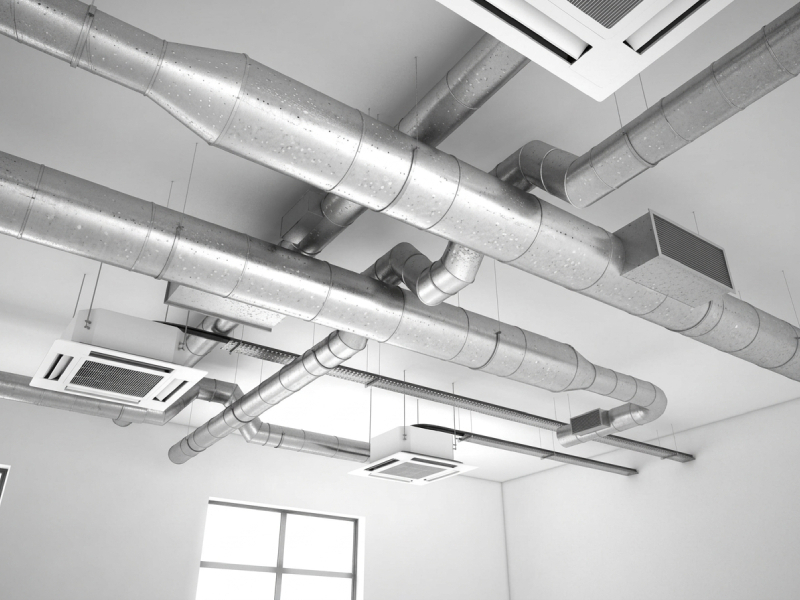
GI (Galvanized Iron) and Aluminum Ducts are essential components used in HVAC (Heating, Ventilation, and Air Conditioning) systems. These ducts are designed to transport air efficiently throughout a building, ensuring optimal airflow and temperature control. GI ducts are created from galvanized steel, which is coated with a layer of zinc to prevent corrosion. Aluminum ducts, on the other hand, are lightweight and highly resistant to rust and corrosion, making them suitable for various environmental conditions.
These ducts find primary applications in commercial and industrial settings, including manufacturing plants, office buildings, and warehouses. They play a crucial role in maintaining indoor air quality and managing climate control. Additionally, GI and Aluminum Ducts are widely used in residential constructions for efficient ventilation and air conditioning systems. Their importance in the HVAC industry contributes significantly to energy efficiency and overall comfort in different environments.
The market for GI and Aluminum Ducts is growing, driven by increasing construction activities and the rising awareness of sustainable building practices. As industries demand higher energy efficiency and better air quality, the relevance of these ducts continues to rise. Understanding their features and specifications is essential for businesses looking to invest in reliable duct systems.
Key Features and Specifications
GI and Aluminum Ducts offer a range of features that make them suitable for diverse applications. They are designed to provide excellent airflow, durability, and resistance to corrosion. The specifications of these ducts can vary based on the manufacturer's standards and the specific requirements of the application they serve.
Key specifications include:
1. Material Type
- Available in galvanized iron and aluminum
- Both materials provide durable solutions for air transportation
2. Thickness
- Typically ranges from 0.5 mm to 2 mm
- Thickness affects strength and insulation properties
3. Duct Shape
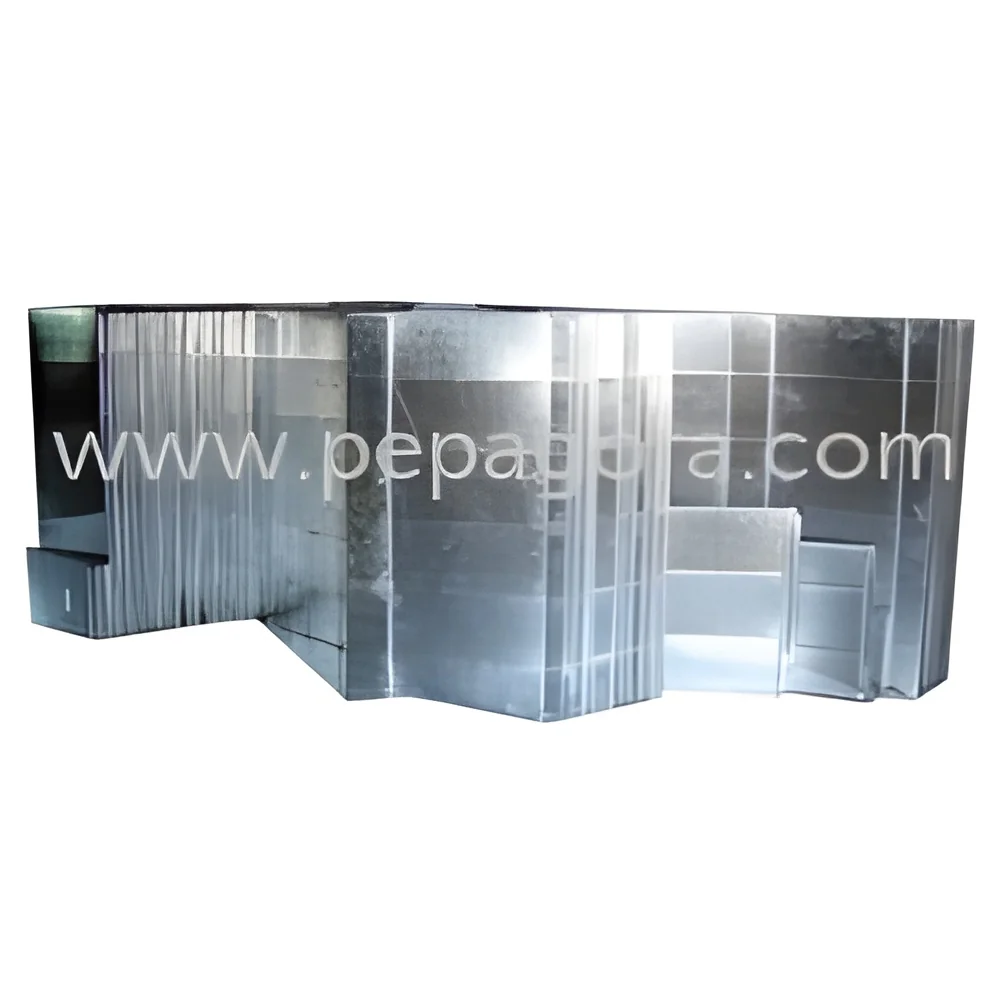
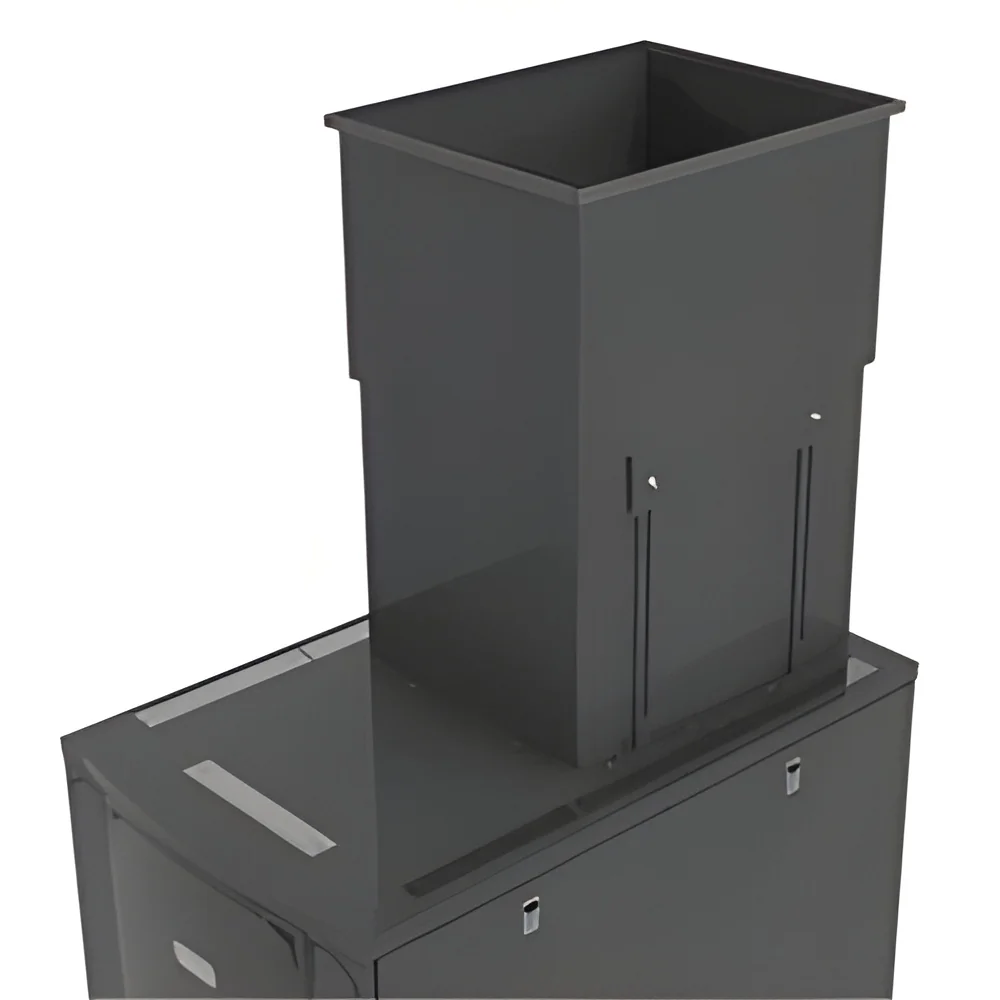
- Available in rectangular and circular shapes
- Shape influences airflow efficiency and installation ease
4. Length
- Standard lengths usually range from 1 meter to 3 meters
- Custom lengths can be provided based on project needs
5. Connection Type
- Options for slip joints and flanged connections
- Connection types affect installation and maintenance
6. Insulation Options
- Can be insulated or uninsulated
- Insulation reduces energy loss and noise
7. Coating
- Available with protective coatings to enhance corrosion resistance
- Coatings extend the lifespan of the ducts
8. Temperature Resistance
- Designed to withstand a range of temperatures
- Suitable for both heating and cooling applications
These specifications highlight the versatility of GI and Aluminum Ducts, making them a reliable choice for various industry requirements.
Common Applications and Use Cases
GI and Aluminum Ducts are utilized across multiple industries due to their reliable performance and durability.
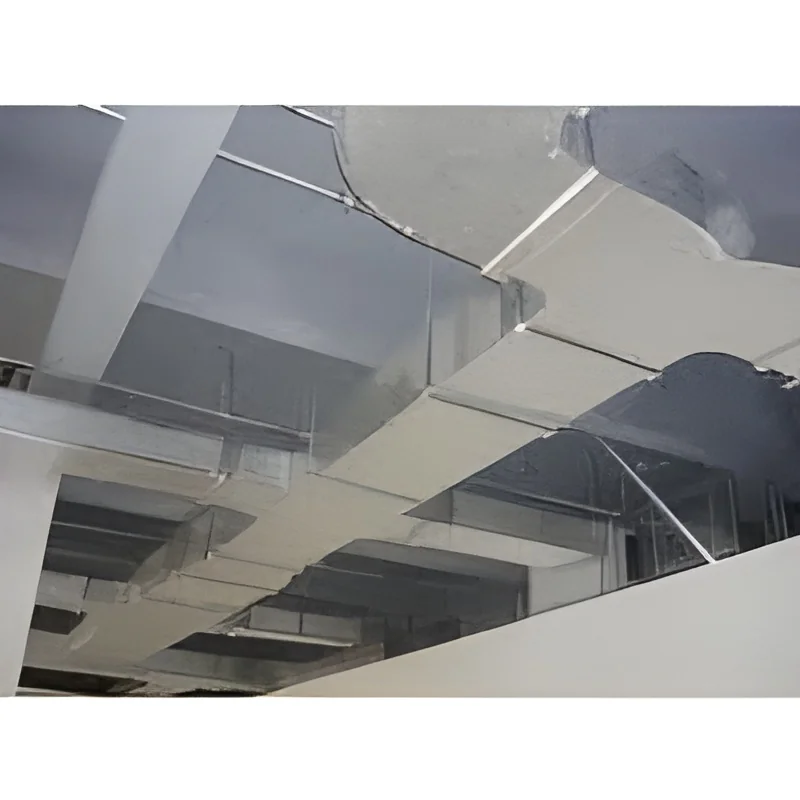
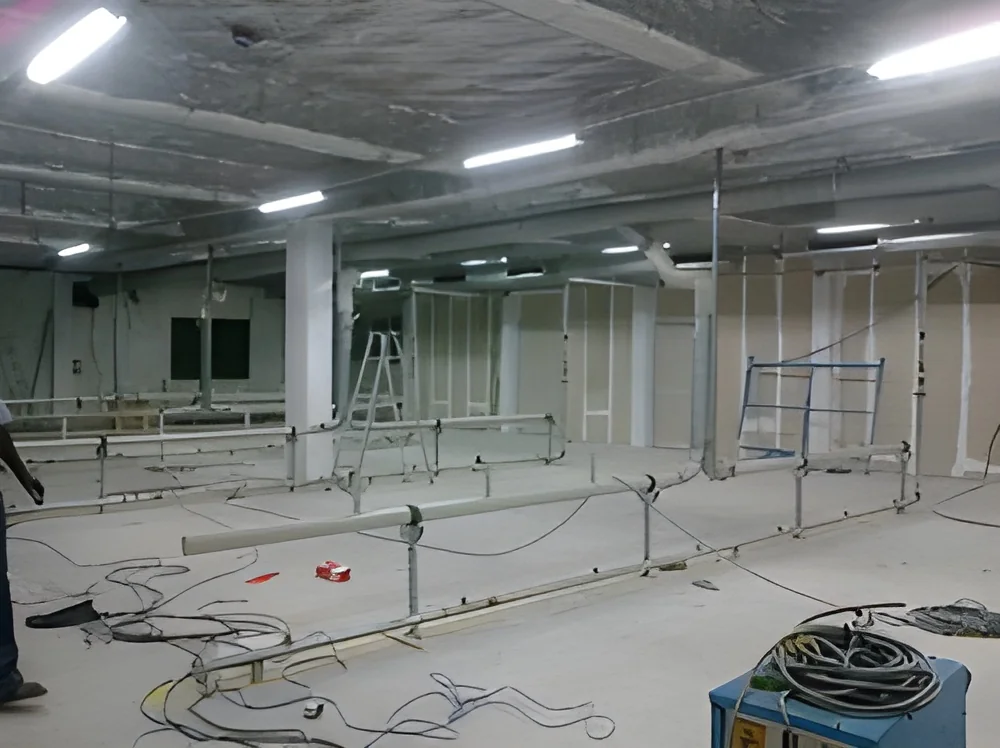
1. HVAC Systems: Used extensively in commercial buildings to facilitate efficient airflow and temperature control.
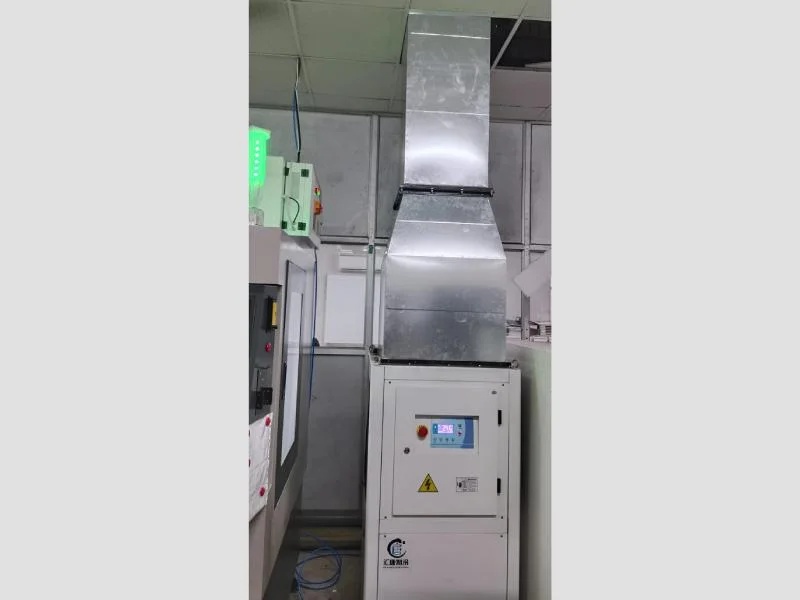
2. Manufacturing Facilities: Employed in factories for proper ventilation and air circulation, ensuring a conducive working environment.
3. Food Processing: Essential in food production and storage to maintain air quality and temperature, adhering to safety standards.
4. Pharmaceutical Industry: Used for cleanroom applications where air purity is critical for product safety and compliance.
5. Automotive: Applied in paint booths and workshops for effective ventilation and air filtration.
6. Data Centers: Vital for cooling systems to manage heat generated by servers and equipment.
7. Residential Buildings: Installed in homes for effective air conditioning and ventilation systems, enhancing indoor comfort.
These applications showcase the adaptability of GI and Aluminum Ducts in various sectors, meeting specific operational needs.
Product Variants and Subcategories
The diversity in GI and Aluminum Ducts allows businesses to select products that best fit their requirements.
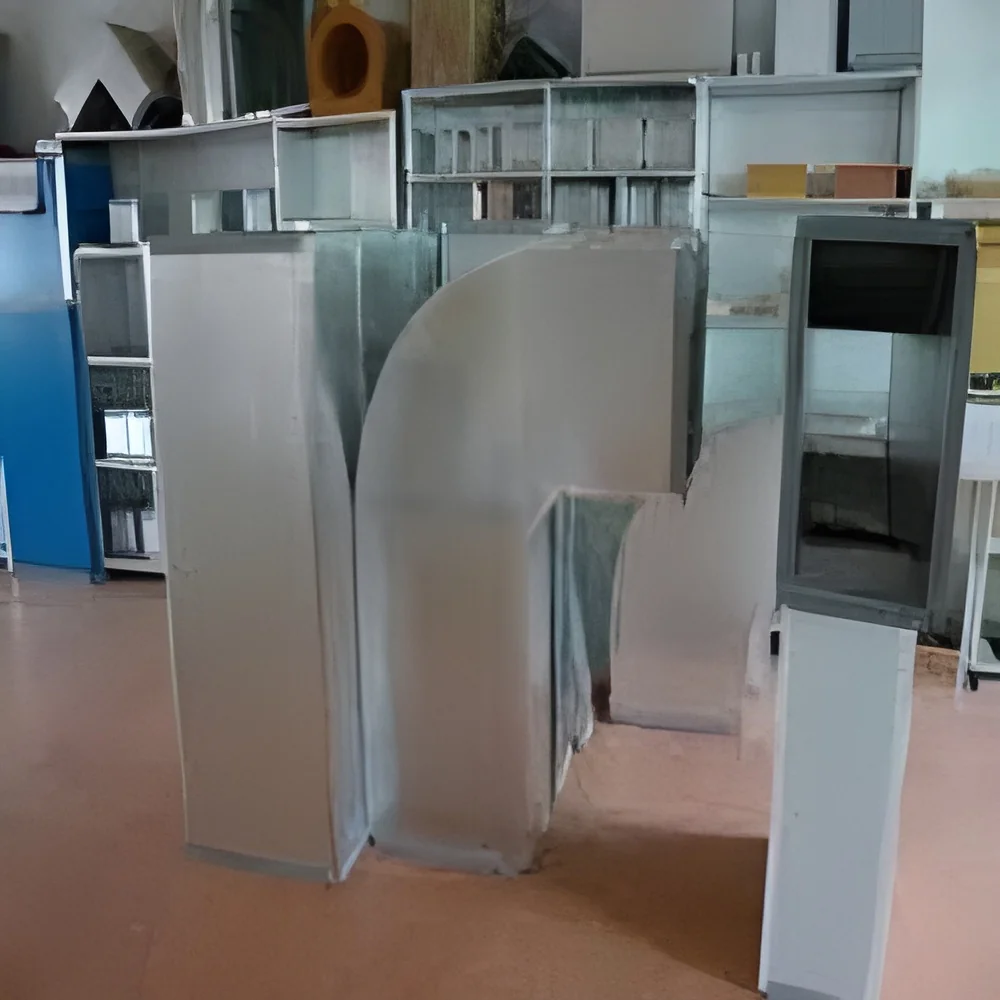
Rectangular Ducts
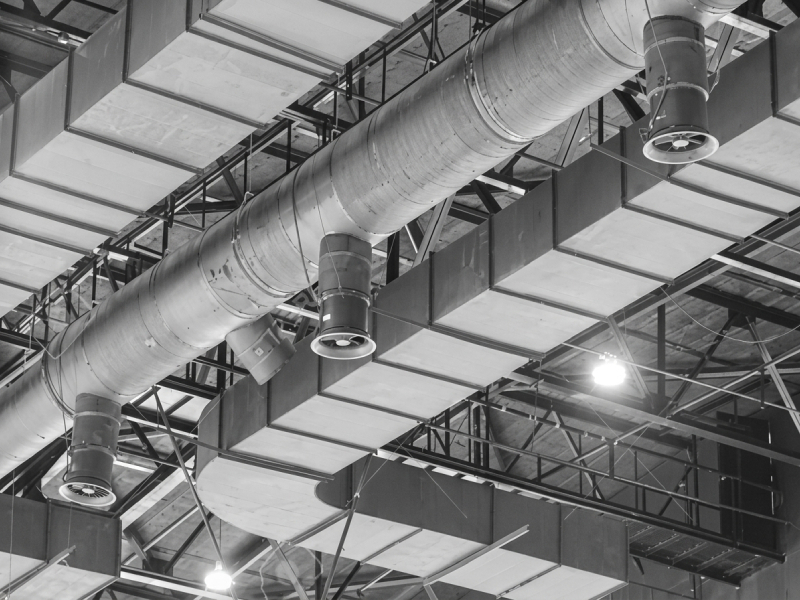
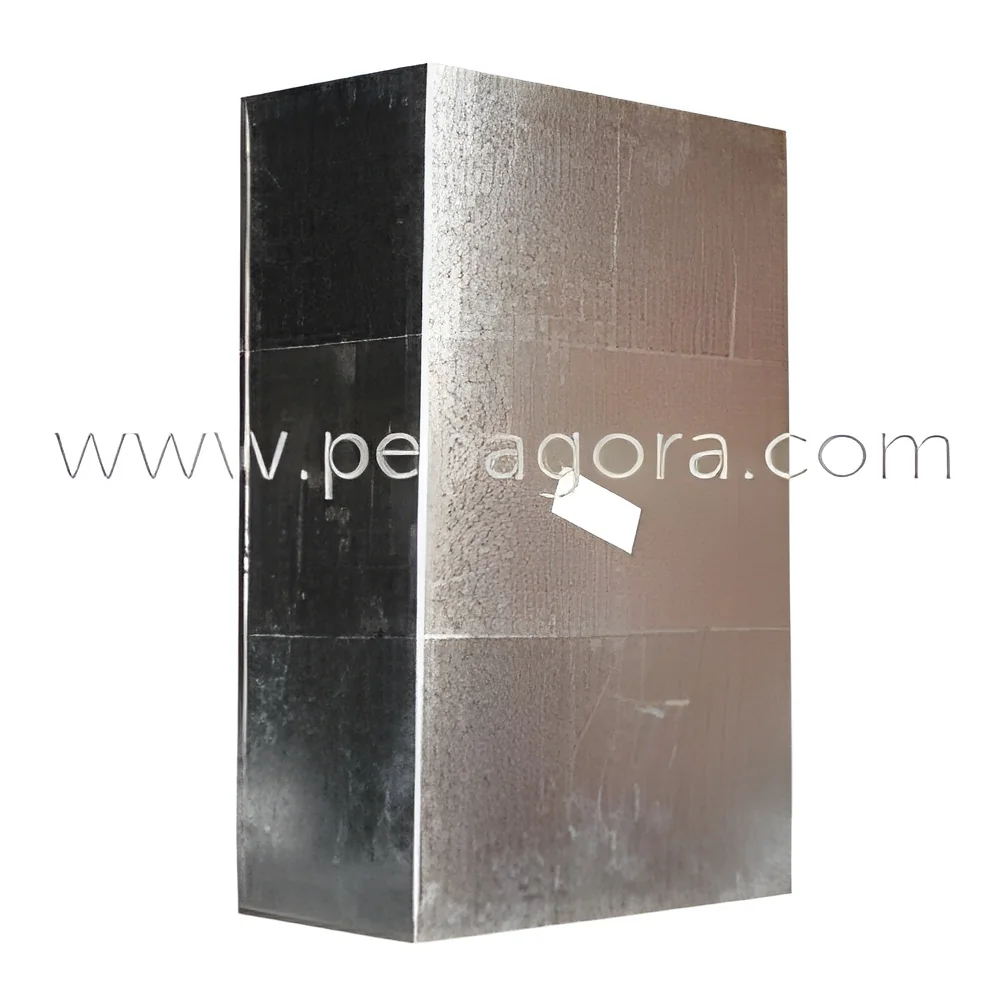
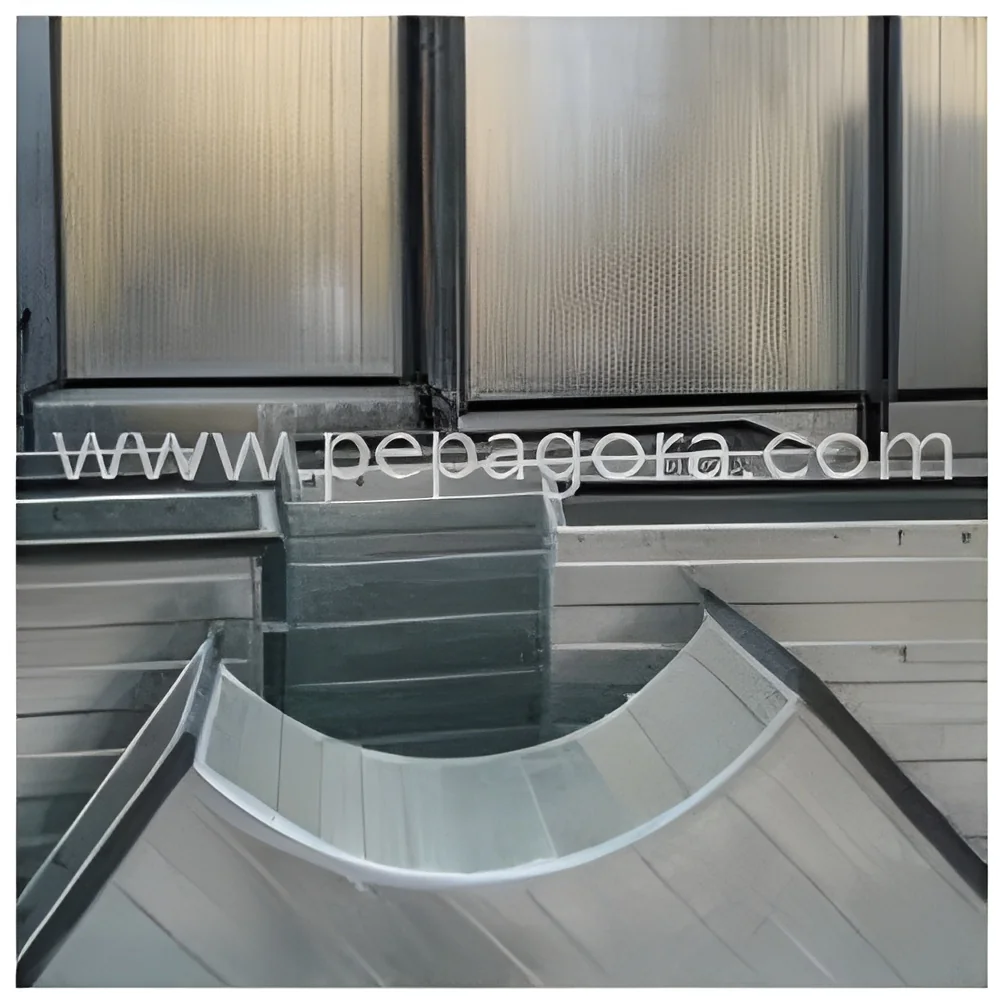
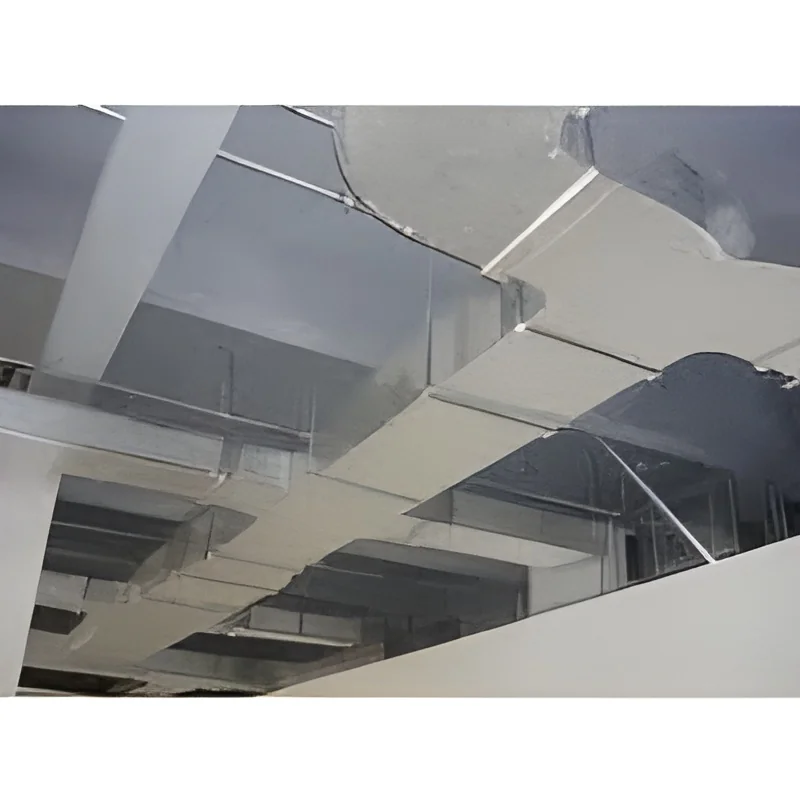
These ducts are commonly used in larger commercial applications. They offer efficient airflow and are easier to install in confined spaces.
Round Ducts
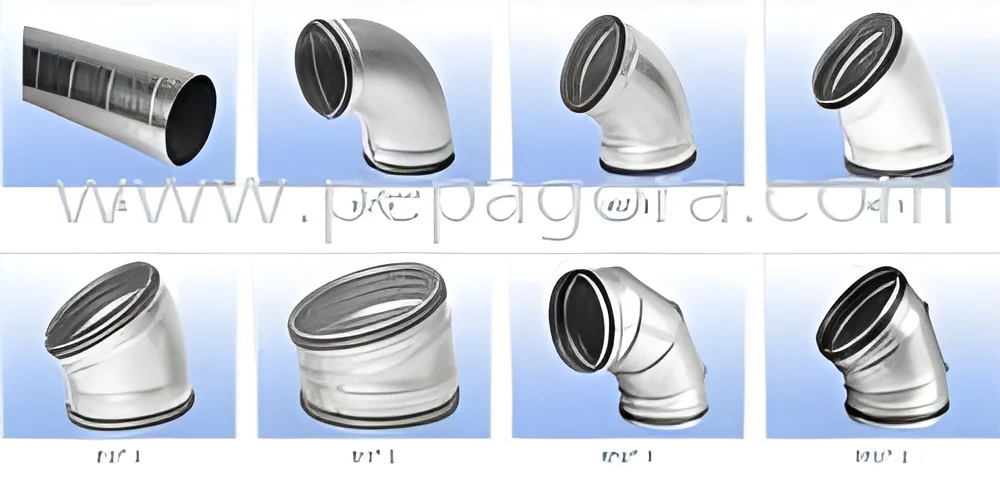
Round ducts are often preferred for residential systems due to their streamlined shape, which enhances airflow efficiency and reduces pressure loss.
Spiral Ducts
Spiral ducts are known for their strength and aesthetic appeal. They are often used in visible installations where appearance matters, such as in retail spaces.
Custom Ducts
Tailored solutions are available for specific projects, allowing for unique dimensions and configurations to meet particular installation needs.
Benefits and Advantages
Investing in GI and Aluminum Ducts comes with numerous benefits that enhance operational efficiency and ensure long-term performance.
1. Durability: Both materials provide excellent longevity, reducing the need for frequent replacements and repairs.
2. Cost-Effectiveness: The initial investment is offset by their durability and efficiency, leading to lower operational costs over time.
3. Lightweight: Aluminum ducts are particularly lightweight, simplifying installation and reducing labor costs.
4. Corrosion Resistance: Both GI and aluminum are designed to resist rust and corrosion, ensuring reliable performance in various environments.
5. Energy Efficiency: Properly installed ducts improve airflow, leading to reduced energy consumption in HVAC systems.
6. Versatility: Available in different shapes and sizes, making them suitable for a wide range of applications across industries.
These advantages highlight why GI and Aluminum Ducts are a smart choice for businesses seeking effective HVAC solutions.
Buying Guide for B2B Buyers
When sourcing GI and Aluminum Ducts, buyers should consider several essential factors to ensure they make informed decisions.
1. Quality Assessment: Evaluate the quality of materials and manufacturing processes. Look for certifications that ensure compliance with industry standards.
2. Supplier Verification: Vet suppliers carefully by checking their reputation, experience, and previous client reviews to ensure reliability.
3. Pricing and MOQ: Understand the pricing structure and minimum order quantities to align purchases with budget constraints.
4. Delivery and Lead Times: Confirm the supplier's ability to meet delivery schedules and manage lead times effectively, as delays can impact project timelines.
5. Compliance Requirements: Ensure that the ducts meet all relevant regulatory standards and certifications to maintain safety and quality.
These considerations will aid B2B buyers in successfully selecting the right GI and Aluminum Ducts for their applications.
Compliance and Certifications
GI and Aluminum Ducts must adhere to various quality standards and regulations to ensure safety and performance. ISO 9001 is a key standard that focuses on quality management systems, ensuring that manufacturers maintain consistent quality in their products.
Additionally, compliance with industry-specific certifications such as CE is crucial for ensuring that the products meet European health, safety, and environmental protection standards.
Safety requirements are also an essential consideration. Ducts should undergo rigorous testing to assess their performance under various conditions, including fire safety and mechanical strength.
Regional compliance considerations are important as different regions may have specific regulations regarding HVAC systems and materials used in construction. Ensuring that the ducts meet local codes is vital for successful project execution.
Why Source GI & Aluminum Ducts from Pepagora?
Pepagora provides a trusted platform for sourcing GI and Aluminum Ducts, offering several key advantages to B2B buyers.
Verified Supplier Network: Pepagora connects buyers with a vetted network of suppliers who meet stringent quality and reliability criteria. This ensures peace of mind when making purchases.
Streamlined RFQ Process: The request for quotation system simplifies the procurement process, allowing buyers to receive competitive quotes from multiple suppliers quickly.
Trade Assurance and Support: Buyers benefit from trade assurance programs that protect their investments and ensure that products meet specified quality standards.
Regional Coverage: With a strong presence in India, the GCC, and Southeast Asia, Pepagora offers extensive geographic reach, making it easy for businesses to access quality duct solutions tailored to their regional needs.
By choosing Pepagora, businesses can confidently source GI and Aluminum Ducts that meet their requirements while enjoying comprehensive support throughout the buying process.



Frequently Asked Questions
What are GI & Aluminum Ducts?
GI (Galvanized Iron) and Aluminum Ducts are conduits used for the distribution of air in HVAC systems and other industrial applications. They are designed to provide effective airflow while minimizing energy loss and noise.
What are the different types of GI & Aluminum Ducts?
There are several types of GI & Aluminum Ducts, including rectangular, circular, and spiral ducts. Each type has specific applications and advantages, such as space efficiency or ease of installation.
How do I choose the right GI & Aluminum Ducts?
Choosing the right GI & Aluminum Ducts involves considering factors such as the size of the space, the required airflow rate, and the specific application. It is also important to assess the material's durability and resistance to corrosion.
What are the standard specifications for GI & Aluminum Ducts?
Standard specifications for GI & Aluminum Ducts generally include thickness, dimensions, and material grade. Common thicknesses range from 0.5mm to 2mm, and they are often manufactured according to industry standards such as ISO and ASTM.
What is the price range for GI & Aluminum Ducts?
The price range for GI & Aluminum Ducts can vary widely based on factors such as size, material, and manufacturer. Generally, prices may start from INR 100 per meter and can go up to several thousand rupees for larger or specialized ducts.
What quality standards apply to GI & Aluminum Ducts?
GI & Aluminum Ducts must adhere to various quality standards, including ISI (Indian Standards Institute) and ISO certifications. These standards ensure that the ducts are manufactured to meet safety, durability, and performance criteria.
Where can I find GI & Aluminum Ducts suppliers in India?
You can find GI & Aluminum Ducts suppliers in India through B2B marketplaces like Pepagora, industry trade shows, and local manufacturing directories. It's advisable to check for suppliers with good reviews and a proven track record.
Can GI & Aluminum Ducts be customized?
Yes, GI & Aluminum Ducts can often be customized to meet specific requirements such as size, shape, and additional features. Many manufacturers offer customization options to cater to unique project needs.
What is the typical minimum order quantity for GI & Aluminum Ducts?
The typical minimum order quantity (MOQ) for GI & Aluminum Ducts can vary by supplier but is generally around 100 meters. Larger orders may qualify for better pricing or terms.
What is the typical lead time for GI & Aluminum Ducts?
The typical lead time for GI & Aluminum Ducts usually ranges from 7 to 14 days, depending on the order size and customization requirements. It is advisable to confirm lead times with suppliers at the time of order.
Why Businesses Trust Pepagora
Thousands of companies trust Pepagora to source smarter and sell faster
Expand Your Sales Globally

Source Smarter,Grow Faster
