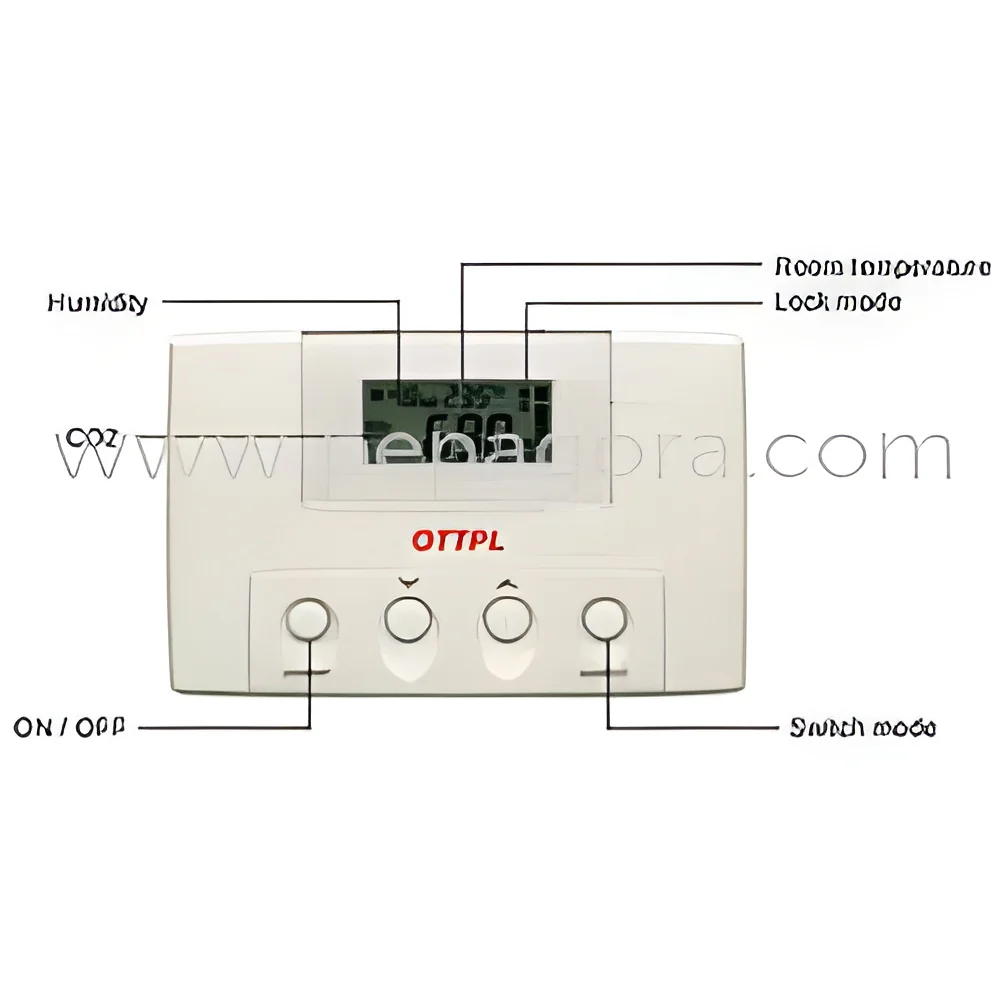
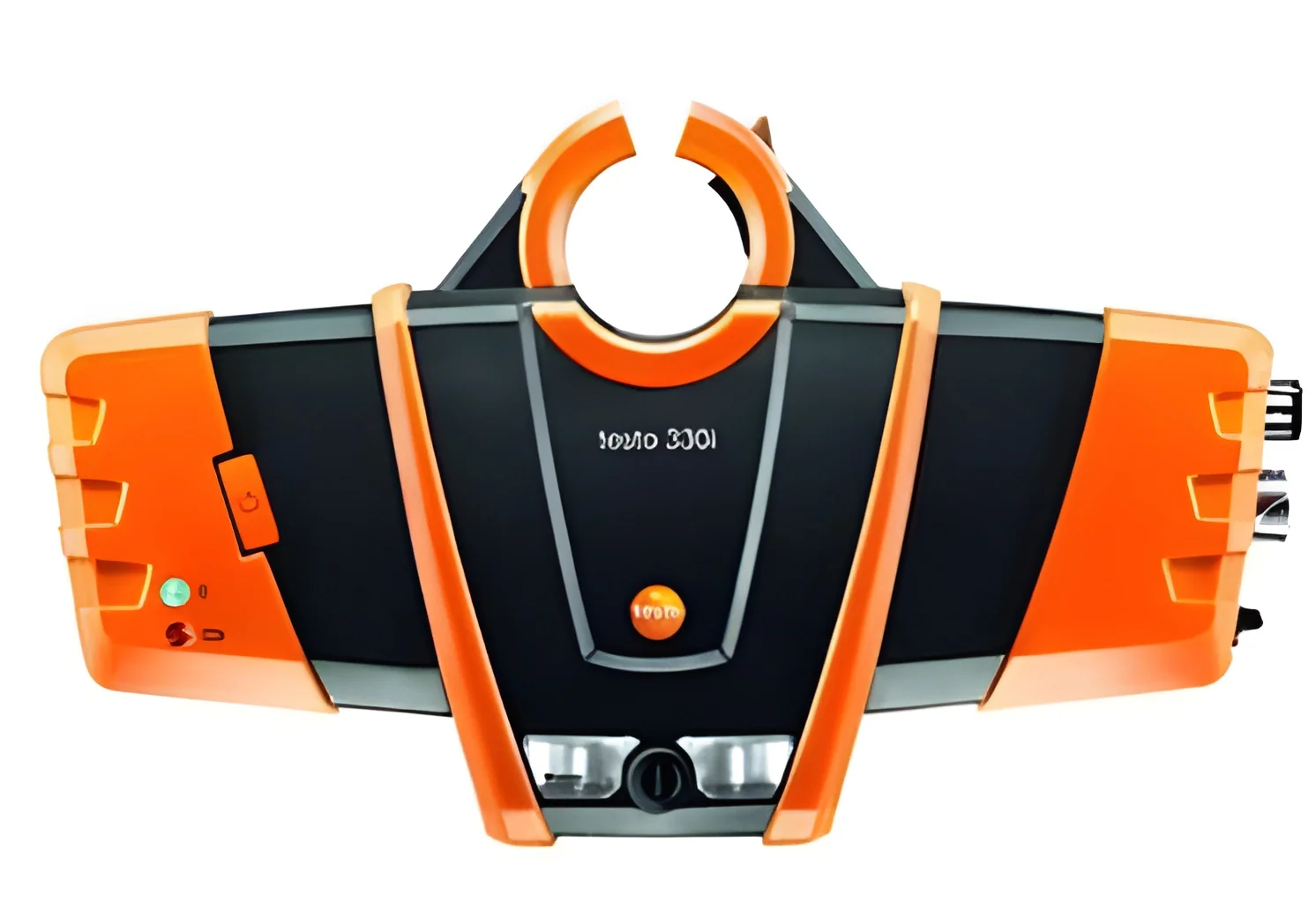
What are CO2 & Air Quality Sensors?
CO2 and air quality sensors are devices used to measure the concentration of carbon dioxide (CO2) and other pollutants in the air. These sensors play a crucial role in monitoring indoor and outdoor air quality, ensuring that environments remain safe and healthy for occupants. By providing real-time data, these sensors help detect changes in air composition, which can indicate poor ventilation or the presence of harmful contaminants.
The primary uses of CO2 and air quality sensors span multiple industries, including HVAC, environmental monitoring, and public health. Businesses utilize these sensors to maintain optimal air quality in workplaces, schools, and public spaces, thereby enhancing occupant comfort and productivity. Additionally, regulatory bodies and environmental agencies rely on these devices to collect data for research and compliance with air quality standards.
As awareness of environmental health grows, the demand for CO2 and air quality sensors has increased significantly. Industries are now prioritizing air quality monitoring to adhere to regulations and improve overall health and safety standards. The market for these sensors continues to expand, driven by technological advancements and a heightened focus on sustainability.
Key Features and Specifications
CO2 and air quality sensors come equipped with several key features designed to enhance their performance and user experience. These specifications determine how effectively the sensors operate and the accuracy of the data they provide.
Key specifications include:
1. Measurement Range
- This refers to the range of CO2 concentration levels the sensor can detect.
- Typical ranges may vary from 0-5000 ppm (parts per million).
2. Response Time
- The time it takes for the sensor to respond to changes in air quality.
- A good sensor typically has a response time of a few seconds.
3. Accuracy
- This specifies how close the sensor's readings are to the true value.
- High-quality sensors offer accuracy levels within ±50 ppm.
4. Operating Temperature Range
- The temperature range in which the sensor can function effectively.
- Data not available for specific temperature ranges.
5. Humidity Range
- This indicates the humidity levels the sensor can operate in without affecting performance.
- Data not available for specific humidity ranges.
6. Power Supply
- The type of power required for the sensor to operate.
- Options may include AC power, battery-operated, or USB power.
7. Connectivity Options
- This specifies how the sensor transmits data.
- Common options include wired connections, Bluetooth, or Wi-Fi.
8. Calibration Method
- Refers to how the sensor is calibrated for accurate readings.
- Some sensors may offer automatic calibration features.
In summary, selecting the right CO2 and air quality sensor involves understanding these specifications and how they align with your specific application needs.
Common Applications and Use Cases
CO2 and air quality sensors find utility in various industries, ensuring environments are healthy and compliant with standards.
1. HVAC: These sensors help optimize ventilation systems by monitoring CO2 levels, ensuring adequate air exchange for occupant comfort.
2. Education: Schools use air quality sensors to maintain safe indoor environments, which supports student health and learning outcomes.
3. Healthcare: Hospitals and clinics use these sensors to monitor air quality, reducing the risk of airborne diseases and ensuring a safe atmosphere for patients and staff.
4. Agriculture: In controlled environments such as greenhouses, sensors monitor CO2 levels to optimize plant growth conditions.
5. Manufacturing: Factories utilize air quality sensors to ensure compliance with safety regulations and protect workers from harmful pollutants.
6. Commercial Buildings: Office spaces implement these sensors to improve air quality, enhancing employee productivity and well-being.
7. Smart Homes: Homeowners deploy air quality sensors to maintain a healthy living environment, often integrating them with smart home systems.
Product Variants and Subcategories
CO2 and air quality sensors come in various forms, each designed to meet specific needs and applications.
Portable CO2 Sensors
These compact sensors are designed for easy transport and can be used in multiple locations. They are ideal for temporary monitoring or field studies.
Fixed Air Quality Sensors
These sensors are installed permanently in a specific location. They provide continuous monitoring and are commonly used in HVAC systems and public spaces.
Wireless Air Quality Monitors
These devices connect to Wi-Fi or Bluetooth, allowing for remote monitoring and data collection. They are suitable for smart building applications.
Benefits and Advantages
Investing in CO2 and air quality sensors brings numerous advantages to businesses and organizations.
1. Enhanced Safety: Monitoring air quality helps identify harmful pollutants, ensuring a safe environment for occupants.
2. Improved Productivity: Maintaining optimal air quality can lead to better focus and productivity among employees.
3. Regulatory Compliance: These sensors assist businesses in meeting air quality regulations, avoiding potential fines and legal issues.
4. Cost Efficiency: By optimizing ventilation systems, businesses can reduce energy consumption and operating costs.
5. Data-Driven Decisions: Real-time monitoring provides valuable data for making informed decisions regarding air quality management.
6. Increased Awareness: Utilizing these sensors raises awareness about air quality issues, promoting a culture of health and safety.
Buying Guide for B2B Buyers
When sourcing CO2 and air quality sensors, it's essential to consider several factors to ensure you choose the right product for your needs.
1. Quality Assessment: Look for sensors that meet established quality standards and have a proven track record in reliability and accuracy.
2. Supplier Verification: Vet suppliers thoroughly by checking their reputation, customer reviews, and certifications to ensure you are working with reputable manufacturers.
3. Pricing and MOQ: Understand the pricing structures and minimum order quantities, as these can vary widely among suppliers.
4. Delivery and Lead Times: Consider logistics, including delivery times and shipping options, to ensure you receive your sensors when needed.
5. Compliance Requirements: Be aware of any regulatory standards that your sensors must meet, as compliance is crucial in many industries.
Compliance and Certifications
CO2 and air quality sensors must adhere to relevant quality standards to ensure their reliability and safety. ISO 9001 is a common standard that indicates a commitment to quality management systems.
Additionally, certifications such as CE are important as they signify compliance with European safety and environmental requirements.
Manufacturers often conduct rigorous testing to ensure their products meet these standards, including safety assessments and performance evaluations.
Regional compliance considerations may also play a crucial role, as different countries may have specific regulations governing air quality monitoring equipment.
Why Source CO2 & Air Quality Sensors from Pepagora?
Pepagora stands out as a trusted platform for sourcing CO2 and air quality sensors, offering several key advantages.
Verified Supplier Network: Our platform connects you with a network of verified suppliers, ensuring that you have access to high-quality products from reputable manufacturers.
Streamlined RFQ Process: The request for quotation (RFQ) process is simple and efficient, allowing you to receive competitive quotes quickly and easily.
Trade Assurance and Support: We provide buyer protection through trade assurance, ensuring that your transactions are secure and that you receive the products as promised.
Regional Coverage: With a strong presence in India, the GCC, and Southeast Asia, Pepagora provides extensive geographic reach, ensuring that you can source sensors tailored to your regional needs.

 IN
IN