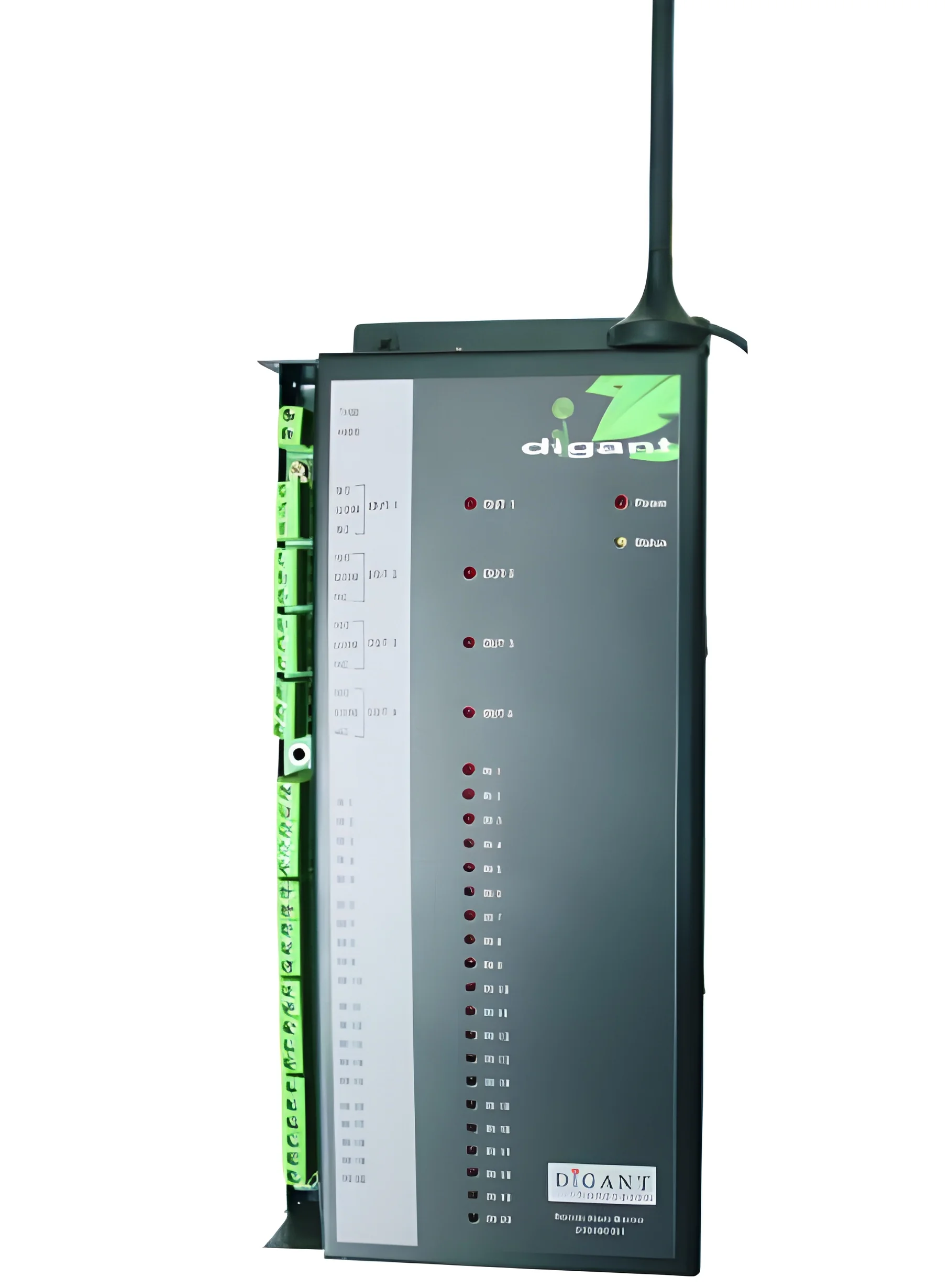
What are Building Management System (BMS) Integration?
Building Management System (BMS) Integration refers to the combination of various systems and technologies that manage and control a building's infrastructure. This includes heating, ventilation, air conditioning (HVAC), lighting, security, and energy management systems. The goal of BMS Integration is to ensure that all these systems work cohesively to enhance comfort, safety, and efficiency within the building.
The primary uses of BMS Integration are in commercial, industrial, and residential buildings where operational efficiency is crucial. Businesses utilize these systems to monitor and manage energy consumption, reduce operational costs, and improve occupant comfort. BMS Integration plays a vital role in optimizing energy use and automating building operations, which is becoming increasingly important in today's sustainability-focused market.
In terms of industry relevance, BMS Integration is gaining traction as more organizations seek to integrate smart technology into their facilities. The global push for energy efficiency and sustainability in buildings has led to a significant increase in the adoption of BMS solutions. This trend is expected to continue as regulations around energy consumption become stricter and as technology continues to evolve.
๐๐ฒ๐ ๐๐ฒ๐ฎ๐๐๐ฟ๐ฒ๐ ๐ฎ๐ป๐ฑ ๐ฆ๐ฝ๐ฒ๐ฐ๐ถ๐ณ๐ถ๐ฐ๐ฎ๐๐ถ๐ผ๐ป๐
Building Management System Integration offers a range of features that enhance building operations. These features are critical for ensuring efficiency and reliability in managing a building's resources.
Key specifications include:
1. System Interoperability
- The ability to integrate various systems such as HVAC, lighting, and security.
- Ensures seamless communication across different platforms.
2. Energy Monitoring
- Real-time tracking of energy usage across systems.
- Helps in identifying areas for energy savings.
3. Automated Control
- Enables scheduling and automation of systems based on occupancy and usage patterns.
- Enhances energy efficiency and occupant comfort.
4. User Interface
- Intuitive dashboards for easy navigation and control.
- Customizable views for different user roles.
5. Data Analytics
- Provides insights into building performance through data collection and analysis.
- Supports informed decision-making and continuous improvement.
6. Alerts and Notifications
- Real-time alerts for system anomalies or failures.
- Enhances responsiveness and maintenance management.
7. Remote Access
- Allows users to control and monitor systems from off-site locations.
- Increases flexibility and operational oversight.
8. Compliance Tracking
- Monitors adherence to relevant regulations and standards.
- Supports reporting and documentation for audits.
In summary, BMS Integration is designed to provide comprehensive solutions for managing building operations efficiently and sustainably.
๐๐ผ๐บ๐บ๐ผ๐ป ๐๐ฝ๐ฝ๐น๐ถ๐ฐ๐ฎ๐๐ถ๐ผ๐ป๐ ๐ฎ๐ป๐ฑ ๐จ๐๐ฒ ๐๐ฎ๐๐ฒ๐
Building Management System Integration serves various industries with specific applications that enhance operational efficiency.
1. Commercial Real Estate: BMS Integration helps property managers optimize HVAC and lighting systems, reducing energy costs while improving tenant satisfaction.
2. Healthcare Facilities: Hospitals rely on BMS Integration to maintain strict environmental controls for patient safety and comfort, including temperature and air quality management.
3. Educational Institutions: Schools and universities use BMS Integration to automate lighting and HVAC systems, ensuring that energy is used efficiently while providing a conducive learning environment.
4. Industrial Facilities: Manufacturing plants implement BMS Integration to monitor energy usage and control machinery, enhancing productivity and minimizing downtime.
5. Retail Spaces: Shopping centers utilize BMS Integration to manage lighting and climate, creating an inviting atmosphere while controlling operational costs.
6. Hospitality: Hotels integrate BMS to enhance guest experience through personalized climate control and automated lighting, while also managing energy consumption effectively.
7. Government Buildings: Public sector facilities use BMS Integration to ensure compliance with energy regulations and to demonstrate sustainability efforts.
๐ฃ๐ฟ๐ผ๐ฑ๐๐ฐ๐ ๐ฉ๐ฎ๐ฟ๐ถ๐ฎ๐ป๐๐ ๐ฎ๐ป๐ฑ ๐ฆ๐๐ฏ๐ฐ๐ฎ๐๐ฒ๐ด๐ผ๐ฟ๐ถ๐ฒ๐
While specific subcategories are not available, Building Management System Integration encompasses diverse solutions to meet varying needs within the market.
Cloud-Based BMS Solutions: These variants offer remote access and management capabilities through cloud platforms, enabling real-time monitoring and control from anywhere.
On-Premises BMS Solutions: Designed for organizations that prefer local control, these systems provide robust data management and security features tailored to specific building requirements.
Hybrid BMS Solutions: Combining both cloud and on-premises functionalities, hybrid systems provide flexibility in managing building operations while ensuring data security.
๐๐ฒ๐ป๐ฒ๐ณ๐ถ๐๐ ๐ฎ๐ป๐ฑ ๐๐ฑ๐๐ฎ๐ป๐๐ฎ๐ด๐ฒ๐
Implementing Building Management System Integration offers numerous benefits for businesses aiming to enhance operational efficiency.
Key benefits include:
1. Energy Efficiency: BMS Integration optimizes energy use, leading to significant cost savings on utility bills.
2. Improved Comfort: Automated controls ensure optimal temperature and air quality, enhancing occupant satisfaction.
3. Enhanced Security: Integrated security systems provide comprehensive monitoring and access control, increasing safety for occupants.
4. Maintenance Optimization: Real-time monitoring and analytics help identify maintenance needs early, reducing downtime and repair costs.
5. Regulatory Compliance: BMS Integration supports adherence to energy regulations and sustainability goals, simplifying compliance reporting.
6. Increased Property Value: Well-managed buildings with efficient systems attract tenants and buyers, boosting overall property value.
๐๐๐๐ถ๐ป๐ด ๐๐๐ถ๐ฑ๐ฒ ๐ณ๐ผ๐ฟ ๐๐ฎ๐ ๐๐๐๐ฒ๐ฟ๐
When sourcing Building Management System (BMS) Integration, it is essential to consider several key factors to ensure a satisfactory purchase.
1. Quality Assessment: Evaluate the quality of the systems by reviewing specifications, performance metrics, and user feedback to ensure they meet operational needs.
2. Supplier Verification: Research and verify the credentials of potential suppliers, including their experience, reputation, and customer service history.
3. Pricing and MOQ: Analyze pricing structures and minimum order quantities to find solutions that fit within budget constraints while providing value.
4. Delivery and Lead Times: Understand the logistics involved, including delivery schedules and lead times, to ensure timely implementation.
5. Compliance Requirements: Familiarize yourself with relevant industry regulations and standards to ensure the selected systems comply with necessary guidelines.
๐๐ผ๐บ๐ฝ๐น๐ถ๐ฎ๐ป๐ฐ๐ฒ ๐ฎ๐ป๐ฑ ๐๐ฒ๐ฟ๐๐ถ๐ณ๐ถ๐ฐ๐ฎ๐๐ถ๐ผ๐ป๐
Building Management System Integration must adhere to various quality standards and certifications that ensure reliability and safety.
Relevant quality standards such as ISO 9001 provide a framework for quality management systems, ensuring consistent product and service quality. Additionally, certifications such as CE indicate compliance with European health, safety, and environmental protection standards.
Safety and testing requirements are critical for ensuring that the systems operate effectively without compromising occupant safety. Regional compliance considerations may vary, so it is essential to understand local regulations that govern building management systems.
Why Source Building Management System (BMS) Integration from Pepagora?
Pepagora provides a trusted platform for sourcing Building Management System (BMS) Integration with several key advantages.
Verified Supplier Network: Pepagora ensures that all suppliers are vetted and verified, providing buyers with confidence in their sourcing decisions. This reduces risks associated with quality and reliability.
Streamlined RFQ Process: The Request for Quotation process on Pepagora is designed for efficiency, allowing buyers to receive competitive quotes quickly and easily, which facilitates informed purchasing decisions.
Trade Assurance and Support: Buyers benefit from comprehensive protection and support throughout the purchasing process, ensuring a smooth transaction and post-purchase assistance.
Regional Coverage: With a strong presence in India, the GCC, and Southeast Asia, Pepagora offers extensive regional coverage, making it easier for businesses in these areas to access high-quality BMS Integration solutions tailored to their specific needs.