What are Duct Fabrication & Installation?
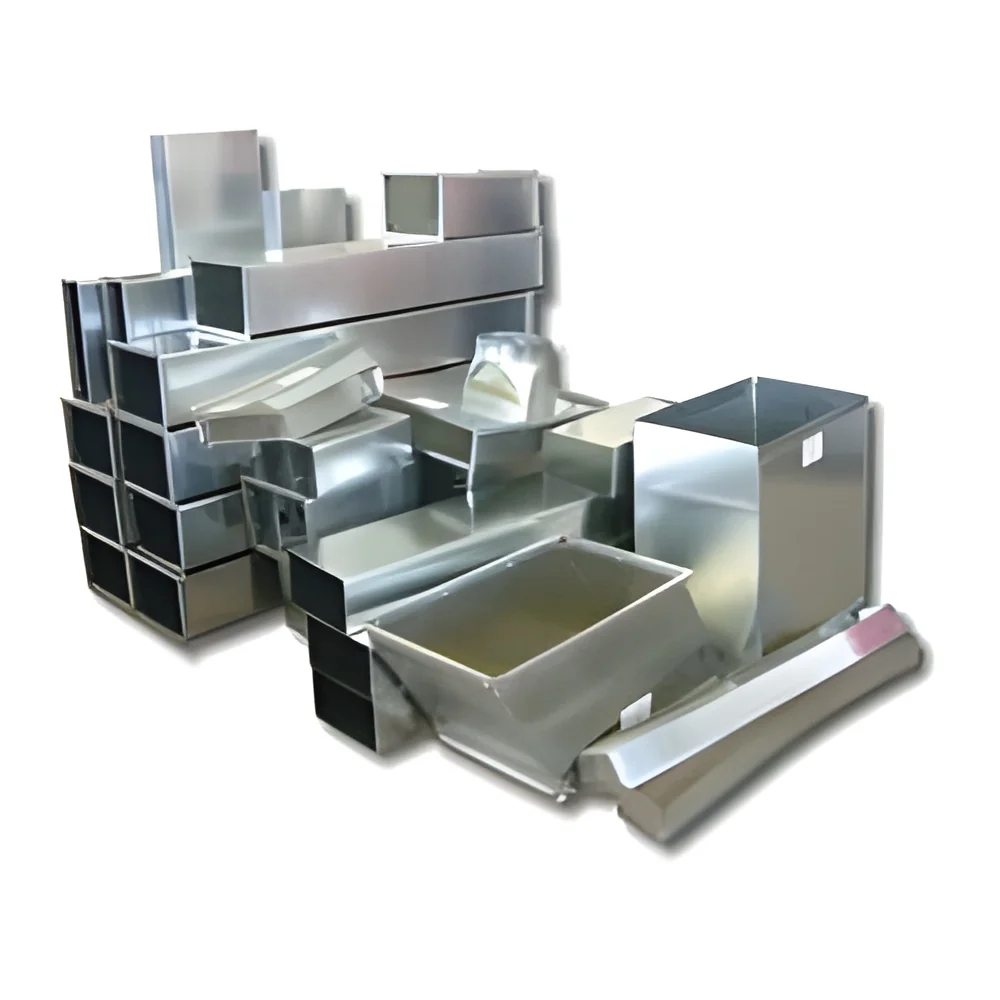
Duct fabrication and installation involve the process of designing, manufacturing, and assembling ductwork systems used for heating, ventilation, and air conditioning (HVAC) applications. This specialized process is essential for ensuring effective air distribution within commercial and industrial buildings. Ducts are typically made from various materials, including metal, fiberglass, and flexible plastic, allowing for a range of designs and configurations to meet specific project needs.
The primary uses of duct fabrication and installation span multiple industries, including manufacturing, construction, and energy management. Businesses rely on efficient duct systems to enhance indoor air quality, optimize temperature control, and improve overall energy efficiency. The relevance of duct fabrication and installation in today's market is significant, as businesses increasingly focus on sustainability and cost-effective solutions to comply with energy regulations and improve workforce comfort.
Key Features and Specifications
Duct fabrication and installation come with a variety of features and specifications that cater to the needs of different industries. Understanding these specifications is crucial for businesses looking to implement effective duct systems.
Key specifications include:
1. Material Type
- Common materials include galvanized steel, aluminum, and fiberglass.
- Each material offers unique benefits in terms of durability, weight, and insulation properties.
2. Duct Size and Shape
- Ducts can be fabricated in various sizes and shapes, including rectangular, round, and oval.
- Proper sizing is essential for optimal airflow and system efficiency.
3. Insulation Options
- Insulation can be added to reduce energy loss and improve temperature control.
- Options include fiberglass insulation, foam, or reflective materials.
4. Connection Types
- Duct systems may feature different connection types such as flanged, slip, or welded joints.
- The choice of connection impacts installation ease and system integrity.
5. Airflow Capacity
- Ducts are designed to handle specific airflow rates, measured in cubic feet per minute (CFM).
- Ensuring adequate airflow capacity is critical for system performance.
6. Compliance Standards
- Duct systems must meet various industry standards, including safety and environmental regulations.
- Compliance ensures reliability and safety in operation.
7. Customization Options
- Ducts can be customized to meet specific project requirements, including unique dimensions and specialized features.
- Custom solutions enhance adaptability in diverse applications.
8. Installation Techniques
- Installation methods can vary based on the project requirements and site conditions.
- Proper techniques are essential for ensuring system efficiency and longevity.
In summary, understanding the key features and specifications of duct fabrication and installation helps businesses select the right solutions for their HVAC needs.
Common Applications and Use Cases
Duct fabrication and installation serve a wide range of industries, each with unique applications.
1. Manufacturing: Duct systems in manufacturing plants facilitate proper ventilation and temperature control, ensuring worker safety and compliance with health regulations.
2. Commercial Buildings: Retail spaces and office buildings rely on efficient duct systems for maintaining indoor air quality and comfort for employees and customers.
3. Healthcare: Hospitals and clinics require specialized duct systems to ensure clean air circulation and meet stringent infection control standards.
4. Food Processing: In food processing facilities, duct systems are essential for maintaining controlled environments that comply with safety regulations.
5. Data Centers: These facilities use advanced duct systems to manage heat and humidity levels, ensuring optimal performance of sensitive equipment.
6. Educational Institutions: Schools and universities implement duct systems to provide comfortable learning environments while promoting energy efficiency.
7. Hospitality: Hotels and restaurants benefit from duct systems that enhance guest comfort and indoor air quality, contributing to a positive experience.
Product Variants and Subcategories
Duct fabrication and installation products are diverse, allowing businesses to choose solutions that best fit their operational needs.
Flexible Ducts
Flexible ducts are lightweight and easy to install, making them ideal for tight spaces. They are commonly used in residential applications and small commercial projects.
Spiral Ducts
Spiral ducts are characterized by their strength and durability. They are often used in larger commercial and industrial applications due to their ability to handle high airflow rates efficiently.
Insulated Ducts
Insulated ducts are designed to minimize energy loss and maintain temperature control. They are ideal for environments where temperature regulation is critical, such as data centers and food processing facilities.
Pre-Insulated Ducts
These ducts come with insulation pre-installed, providing ease of installation and enhanced energy efficiency. They are suitable for a variety of applications in commercial buildings.
Benefits and Advantages
Duct fabrication and installation offer numerous benefits that contribute to operational efficiency and cost savings.
1. Energy Efficiency: Properly designed and installed duct systems improve airflow, reducing energy consumption and costs associated with heating and cooling.
2. Improved Air Quality: Quality duct systems enhance indoor air quality by effectively filtering and circulating air, benefiting occupant health and comfort.
3. Custom Solutions: Tailored duct designs ensure that specific project requirements are met, allowing for greater flexibility and adaptability.
4. Enhanced Comfort: Efficient duct systems maintain consistent temperature and humidity levels, improving overall comfort for building occupants.
5. Compliance Assurance: Duct systems that meet industry standards ensure safety and reliability, reducing the risk of operational issues.
6. Long-Term Durability: Quality materials and proper installation techniques enhance the lifespan of duct systems, offering long-term value to businesses.
Buying Guide for B2B Buyers
When sourcing duct fabrication and installation, businesses should consider several key factors to ensure they select the right solutions.
1. Quality Assessment: Evaluate the quality of materials and manufacturing processes. Ensure compliance with industry standards to guarantee durability and performance.
2. Supplier Verification: Vet suppliers by reviewing their credentials, customer reviews, and past project experiences. A reliable supplier will enhance confidence in product quality.
3. Pricing and MOQ: Understand pricing structures and minimum order quantities (MOQ). Compare quotes from different suppliers to ensure competitive pricing without compromising quality.
4. Delivery and Lead Times: Inquire about delivery schedules and lead times. Timely delivery is crucial to meet project deadlines and avoid unnecessary delays.
5. Compliance Requirements: Be aware of relevant regulatory requirements in your region. Ensure that suppliers can provide documentation confirming compliance with safety and environmental standards.
Compliance and Certifications
Compliance and certifications play a vital role in ensuring that duct fabrication and installation meet industry standards.
Key quality standards include ISO 9001, which focuses on quality management systems, ensuring consistency in product quality. Additionally, HACCP and GDP standards are relevant in industries such as food processing and pharmaceuticals, where safety and hygiene are critical.
Duct systems should also comply with safety standards, including CE certification, which indicates conformity with European health, safety, and environmental protection standards.
Testing requirements may vary based on application, ensuring that duct systems are safe and effective in their intended environments. Regional compliance considerations must also be taken into account, as regulations may differ across countries and regions.
Why Source Duct Fabrication & Installation from Pepagora?
Pepagora provides a trusted platform for sourcing duct fabrication and installation with several key advantages.
The verified supplier network ensures that businesses can connect with reputable manufacturers and service providers who meet stringent quality standards. This network fosters confidence in supplier capabilities and product reliability.
The streamlined RFQ process simplifies the procurement experience. Buyers can easily submit requests for quotes and receive timely responses, facilitating efficient decision-making.
Trade assurance and support are a hallmark of Pepagora's services. Buyers are protected during transactions, with support readily available to address any concerns that may arise.
Pepagora's regional coverage extends across India, the GCC, and Southeast Asia, ensuring that businesses can access quality duct fabrication and installation solutions tailored to their specific needs. This geographic reach enhances accessibility and convenience for B2B buyers.

 IN
IN