
 IN
Water Heating Systems (Geysers, Solar Heaters)
66 products available
Key Features and Specifications
Water heating systems come with a range of features and specifications tailored to different user requirements. Understanding these specifications helps businesses choose the right system for their needs.
Key specifications include:
1. Heating Method
- Electric, gas, or solar
- Efficiency ratings for each method
2. Capacity
- Volume of water heated per hour
- Available ranges from small (10 liters) to large (500 liters)
3. Temperature Range
- Maximum temperature settings
- Typical ranges from 30°C to 80°C
4. Energy Efficiency Rating
- Energy consumption metrics
- Compliance with local energy standards
5. Installation Type
- Wall-mounted or floor-standing designs
- Suitability for indoor or outdoor use
6. Control Features
- Manual or digital temperature controls
- Smart monitoring options
7. Safety Features
- Overheat protection
- Pressure relief valves
8. Warranty and Support
- Duration of warranty
- Availability of technical support
Overall, choosing a water heating system involves evaluating these specifications to ensure it meets operational demands while optimizing energy usage and safety.
Common Applications and Use Cases
Water heating systems find extensive applications across various industries.
1. Hospitality: Hotels and resorts utilize geysers to provide hot water for showers and swimming pools, enhancing guest comfort and satisfaction.
2. Healthcare: Hospitals and clinics require reliable hot water for sterilization, cleaning, and patient care, ensuring high hygiene standards.
3. Food and Beverage: Restaurants and food processing facilities need heated water for cooking, cleaning, and sanitizing equipment to maintain food safety.
4. Manufacturing: Factories use hot water in processes such as product washing, heating solutions, and chemical processing, driving operational efficiency.
5. Residential: Homes rely on geysers for daily chores like bathing, laundry, and dishwashing, making them essential for modern living.
6. Agriculture: Farms employ solar heaters for livestock care, irrigation, and various agricultural processes to improve efficiency.
7. Education: Schools and universities provide hot water for dormitories, laboratories, and kitchens, fostering a conducive learning environment.
Product Variants and Subcategories
Water heating systems come in diverse variants to cater to different needs and preferences.
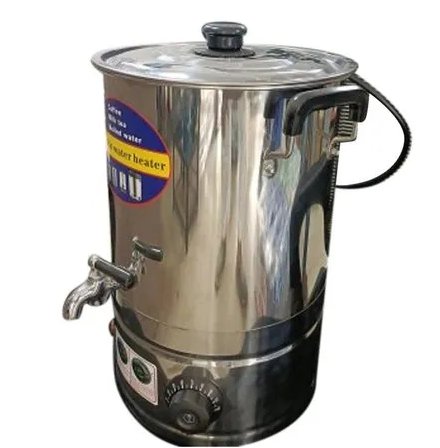
Electric Geysers: These geysers are quick to heat water and are ideal for residential and commercial use. They come with various capacity options, making them suitable for any size of establishment.
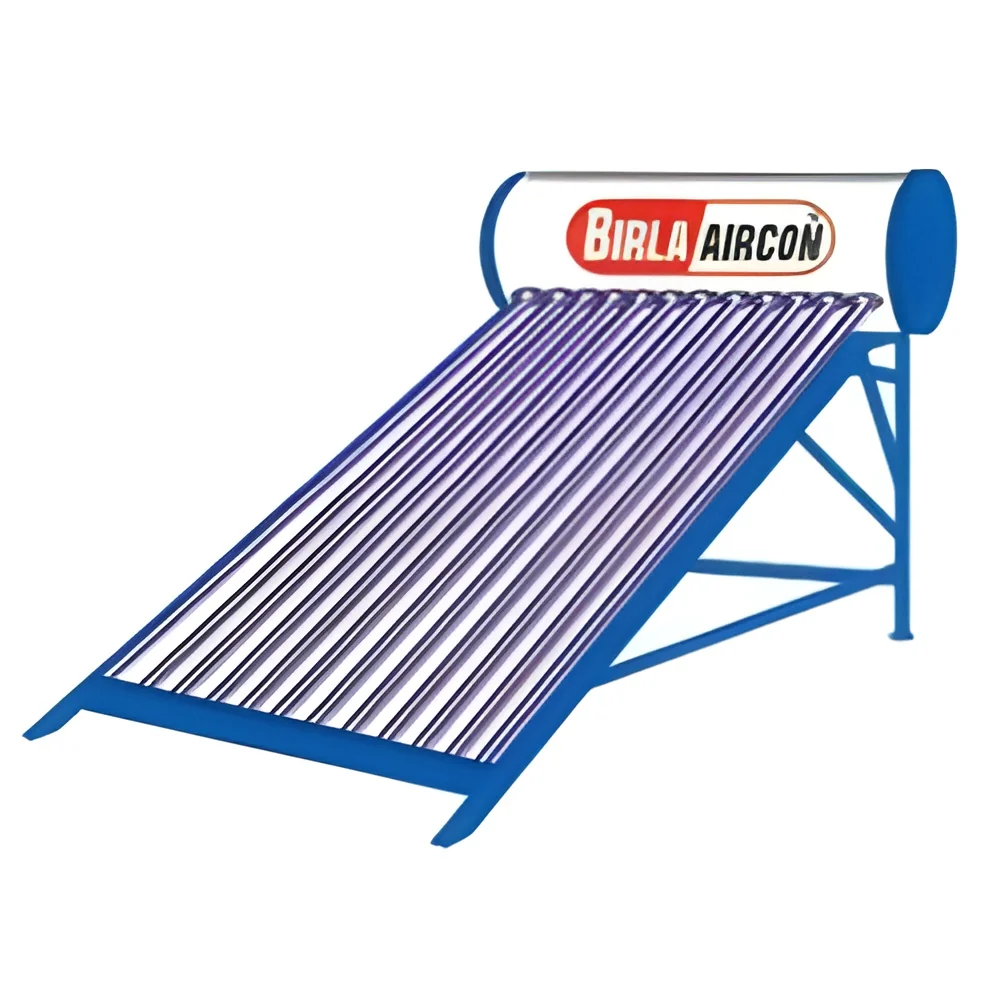
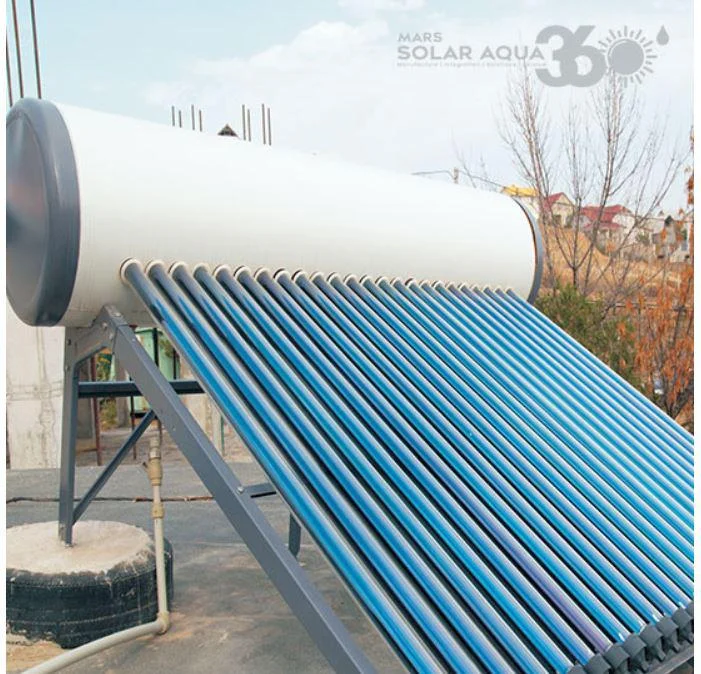
Solar Water Heaters: Utilizing renewable energy, these systems are designed for eco-conscious businesses. They are cost-effective in the long run and can significantly reduce energy bills.
Gas Geysers: These heaters are efficient for instant hot water supply. They are often preferred in areas with limited electrical supply and are suitable for both residential and commercial settings.
Hybrid Systems: Combining electric and solar technology, hybrid systems offer flexibility and efficiency, allowing users to switch between energy sources based on availability and cost.
Benefits and Advantages
Investing in water heating systems brings numerous benefits to businesses.
1. Energy Efficiency: Modern systems are designed to minimize energy consumption, resulting in lower utility bills and reduced environmental impact.
2. Cost Savings: Solar heaters significantly cut energy costs, providing long-term financial benefits for businesses.
3. Reliability: High-quality systems ensure a consistent hot water supply, critical for operational continuity in various industries.
4. Space Saving: Compact designs allow for easy installation in limited spaces, especially in urban settings.
5. Enhanced Safety: Advanced safety features protect users from accidents and ensure compliance with industry regulations.
6. Environmental Impact: Using solar heaters helps businesses meet sustainability goals, reducing their carbon footprint and promoting renewable energy use.
Buying Guide for B2B Buyers
When sourcing water heating systems, it is crucial for buyers to consider several factors to ensure they make informed decisions.
1. Quality Assessment: Look for systems that meet industry standards for durability and performance. Consider certifications such as CE to gauge product excellence.
2. Supplier Verification: Vet suppliers based on their reputation, customer reviews, and service history. A reliable supplier will provide support throughout the purchasing process.
3. Pricing and MOQ: Understand the pricing structure and minimum order quantity (MOQ) as this can affect budgeting and inventory management.
4. Delivery and Lead Times: Discuss logistics with suppliers to ensure timely delivery. Consider lead times when planning installations to avoid disruptions.
5. Compliance Requirements: Be aware of local regulations and compliance standards that may affect the selection and installation of water heating systems.
Compliance and Certifications
Water heating systems must adhere to various quality standards and certifications to ensure safety and reliability.
ISO 9001 is a widely recognized quality management standard that ensures manufacturers meet customer and regulatory requirements, leading to improved product quality.
The CE marking indicates conformity with health, safety, and environmental protection standards within the European Economic Area. This certification is essential for products sold in Europe.
Safety and testing requirements are critical for water heating systems, ensuring they operate efficiently without posing risks to users. Regular testing and compliance checks should be part of the manufacturer's practices.
Regional compliance considerations may vary, so it's important for businesses to understand local regulations concerning energy efficiency and safety standards.
Why Source Water Heating Systems (Geysers, Solar Heaters) from Pepagora?
Pepagora serves as a trusted platform for sourcing water heating systems with several key advantages.
Verified Supplier Network: Pepagora connects buyers with a network of verified suppliers, ensuring that businesses can source high-quality water heating systems with confidence.
Streamlined RFQ Process: The platform simplifies the request for quotation process, allowing buyers to receive multiple quotes from different suppliers, making it easier to compare options and find the best fit.
Trade Assurance and Support: Pepagora offers trade assurance, which provides buyers with protection during the purchase process. Their dedicated support team assists with any inquiries or concerns.
Regional Coverage: Pepagora caters to businesses across various regions, including India, the GCC, and Southeast Asia, providing a broad reach for sourcing reliable water heating solutions tailored to diverse market needs.


Frequently Asked Questions
What are Water Heating Systems (Geysers, Solar Heaters)?
Water Heating Systems, commonly referred to as geysers or solar heaters, are appliances designed to heat water for various applications such as bathing, cooking, and cleaning. They can operate using electricity, gas, or solar energy, making them versatile solutions for both residential and commercial use.
What are the different types of Water Heating Systems (Geysers, Solar Heaters)?
There are primarily three types of Water Heating Systems: electric geysers, gas geysers, and solar water heaters. Electric geysers are powered by electricity, gas geysers utilize natural gas or LPG, and solar heaters harness solar energy for heating water, offering an eco-friendly option.
How do I choose the right Water Heating Systems (Geysers, Solar Heaters)?
Choosing the right Water Heating System depends on factors such as energy source, capacity, efficiency, and installation space. Consider your hot water needs, the availability of energy sources, and whether you want a system that is energy-efficient or cost-effective.
What are the standard specifications for Water Heating Systems (Geysers, Solar Heaters)?
Standard specifications for Water Heating Systems typically include capacity (liters), power rating (watts), energy efficiency rating, and heating time. Additionally, you may find features such as safety mechanisms, insulation type, and warranty periods that can influence your purchase decision.
What is the price range for Water Heating Systems (Geysers, Solar Heaters)?
The price range for Water Heating Systems can vary widely based on type, brand, and features. Generally, electric geysers can range from INR 3,000 to INR 15,000, while gas geysers may cost between INR 5,000 to INR 20,000, and solar heaters can range from INR 10,000 to INR 50,000 or more.
What quality standards apply to Water Heating Systems (Geysers, Solar Heaters)?
Water Heating Systems must comply with various quality standards, including ISI certification in India, which ensures safety and performance. Additionally, many manufacturers adhere to international standards such as ISO and CE, which further guarantee product quality.
Where can I find Water Heating Systems (Geysers, Solar Heaters) suppliers in India?
You can find Water Heating Systems suppliers in India through online B2B marketplaces like Pepagora, local distributors, and manufacturers' websites. Additionally, industry trade shows and exhibitions can be excellent venues to connect with suppliers.
Can Water Heating Systems (Geysers, Solar Heaters) be customized?
Yes, many manufacturers offer customization options for Water Heating Systems based on specific requirements such as size, capacity, and additional features. It is advisable to discuss customization options with suppliers to ensure your needs are met.
What is the typical minimum order quantity for Water Heating Systems (Geysers, Solar Heaters)?
The typical minimum order quantity (MOQ) for Water Heating Systems can vary by supplier, but it generally ranges from 5 to 50 units. It's important to check with specific suppliers for their MOQ policies.
What is the typical lead time for Water Heating Systems (Geysers, Solar Heaters)?
The typical lead time for Water Heating Systems can range from 1 to 4 weeks, depending on the supplier's availability, order size, and customization requirements. It's advisable to confirm the lead time with the supplier at the time of ordering.
Why Businesses Trust Pepagora
Thousands of companies trust Pepagora to source smarter and sell faster
Expand Your Sales Globally

Source Smarter,Grow Faster
