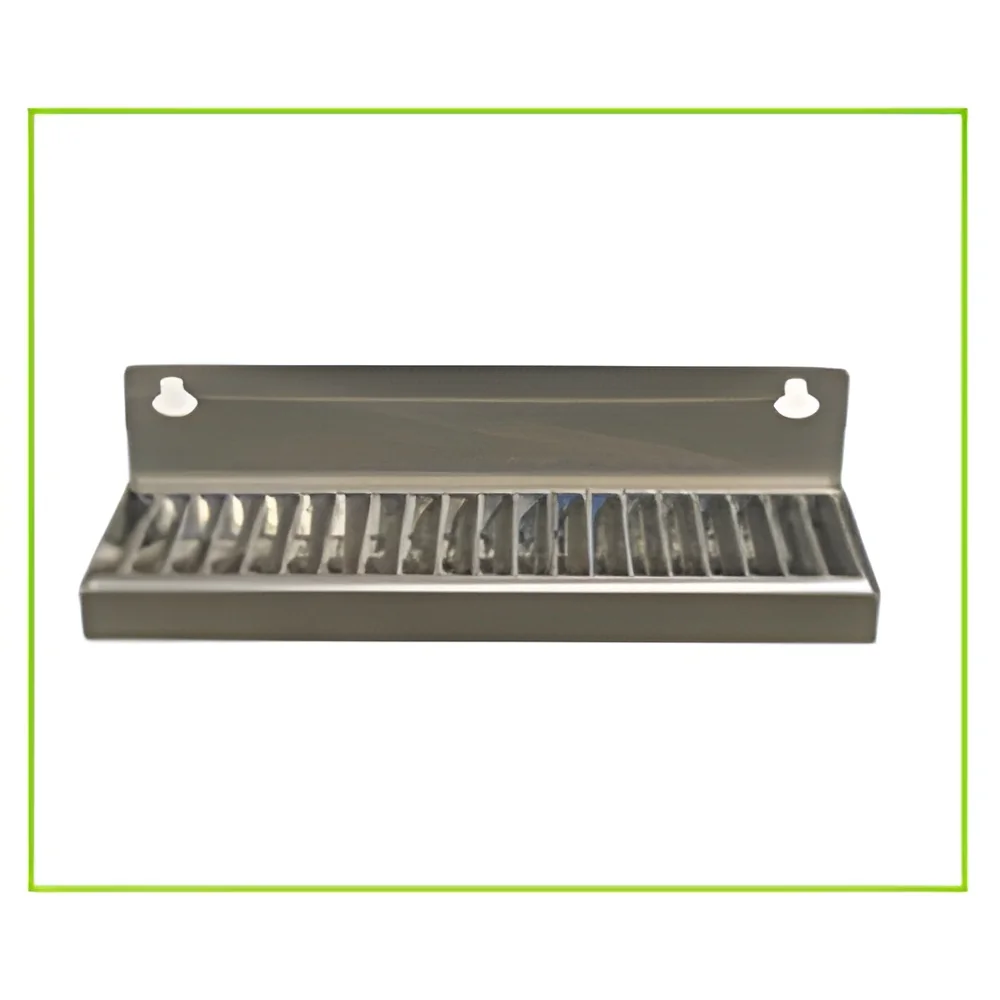
What are Drain Pipes & Condensate Trays?
Drain pipes and condensate trays are essential components in various industrial systems designed to manage the flow of water and other fluids. Drain pipes are used to direct excess water away from equipment and structures, preventing damage and ensuring efficient operation. Condensate trays, on the other hand, are specifically designed to collect and manage condensate, which is the water formed when vapor cools and condenses, especially in HVAC and refrigeration systems.
These products are utilized in multiple sectors, including manufacturing, food processing, and HVAC systems, where moisture management is critical. They help maintain operational efficiency and prevent water-related issues that can lead to costly downtime or structural damage. Their importance in these applications underscores their relevance in today's industrial landscape, where effective fluid management is crucial for productivity and safety.
Key Features and Specifications
Drain pipes and condensate trays are characterized by several key features that enhance their functionality and reliability. Understanding these specifications helps businesses select the right products for their specific needs.
Key specifications include:
1. Material Composition
- Typically made from durable materials such as PVC, stainless steel, or galvanized steel.
- Selected based on the application environment, including temperature and corrosion resistance.
2. Diameter and Size
- Available in various diameters to accommodate different flow rates.
- Sizes often range from small (e.g., 1 inch) to large (e.g., 12 inches) depending on application requirements.
3. Length Options
- Offered in standard lengths, with customization available for specific installations.
- Common lengths include 10 feet, 20 feet, and custom sizes.
4. Connection Types
- Features options for threaded, flanged, or welded connections.
- Compatibility with existing piping systems is essential.
5. Temperature Resistance
- Designed to handle a range of temperatures, with some variants capable of withstanding extreme conditions.
- Specifications may vary based on the material used.
6. Load Capacity
- Must support the weight of fluids and other loads without deformation.
- Load ratings are provided to ensure safety and functionality.
7. Compliance Standards
- Many products comply with industry standards like CE certification.
- Ensures quality and safety in manufacturing.
8. Installation Features
- Some models may include pre-drilled holes for easy installation and mounting.
- Designed for quick assembly to minimize downtime during installation.
These specifications ensure that businesses can effectively address their fluid management needs.
Common Applications and Use Cases
Drain pipes and condensate trays find extensive application across various industries, each with specific needs and requirements.
1. HVAC Systems: These products are critical in HVAC systems to manage condensate from cooling units, preventing overflow and water damage.
2. Food Processing: In food processing plants, drain pipes help in the efficient removal of wastewater, maintaining hygiene and compliance with safety regulations.
3. Manufacturing: In manufacturing settings, they are used to handle excess water from machinery, preventing rust and equipment damage.
4. Chemical Processing: Drain pipes are essential for transporting hazardous liquids safely away from equipment, ensuring worker safety and environmental compliance.
5. Commercial Buildings: Used in commercial buildings to manage rainwater and prevent flooding, particularly in basements and low-lying areas.
6. Industrial Warehouses: In warehouses, condensate trays collect moisture from cooling systems, protecting stored goods from water damage.
7. Pharmaceutical Industry: These products help manage fluids in sensitive environments, ensuring compliance with strict sanitary standards.
Product Variants and Subcategories
Drain pipes and condensate trays come in various designs to meet diverse industrial needs.
Standard Drain Pipes: These pipes are versatile and widely used across multiple applications. They are available in different materials and sizes, making them suitable for general drainage purposes.
Condensate Trays: Specifically designed to capture and manage condensate, these trays are often used in HVAC systems to prevent overflow and maintain system efficiency.
Specialized Drainage Solutions: Some manufacturers offer customized solutions tailored to specific industry requirements, providing options for unique applications.
Benefits and Advantages
Investing in high-quality drain pipes and condensate trays presents several advantages for businesses.
1. Improved Efficiency: Effective fluid management ensures that systems run smoothly, reducing downtime and maintenance costs.
2. Enhanced Safety: Proper drainage prevents water accumulation, reducing slip hazards and potential damage to equipment.
3. Long-lasting Durability: Quality materials and construction lead to longer service life, minimizing the need for frequent replacements.
4. Compliance Assurance: Using certified products helps businesses meet industry regulations, avoiding legal issues and penalties.
5. Cost Savings: Reducing water damage and maintenance needs results in significant cost savings over time.
6. Customization Options: Many manufacturers offer tailored solutions, ensuring that products fit specific operational requirements.
Buying Guide for B2B Buyers
When sourcing drain pipes and condensate trays, buyers should consider several critical factors to ensure they select the right products.
1. Quality Assessment: Evaluate the materials and construction standards to ensure durability and performance under intended conditions.
2. Supplier Verification: Vet suppliers for reliability and quality assurance, checking reviews and certifications to ensure they meet industry standards.
3. Pricing and MOQ: Understand the pricing structure and minimum order quantities to align purchasing decisions with budget constraints.
4. Delivery and Lead Times: Assess logistics capabilities to ensure timely delivery, which is crucial for maintaining project schedules.
5. Compliance Requirements: Ensure that products meet relevant regulatory standards for safety and quality, as this can affect operational legality.
Compliance and Certifications
Compliance and certifications play a vital role in ensuring the quality and safety of drain pipes and condensate trays.
Many products adhere to quality standards such as ISO 9001, which outlines requirements for a quality management system. This standard ensures that manufacturers consistently meet customer and regulatory requirements.
Industry certifications, including CE marking, indicate that products comply with European health, safety, and environmental protection standards. This certification is crucial for companies operating in or exporting to European markets.
Safety and testing requirements must also be met, ensuring that products perform reliably under various conditions. This includes rigorous testing for durability, pressure resistance, and material integrity.
Additionally, regional compliance considerations may vary, requiring businesses to be aware of local regulations that affect product specifications and certifications.
Why Source Drain Pipes & Condensate Trays from Pepagora?
Pepagora provides a trusted platform for sourcing drain pipes and condensate trays, offering several key advantages.
Verified Supplier Network: The platform connects buyers with a network of verified suppliers, ensuring quality and reliability in every transaction.
Streamlined RFQ Process: Pepagora simplifies the request for quotation process, allowing buyers to quickly obtain competitive pricing from multiple suppliers.
Trade Assurance and Support: With trade assurance features, buyers can feel secure in their transactions, knowing they are protected throughout the purchasing process.
Regional Coverage: Pepagora has a strong presence in India, the GCC, and Southeast Asia, offering buyers access to a wide range of products and suppliers across these regions.

 IN
IN