IN
IN₹
Apparel & Fashion
Description
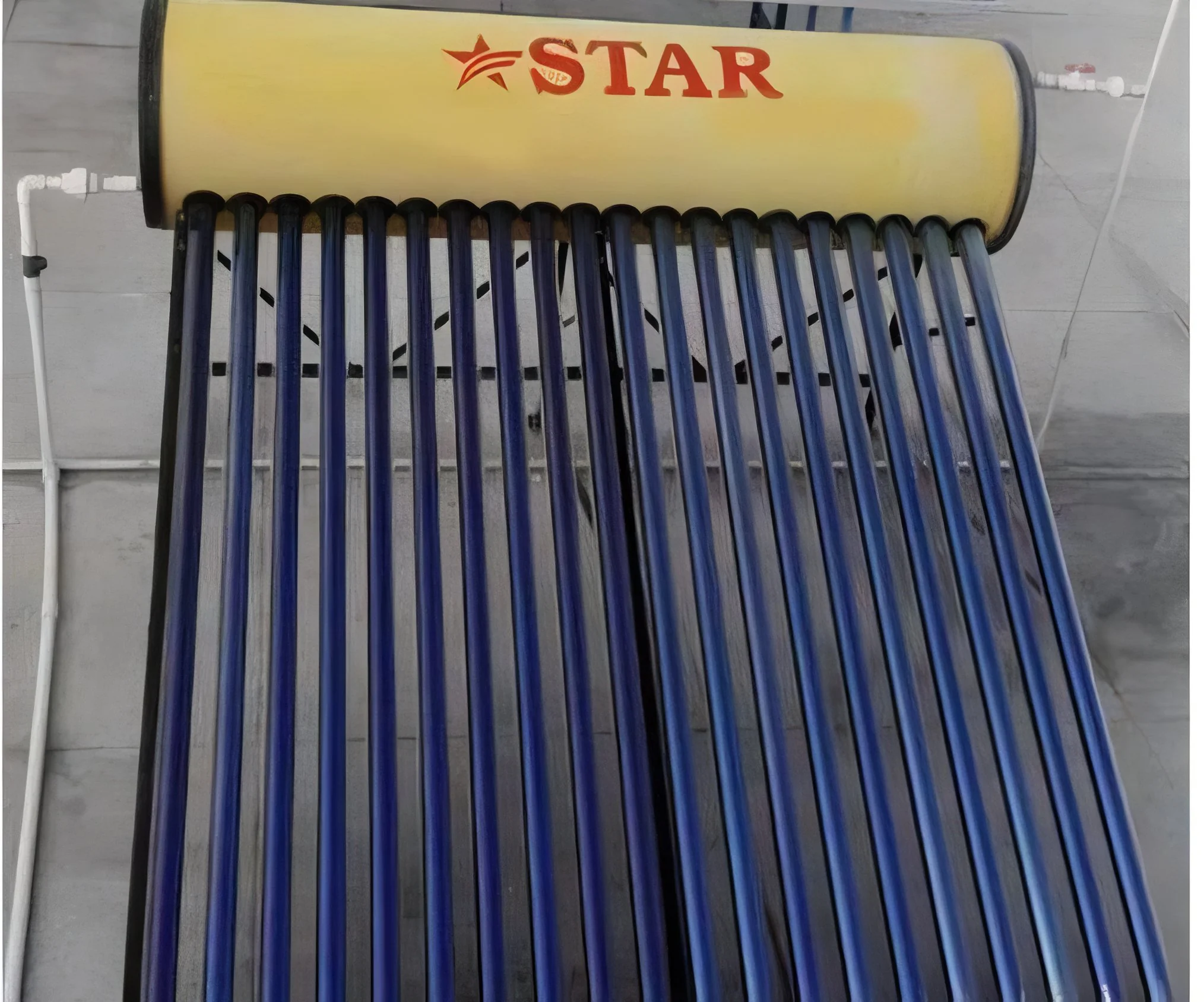
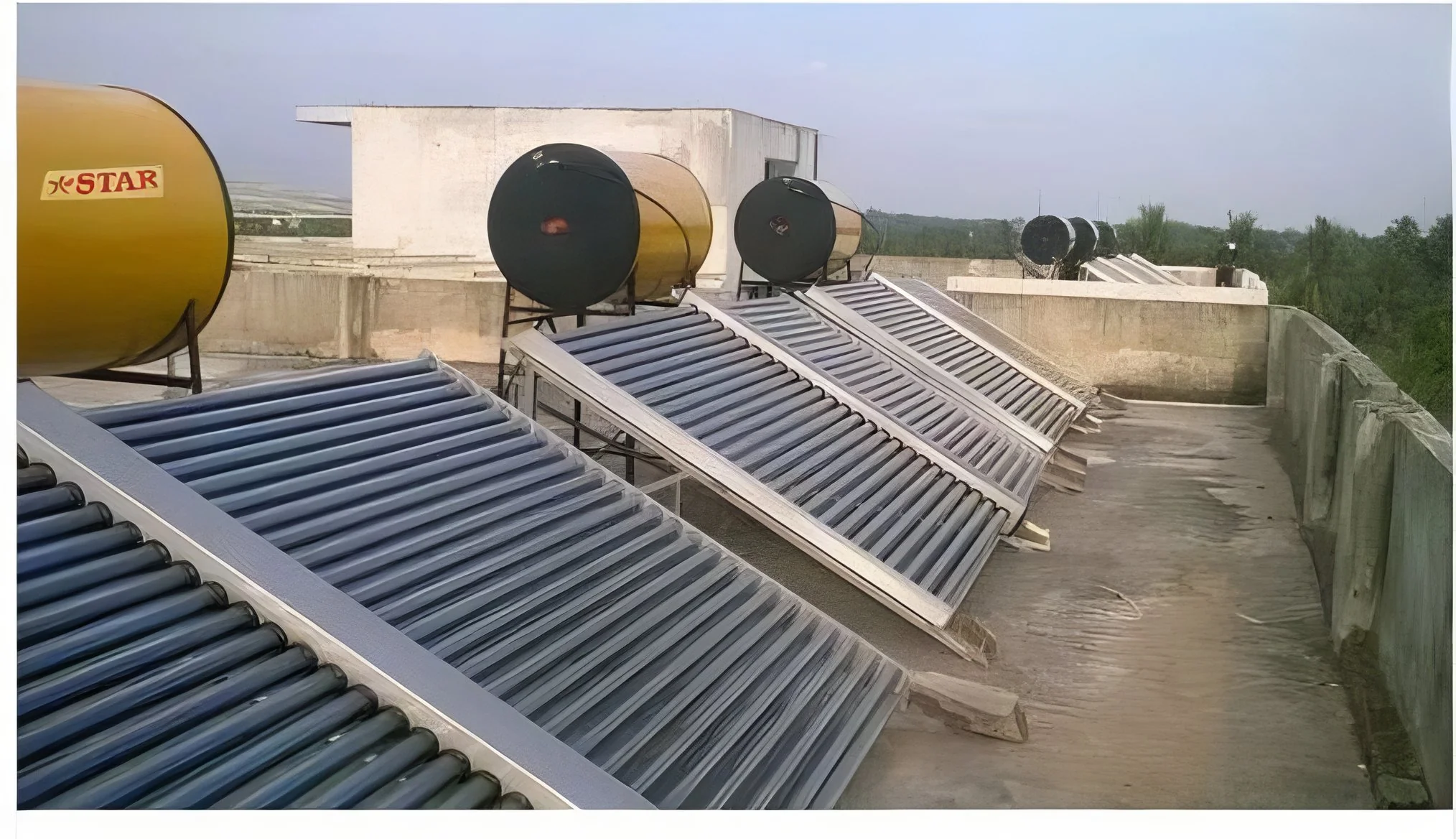
Commercial solar water heaters are advanced thermal systems designed for high-demand applications in large facilities. Utilizing efficient evacuated tube or flat plate collectors, they convert solar energy into reliable heat for water, featuring substantial storage capacities from 500 to over 10,000 liters to ensure continuous availability. Integrated backup options guarantee performance during low sunlight. Built with corrosion-resistant materials and durable components, these systems offer long-term operation in various climates with minimal upkeep, dramatically reducing dependence on grid electricity and fossil fuels to lower operational costs and environmental footprint.

These solutions are critical across industries where dependable hot water is essential for daily operations. The hospitality sector uses them for guest amenities, laundry, and kitchens in hotels and resorts. Healthcare facilities rely on them for sterilization, patient care, and sanitation. Manufacturing plants in...
Commercial solar water heaters are advanced thermal systems designed for high-demand applications in large facilities. Utilizing efficient evacuated tube or flat plate collectors, they convert solar energy into reliable heat for water, featuring substantial storage capacities from 500 to over 10,000 liters to ensure continuous availability. Integrated backup options guarantee performance during low sunlight. Built with corrosion-resistant materials and durable components, these systems offer long-term operation in various climates with minimal upkeep, dramatically reducing dependence on grid electricity and fossil fuels to lower operational costs and environmental footprint.

These solutions are critical across industries where dependable hot water is essential for daily operations. The hospitality sector uses them for guest amenities, laundry, and kitchens in hotels and resorts. Healthcare facilities rely on them for sterilization, patient care, and sanitation. Manufacturing plants integrate them into production processes, cleaning systems, and employee facilities. Educational institutions implement them for dormitories, dining halls, and sports complexes. Additional industrial uses include food processing, textile manufacturing, and commercial laundries, where consistent hot water is vital for both operational efficiency and compliance with hygiene standards.

The primary business value lies in substantial operational cost reduction, with typical installations saving 60-80% on annual water heating expenses. This leads to a strong return on investment, often realized within 2 to 4 years, followed by decades of reliable service. Reliability is ensured through robust engineering, quality construction, and optional hybrid setups that provide uninterrupted supply regardless of weather. Systems can be tailored to specific operational needs, facility layouts, and existing infrastructure. Beyond financial gains, they enhance sustainability profiles, reduce carbon emissions, and may qualify for government incentives or green certifications, improving overall business competitiveness and community standing.

Key Features:
- Advanced evacuated tube or high-efficiency flat plate collector technology for optimal solar energy absorption
- Large-capacity, insulated storage tanks ranging from 500 to 10,000+ liters for continuous hot water supply
- Durable, corrosion-resistant construction using quality materials for extended lifespan and reliability
- Seamless integration capability with existing water heating systems and backup power sources
- Scalable and adaptable configurations to meet specific facility requirements and spatial constraints

Benefits:
- Significant reduction in energy costs, achieving 60-80% savings on water heating expenses annually
- Lower carbon emissions and a strengthened commitment to environmental sustainability
- Reliable, consistent performance with minimal maintenance requirements and a long service life
- Enhanced operational efficiency through guaranteed hot water availability for critical processes
- Fast return on investment, typically within 2-4 years, followed by long-term cost savings
Specifications
| Additional Information | |
|---|---|
| Country of Origin | India |
Application
Commercial solar water heaters are engineered for sectors demanding consistent, high-volume hot water. They deliver reliable performance for hospitality, healthcare, and industrial operations, ensuring uninterrupted supply for daily functions while significantly lowering energy expenses. Their robust and scalable design adapts to various facility sizes and needs, from large hotels to manufacturing plants, providing a sustainable solution that supports operational continuity and reduces reliance on conventional power sources.
These systems excel where traditional heating is costly and inefficient. By harnessing solar energy, facilities maintain optimal hot water for guest services, medical sanitation, industrial processes, and employee amenities. The technology integrates smoothly with existing infrastructure, offering dependable performance in diverse environments and delivering measurable savings through reduced utility bills and minimal maintenance requirements.
- Hotels and resorts for guest room bathrooms, laundry operations, and kitchen hot water needs
- Hospitals and clinics for sterilization, sanitation, patient bathing, and laboratory use
- Manufacturing facilities for process heating, equipment cleaning, and staff welfare areas
- Educational campuses for dormitory showers, cafeteria kitchens, and athletic facilities
- Food processing plants for washing, cleaning, and production line thermal requirements
Trade Details
| Available Stock | In Stock |
| Sample Availability | No |
Payment Terms
| Payment Terms |
|
Company Profile

MSM ENERGY ENTERPRISES, Tamil Nadu
 Tamil Nadu, India
Tamil Nadu, IndiaElectronics & Electrical•Manufacturer•Trading Company•Distributor / Wholesaler
Factory Details
Factory SizeBelow 1000 sqm
Annual Production Capacity0
Commercial Solar Water Heaters For Hotels Hospitals Industrial
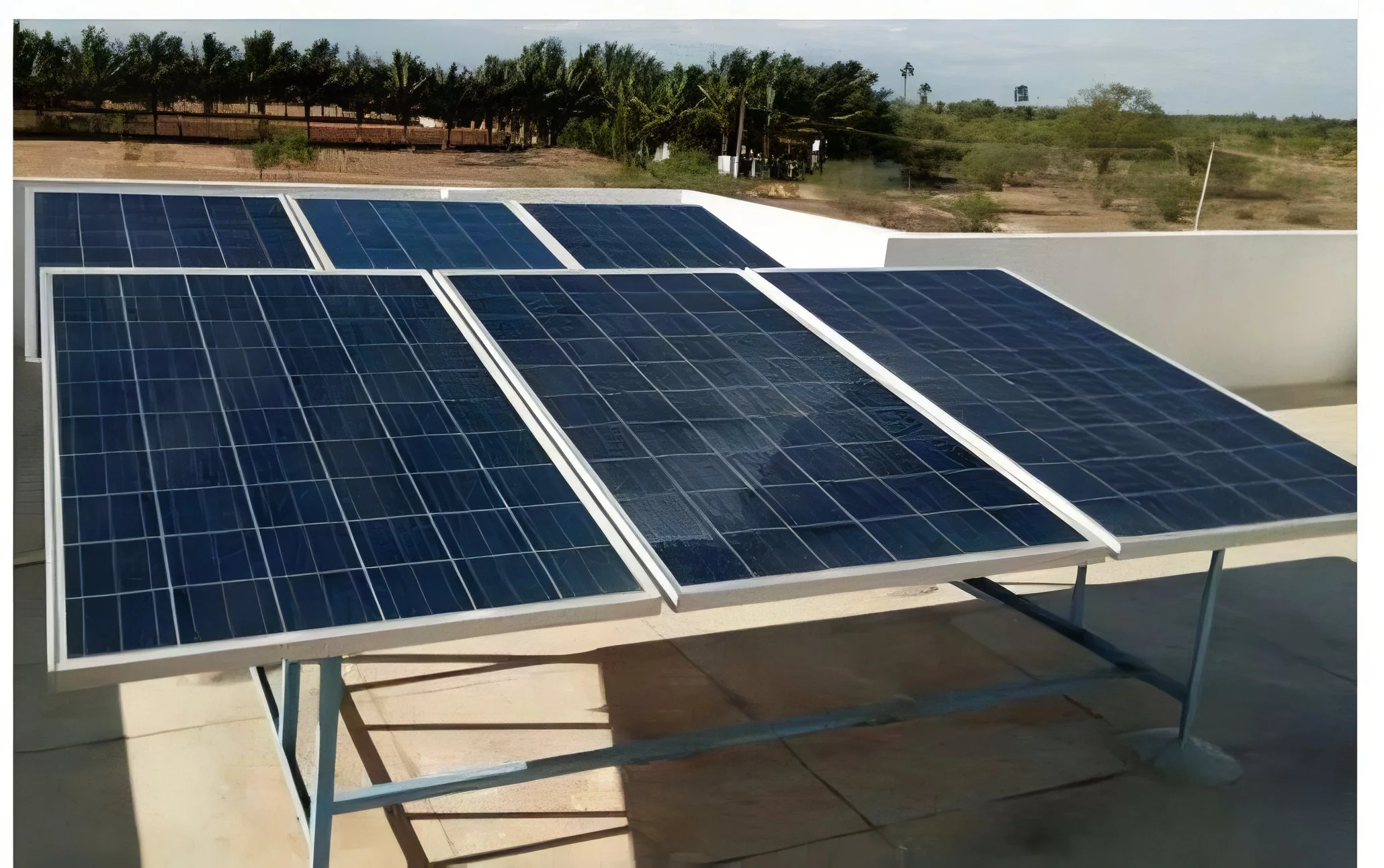
Commercial solar water heaters provide large-scale hot water for hotels, hospitals, and industrial facilities using advanced solar thermal technology. These reliable systems cut energy costs and environmental impact with durable, high-performance components.
Min. Order Quantity: 1 piece
Shipping
Shipping fee and delivery date to be negotiated. Contact supplier now for more details.
MSM ENERGY ENTERPRISES
 Tamil Nadu, India
Tamil Nadu, IndiaElectronics & ElectricalManufacturer