
 IN
Vices (Machine, Bench, Tool Maker's)
2 products available
Key Features and Specifications
Vices available in the market are characterized by a range of features that cater to different industrial needs. Understanding these specifications helps buyers choose the right product for their operations.
Key specifications include:
1. Jaw Width
- The width of the jaws determines the size of the workpieces that can be held.
- Common ranges are from 3 inches to 10 inches.
2. Jaw Opening
- The maximum distance the jaws can open to accommodate various sizes.
- Typical ranges are between 4 inches to 12 inches.
3. Material Construction
- Vices are made from different materials such as cast iron or steel for durability.
- Cast iron offers strength, while steel provides lightweight options.
4. Weight Capacity
- The maximum weight the vice can securely hold without compromising its functionality.
- This can range from 200 pounds to over 1,000 pounds depending on the model.
5. Mounting Style
- Vices can be mounted on workbenches, machines, or used as portable units.
- Common types include fixed, swivel, and portable designs.
6. Jaw Type
- Jaws can be smooth or patterned, affecting the grip and suitability for different materials.
- Smooth jaws are ideal for delicate materials, while patterned jaws provide a firmer grip.
7. Clamping Mechanism
- Vices utilize various mechanisms, such as screw or lever action, for effective clamping.
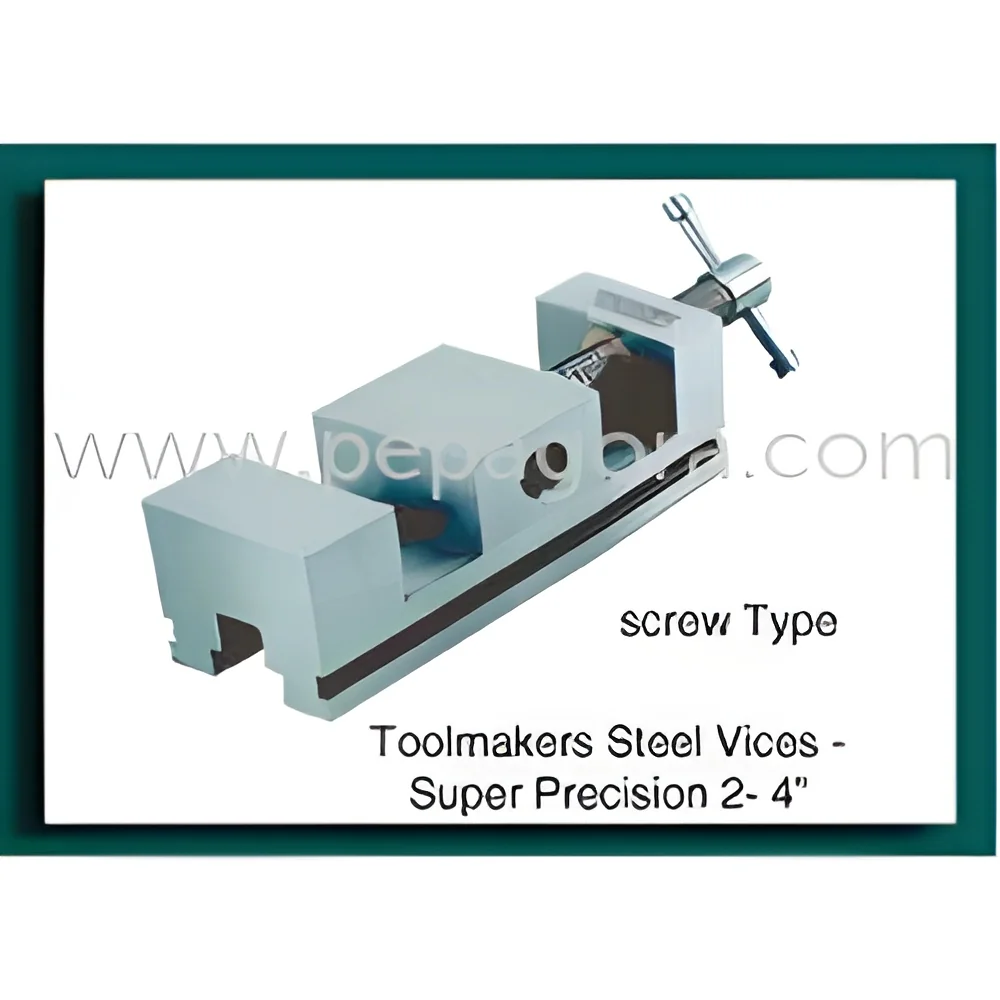
- Screw-driven vices are common for precision work.
8. Safety Features
- Some vices come with integrated safety features to prevent accidental release of the workpiece.
- These may include locking mechanisms or protective guards.
In summary, selecting the right vice involves understanding these key specifications, ensuring that the chosen product meets the specific requirements of the intended application.
Common Applications and Use Cases
Vices play a significant role in various industries, offering functionality and precision across a wide range of applications.
1. Metalworking: In metal fabrication, vices are essential for securely holding steel, aluminum, and other metals during cutting, welding, and machining processes.
2. Woodworking: Craftsmen use bench vices to hold wood pieces firmly in place, allowing for clean cuts and precise joinery in furniture making and cabinetry.
3. Automotive: Vices are utilized in automotive repair and assembly for holding components securely while performing maintenance or modifications.
4. Electronics: Tool maker's vices assist in holding small electronic parts for assembly, soldering, or inspection, ensuring accuracy in delicate tasks.
5. General Manufacturing: Vices are widely used in assembly lines where parts need to be held in place for fastening or further processing.
6. Educational Institutions: Vices are commonly found in technical schools and universities, providing students with hands-on experience in various trades.
7. Hobbyist Workshops: DIY enthusiasts use vices for personal projects, benefiting from improved stability and precision in their work.
Product Variants and Subcategories
The diversity of vices available in the market allows for a wide range of applications and user needs. Each variant is designed to excel in specific environments or tasks.
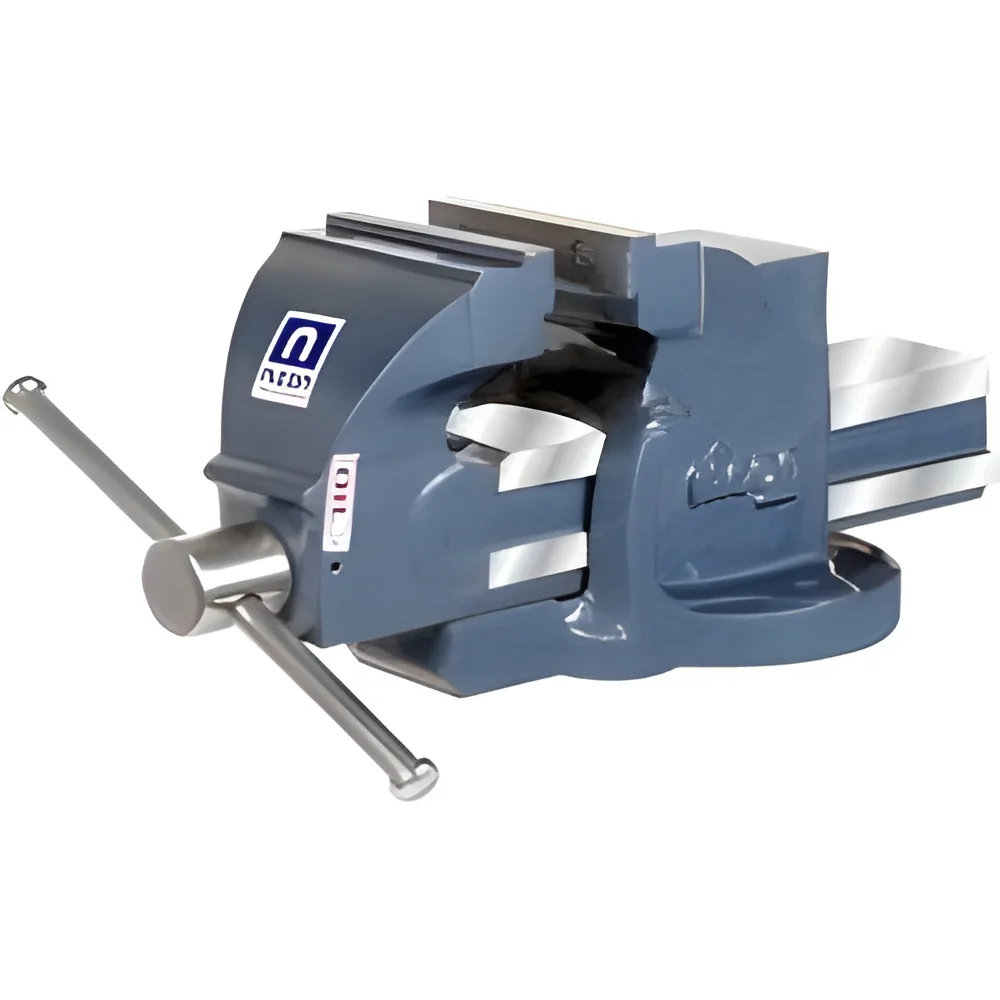
Bench Vice: This variant is typically larger and designed to be mounted on workbenches for general-purpose use. It provides a stable platform for a variety of applications, making it popular in workshops.
Machine Vice: Designed specifically for machine shops, these vices are optimized for holding workpieces during machining operations. They offer precision and stability, often featuring additional clamping options.
Tool Maker's Vice: These vices are smaller and designed for precision work in tool making and machining. They allow for fine adjustments and are ideal for holding intricate parts securely.
Benefits and Advantages
Investing in high-quality vices offers numerous benefits that enhance operational efficiency and safety.
1. Enhanced Precision: Vices provide a stable grip, ensuring accurate cuts and measurements during machining and assembly tasks.
2. Improved Safety: By securely holding workpieces, vices reduce the risk of accidents and injuries in the workplace.
3. Increased Productivity: With the ability to quickly clamp and release materials, vices streamline workflow, allowing for faster project completion.
4. Versatility: Available in various designs and sizes, vices can be used across multiple industries and applications, making them a valuable addition to any workshop.
5. Durability: High-quality vices are built to withstand heavy use and last for many years, providing reliable performance.
6. Customizability: Some vices can be modified or fitted with additional accessories to better suit specific tasks or user preferences.
Buying Guide for B2B Buyers
When sourcing Vices (Machine, Bench, Tool Maker's), it is essential for buyers to consider several key factors to ensure they make informed decisions.
1. Quality Assessment: Evaluate the construction materials and design features to ensure the vice meets industry standards for durability and performance.
2. Supplier Verification: Research potential suppliers and check their credentials, customer reviews, and certifications to ensure they are reputable and reliable.
3. Pricing and MOQ: Understand the price ranges for different types of vices and inquire about minimum order quantities to align with budgetary constraints.
4. Delivery and Lead Times: Discuss logistics and expected delivery times with suppliers to ensure that products arrive when needed for production schedules.
5. Compliance Requirements: Be aware of any industry-specific compliance standards or regulations that the vices must meet, which may vary by region.
Compliance and Certifications
Compliance with quality standards and certifications is crucial when sourcing vices. ISO 9001 is a widely recognized standard that ensures quality management systems are in place for consistent product quality. Additionally, vices may be required to comply with CE certification, indicating that they meet European health, safety, and environmental protection standards.
Safety and testing requirements are critical in ensuring that vices function correctly and do not pose risks during use. Buyers should also consider regional compliance, as standards may differ based on local regulations and market demands.
Why Source Vices (Machine, Bench, Tool Maker's) from Pepagora?
Pepagora offers a trusted platform for sourcing Vices (Machine, Bench, Tool Maker's), presenting several advantages for B2B buyers.
Verified Supplier Network: Pepagora works with a network of verified suppliers, ensuring that buyers can trust the quality and reliability of the products offered. This verification process helps mitigate risks associated with sourcing from unverified sources.
Streamlined RFQ Process: The request for quotation (RFQ) process on Pepagora is designed to be user-friendly, allowing buyers to easily compare offers from multiple suppliers. This efficiency saves time and helps in making informed purchasing decisions.
Trade Assurance and Support: Buyers benefit from trade assurance programs that offer protection throughout the purchase process. This support includes dispute resolution and guarantees that enhance buyer confidence.
Regional Coverage: Pepagora has a broad geographic reach, covering markets in India, the GCC, and Southeast Asia. This enables businesses to access a wide variety of vices suited to their specific operational needs, regardless of location.

 India
 India
Frequently Asked Questions
What are Vices (Machine, Bench, Tool Maker's)?
Vices are mechanical devices used to secure an object in place while work is performed on it. They are commonly used in various applications such as machining, woodworking, and metalworking, providing stability and precision during operations.
What are the different types of Vices (Machine, Bench, Tool Maker's)?
There are several types of vices, including bench vices, machine vices, and toolmaker's vices. Bench vices are designed for use on workbenches, machine vices are used in milling and drilling machines, and toolmaker's vices are precision tools for intricate work.
How do I choose the right Vices (Machine, Bench, Tool Maker's)?
Choosing the right vice depends on the application and the type of material being worked on. Consider factors such as jaw width, throat depth, and clamping force, as well as the specific requirements of your project to ensure optimal performance.
What are the standard specifications for Vices (Machine, Bench, Tool Maker's)?
Standard specifications for vices can vary based on type but generally include jaw width, jaw depth, and maximum opening capacity. Additionally, material construction and weight are essential specifications that affect durability and performance.
What is the price range for Vices (Machine, Bench, Tool Maker's)?
The price range for vices can vary widely based on type and quality, typically starting from around INR 1,000 and going up to INR 20,000 or more for high-end models. Factors such as brand, material, and size will influence the pricing.
What quality standards apply to Vices (Machine, Bench, Tool Maker's)?
Quality standards for vices often include adherence to ISO and DIN specifications, which ensure reliability and safety. Manufacturers may also follow specific industry standards to guarantee the performance and longevity of their products.
Where can I find Vices (Machine, Bench, Tool Maker's) suppliers in India?
You can find vices suppliers in India through B2B marketplaces like Pepagora.com, where various manufacturers and distributors list their products. Additionally, industry trade shows and local hardware suppliers can also be good sources.
Can Vices (Machine, Bench, Tool Maker's) be customized?
Yes, many manufacturers offer customization options for vices based on specific needs, such as size, material, and design features. It is best to communicate your requirements directly with the manufacturer for tailored solutions.
What is the typical minimum order quantity for Vices (Machine, Bench, Tool Maker's)?
The typical minimum order quantity (MOQ) for vices can vary by supplier, but it often ranges from 5 to 50 units depending on the product type and manufacturer. It's advisable to check with the supplier for their specific MOQ policies.
What is the typical lead time for Vices (Machine, Bench, Tool Maker's)?
The typical lead time for vices can range from 1 to 4 weeks, depending on factors such as availability, customization requirements, and the supplier's production capacity. Always confirm the expected delivery time with the supplier before placing an order.
Why Businesses Trust Pepagora
Thousands of companies trust Pepagora to source smarter and sell faster
Expand Your Sales Globally

Source Smarter,Grow Faster
